Fishing in Whanganui National Park
- National Park
- Lakes
- 0
- Rivers
- 12
- Access
- 0
- Boat Ramps
- 0
- Shops
- 0
- Species
- 8
Whanganui National Park protects a large sweep of the central North Island's river country — steep-sided gorges, dense native bush, and the long corridor of the Whanganui River as it works its way from the volcanic plateau toward the Tasman Sea.
The fishing here is freshwater fishing, and it is river fishing: the park holds the Whanganui and a network of tributaries that drain the surrounding ranges. The Whanganui River is the spine of the park.
At 290 km it is one of the longest rivers in the country, and the section running through the national park is where road access disappears and the river enters genuinely remote gorge country.
Both brown and rainbow trout are present throughout, averaging around 1. 5 kg, with fish in the rugged headwaters running closer to 2 kg. The water runs over stone and shingle through a series of runs, small rapids, and deep pools — classic holding water.
Access into the park interior is limited; Whakahoro and Pipiriki are the main road-access points, and much of the river between them is reached by jet boat or on foot.
The Retaruke River joins the Whanganui at Whakahoro and rises in the central plateau, flowing westward through remote park country. It is a small backcountry river with good populations of both rainbow and brown trout in the upper reaches.
The Manganuioteao River is another tributary worth attention — experienced anglers rate it for its high water quality, large boulders, deep pools, and papa ledges, though the fast-flowing water and obstacles make it a river to approach with care.
The small tributaries throughout the park — remote, seldom fished, and worth exploring — are often overlooked. Their remoteness is the point. A standard Fish & Game licence covers freshwater fishing in the park.
The Whanganui River has legal personhood status under New Zealand law, which shapes how the park is managed, though the practical fishing rules are set by Fish & Game.
Check current season dates and any water-specific regulations before you go — the general season runs October through May, but conditions on individual waters vary.
The park rewards anglers who are prepared to move on foot, travel light, and accept that access takes real effort. That effort is also what keeps the fishing as good as it is.
Top waters to fish near Whanganui National Park
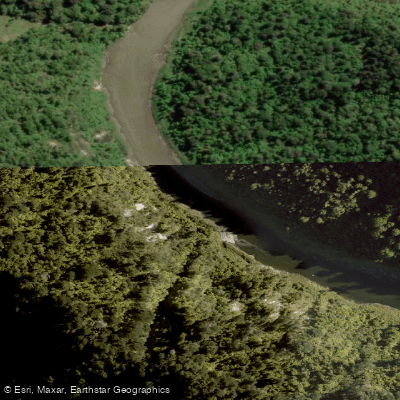
Whanganui River
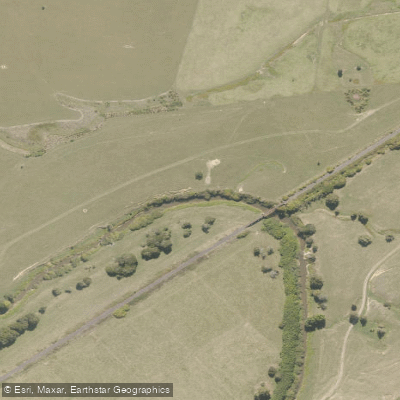
Ōhura River
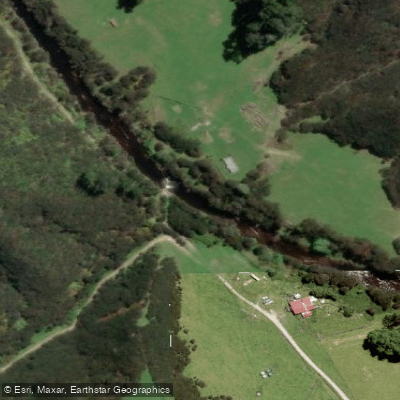
Tāngarākau River
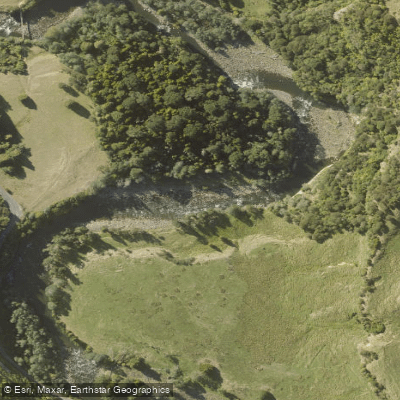
Manganuioteao River
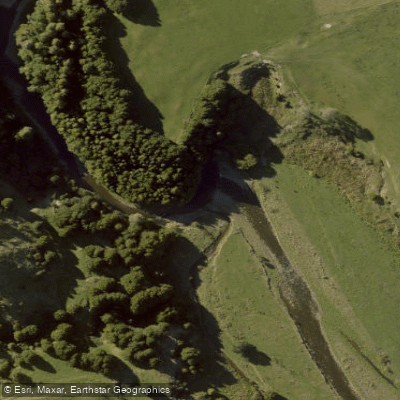
Retaruke River
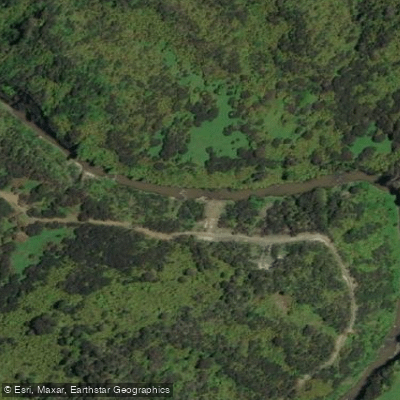
Whangamōmona River
Omaru Stream
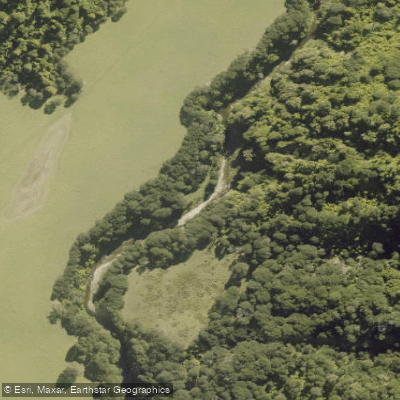
Mangatiti Stream
Tangahoe Stream
Mangaio Stream
Species & education
Learn what type of fish are in Whanganui National Park and what's needed to catch them.
Find which waters have the species you want to catch

Brown Trout
Salmo trutta

Common Smelt
Retropinna retropinna

New Zealand Longfin Eel
Anguilla dieffenbachii

Puye
Galaxias maculatus

Rainbow Trout
Oncorhynchus mykiss

Short-finned Eel
Anguilla australis

Banded Kokopu
Galaxias fasciatus

Climbing Galaxias
Galaxias brevipinnis
Water and weather conditions (10 day forecast)
See the best times to fish Whanganui National Park and check the forecast before you go.
No forecast data available.
Fish smarter with real-time insights
Whether you're en route and conditions shift or you're looking for the best spot based on current flows, we enable you to make informed decisions on the fly.




Fishing near Whanganui National Park
Loading...
Gateway towns
Where to base yourself for fishing in Whanganui National Park.
- TaumarunuiManawatū-Whanganui
Northern gateway with shuttles, canoe hire, and the main put-in for the Whanganui River Journey.
- WhanganuiManawatū-Whanganui
Southern base with bus connections, outfitters, and lodging for river trips ending at the lower park.
- PipirikiManawatū-Whanganui
Small riverside settlement and key access point directly on the Whanganui River inside the park.
- WhakahoroManawatū-Whanganui
Remote northern river gateway and popular launch point for multi-day canoe journeys downstream.
- OhakuneManawatū-Whanganui
Nearby town offering lodging and access to park walks and the Whanganui River Journey.
Explore Whanganui National Park
Top fishing waters
Popular Cities
Loading popular cities...

Smarter Fishing Starts in the App.
onWater Fish gives you everything you need to plan smarter, fish better, and own every trip from first cast to last.