Fishing in Fiordland National Park
- National Park
- Lakes
- 166
- Rivers
- 51
- Access
- 0
- Boat Ramps
- 4
- Shops
- 0
- Species
- 15
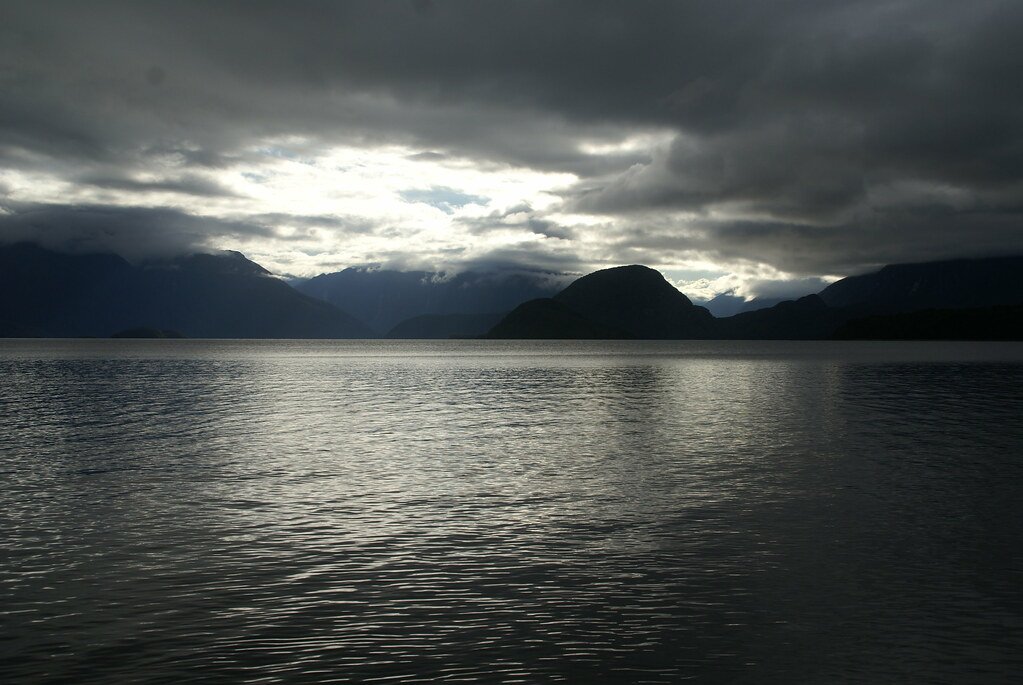
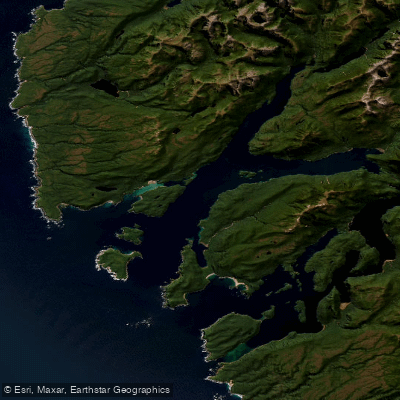
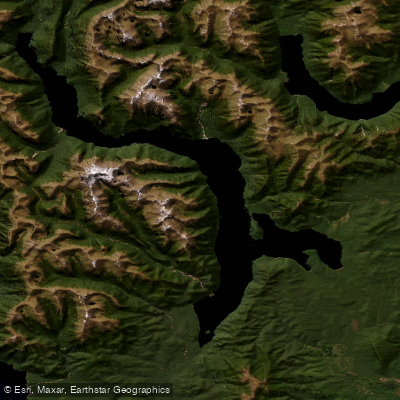
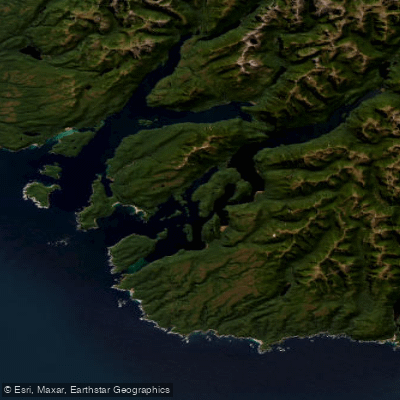
Fiordland National Park occupies the south-western corner of New Zealand's South Island — a landscape of steep valleys, ancient beech forest, and glacier-carved fiords.
The freshwater fishing here is almost entirely wild brown trout, with some rainbow trout and a few landlocked salmon.
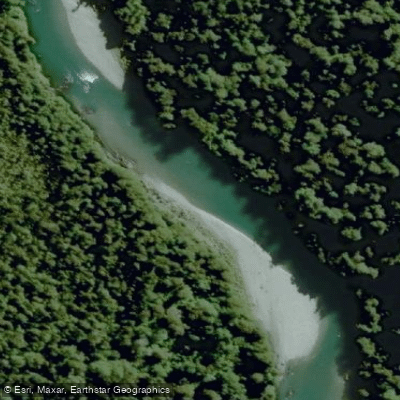
The water is famously clear, often running emerald, amber, or aqua depending on the catchment, and the rivers are typically short and high-gradient, dropping hard off the ranges before reaching the larger lakes.
Lake Te Anau and Lake Manapouri are the two anchoring lakes and the main access points into the system. Both are open year-round, which sets them apart from the tributary rivers, where the season runs 1 November to 31 May.
Boats on the lakes open up the valley rivers that would otherwise require days on foot. The Eglinton River drains into Te Anau from the north and is reachable by road — one of the more accessible fisheries in the park.
The Hollyford River (Whakatipu Kā Tuka) runs north toward the Tasman Sea and fishes differently from the east-draining systems; rivers draining to the Tasman Sea operate under a separate season, so check current regulations before you go.
The Clinton River, which follows the Milford Track corridor, is part of a controlled fishery — Fish & Game administers access, and numbers are managed to protect the experience as much as the fish.
Lake Hauroko, in the south of the park, and Lake Monowai sit in more remote country. The Waiau River connects Manapouri to Te Anau and carries fish between the two systems.
The Arthur River and Forest Burn are among the smaller waters that reward anglers willing to move on foot or by helicopter — some of these streams see almost no pressure.
Sight fishing with a dry fly or nymph is the standard approach: walk upstream, find the fish, make a plan. Browns here can exceed 10 lb in the better systems, and the clarity means presentation matters more than anywhere forgiving.
One rule applies park-wide that doesn't exist elsewhere: a clean gear certificate is mandatory for all western tributaries. This is a biosecurity measure to prevent the spread of freshwater pests, and it's enforced.
Helicopters can access most of the park but are restricted from certain designated wilderness areas — confirm with DOC before booking a fly-in trip.
A Fish & Game licence is required for all freshwater fishing; check the current Southland Fish & Game regulations for any water-specific conditions before you travel. The fishing here asks something of you. Access is the challenge and the point.
Top waters to fish near Fiordland National Park
Species & education
Learn what type of fish are in Fiordland National Park and what's needed to catch them.
Find which waters have the species you want to catch

Barracouta
Thyrsites atun

Blue Warehou
Seriolella brama

Butterfish
Odax pullus

Conger Eel
Conger verreauxi

Elephant Fish
Callorhinchus milii

Giant Stargazer
Kathetostoma giganteum

Kahawai
Arripis trutta

Leatherjacket
Meuschenia scaber

Ling
Genypterus blacodes

New Zealand Sole
Peltorhamphus novaezeelandiae

Red Cod
Pseudophycis bachus

Red Gurnard
Chelidonichthys kumu

Rig
Mustelus lenticulatus

Sand Flounder
Rhombosolea plebeia

School Shark
Galeorhinus galeus
Water and weather conditions (10 day forecast)
See the best times to fish Fiordland National Park and check the forecast before you go.
No forecast data available.
Fish smarter with real-time insights
Whether you're en route and conditions shift or you're looking for the best spot based on current flows, we enable you to make informed decisions on the fly.




Fishing near Fiordland National Park
Loading...
Gateway towns
Where to base yourself for fishing in Fiordland National Park.
- Te AnauSouthland
The main gateway town for Fiordland, with lodging, outfitters, Great Walk permits, and the road to Milford Sound.
- ManapouriSouthland
Small lakeside town near the park's southern edge, serving as the launch point for Doubtful Sound trips.
Explore Fiordland National Park
Top fishing waters
Popular Cities
Loading popular cities...

Smarter Fishing Starts in the App.
onWater Fish gives you everything you need to plan smarter, fish better, and own every trip from first cast to last.