Fishing in Manawatū-Whanganui
- Lakes
- 73
- Rivers
- 186
- Access
- 2
- Boat Ramps
- 2
- Shops
- 0
Manawatū-Whanganui stretches across a large slab of the lower North Island, taking in steep ranges, broad river plains, and a long Tasman Sea coastline.
The fishing reflects that range — big lowland rivers carrying brown trout down from the ranges, coastal surf and estuaries where snapper and kahawai run, and a handful of lakes near Whanganui that hold perch.
It's a region where you can be knee-deep in a gravel-bed river in the morning and casting off a breakwater by afternoon. The freshwater scene is anchored by rivers.
The Manawatū River runs 170 kilometres of fishable water from above Dannevirke, past Woodville and Ashhurst, through Palmerston North and down toward Foxton — one of the longer accessible trout rivers in the lower North Island.
Brown trout are the main quarry, with rainbows becoming more common.
The character shifts considerably along its length: tight gravel-bed channels and papa cliffs in the upper reaches give way to wide, slow, often turbid water below Palmerston North, where perch also show up.
Fly fishing rewards patience here, especially as summer lowers the water and fish become selective — sizes 12–18 nymphs and sedge patterns, with early mornings worth the alarm clock. The Rangitīkei and Whanganui rivers carry similar reputations for trout.
Tributaries like the Pohangina, Ōroua, Mangahao, and Mākākahi give fly anglers smaller, more intimate water — the kind where stalking a visible fish is part of the day. The Mangatainoka is another option in the eastern part of the region.
Around Whanganui city, Lake Wiritoa — a short drive south on SH3 — holds a reliable perch population. Jigging from a boat works through winter and spring; bait or spinning with small lures is the go-to from shore, particularly early and late in the day.
The adjacent Lake Kohata holds good-sized perch too, though invasive hornwort can make summer fishing awkward there.
Offshore, the Tasman Sea off Whanganui produces snapper, kahawai, gurnard, and kingfish, with hapuku and bass available in deeper water further out.
The Whanganui River mouth is a known fishing spot — the wharf structure and breakwater see regular action — though the bar can be lively even in modest swells, and the silty river affects some boat ramps.
A Fish & Game licence is required for trout and other sports fish in freshwater; the Wellington Fish & Game region covers the Manawatū-Rangitīkei rivers, while the Taranaki region covers the Whanganui fisheries.
Check current regulations with the relevant Fish & Game office before you go — rules vary by water and season. For saltwater, MPI sets the rules; their NZ Fishing Rules app is the quickest way to check current limits.
Felt-soled waders are banned throughout New Zealand to limit the spread of didymo. It's worth taking that seriously — these rivers are worth protecting.
Top waters to fish near Manawatu Whanganui
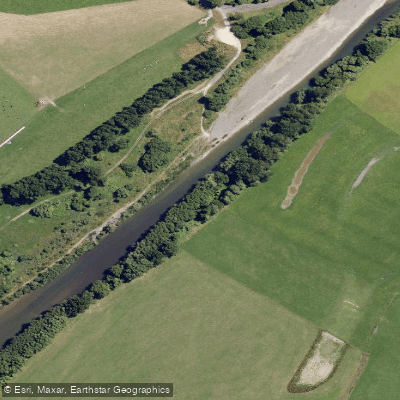
Manawatū River
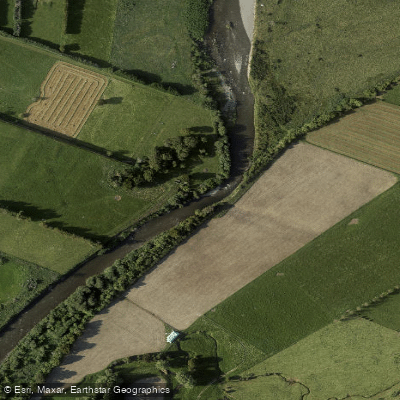
Ōhau River
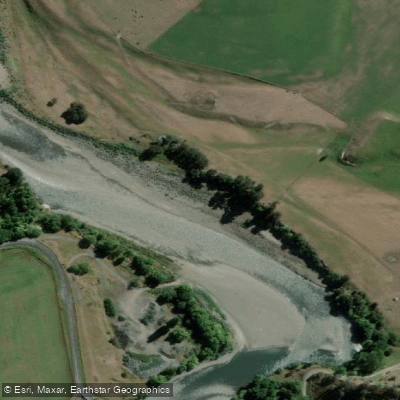
Rangitīkei River
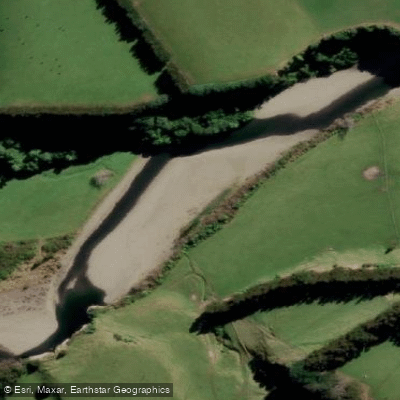
Mangahao River
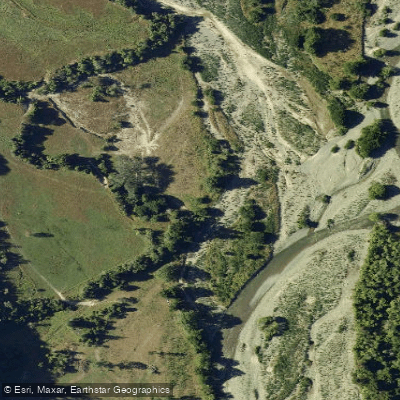
Pohangina River
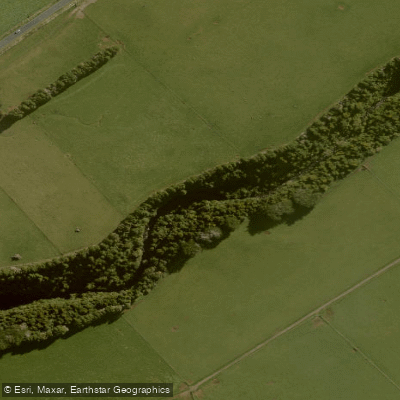
Makotuku River
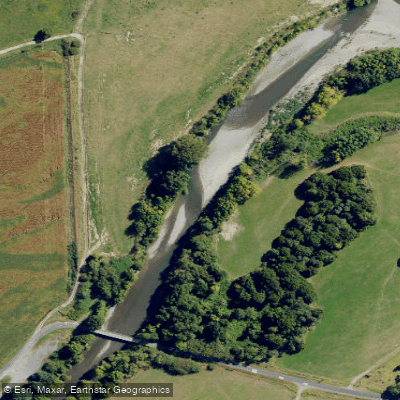
Ōroua River
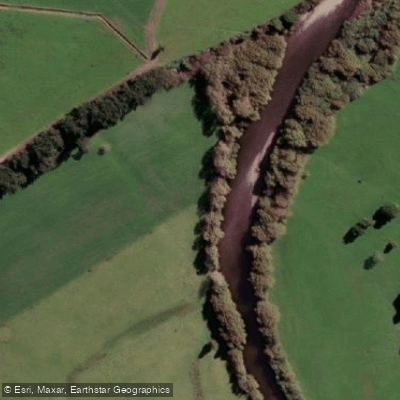
Mangatainoka River
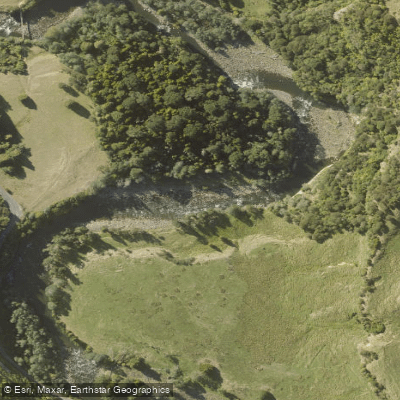
Manganuioteao River
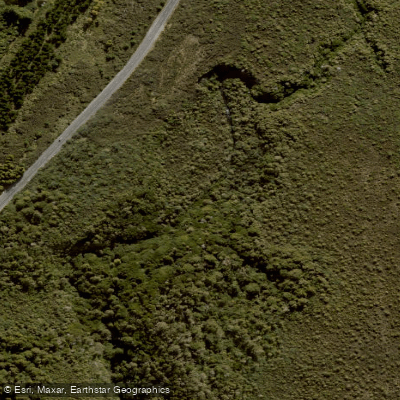
Mangatepopo Stream
Species & education
Learn what type of fish are in Manawatū-Whanganui and what's needed to catch them.
Find which waters have the species you want to catch

Rainbow Trout
Oncorhynchus mykiss

Brown Trout
Salmo trutta

Brook Trout
Salvelinus fontinalis

Albacore
Thunnus alalunga

Alpine Galaxias
Galaxias paucispondylus

Australian Salmon
Arripis trutta

Banded Kokopu
Galaxias fasciatus

Barracouta
Thyrsites atun

Bass Groper
Polyprion americanus

Bigeye Tuna
Thunnus obesus

Black Marlin
Istiompax indica

Blue Cod
Parapercis colias

Blue Mackerel
Scomber australasicus

Blue Moki
Latridopsis ciliaris

Bluenose
Hyperoglyphe antarctica

Blue Shark
Prionace glauca

Blue Warehou
Seriolella brama

Broadbill Swordfish
Xiphias gladius

Bronze Whaler
Carcharhinus brachyurus

Butterfish
Odax pullus
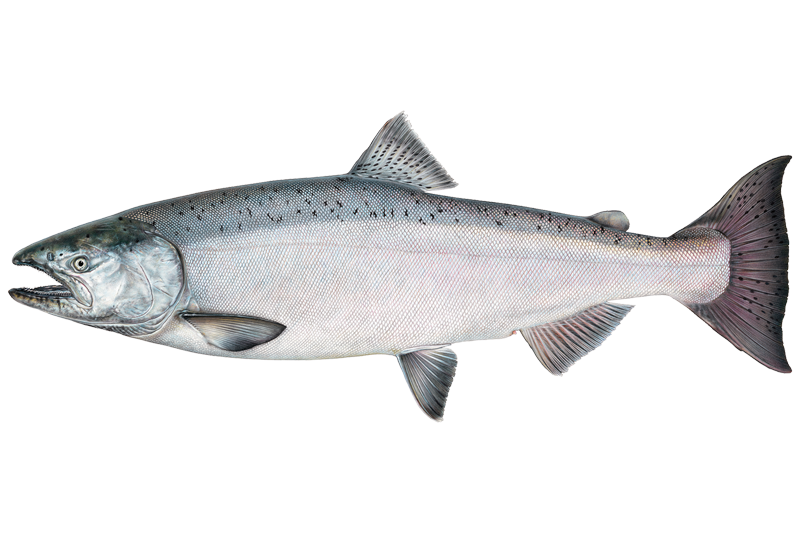
Chinook Salmon
Oncorhynchus tshawytscha

Climbing Galaxias
Galaxias brevipinnis

Common Carp
Cyprinus carpio

Common Smelt
Retropinna retropinna

Conger Eel
Conger verreauxi

Dwarf Galaxias
Galaxias divergens

Elephant Fish
Callorhinchus milii

European Perch
Perca fluviatilis

Gemfish
Rexea solandri

Giant Kokopu
Galaxias argenteus

Giant Stargazer
Kathetostoma giganteum

Greenback Flounder
Rhombosolea tapirina

Grey Mullet
Mugil cephalus

Hapuku
Polyprion oxygeneios

Jack Mackerel
Trachurus declivis

John Dory
Zeus faber

Kahawai
Arripis trutta

Leatherjacket
Meuschenia scaber

Ling
Genypterus blacodes

New Zealand Longfin Eel
Anguilla dieffenbachii
Fish smarter with real-time insights
Whether you're en route and conditions shift or you're looking for the best spot based on current flows, we enable you to make informed decisions on the fly.




Manawatū-Whanganui licenses and regulations
Explore Manawatū-Whanganui waters
Top fishing waters
Popular Cities
Loading popular cities...

Smarter Fishing Starts in the App.
onWater Fish gives you everything you need to plan smarter, fish better, and own every trip from first cast to last.