Fishing in Taranaki
- Lakes
- 31
- Rivers
- 115
- Access
- 1
- Boat Ramps
- 0
- Shops
- 0
Taranaki sits on the western flank of the North Island, shaped by a single volcanic cone — Taranaki Maunga — that sends more than 40 streams radiating outward across a ring plain before they reach the Tasman Sea. That geography defines the fishing here.
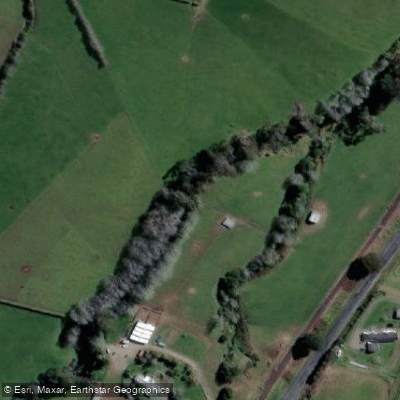
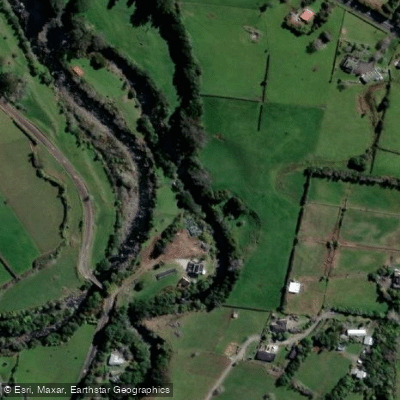
Almost every freshwater option traces back to the mountain, and the coast runs long and open to the west. The ring plain streams are the heart of the freshwater scene.
They're small to mid-sized, clear enough to sight fish, and carry brown trout that have learned to handle the rapid rises that come with heavy rain on the mountain.
The Waingongoro River is the most fished water in the region — it holds both brown and rainbow trout, and fish in the 1. 2–1. 5 kg range are typical, with specimens reaching 4. 5 kg not unheard of.
The Waiwhakaiho River and Pātea River are also worth time, as are the upper reaches of smaller streams like the Stony River (Hangatahua) near Okato, which now carries both brown and rainbow trout after restocking following flood damage.
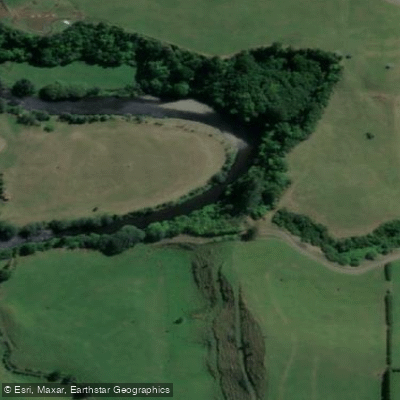
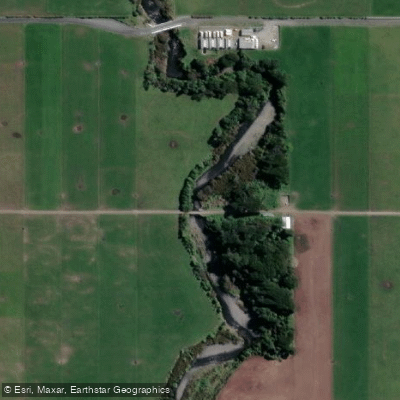
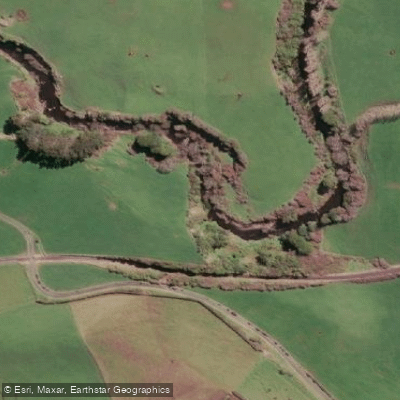
Density varies — meandering sections hold more fish than straight-channelled ones, and in the smaller streams the bigger trout sit in the pools.
Lakes Mangamahoe and Ratapiko offer rainbow trout fishing in a quieter setting, and Lake Rotomanu is stocked with both rainbow trout and perch.
For anyone who wants to extend their range, the Ruapehu district rivers to the east — including the Manganuioteao — are within the same Fish & Game region and carry some of the most productive fisheries around.
Angling pressure across Taranaki is low by New Zealand standards. That's not a secret kept by locals so much as a reflection of the region's modest profile — it sits between better-known destinations and doesn't attract the same traffic.
The trout are wild and self-sustaining, the water quality is good, and on a weekday you're likely to have a stretch of river to yourself.
A Fish & Game licence is required for freshwater fishing; check current rules and season dates with Fish & Game directly before you go. On the coast, snapper is the draw.
The fish running inshore along the Taranaki coastline tend to run large — 9 kg fish are common enough that locals have raised the bar for what counts as a notable catch.
Surfcasting from spots like Port Taranaki's northern rock wall or river mouths south of Ōakura can produce fish, though the fishing rewards a considered approach more than a casual one.
The season peaks around autumn, but snapper are present along this stretch of the west coast through much of the year. Check current saltwater rules through MPI before heading out. The mountain is always there when you're on the water.
It's hard to ignore, and after a while you stop trying.
Species & education
Learn what type of fish are in Taranaki and what's needed to catch them.
Find which waters have the species you want to catch

Rainbow Trout
Oncorhynchus mykiss

Brown Trout
Salmo trutta

Brook Trout
Salvelinus fontinalis

Albacore
Thunnus alalunga

Alpine Galaxias
Galaxias paucispondylus

Australian Salmon
Arripis trutta

Banded Kokopu
Galaxias fasciatus

Barracouta
Thyrsites atun

Bass Groper
Polyprion americanus

Bigeye Tuna
Thunnus obesus

Black Marlin
Istiompax indica

Blue Cod
Parapercis colias

Blue Mackerel
Scomber australasicus

Blue Moki
Latridopsis ciliaris

Bluenose
Hyperoglyphe antarctica

Blue Shark
Prionace glauca

Blue Warehou
Seriolella brama

Broadbill Swordfish
Xiphias gladius

Bronze Whaler
Carcharhinus brachyurus

Butterfish
Odax pullus
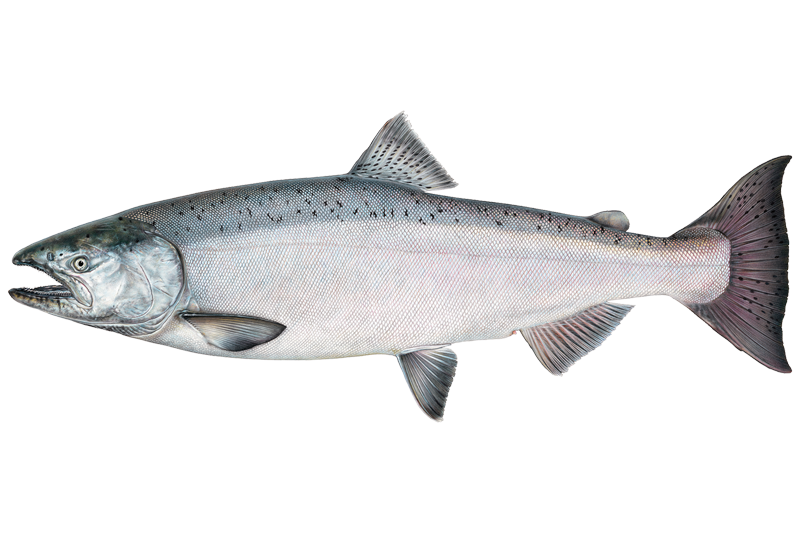
Chinook Salmon
Oncorhynchus tshawytscha

Climbing Galaxias
Galaxias brevipinnis

Common Carp
Cyprinus carpio

Common Smelt
Retropinna retropinna

Conger Eel
Conger verreauxi

Dwarf Galaxias
Galaxias divergens

Elephant Fish
Callorhinchus milii

European Perch
Perca fluviatilis

Gemfish
Rexea solandri

Giant Kokopu
Galaxias argenteus

Giant Stargazer
Kathetostoma giganteum

Greenback Flounder
Rhombosolea tapirina

Grey Mullet
Mugil cephalus

Hapuku
Polyprion oxygeneios

Jack Mackerel
Trachurus declivis

John Dory
Zeus faber

Kahawai
Arripis trutta

Leatherjacket
Meuschenia scaber

Ling
Genypterus blacodes

New Zealand Longfin Eel
Anguilla dieffenbachii
Fish smarter with real-time insights
Whether you're en route and conditions shift or you're looking for the best spot based on current flows, we enable you to make informed decisions on the fly.




Taranaki licenses and regulations
Explore Taranaki waters
Top fishing waters
Popular Cities
Loading popular cities...

Smarter Fishing Starts in the App.
onWater Fish gives you everything you need to plan smarter, fish better, and own every trip from first cast to last.