Fishing in Otago
- Lakes
- 100
- Rivers
- 117
- Access
- 2
- Boat Ramps
- 4
- Shops
- 0
Otago takes up a big slice of the lower South Island, and the water here runs the full range — from deep glacial lakes in the high country to slow lowland rivers threading through farmland toward the coast.
It's predominantly freshwater country, and the fishing reflects that variety: alpine tributaries, large hydro lakes, braided channels, and tannin-stained lowland streams all within the same region.
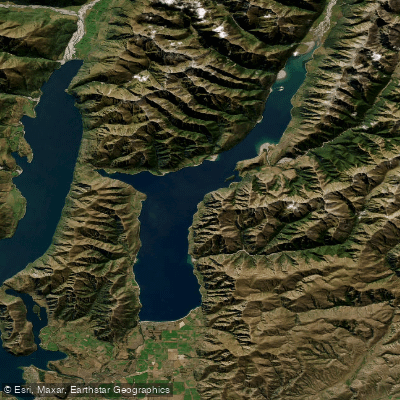
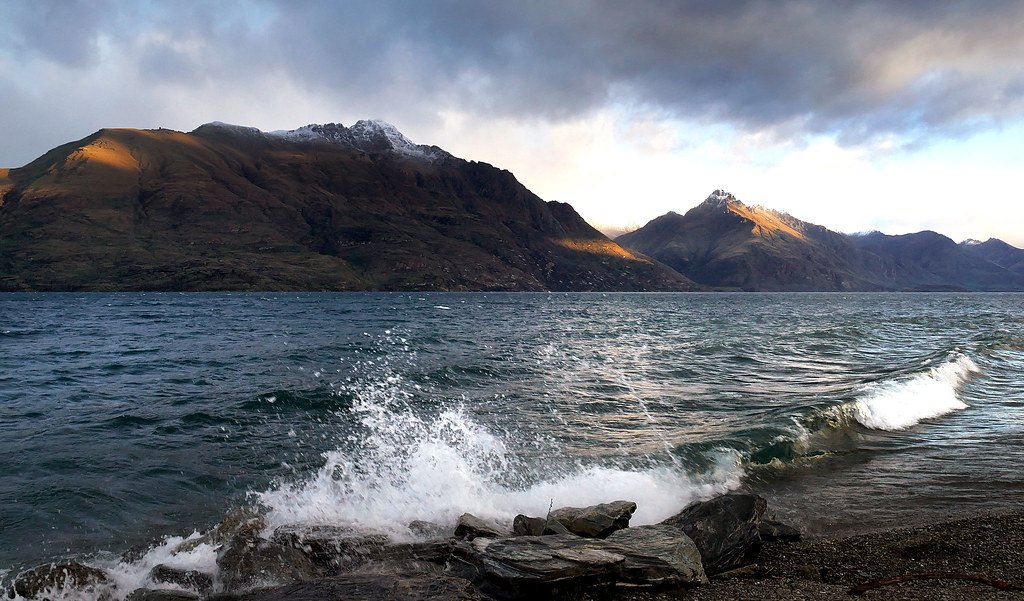
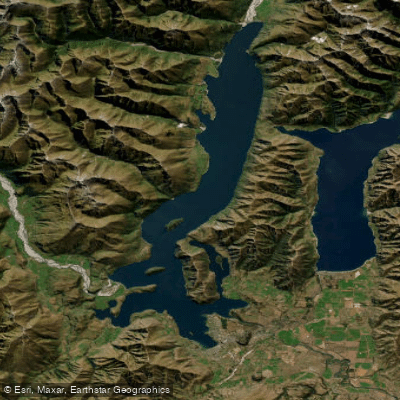
The three southern lakes — Wānaka, Wakatipu, and Hāwea — anchor the western end of the region. All three hold rainbow and brown trout alongside landlocked Chinook salmon.
Wakatipu suits trolling; Wānaka rewards anglers with a boat and some patience; Hāwea, at around 57 kilometres long, is deep and less pressured than its neighbours.
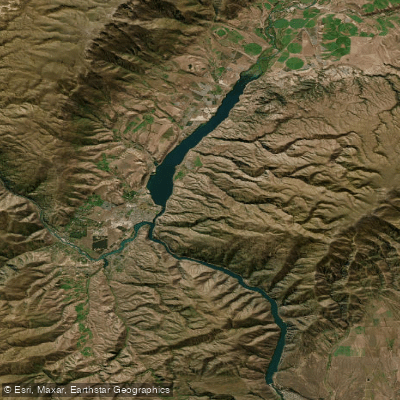
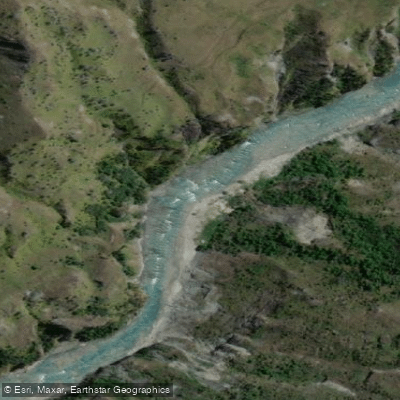
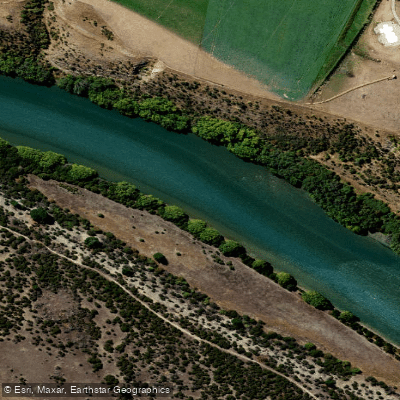
The Clutha River/Mata-Au drains out of Wānaka and runs to the sea, picking up tributaries along the way and offering a different kind of fishing to the lakes it leaves behind. Central Otago's rivers are where most of the sight-fishing reputation comes from.
The Kawarau, Lindis, and Manuherikia are the kind of waters where you're looking for fish before you cast — clear, often low in summer, with browns that have seen a few flies. The Shotover draws attention near Queenstown.
Drift boats open up sections of the bigger hydro rivers that you can't reach on foot, mixing boat fishing with walk-and-wade stretches on the runs and riffles. Further east and south, the character shifts.
The Taieri and Pomahaka are well-regarded lowland fisheries, and the Shag/Waihemo and Pomahaka have long reputations among locals.
Brown trout and perch dominate the lower reaches of these rivers, where the water slows and the landscape opens out toward the coast.
A Fish & Game licence is required for all freshwater fishing in Otago — Fish & Game New Zealand issues these, and current rules, seasons, and any special conditions are worth checking with them before you go.
The season structure and specific regulations vary by water, and some rivers carry additional rules that aren't obvious from a map. The high country demands some legwork.
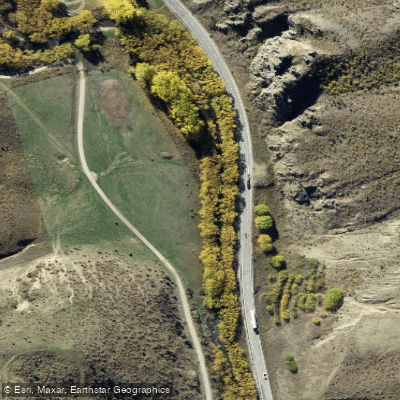
Access to backcountry streams often runs through private stations, and the sandflies will find you before the fish do.
That's part of the deal up here — the fish average well, the water is clear enough to fish by sight, and the valleys tend to be quiet if you're willing to walk.
Species & education
Learn what type of fish are in Otago and what's needed to catch them.
Find which waters have the species you want to catch

Rainbow Trout
Oncorhynchus mykiss

Brown Trout
Salmo trutta

Brook Trout
Salvelinus fontinalis

Albacore
Thunnus alalunga

Alpine Galaxias
Galaxias paucispondylus

Australian Salmon
Arripis trutta

Banded Kokopu
Galaxias fasciatus

Barracouta
Thyrsites atun

Bass Groper
Polyprion americanus

Bigeye Tuna
Thunnus obesus

Black Marlin
Istiompax indica

Blue Cod
Parapercis colias

Blue Mackerel
Scomber australasicus

Blue Moki
Latridopsis ciliaris

Bluenose
Hyperoglyphe antarctica

Blue Shark
Prionace glauca

Blue Warehou
Seriolella brama

Broadbill Swordfish
Xiphias gladius

Bronze Whaler
Carcharhinus brachyurus

Butterfish
Odax pullus
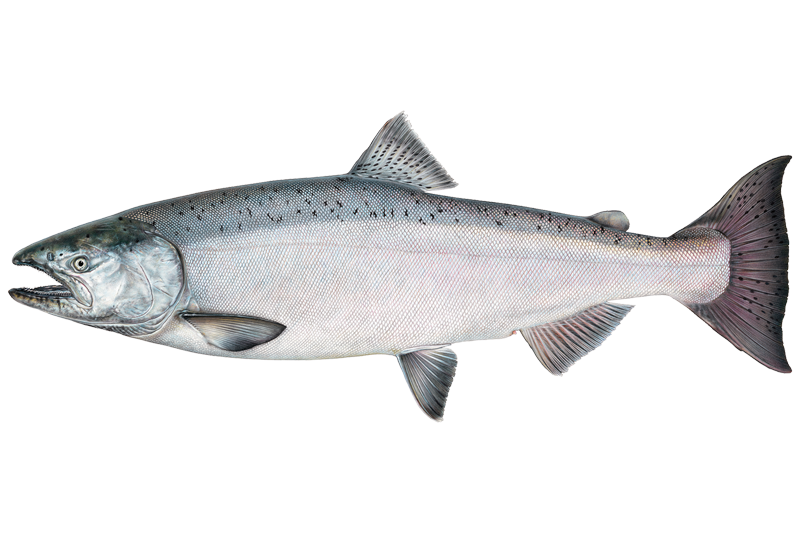
Chinook Salmon
Oncorhynchus tshawytscha

Climbing Galaxias
Galaxias brevipinnis

Common Carp
Cyprinus carpio

Common Smelt
Retropinna retropinna

Conger Eel
Conger verreauxi

Dwarf Galaxias
Galaxias divergens

Elephant Fish
Callorhinchus milii

European Perch
Perca fluviatilis

Gemfish
Rexea solandri

Giant Kokopu
Galaxias argenteus

Giant Stargazer
Kathetostoma giganteum

Greenback Flounder
Rhombosolea tapirina

Grey Mullet
Mugil cephalus

Hapuku
Polyprion oxygeneios

Jack Mackerel
Trachurus declivis

John Dory
Zeus faber

Kahawai
Arripis trutta

Leatherjacket
Meuschenia scaber

Ling
Genypterus blacodes

New Zealand Longfin Eel
Anguilla dieffenbachii
Fish smarter with real-time insights
Whether you're en route and conditions shift or you're looking for the best spot based on current flows, we enable you to make informed decisions on the fly.




Otago licenses and regulations
Explore Otago waters
Top fishing waters
Popular Cities
Loading popular cities...

Smarter Fishing Starts in the App.
onWater Fish gives you everything you need to plan smarter, fish better, and own every trip from first cast to last.