Fishing in Co. Tipperary
- Lakes
- 51
- Rivers
- 1,329
- Access
- 9
- Boat Ramps
- 1
- Shops
- 0
Tipperary is landlocked, sitting in the south of Ireland's midlands, and its fishing is defined almost entirely by rivers.
The county drains through some of the most productive limestone catchments on the island, and that geology shapes everything — the clarity of the water, the density of fly life, and the quality of the trout. The River Suir is the spine of it.
Rising in the Devil's Bit Mountain, it runs 115 miles through the county before joining the Barrow and Nore at Waterford Harbour, and its entire main channel sits on limestone.
That base, combined with long stretches of shallow glide and riffle, makes it one of Ireland's most productive brown trout rivers — not in terms of individual trophy fish, but in sheer numbers of trout per stretch of water. Average fish run between 400g and 1.
8kg depending on where you are on the river.
The towns of Thurles, Cahir, and Clonmel mark the beats most anglers know, and the Golden area has named pools that local clubs have fished for generations — the Cashel, Golden and Tipperary Anglers Association has been working this water since 1935.
Permits for the Suir are available from local tackle shops, and Inland Fisheries Ireland (IFI) is the body to check for current rules. The Glen of Aherlow adds a different character.
The River Aherlow holds brown trout and perch, and the glen itself sits close enough to the Suir that a short drive puts you onto salmon water near Cahir. Fishing permits for the Aherlow can be picked up at the tourist office in Cahir.
On the county's western edge, Lough Derg is a different proposition entirely — 130 square kilometres of open Shannon water, shared with Clare and Galway, reaching 36 metres at its deepest. The Tipperary shore takes in Garrykennedy and Dromineer.
Derg holds brown trout, salmon, pike, perch, roach, bream, tench, and pollan.
The trout fishing here is traditional drift fishing over limestone shallows, and the mayfly hatch — typically beginning in sheltered bays in late April — is what draws most visiting fly anglers.
The coarse fishing is reliable year-round, and pike grow large on the bream and roach populations.
The dry fly and nymph fishing on the Suir around Cahir and the southern limestone tributaries hits its stride from April onward, with early season sport possible on mild days in March.
Salmon and sea trout require a State licence issued through IFI; trout, pike, and coarse fishing don't require a licence, though local permits may still apply depending on the water.
What the Suir's regulars understand — and what takes time to learn — is that this river rewards patience and local knowledge. The named pools around Golden exist because generations of anglers mapped them carefully.
That kind of accumulated attention is still the best guide to fishing Tipperary well.
Top waters to fish near Tipperary
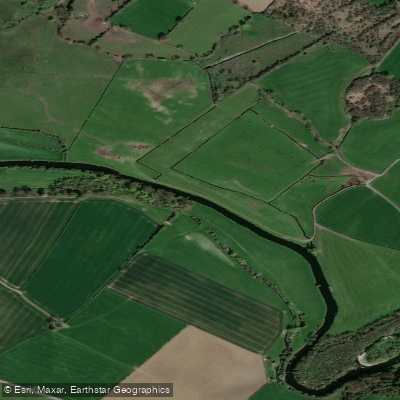
Nore
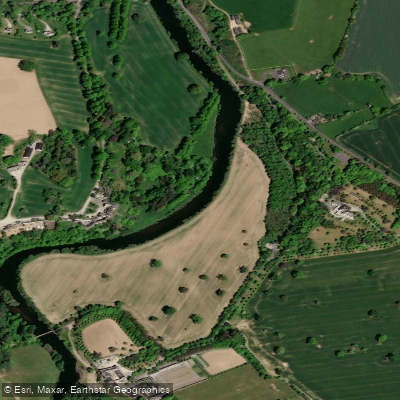
Suir
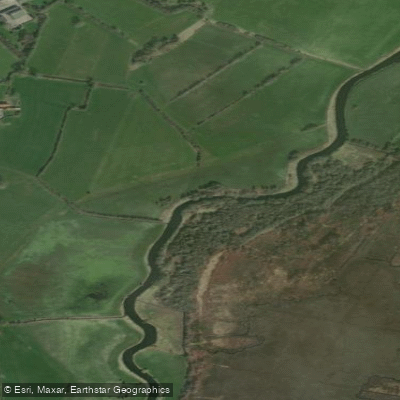
Little Brosna
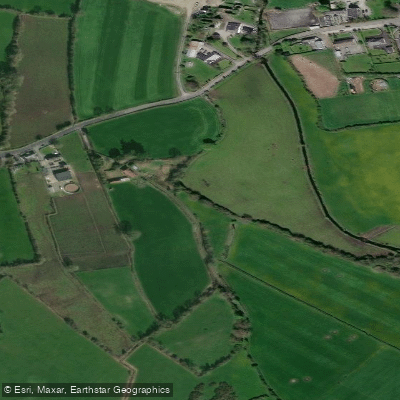
Ballyfinboy
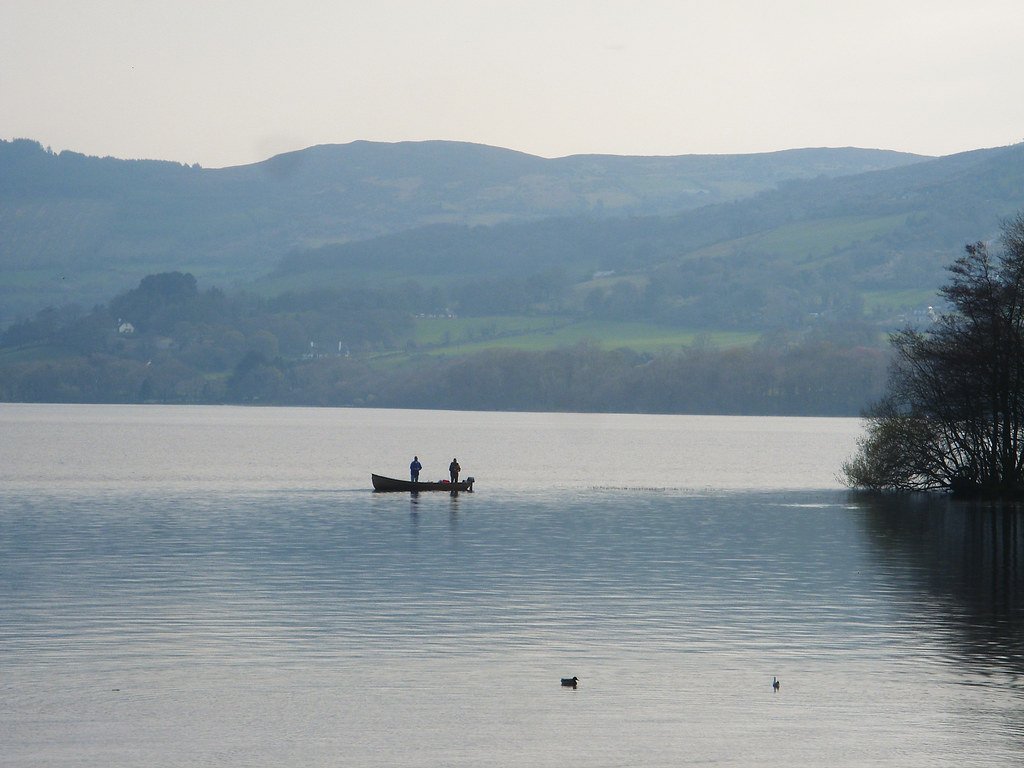
Lough Derg
Shannon [Lower]
Funshion
Newtown 25
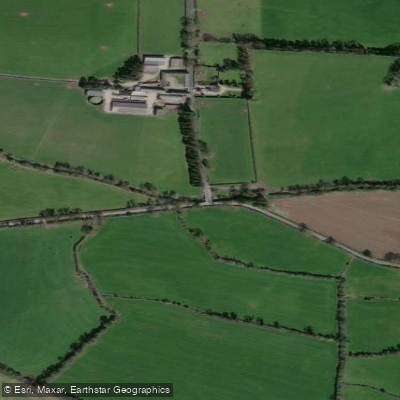
King'S [Kilkenny]
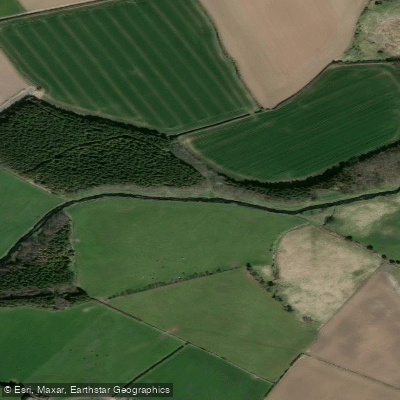
Goul
Species & education
Learn what type of fish are in Co. Tipperary and what's needed to catch them.
Find which waters have the species you want to catch

Rainbow Trout
Oncorhynchus mykiss

Brown Trout
Salmo trutta

Northern Pike
Esox lucius

Angler
Lophius piscatorius

Arctic Char
Salvelinus alpinus

Atlantic Bluefin Tuna
Thunnus thynnus

Atlantic Cod
Gadus morhua

Atlantic Halibut
Hippoglossus hippoglossus

Atlantic Herring
Clupea harengus

Atlantic Horse Mackerel
Trachurus trachurus

Atlantic Mackerel
Scomber scombrus

Atlantic Salmon
Salmo salar

Atlantic Wolffish
Anarhichas lupus

Axillary Seabream
Pagellus acarne

Ballan Wrasse
Labrus bergylta

Black Seabream
Spondyliosoma cantharus

Blonde Ray
Raja brachyura

Blue Shark
Prionace glauca

Brill
Scophthalmus rhombus

Bull Huss
Scyliorhinus stellaris

Coalfish
Pollachius virens

Common Bream
Abramis brama

Common Carp
Cyprinus carpio

Common Dace
Leuciscus leuciscus

Common Gudgeon
Gobio gobio

Common Roach
Rutilus rutilus

Common Skate
Dipturus intermedius

Common Sole
Solea solea

Common Stingray
Dasyatis pastinaca

Conger Eel
Conger conger

Corkwing Wrasse
Symphodus melops

Couch's Seabream
Pagrus pagrus

Cuckoo Ray
Leucoraja naevus

Cuckoo Wrasse
Labrus mixtus

Dab
Limanda limanda

Eurasian Minnow
Phoxinus phoxinus

European Anchovy
Engraulis encrasicolus

European Eel
Anguilla anguilla

European Flounder
Platichthys flesus

European Perch
Perca fluviatilis
Fish smarter with real-time insights
Whether you're en route and conditions shift or you're looking for the best spot based on current flows, we enable you to make informed decisions on the fly.




Co. Tipperary licenses and regulations
Explore Tipperary waters
Top fishing waters
Popular Cities
Loading popular cities...

Smarter Fishing Starts in the App.
onWater Fish gives you everything you need to plan smarter, fish better, and own every trip from first cast to last.