Fishing in Peak District National Park
- National Park
- Lakes
- 58
- Rivers
- 215
- Access
- 0
- Boat Ramps
- 0
- Shops
- 0
- Species
- 15
The Peak District sits across the southern Pennines, where millstone grit moorland in the north and limestone dales in the south produce two very different kinds of water.
Upland reservoirs hold the high ground; clear, fast-moving rivers cut through the dales below. The fishing follows that split. The Wye, Derwent, and Dove are the rivers that most anglers come for.
All three are known for wild brown trout, rainbow trout, and grayling — the Dove in particular carries a long history with fly anglers, running through limestone gorges including Beresford Dale, Wolfscote Dale, and Dovedale, with gravel beds and a reliable hatch of mayfly on the middle stretches near Rocester.
Coarse anglers fishing the Dove will find chub, barbel, roach, bream, and pike, especially further south. The river rises on Axe Edge near Buxton and runs roughly 40 miles before joining the Trent.
Access to most rivers in the park runs through clubs, associations, and estates rather than open public fishing. Much of the water is let on a seasonal basis, with some clubs offering day tickets.
The Chatsworth estate issues tickets covering around 4 miles of double-bank fly fishing on the Derwent. For the Haddon estate water on the Wye, booking is handled through the Peacock.
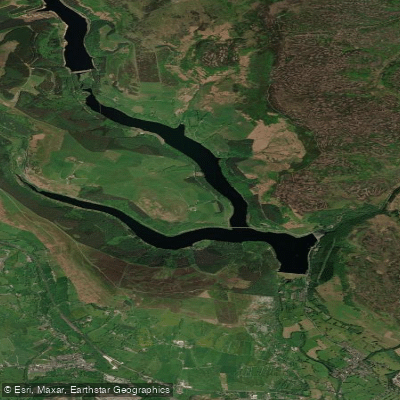
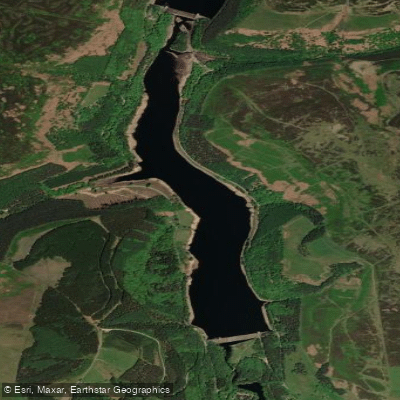
The Trent Rivers Trust runs a roving scheme called the Peak Pass that opens up additional river access — worth checking before a trip. Ladybower Reservoir, in the Upper Derwent Valley, is the main still-water fishery inside the park.
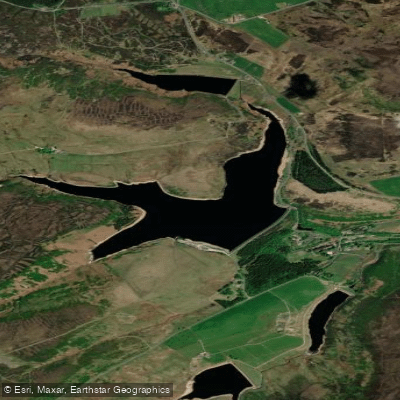
It operates as a stocked trout fishery with rainbow, blue, and brown trout available from bank, boat, and float tube. The bank runs to over 13 miles, much of it shelving steeply into deeper water. Day tickets are available directly through Ladybower Fisheries.
Birchinlee Fly Fishing Club offers members wild brown trout fishing on two reservoirs in the same valley.
The standard Environment Agency rod licence applies throughout England, and individual permits are required on top of that for most waters — the park itself does not issue a single fishing permit.
Rules vary by water and change; check with the relevant fishery, club, or estate before you go.
The Peak District's rivers are among the cleaner ones in England, and that clarity is part of what makes the dry-fly fishing on the limestone rivers worth the effort of sorting out the permits.
Species & education
Learn what type of fish are in Peak District National Park and what's needed to catch them.
Find which waters have the species you want to catch

Atlantic Salmon
Salmo salar

Barbel
Barbus barbus

Bleak
Alburnus alburnus

Brown Trout
Salmo trutta

Common Bream
Abramis brama

Common Carp
Cyprinus carpio

Common Dace
Leuciscus leuciscus

Common Gudgeon
Gobio gobio

Common Roach
Rutilus rutilus

European Eel
Anguilla anguilla

European Grayling
Thymallus thymallus

European Perch
Perca fluviatilis

Northern Pike
Esox lucius

Rainbow Trout
Oncorhynchus mykiss

Crucian Carp
Carassius carassius
Water and weather conditions (10 day forecast)
See the best times to fish Peak District National Park and check the forecast before you go.
No forecast data available.
Fish smarter with real-time insights
Whether you're en route and conditions shift or you're looking for the best spot based on current flows, we enable you to make informed decisions on the fly.




Fishing near Peak District National Park
Loading...
Gateway towns
Where to base yourself for fishing in Peak District National Park.
- BakewellDerbyshire
The park's main market town, centrally located in the White Peak with hotels, shops, and easy access to key trails and attractions.
- BuxtonDerbyshire
A large spa town on the park's western edge serving as a popular base with a wide range of accommodation and services.
- EdaleDerbyshire
A small village in the Dark Peak and the traditional starting point for the Pennine Way, popular with serious walkers.
- MatlockDerbyshire
A market town on the park's southeastern edge offering accommodation and a practical base for exploring the White Peak.
- AshbourneDerbyshire
A market town at the southern gateway to the park and the start of the Tissington Trail cycling and walking route.
Explore Peak District National Park
Top fishing waters
Popular Cities
Loading popular cities...

Smarter Fishing Starts in the App.
onWater Fish gives you everything you need to plan smarter, fish better, and own every trip from first cast to last.