Fishing in Tasmania
- Lakes
- 181
- Rivers
- 1,371
- Access
- 20
- Boat Ramps
- 299
- Shops
- 0
Tasmania sits at the bottom of Australia, separated from the mainland by Bass Strait and exposed on its southern and western flanks to the full force of the Southern Ocean.
That geography shapes everything about the fishing here — the water is cold and clean, the rivers run reliably, and the island carries a freshwater fishery unlike anything else in the country. The inland story is trout.
Brown trout were established here in 1864, and the wild population that descended from those fish is what the Inland Fisheries Service has been managing ever since.
The Central Highlands hold over 3,000 lakes and tarns, most of them carrying fish, and the Great Lake — the largest water in the highlands — is the kind of place that rewards patience.
It's big, exposed, and subject to hydro drawdowns in summer, but it fishes well even in low water. Wild browns and rainbows averaging close to 3 pounds, clear water, and fish that rise freely to dry flies.
Canal Bay, Tods Corner, and Swan Bay are the areas locals gravitate toward, though the shoreline is long enough that you can find your own water.
The season opens 1 August and a freshwater angling licence is required for anyone 14 and over — issued by the Inland Fisheries Service. Rivers matter here too.
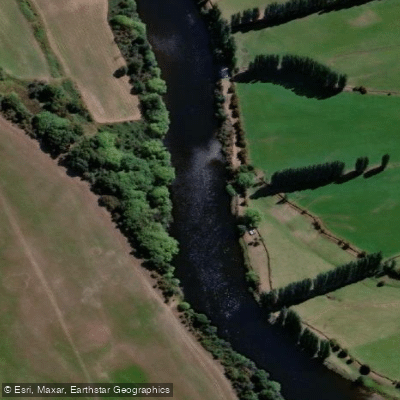
The Derwent system drains much of the south, and the Tyenna — a tributary that rises behind Mount Field and runs east for around 40 kilometres before joining the Derwent above Bushy Park — is the kind of river that draws dedicated stream anglers.
The Central Highlands and the rivers feeding out of them are within a couple of hours of Hobart or Launceston, which means good trout fishing doesn't require a serious expedition, though plenty of the highland tarns do. On the salt, St.
Helens on the northeast coast is where game fishing concentrates. The continental shelf is close enough that a 20-minute run puts you over deep water, and southern bluefin tuna are the main draw — Tasmania holds several world records for the species.
Striped marlin, yellowfin tuna, and albacore move through the same waters.
Closer in, the Scamander River mouth on the east coast holds sea bream, and the lower Derwent around Piersons Point and the Iron Pot produces flathead, Australian salmon, barracouta, and squid.
There's a Marine Reserve between Tinderbox and Bruny Island worth knowing before you set up there. Rod and line fishing in marine waters doesn't require a licence, but rock lobster, abalone, scallops, and net fishing do — check current rules through fishing.
tas. gov. au, as seasons and areas shift. The fishing here asks something of you. The highland tarns reward the angler willing to walk in. The game fishing requires reading weather that can turn fast.
But the water is genuinely healthy, the wild trout fishery is carefully managed, and the conservation ethic runs through the whole scene in a way that's easy to respect.
Species & education
Learn what type of fish are in Tasmania and what's needed to catch them.
Find which waters have the species you want to catch

Rainbow Trout
Oncorhynchus mykiss

Brown Trout
Salmo trutta

Brook Trout
Salvelinus fontinalis

Albacore
Thunnus alalunga

Atlantic Salmon
Salmo salar

Australian Bass
Macquaria novemaculeata

Australian Bonito
Sarda australis

Australian Grayling
Prototroctes maraena

Australian Herring
Arripis georgianus

Australian Longfin Eel
Anguilla reinhardtii

Australian Salmon
Arripis trutta

Australian Smelt
Retropinna semoni

Baldchin Groper
Choerodon rubescens

Barracouta
Thyrsites atun

Barramundi
Lates calcarifer

Barred Galaxias
Galaxias fuscus

Barred Javelin
Pomadasys kaakan

Bigeye Tuna
Thunnus obesus

Black Bream
Acanthopagrus butcheri

Black Catfish
Neosilurus ater

Black Marlin
Istiompax indica

Blue Mackerel
Scomber australasicus

Blue-threadfin
Eleutheronema tetradactylum

Bronze Whaler
Carcharhinus brachyurus
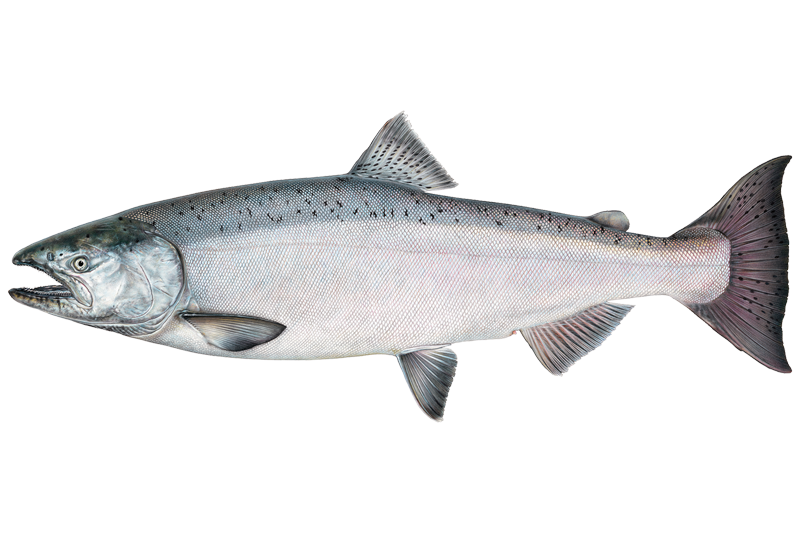
Chinook Salmon
Oncorhynchus tshawytscha

Climbing Galaxias
Galaxias brevipinnis

Cobia
Rachycentron canadum

Common Carp
Cyprinus carpio

Common Roach
Rutilus rutilus

Coral Trout
Plectropomus leopardus

Crucian Carp
Carassius carassius

Dusky Flathead
Platycephalus fuscus

Eastern Blue Groper
Achoerodus viridis

Eastern Freshwater Cod
Maccullochella ikei

Estuary Cod
Epinephelus coioides

European Perch
Perca fluviatilis

Fingermark
Lutjanus johnii

Flathead Grey Mullet
Mugil cephalus

Freshwater Catfish
Tandanus tandanus

Freshwater Cobbler
Tandanus bostocki
Fish smarter with real-time insights
Whether you're en route and conditions shift or you're looking for the best spot based on current flows, we enable you to make informed decisions on the fly.




Tasmania licenses and regulations
Explore Tasmania waters
Top fishing waters
Popular Cities
Loading popular cities...

Smarter Fishing Starts in the App.
onWater Fish gives you everything you need to plan smarter, fish better, and own every trip from first cast to last.