Sockeye Salmon

Sockeye salmon in Wisconsin are primarily found as the landlocked variety called kokanee, with a naturalized population thriving in Lake Florence for over 50 years.
Unlike their anadromous counterparts, these landlocked sockeye complete their entire life cycle in freshwater.
Also known as kokanee
- Average 20 inches and weigh between 3-5 pounds.
- They undergo dramatic color changes from silver with black backs to brilliant red bodies and green heads during spawning season.
- Kokanee have bluntly pointed, conical heads with 'fang-like' teeth and 30-40 fine gill rakers.
- They lack the distinct black spots typical of other salmon species.
Fishing in Wisconsin
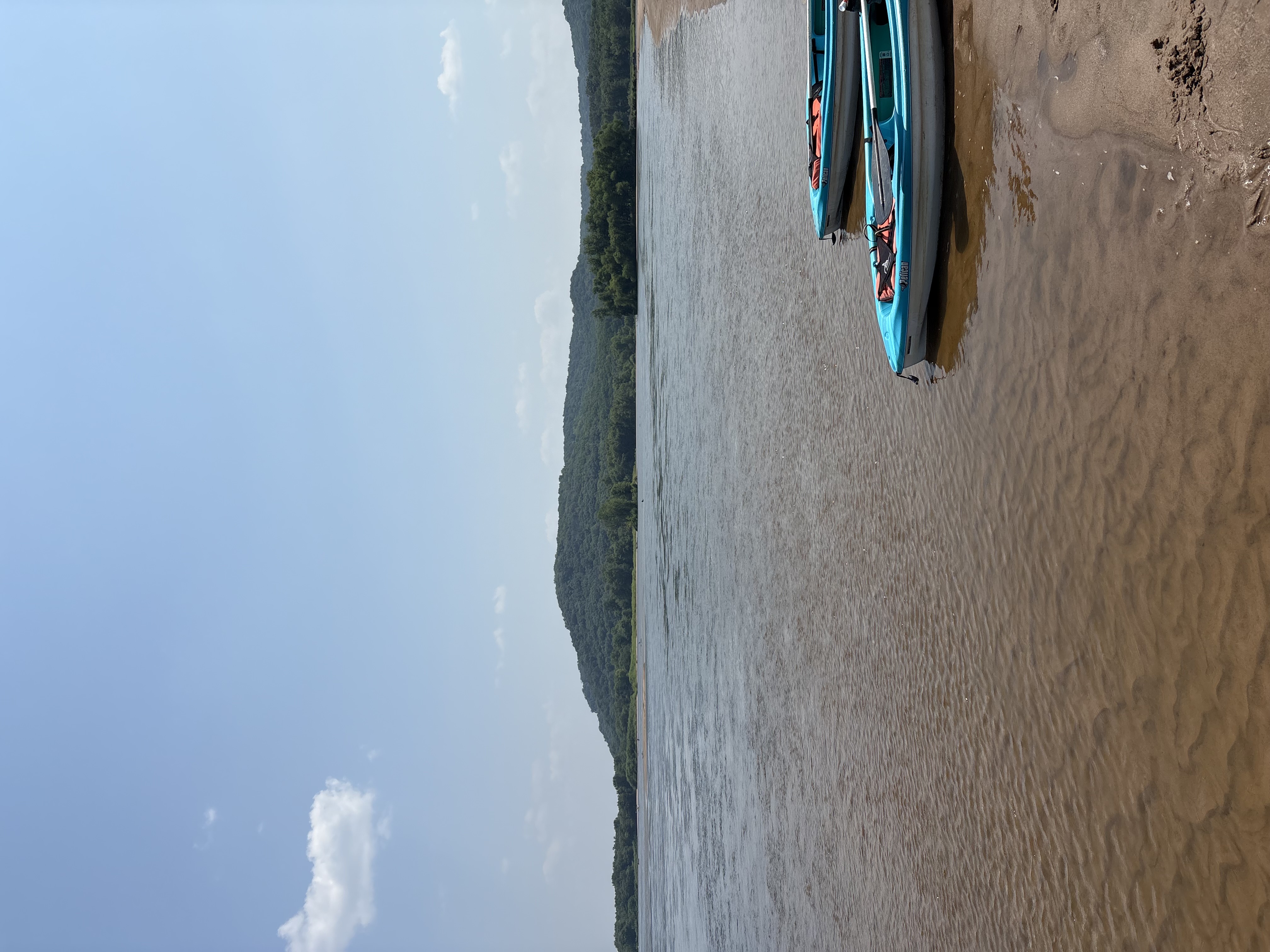
Wisconsin River
Big Eau Pleine Reservoir
Lake Poygan
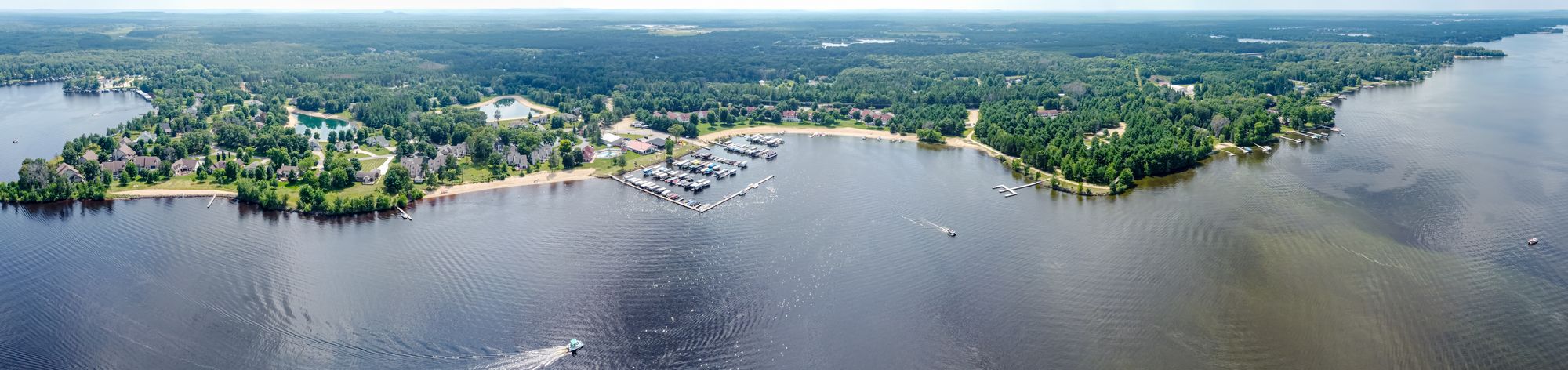
Castle Rock Lake
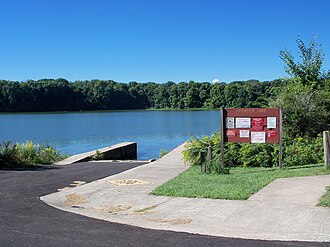
Spencer Lake
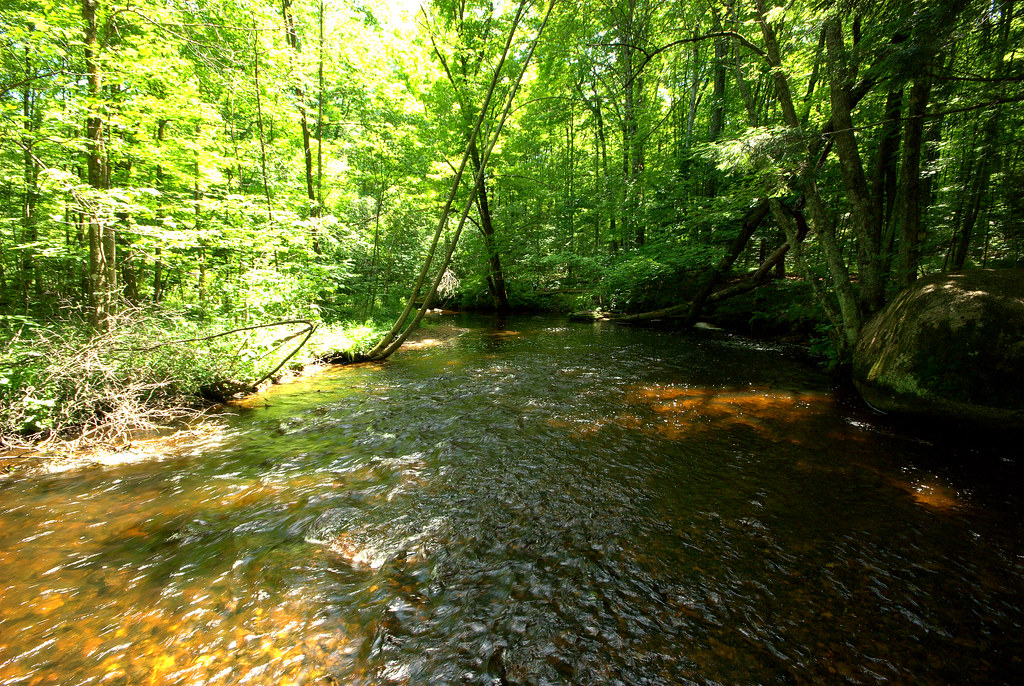
Little Wolf River
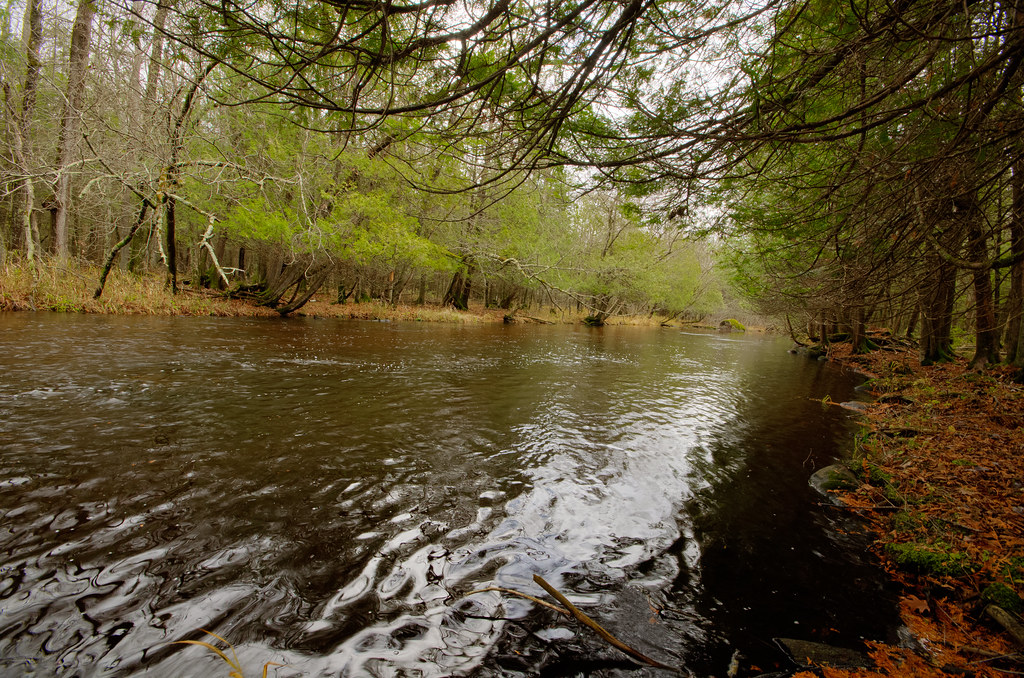
Wolf River
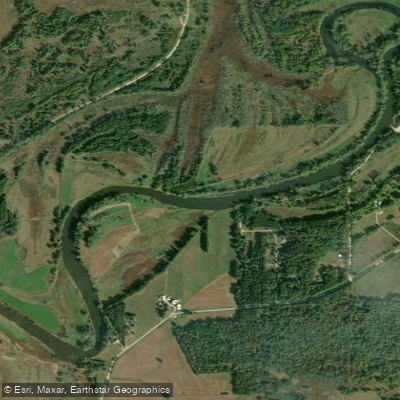
Fox River
McDill Pond
Wisconsin River Flowage
What to know
Habitat Distribution
- Primarily limited to Lake Florence in Wisconsin.
- This 57-acre lake with a maximum depth of 29 feet supports the population.
Key Locations
- Lake Florence (Waukesha County).
Specific Spots
- Target areas where zooplankton concentrate, typically in the deeper, cooler sections of the lake.
- Focus on deeper sections of the 29-foot maximum depth lake.
Sockeye Salmon FAQ
Answers from onWater's species guide.
What are the best lures and bait for Sockeye Salmon in Wisconsin?
Small spoons, spinners in bright colors, jigs tipped with small baits, small crankbaits, trolling spoons, Rapalas and spinners in rainbow or brown trout colors.
What flies work for Sockeye Salmon in Wisconsin?
Small bright flies like crystal shrimp flies that mimic their natural zooplankton prey, Russian River flies with single-point hooks and bright colors for visibility, and e.g.g patterns.
When is the best time to fish for Sockeye Salmon in Wisconsin?
Can be caught year-round with consistent action. The best fishing occurs during the three months before spawning. Avoid fishing during spawning periods in fall.
How do you catch Sockeye Salmon in Wisconsin?
Use downriggers or weighted lines to reach their preferred cool water zones. Use dead-drift presentations for fly fishing. Trolling works well in deeper water. Small presentation is key since kokanee feed primarily on zooplankton.
What do Sockeye Salmon eat?
Diet consists primarily of zooplankton, small crustaceans like copepods and euphausiids, small shrimp, insects, and occasionally snails during juvenile stages. Adult kokanee continue feeding on zooplankton and small aquatic organisms.
Fish smarter with real-time insights
Whether you're en route and conditions shift or you're looking for the best spot based on current flows, we enable you to make informed decisions on the fly.







See it in the app
Most maps show you water.
onWater shows you Sockeye Salmon.



- 01 · Species map filter
Map every Sockeye Salmon water
Pick Sockeye Salmon and the map zeroes in on the waters they call home. No more guessing which lake holds them.
- 02 · Waterbody species
Tap any water. See what lives there.
Species, behavior and seasonal patterns for every lake, river and pond, before you leave the driveway.
- 03 · Angler Intelligence
Ask how to catch Sockeye Salmon
Tactics, gear and timing from onWater's AI fishing guide, tuned to the species and the water you're on.
Stop guessing where Sockeye Salmon are.
Open the map, filter by Sockeye Salmon, and head to water that holds them. Download onWater and plan your next trip in minutes.
- Species map filter
- Angler Intelligence
- Fishing journal
Explore other species
Trout, bass, salmon, panfish and everything in between. Each guide unpacks the behavior, seasons, and tactics that put fish in the net.

Find which waters have the species you want to catch

Largemouth Bass
Micropterus salmoides

Smallmouth Bass
Micropterus dolomieu

Rainbow Trout
Oncorhynchus mykiss

Brown Trout
Salmo trutta

Brook Trout
Salvelinus

Cutthroat Trout

Northern Pike
Esox lucius

Muskellunge
Esox masquinongy

Walleye
Sander vitreus

Black Crappie
Pomoxis nigromaculatus

Alewife
Alosa pseudoharengus

American Eel
Anguilla rostrata

Atlantic Salmon
Salmo salar

Bighead Carp
Hypophthalmichthys nobilis

Bigmouth Buffalo
Ictiobus cyprinellus

Black Buffalo
Ictiobus niger

Black Bullhead
Ameiurus melas

Blacknose Dace
Rhinichthys atratulus

Blue Sucker
Cycleptus elongatus

Bowfin
Amia calva

Brown Bullhead
Ameiurus nebulosus

Burbot
Lota lota

Chain Pickerel
Esox niger

Channel Catfish
Ictalurus punctatus

Chinook Salmon

Cisco
Coregonus artedi

Coho Salmon

Common Carp
Cyprinus carpio

Creek Chub
Semotilus atromaculatus

Flathead Catfish
Pylodictis olivaris

Flier
Centrachus macropterus

Freshwater Drum
Aplodinotus grunniens

Gizzard Shad

Golden Redhorse
Moxostoma erythrurum

Grass Carp
Ctenopharyngodon idella

Green Sunfish
Lepomis cyanellus

Lake Sturgeon
Acipenser fulvescens

Lake Trout
Salvelinus namaycush
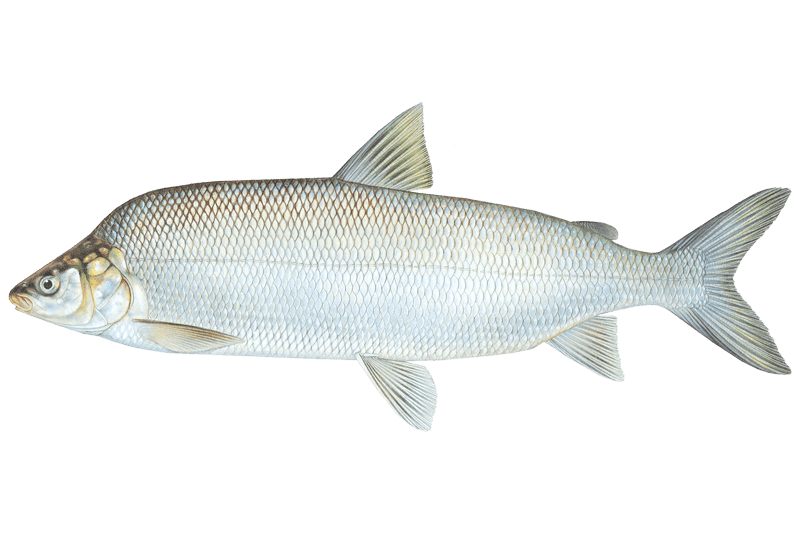
Lake Whitefish
Coregonus clupeaformis

Longear Sunfish
Lepomis megalotis
Wisconsin licenses and regulations

Wisconsin Boating Regulations
When using any type of watercraft to access a body of water, it is important to follow all federal, state, and local rules and regulations. These rules and regulations include boat permitting and licensing, invasive species inspections and stamps, life jacket and PFD rules, motor size and horsepower restrictions, noise limitations, restrictions on personal watercraft, and many more. Visit the web link below for the most current rules and regulations for this body of water.

Wisconsin Fishing License
Wisconsin residents and non-residents 16 years old or older need a fishing license to fish in any waters of the state. Children under 16 years of age do not need a fishing license.

Wisconsin Fishing Regulations
This river has a variety of species and regulations, including potential floating and/or watercraft restrictions. Because this river is specially managed for species, seasons, angling methods, and watercraft, it is strongly encouraged you check all federal, state, and local regulations before fishing. Visit any of the links below, inquire locally, or contact a local fly shop to learn current regulations and restrictions.

Wisconsin Stream Access Laws
Floatable water is public in Wisconsin, and users are legally allowed access to all lakes and streambeds below the high water mark for recreational purposes. Though riparian owners can own streams, the public has legal access to those streambeds below the high water mark while engaged in water-related recreational activity.
Explore nearby waters
Explore Wisconsin waters
Top fishing waters
Popular Cities
Loading popular cities...
Smarter Fishing Starts in the App.
onWater Fish gives you everything you need to plan smarter, fish better, and own every trip from first cast to last.