Ruffe

Ruffe are an invasive Eurasian species that first appeared in Wisconsin waters in 1986-1987, initially discovered by Wisconsin DNR in the St. Louis River at the Minnesota-Wisconsin border.
As an invasive species, they're considered a serious threat to native fish populations.
Scientific Name: Gymnocephalus cernua
- Small perch-like fish reach 10 inches in length with olive-brown to golden-brown backs, yellowish-white undersides, and distinctive fused dorsal fins with 12-19 spines.
- They have prominent preopercular spines and resemble chunky yellow perch but lack the distinctive yellow coloration.
- They have exceptional night vision and sensitive lateral line systems.
Fishing in Wisconsin
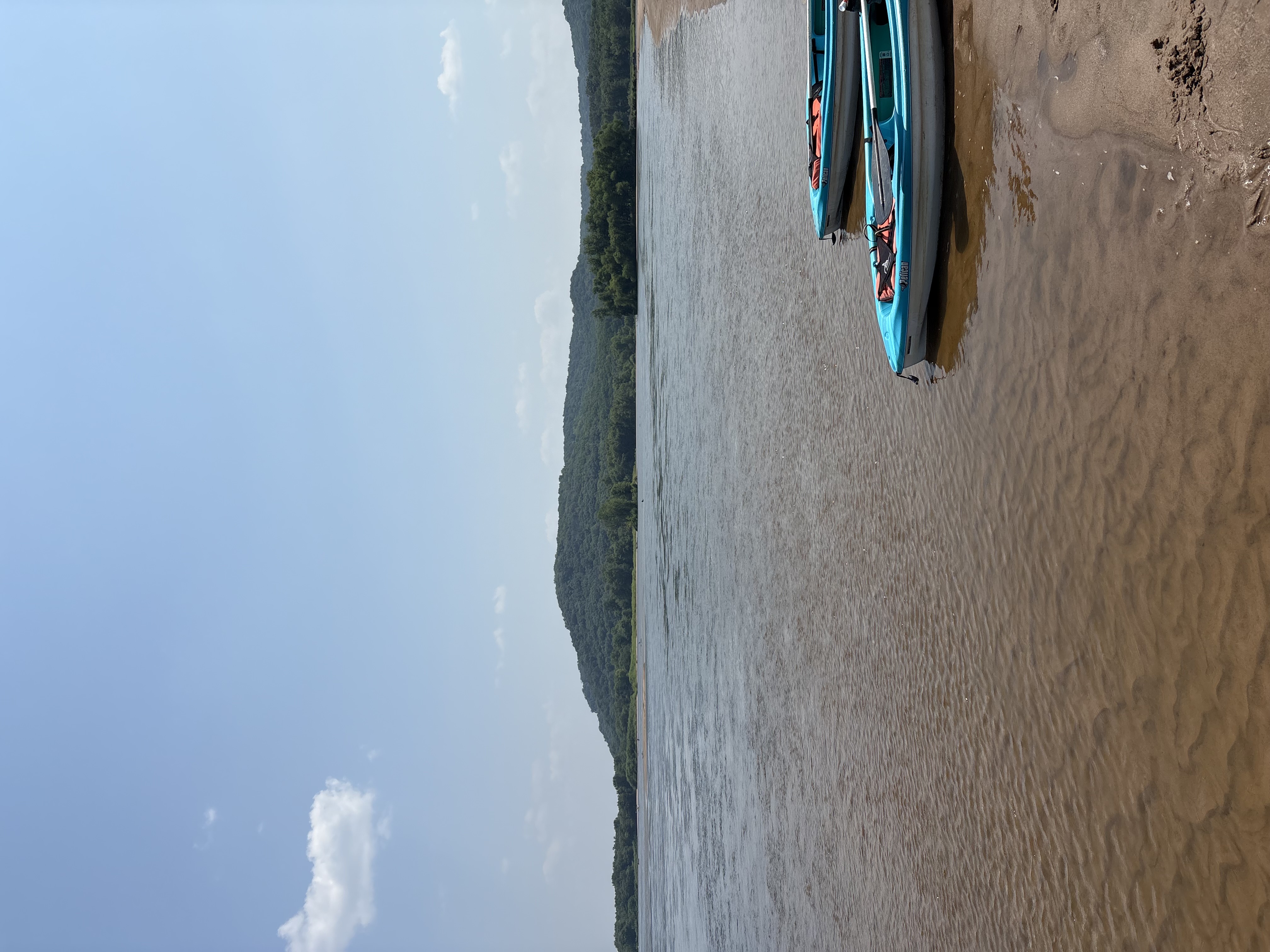
Wisconsin River
Big Eau Pleine Reservoir
Lake Poygan
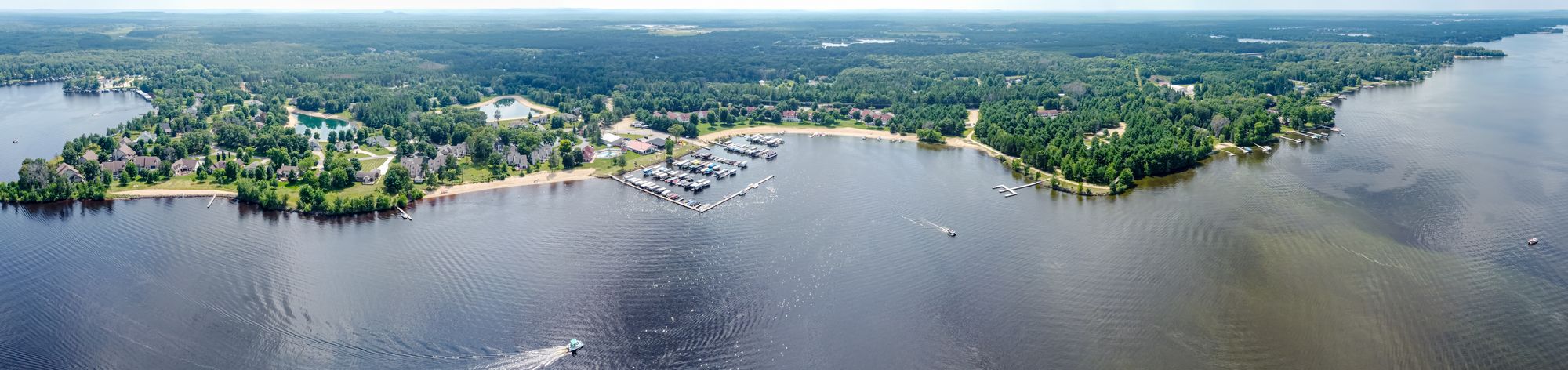
Castle Rock Lake
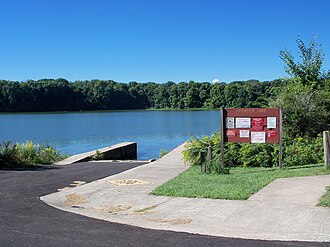
Spencer Lake
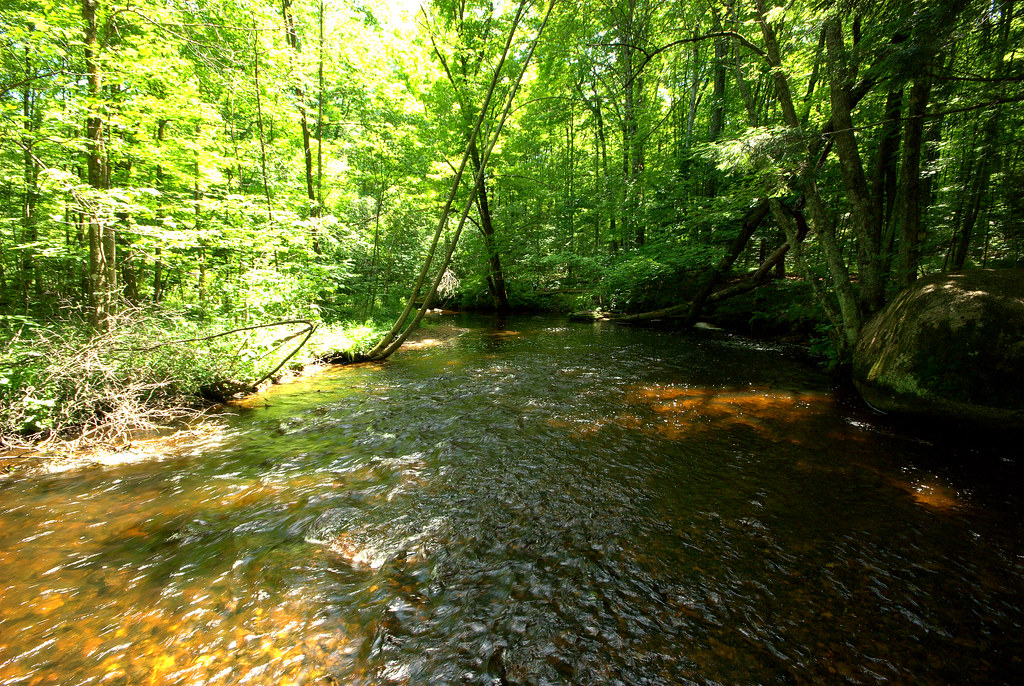
Little Wolf River
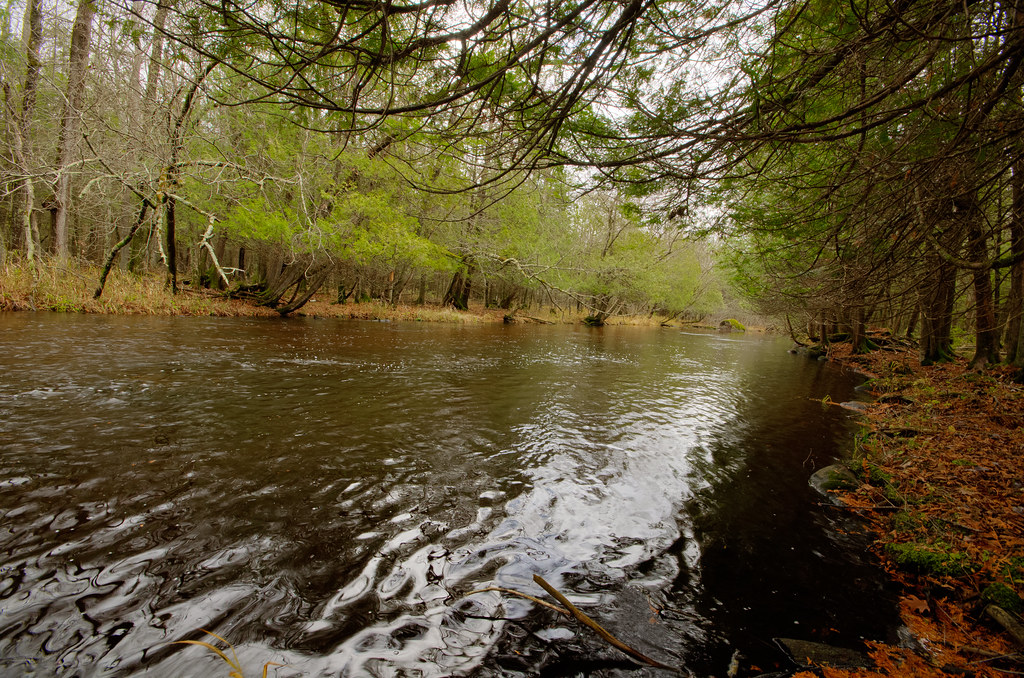
Wolf River
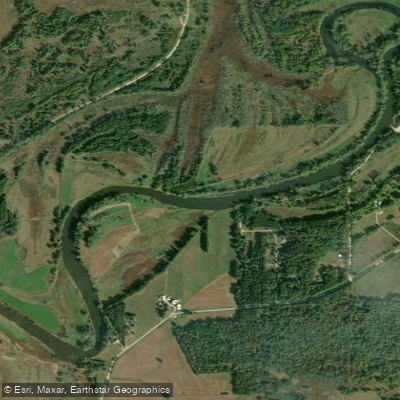
Fox River
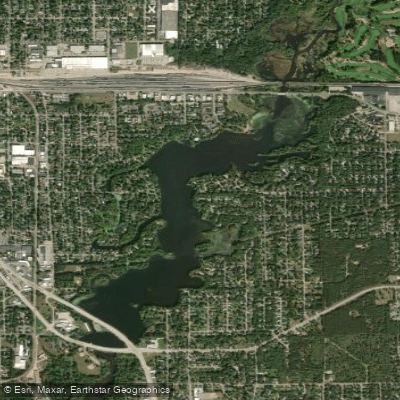
McDill Pond
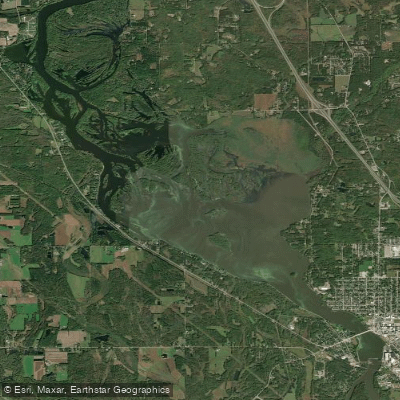
Wisconsin River Flowage
What to know
Habitat Distribution
- Found primarily in Lake Superior tributaries, also detected in Saxon Harbor and have limited presence in Lake Michigan waters.
Key Locations
- Lake Superior tributaries including the St.
- Louis, Amnicon, Flag, Iron, Middle, Raspberry, and Bad rivers, Chequamegon Bay, and Apostle Islands National Lakeshore.
- Also detected in Saxon Harbor and have limited presence in Lake Michigan waters.
- Ice fishing locations like Duluth Harbor have shown ruffe populations.
Specific Spots
- Prefer bottom waters in eutrophic lakes, estuaries, and slow-flowing rivers with soft bottoms, tolerating depths to 85 feet.
- When present, they typically occupy depths of 3-15 feet in river mouths and estuaries, especially around soft bottom areas without vegetation.
Ruffe FAQ
Answers from onWater's species guide.
How do you catch Ruffe in Wisconsin?
Given their invasive status, targeted fishing for ruffe is not encouraged. These bottom-dwelling fish are most active during daylight hours and are aggressive feeders, particularly effective in low-light conditions due to their enhanced lateral line system and night-adapted vision.
What do Ruffe eat?
Diet shifts from zooplankton (Copepoda, Daphnia) as larvae to increasingly benthic invertebrates as adults, heavily consuming chironomids, mayfly larvae, stoneflies, oligochaetes, and amphipods. They prefer soft-bodied invertebrates.
Where do Ruffe live in Wisconsin?
Found primarily in Lake Superior tributaries, also detected in Saxon Harbor and have limited presence in Lake Michigan waters.
Fish smarter with real-time insights
Whether you're en route and conditions shift or you're looking for the best spot based on current flows, we enable you to make informed decisions on the fly.







See it in the app
Most maps show you water.
onWater shows you Ruffe.



- 01 · Species map filter
Map every Ruffe water
Pick Ruffe and the map zeroes in on the waters they call home. No more guessing which lake holds them.
- 02 · Waterbody species
Tap any water. See what lives there.
Species, behavior and seasonal patterns for every lake, river and pond, before you leave the driveway.
- 03 · Angler Intelligence
Ask how to catch Ruffe
Tactics, gear and timing from onWater's AI fishing guide, tuned to the species and the water you're on.
Stop guessing where Ruffe are.
Open the map, filter by Ruffe, and head to water that holds them. Download onWater and plan your next trip in minutes.
- Species map filter
- Angler Intelligence
- Fishing journal
Explore other species
Trout, bass, salmon, panfish and everything in between. Each guide unpacks the behavior, seasons, and tactics that put fish in the net.

Find which waters have the species you want to catch

Largemouth Bass
Micropterus salmoides

Smallmouth Bass
Micropterus dolomieu

Rainbow Trout
Oncorhynchus mykiss

Brown Trout
Salmo trutta

Brook Trout
Salvelinus

Cutthroat Trout

Northern Pike
Esox lucius

Muskellunge
Esox masquinongy

Walleye
Sander vitreus

Black Crappie
Pomoxis nigromaculatus

Alewife
Alosa pseudoharengus

American Eel
Anguilla rostrata

Atlantic Salmon
Salmo salar

Bighead Carp
Hypophthalmichthys nobilis

Bigmouth Buffalo
Ictiobus cyprinellus

Black Buffalo
Ictiobus niger

Black Bullhead
Ameiurus melas

Blacknose Dace
Rhinichthys atratulus

Blue Sucker
Cycleptus elongatus

Bowfin
Amia calva

Brown Bullhead
Ameiurus nebulosus

Burbot
Lota lota

Chain Pickerel
Esox niger

Channel Catfish
Ictalurus punctatus

Chinook Salmon

Cisco
Coregonus artedi

Coho Salmon

Common Carp
Cyprinus carpio

Creek Chub
Semotilus atromaculatus

Flathead Catfish
Pylodictis olivaris

Flier
Centrachus macropterus

Freshwater Drum
Aplodinotus grunniens

Gizzard Shad

Golden Redhorse
Moxostoma erythrurum

Grass Carp
Ctenopharyngodon idella

Green Sunfish
Lepomis cyanellus

Lake Sturgeon
Acipenser fulvescens

Lake Trout
Salvelinus namaycush
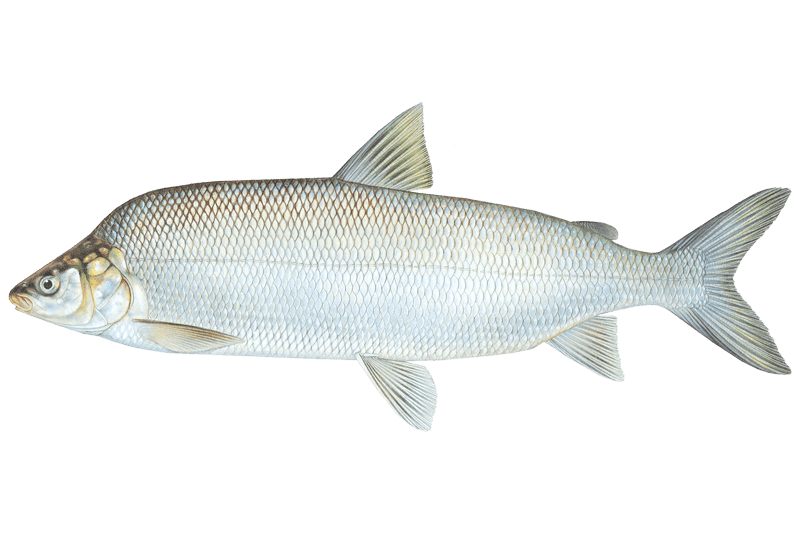
Lake Whitefish
Coregonus clupeaformis

Longear Sunfish
Lepomis megalotis
Wisconsin licenses and regulations

Wisconsin Boating Regulations
When using any type of watercraft to access a body of water, it is important to follow all federal, state, and local rules and regulations. These rules and regulations include boat permitting and licensing, invasive species inspections and stamps, life jacket and PFD rules, motor size and horsepower restrictions, noise limitations, restrictions on personal watercraft, and many more. Visit the web link below for the most current rules and regulations for this body of water.

Wisconsin Fishing License
Wisconsin residents and non-residents 16 years old or older need a fishing license to fish in any waters of the state. Children under 16 years of age do not need a fishing license.

Wisconsin Fishing Regulations
This river has a variety of species and regulations, including potential floating and/or watercraft restrictions. Because this river is specially managed for species, seasons, angling methods, and watercraft, it is strongly encouraged you check all federal, state, and local regulations before fishing. Visit any of the links below, inquire locally, or contact a local fly shop to learn current regulations and restrictions.

Wisconsin Stream Access Laws
Floatable water is public in Wisconsin, and users are legally allowed access to all lakes and streambeds below the high water mark for recreational purposes. Though riparian owners can own streams, the public has legal access to those streambeds below the high water mark while engaged in water-related recreational activity.
Explore nearby waters
Explore Wisconsin waters
Top fishing waters
Popular Cities
Loading popular cities...
Smarter Fishing Starts in the App.
onWater Fish gives you everything you need to plan smarter, fish better, and own every trip from first cast to last.