Northern Redhorse

The Northern Redhorse, often referred to as River Redhorse (Moxostoma carinatum) in Wisconsin, is a threatened species listed as THR by the Wisconsin DNR with a state rank of S2.
This large sucker species serves as excellent indicators of habitat and water quality.
Scientific Name: Moxostoma carinatum
Also known as River Redhorse
- Can reach lengths up to 30 inches and weights over 10 pounds, though most average 10-20 inches.
- They're distinguished by their stout, slightly compressed body with a large head and mouth, deeply plicate lips, and characteristic red-tinted dorsal and caudal fins with crescent-shaped dark spots on their scales.
Fishing in Wisconsin
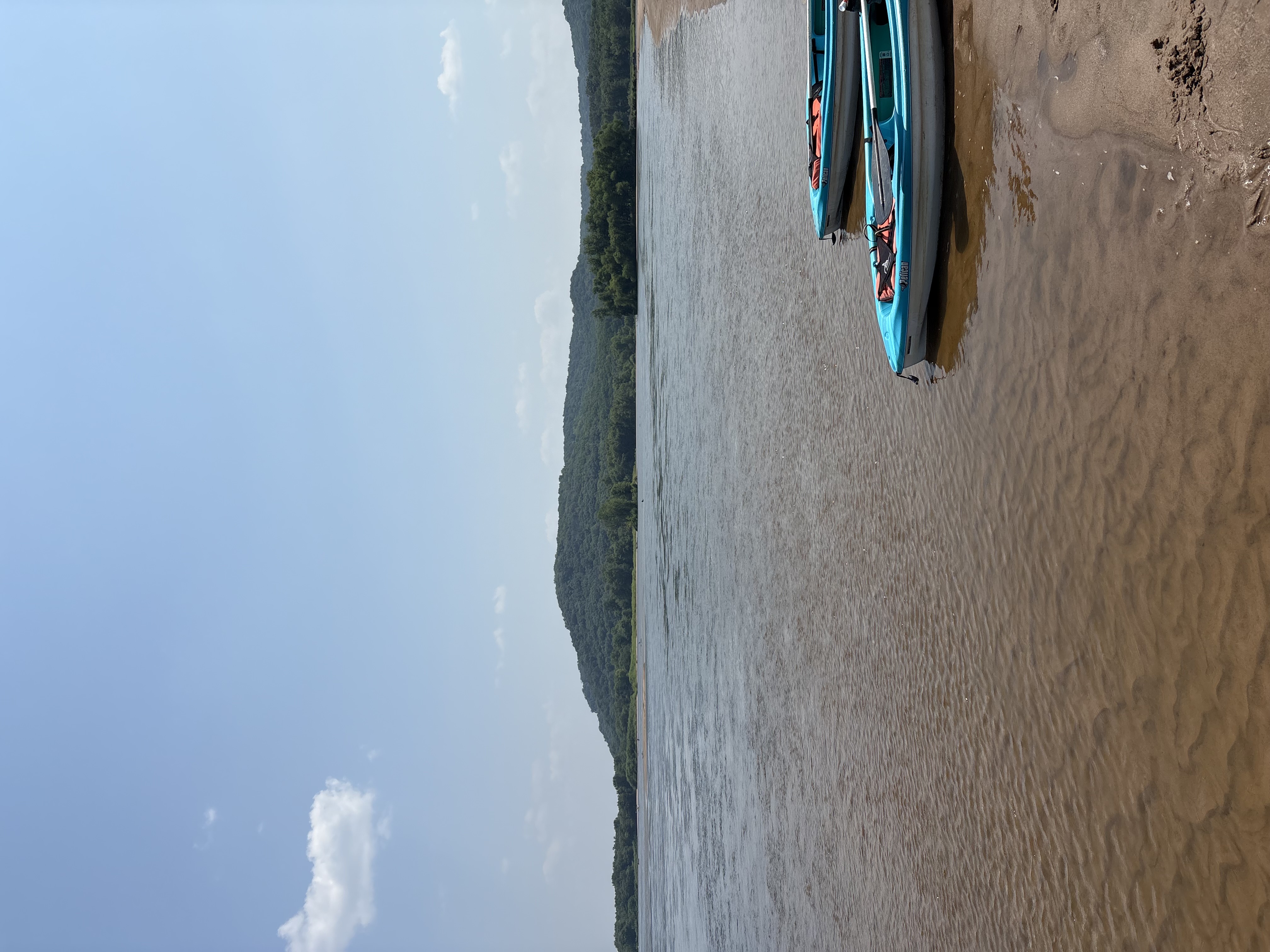
Wisconsin River
Big Eau Pleine Reservoir
Lake Poygan
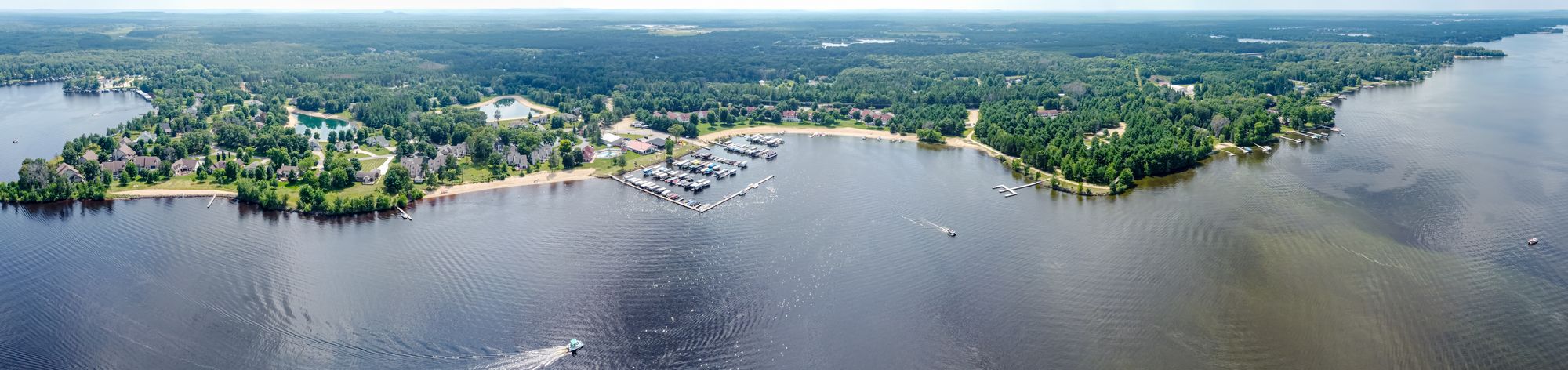
Castle Rock Lake
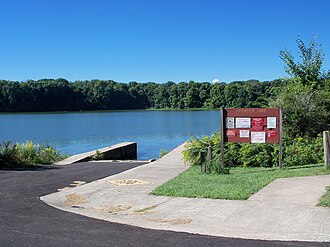
Spencer Lake
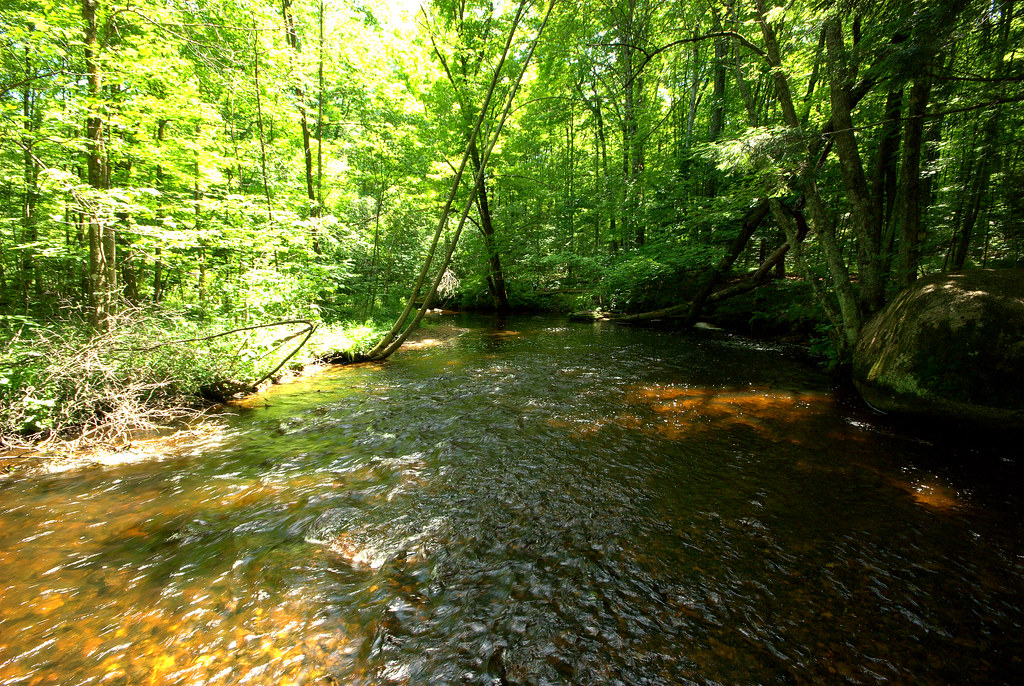
Little Wolf River
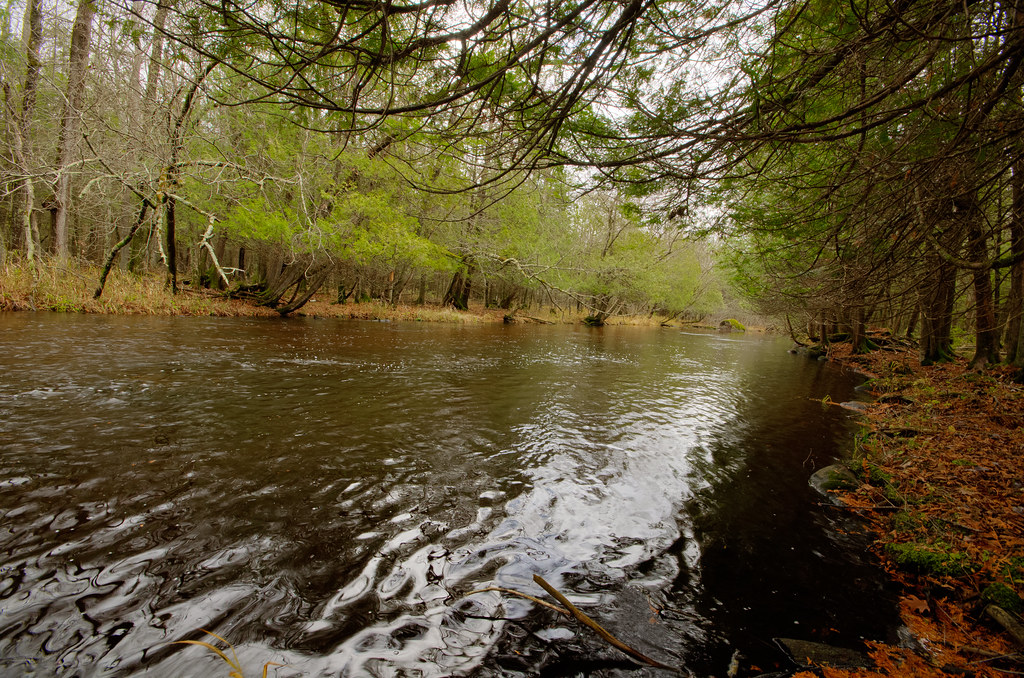
Wolf River
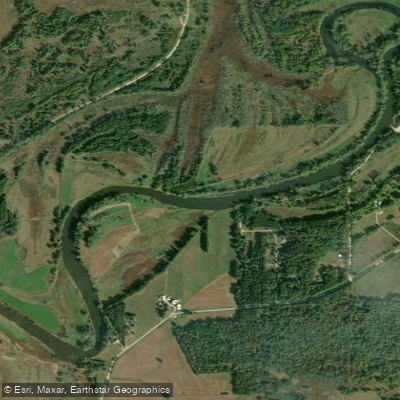
Fox River
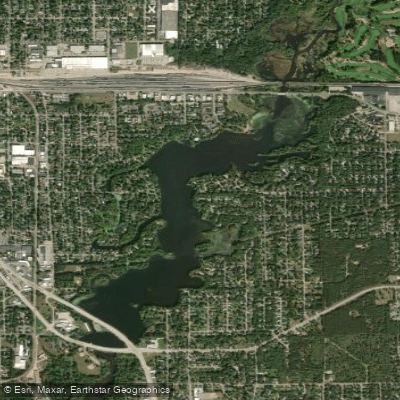
McDill Pond
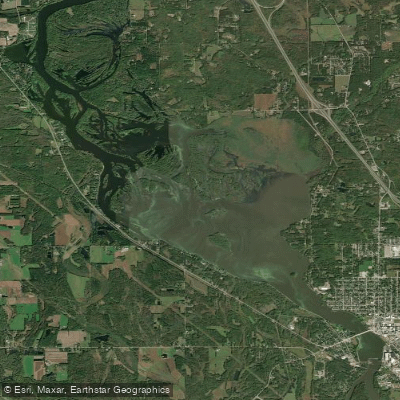
Wisconsin River Flowage
What to know
Habitat Distribution
- River Redhorse prefer moderate to swift currents in medium to large river systems with clean gravel or cobble substrates, requiring clear, unpolluted water as they're intolerant of siltation and turbidity.
Key Locations
- In Wisconsin, they're found in scattered locations within the Mississippi and Lake Michigan drainage basins, including rivers like the upper Wisconsin River, St.
- Croix, and Namekagon.
Specific Spots
- Target moderate to swift currents in medium to large rivers, particularly in areas with clean gravel bottoms.
- Focus on deeper run/pool habitats outside of spawning periods.
Northern Redhorse FAQ
Answers from onWater's species guide.
What are the best lures and bait for Northern Redhorse in Wisconsin?
Live bait is most effective - use pieces of nightcrawler, leech, naturally found cut clam, and small crayfish.
What flies work for Northern Redhorse in Wisconsin?
Productive patterns include size 10-12 black nymphs, smaller beaded woolly buggers, clouser minnows, yarn e.g.gs, and patterns tied to resemble clams.
When is the best time to fish for Northern Redhorse in Wisconsin?
The best fishing occurs in spring (late April to early May) and fall when they're actively feeding. Their spawning migration occurs from mid-May through June when water temperatures reach 68-74°F, though this period should be avoided to protect the threatened population.
How do you catch Northern Redhorse in Wisconsin?
Use split shot rigs or bottom-running rigs that graze and slowly bounce along the current. Watch your fly line tip for any hesitations and set the hook immediately when weight is felt. Focus on deeper run/pool habitats outside of spawning periods, as they use these areas when not on spawning beds.
What do Northern Redhorse eat?
These bottom-dwelling fish are sight-feeders that primarily consume benthic invertebrates including mollusks, insect larvae, crayfish, snails, and small crustaceans - their molar-like pharyngeal teeth are specially adapted for crushing mollusk shells.
Fish smarter with real-time insights
Whether you're en route and conditions shift or you're looking for the best spot based on current flows, we enable you to make informed decisions on the fly.







See it in the app
Most maps show you water.
onWater shows you Northern Redhorse.



- 01 · Species map filter
Map every Northern Redhorse water
Pick Northern Redhorse and the map zeroes in on the waters they call home. No more guessing which lake holds them.
- 02 · Waterbody species
Tap any water. See what lives there.
Species, behavior and seasonal patterns for every lake, river and pond, before you leave the driveway.
- 03 · Angler Intelligence
Ask how to catch Northern Redhorse
Tactics, gear and timing from onWater's AI fishing guide, tuned to the species and the water you're on.
Stop guessing where Northern Redhorse are.
Open the map, filter by Northern Redhorse, and head to water that holds them. Download onWater and plan your next trip in minutes.
- Species map filter
- Angler Intelligence
- Fishing journal
Explore other species
Trout, bass, salmon, panfish and everything in between. Each guide unpacks the behavior, seasons, and tactics that put fish in the net.

Find which waters have the species you want to catch

Largemouth Bass
Micropterus salmoides

Smallmouth Bass
Micropterus dolomieu

Rainbow Trout
Oncorhynchus mykiss

Brown Trout
Salmo trutta

Brook Trout
Salvelinus

Cutthroat Trout

Northern Pike
Esox lucius

Muskellunge
Esox masquinongy

Walleye
Sander vitreus

Black Crappie
Pomoxis nigromaculatus

Alewife
Alosa pseudoharengus

American Eel
Anguilla rostrata

Atlantic Salmon
Salmo salar

Bighead Carp
Hypophthalmichthys nobilis

Bigmouth Buffalo
Ictiobus cyprinellus

Black Buffalo
Ictiobus niger

Black Bullhead
Ameiurus melas

Blacknose Dace
Rhinichthys atratulus

Blue Sucker
Cycleptus elongatus

Bowfin
Amia calva

Brown Bullhead
Ameiurus nebulosus

Burbot
Lota lota

Chain Pickerel
Esox niger

Channel Catfish
Ictalurus punctatus

Chinook Salmon

Cisco
Coregonus artedi

Coho Salmon

Common Carp
Cyprinus carpio

Creek Chub
Semotilus atromaculatus

Flathead Catfish
Pylodictis olivaris

Flier
Centrachus macropterus

Freshwater Drum
Aplodinotus grunniens

Gizzard Shad

Golden Redhorse
Moxostoma erythrurum

Grass Carp
Ctenopharyngodon idella

Green Sunfish
Lepomis cyanellus

Lake Sturgeon
Acipenser fulvescens

Lake Trout
Salvelinus namaycush
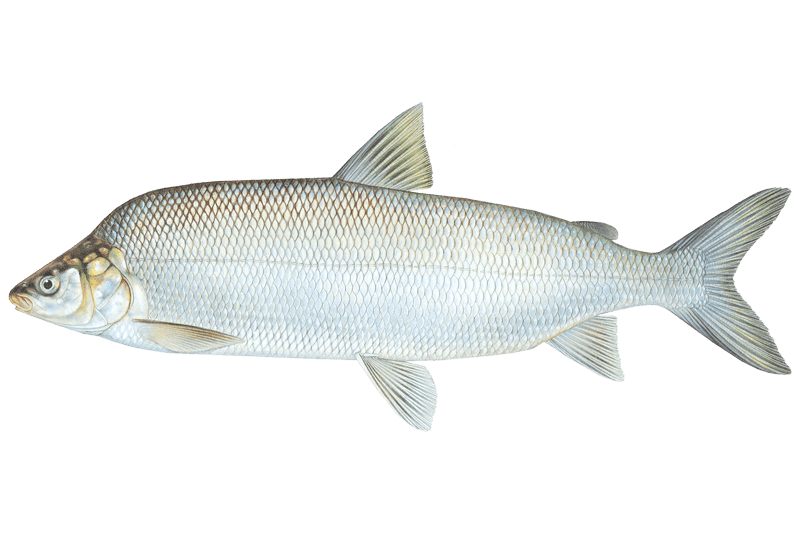
Lake Whitefish
Coregonus clupeaformis

Longear Sunfish
Lepomis megalotis
Wisconsin licenses and regulations

Wisconsin Boating Regulations
When using any type of watercraft to access a body of water, it is important to follow all federal, state, and local rules and regulations. These rules and regulations include boat permitting and licensing, invasive species inspections and stamps, life jacket and PFD rules, motor size and horsepower restrictions, noise limitations, restrictions on personal watercraft, and many more. Visit the web link below for the most current rules and regulations for this body of water.

Wisconsin Fishing License
Wisconsin residents and non-residents 16 years old or older need a fishing license to fish in any waters of the state. Children under 16 years of age do not need a fishing license.

Wisconsin Fishing Regulations
This river has a variety of species and regulations, including potential floating and/or watercraft restrictions. Because this river is specially managed for species, seasons, angling methods, and watercraft, it is strongly encouraged you check all federal, state, and local regulations before fishing. Visit any of the links below, inquire locally, or contact a local fly shop to learn current regulations and restrictions.

Wisconsin Stream Access Laws
Floatable water is public in Wisconsin, and users are legally allowed access to all lakes and streambeds below the high water mark for recreational purposes. Though riparian owners can own streams, the public has legal access to those streambeds below the high water mark while engaged in water-related recreational activity.
Explore nearby waters
Explore Wisconsin waters
Top fishing waters
Popular Cities
Loading popular cities...
Smarter Fishing Starts in the App.
onWater Fish gives you everything you need to plan smarter, fish better, and own every trip from first cast to last.