Longnose Sucker

The Longnose Sucker is a native Wisconsin species and cold-water specialist that represents the southernmost extent of its range in the Great Lakes region, particularly Lake Michigan.
These bottom-feeding fish are cold, clear water inhabitants that serve as important forage for larger predators like bass, walleye, trout, northern pike, and muskellunge, earning the nickname 'wildebeest of the Great Lakes' for their ecological importance.
Scientific Name: Catostomus catostomus
Also known as wildebeest of the Great Lakes
- Distinguished by their elongated snout (up to 1/3 of body length), large suction-disc mouth with papillae-lined lips, and fine scales.
- During spawning, males develop prominent tubercles on fins and a distinctive red lateral line stripe.
- Wisconsin's longnose suckers typically range 15-25 inches and can live over 20 years, reaching sexual maturity at 4-7 years.
Fishing in Wisconsin
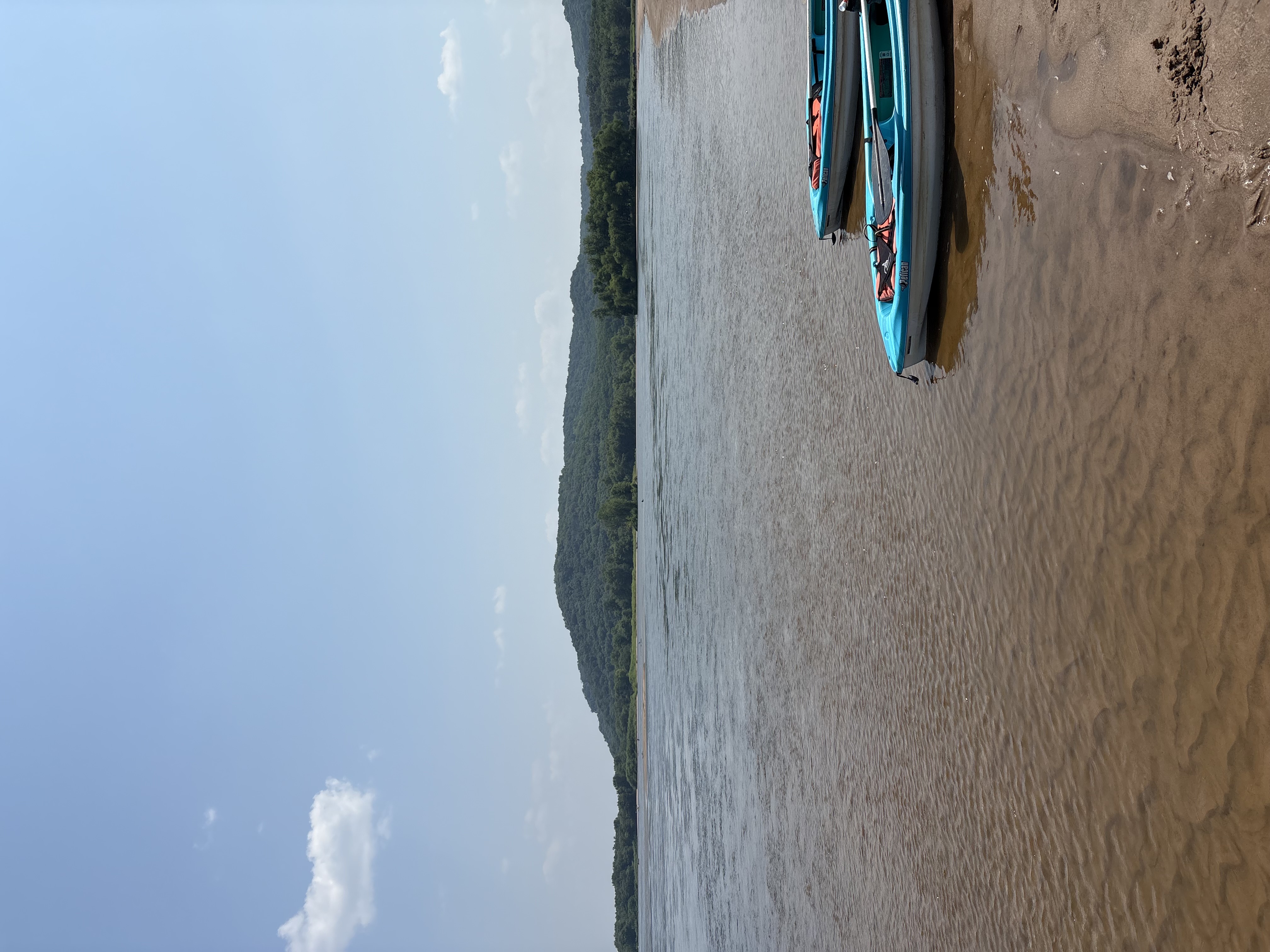
Wisconsin River
Big Eau Pleine Reservoir
Lake Poygan
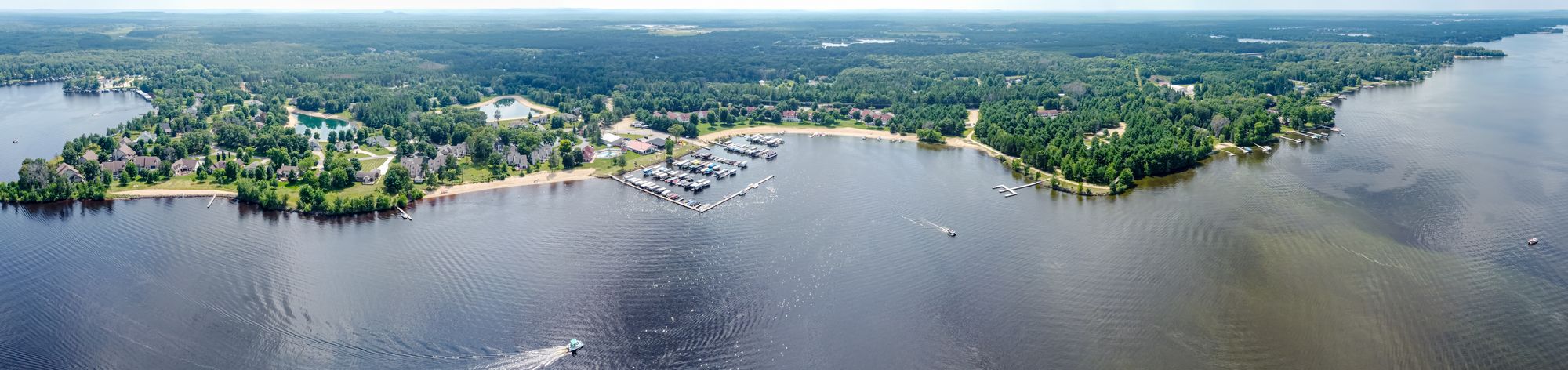
Castle Rock Lake
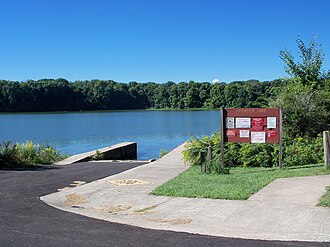
Spencer Lake
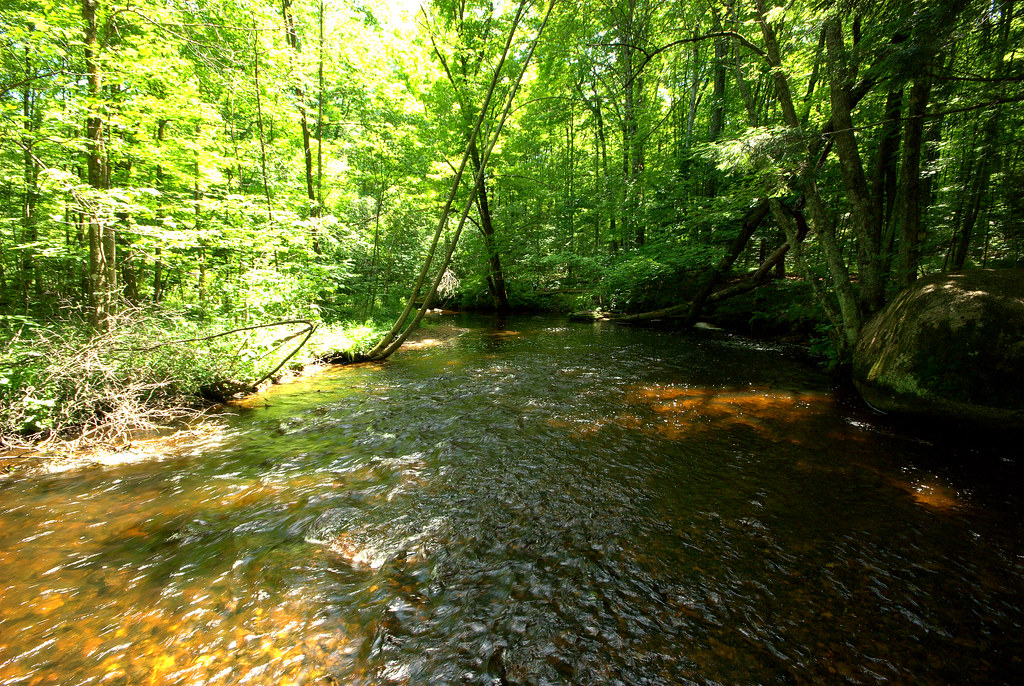
Little Wolf River
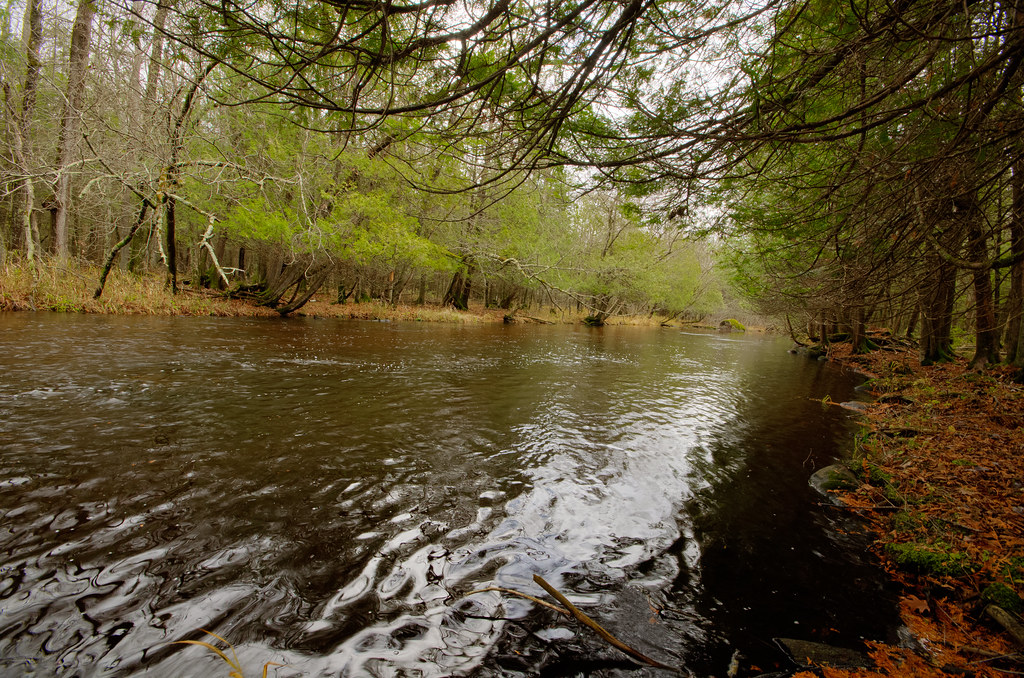
Wolf River
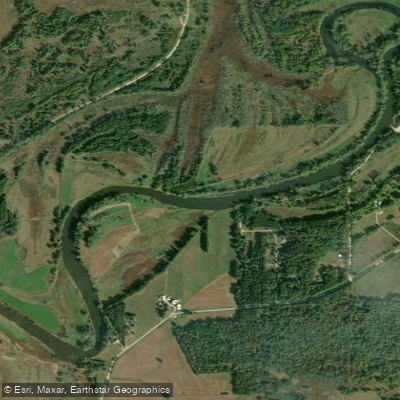
Fox River
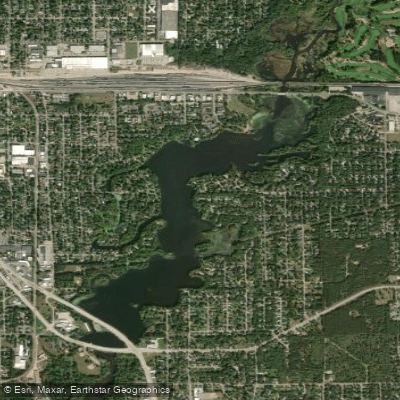
McDill Pond
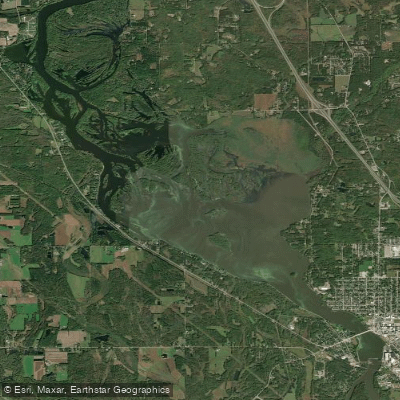
Wisconsin River Flowage
What to know
Habitat Distribution
- Inhabit cold, clear waters including Lake Michigan's depths (found as deep as 600 feet) and move into tributaries during spring spawning migrations.
- Great Lakes region, particularly Lake Michigan, with Wisconsin representing the southernmost extent of their range.
Key Locations
- Lake Michigan, Root River in Racine at Island Park, South Branch Oconto River Fishery Area, Green Bay.
Specific Spots
- Target shallow, gravel-bottomed areas with 1-2 feet of water depth in tributary streams.
- Focus on riffles and areas with moderate current below deeper pools, gravelly areas with good water flow.
Longnose Sucker FAQ
Answers from onWater's species guide.
What flies work for Longnose Sucker in Wisconsin?
Weighted streamers in sizes 4-8, particularly conehead and beadhead patterns in black and brown colors. Sucker spawn e.g.g patterns, especially natural chartreuse colors fished as nymphs. Small leech patterns (bead head strip leech) and orange e.g.g flies.
When is the best time to fish for Longnose Sucker in Wisconsin?
Spring spawning runs from mid-April through early May, with peak fishing typically occurring in the third and fourth weeks of April. Spawning occurs from April through July when water temperatures reach 50-60°F, with peak activity in mid-April through May in Wisconsin tributaries.
How do you catch Longnose Sucker in Wisconsin?
For conventional fishing, fish nightcrawlers or trout worms on the bottom in gravelly areas with good water flow, maintaining tight line tension to detect subtle bites as suckers grab bait stealthily.
What do Longnose Sucker eat?
Diet consists primarily of benthic invertebrates, aquatic plants, algae, midge larvae, and small crustaceans, which they vacuum up using their specialized suction mouth.
Where do Longnose Sucker live in Wisconsin?
Inhabit cold, clear waters including Lake Michigan's depths (found as deep as 600 feet) and move into tributaries during spring spawning migrations. Great Lakes region, particularly Lake Michigan, with Wisconsin representing the southernmost extent of their range.
Fish smarter with real-time insights
Whether you're en route and conditions shift or you're looking for the best spot based on current flows, we enable you to make informed decisions on the fly.







See it in the app
Most maps show you water.
onWater shows you Longnose Sucker.



- 01 · Species map filter
Map every Longnose Sucker water
Pick Longnose Sucker and the map zeroes in on the waters they call home. No more guessing which lake holds them.
- 02 · Waterbody species
Tap any water. See what lives there.
Species, behavior and seasonal patterns for every lake, river and pond, before you leave the driveway.
- 03 · Angler Intelligence
Ask how to catch Longnose Sucker
Tactics, gear and timing from onWater's AI fishing guide, tuned to the species and the water you're on.
Stop guessing where Longnose Sucker are.
Open the map, filter by Longnose Sucker, and head to water that holds them. Download onWater and plan your next trip in minutes.
- Species map filter
- Angler Intelligence
- Fishing journal
Explore other species
Trout, bass, salmon, panfish and everything in between. Each guide unpacks the behavior, seasons, and tactics that put fish in the net.

Find which waters have the species you want to catch

Largemouth Bass
Micropterus salmoides

Smallmouth Bass
Micropterus dolomieu

Rainbow Trout
Oncorhynchus mykiss

Brown Trout
Salmo trutta

Brook Trout
Salvelinus

Cutthroat Trout

Northern Pike
Esox lucius

Muskellunge
Esox masquinongy

Walleye
Sander vitreus

Black Crappie
Pomoxis nigromaculatus

Alewife
Alosa pseudoharengus

American Eel
Anguilla rostrata

Atlantic Salmon
Salmo salar

Bighead Carp
Hypophthalmichthys nobilis

Bigmouth Buffalo
Ictiobus cyprinellus

Black Buffalo
Ictiobus niger

Black Bullhead
Ameiurus melas

Blacknose Dace
Rhinichthys atratulus

Blue Sucker
Cycleptus elongatus

Bowfin
Amia calva

Brown Bullhead
Ameiurus nebulosus

Burbot
Lota lota

Chain Pickerel
Esox niger

Channel Catfish
Ictalurus punctatus

Chinook Salmon

Cisco
Coregonus artedi

Coho Salmon

Common Carp
Cyprinus carpio

Creek Chub
Semotilus atromaculatus

Flathead Catfish
Pylodictis olivaris

Flier
Centrachus macropterus

Freshwater Drum
Aplodinotus grunniens

Gizzard Shad

Golden Redhorse
Moxostoma erythrurum

Grass Carp
Ctenopharyngodon idella

Green Sunfish
Lepomis cyanellus

Lake Sturgeon
Acipenser fulvescens

Lake Trout
Salvelinus namaycush
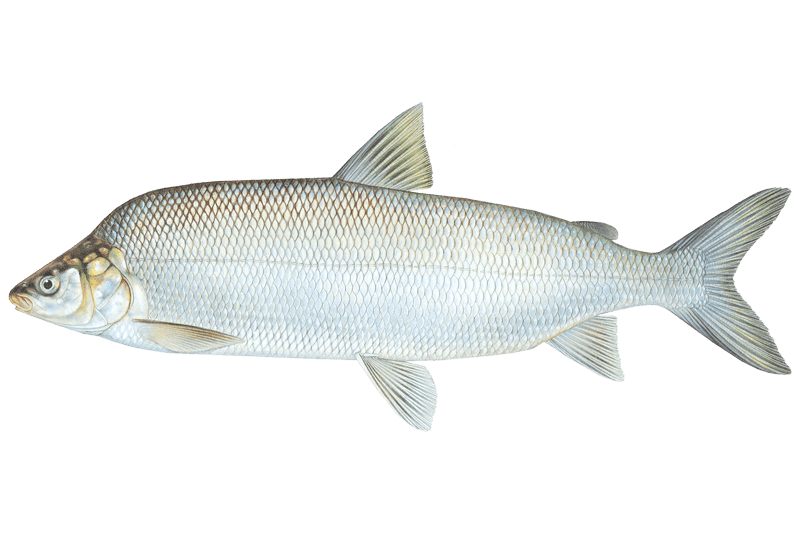
Lake Whitefish
Coregonus clupeaformis

Longear Sunfish
Lepomis megalotis
Wisconsin licenses and regulations

Wisconsin Boating Regulations
When using any type of watercraft to access a body of water, it is important to follow all federal, state, and local rules and regulations. These rules and regulations include boat permitting and licensing, invasive species inspections and stamps, life jacket and PFD rules, motor size and horsepower restrictions, noise limitations, restrictions on personal watercraft, and many more. Visit the web link below for the most current rules and regulations for this body of water.

Wisconsin Fishing License
Wisconsin residents and non-residents 16 years old or older need a fishing license to fish in any waters of the state. Children under 16 years of age do not need a fishing license.

Wisconsin Fishing Regulations
This river has a variety of species and regulations, including potential floating and/or watercraft restrictions. Because this river is specially managed for species, seasons, angling methods, and watercraft, it is strongly encouraged you check all federal, state, and local regulations before fishing. Visit any of the links below, inquire locally, or contact a local fly shop to learn current regulations and restrictions.

Wisconsin Stream Access Laws
Floatable water is public in Wisconsin, and users are legally allowed access to all lakes and streambeds below the high water mark for recreational purposes. Though riparian owners can own streams, the public has legal access to those streambeds below the high water mark while engaged in water-related recreational activity.
Explore nearby waters
Explore Wisconsin waters
Top fishing waters
Popular Cities
Loading popular cities...

Smarter Fishing Starts in the App.
onWater Fish gives you everything you need to plan smarter, fish better, and own every trip from first cast to last.