Western Mosquitofish

Western Mosquitofish are small, invasive livebearing fish established throughout Nevada's waters since 1934, when they were first introduced to Fallon and subsequently spread to Wabuska, Garrett, Parker Ranch, and Bonham Ranch.
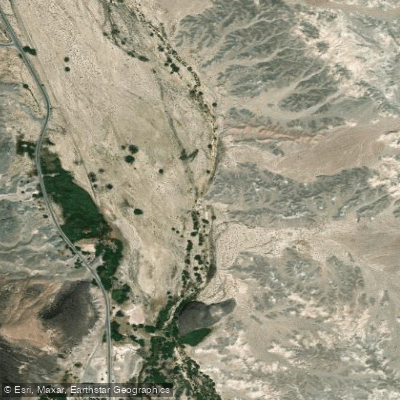
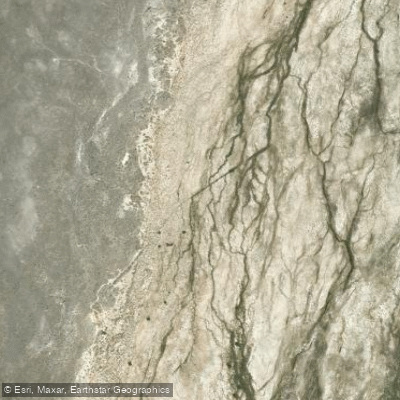
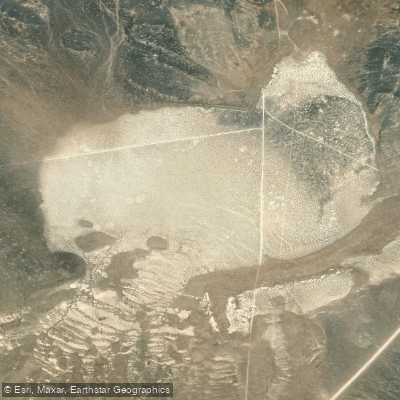
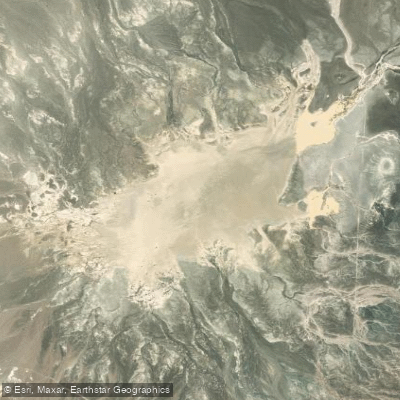
These hardy fish inhabit numerous Nevada watersheds including Carson Desert, Central Lahontan, Havasu-Mohave Lakes, Imperial Reservoir, Lake Mead, Lake Tahoe, Las Vegas Wash, Lower Humboldt, Lower Quinn, Lower Virgin, Meadow Valley Wash, Middle Humboldt, Muddy, Truckee, Walker, and White river systems.
Scientific Name: Gambusia affinis
- Females reach 7cm (2.8 inches) while males stay smaller at 4cm (1.6 inches), with dull grey-brown coloring, upturned mouths for surface feeding, and rounded fins.
What to know
Habitat Distribution
- They inhabit shallow, vegetated areas of ponds, lakes, backwaters, quiet stream pools, marshes, springs, and artificial habitats, avoiding areas with large predatory fish.
Key Locations
- Fallon, Wabuska, Garrett, Parker Ranch, Bonham Ranch, Carson Desert, Central Lahontan, Havasu-Mohave Lakes, Imperial Reservoir, Lake Mead, Lake Tahoe, Las Vegas Wash, Lower Humboldt, Lower Quinn, Lower Virgin, Meadow Valley Wash, Middle Humboldt, Muddy, Truckee, Walker, and White river systems.
Specific Spots
- Target vegetated shallows, pond margins, and slow backwater areas.
- Shallow, unshaded areas with thick vegetation around pond edges, backwaters, and quiet stream margins where they surface feed aggressively.
Western Mosquitofish FAQ
Answers from onWater's species guide.
What flies work for Western Mosquitofish in Nevada?
Tiny dry flies and nymphs in sizes 16-20, particularly small midge patterns, micro woolly buggers, and tiny streamers that imitate their diverse invertebrate prey. Small dry flies like parachute Adams, elk hair caddis, and tiny hoppers work well during daylight hours.
When is the best time to fish for Western Mosquitofish in Nevada?
Active feeding periods from late spring through early fall when water temperatures reach their preferred 77-86°F range. Early morning and late afternoon tend to be most productive when they're actively feeding near the surface in shallow areas.
How do you catch Western Mosquitofish in Nevada?
The most productive approach uses tiny dry flies and nymphs in sizes 16-20. For subsurface presentation, use small nymphs and soft hackles in sizes 18-20.
What do Western Mosquitofish eat?
These voracious predators consume zooplankton, beetles, mayflies, caddisflies, mites, invertebrates, fish e.g.gs, amphibian e.g.gs, algae, and even cannibalize their own young, with adults capable of eating 42-167% of their body weight daily.
Where do Western Mosquitofish live in Nevada?
They inhabit shallow, vegetated areas of ponds, lakes, backwaters, quiet stream pools, marshes, springs, and artificial habitats, avoiding areas with large predatory fish.
Fish smarter with real-time insights
Whether you're en route and conditions shift or you're looking for the best spot based on current flows, we enable you to make informed decisions on the fly.







See it in the app
Most maps show you water.
onWater shows you Western Mosquitofish.



- 01 · Species map filter
Map every Western Mosquitofish water
Pick Western Mosquitofish and the map zeroes in on the waters they call home. No more guessing which lake holds them.
- 02 · Waterbody species
Tap any water. See what lives there.
Species, behavior and seasonal patterns for every lake, river and pond, before you leave the driveway.
- 03 · Angler Intelligence
Ask how to catch Western Mosquitofish
Tactics, gear and timing from onWater's AI fishing guide, tuned to the species and the water you're on.
Stop guessing where Western Mosquitofish are.
Open the map, filter by Western Mosquitofish, and head to water that holds them. Download onWater and plan your next trip in minutes.
- Species map filter
- Angler Intelligence
- Fishing journal
Explore other species
Trout, bass, salmon, panfish and everything in between. Each guide unpacks the behavior, seasons, and tactics that put fish in the net.

Find which waters have the species you want to catch

Largemouth Bass
Micropterus salmoides

Smallmouth Bass
Micropterus dolomieu

Rainbow Trout
Oncorhynchus mykiss

Brown Trout
Salmo trutta

Brook Trout
Salvelinus fontinalis

Cutthroat Trout
Oncorhynchus clarkii henshawi

Northern Pike
Esox lucius

Walleye
Sander vitreus

Black Crappie
Pomoxis nigromaculatus
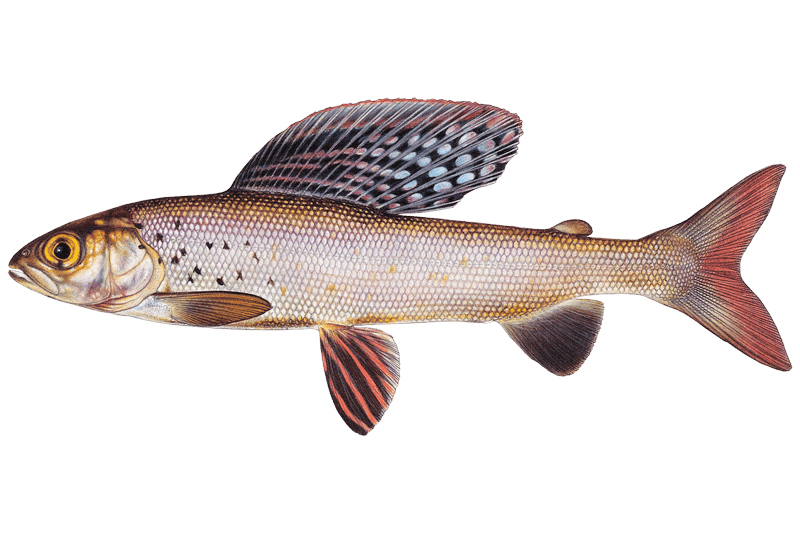
Arctic Grayling
Thymallus arcticus

Black Bullhead
Ameiurus melas

Blue Tilapia
Oreochromis aureus

Brown Bullhead
Ameiurus nebulosus
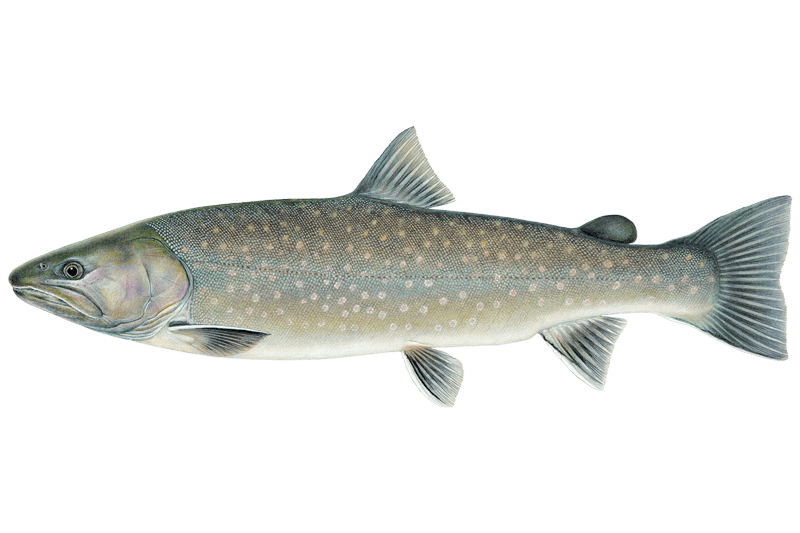
Bull Trout
Salvelinus confluentus

Channel Catfish
Ictalurus punctatus

Chinook Salmon

Common Carp
Cyprinus carpio

Flathead Catfish
Pylodictis olivaris

Gizzard Shad
Dorosoma cepedianum
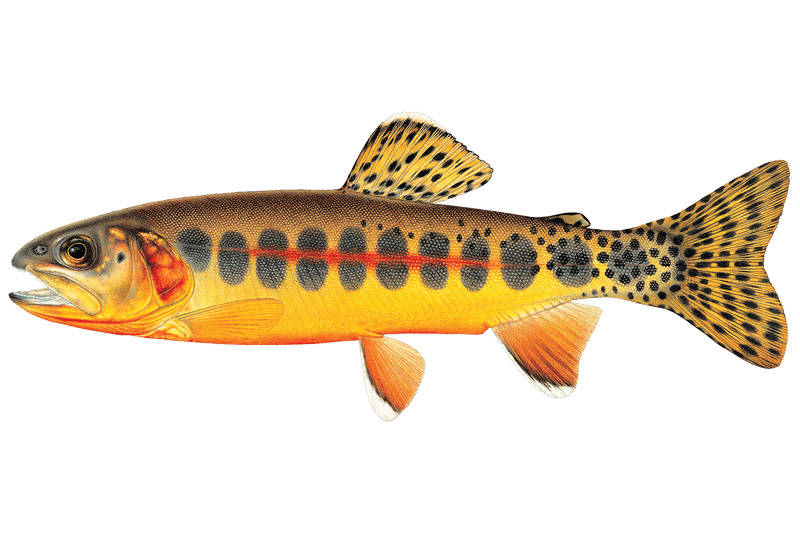
Golden Trout

Grass Carp
Ctenopharyngodon idella

Green Sunfish
Lepomis cyanellus

Lake Trout
Salvelinus namaycush

Longnose Sucker
Catostomus catostomus
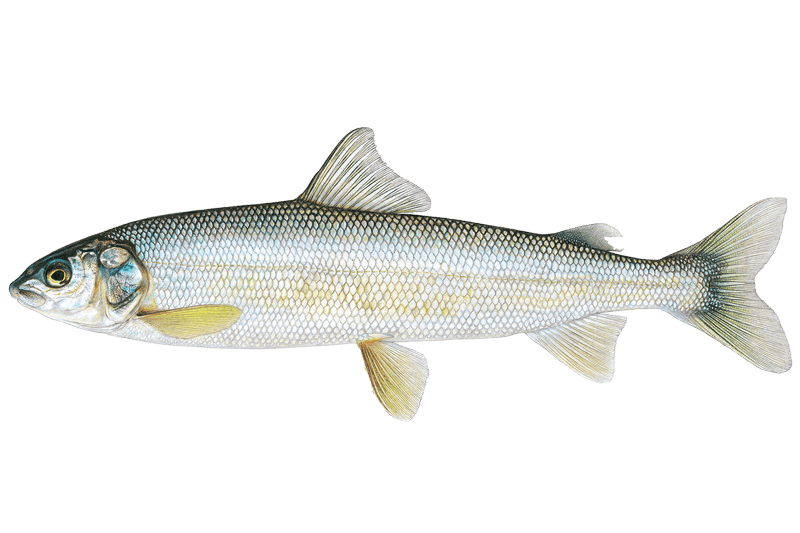
Mountain Whitefish
Prosopium williamsoni

Pumpkinseed
Lepomis gibbosus
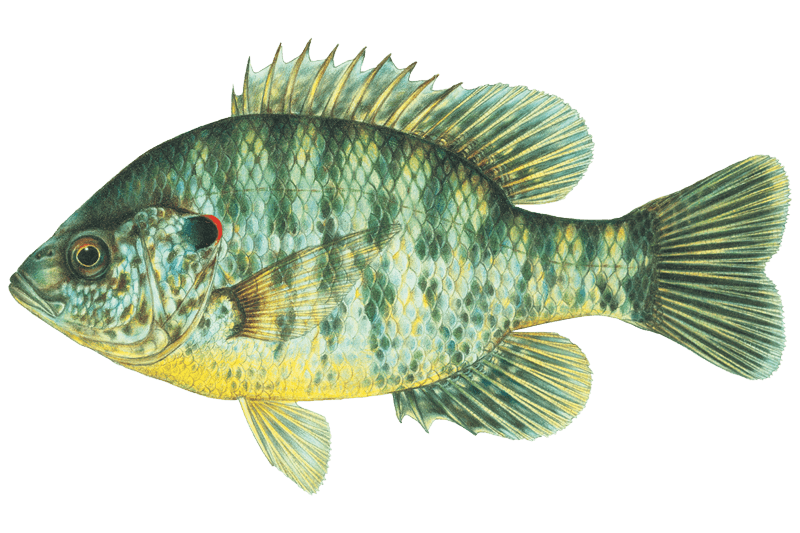
Redear Sunfish

Rock Bass
Ambloplites rupestris

Sockeye Salmon
Oncorhynchus nerka
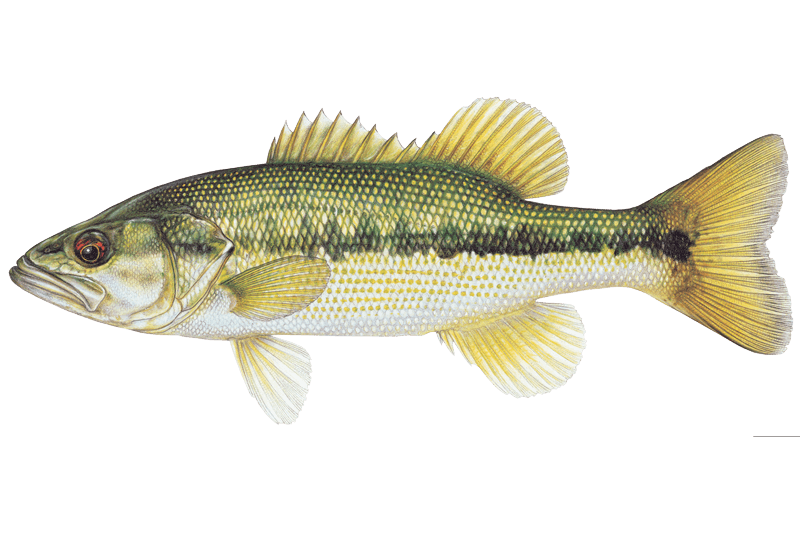
Spotted Bass
Micropterus punctulatus
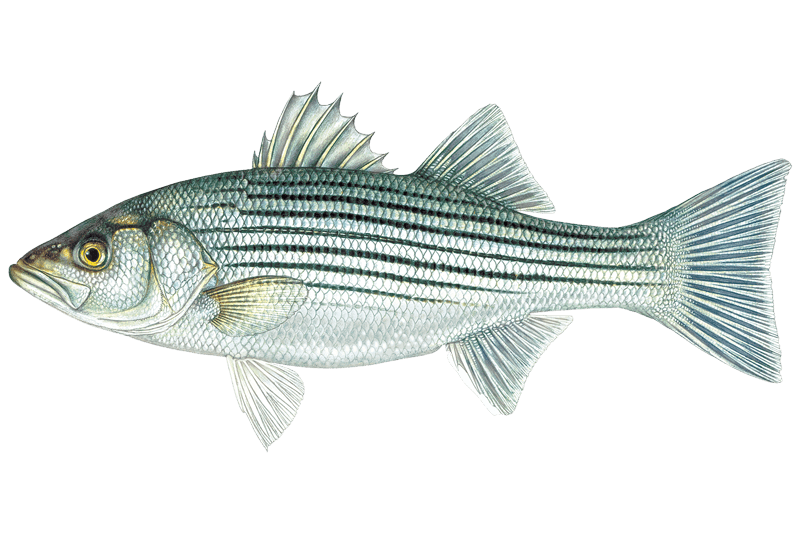
Striped Bass
Morone saxatilis
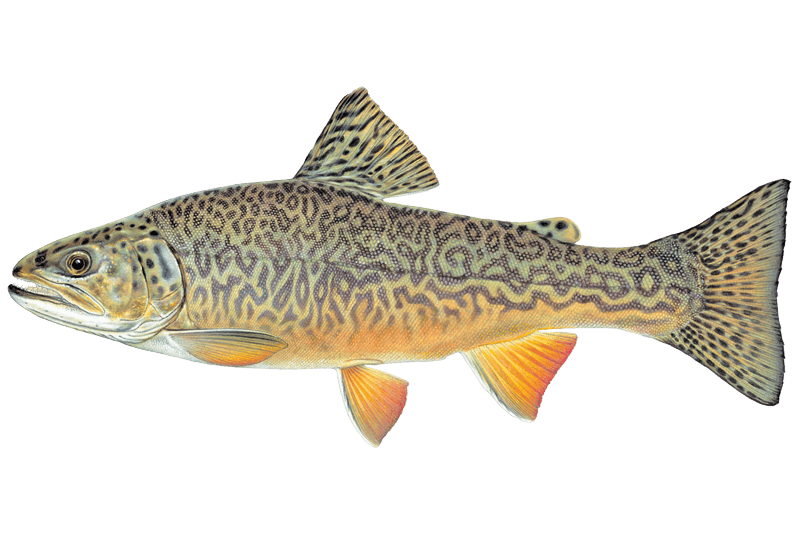
Tiger Trout
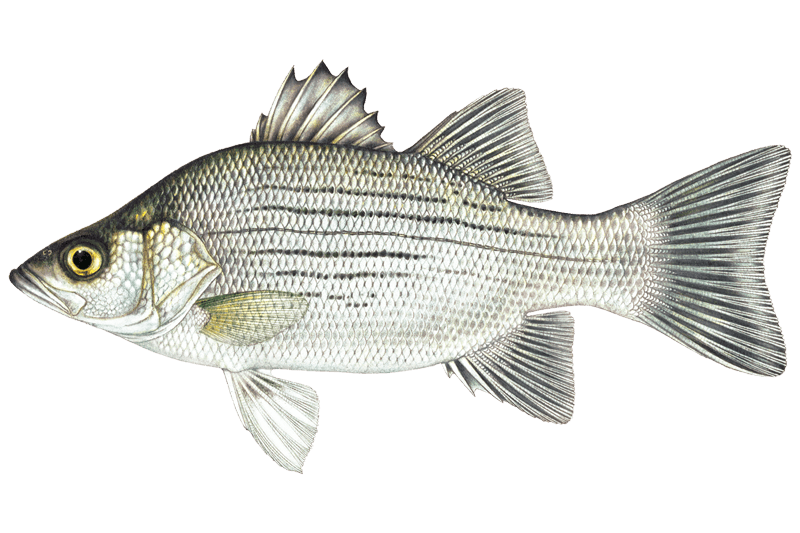
White Bass
Morone chrysops
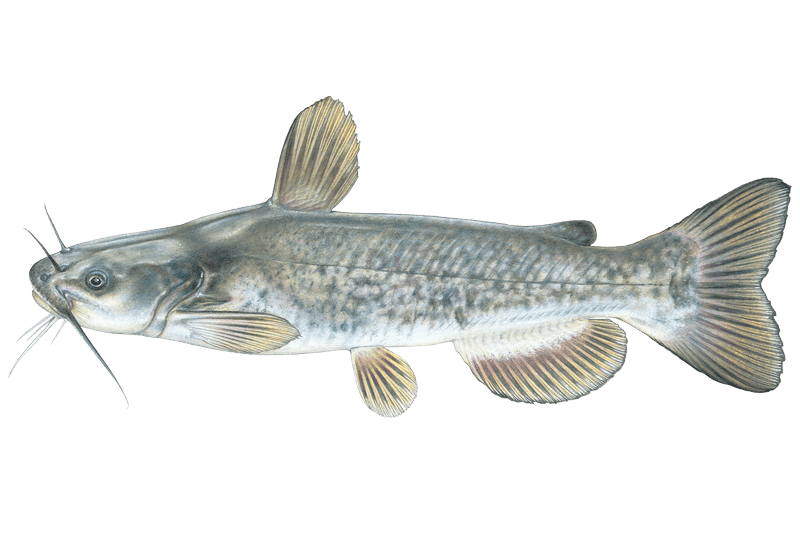
White Catfish
Ameiurus catus
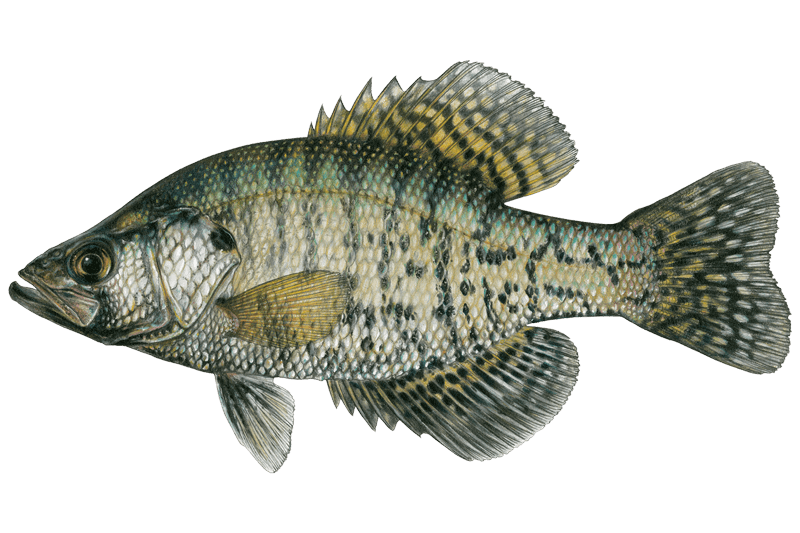
White Crappie
Pomoxis annularis
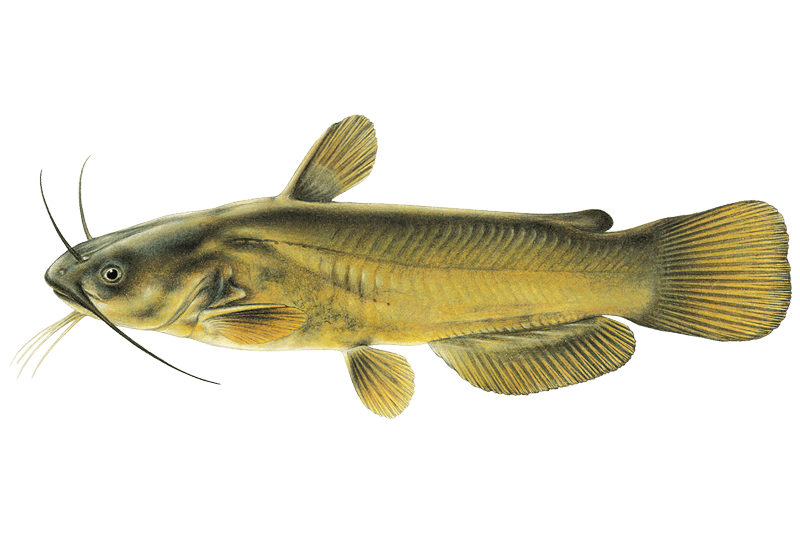
Yellow Bullhead
Ameiurus natalis
Yellow Perch
Perca flavescens
Nevada licenses and regulations

Nevada Boating Regulations
When using any type of watercraft to access a body of water, it is important to follow all federal, state, and local rules and regulations. These rules and regulations include boat permitting and licensing, invasive species inspections and stamps, life jacket and PFD rules, motor size and horsepower restrictions, noise limitations, restrictions on personal watercraft, and many more. Visit the web link below for the most current rules and regulations for this body of water.

Nevada Fishing License
All persons fishing are subject to the license requirements listed below. Except for some “interstate waters” (Lake Tahoe, Topaz Lake, Lake Mead, Lake Mohave, Colorado River), anglers 12 years of age and older are required to obtain and possess a license or permit to fish. Nonresident anglers under 12 years of age are not required to have a license, but the number of fish taken by such nonresident anglers must not exceed 50 percent of the limit as provided by law. (For instance, if the limit is five, these young anglers may take only two fish.) Fishing license and permit requirements also apply to persons taking fish by means of spear or bow and arrow. (Refer to NRS 502.010)

Nevada Fishing Regulations
This river has a variety of species and regulations, including potential floating and/or watercraft restrictions. Because this river is specially managed for species, seasons, angling methods, and watercraft, it is strongly encouraged you check all federal, state, and local regulations before fishing. Visit any of the links below, inquire locally, or contact a local fly shop to learn current regulations and restrictions.

Nevada Stream Access Laws
In Nevada, navigable streams are those capable of being used or that have been used for commerce, such as floating logs to market. These streams can be floated, and probably fished, recreationally. The right to portage obstructions is undecided in Nevada. It is unlawful for any person to hunt, fish in non-navigable waters or trap upon land which is private property where the person has been warned by the owner or occupant of the property not to trespass.
Explore nearby waters
Explore Nevada waters
Top fishing waters
Popular Cities
Loading popular cities...

Smarter Fishing Starts in the App.
onWater Fish gives you everything you need to plan smarter, fish better, and own every trip from first cast to last.