Channel Catfish
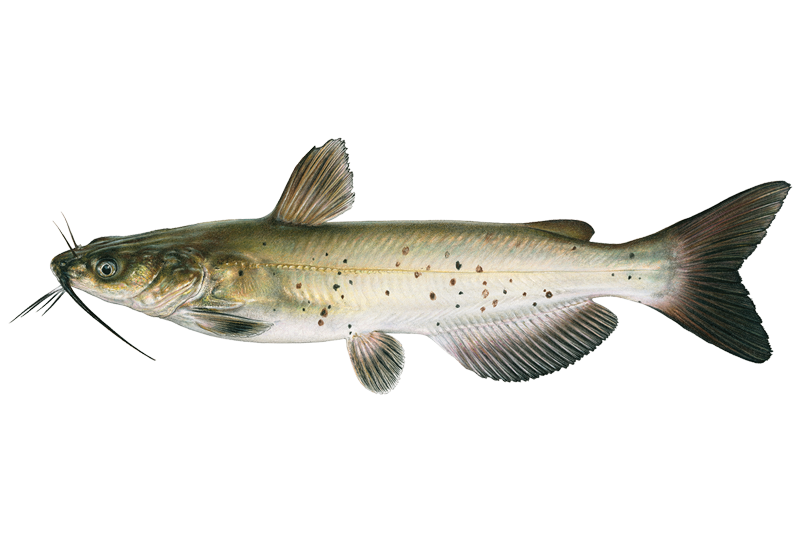
Channel Catfish in Nevada are non-native game fish that have been introduced and stocked in various water bodies throughout northwestern and southern Nevada.
Scientific Name: Ictalurus punctatus
- Characterized by pale bluish-olive backs, bluish-white bellies, and distinctive black spots that may fade on larger specimens.
- They have deeply forked tails, long black barbels (whiskers), and sharp spines on dorsal and pectoral fins.
- Nevada's Channel Catfish typically range from 10-35 inches and 1-33 pounds.
- Their bodies are covered with approximately 175,000 external taste buds.
What to know
Habitat Distribution
- Found in warm water streams and reservoirs in northwestern and southern Nevada, having been introduced and stocked in various water bodies.
- Prefer clean sandy or gravel bottoms in larger lakes and rivers.
Key Locations
- South Fork Reservoir (which has been regularly stocked with thousands of Channel Catfish), Lake Mead, Lake Mohave, and various other reservoirs throughout the state.
- Found in warm water streams and reservoirs in northwestern and southern Nevada.
Specific Spots
- Target areas with current breaks, drop-offs, inlets and outlets, rocky riprap, submerged timber, and muddy or sandy bottoms.
- In Nevada's reservoirs and lakes, focus on deeper, cooler water during hot summer days and move to shallower areas during morning and evening feeding periods.
- Target deeper water (over 5 feet) with slip sinker rigs or shallow water with slip bobber rigs.
Channel Catfish FAQ
Answers from onWater's species guide.
What are the best lures and bait for Channel Catfish in Nevada?
Most effective baits are prepared punch baits like CJ's Catfish Punch Bait, Sudden Impact Fiber Bait, or Sure Shot Catfish Punch Bait. Cut bait (fresh shad, goldeye, or suckers), live nightcrawlers, chicken livers, and large shrimp are also productive.
When is the best time to fish for Channel Catfish in Nevada?
Best from pre-spawn through summer (late March through early fall) when water temperatures are stable above 70°F. Avoid Memorial Day through July 4th when fishing success typically declines due to spawning period.
How do you catch Channel Catfish in Nevada?
Still fishing and drift fishing are popular techniques. Fish on or near the bottom using slip sinker rigs in deeper water or slip bobber rigs in shallow water.
What do Channel Catfish eat?
Opportunistic omnivores feeding primarily on small fish, crustaceans (especially crayfish), aquatic insects, clams, snails, and even small mammals and birds.
Where do Channel Catfish live in Nevada?
Found in warm water streams and reservoirs in northwestern and southern Nevada, having been introduced and stocked in various water bodies. Prefer clean sandy or gravel bottoms in larger lakes and rivers.
Fish smarter with real-time insights
Whether you're en route and conditions shift or you're looking for the best spot based on current flows, we enable you to make informed decisions on the fly.







See it in the app
Most maps show you water.
onWater shows you Channel Catfish.



- 01 · Species map filter
Map every Channel Catfish water
Pick Channel Catfish and the map zeroes in on the waters they call home. No more guessing which lake holds them.
- 02 · Waterbody species
Tap any water. See what lives there.
Species, behavior and seasonal patterns for every lake, river and pond, before you leave the driveway.
- 03 · Angler Intelligence
Ask how to catch Channel Catfish
Tactics, gear and timing from onWater's AI fishing guide, tuned to the species and the water you're on.
Stop guessing where Channel Catfish are.
Open the map, filter by Channel Catfish, and head to water that holds them. Download onWater and plan your next trip in minutes.
- Species map filter
- Angler Intelligence
- Fishing journal
Explore other species
Trout, bass, salmon, panfish and everything in between. Each guide unpacks the behavior, seasons, and tactics that put fish in the net.

Find which waters have the species you want to catch

Largemouth Bass
Micropterus salmoides

Smallmouth Bass
Micropterus dolomieu

Rainbow Trout
Oncorhynchus mykiss

Brown Trout
Salmo trutta

Brook Trout
Salvelinus fontinalis

Cutthroat Trout
Oncorhynchus clarkii henshawi

Northern Pike
Esox lucius

Walleye
Sander vitreus

Black Crappie
Pomoxis nigromaculatus
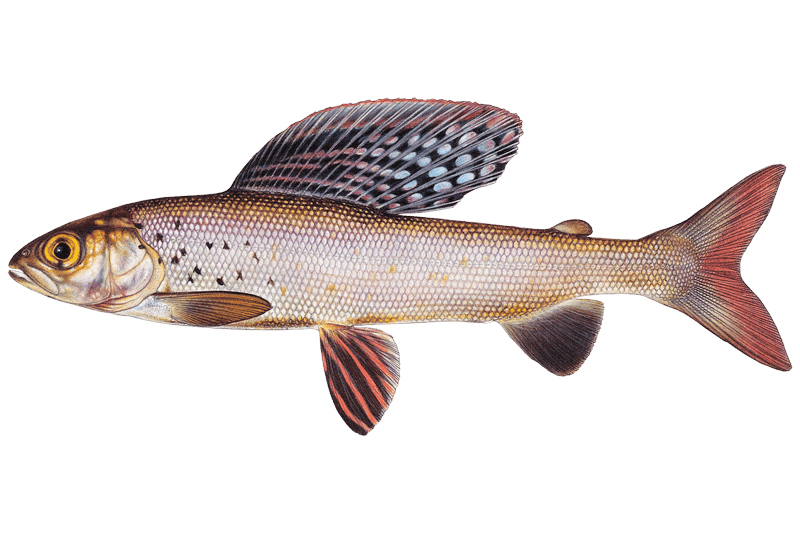
Arctic Grayling
Thymallus arcticus

Black Bullhead
Ameiurus melas

Blue Tilapia
Oreochromis aureus

Brown Bullhead
Ameiurus nebulosus
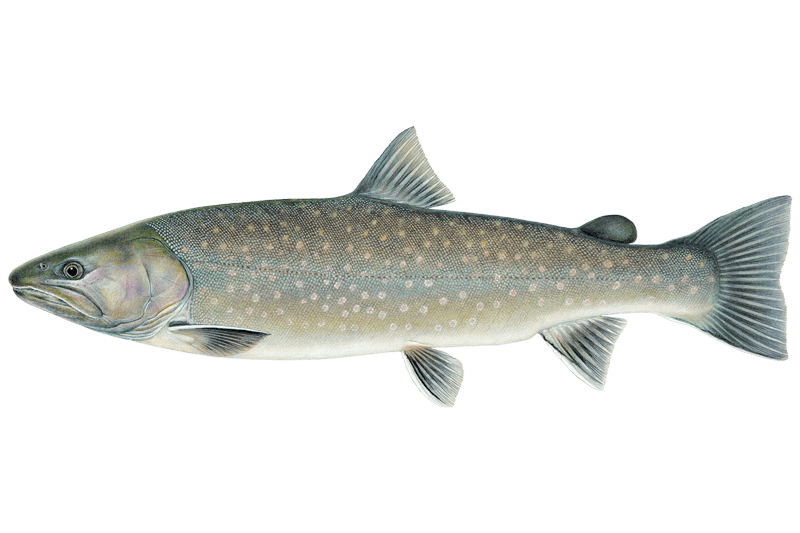
Bull Trout
Salvelinus confluentus

Chinook Salmon

Common Carp
Cyprinus carpio

Flathead Catfish
Pylodictis olivaris

Gizzard Shad
Dorosoma cepedianum
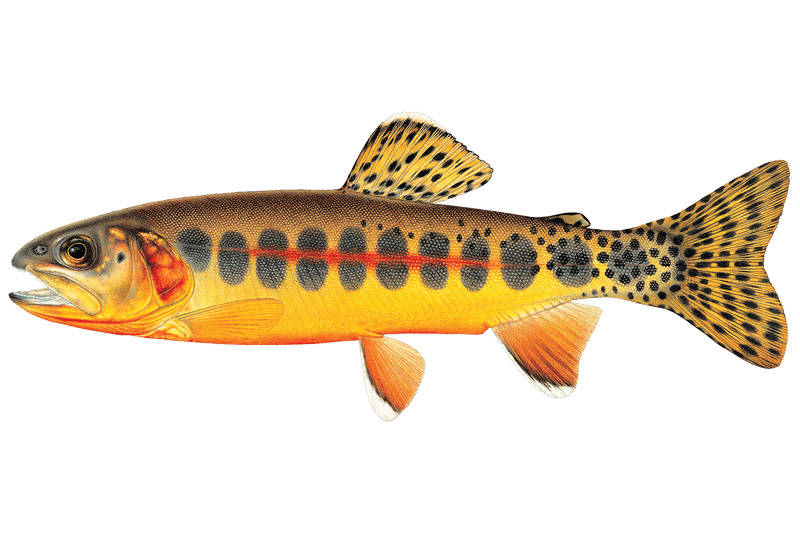
Golden Trout

Grass Carp
Ctenopharyngodon idella

Green Sunfish
Lepomis cyanellus

Lake Trout
Salvelinus namaycush

Longnose Sucker
Catostomus catostomus
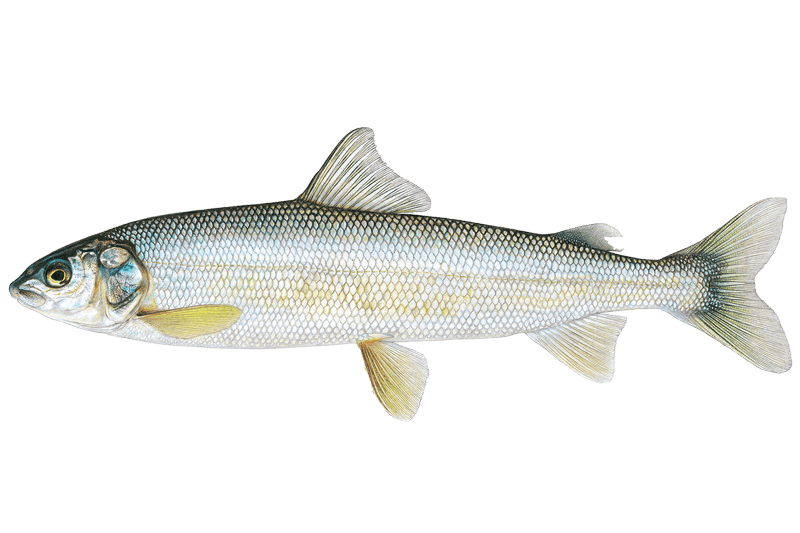
Mountain Whitefish
Prosopium williamsoni

Pumpkinseed
Lepomis gibbosus
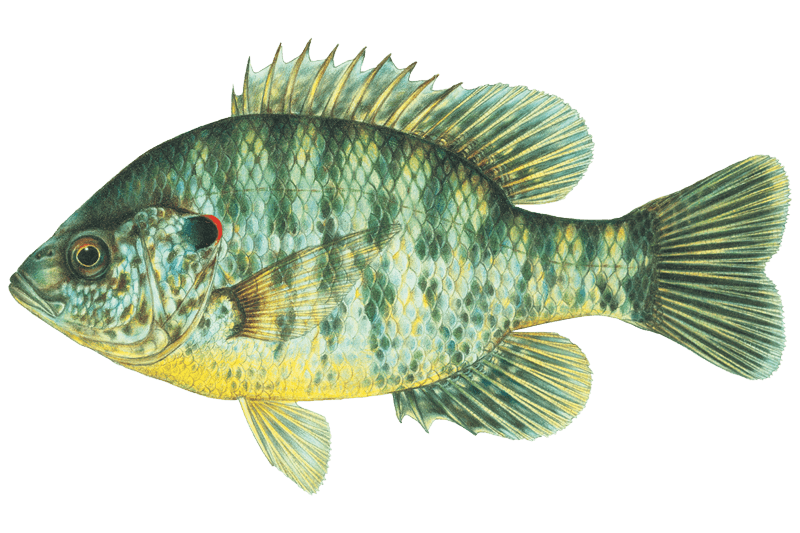
Redear Sunfish

Rock Bass
Ambloplites rupestris

Sockeye Salmon
Oncorhynchus nerka
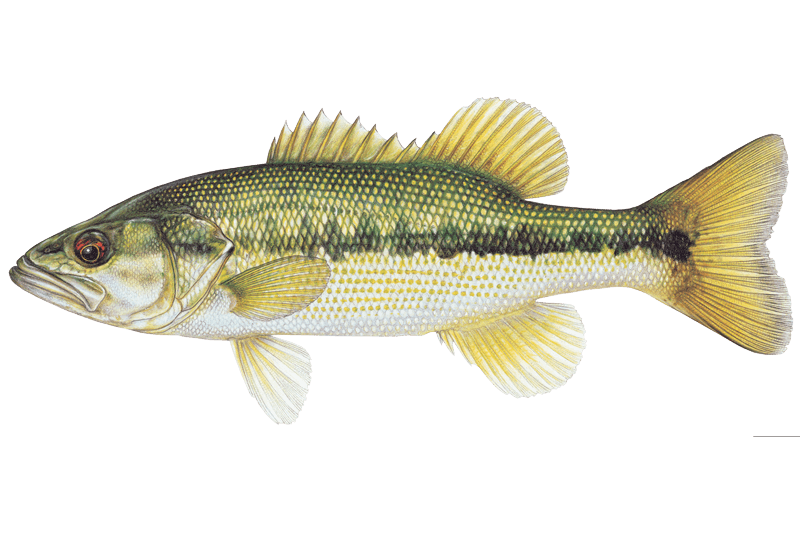
Spotted Bass
Micropterus punctulatus
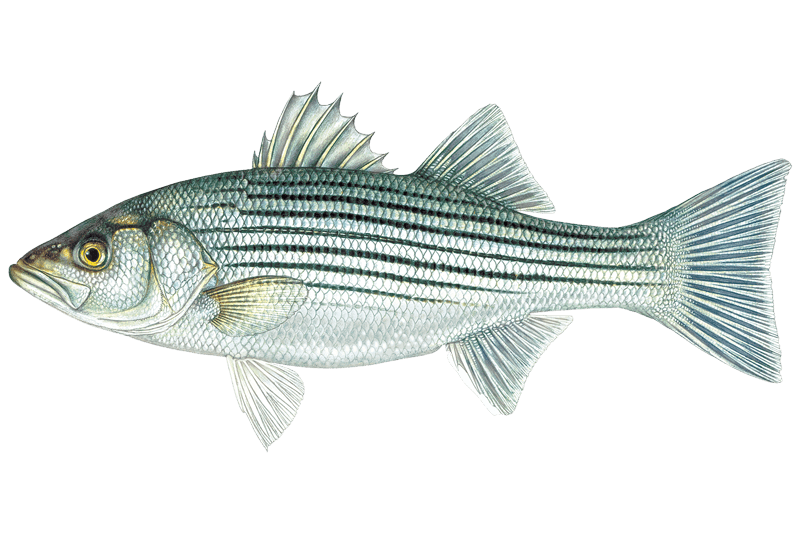
Striped Bass
Morone saxatilis
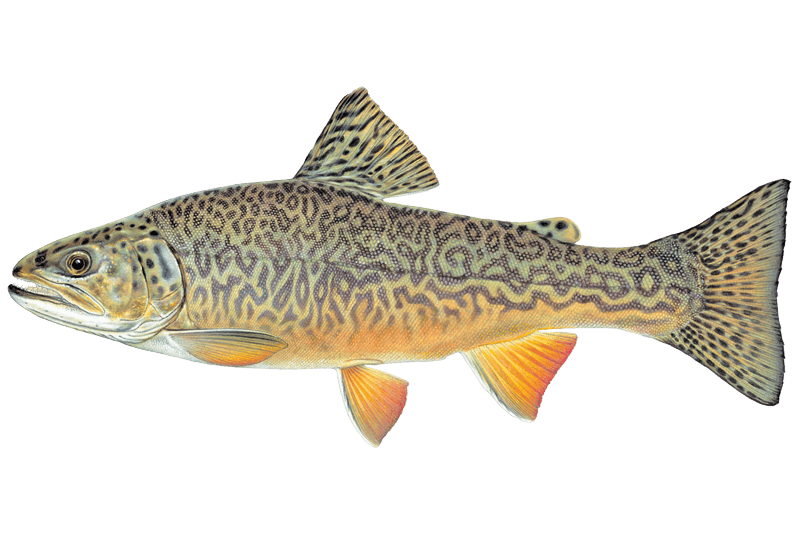
Tiger Trout
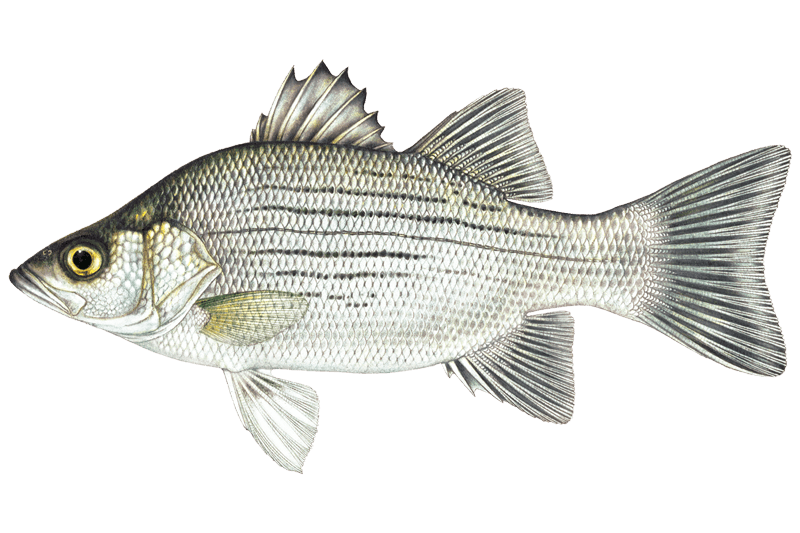
White Bass
Morone chrysops
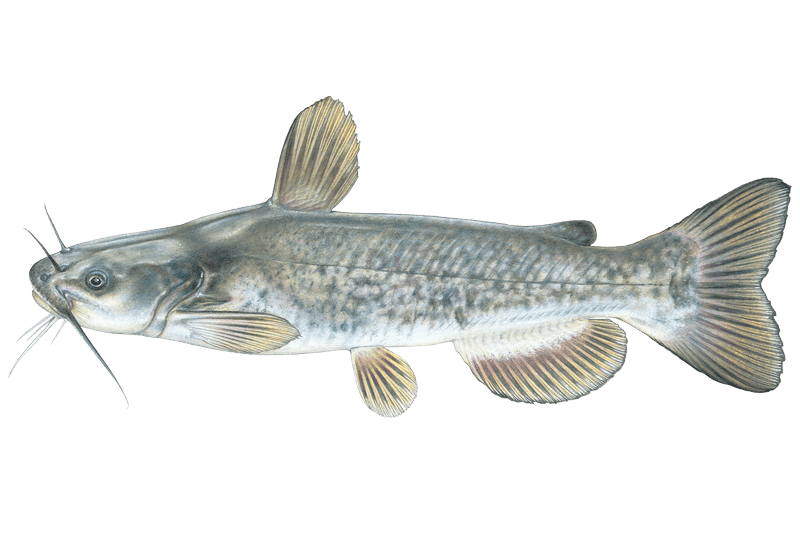
White Catfish
Ameiurus catus
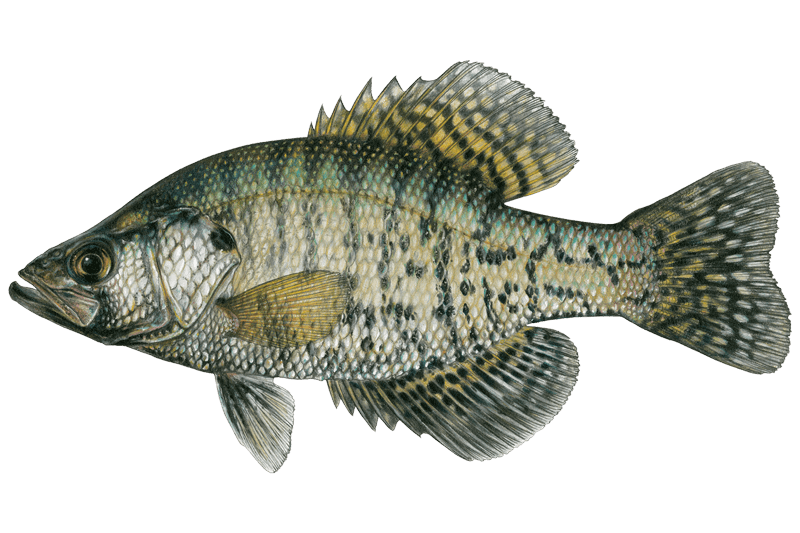
White Crappie
Pomoxis annularis
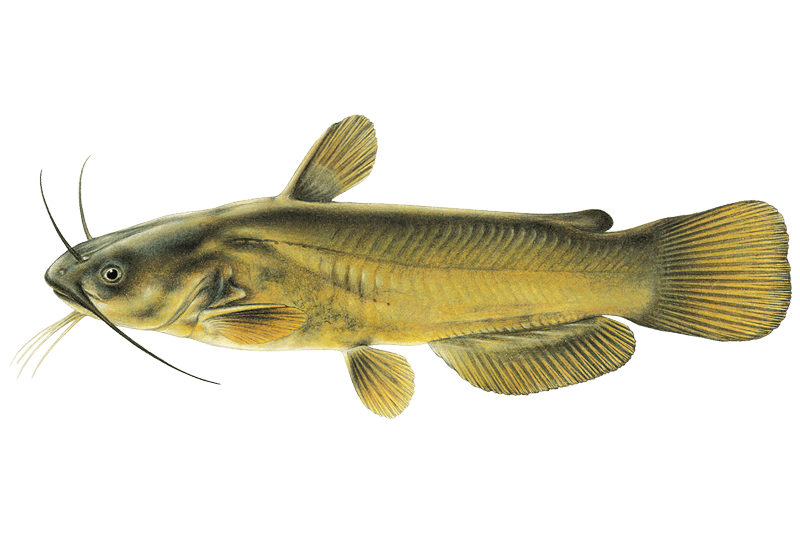
Yellow Bullhead
Ameiurus natalis
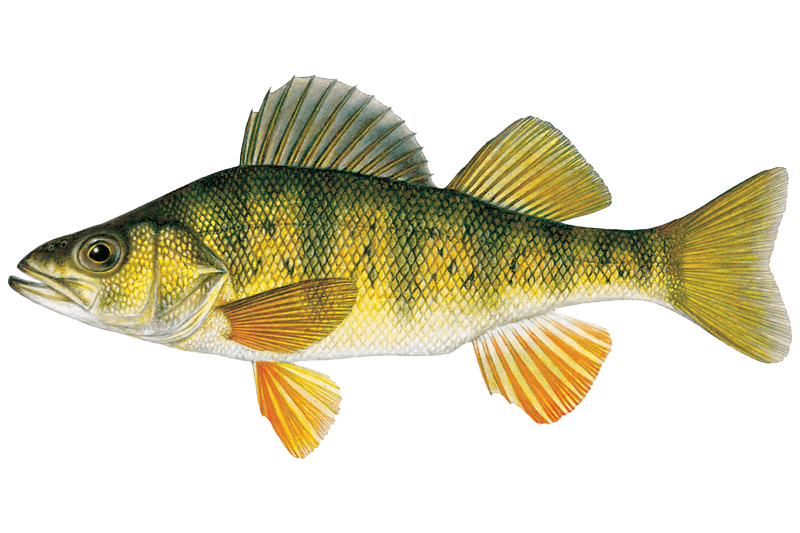
Yellow Perch
Perca flavescens
Nevada licenses and regulations

Nevada Boating Regulations
When using any type of watercraft to access a body of water, it is important to follow all federal, state, and local rules and regulations. These rules and regulations include boat permitting and licensing, invasive species inspections and stamps, life jacket and PFD rules, motor size and horsepower restrictions, noise limitations, restrictions on personal watercraft, and many more. Visit the web link below for the most current rules and regulations for this body of water.

Nevada Fishing License
All persons fishing are subject to the license requirements listed below. Except for some “interstate waters” (Lake Tahoe, Topaz Lake, Lake Mead, Lake Mohave, Colorado River), anglers 12 years of age and older are required to obtain and possess a license or permit to fish. Nonresident anglers under 12 years of age are not required to have a license, but the number of fish taken by such nonresident anglers must not exceed 50 percent of the limit as provided by law. (For instance, if the limit is five, these young anglers may take only two fish.) Fishing license and permit requirements also apply to persons taking fish by means of spear or bow and arrow. (Refer to NRS 502.010)

Nevada Fishing Regulations
This river has a variety of species and regulations, including potential floating and/or watercraft restrictions. Because this river is specially managed for species, seasons, angling methods, and watercraft, it is strongly encouraged you check all federal, state, and local regulations before fishing. Visit any of the links below, inquire locally, or contact a local fly shop to learn current regulations and restrictions.

Nevada Stream Access Laws
In Nevada, navigable streams are those capable of being used or that have been used for commerce, such as floating logs to market. These streams can be floated, and probably fished, recreationally. The right to portage obstructions is undecided in Nevada. It is unlawful for any person to hunt, fish in non-navigable waters or trap upon land which is private property where the person has been warned by the owner or occupant of the property not to trespass.
Explore nearby waters
Explore Nevada waters
Top fishing waters
Popular Cities
Loading popular cities...

Smarter Fishing Starts in the App.
onWater Fish gives you everything you need to plan smarter, fish better, and own every trip from first cast to last.