Blue Tilapia

Blue Tilapia are an invasive African cichlid species established in Nevada waters since 1991, with populations documented in Lake Mead, Las Vegas Wash, Lower Virgin River, and the Muddy River system in Clark County.
Scientific Name: Oreochromis aureus
- These robust fish typically reach 16-18 inches and 2-5 pounds in Nevada waters, though specimens up to 21 inches and 10+ pounds have been recorded elsewhere.
- They display blue-gray coloration with white bellies, and breeding males develop intense metallic blue heads with vermilion fin edges while females show pale orange fin coloration.
What to know
Habitat Distribution
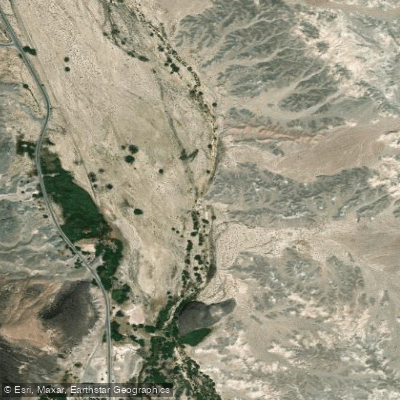
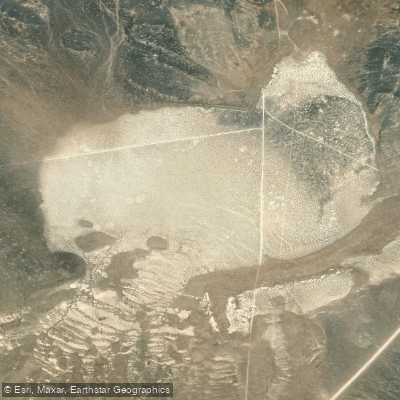
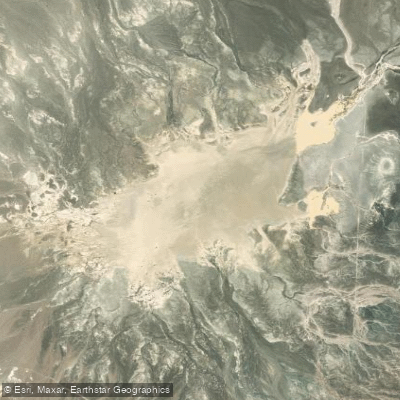
- Populations documented in Lake Mead, Las Vegas Wash, Lower Virgin River, and the Muddy River system in Clark County.
Key Locations
- Target Blue Tilapia in Nevada's Lake Mead (particularly Overton Arm and Boulder Basin areas), Las Vegas Wash, and accessible portions of the Virgin and Muddy River systems.
Specific Spots
- Focus on shallow shorelines with vegetation, around structure, and near warm-water areas.
- Fish shallow, vegetated areas 3-6 feet deep.
- They prefer shallow areas with vegetation and congregate around thermal refuges during cooler months.
Blue Tilapia FAQ
Answers from onWater's species guide.
What are the best lures and bait for Blue Tilapia in Nevada?
Since they're primarily herbivorous, effective baits include corn kernels, peas, small bread balls, and dough baits.
What flies work for Blue Tilapia in Nevada?
For fly fishing, use small nymphs, algae-imitating patterns, terrestrial flies like small ant patterns, or simple bead-head flies in sizes 12-16.
When is the best time to fish for Blue Tilapia in Nevada?
Fish year-round, but prime times are late spring through summer when water temperatures reach 75-80°F.
How do you catch Blue Tilapia in Nevada?
Present baits under small bobbers or with light split-shot rigs. Cast beyond visible fish and work baits slowly. During warmer months, they can be sight-fished in clear shallow water. Chumming with corn, peas, or bread pieces can draw them to your fishing area.
What do Blue Tilapia eat?
Blue Tilapia are omnivorous with a primarily herbivorous adult diet, feeding on filamentous algae, blue-green algae, aquatic vegetation, and organic debris, though they occasionally consume zooplankton and small fish. Juveniles eat more varied diets including small crustaceans, copepods, and invertebrates.
Fish smarter with real-time insights
Whether you're en route and conditions shift or you're looking for the best spot based on current flows, we enable you to make informed decisions on the fly.




See it in the app
Most maps show you water.
onWater shows you Blue Tilapia.



- 01 · Species map filter
Map every Blue Tilapia water
Pick Blue Tilapia and the map zeroes in on the waters they call home. No more guessing which lake holds them.
- 02 · Waterbody species
Tap any water. See what lives there.
Species, behavior and seasonal patterns for every lake, river and pond, before you leave the driveway.
- 03 · Angler Intelligence
Ask how to catch Blue Tilapia
Tactics, gear and timing from onWater's AI fishing guide, tuned to the species and the water you're on.
Stop guessing where Blue Tilapia are.
Open the map, filter by Blue Tilapia, and head to water that holds them. Download onWater and plan your next trip in minutes.
- Species map filter
- Angler Intelligence
- Fishing journal
Explore other species
Trout, bass, salmon, panfish and everything in between. Each guide unpacks the behavior, seasons, and tactics that put fish in the net.
No species information available.
Nevada licenses and regulations
Explore nearby waters
Explore Nevada waters
Top fishing waters
Popular Cities
Loading popular cities...

Smarter Fishing Starts in the App.
onWater Fish gives you everything you need to plan smarter, fish better, and own every trip from first cast to last.