Longnose Sucker

The Longnose Sucker is a bottom-feeding freshwater fish found in Nevada's cold, clear waters.
Scientific Name: Catostomus catostomus
This species is distinguished by its elongated snout that extends past its upper lip, cylindrical body, and comparatively finer scales than White Suckers.
Adults typically measure 8-25 inches and weigh 1-6 pounds, though they can reach up to 64 cm and 3.3 kg in exceptional cases.
Longnose Suckers have tan-olive or black sides with cream-white underbellies, and during spawning develop bright red lateral stripes and horny tubercles on their fins.
What to know
Habitat Distribution
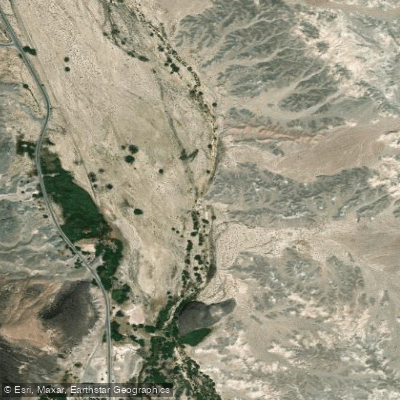
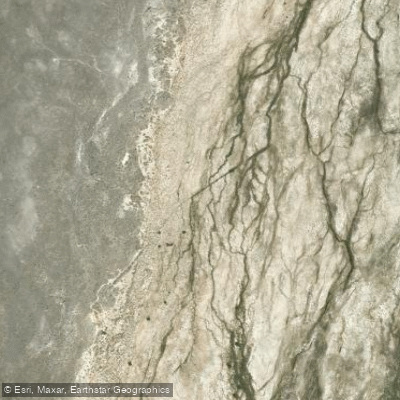
They inhabit cold streams and rivers with gravel bottoms, occasionally found in deeper lake watersKey Locations
In Nevada waters, they're more commonly found in the northern regions where suitable cold-water habitat existsSpecific Spots
Fish deeper pools and areas near rocky outcrops or vegetation where they forageLongnose Sucker FAQ
Answers from onWater's species guide.
What flies work for Longnose Sucker in Nevada?
Use weighted streamers in sizes 4-8, particularly conehead and beadhead patterns in black and brown colors. Sucker spawn egg patterns work exceptionally well, especially natural chartreuse colors tied with angora yarn.
How do you catch Longnose Sucker in Nevada?
Let bait rest stationary on the bottom. Keep your line tight to detect subtle bites, as suckers grab bait stealthily. For fly fishing, sight-fishing is most effective - cast the fly a few inches in front of feeding fish and watch for the sucker to extend its mouth before setting the hook quickly.
What do Longnose Sucker eat?
Their diet consists primarily of benthic invertebrates including midge larvae, aquatic insects, small crustaceans, algae, and fish eggs.
Where do Longnose Sucker live in Nevada?
They inhabit cold streams and rivers with gravel bottoms, occasionally found in deeper lake waters
Fish smarter with real-time insights
Whether you're en route and conditions shift or you're looking for the best spot based on current flows, we enable you to make informed decisions on the fly.







See it in the app
Most maps show you water.
onWater shows you Longnose Sucker.



- 01 · Species map filter
Map every Longnose Sucker water
Pick Longnose Sucker and the map zeroes in on the waters they call home. No more guessing which lake holds them.
- 02 · Waterbody species
Tap any water. See what lives there.
Species, behavior and seasonal patterns for every lake, river and pond, before you leave the driveway.
- 03 · Angler Intelligence
Ask how to catch Longnose Sucker
Tactics, gear and timing from onWater's AI fishing guide, tuned to the species and the water you're on.
Stop guessing where Longnose Sucker are.
Open the map, filter by Longnose Sucker, and head to water that holds them. Download onWater and plan your next trip in minutes.
- Species map filter
- Angler Intelligence
- Fishing journal
Explore other species
Trout, bass, salmon, panfish and everything in between. Each guide unpacks the behavior, seasons, and tactics that put fish in the net.

Find which waters have the species you want to catch

Largemouth Bass
Micropterus salmoides

Smallmouth Bass
Micropterus dolomieu

Rainbow Trout
Oncorhynchus mykiss

Brown Trout
Salmo trutta

Brook Trout
Salvelinus fontinalis

Cutthroat Trout
Oncorhynchus clarkii henshawi

Northern Pike
Esox lucius

Walleye
Sander vitreus

Black Crappie
Pomoxis nigromaculatus
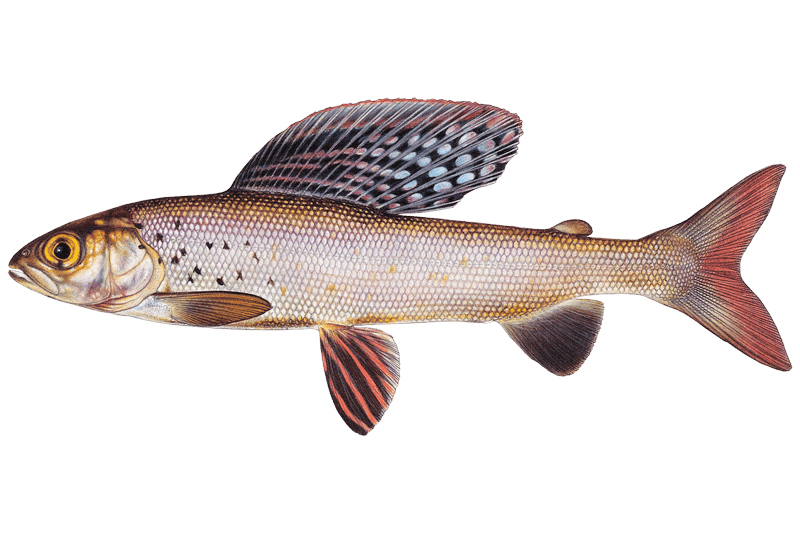
Arctic Grayling
Thymallus arcticus

Black Bullhead
Ameiurus melas

Blue Tilapia
Oreochromis aureus

Brown Bullhead
Ameiurus nebulosus
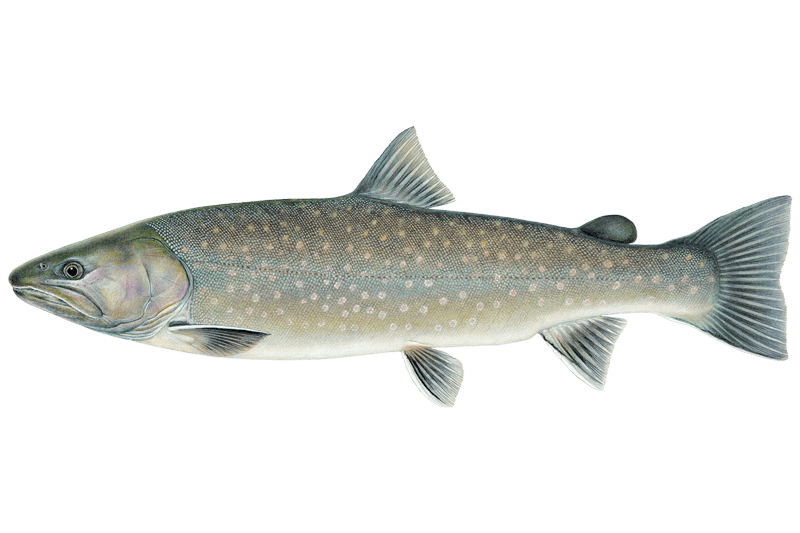
Bull Trout
Salvelinus confluentus

Channel Catfish
Ictalurus punctatus

Chinook Salmon

Common Carp
Cyprinus carpio

Flathead Catfish
Pylodictis olivaris

Gizzard Shad
Dorosoma cepedianum

Golden Trout

Grass Carp
Ctenopharyngodon idella

Green Sunfish
Lepomis cyanellus

Lake Trout
Salvelinus namaycush
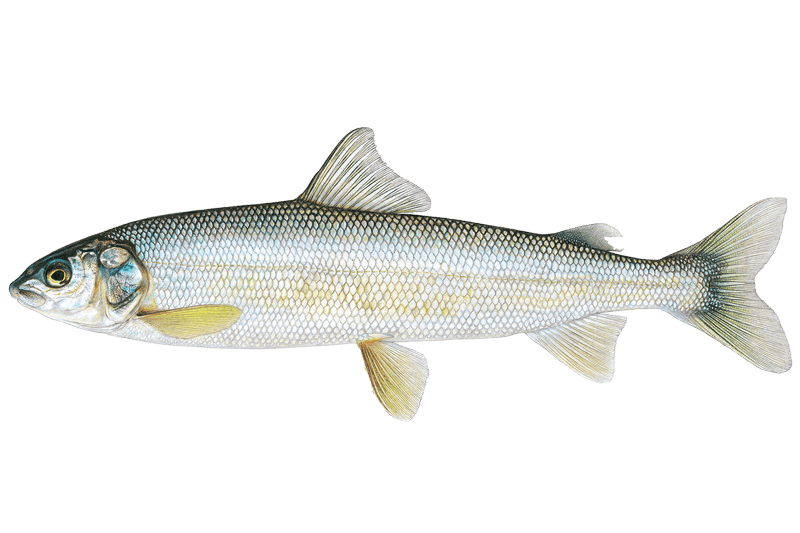
Mountain Whitefish
Prosopium williamsoni

Pumpkinseed
Lepomis gibbosus

Redear Sunfish

Rock Bass
Ambloplites rupestris

Sockeye Salmon
Oncorhynchus nerka
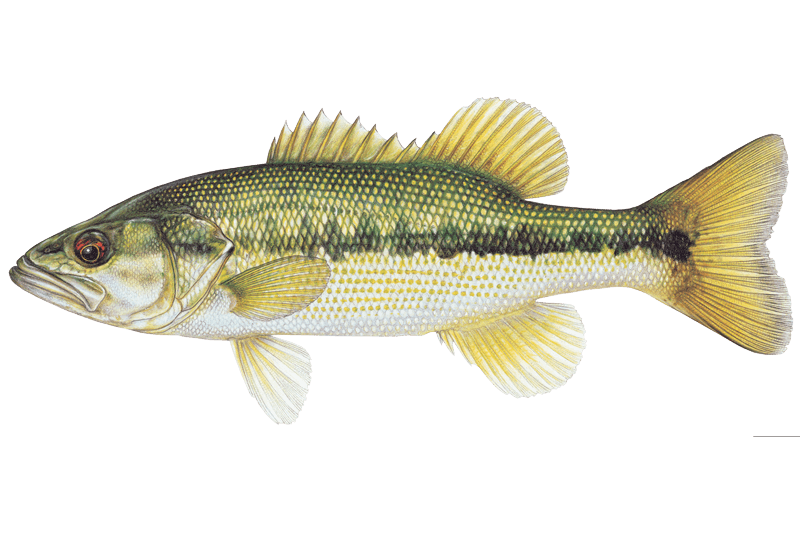
Spotted Bass
Micropterus punctulatus
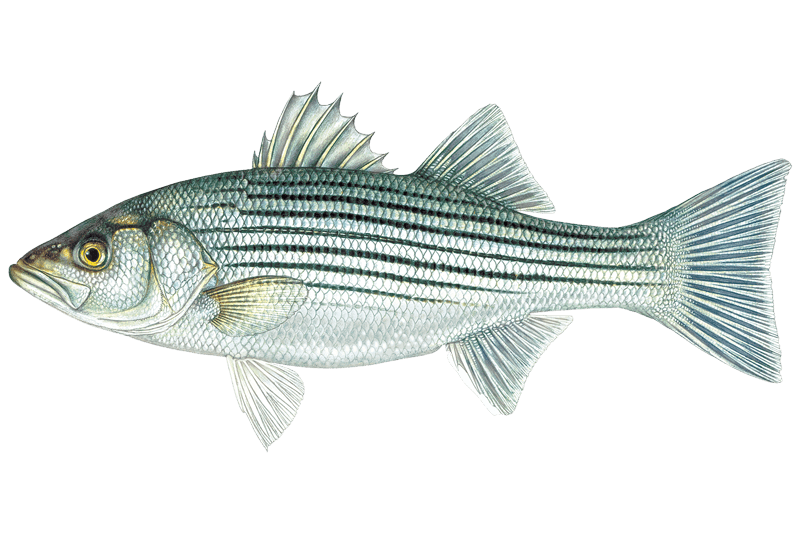
Striped Bass
Morone saxatilis
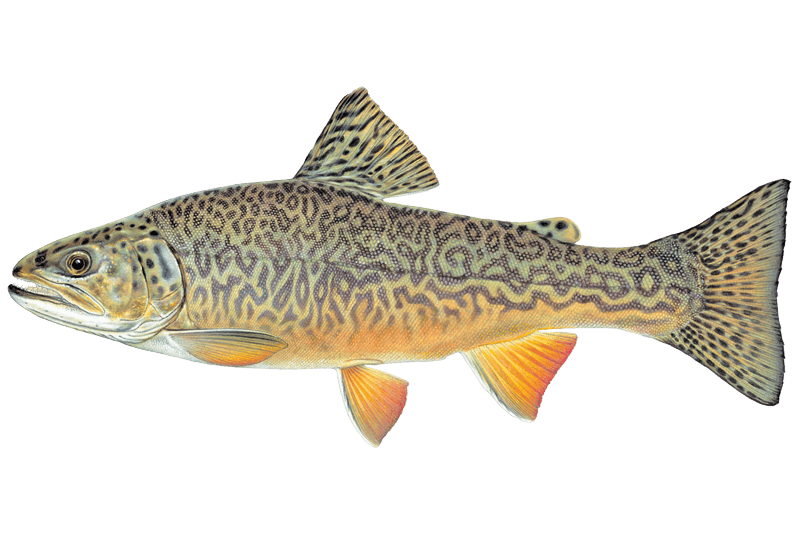
Tiger Trout
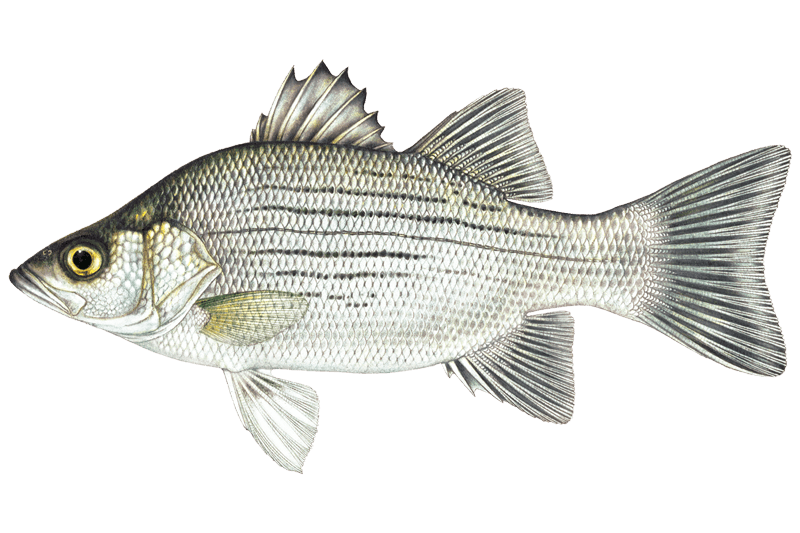
White Bass
Morone chrysops
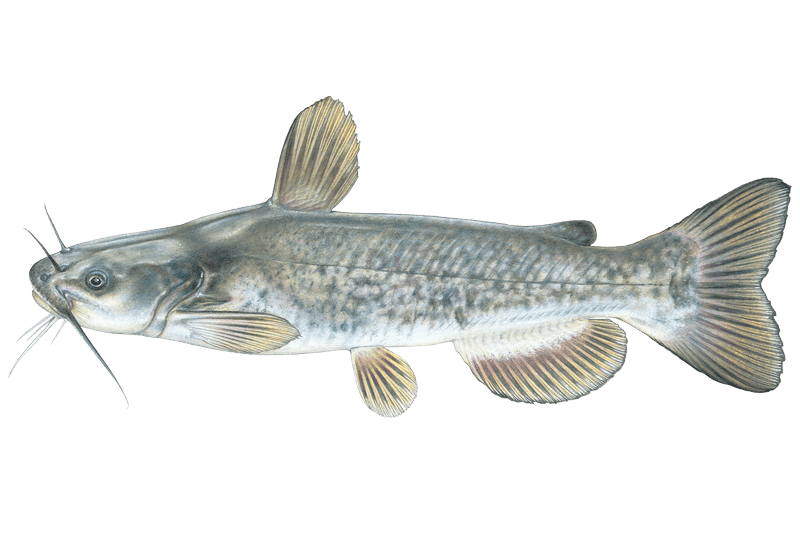
White Catfish
Ameiurus catus
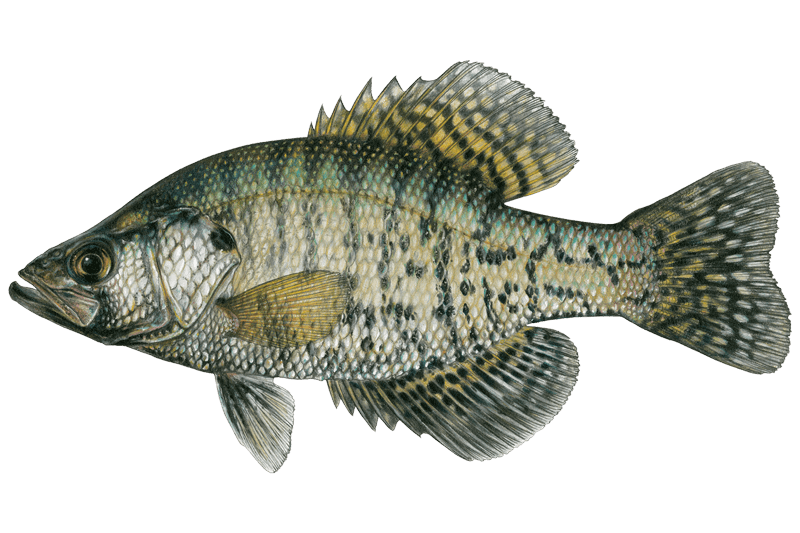
White Crappie
Pomoxis annularis
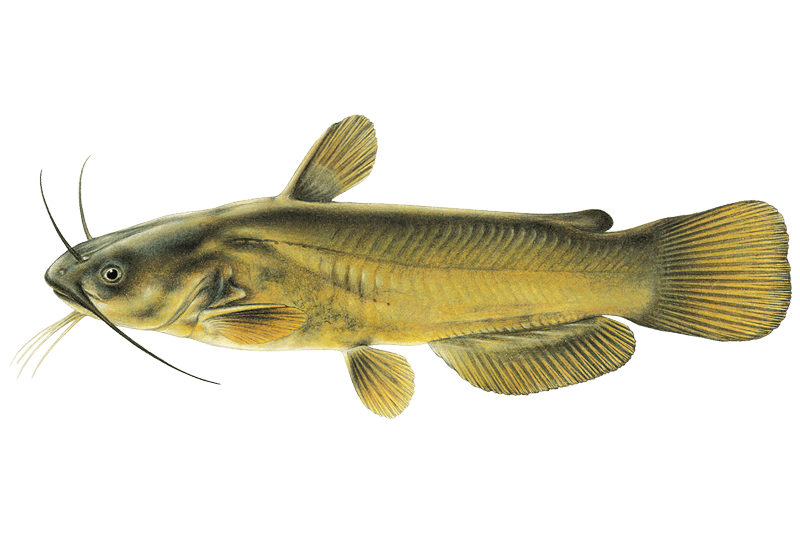
Yellow Bullhead
Ameiurus natalis
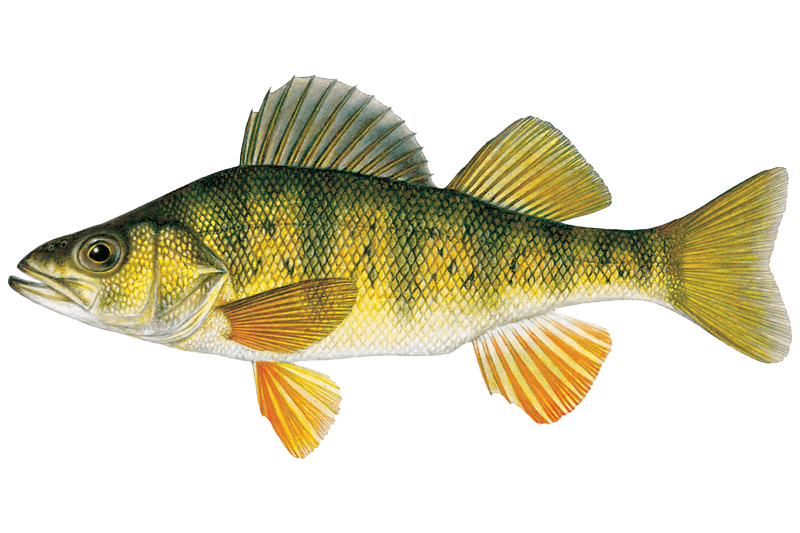
Yellow Perch
Perca flavescens
Nevada licenses and regulations

Nevada Boating Regulations
When using any type of watercraft to access a body of water, it is important to follow all federal, state, and local rules and regulations. These rules and regulations include boat permitting and licensing, invasive species inspections and stamps, life jacket and PFD rules, motor size and horsepower restrictions, noise limitations, restrictions on personal watercraft, and many more. Visit the web link below for the most current rules and regulations for this body of water.

Nevada Fishing License
All persons fishing are subject to the license requirements listed below. Except for some “interstate waters” (Lake Tahoe, Topaz Lake, Lake Mead, Lake Mohave, Colorado River), anglers 12 years of age and older are required to obtain and possess a license or permit to fish. Nonresident anglers under 12 years of age are not required to have a license, but the number of fish taken by such nonresident anglers must not exceed 50 percent of the limit as provided by law. (For instance, if the limit is five, these young anglers may take only two fish.) Fishing license and permit requirements also apply to persons taking fish by means of spear or bow and arrow. (Refer to NRS 502.010)

Nevada Fishing Regulations
This river has a variety of species and regulations, including potential floating and/or watercraft restrictions. Because this river is specially managed for species, seasons, angling methods, and watercraft, it is strongly encouraged you check all federal, state, and local regulations before fishing. Visit any of the links below, inquire locally, or contact a local fly shop to learn current regulations and restrictions.

Nevada Stream Access Laws
In Nevada, navigable streams are those capable of being used or that have been used for commerce, such as floating logs to market. These streams can be floated, and probably fished, recreationally. The right to portage obstructions is undecided in Nevada. It is unlawful for any person to hunt, fish in non-navigable waters or trap upon land which is private property where the person has been warned by the owner or occupant of the property not to trespass.
Explore nearby waters
Explore Nevada waters
Top fishing waters
Popular Cities
Loading popular cities...
Smarter Fishing Starts in the App.
onWater Fish gives you everything you need to plan smarter, fish better, and own every trip from first cast to last.