Fishing in Nevada
- Lakes
- 622
- Rivers
- 2,623
- Access
- 295
- Boat Ramps
- 72
- Shops
- 14
Nevada is the driest state in the country, and that fact shapes everything about its fishing — the water that does exist concentrates fish, attention, and conservation stakes in ways you don't see elsewhere in the West.
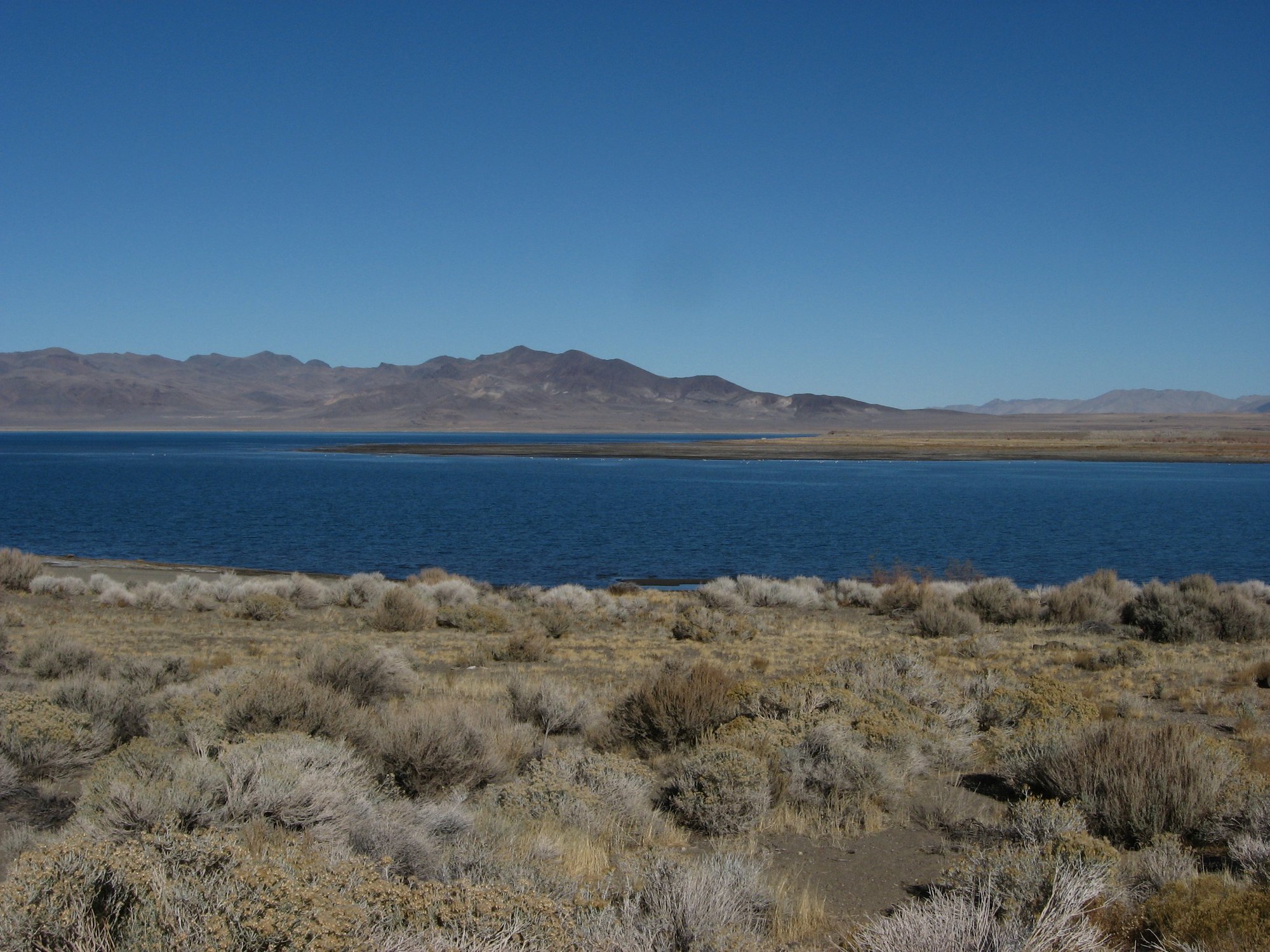
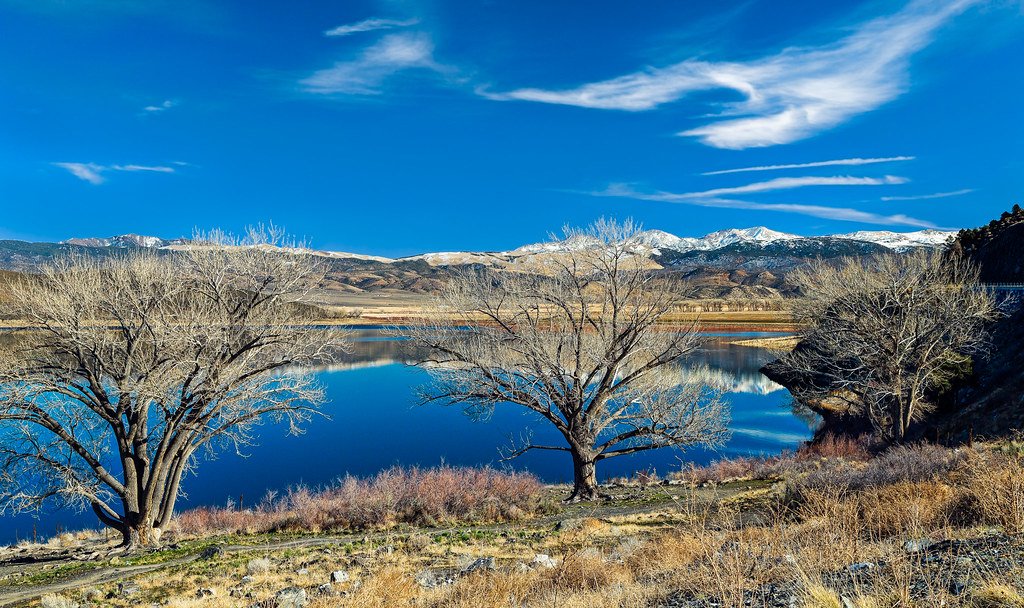
The center of gravity is Pyramid Lake, a turquoise alkaline sea on the Paiute Reservation about 35 miles northeast of Reno, where anglers stand on submerged step-ladders to reach the drop-offs and throw streamers on 8-weights for Lahontan cutthroat.
The Pilot Peak strain stocked here grows fast and grows big — twenty-pound fish are routine, and the 1925 all-tackle record of 41 pounds still hangs over the place.
Pyramid runs on tribal permits, not a state license, and it's barbless artificial only, season October through June. The final stretch before the June 30 close, when spawning-mode fish cruise the shorelines, is when most of the trophy stories happen.
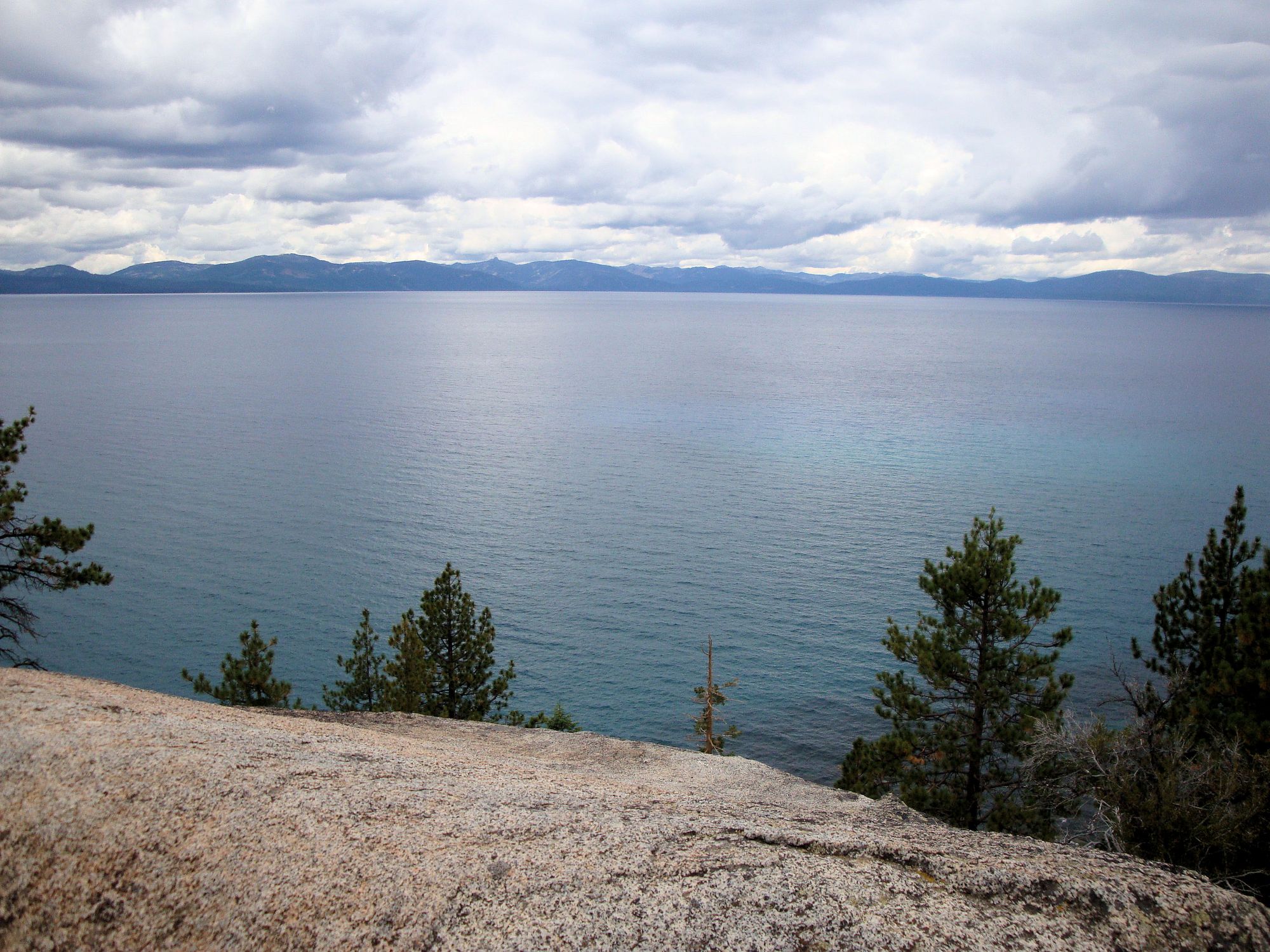
Out of Lake Tahoe and through Reno runs the Truckee, one of the most-fished rivers in the state and a genuine wild-trout fishery in an urban canyon.
Browns and rainbows hold throughout, with a year-round trophy section near Verdi and technical dry-fly water on the Miracle Mile tailwater below Stampede.
Caddis and PMDs come off through spring, Little Yellow Stones in August, BWOs and midges into the cold months.
South of there, the East Walker is the brown-trout river — over 25 miles of wadeable water, fish to 26 inches around the Elbow near Nine Mile Ranch, and access dramatically improved after the Walker Basin Conservancy donated 10,000-plus acres to create Walker River State Recreation Area in 2018.
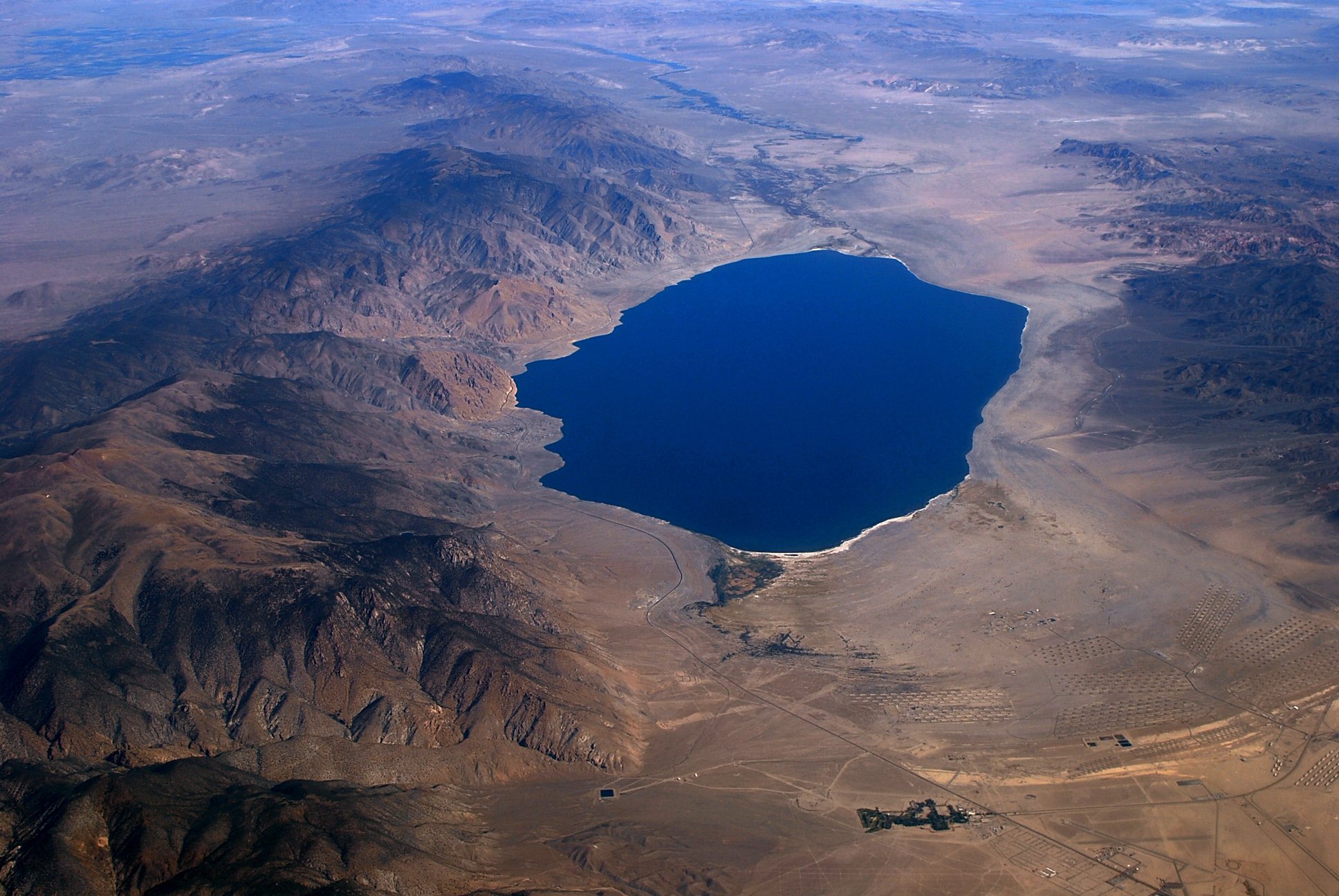
Fall, when the browns push shallow, is the time. Walker Lake, downstream, is the cautionary half of the story. Decades of upstream irrigation have pushed its TDS past 21,000 mg/L, and the cutthroat fishery is gone.
The Conservancy is buying water rights back, slowly, and it's the kind of project that frames how Nevadans talk about their fish. East of all this, things get remote.
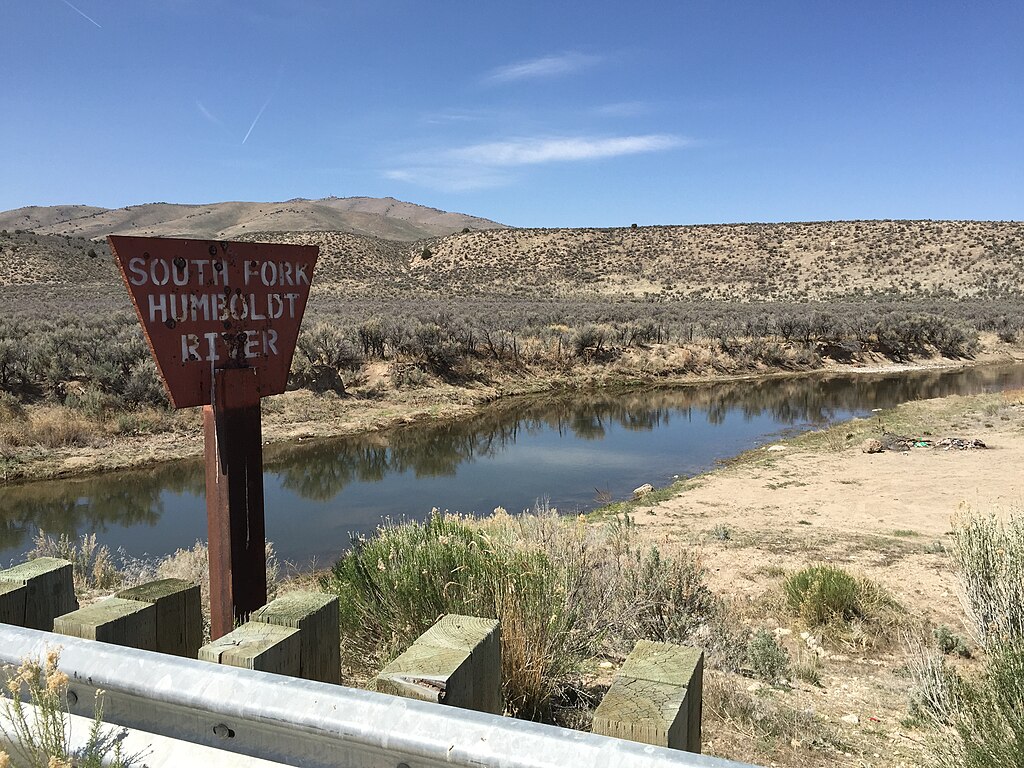
The Ruby Mountains above Elko hold beaver-pond brookies on Lamoille Creek and tiger trout in backcountry lakes off the Ruby Crest Trail, with threatened LCT in some of the smaller drainages.
Up near the Idaho line, the Jarbidge runs through a canyon system about as far from a paved road as the Lower 48 gets, holding redband, bull, brook, and rainbow trout from roughly June into October.
For the obsessive, NDOW's Native Fish Slam asks you to catch all six native salmonids — Yellowstone cutthroat live in exactly one creek in the state's northeast corner — and only a handful of anglers have ever finished it.
With over 80% of Nevada in public land, the country is there. The fish are the puzzle.
Species & education
Learn what type of fish are in Nevada and what's needed to catch them.

Find which waters have the species you want to catch

Largemouth Bass
Micropterus salmoides

Smallmouth Bass
Micropterus dolomieu

Rainbow Trout
Oncorhynchus mykiss

Brown Trout
Salmo trutta

Brook Trout
Salvelinus fontinalis

Cutthroat Trout
Oncorhynchus clarkii henshawi

Northern Pike
Esox lucius

Walleye
Sander vitreus

Black Crappie
Pomoxis nigromaculatus
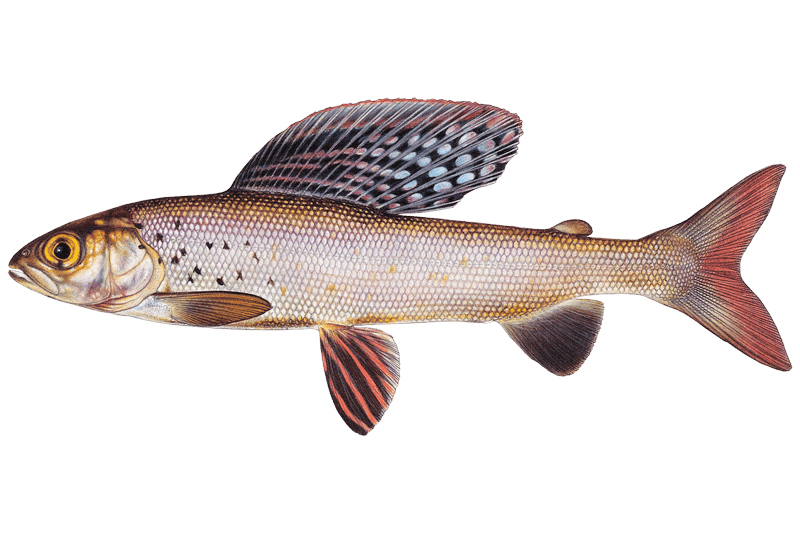
Arctic Grayling
Thymallus arcticus

Black Bullhead
Ameiurus melas

Blue Tilapia
Oreochromis aureus

Brown Bullhead
Ameiurus nebulosus
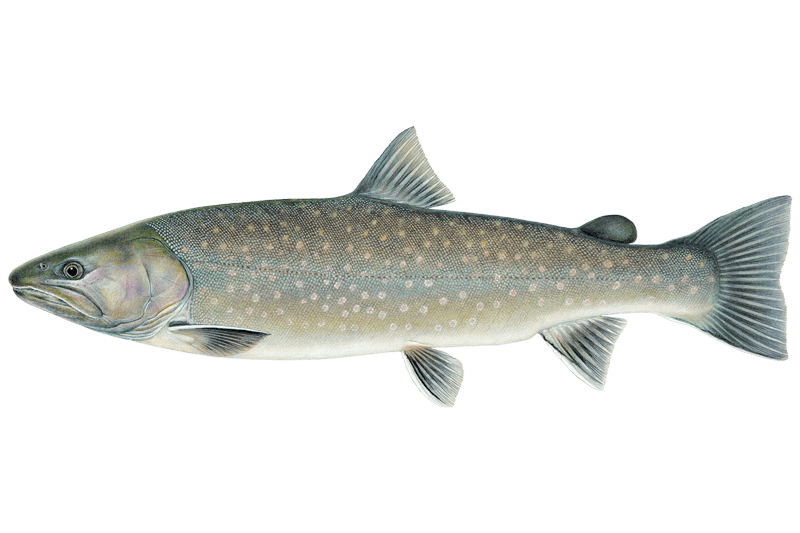
Bull Trout
Salvelinus confluentus

Channel Catfish
Ictalurus punctatus

Chinook Salmon

Common Carp
Cyprinus carpio

Flathead Catfish
Pylodictis olivaris

Gizzard Shad
Dorosoma cepedianum

Golden Trout

Grass Carp
Ctenopharyngodon idella

Green Sunfish
Lepomis cyanellus

Lake Trout
Salvelinus namaycush

Longnose Sucker
Catostomus catostomus
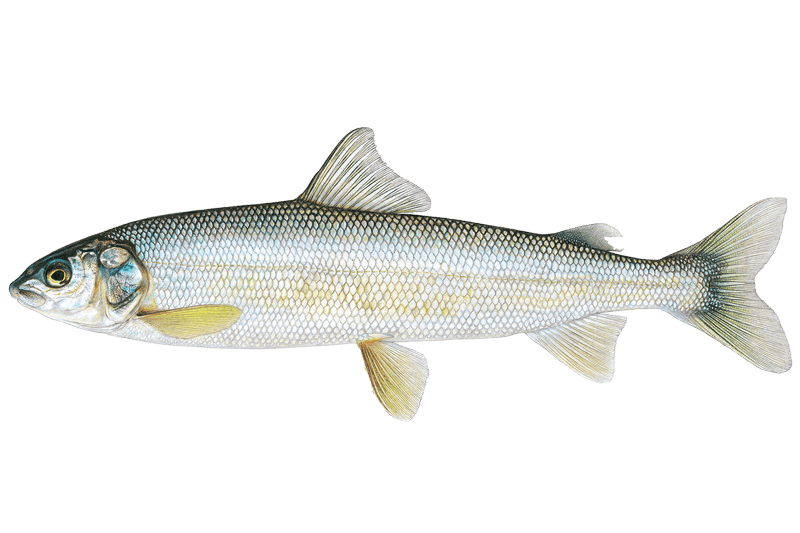
Mountain Whitefish
Prosopium williamsoni

Pumpkinseed
Lepomis gibbosus

Redear Sunfish

Rock Bass
Ambloplites rupestris

Sockeye Salmon
Oncorhynchus nerka
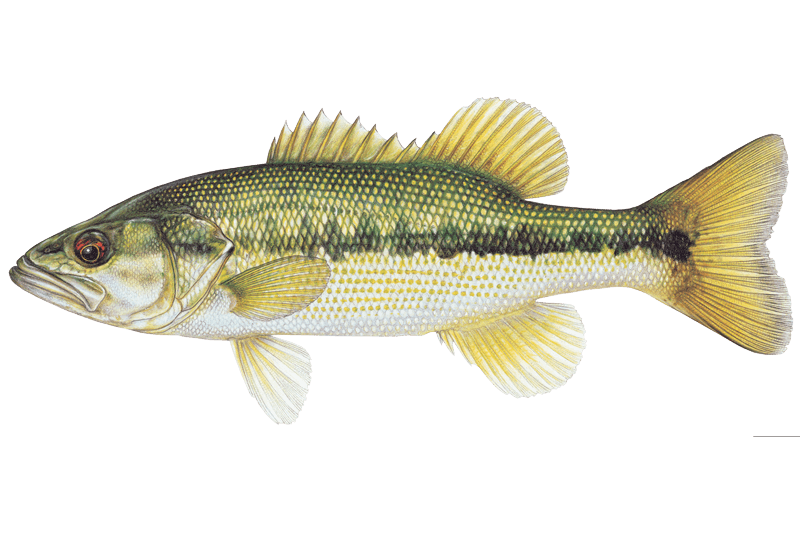
Spotted Bass
Micropterus punctulatus
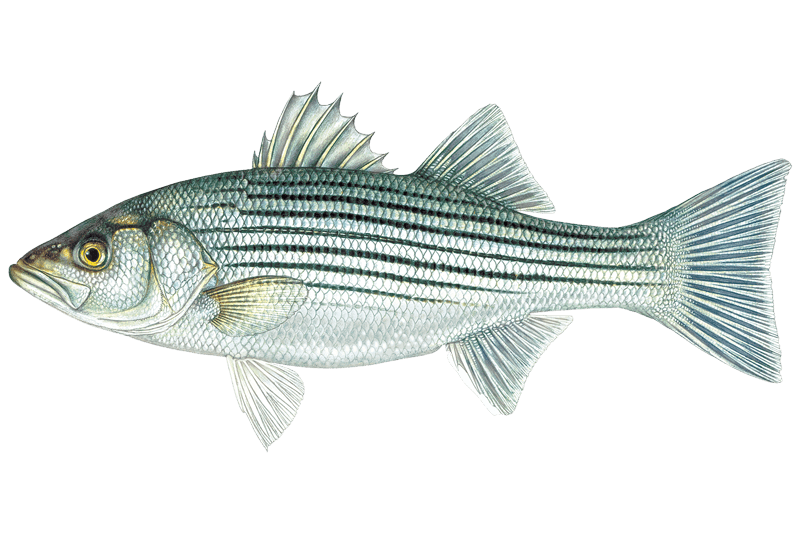
Striped Bass
Morone saxatilis
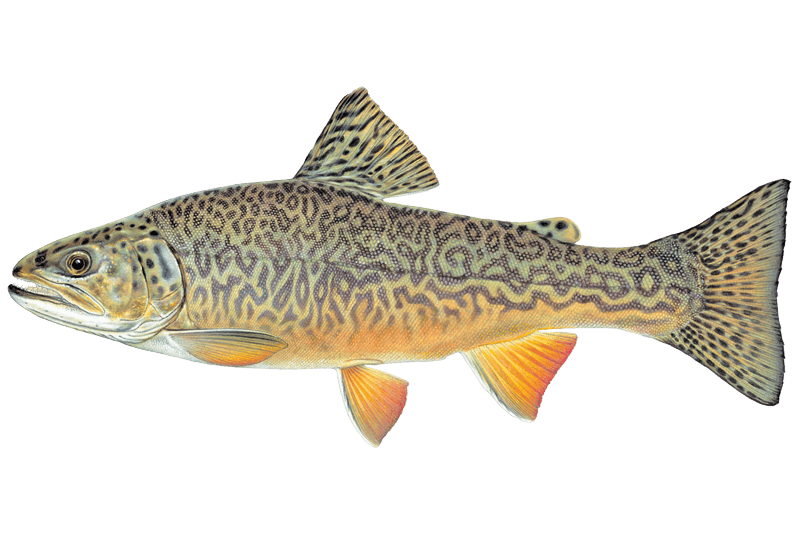
Tiger Trout
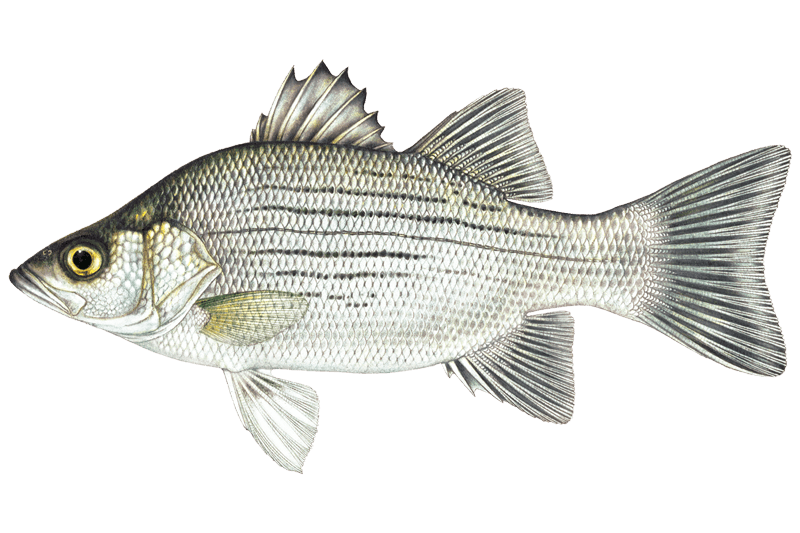
White Bass
Morone chrysops
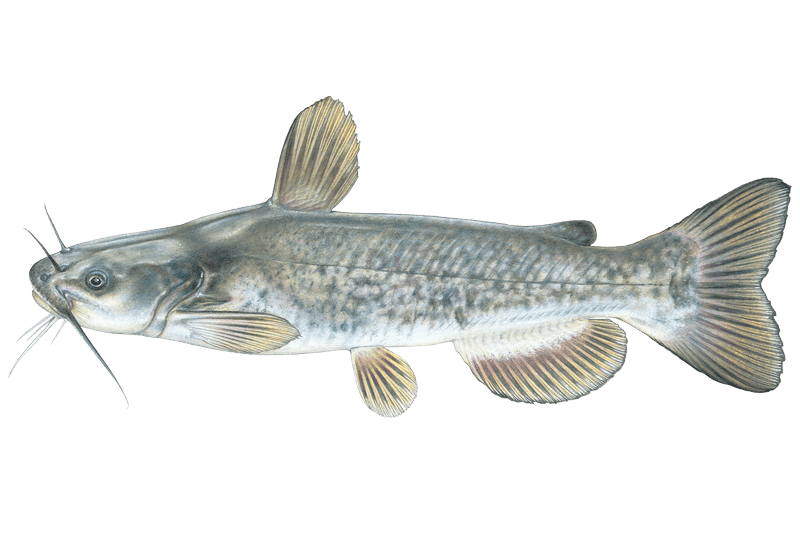
White Catfish
Ameiurus catus
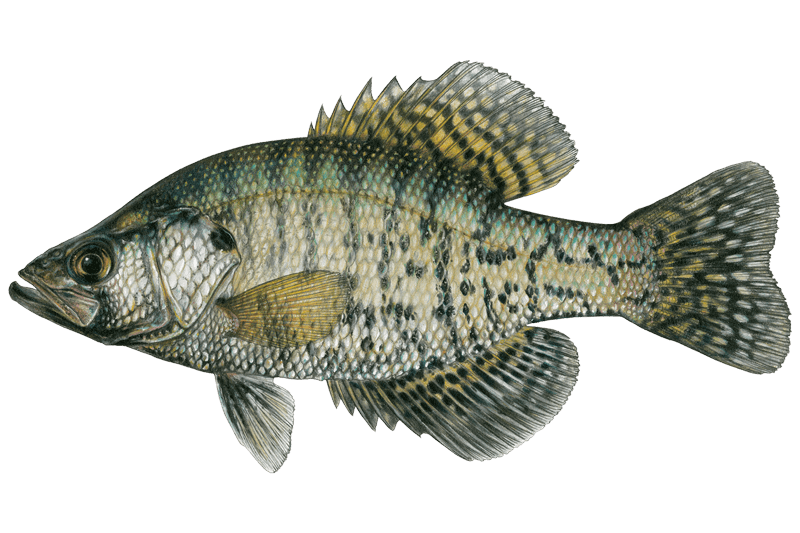
White Crappie
Pomoxis annularis
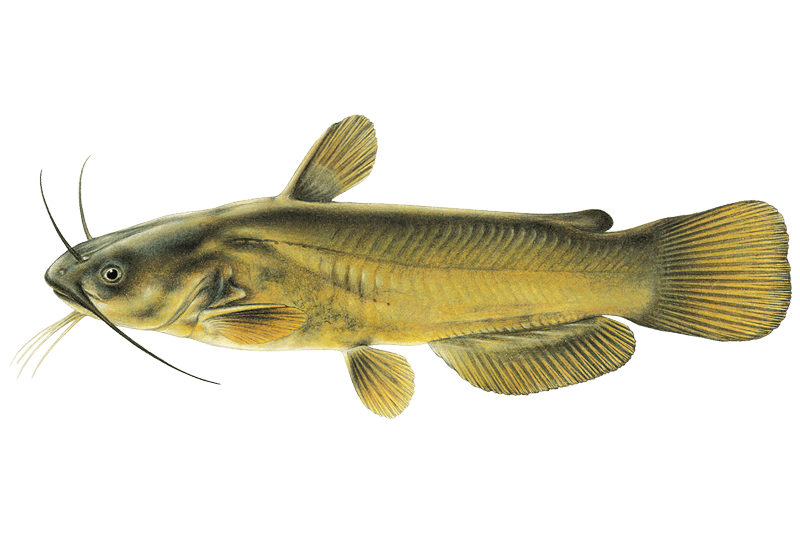
Yellow Bullhead
Ameiurus natalis
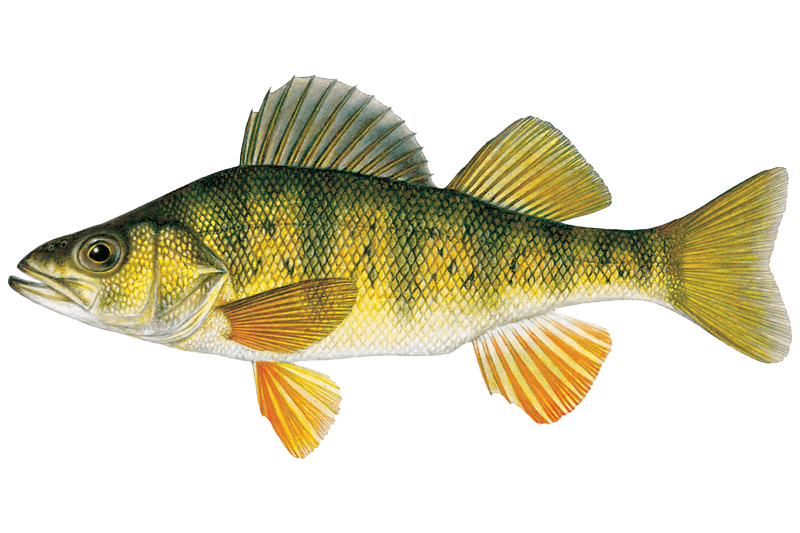
Yellow Perch
Perca flavescens
Fishing guides in Nevada
Book a trip with a local fishing guide through Guidesly.


Fish smarter with real-time insights
Whether you're en route and conditions shift or you're looking for the best spot based on current flows, we enable you to make informed decisions on the fly.







Nevada licenses and regulations

Nevada Boating Regulations
When using any type of watercraft to access a body of water, it is important to follow all federal, state, and local rules and regulations. These rules and regulations include boat permitting and licensing, invasive species inspections and stamps, life jacket and PFD rules, motor size and horsepower restrictions, noise limitations, restrictions on personal watercraft, and many more. Visit the web link below for the most current rules and regulations for this body of water.

Nevada Fishing License
All persons fishing are subject to the license requirements listed below. Except for some “interstate waters” (Lake Tahoe, Topaz Lake, Lake Mead, Lake Mohave, Colorado River), anglers 12 years of age and older are required to obtain and possess a license or permit to fish. Nonresident anglers under 12 years of age are not required to have a license, but the number of fish taken by such nonresident anglers must not exceed 50 percent of the limit as provided by law. (For instance, if the limit is five, these young anglers may take only two fish.) Fishing license and permit requirements also apply to persons taking fish by means of spear or bow and arrow. (Refer to NRS 502.010)

Nevada Fishing Regulations
This river has a variety of species and regulations, including potential floating and/or watercraft restrictions. Because this river is specially managed for species, seasons, angling methods, and watercraft, it is strongly encouraged you check all federal, state, and local regulations before fishing. Visit any of the links below, inquire locally, or contact a local fly shop to learn current regulations and restrictions.

Nevada Stream Access Laws
In Nevada, navigable streams are those capable of being used or that have been used for commerce, such as floating logs to market. These streams can be floated, and probably fished, recreationally. The right to portage obstructions is undecided in Nevada. It is unlawful for any person to hunt, fish in non-navigable waters or trap upon land which is private property where the person has been warned by the owner or occupant of the property not to trespass.
National parks in Nevada
Smarter Fishing Starts in the App.
onWater Fish gives you everything you need to plan smarter, fish better, and own every trip from first cast to last.