Westslope Cutthroat Trout

The Missouri River Westslope Cutthroat Trout (Oncorhynchus lewisi lewisi) is a subspecies native to the Missouri River drainage from the Judith River upstream to the headwaters.
These are the fish that Captain Meriwether Lewis of the Lewis and Clark expedition first described near the Great Falls of the Missouri River on June 13th, 1805.
Scientific Name: Oncorhynchus lewisi lewisi
- Stream resident Missouri River Westslope Cutthroat typically reach a maximum size of around 12 inches and live up to 8 years old.
- They have drabber coloration compared to other Westslope Cutthroat, with olive, bronze, or grayish backs and sides ranging from gray to tan or bronze.
- Bellies and gill plates show peach to bright orange coloring, particularly between parr marks on smaller individuals.
- Small to medium-sized, irregularly shaped spots are concentrated toward the posterior region and along the back.
Fishing in Missouri
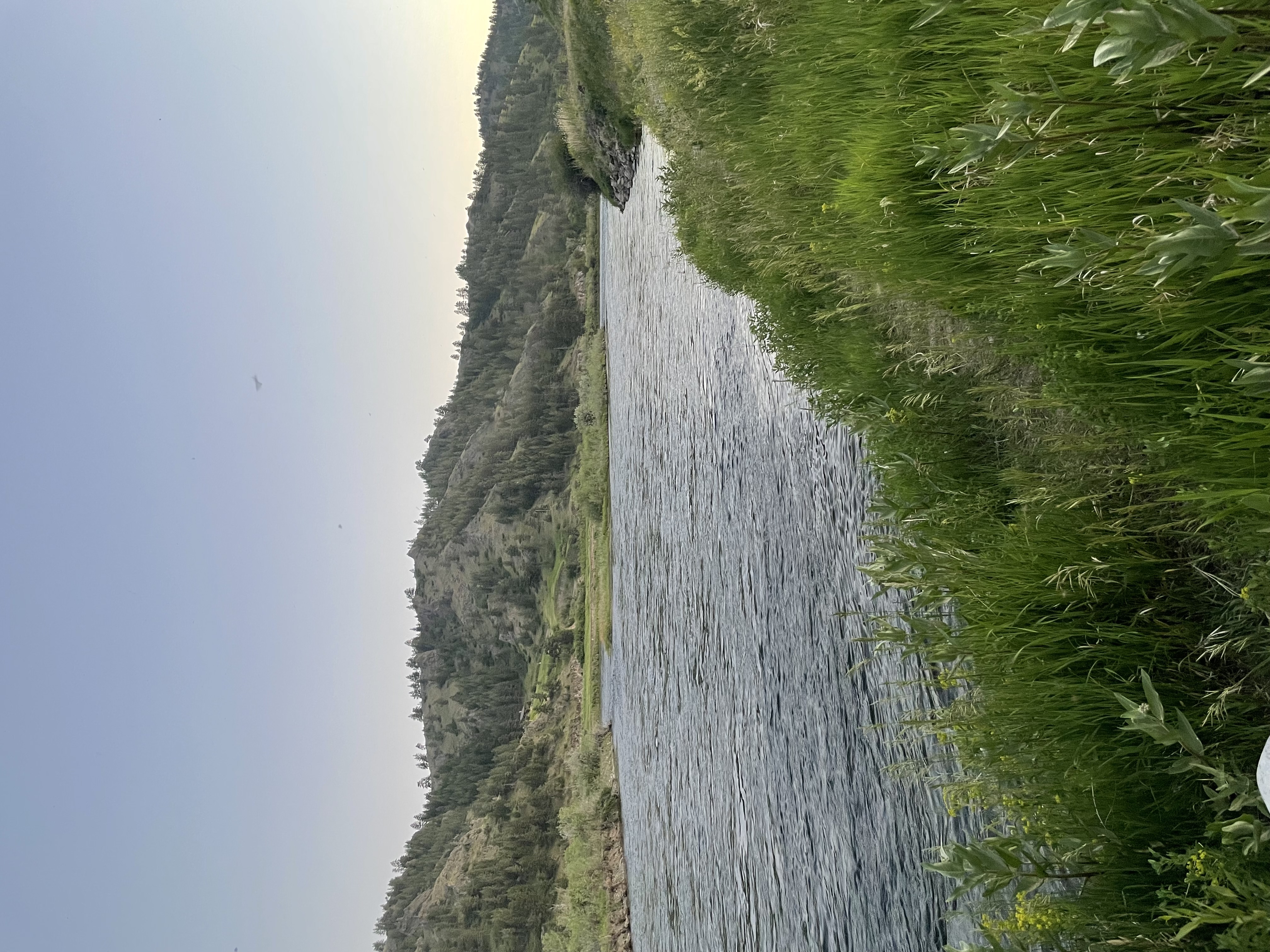
Missouri River
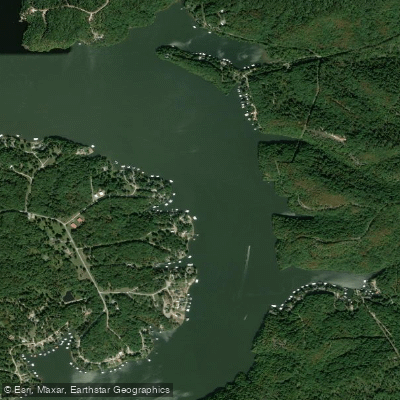
Osage River
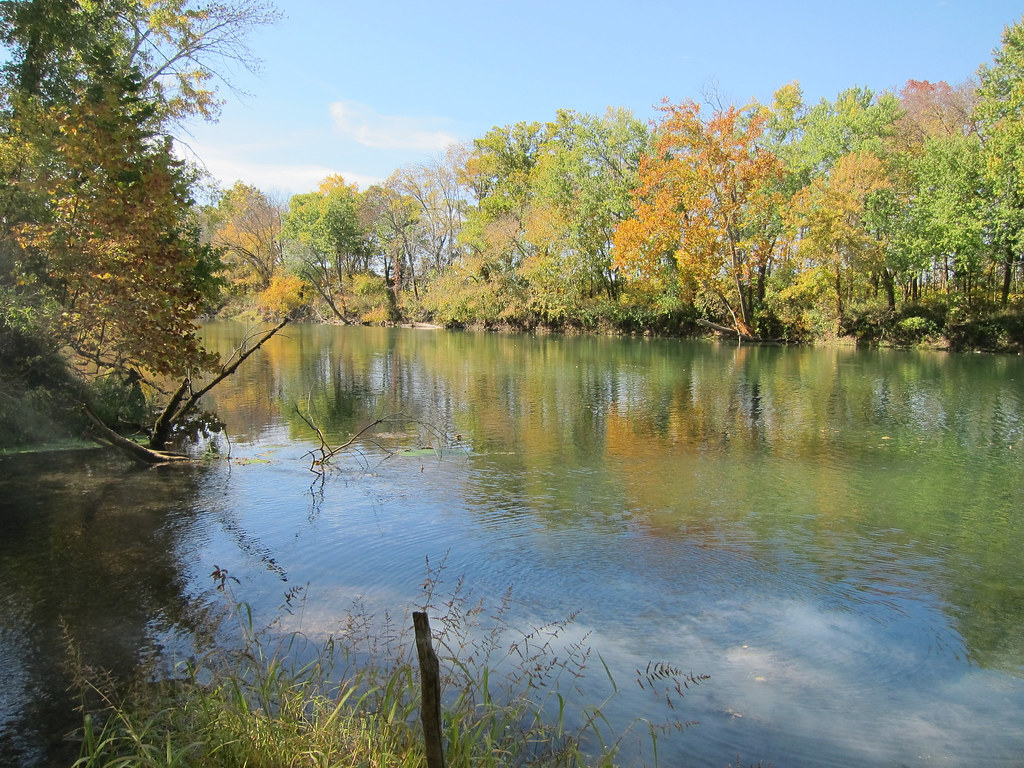
Gasconade River

Lake of the Ozarks
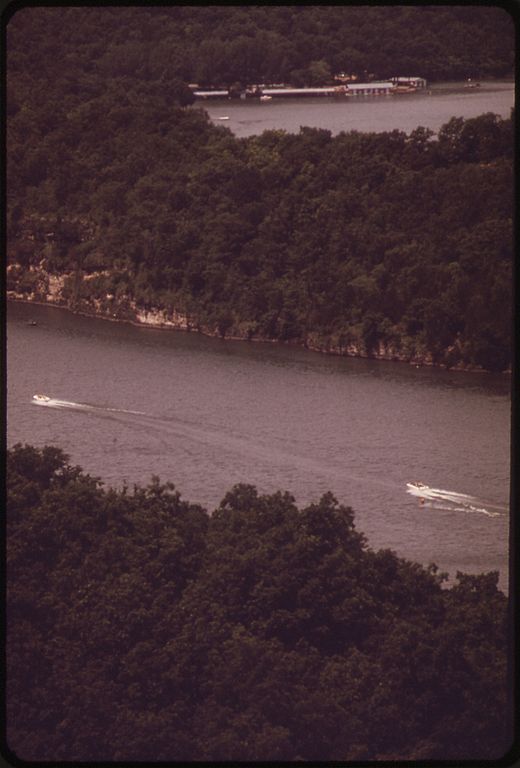
Niangua River
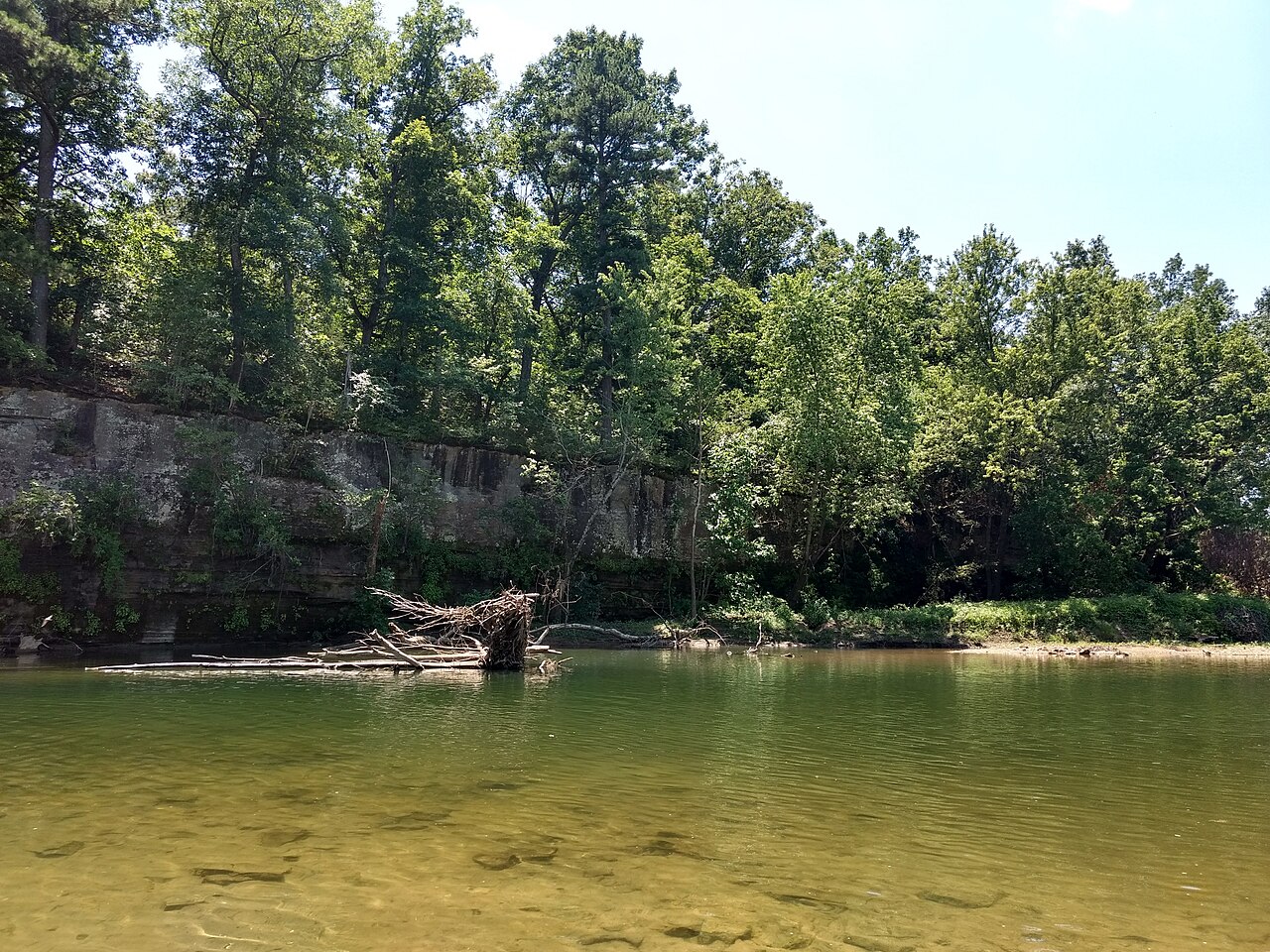
Big Piney River
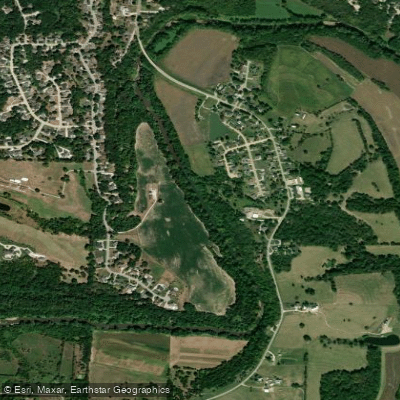
Moreau River
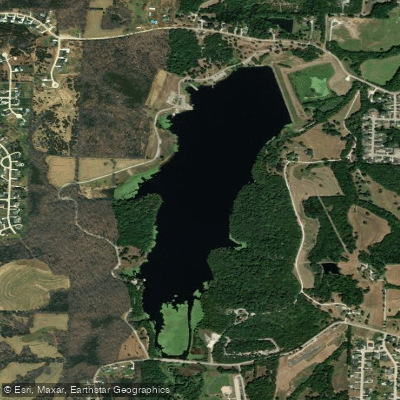
Binder Lake
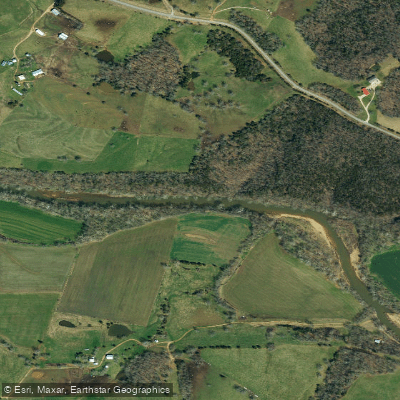
Maries River
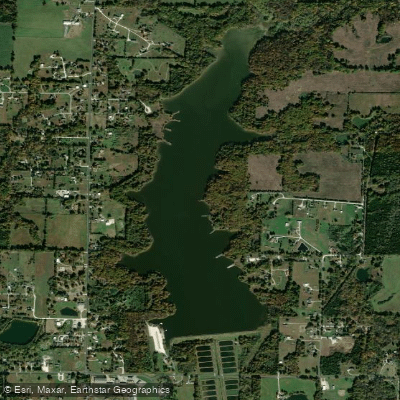
Little Dixie Lake
What to know
Habitat Distribution
- Native to the Missouri River drainage from the Judith River upstream to the headwaters.
- Today, nearly all remaining populations are small, isolated stream resident forms relegated to headwater tributaries.
- The Missouri River drainage currently contains 32 conservation populations existing in approximately 100 miles of historically occupied tributary habitat.
Key Locations
- Famous waters like the Madison, Gallatin, Big Hole, Beaverhead and Missouri Rivers once supported thriving Westslope Cutthroat populations but have been largely replaced by non-native trout species.
- Current conservation efforts focus on isolated headwater tributaries like Dutchman Creek and South Fork Sixteenmile Creek.
Specific Spots
- Small, isolated headwater streams.
- Target deeper areas off points and drop-offs during summer.
Westslope Cutthroat Trout FAQ
Answers from onWater's species guide.
What are the best lures and bait for Westslope Cutthroat Trout in Missouri?
Natural baits, with nightcrawlers and large garden worms being most effective. Small wobbling spoons and spinners are effective for spin fishing. Cheese and marshmallows for shore fishing.
What flies work for Westslope Cutthroat Trout in Missouri?
Fly fishing is highly productive using patterns that match their primary forage of aquatic invertebrates - effective flies include caddisfly, stonefly, and mayfly patterns in adult, larval, and pupal stages, plus aquatic dipterans like midges and craneflies.
When is the best time to fish for Westslope Cutthroat Trout in Missouri?
The best fishing occurs during spring and fall when water temperatures are cooler and fish are more active near the surface. Summer fishing requires targeting deeper areas as fish seek cooler water.
How do you catch Westslope Cutthroat Trout in Missouri?
During cooler spring and fall periods, fish near the surface using small wet flies or midges with spinning bubbles, but approach carefully as they spook easily. As water warms in summer, troll with spoons or bait on leaders attached to cowbells or Davis-rigs targeting deeper areas off points and drop-offs.
What do Westslope Cutthroat Trout eat?
These fish are opportunistic feeders that prey primarily on aquatic and terrestrial invertebrates, including insects and zooplankton.
Fish smarter with real-time insights
Whether you're en route and conditions shift or you're looking for the best spot based on current flows, we enable you to make informed decisions on the fly.







See it in the app
Most maps show you water.
onWater shows you Westslope Cutthroat Trout.



- 01 · Species map filter
Map every Westslope Cutthroat Trout water
Pick Westslope Cutthroat Trout and the map zeroes in on the waters they call home. No more guessing which lake holds them.
- 02 · Waterbody species
Tap any water. See what lives there.
Species, behavior and seasonal patterns for every lake, river and pond, before you leave the driveway.
- 03 · Angler Intelligence
Ask how to catch Westslope Cutthroat Trout
Tactics, gear and timing from onWater's AI fishing guide, tuned to the species and the water you're on.
Stop guessing where Westslope Cutthroat Trout are.
Open the map, filter by Westslope Cutthroat Trout, and head to water that holds them. Download onWater and plan your next trip in minutes.
- Species map filter
- Angler Intelligence
- Fishing journal
Explore other species
Trout, bass, salmon, panfish and everything in between. Each guide unpacks the behavior, seasons, and tactics that put fish in the net.

Find which waters have the species you want to catch

Largemouth Bass

Smallmouth Bass
Micropterus dolomieu

Rainbow Trout

Brown Trout
Salmo trutta

Brook Trout
Salvelinus fontinalis

Northern Pike
Esox lucius

Muskellunge

Walleye

Black Crappie
Pomoxis nigromaculatus
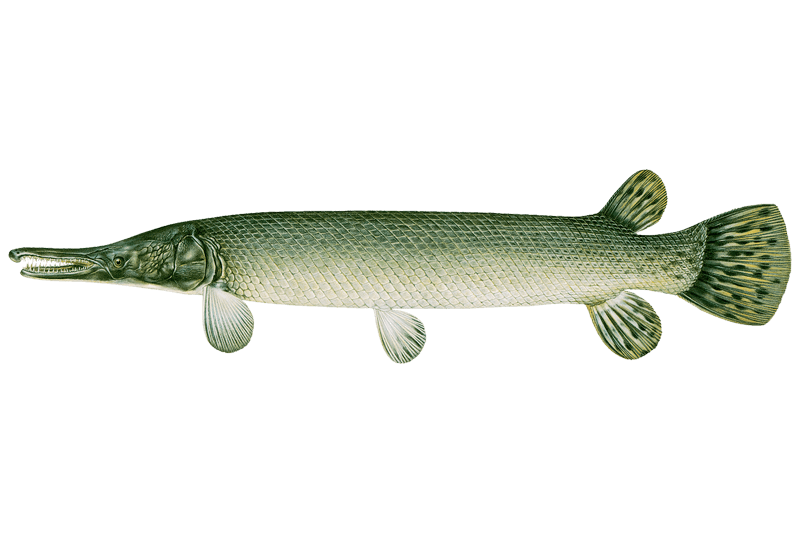
Alligator Gar

American Eel
Anguilla rostrata

Bighead Carp

Bigmouth Buffalo
Ictiobus cyprinellus

Black Buffalo
Ictiobus niger

Black Bullhead
Ameiurus melas

Blue Catfish
Ictalurus furcatus

Blue Sucker
Cycleptus elongatus

Bowfin

Brown Bullhead
Ameiurus nebulosus

Burbot
Lota lota

Chain Pickerel
Esox niger

Channel Catfish
Ictalurus punctatus

Chinook Salmon

Common Carp

Creek Chub
Semotilus atromaculatus

Flathead Catfish
Pylodictis olivaris

Flathead Chub
Platygobio gracilis

Freshwater Drum
Aplodinotus grunniens

Ghost Shiner
Notropis buchanani

Gizzard Shad
Dorosoma cepedianum

Golden Redhorse
Moxostoma erythrurum

Grass Carp
Ctenopharyngodon idella

Green Sunfish
Lepomis cyanellus

Lake Sturgeon
Acipenser fulvescens

Longear Sunfish
Lepomis megalotis

Longnose Gar
Lepisosteus osseus

Northern Hogsucker
Hypentelium nigricans
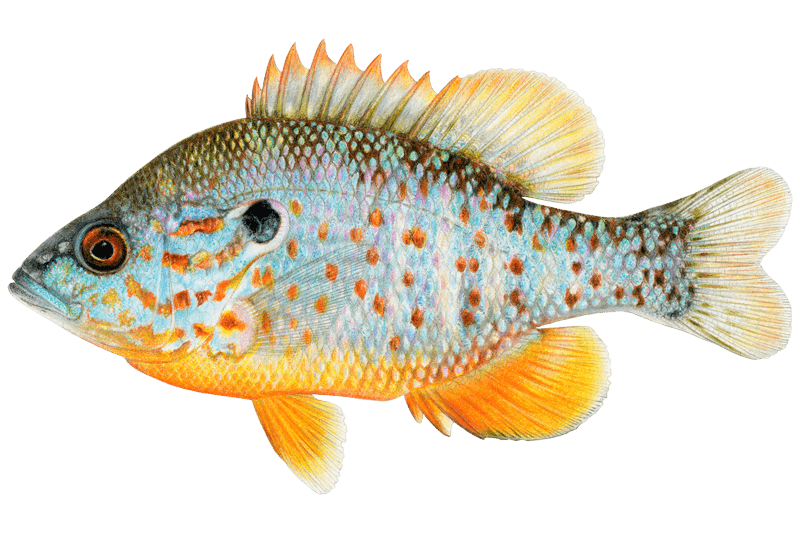
Orangespotted Sunfish
Lepomis humilis

Pumpkinseed
Lepomis gibbosus
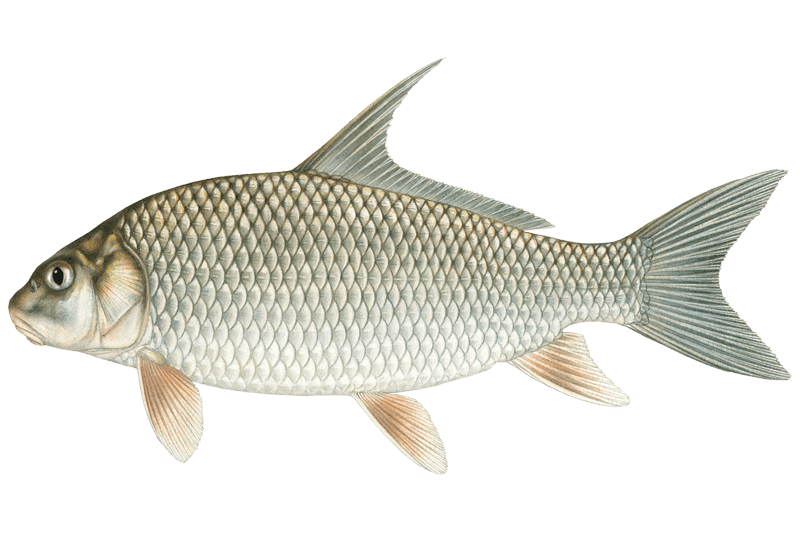
Quillback
Carpiodes cyprinus
Missouri licenses and regulations

Missouri Boating Regulations
When using any type of watercraft to access a body of water, it is important to follow all federal, state, and local rules and regulations. These rules and regulations include boat permitting and licensing, invasive species inspections and stamps, life jacket and PFD rules, motor size and horsepower restrictions, noise limitations, restrictions on personal watercraft, and many more. Visit the web link below for the most current rules and regulations for this body of water.

Missouri Fishing License
Residents of Missouri 65 years old and older are not required to purchase a fishing license. Non -Residents 16 years old and older must purchase a non-resident license. Anglers 15 years old and younger are not required to purchase a license regardless of residency.

Missouri Fishing Regulations
This river has a variety of species and regulations, including potential floating and/or watercraft restrictions. Because this river is specially managed for species, seasons, angling methods, and watercraft, it is strongly encouraged you check all federal, state, and local regulations before fishing. Visit any of the links below, inquire locally, or contact a local fly shop to learn current regulations and restrictions.

Missouri Stream Access Laws
In Missouri, waterways navigable in fact, or with a long history of use, and the capability of commercial and recreational transport are open to the public. The state asserts a public trust doctrine, allowing recreation, streambed access, right to portage and other incidents of navigation, regardless of ownership.
Explore nearby waters
Explore Missouri waters
Top fishing waters
Popular Cities
Loading popular cities...
Smarter Fishing Starts in the App.
onWater Fish gives you everything you need to plan smarter, fish better, and own every trip from first cast to last.