Black Buffalo

The Black Buffalo is a large freshwater sucker species native to Missouri's major river systems, including the Mississippi, Missouri, and Ohio River basins.
These robust fish are among the longest-lived freshwater species in North America, with lifespans exceeding 100 years and some specimens documented at 112 years old.
Scientific Name: Ictiobus niger
Also known as current buffalo, buoy tender
- Black Buffalo are distinguished from their relatives by their more streamlined body shape, smaller mouth positioned ventrally, thick lips, and darker coloration ranging from slate to bronze with a greenish overcast.
- They typically measure 20-30 inches but can reach up to 48 inches, weighing 10-30 pounds with some exceptional specimens exceeding 50 pounds.
Fishing in Missouri

Missouri River
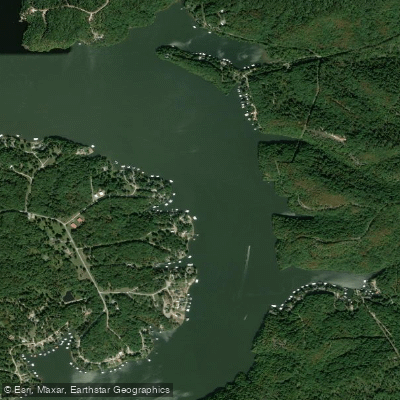
Osage River
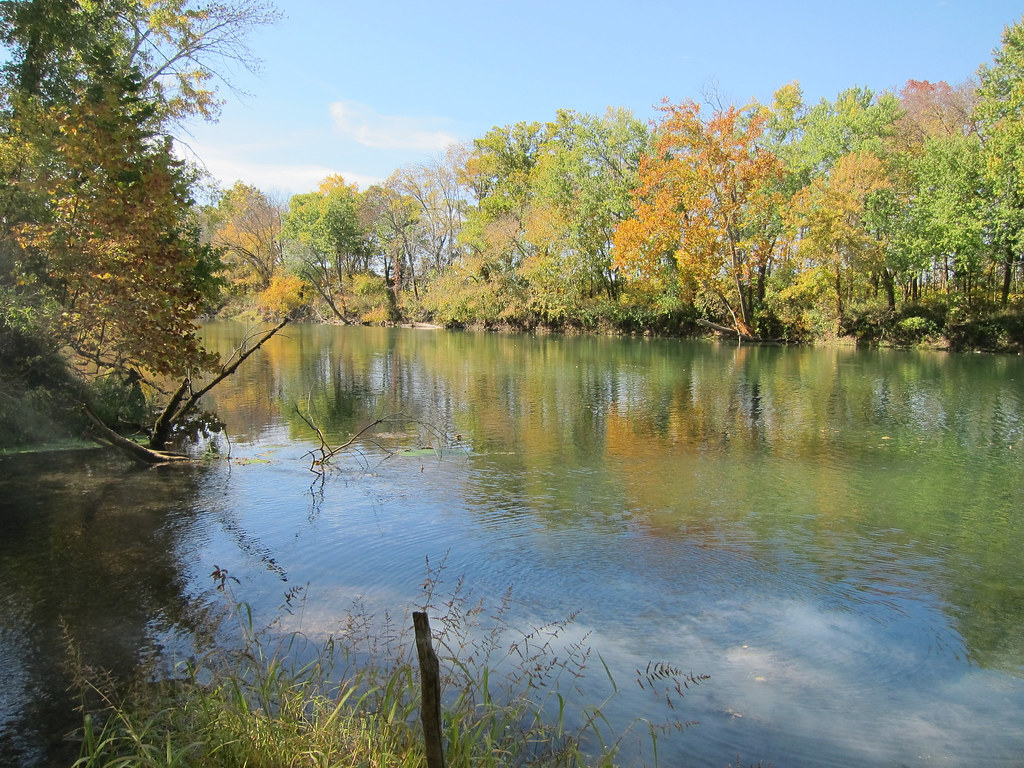
Gasconade River

Lake of the Ozarks
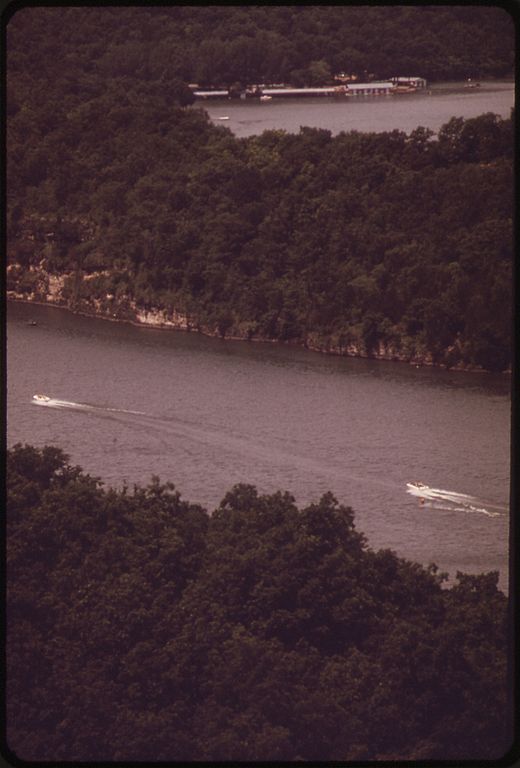
Niangua River
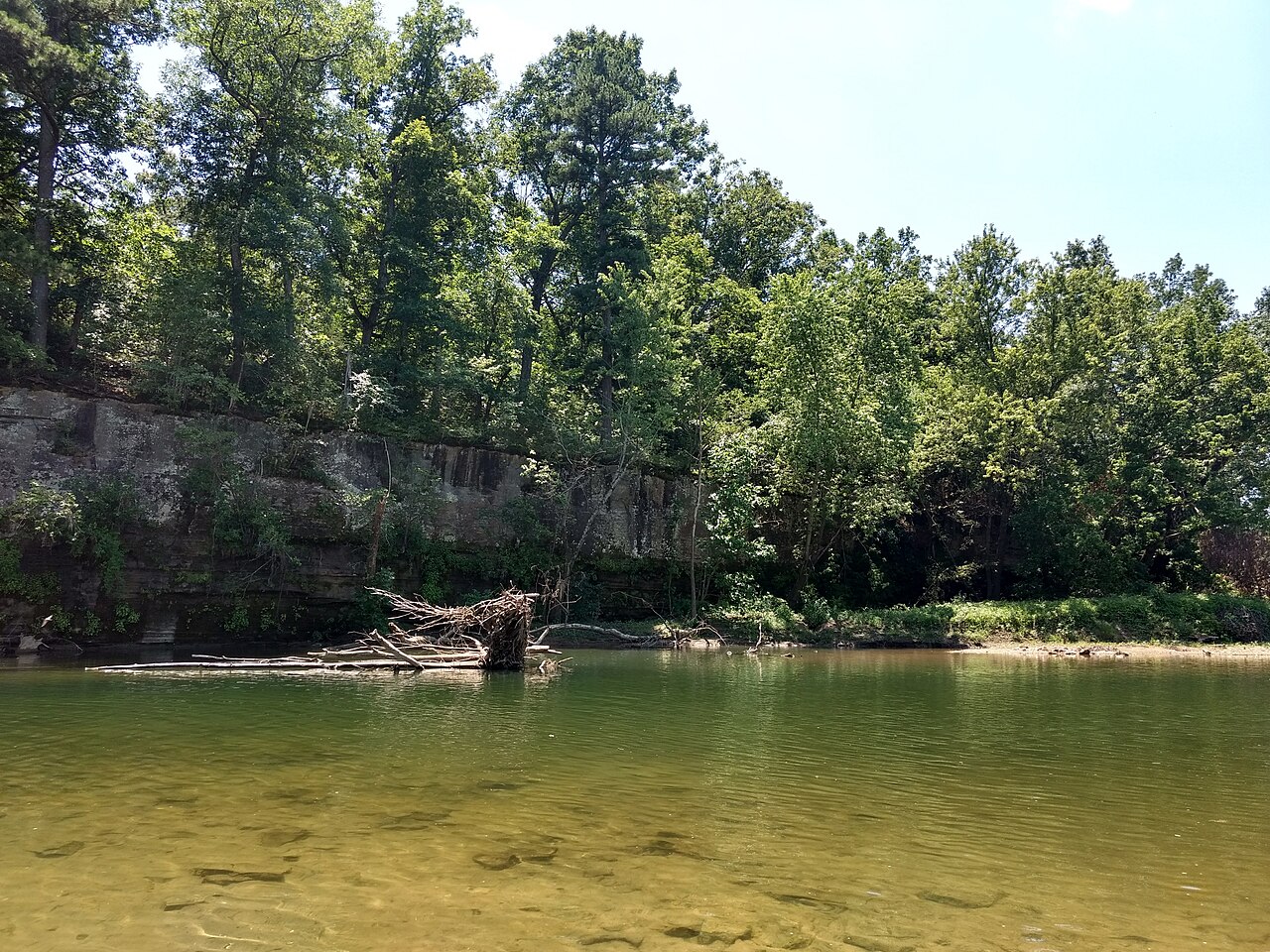
Big Piney River
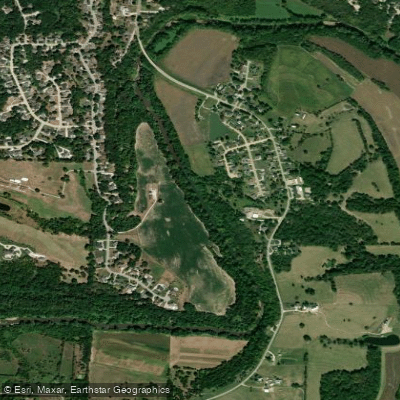
Moreau River
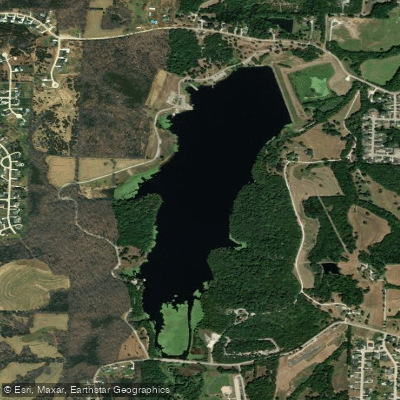
Binder Lake
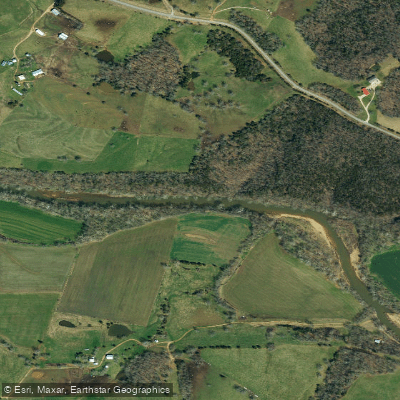
Maries River

Little Dixie Lake
What to know
Habitat Distribution
- They inhabit large rivers, reservoirs, backwaters, and deep pools, preferring areas with strong currents and often moving into flooded areas with vegetation during spring spawning season.
- Black Buffalo are found throughout Missouri's major waterways including the Mississippi River, Missouri River, and larger reservoirs like Stockton Lake, though their populations have declined due to habitat modification and dam construction.
Key Locations
- Missouri's major waterways including the Mississippi River, Missouri River, and larger reservoirs like Stockton Lake.
- Missouri's current state record is a 55-pound, 9-ounce fish caught from Stockton Lake in 2024.
Specific Spots
- Focus on deep pools, backwaters, and areas with strong currents in Missouri's major rivers and large reservoirs.
- Fish silty bottoms near submerged vegetation where they naturally forage.
- Look for calm, shallow areas adjacent to deeper water.
- In Missouri's reservoirs like Stockton Lake, focus on protected embayments and areas with muddy bottoms.
- Commercial fishermen historically called them 'current buffalo' and 'buoy tender' due to their preference for strong currents, so target moving water in the Mississippi and Missouri Rivers.
Black Buffalo FAQ
Answers from onWater's species guide.
What are the best lures and bait for Black Buffalo in Missouri?
Effective baits include corn, small worms, heavily scented dough baits, and bread or soybean-based preparations with strong odors.
What flies work for Black Buffalo in Missouri?
For fly fishing, small nymph patterns, midge imitations, and flashy Marabou jigs work best.
When is the best time to fish for Black Buffalo in Missouri?
Target the summer and fall months after spawning concludes. During spawning season (April through mid-June), these fish should be left undisturbed as they aggregate in shallow, vegetated areas.
How do you catch Black Buffalo in Missouri?
Some anglers have success with boilies (carp fishing baits) and method feeders, using smaller hooks (size 10) with longer hair rigs to avoid detection by their sensitive lips.
What do Black Buffalo eat?
Black Buffalo are bottom feeders with a benthic-oriented diet consisting primarily of Asiatic clams, mollusks, insect larvae, crustaceans, algae, and aquatic vegetation.
Fish smarter with real-time insights
Whether you're en route and conditions shift or you're looking for the best spot based on current flows, we enable you to make informed decisions on the fly.




See it in the app
Most maps show you water.
onWater shows you Black Buffalo.



- 01 · Species map filter
Map every Black Buffalo water
Pick Black Buffalo and the map zeroes in on the waters they call home. No more guessing which lake holds them.
- 02 · Waterbody species
Tap any water. See what lives there.
Species, behavior and seasonal patterns for every lake, river and pond, before you leave the driveway.
- 03 · Angler Intelligence
Ask how to catch Black Buffalo
Tactics, gear and timing from onWater's AI fishing guide, tuned to the species and the water you're on.
Stop guessing where Black Buffalo are.
Open the map, filter by Black Buffalo, and head to water that holds them. Download onWater and plan your next trip in minutes.
- Species map filter
- Angler Intelligence
- Fishing journal
Explore other species
Trout, bass, salmon, panfish and everything in between. Each guide unpacks the behavior, seasons, and tactics that put fish in the net.
No species information available.
Missouri licenses and regulations
Explore nearby waters
Explore Missouri waters
Top fishing waters
Popular Cities
Loading popular cities...

Smarter Fishing Starts in the App.
onWater Fish gives you everything you need to plan smarter, fish better, and own every trip from first cast to last.