Blue Sucker

Blue Sucker is a large-bodied, long-lived freshwater species native to Missouri's river systems.
These fish are sensitive to water pollution and habitat degradation, making them rare today compared to their historical abundance when they were commercially harvested. They are considered an indicator species for riverine health.
Scientific Name: Cycleptus elongatus
- Distinctive fish characterized by their elongated, streamlined bodies with small heads tapering to a fleshy snout, and an inferior mouth positioned for bottom feeding.
- They display variable coloration from light steel-gray to almost jet black in spring, with a long falcate dorsal fin containing 24-35 rays.
- Adults average 2-3 kilograms (4.4-6.6 pounds) and 76 centimeters (30 inches) in length, with record lengths reaching 84 centimeters.
- During spawning, males develop tubercles and both sexes become darker in coloration.
Fishing in Missouri

Missouri River
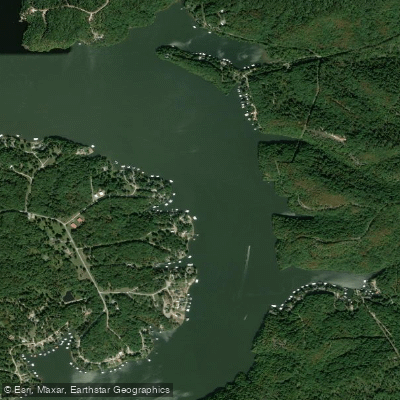
Osage River
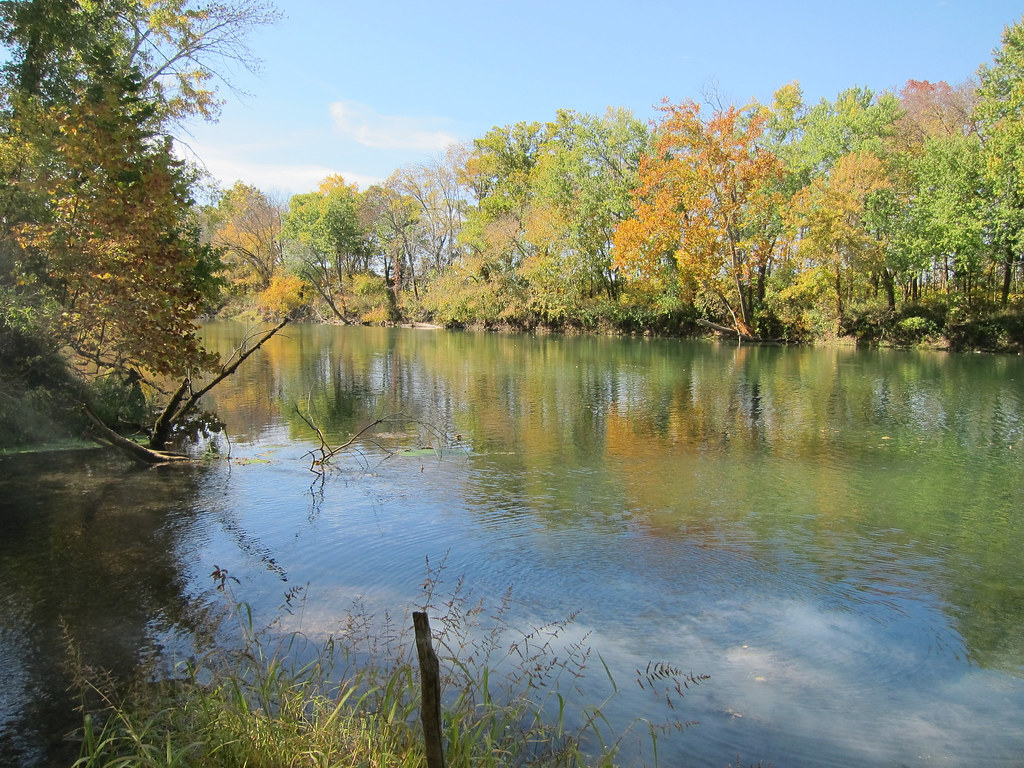
Gasconade River

Lake of the Ozarks

Niangua River
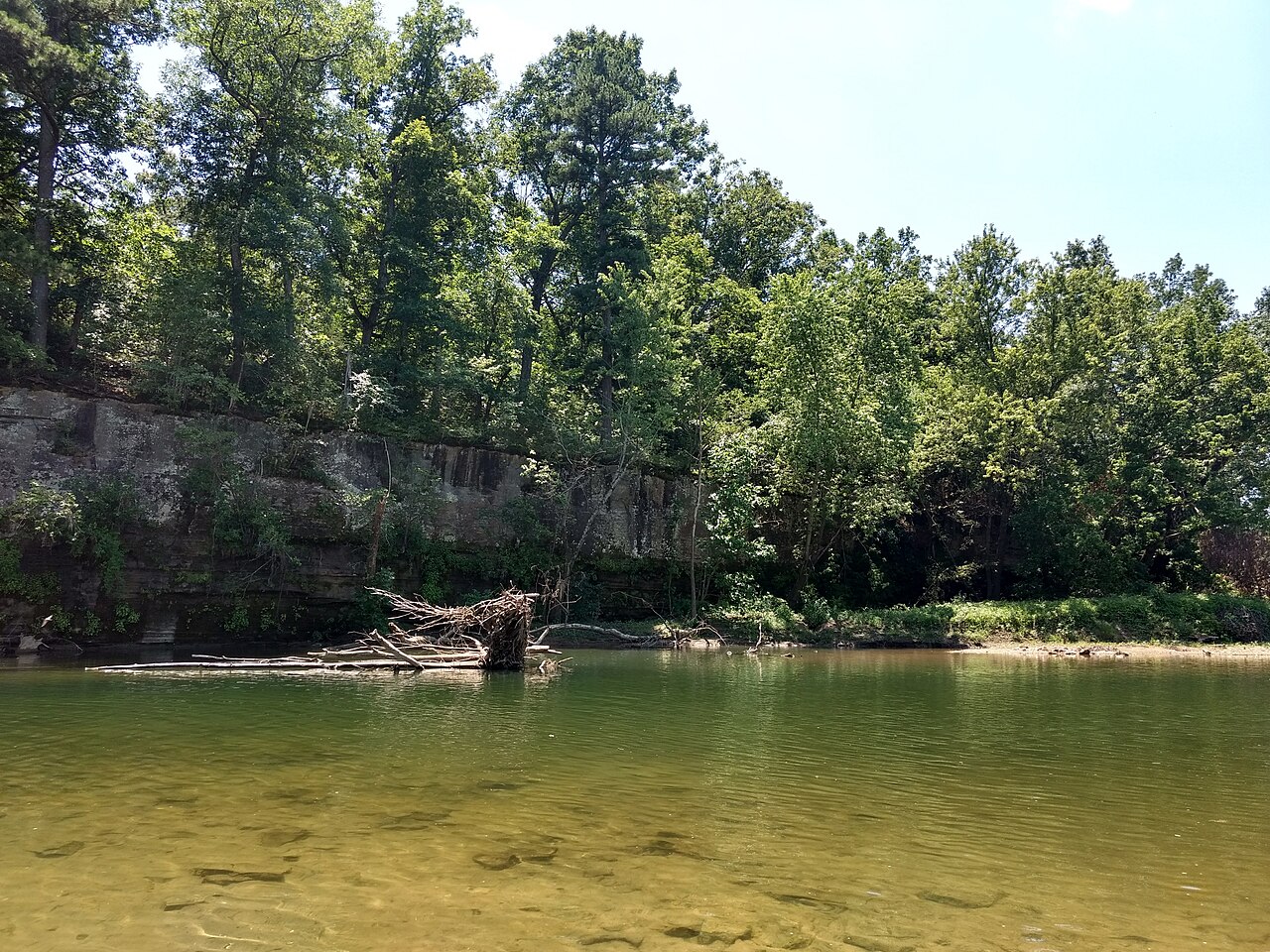
Big Piney River
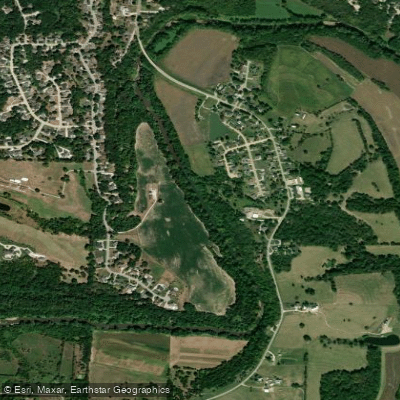
Moreau River
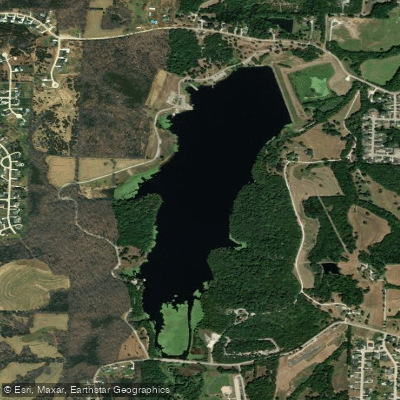
Binder Lake
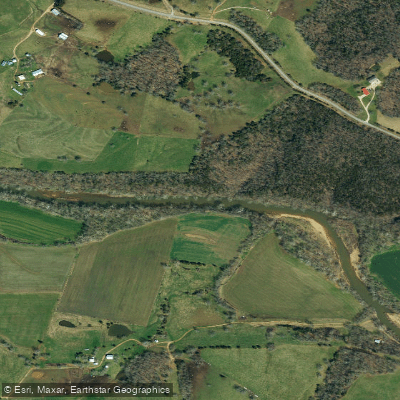
Maries River

Little Dixie Lake
What to know
Habitat Distribution
- Native to Missouri's river systems, particularly the Missouri and Mississippi Rivers and their major tributaries.
- In Missouri, they inhabit swift-flowing areas of the Missouri River drainage, preferring the thalweg (deepest channel) of large river systems.
Key Locations
- Missouri and Mississippi Rivers and their major tributaries.
- The best fishing opportunities occur in the channelized reaches of the Missouri River along Missouri's borders, especially the upper channelized reach from Ponca, NE to the Platte River confluence where gill net catch rates have shown the highest concentrations.
Specific Spots
- Focus on deep water channels and areas with moderate to swift current over hard substrates like gravel, sand, and rocks, avoiding silted areas entirely.
- Look for areas where tributaries enter the Missouri River, as Blue Suckers may use these confluences as travel corridors.
- They prefer heavy current over gravel, sand, and rocky bottoms that are silt-free.
Blue Sucker FAQ
Answers from onWater's species guide.
What are the best lures and bait for Blue Sucker in Missouri?
Target aquatic insect larvae, particularly caddisfly, midge, and hellgrammite imitations, along with small crustacean patterns.
When is the best time to fish for Blue Sucker in Missouri?
Most active during spring months, but avoid the March-June spawning period (water temperatures 53-62°F) when they should not be targeted. Post-spawn periods in summer may offer better opportunities when fish return to feeding areas.
How do you catch Blue Sucker in Missouri?
Fish directly on the bottom using presentations that mimic their natural prey. Fish during periods of stable or slightly rising water conditions, as these fish are sensitive to environmental changes.
What do Blue Sucker eat?
Bottom feeders with a diet consisting of aquatic insect larvae (including caddisflies, midges, and hellgrammites), crustaceans, plant materials, and algae.
Where do Blue Sucker live in Missouri?
Native to Missouri's river systems, particularly the Missouri and Mississippi Rivers and their major tributaries. In Missouri, they inhabit swift-flowing areas of the Missouri River drainage, preferring the thalweg (deepest channel) of large river systems.
Fish smarter with real-time insights
Whether you're en route and conditions shift or you're looking for the best spot based on current flows, we enable you to make informed decisions on the fly.




See it in the app
Most maps show you water.
onWater shows you Blue Sucker.



- 01 · Species map filter
Map every Blue Sucker water
Pick Blue Sucker and the map zeroes in on the waters they call home. No more guessing which lake holds them.
- 02 · Waterbody species
Tap any water. See what lives there.
Species, behavior and seasonal patterns for every lake, river and pond, before you leave the driveway.
- 03 · Angler Intelligence
Ask how to catch Blue Sucker
Tactics, gear and timing from onWater's AI fishing guide, tuned to the species and the water you're on.
Stop guessing where Blue Sucker are.
Open the map, filter by Blue Sucker, and head to water that holds them. Download onWater and plan your next trip in minutes.
- Species map filter
- Angler Intelligence
- Fishing journal
Explore other species
Trout, bass, salmon, panfish and everything in between. Each guide unpacks the behavior, seasons, and tactics that put fish in the net.
No species information available.
Missouri licenses and regulations
Explore nearby waters
Explore Missouri waters
Top fishing waters
Popular Cities
Loading popular cities...

Smarter Fishing Starts in the App.
onWater Fish gives you everything you need to plan smarter, fish better, and own every trip from first cast to last.