Chinook Salmon
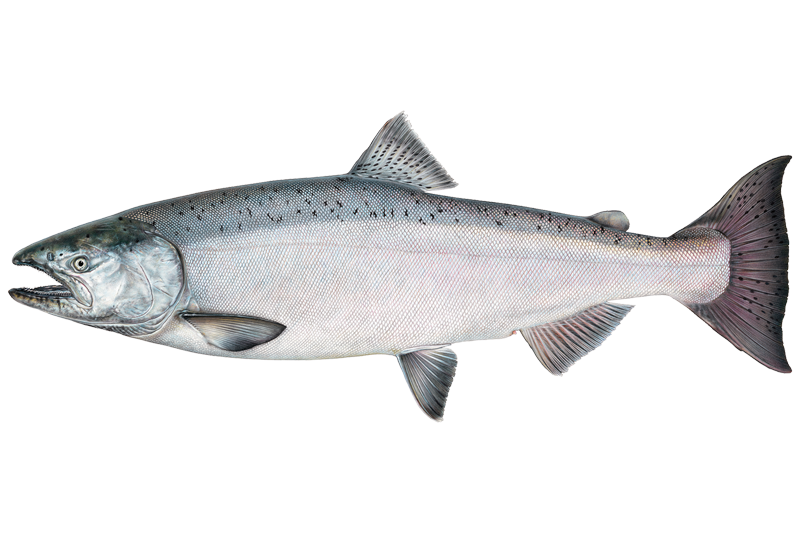
Chinook Salmon, also known as King Salmon, are not native to Missouri but have been successfully introduced to the Missouri River system, particularly in Lake Sakakawea and Lake Oahe reservoirs. These are the largest Pacific salmon species.
Also known as King Salmon
- Averaging 20-40 pounds with some specimens exceeding 100 pounds.
- In Missouri waters, they are characterized by streamlined, torpedo-shaped bodies with blue-green backs fading to silver sides, black gums, sharp teeth, and distinctive black spots on the back, dorsal fin, and tail.
Fishing in Missouri

Missouri River
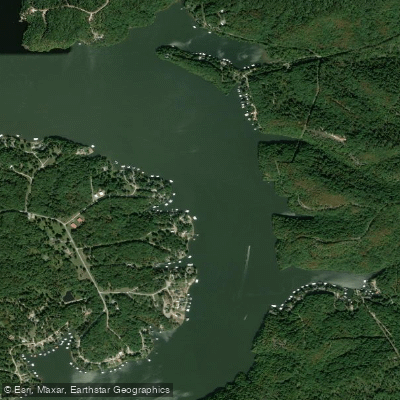
Osage River
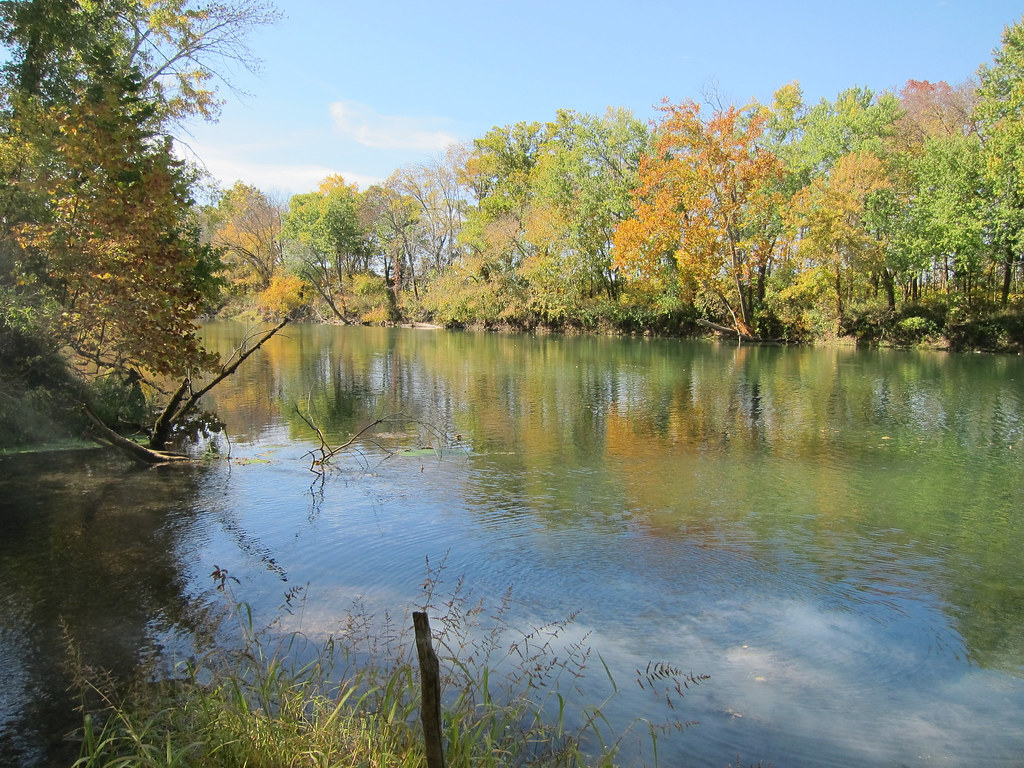
Gasconade River

Lake of the Ozarks

Niangua River

Big Piney River

Moreau River
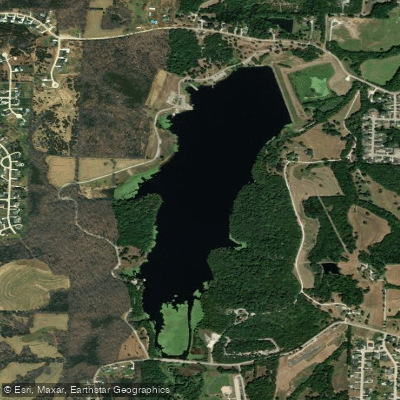
Binder Lake
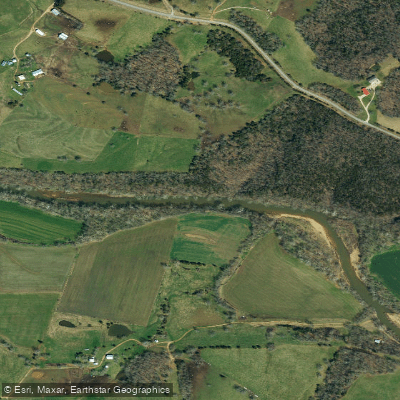
Maries River

Little Dixie Lake
What to know
Habitat Distribution
- Missouri River system.
- They inhabit deep, cold water environments typically 50-100+ feet deep during summer months.
Key Locations
- Lake Sakakawea and Lake Oahe reservoirs, particularly around the face of Oahe Dam.
Specific Spots
- Focus fishing efforts in the lower portions of reservoirs near dam faces, particularly the stilling basin and tailrace areas.
- Along the old river channel where baitfish concentrate.
Chinook Salmon FAQ
Answers from onWater's species guide.
What are the best lures and bait for Chinook Salmon in Missouri?
McOmie's Custom Glow Spoons in 2-5/8" to 3-1/4" sizes, particularly in Red Flame and Green Glow Tiger patterns. Tomic Plugs in 4-6" sizes, with glow mother of pearl (603) being a top color choice.
What flies work for Chinook Salmon in Missouri?
Gold Star Octopus Hoochies and trolling flies like Ace Hi Flies and Grand Slam Bucktails in pink, orange, red, and chartreuse.
When is the best time to fish for Chinook Salmon in Missouri?
Most productive from late spring through early fall, with peak activity occurring from late May through October before spawning begins. Adult spawning occurs in fall (September-October), during which time fishing should be avoided.
How do you catch Chinook Salmon in Missouri?
The most effective technique is trolling with downriggers in depths of 50-120 feet. Run lures 30-42 inches behind 11-inch flashers. For vertical jigging, use when fish are holding deep.
What do Chinook Salmon eat?
Chinook salmon in the Missouri River system primarily feed on rainbow smelt and lake herring, with juveniles consuming terrestrial insects, aquatic invertebrates, amphipods, and crustaceans.
Fish smarter with real-time insights
Whether you're en route and conditions shift or you're looking for the best spot based on current flows, we enable you to make informed decisions on the fly.




See it in the app
Most maps show you water.
onWater shows you Chinook Salmon.



- 01 · Species map filter
Map every Chinook Salmon water
Pick Chinook Salmon and the map zeroes in on the waters they call home. No more guessing which lake holds them.
- 02 · Waterbody species
Tap any water. See what lives there.
Species, behavior and seasonal patterns for every lake, river and pond, before you leave the driveway.
- 03 · Angler Intelligence
Ask how to catch Chinook Salmon
Tactics, gear and timing from onWater's AI fishing guide, tuned to the species and the water you're on.
Stop guessing where Chinook Salmon are.
Open the map, filter by Chinook Salmon, and head to water that holds them. Download onWater and plan your next trip in minutes.
- Species map filter
- Angler Intelligence
- Fishing journal
Explore other species
Trout, bass, salmon, panfish and everything in between. Each guide unpacks the behavior, seasons, and tactics that put fish in the net.
No species information available.
Missouri licenses and regulations
Explore nearby waters
Explore Missouri waters
Top fishing waters
Popular Cities
Loading popular cities...

Smarter Fishing Starts in the App.
onWater Fish gives you everything you need to plan smarter, fish better, and own every trip from first cast to last.