Longnose Gar
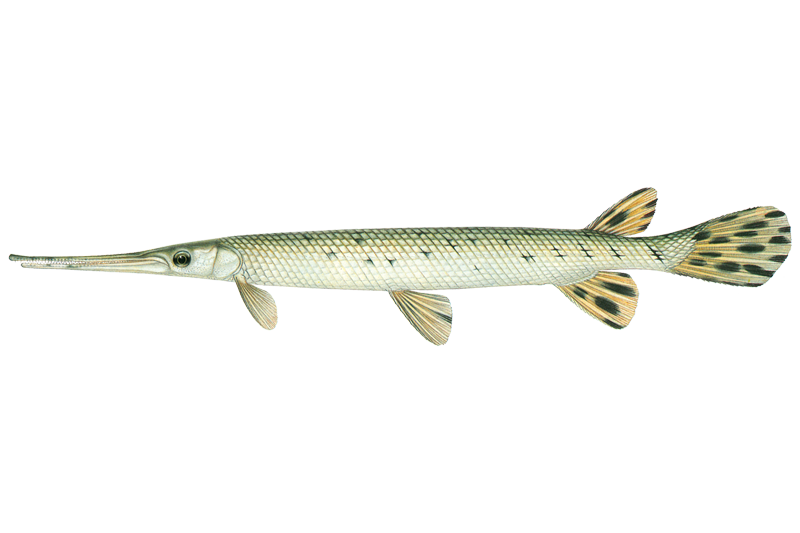
Longnose Gar are prehistoric fish that have inhabited Missouri waters for millions of years, representing one of the most ancient freshwater species in the state.
They're classified as 'lie-in-wait predators' due to their feeding strategy of remaining motionless until prey approaches, then striking with lightning speed.
Scientific Name: Lepisosteus osseus
- These distinctive fish are characterized by their elongated, needle-like snouts that are 3-4 times the length of their heads, olive-brown to green torpedo-shaped bodies armored with diamond-shaped ganoid scales, and rows of sharp, cone-shaped teeth.
- Adult Longnose Gar in Missouri typically reach 28-48 inches in length, though some can grow up to 6 feet and weigh over 50 pounds.
Fishing in Missouri

Missouri River
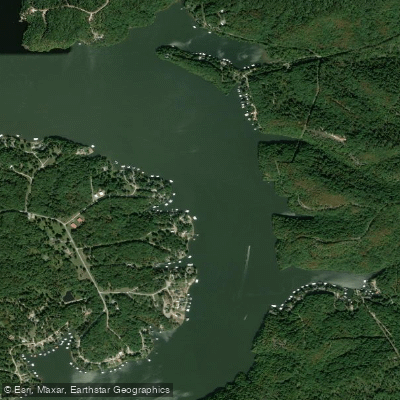
Osage River
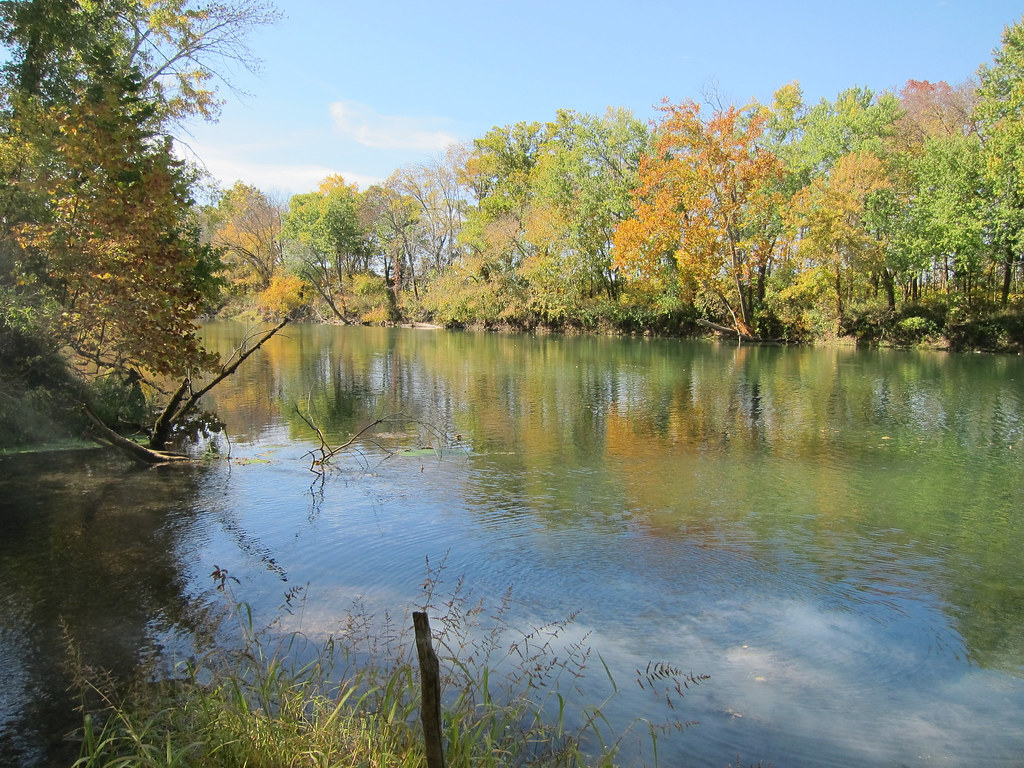
Gasconade River

Lake of the Ozarks

Niangua River
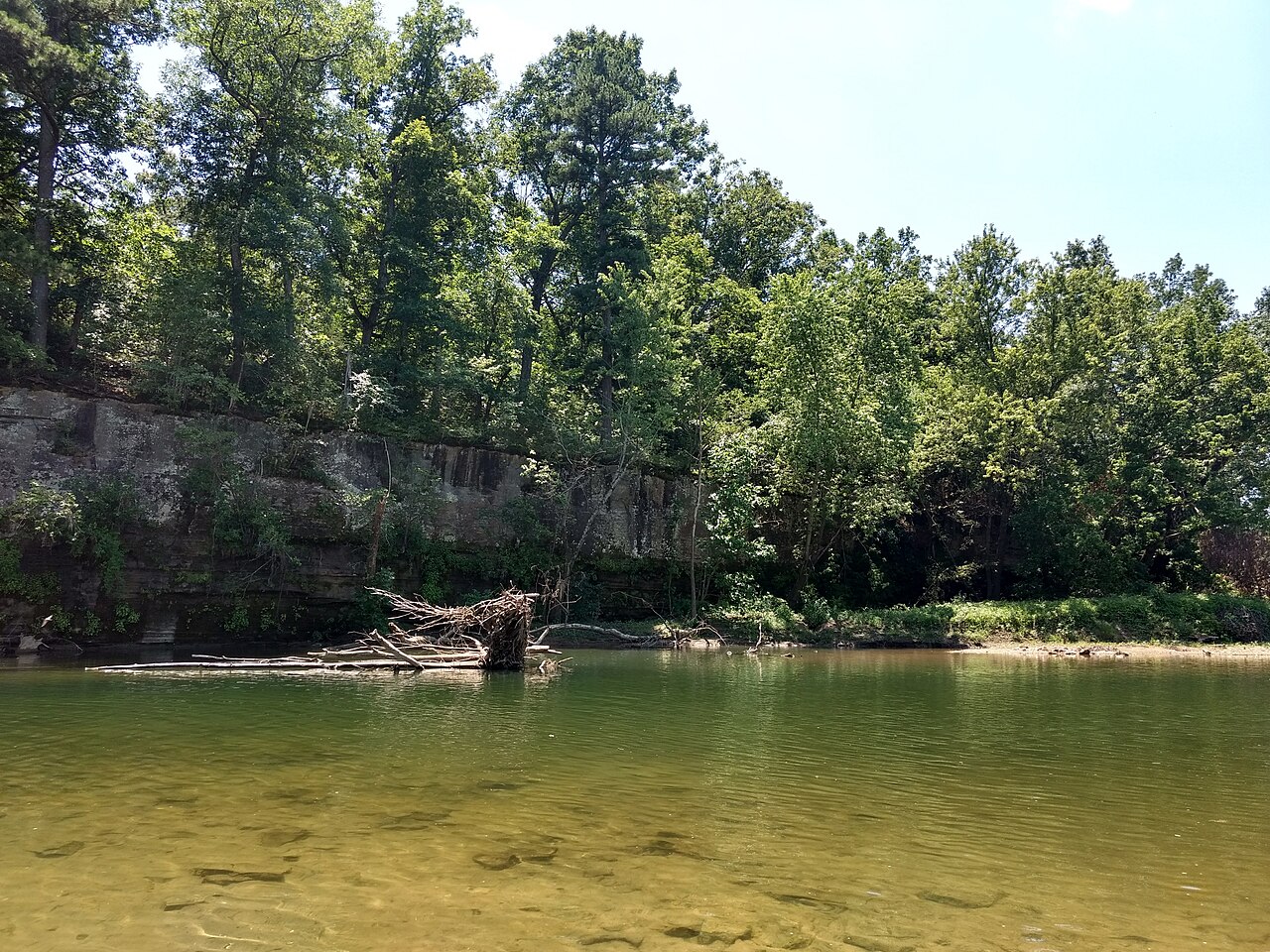
Big Piney River
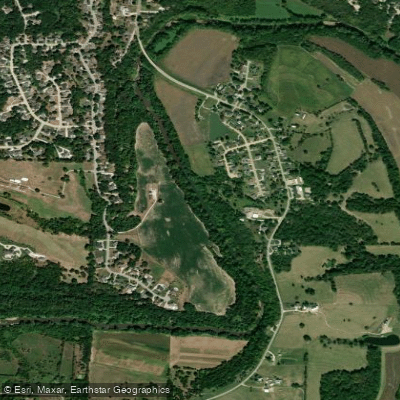
Moreau River
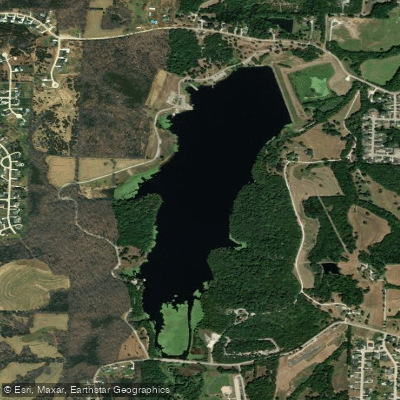
Binder Lake
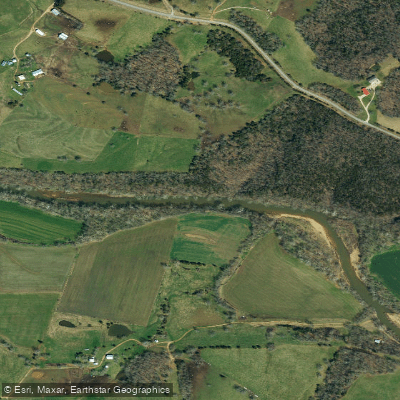
Maries River

Little Dixie Lake
What to know
Habitat Distribution
- They prefer sluggish backwaters, areas around structure like downed trees and vegetation, and can tolerate both freshwater and brackish conditions.
Key Locations
- Longnose Gar are found throughout Missouri's river systems, particularly in the Missouri and Mississippi rivers, as well as their tributaries, lakes, and reservoirs.
- In Missouri's larger rivers like the Missouri and Mississippi, focus on slower side channels and eddies away from the main current.
Specific Spots
- Target areas include river backwaters, tailwaters below dams, shallow weedy flats, areas with woody cover, and the mouths of tributaries.
- Lake fishing should concentrate on weedy shorelines, points, and coves, especially where they border deeper water.
- Gar are most vulnerable in water 3-6 feet deep where they can be spotted and targeted with precision casting.
Longnose Gar FAQ
Answers from onWater's species guide.
What are the best lures and bait for Longnose Gar in Missouri?
Effective lures include topwater plugs (kept nearly motionless with only slight twitches), small spinners, spoons, and jigs. Live minnows presented under floats work exceptionally well, as does cut bait.
What flies work for Longnose Gar in Missouri?
Specialized gar flies incorporate trailer treble hooks since their bony mouths make hookups difficult with single hooks. Some anglers use hookless rope flies that tangle in the gar's teeth, though barbless treble trailers are more fish-friendly for catch-and-release.
When is the best time to fish for Longnose Gar in Missouri?
The optimal time for targeting Longnose Gar in Missouri is during the hot summer months (July through August) when they're most active.
How do you catch Longnose Gar in Missouri?
Sight fishing is often the most effective approach. The key to successful hooksets is using a strong sideways strip-set motion rather than lifting the rod, and waiting several seconds to let the gar fully take the bait before setting. Topwater plugs should be kept nearly motionless with only slight twitches.
What do Longnose Gar eat?
Their diet consists almost entirely of fish (98% in Missouri studies), with shiners being the most common prey, followed by gizzard shad, catfish, sunfish, and darters. Young gar feed primarily on small minnows, insect larvae, and small crustaceans.
Fish smarter with real-time insights
Whether you're en route and conditions shift or you're looking for the best spot based on current flows, we enable you to make informed decisions on the fly.




See it in the app
Most maps show you water.
onWater shows you Longnose Gar.



- 01 · Species map filter
Map every Longnose Gar water
Pick Longnose Gar and the map zeroes in on the waters they call home. No more guessing which lake holds them.
- 02 · Waterbody species
Tap any water. See what lives there.
Species, behavior and seasonal patterns for every lake, river and pond, before you leave the driveway.
- 03 · Angler Intelligence
Ask how to catch Longnose Gar
Tactics, gear and timing from onWater's AI fishing guide, tuned to the species and the water you're on.
Stop guessing where Longnose Gar are.
Open the map, filter by Longnose Gar, and head to water that holds them. Download onWater and plan your next trip in minutes.
- Species map filter
- Angler Intelligence
- Fishing journal
Explore other species
Trout, bass, salmon, panfish and everything in between. Each guide unpacks the behavior, seasons, and tactics that put fish in the net.
No species information available.
Missouri licenses and regulations
Explore nearby waters
Explore Missouri waters
Top fishing waters
Popular Cities
Loading popular cities...

Smarter Fishing Starts in the App.
onWater Fish gives you everything you need to plan smarter, fish better, and own every trip from first cast to last.