White Perch
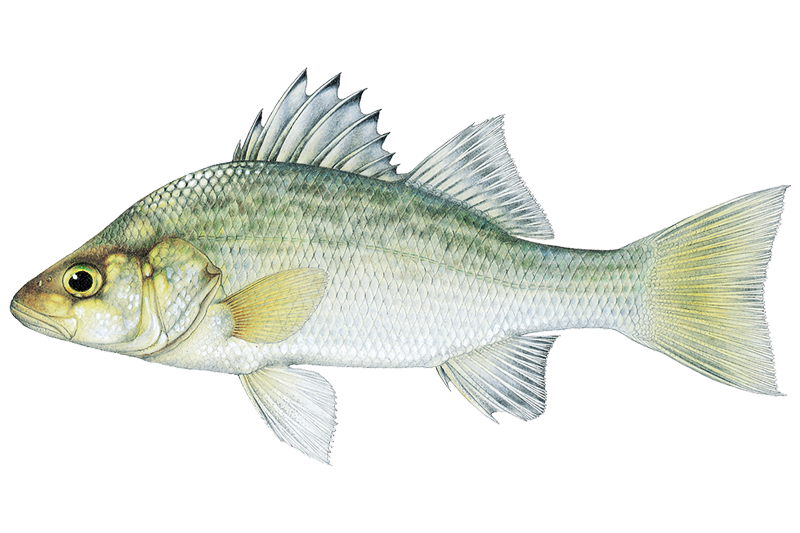
White Perch are not actually true perch but members of the temperate bass family, closely related to striped bass and white bass.
In Minnesota, they are classified as a prohibited invasive species, meaning possession, transport, or introduction is illegal without special permits.
The species is native to the Atlantic coastal region but invaded the Great Lakes through canals and ballast water discharge.
Scientific Name: Morone americana
- Adults typically range 7-12 inches with grayish-green to dark green-brown backs, silver sides, and silver-white undersides, lacking the distinct stripes of white bass.
- They have deep, laterally compressed bodies deepest just ahead of the dorsal fin.
Fishing in Minnesota
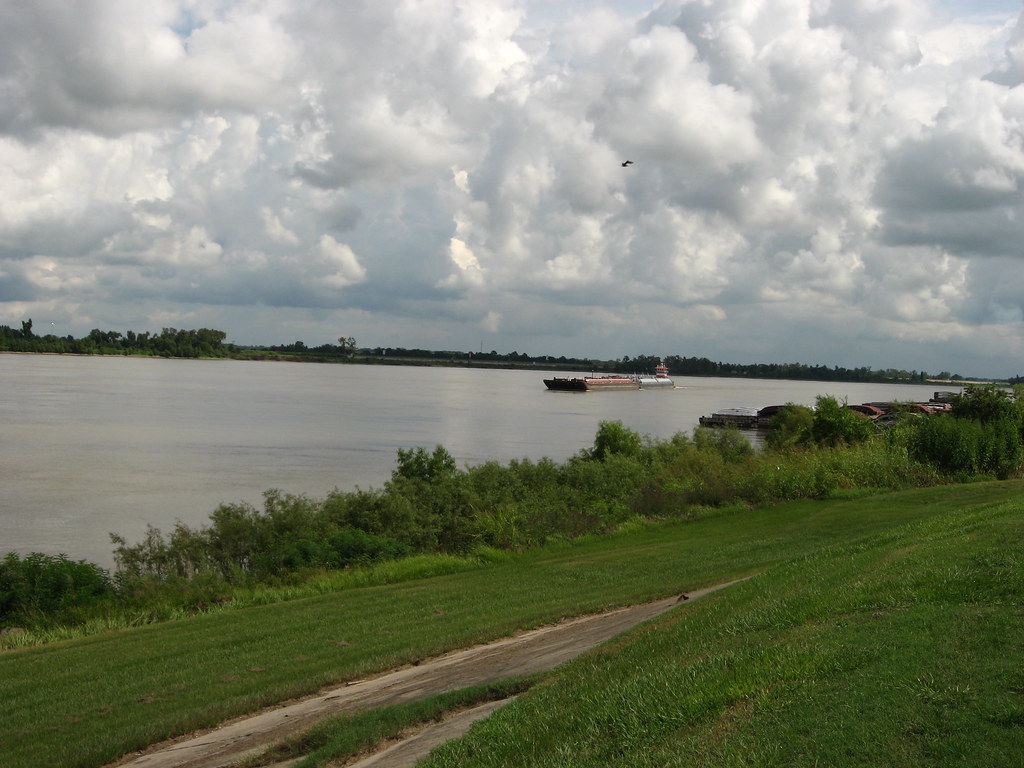
Mississippi River
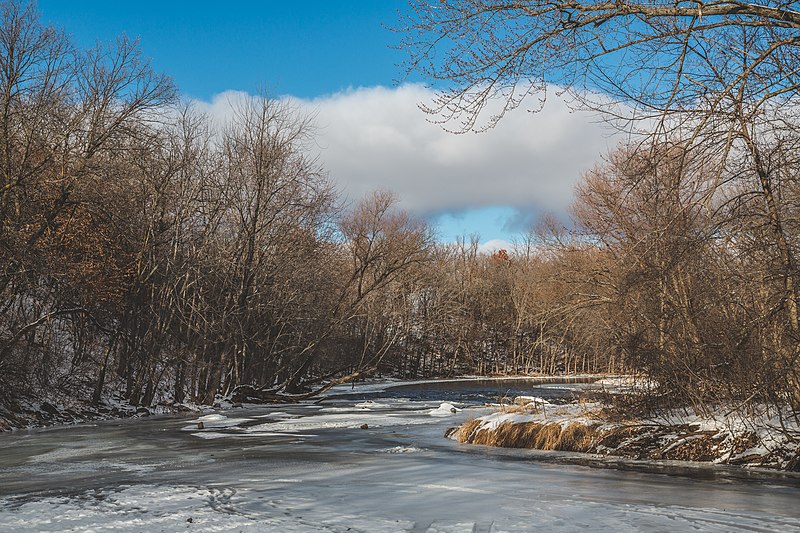
Sauk River
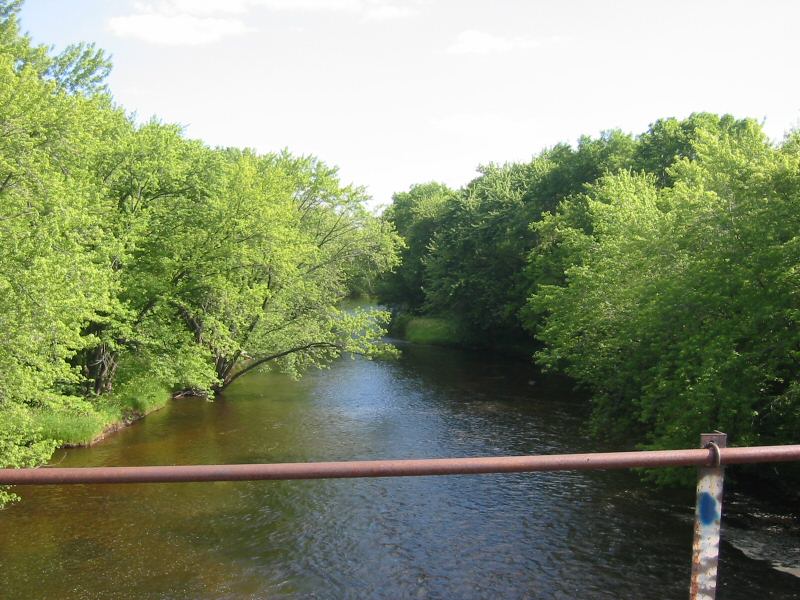
Rum River
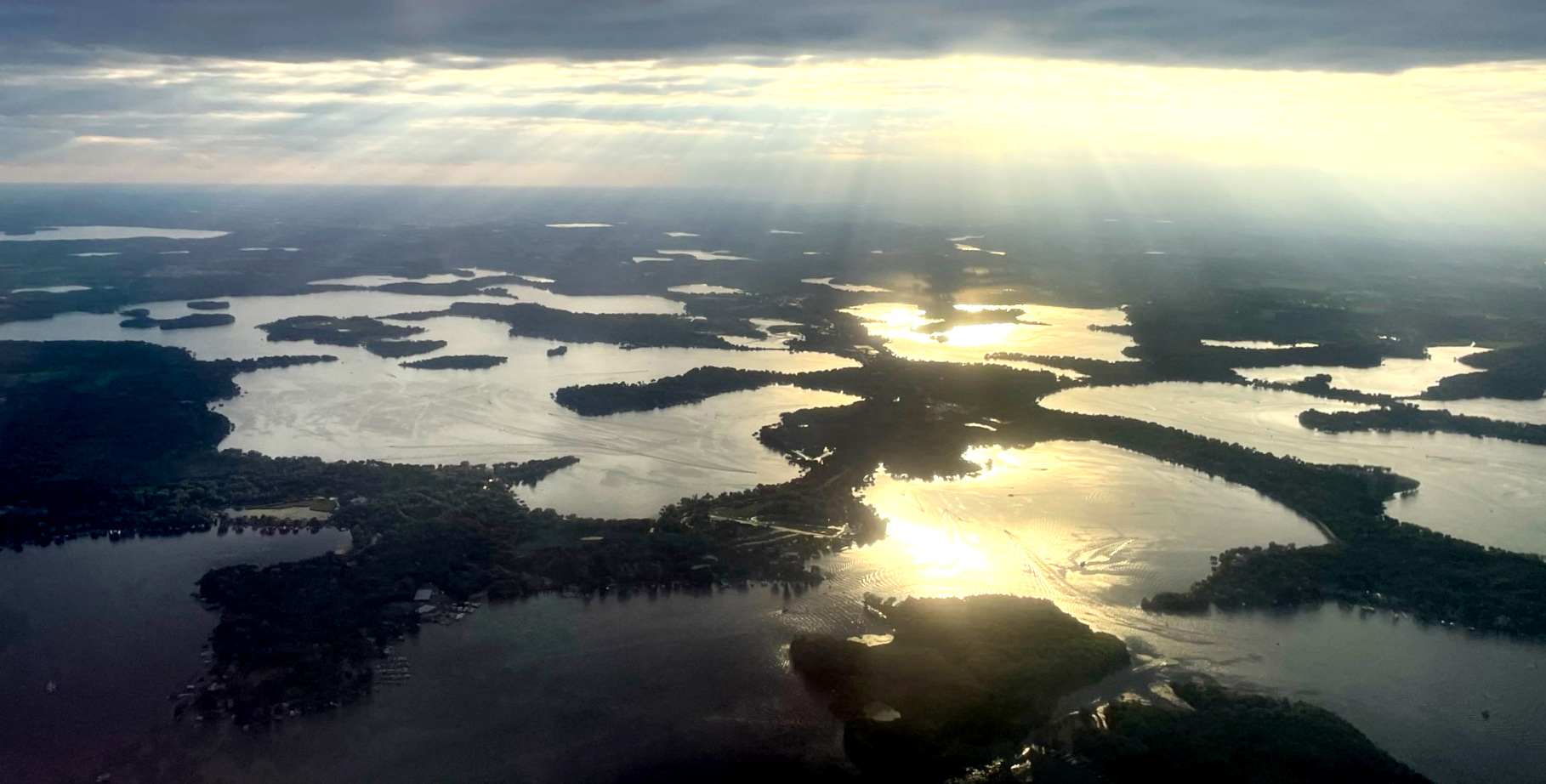
Lake Minnetonka
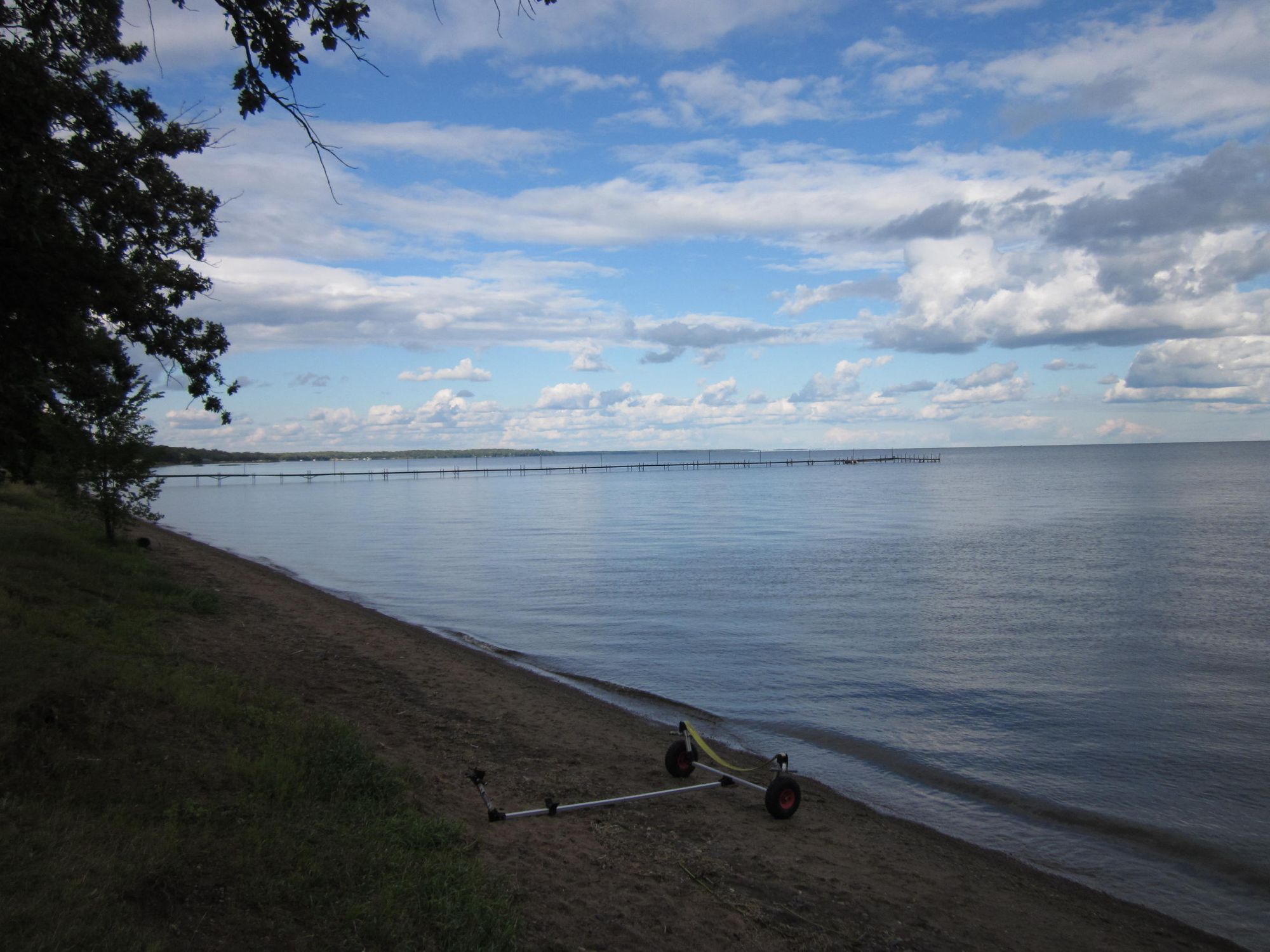
Mille Lacs Lake
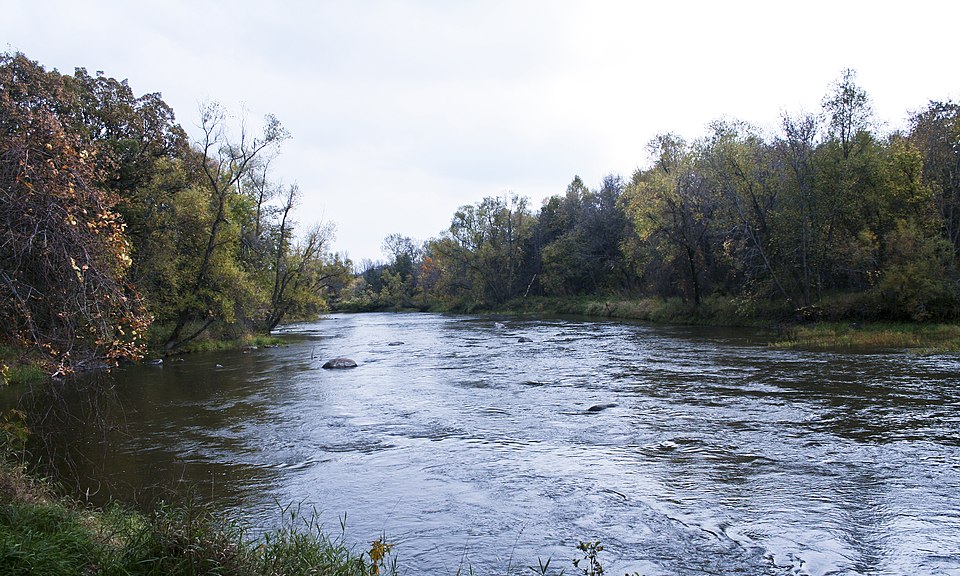
Crow River
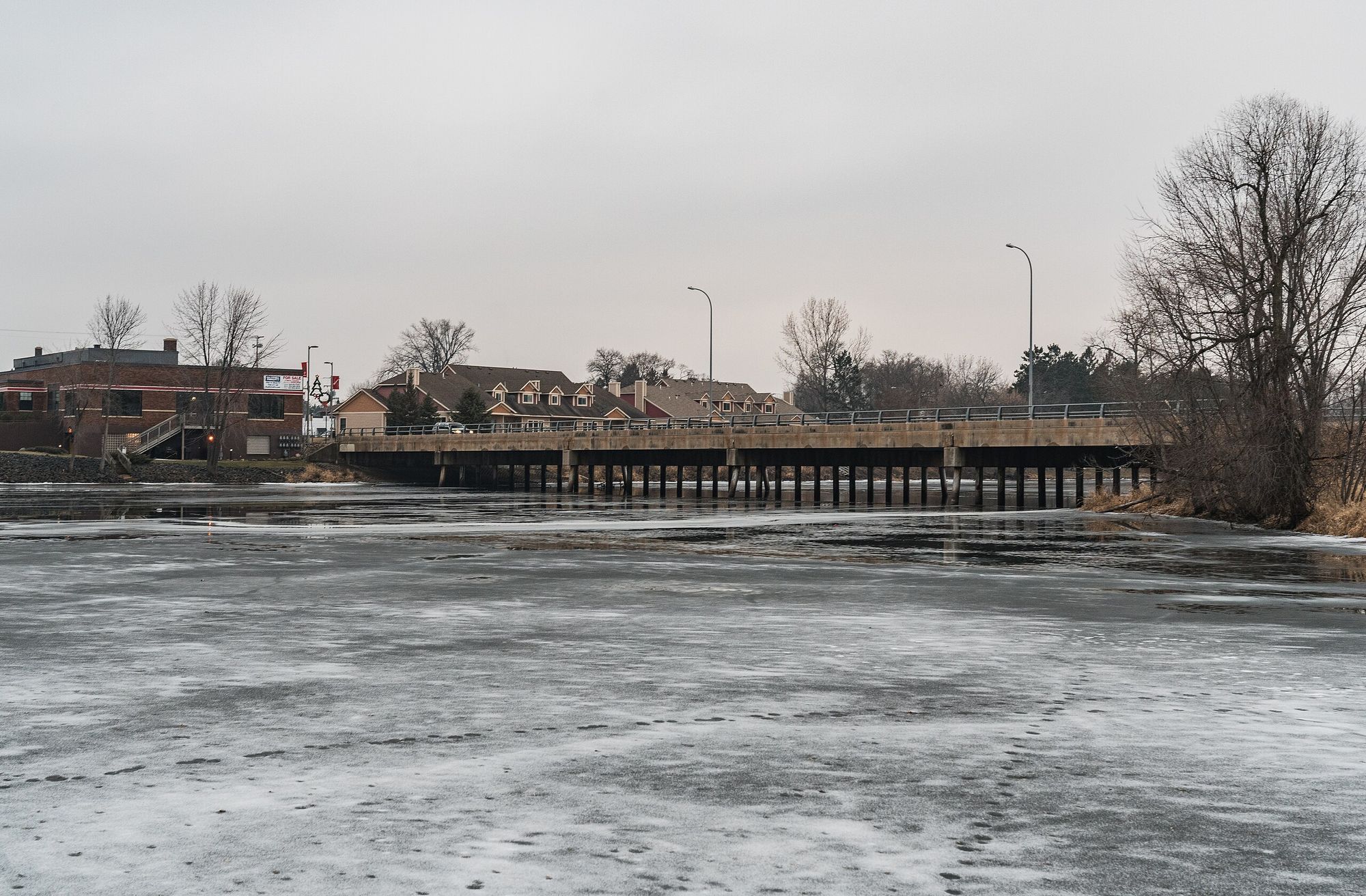
Snake River
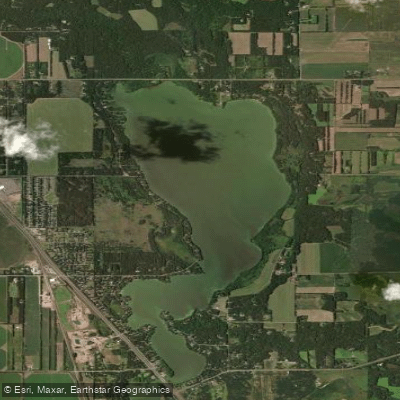
Little Rock Lake
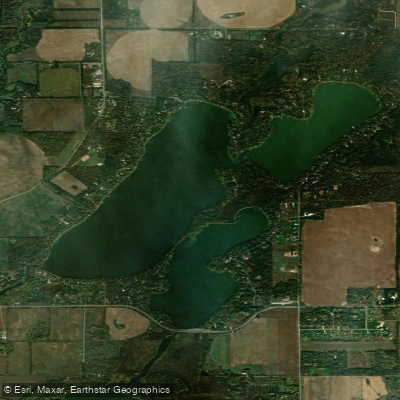
Julia Lake
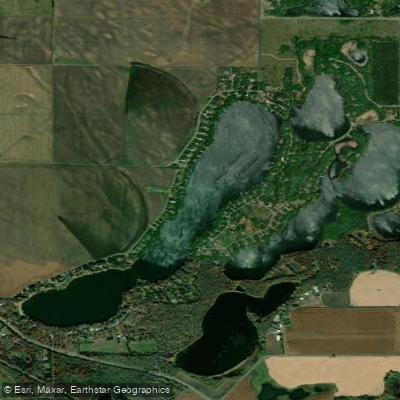
Long Lake
What to know
Key Locations
- In Minnesota, White Perch are only found in Lake Superior's Duluth Harbor (first observed in 1986) and the St.
- Louis River downstream of the Fond du Lac dam, along with connected tributaries - no other Minnesota waters are known to contain them.
White Perch FAQ
Answers from onWater's species guide.
What are the best lures and bait for White Perch in Minnesota?
Given their predatory nature and diet of minnows, insects, and fish e.g.gs, they would theoretically respond to small spoons, jigs with minnows, spinners, and baits that imitate their preferred forage, but since they cannot be legally targeted or kept, focus should be on avoiding areas where they're present.
When is the best time to fish for White Perch in Minnesota?
They spawn in spring when water temperatures reach 50-60°F (typically late April through mid-May).
How do you catch White Perch in Minnesota?
In their limited Minnesota range, they could potentially be caught incidentally while fishing for legal species using similar techniques that work for other temperate bass family members. However, as a prohibited species, any White Perch caught must not be possessed, transported, or released back into the water.
What do White Perch eat?
White Perch are aggressive predators and opportunistic feeders - young feed primarily on zooplankton while adults consume aquatic insect larvae, minnows, fish e.g.gs (including walleye and white bass e.g.gs), and even cannibalize their own species.
Fish smarter with real-time insights
Whether you're en route and conditions shift or you're looking for the best spot based on current flows, we enable you to make informed decisions on the fly.







See it in the app
Most maps show you water.
onWater shows you White Perch.



- 01 · Species map filter
Map every White Perch water
Pick White Perch and the map zeroes in on the waters they call home. No more guessing which lake holds them.
- 02 · Waterbody species
Tap any water. See what lives there.
Species, behavior and seasonal patterns for every lake, river and pond, before you leave the driveway.
- 03 · Angler Intelligence
Ask how to catch White Perch
Tactics, gear and timing from onWater's AI fishing guide, tuned to the species and the water you're on.
Stop guessing where White Perch are.
Open the map, filter by White Perch, and head to water that holds them. Download onWater and plan your next trip in minutes.
- Species map filter
- Angler Intelligence
- Fishing journal
Explore other species
Trout, bass, salmon, panfish and everything in between. Each guide unpacks the behavior, seasons, and tactics that put fish in the net.

Find which waters have the species you want to catch

Largemouth Bass
Micropterus salmoides

Smallmouth Bass
Micropterus dolomieui

Rainbow Trout
Oncorhynchus mykiss

Brown Trout
Salmo trutta

Brook Trout
Salvelinus fontinalis

Northern Pike
Esox lucius

Muskellunge
Esox masquinongy

Walleye
Sander vitreus

Black Crappie
Pomoxis nigromaculatus

American Eel
Anguilla rostrata

Atlantic Salmon

Bighead Carp
Hypophthalmichthys nobilis

Bigmouth Buffalo
Ictiobus cyprinellus

Black Buffalo
Ictiobus niger

Black Bullhead
Ameiurus melas

Blacknose Dace
Rhinichthys atratulus

Blue Sucker
Cycleptus elongatus

Bowfin
Amia calva

Brown Bullhead
Ameiurus nebulosus

Burbot
Lota lota

Channel Catfish
Ictalurus punctatus

Chinook Salmon
Oncorhynchus tshawytscha

Cisco
Coregonus artedi

Coho Salmon

Common Carp
Cyprinus carpio

Creek Chub
Semotilus atromaculatus

Flathead Catfish

Freshwater Drum
Aplodinotus grunniens

Gizzard Shad
Dorosoma cepedianum

Golden Redhorse
Moxostoma erythrurum

Green Sunfish
Lepomis cyanellus

Lake Sturgeon
Acipenser fulvescens

Lake Trout
Salvelinus namaycush
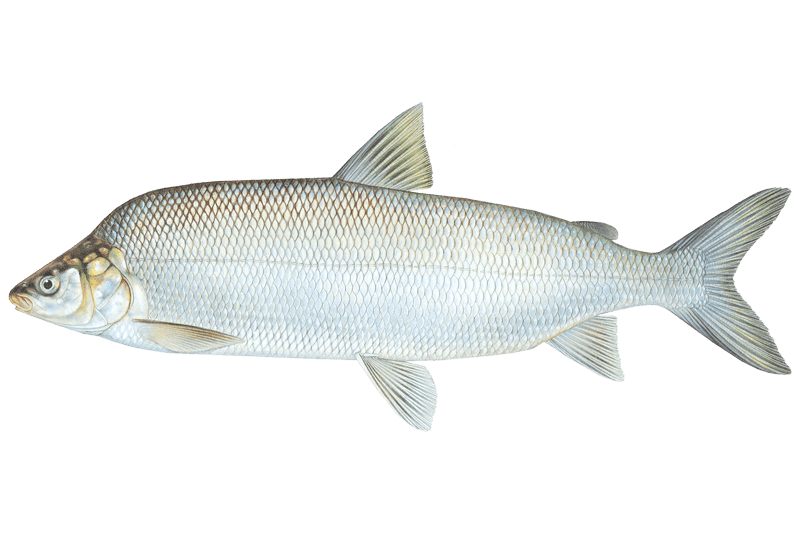
Lake Whitefish
Coregonus clupeaformis

Longear Sunfish
Lepomis megalotis peltastes

Longnose Gar
Lepisosteus osseus

Longnose Sucker
Catostomus catostomus

Northern Hogsucker
Hypentelium nigricans
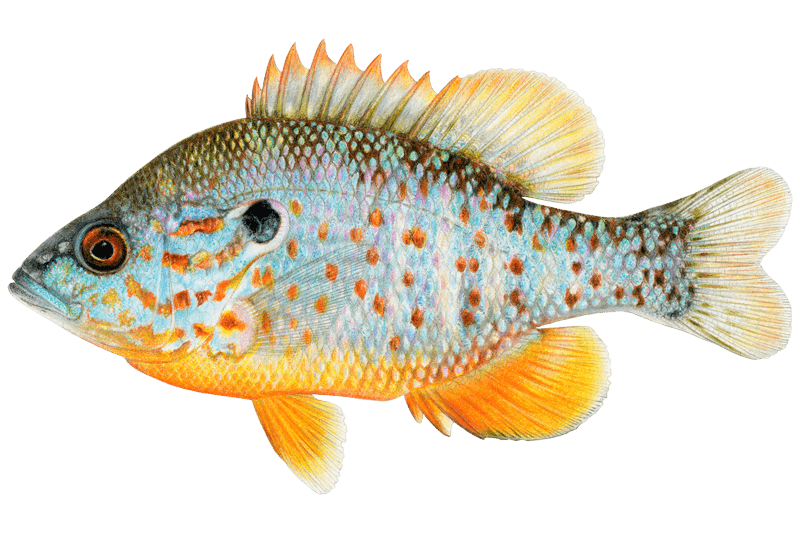
Orangespotted Sunfish

Pink Salmon
Oncorhynchus gorbuscha
Minnesota licenses and regulations

Minnesota Boating Regulations
When using any type of watercraft to access a body of water, it is important to follow all federal, state, and local rules and regulations. These rules and regulations include boat permitting and licensing, invasive species inspections and stamps, life jacket and PFD rules, motor size and horsepower restrictions, noise limitations, restrictions on personal watercraft, and many more. Visit the web link below for the most current rules and regulations for this body of water.

Minnesota Fishing License
You need to buy a Minnesota fishing license if you're 16 or older. Annual licenses allow you to fish from March 1 to the last day of February the following year. Lower-cost licenses are available for shorter time periods. There is an added cost to fish for trout, salmon or sturgeon. All non-residents, regardless of age, must buy a fishing license.

Minnesota Fishing Regulations
This river has a variety of species and regulations, including potential floating and/or watercraft restrictions. Because this river is specially managed for species, seasons, angling methods, and watercraft, it is strongly encouraged you check all federal, state, and local regulations before fishing. Visit any of the links below, inquire locally, or contact a local fly shop to learn current regulations and restrictions.

Minnesota Stream Access Laws
A Minnesota waterway is navigable if it’s capable of travel, recreational or commercial. The state owns navigable streambeds, which are open to public recreation. All surface waters and groundwater, except for surface waters not confined, are waters of the state.
Explore nearby waters
Explore Minnesota waters
Top fishing waters
Popular Cities
Loading popular cities...
Smarter Fishing Starts in the App.
onWater Fish gives you everything you need to plan smarter, fish better, and own every trip from first cast to last.