Tiger Trout
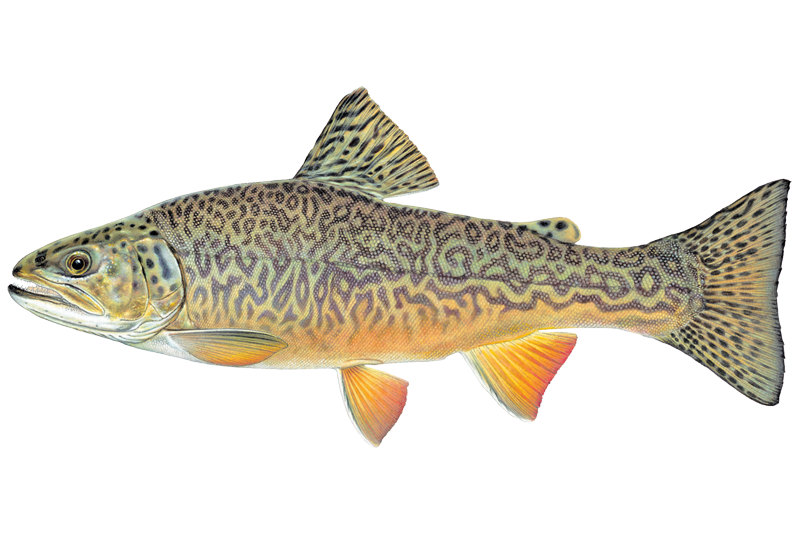
Tiger Trout in Minnesota are rare hybrid fish created by crossing female Brown Trout with male Brook Trout. These sterile hybrids are extremely aggressive piscivores that grow rapidly.
Minnesota stocks Tiger Trout primarily to control rough fish populations and support sport fisheries since they cannot reproduce.
- Display distinctive tiger-like markings with grayish-brown bodies covered in dark vermiculated patterns, bright orange and yellow bellies, and square tail fins.
- They typically reach 10-16 inches but are capable of growing up to 20 inches and 2-5 pounds.
Fishing in Minnesota
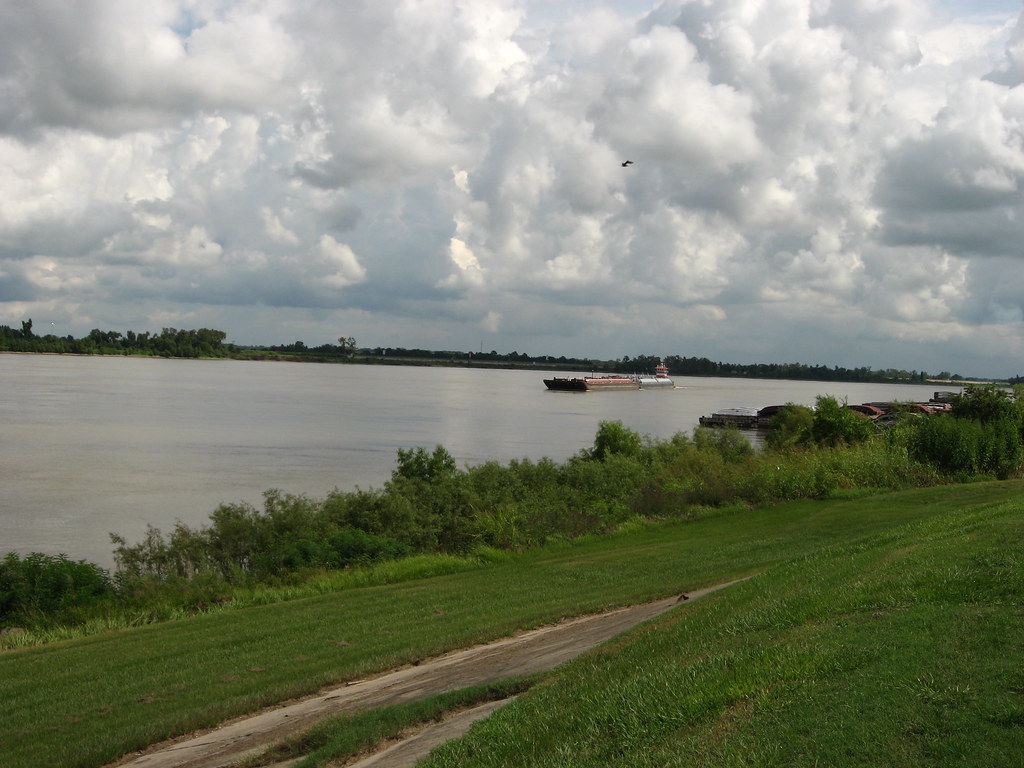
Mississippi River
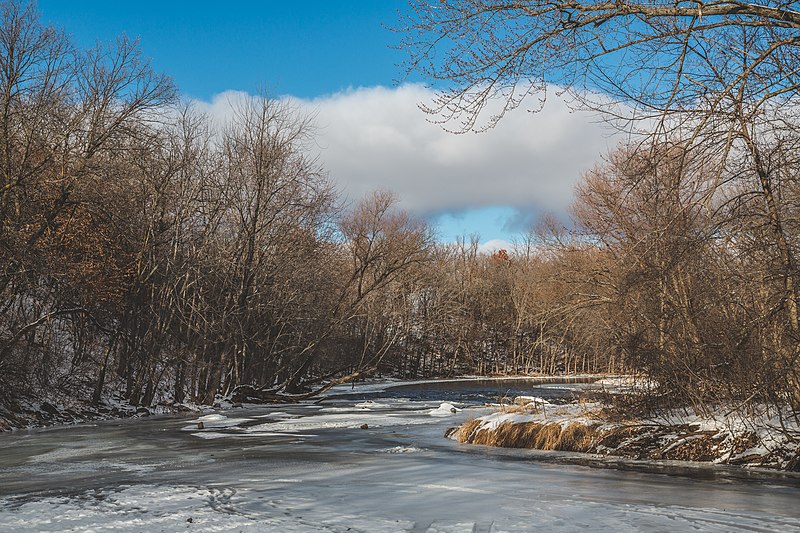
Sauk River
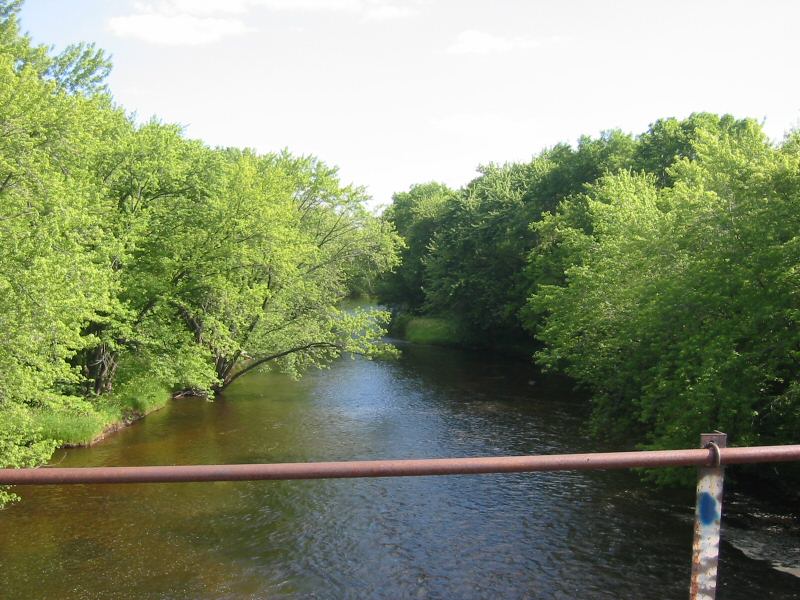
Rum River

Lake Minnetonka
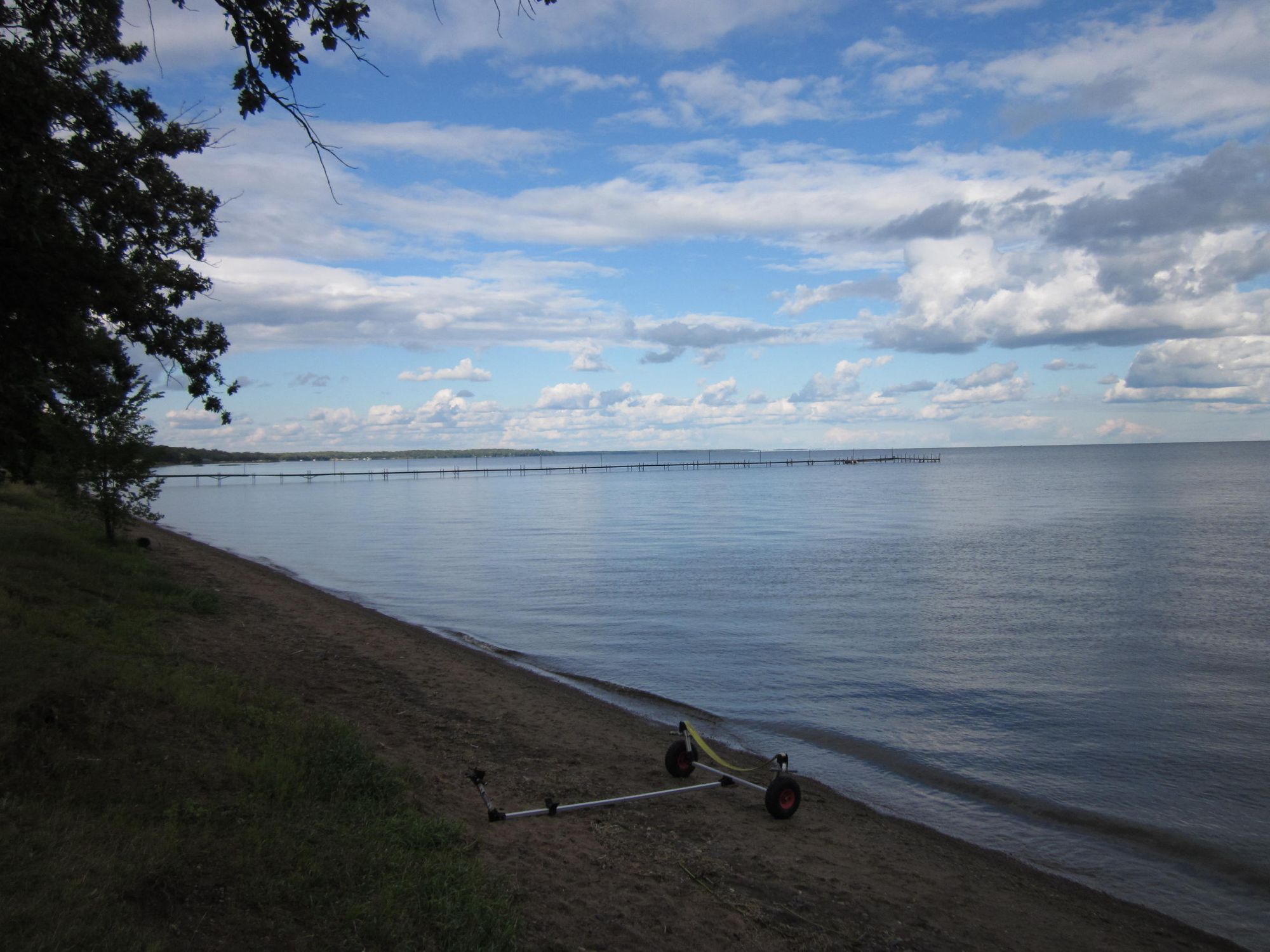
Mille Lacs Lake
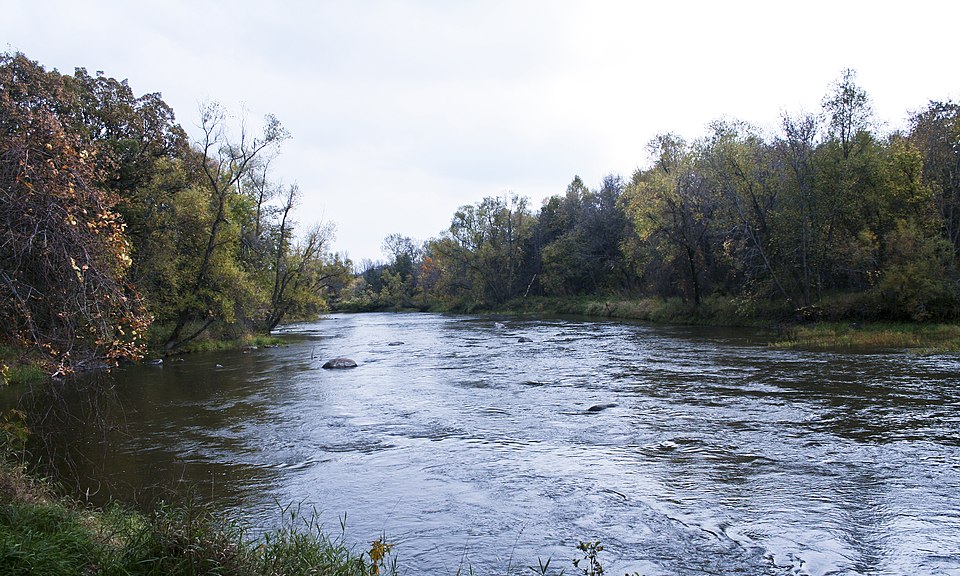
Crow River
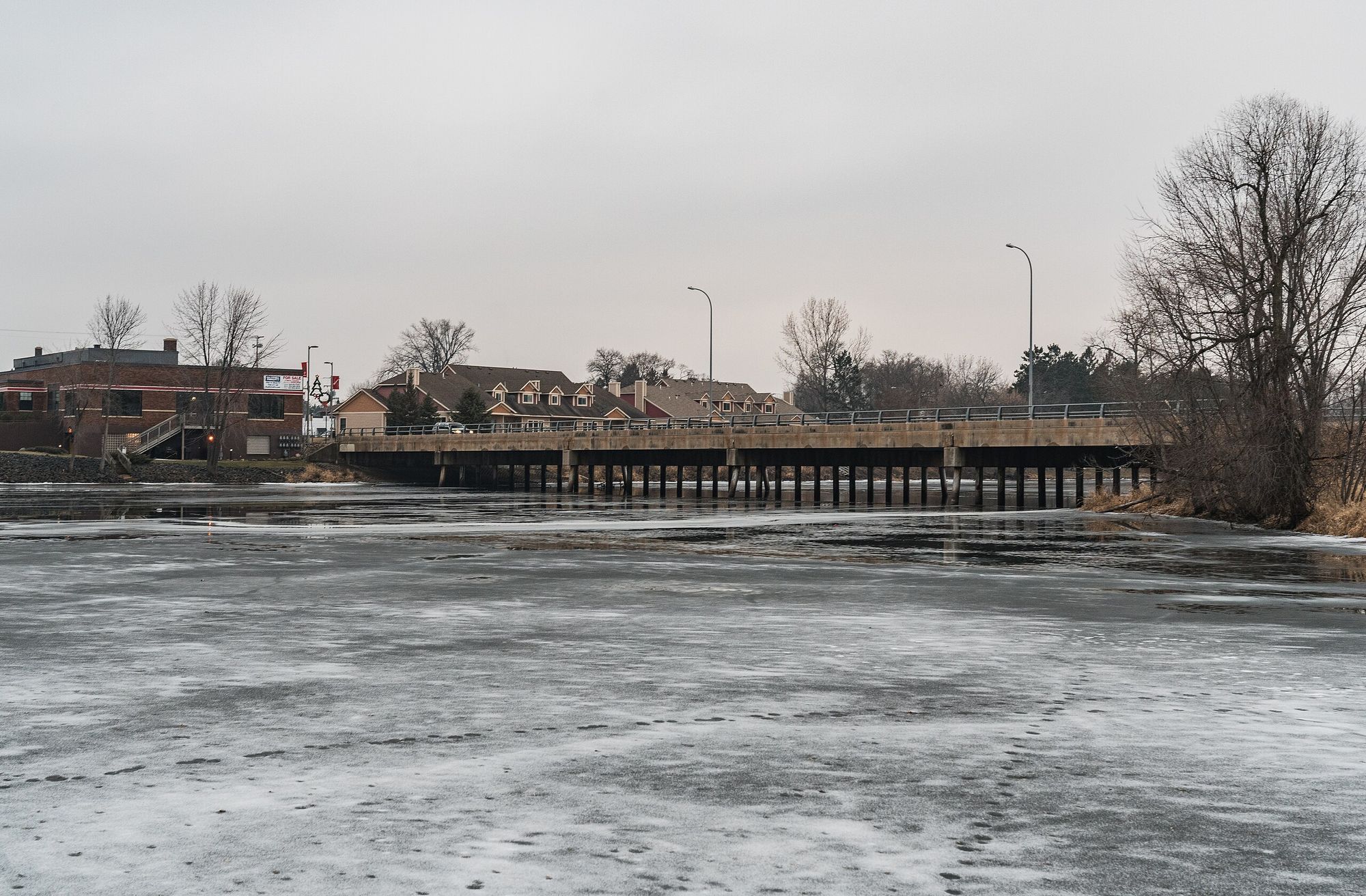
Snake River
Little Rock Lake
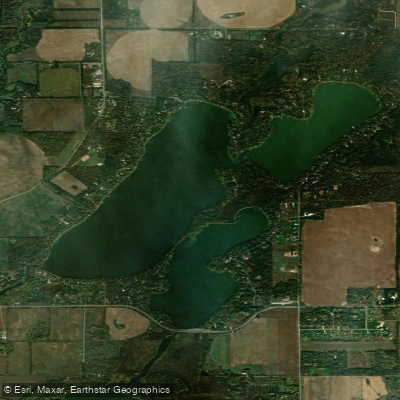
Julia Lake
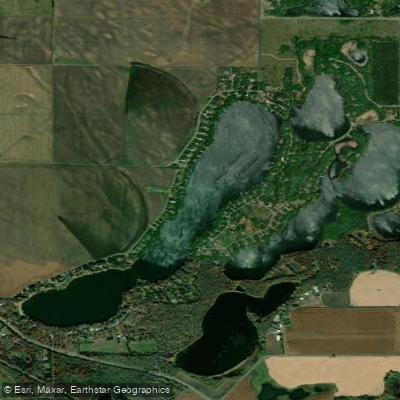
Long Lake
What to know
Habitat Distribution
- Found in select waters throughout the state where they're artificially stocked, thriving in cold, clear waters with good oxygen levels.
Key Locations
- Select waters throughout the state where they're artificially stocked.
- In Minnesota's driftless region streams.
Specific Spots
- Target current edges, undercut banks, rock and boulder pockets, and areas with overhanging vegetation.
- In lakes, focus on drop-offs, structure, and areas near cold water sources.
- They prefer deeper, cooler water during summer months but move to shallows during spring and fall.
Tiger Trout FAQ
Answers from onWater's species guide.
What are the best lures and bait for Tiger Trout in Minnesota?
Spinners (particularly effective), jigs, spoons, and minnow-like lures. Color choices include silver for general use, copper for deeper water, and gold for varied conditions. Nightcrawlers are effective bait where allowed, though many Minnesota trout waters restrict bait usage.
What flies work for Tiger Trout in Minnesota?
Woolly buggers, prince nymphs, pheasant tail nymphs, elk hair caddis, and parachute adams. Streamers like leech patterns, sculpin imitations, and articulating patterns work well for larger tigers.
When is the best time to fish for Tiger Trout in Minnesota?
Most productive during spring and fall when they move to shallower waters. Summer fishing requires targeting deeper water.
How do you catch Tiger Trout in Minnesota?
Tigers respond well to aggressive retrieves that trigger their predatory instincts. Fish after heavy rainfall when water conditions improve, and avoid fishing during fall spawning periods (October-November) when fish are stressed and reproduction focused.
What do Tiger Trout eat?
Tiger Trout are territorial predators with voracious appetites - young fish feed on aquatic insects, invertebrates, and larvae, while adults become almost entirely piscivorous, targeting small fish including minnows and sculpins.
Fish smarter with real-time insights
Whether you're en route and conditions shift or you're looking for the best spot based on current flows, we enable you to make informed decisions on the fly.







See it in the app
Most maps show you water.
onWater shows you Tiger Trout.



- 01 · Species map filter
Map every Tiger Trout water
Pick Tiger Trout and the map zeroes in on the waters they call home. No more guessing which lake holds them.
- 02 · Waterbody species
Tap any water. See what lives there.
Species, behavior and seasonal patterns for every lake, river and pond, before you leave the driveway.
- 03 · Angler Intelligence
Ask how to catch Tiger Trout
Tactics, gear and timing from onWater's AI fishing guide, tuned to the species and the water you're on.
Stop guessing where Tiger Trout are.
Open the map, filter by Tiger Trout, and head to water that holds them. Download onWater and plan your next trip in minutes.
- Species map filter
- Angler Intelligence
- Fishing journal
Explore other species
Trout, bass, salmon, panfish and everything in between. Each guide unpacks the behavior, seasons, and tactics that put fish in the net.

Find which waters have the species you want to catch

Largemouth Bass
Micropterus salmoides

Smallmouth Bass
Micropterus dolomieui

Rainbow Trout
Oncorhynchus mykiss

Brown Trout
Salmo trutta

Brook Trout
Salvelinus fontinalis

Northern Pike
Esox lucius

Muskellunge
Esox masquinongy

Walleye
Sander vitreus

Black Crappie
Pomoxis nigromaculatus

American Eel
Anguilla rostrata

Atlantic Salmon

Bighead Carp
Hypophthalmichthys nobilis

Bigmouth Buffalo
Ictiobus cyprinellus

Black Buffalo
Ictiobus niger

Black Bullhead
Ameiurus melas

Blacknose Dace
Rhinichthys atratulus

Blue Sucker
Cycleptus elongatus

Bowfin
Amia calva

Brown Bullhead
Ameiurus nebulosus

Burbot
Lota lota

Channel Catfish
Ictalurus punctatus

Chinook Salmon
Oncorhynchus tshawytscha

Cisco
Coregonus artedi

Coho Salmon

Common Carp
Cyprinus carpio

Creek Chub
Semotilus atromaculatus

Flathead Catfish

Freshwater Drum
Aplodinotus grunniens

Gizzard Shad
Dorosoma cepedianum

Golden Redhorse
Moxostoma erythrurum

Green Sunfish
Lepomis cyanellus

Lake Sturgeon
Acipenser fulvescens

Lake Trout
Salvelinus namaycush
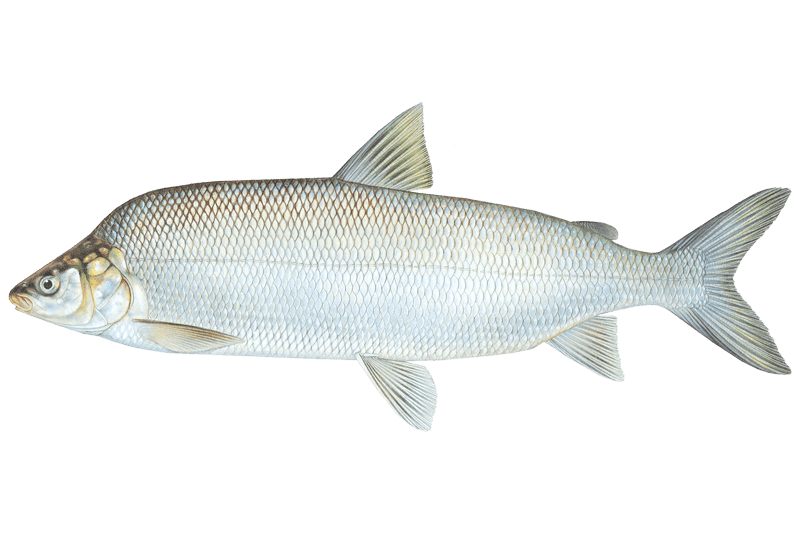
Lake Whitefish
Coregonus clupeaformis

Longear Sunfish
Lepomis megalotis peltastes

Longnose Gar
Lepisosteus osseus

Longnose Sucker
Catostomus catostomus

Northern Hogsucker
Hypentelium nigricans
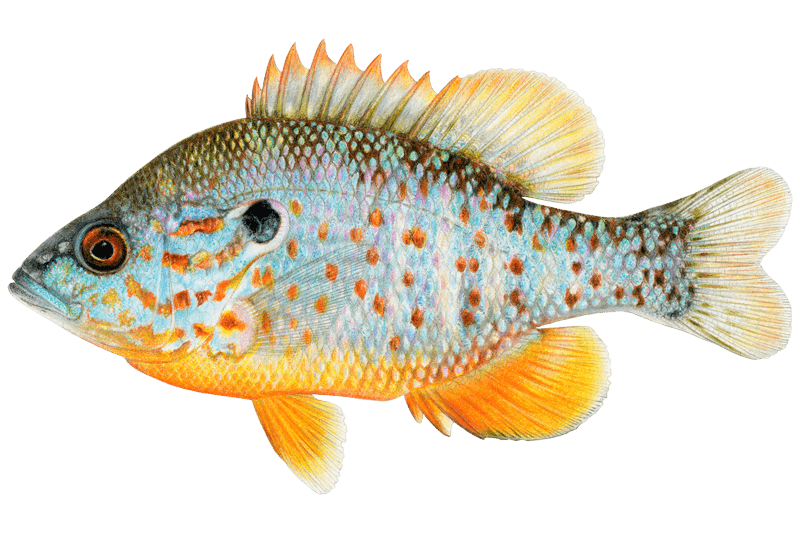
Orangespotted Sunfish

Pink Salmon
Oncorhynchus gorbuscha
Minnesota licenses and regulations

Minnesota Boating Regulations
When using any type of watercraft to access a body of water, it is important to follow all federal, state, and local rules and regulations. These rules and regulations include boat permitting and licensing, invasive species inspections and stamps, life jacket and PFD rules, motor size and horsepower restrictions, noise limitations, restrictions on personal watercraft, and many more. Visit the web link below for the most current rules and regulations for this body of water.

Minnesota Fishing License
You need to buy a Minnesota fishing license if you're 16 or older. Annual licenses allow you to fish from March 1 to the last day of February the following year. Lower-cost licenses are available for shorter time periods. There is an added cost to fish for trout, salmon or sturgeon. All non-residents, regardless of age, must buy a fishing license.

Minnesota Fishing Regulations
This river has a variety of species and regulations, including potential floating and/or watercraft restrictions. Because this river is specially managed for species, seasons, angling methods, and watercraft, it is strongly encouraged you check all federal, state, and local regulations before fishing. Visit any of the links below, inquire locally, or contact a local fly shop to learn current regulations and restrictions.

Minnesota Stream Access Laws
A Minnesota waterway is navigable if it’s capable of travel, recreational or commercial. The state owns navigable streambeds, which are open to public recreation. All surface waters and groundwater, except for surface waters not confined, are waters of the state.
Explore nearby waters
Explore Minnesota waters
Top fishing waters
Popular Cities
Loading popular cities...
Smarter Fishing Starts in the App.
onWater Fish gives you everything you need to plan smarter, fish better, and own every trip from first cast to last.