Longnose Dace

Longnose Dace are small freshwater minnows native to Minnesota that serve as important forage fish for brown and brook trout in Minnesota's trout streams.
Scientific Name: Rhinichthys cataractae
- Small freshwater minnows typically measuring less than 100mm (4 inches) with a distinctive fleshy snout extending past their mouth.
- They're characterized by dark olive-brown coloration with lighter yellow-tan undersides, and juveniles display a black lateral stripe that fades as they mature.
Fishing in Minnesota
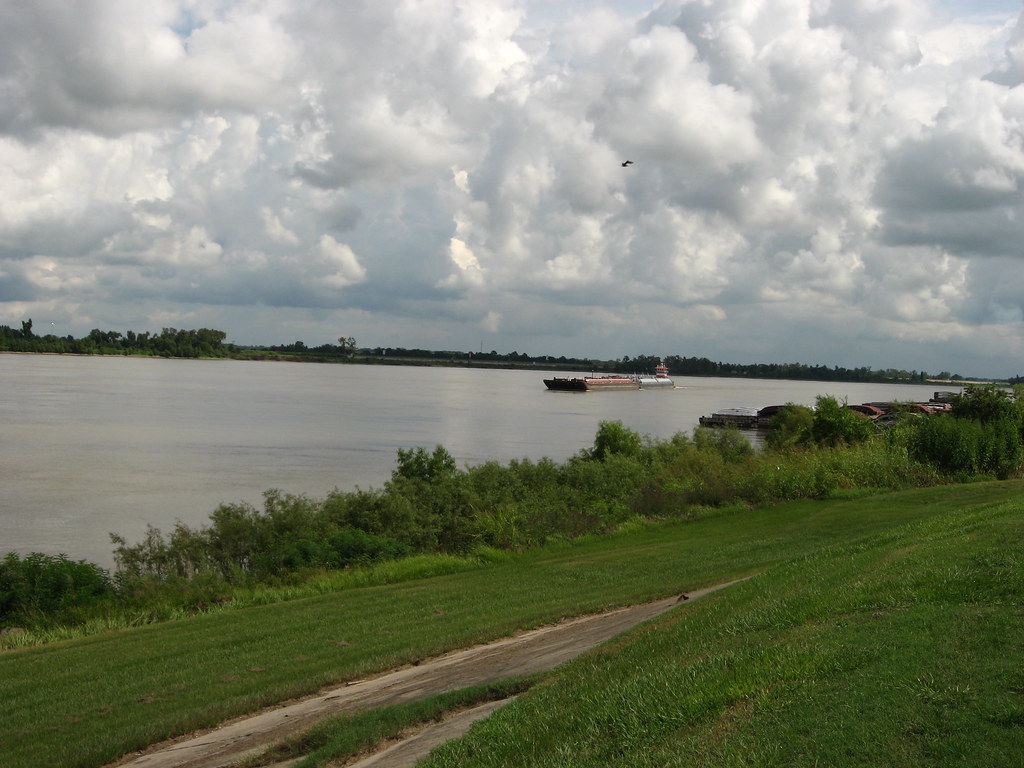
Mississippi River
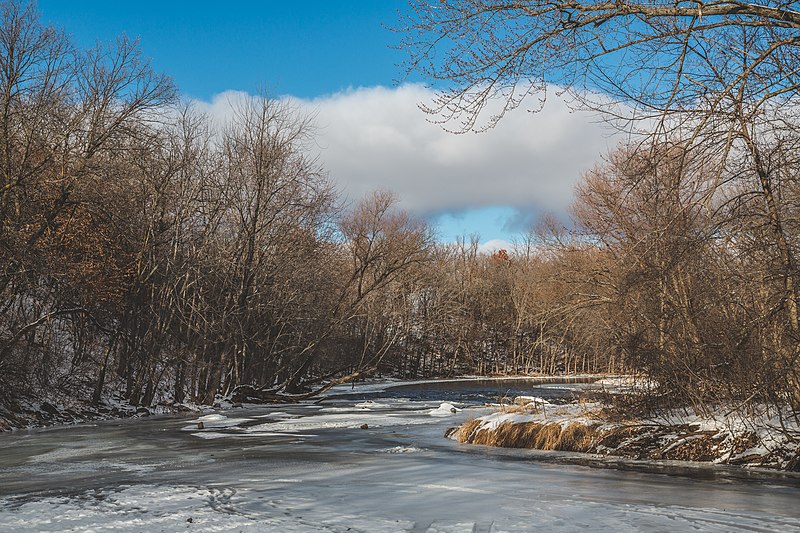
Sauk River
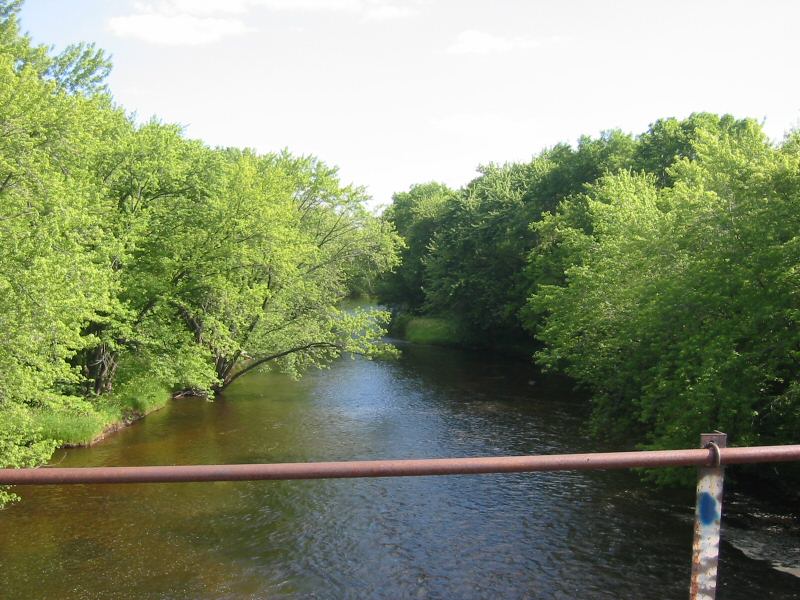
Rum River
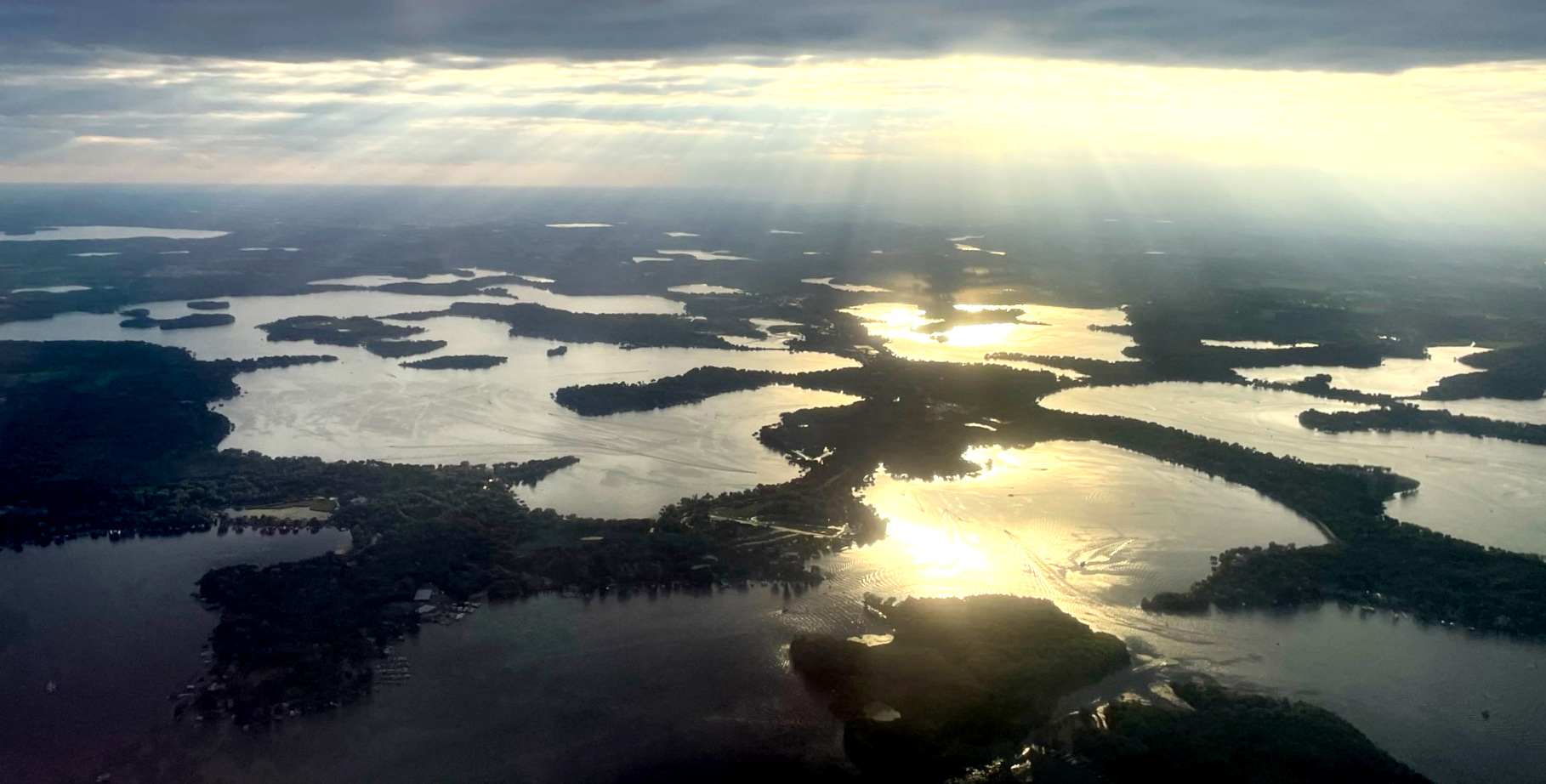
Lake Minnetonka
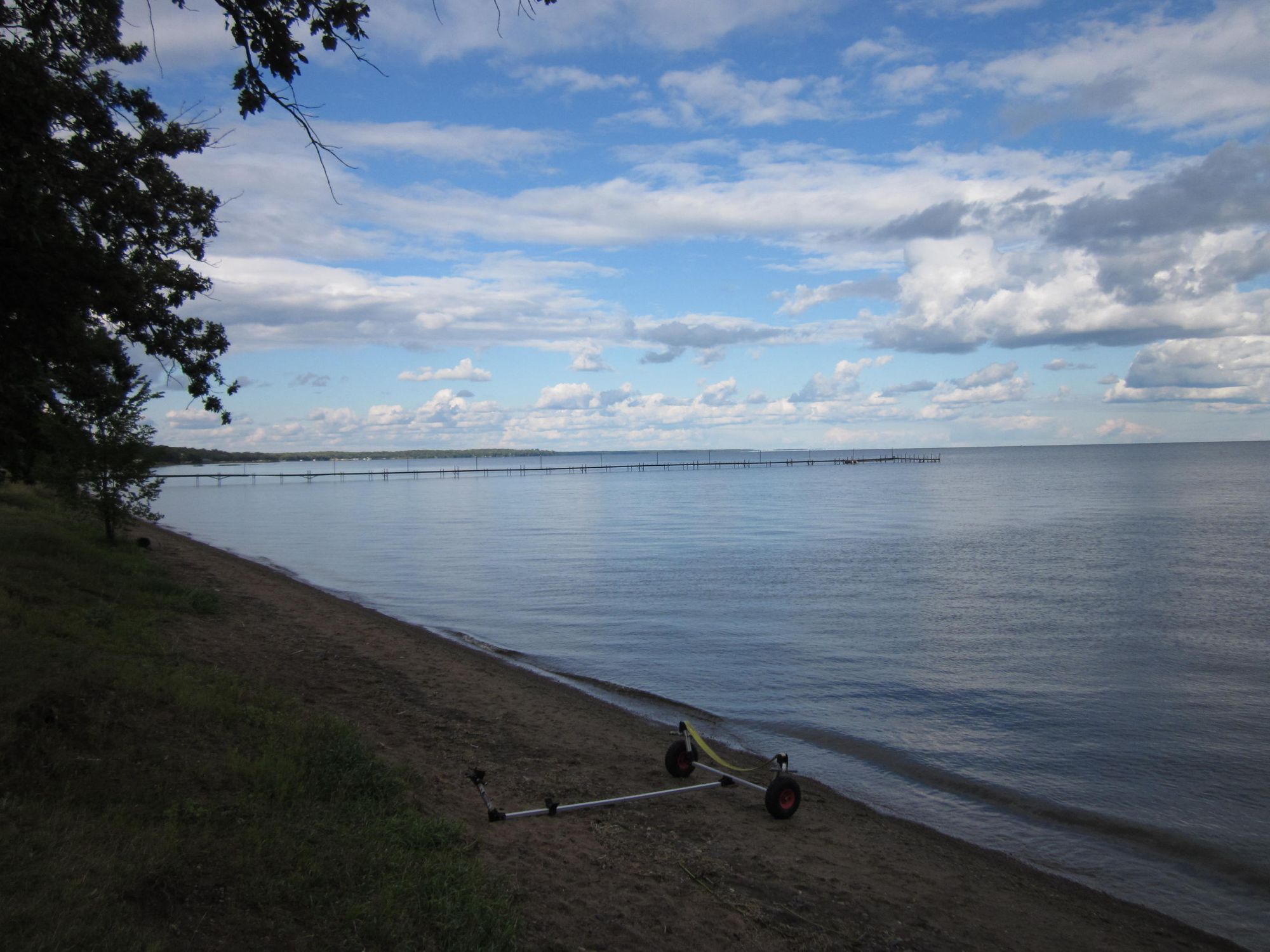
Mille Lacs Lake
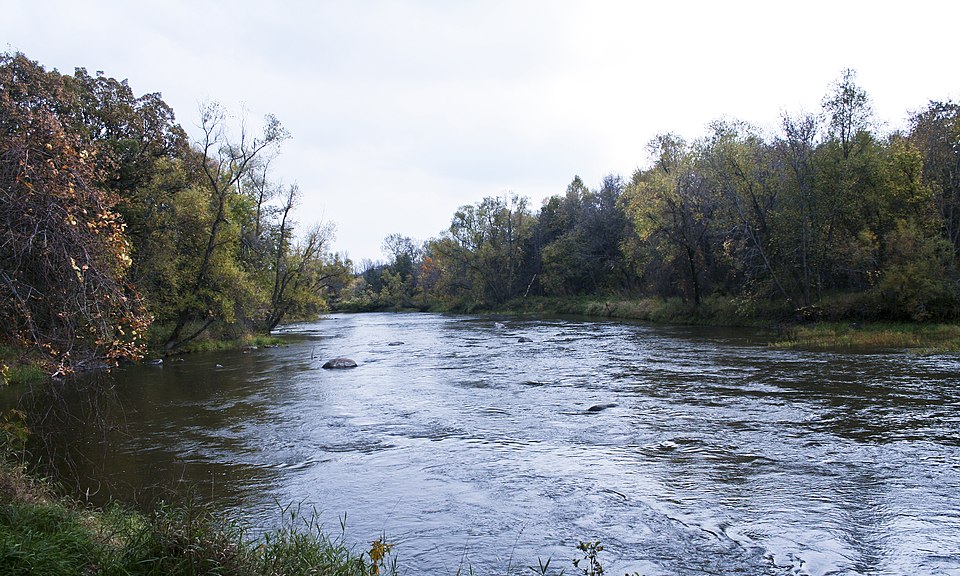
Crow River
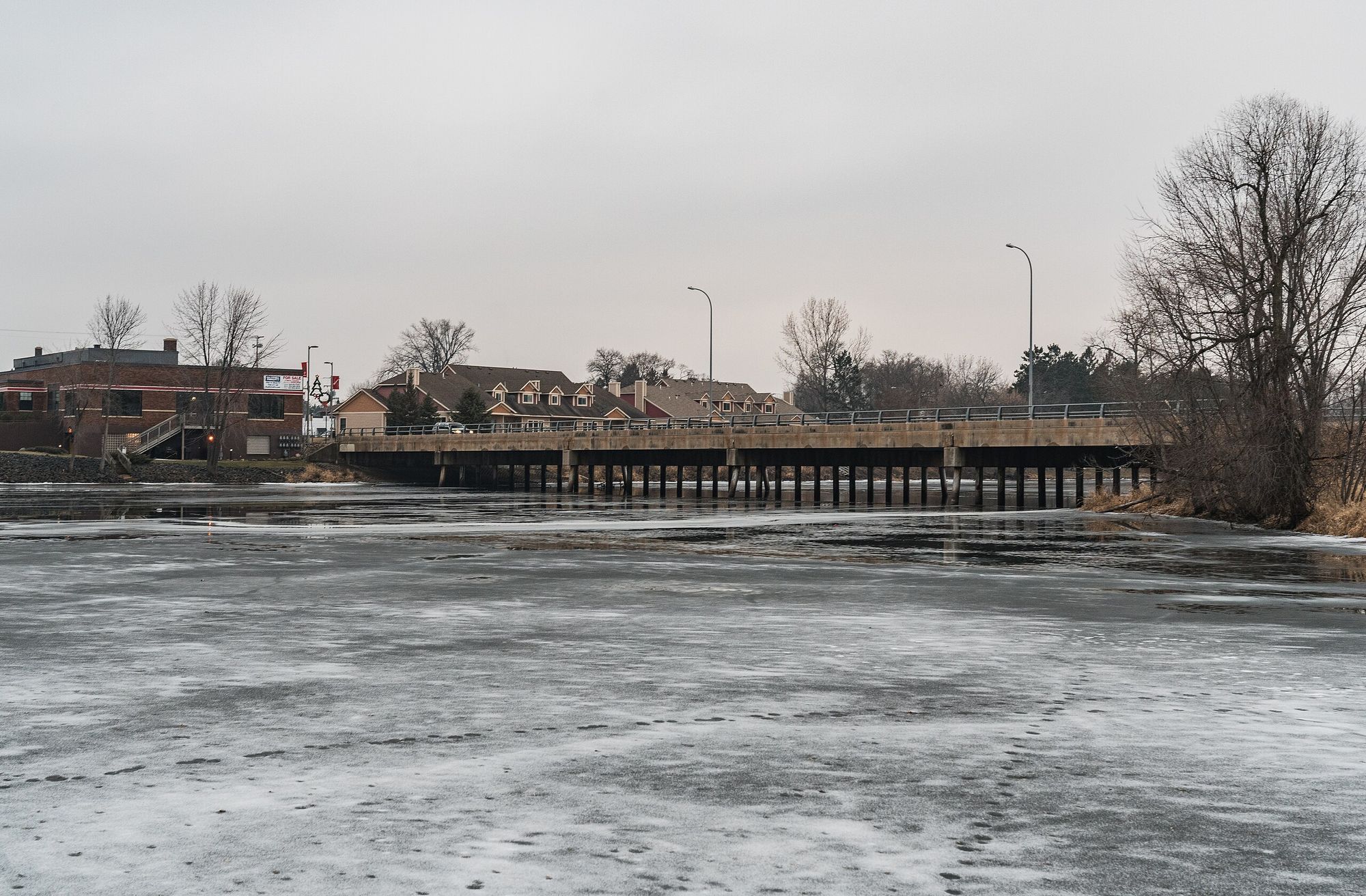
Snake River
Little Rock Lake
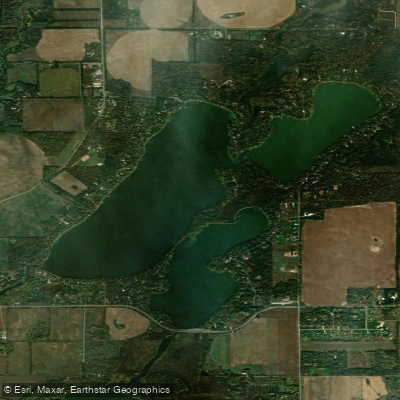
Julia Lake
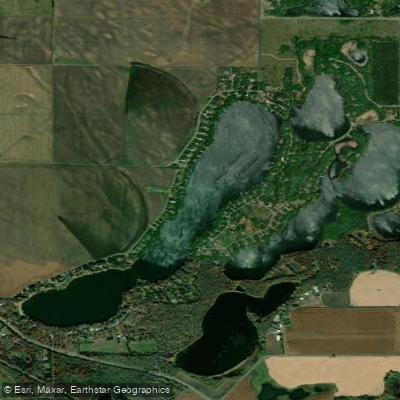
Long Lake
What to know
Habitat Distribution
- Widely distributed throughout Minnesota's coldwater streams.
- They inhabit fast-flowing, cold waters with rocky or gravel substrates, preferring shallow riffles in streams and turbulent near-shore areas of lakes.
Key Locations
- Southeastern Minnesota trout streams including those in Fillmore, Winona, and Houston counties.
- Specific streams include Forestville Creek, Spring Valley Creek, South Branch Root River in Fillmore County; Rush Creek, Pine Creek, Middle Branch Whitewater River in Winona County; and Beaver Creek, East Beaver Creek in Houston County.
Specific Spots
- Target fast-flowing riffle areas with rocky or gravel substrates.
- Look for areas with overhead cover like boulders, logs, or overhanging vegetation where they shelter during the day.
- In deeper pools adjacent to riffle areas during cooler months.
Longnose Dace FAQ
Answers from onWater's species guide.
What flies work for Longnose Dace in Minnesota?
Small nymph imitations that match their primary food sources: midge larvae patterns, black fly larvae, small mayfly nymphs, and caddis larva patterns.
When is the best time to fish for Longnose Dace in Minnesota?
Outside of spawning season (avoid May through August). During cooler months when water temperatures drop below their optimal range, they may be less active but can still be caught.
How do you catch Longnose Dace in Minnesota?
Fish near the bottom as these are benthic feeders. Focus on water with current velocities over 45 cm/second and depths typically less than 1 meter.
What do Longnose Dace eat?
Primarily nocturnal feeders, using their barbels to probe substrates for aquatic insects including midges (Chironomidae), black flies (Simuliidae), and mayflies (Ephemeroptera), as well as terrestrial insects. Adults also consume fish e.g.gs and scales.
Where do Longnose Dace live in Minnesota?
Widely distributed throughout Minnesota's coldwater streams. They inhabit fast-flowing, cold waters with rocky or gravel substrates, preferring shallow riffles in streams and turbulent near-shore areas of lakes.
Fish smarter with real-time insights
Whether you're en route and conditions shift or you're looking for the best spot based on current flows, we enable you to make informed decisions on the fly.







See it in the app
Most maps show you water.
onWater shows you Longnose Dace.



- 01 · Species map filter
Map every Longnose Dace water
Pick Longnose Dace and the map zeroes in on the waters they call home. No more guessing which lake holds them.
- 02 · Waterbody species
Tap any water. See what lives there.
Species, behavior and seasonal patterns for every lake, river and pond, before you leave the driveway.
- 03 · Angler Intelligence
Ask how to catch Longnose Dace
Tactics, gear and timing from onWater's AI fishing guide, tuned to the species and the water you're on.
Stop guessing where Longnose Dace are.
Open the map, filter by Longnose Dace, and head to water that holds them. Download onWater and plan your next trip in minutes.
- Species map filter
- Angler Intelligence
- Fishing journal
Explore other species
Trout, bass, salmon, panfish and everything in between. Each guide unpacks the behavior, seasons, and tactics that put fish in the net.

Find which waters have the species you want to catch

Largemouth Bass
Micropterus salmoides

Smallmouth Bass
Micropterus dolomieui

Rainbow Trout
Oncorhynchus mykiss

Brown Trout
Salmo trutta

Brook Trout
Salvelinus fontinalis

Northern Pike
Esox lucius

Muskellunge
Esox masquinongy

Walleye
Sander vitreus

Black Crappie
Pomoxis nigromaculatus

American Eel
Anguilla rostrata

Atlantic Salmon

Bighead Carp
Hypophthalmichthys nobilis

Bigmouth Buffalo
Ictiobus cyprinellus

Black Buffalo
Ictiobus niger

Black Bullhead
Ameiurus melas

Blacknose Dace
Rhinichthys atratulus

Blue Sucker
Cycleptus elongatus

Bowfin
Amia calva

Brown Bullhead
Ameiurus nebulosus

Burbot
Lota lota

Channel Catfish
Ictalurus punctatus

Chinook Salmon
Oncorhynchus tshawytscha

Cisco
Coregonus artedi

Coho Salmon

Common Carp
Cyprinus carpio

Creek Chub
Semotilus atromaculatus

Flathead Catfish

Freshwater Drum
Aplodinotus grunniens

Gizzard Shad
Dorosoma cepedianum

Golden Redhorse
Moxostoma erythrurum

Green Sunfish
Lepomis cyanellus

Lake Sturgeon
Acipenser fulvescens

Lake Trout
Salvelinus namaycush
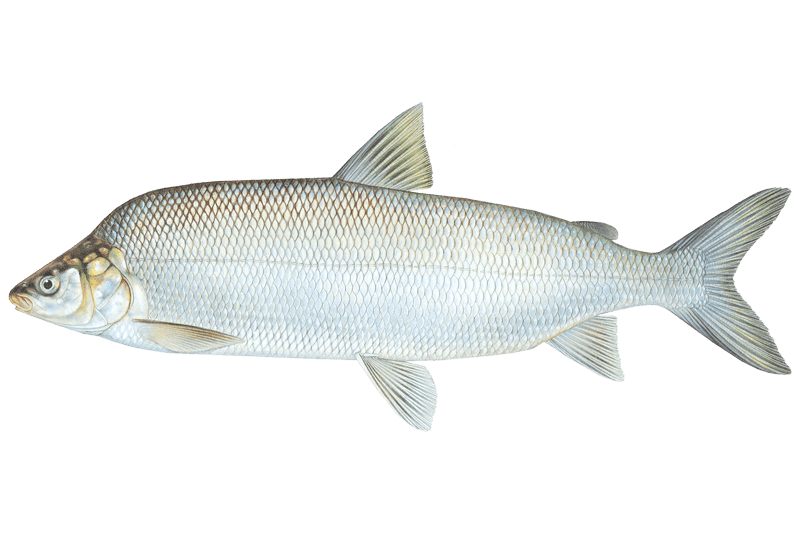
Lake Whitefish
Coregonus clupeaformis

Longear Sunfish
Lepomis megalotis peltastes

Longnose Gar
Lepisosteus osseus

Longnose Sucker
Catostomus catostomus

Northern Hogsucker
Hypentelium nigricans
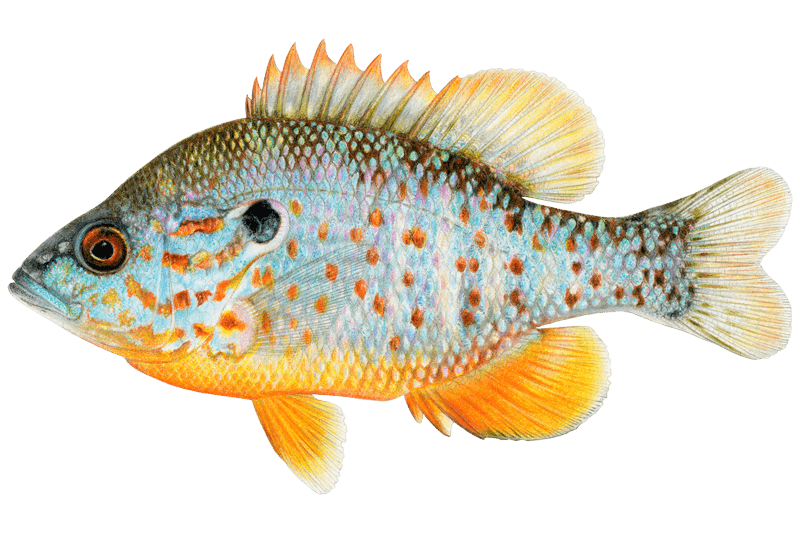
Orangespotted Sunfish

Pink Salmon
Oncorhynchus gorbuscha
Minnesota licenses and regulations

Minnesota Boating Regulations
When using any type of watercraft to access a body of water, it is important to follow all federal, state, and local rules and regulations. These rules and regulations include boat permitting and licensing, invasive species inspections and stamps, life jacket and PFD rules, motor size and horsepower restrictions, noise limitations, restrictions on personal watercraft, and many more. Visit the web link below for the most current rules and regulations for this body of water.

Minnesota Fishing License
You need to buy a Minnesota fishing license if you're 16 or older. Annual licenses allow you to fish from March 1 to the last day of February the following year. Lower-cost licenses are available for shorter time periods. There is an added cost to fish for trout, salmon or sturgeon. All non-residents, regardless of age, must buy a fishing license.

Minnesota Fishing Regulations
This river has a variety of species and regulations, including potential floating and/or watercraft restrictions. Because this river is specially managed for species, seasons, angling methods, and watercraft, it is strongly encouraged you check all federal, state, and local regulations before fishing. Visit any of the links below, inquire locally, or contact a local fly shop to learn current regulations and restrictions.

Minnesota Stream Access Laws
A Minnesota waterway is navigable if it’s capable of travel, recreational or commercial. The state owns navigable streambeds, which are open to public recreation. All surface waters and groundwater, except for surface waters not confined, are waters of the state.
Explore nearby waters
Explore Minnesota waters
Top fishing waters
Popular Cities
Loading popular cities...

Smarter Fishing Starts in the App.
onWater Fish gives you everything you need to plan smarter, fish better, and own every trip from first cast to last.