Crappie

Minnesota is home to two crappie species: black crappie (Pomoxis nigromaculatus) and white crappie (Pomoxis annularis). Minnesota has a robust crappie population distributed across thousands of lakes and river systems statewide.
Crappie are the second most popular fish to catch in Minnesota after walleye due to their excellent table fare and widespread availability.
Scientific Name: Pomoxis nigromaculatus (black crappie), Pomoxis annularis (white crappie)
Black crappies have irregular dark speckles and 7-8 dorsal fin spines, while white crappies display vertical bars and have 5-6 spines.
Fishing in Minnesota
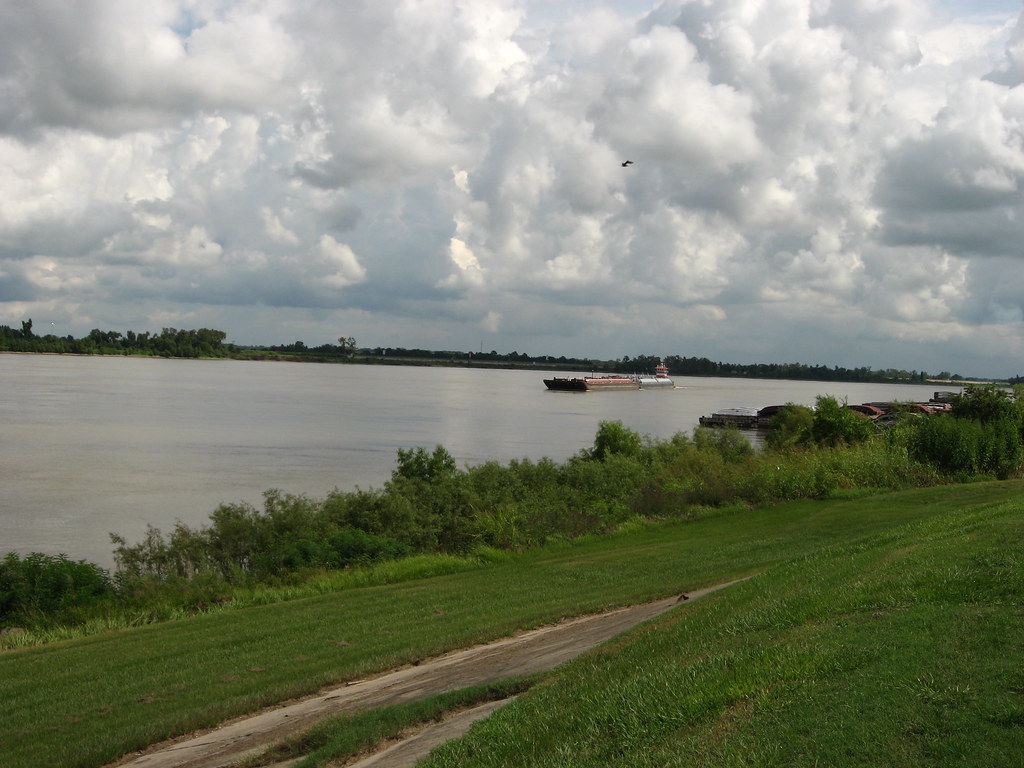
Mississippi River
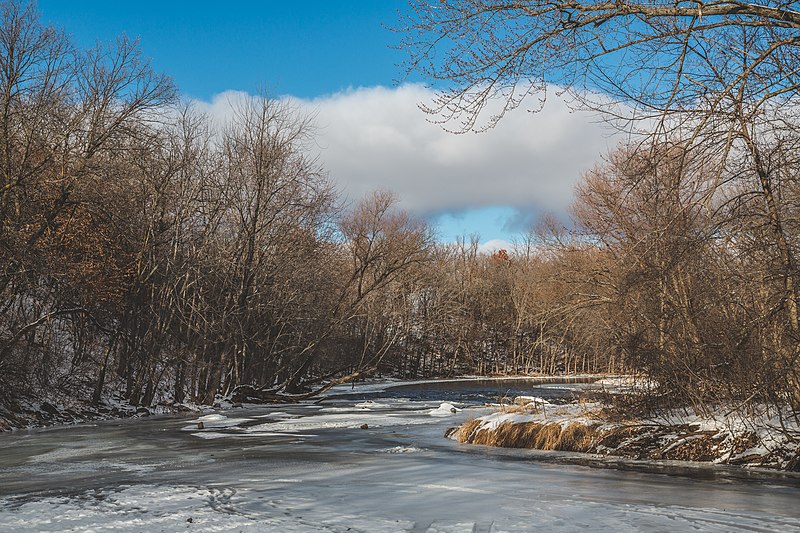
Sauk River
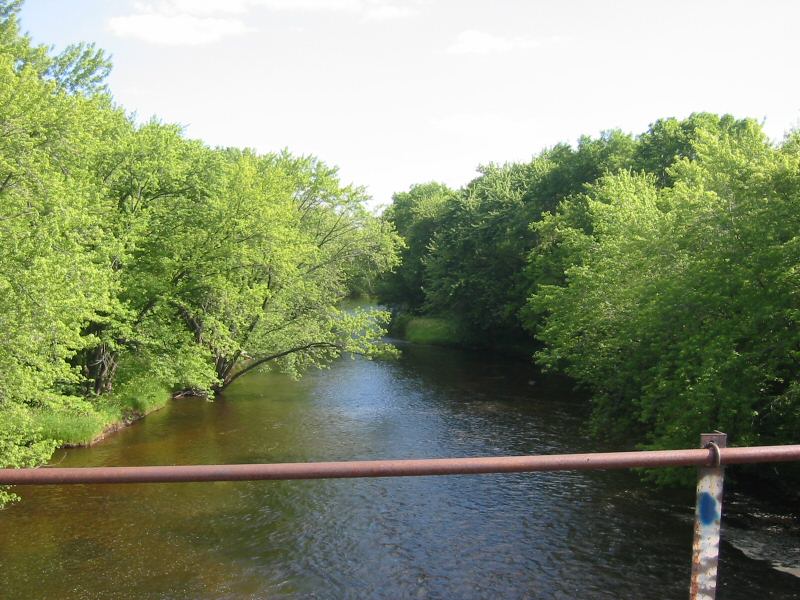
Rum River
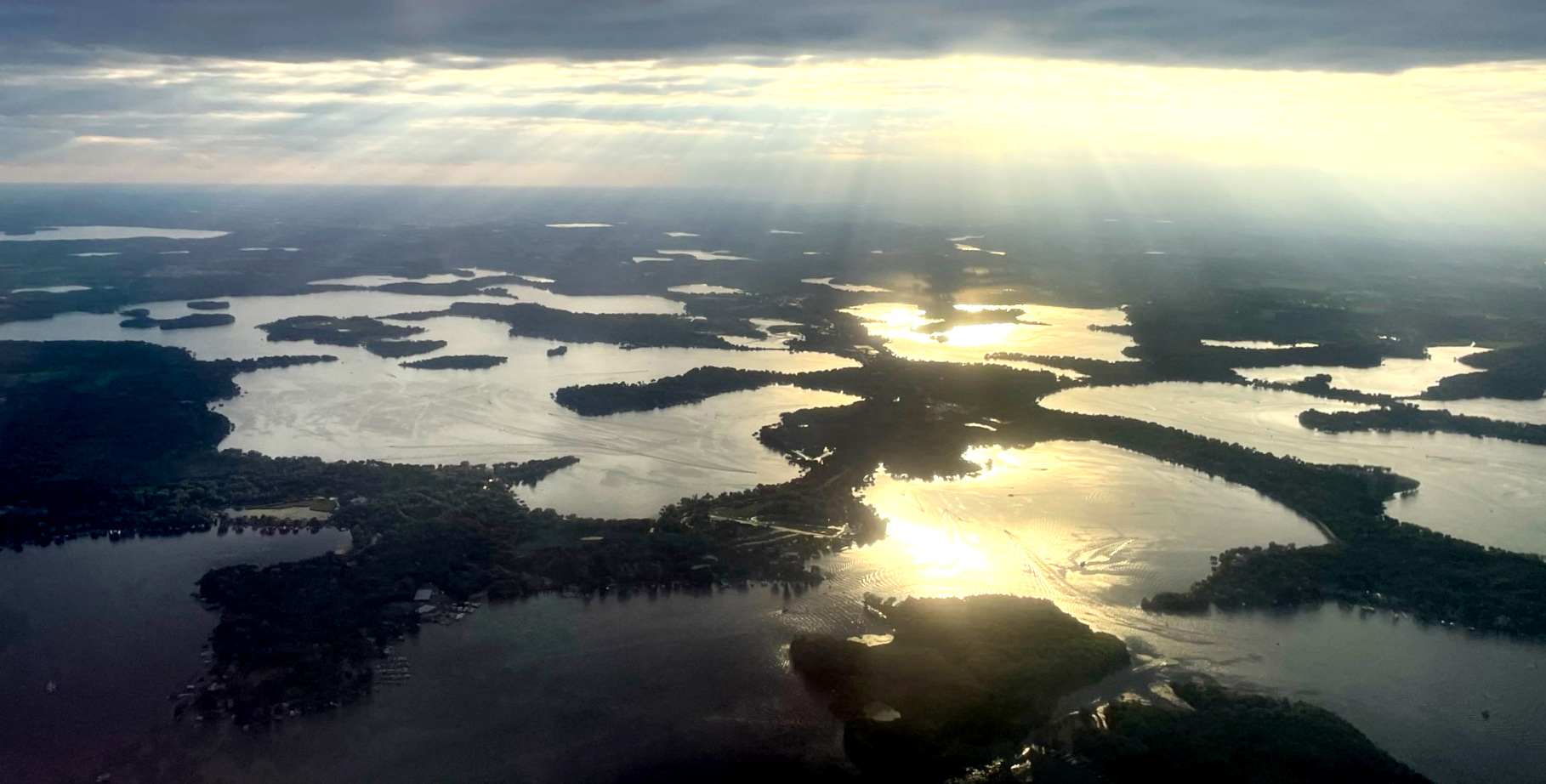
Lake Minnetonka
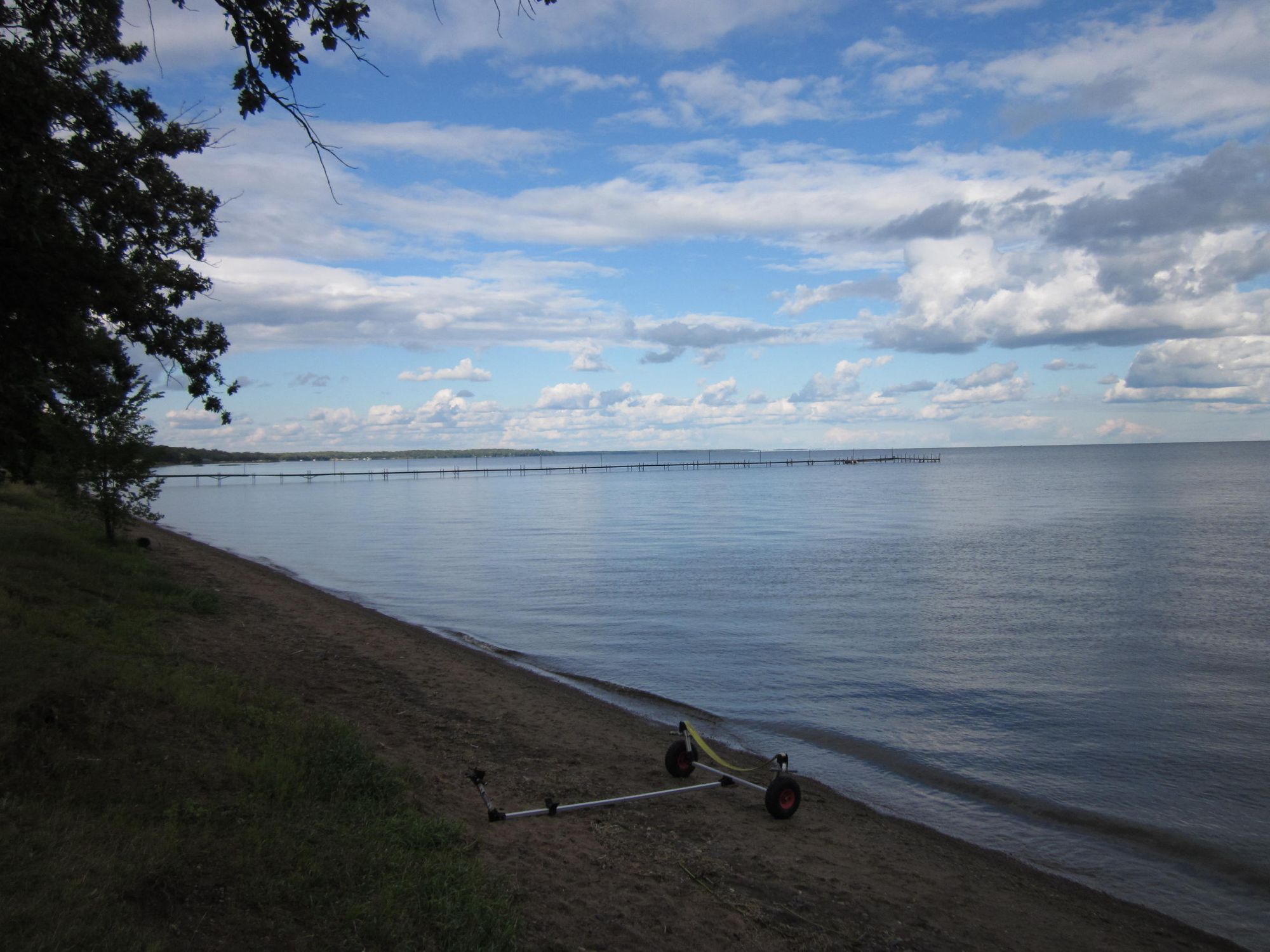
Mille Lacs Lake
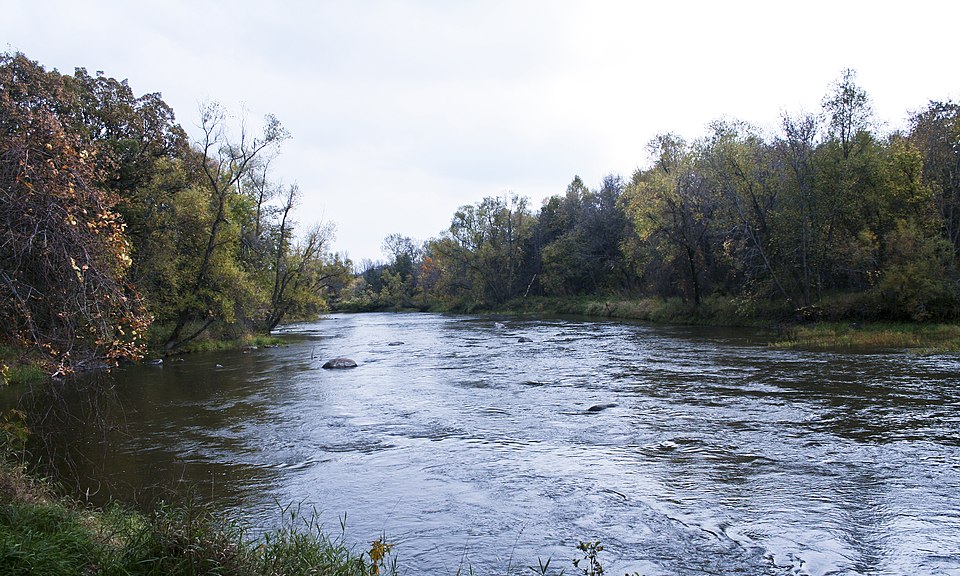
Crow River
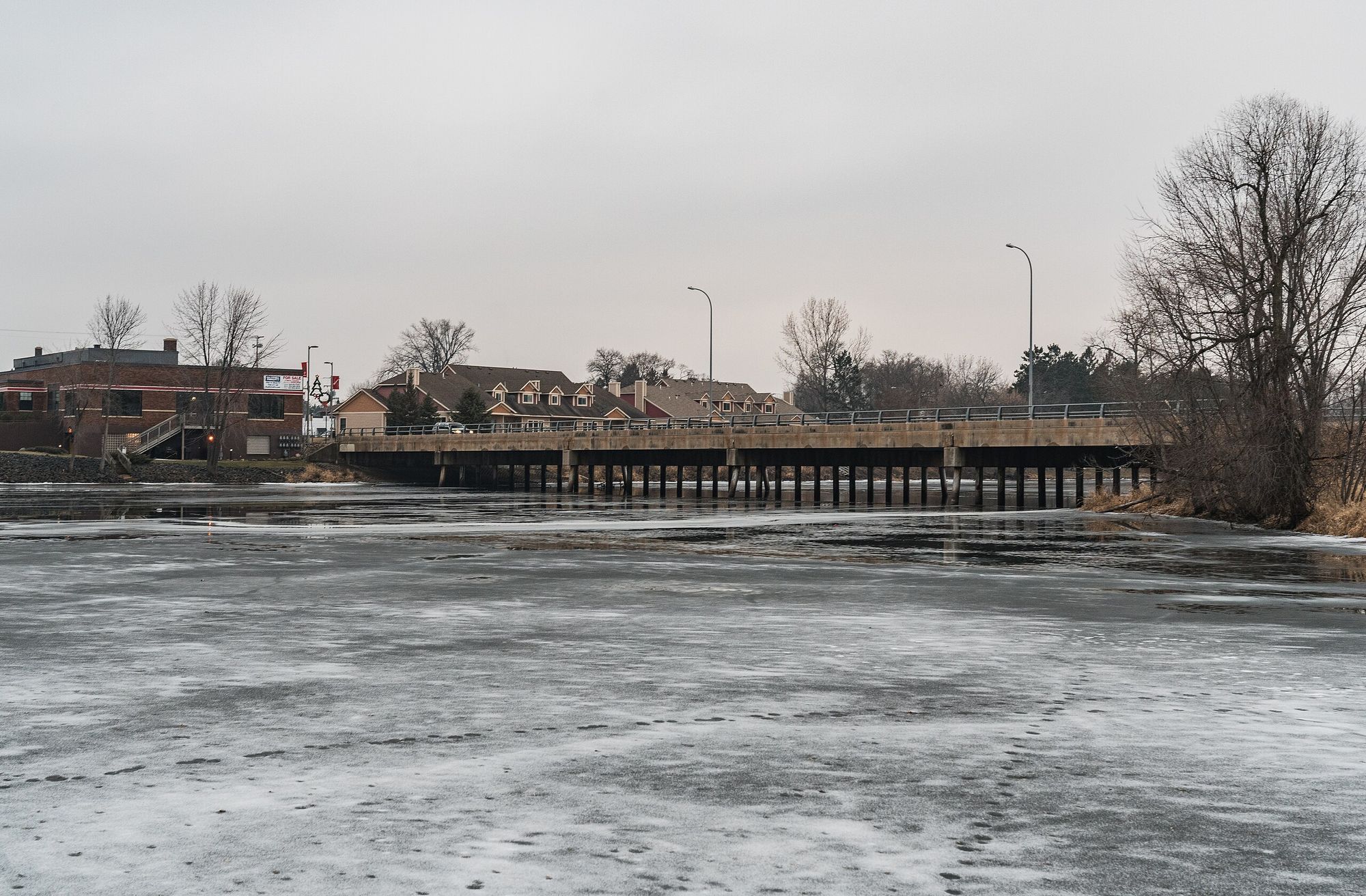
Snake River
Little Rock Lake
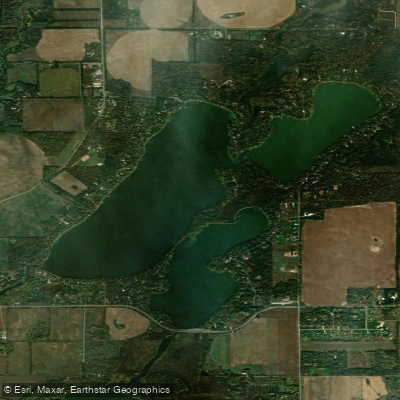
Julia Lake
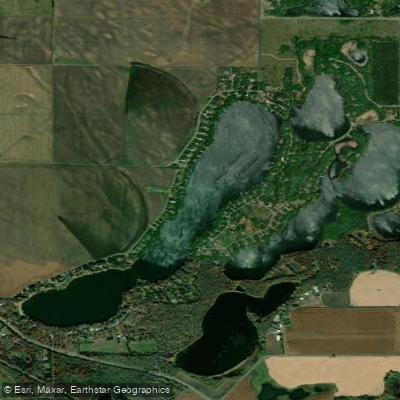
Long Lake
What to know
Habitat Distribution
Minnesota has a robust crappie population distributed across thousands of lakes and river systems statewide. They prefer structure-oriented habitat near submerged timber, brush piles, weed beds, underwater points, humps, and drop-offs in lakes with little current and clear to slightly stained water.Key Locations
Prime Minnesota crappie waters include the Paul Bunyan Country region (Bemidji to Cass County), the Arrowhead Region, Brainerd-Nisswa area, Detroit Lakes, Alexandria-Douglas County, and the Minnesota River system. Productive Minnesota waters include Kabetogama Lake, Lake Vermilion, Mille Lacs, the Woman Lake Chain, Pelican Lake, Lake Minnetonka, and various Mississippi River pools.Specific Spots
Target structure like brush piles, sunken trees, cattail stands, underwater points, humps, deep weedlines, and drop-offs. In spring, focus on south-facing shorelines that warm first, then transition to deeper water (10-20 feet) as summer progresses.Crappie FAQ
Answers from onWater's species guide.
What are the best lures and bait for Crappie in Minnesota?
Small jigs (1/64 to 1/8 ounce) are the most versatile lures - tungsten heads with soft plastic bodies, feathered jigs, or tipped with live minnows, wax worms, or euro-larvae work well. Popular patterns include white bucktail jigs, small crankbaits in firetiger or perch patterns, beetle-spin lures, and spoons.
When is the best time to fish for Crappie in Minnesota?
The optimal crappie fishing window in Minnesota is May through June during pre-spawn when mature fish concentrate in shallow bays, though they can be caught year-round. They remain active throughout winter and can be caught year-round.
How do you catch Crappie in Minnesota?
Key techniques include slip bobber fishing with live minnows at various depths, vertical jigging around structure, spider rigging with multiple rods from boats, trolling small crankbaits along weedlines, and shooting jigs under docks. In winter, use small spoons, tungsten jigs, and live baits through the ice.
What do Crappie eat?
Crappies undergo ontogenetic diet shifts: juveniles feed on zooplankton and insect larvae, while adults transition to primarily fish-based diets including small minnows, shad, and other baitfish, though they opportunistically consume insects, crustaceans, and aquatic invertebrates.
Where do Crappie live in Minnesota?
Minnesota has a robust crappie population distributed across thousands of lakes and river systems statewide. They prefer structure-oriented habitat near submerged timber, brush piles, weed beds, underwater points, humps, and drop-offs in lakes with little current and clear to slightly stained water.
Fish smarter with real-time insights
Whether you're en route and conditions shift or you're looking for the best spot based on current flows, we enable you to make informed decisions on the fly.







See it in the app
Most maps show you water.
onWater shows you Crappie.



- 01 · Species map filter
Map every Crappie water
Pick Crappie and the map zeroes in on the waters they call home. No more guessing which lake holds them.
- 02 · Waterbody species
Tap any water. See what lives there.
Species, behavior and seasonal patterns for every lake, river and pond, before you leave the driveway.
- 03 · Angler Intelligence
Ask how to catch Crappie
Tactics, gear and timing from onWater's AI fishing guide, tuned to the species and the water you're on.
Stop guessing where Crappie are.
Open the map, filter by Crappie, and head to water that holds them. Download onWater and plan your next trip in minutes.
- Species map filter
- Angler Intelligence
- Fishing journal
Explore other species
Trout, bass, salmon, panfish and everything in between. Each guide unpacks the behavior, seasons, and tactics that put fish in the net.

Find which waters have the species you want to catch

Largemouth Bass
Micropterus salmoides

Smallmouth Bass
Micropterus dolomieui

Rainbow Trout
Oncorhynchus mykiss

Brown Trout
Salmo trutta

Brook Trout
Salvelinus fontinalis

Northern Pike
Esox lucius

Muskellunge
Esox masquinongy

Walleye
Sander vitreus

Black Crappie
Pomoxis nigromaculatus

American Eel
Anguilla rostrata

Atlantic Salmon

Bighead Carp
Hypophthalmichthys nobilis

Bigmouth Buffalo
Ictiobus cyprinellus

Black Buffalo
Ictiobus niger

Black Bullhead
Ameiurus melas

Blacknose Dace
Rhinichthys atratulus

Blue Sucker
Cycleptus elongatus

Bowfin
Amia calva

Brown Bullhead
Ameiurus nebulosus

Burbot
Lota lota

Channel Catfish
Ictalurus punctatus

Chinook Salmon
Oncorhynchus tshawytscha

Cisco
Coregonus artedi

Coho Salmon

Common Carp
Cyprinus carpio

Creek Chub
Semotilus atromaculatus

Flathead Catfish

Freshwater Drum
Aplodinotus grunniens

Gizzard Shad
Dorosoma cepedianum

Golden Redhorse
Moxostoma erythrurum

Green Sunfish
Lepomis cyanellus

Lake Sturgeon
Acipenser fulvescens

Lake Trout
Salvelinus namaycush
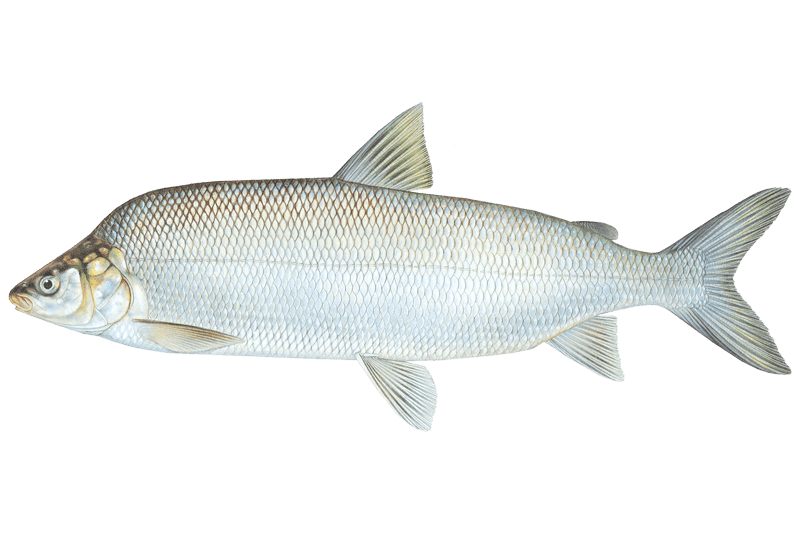
Lake Whitefish
Coregonus clupeaformis

Longear Sunfish
Lepomis megalotis peltastes

Longnose Gar
Lepisosteus osseus

Longnose Sucker
Catostomus catostomus

Northern Hogsucker
Hypentelium nigricans
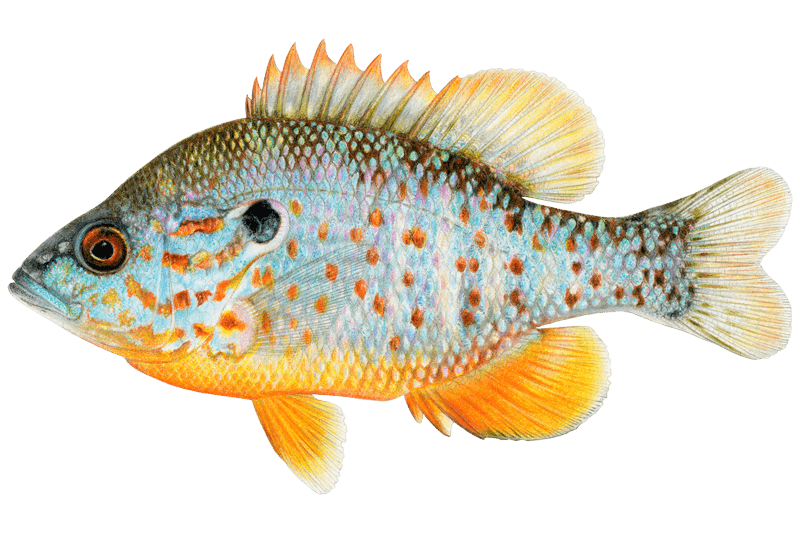
Orangespotted Sunfish

Pink Salmon
Oncorhynchus gorbuscha
Minnesota licenses and regulations

Minnesota Boating Regulations
When using any type of watercraft to access a body of water, it is important to follow all federal, state, and local rules and regulations. These rules and regulations include boat permitting and licensing, invasive species inspections and stamps, life jacket and PFD rules, motor size and horsepower restrictions, noise limitations, restrictions on personal watercraft, and many more. Visit the web link below for the most current rules and regulations for this body of water.

Minnesota Fishing License
You need to buy a Minnesota fishing license if you're 16 or older. Annual licenses allow you to fish from March 1 to the last day of February the following year. Lower-cost licenses are available for shorter time periods. There is an added cost to fish for trout, salmon or sturgeon. All non-residents, regardless of age, must buy a fishing license.

Minnesota Fishing Regulations
This river has a variety of species and regulations, including potential floating and/or watercraft restrictions. Because this river is specially managed for species, seasons, angling methods, and watercraft, it is strongly encouraged you check all federal, state, and local regulations before fishing. Visit any of the links below, inquire locally, or contact a local fly shop to learn current regulations and restrictions.

Minnesota Stream Access Laws
A Minnesota waterway is navigable if it’s capable of travel, recreational or commercial. The state owns navigable streambeds, which are open to public recreation. All surface waters and groundwater, except for surface waters not confined, are waters of the state.
Explore nearby waters
Explore Minnesota waters
Top fishing waters
Popular Cities
Loading popular cities...
Smarter Fishing Starts in the App.
onWater Fish gives you everything you need to plan smarter, fish better, and own every trip from first cast to last.