Blunt Nose Minnow

The Bluntnose Minnow is one of Minnesota's most abundant native freshwater fish, distributed throughout all major drainage basins in the state.
As a crucial forage species, they serve as primary food for walleyes, northern pike, bass, trout, and various birds, making their presence an indicator of healthy predator populations.
Scientific Name: Pimephales notatus
- Small cyprinids typically measure 6.5 cm (2.6 inches) long, reaching a maximum of 11 cm (4.3 inches), distinguished by their blunt, flattened snout, pale olive upper body, silvery lower body with bluish scales near the lateral line, and a distinctive black spot at the tail end of their lateral line.
Fishing in Minnesota
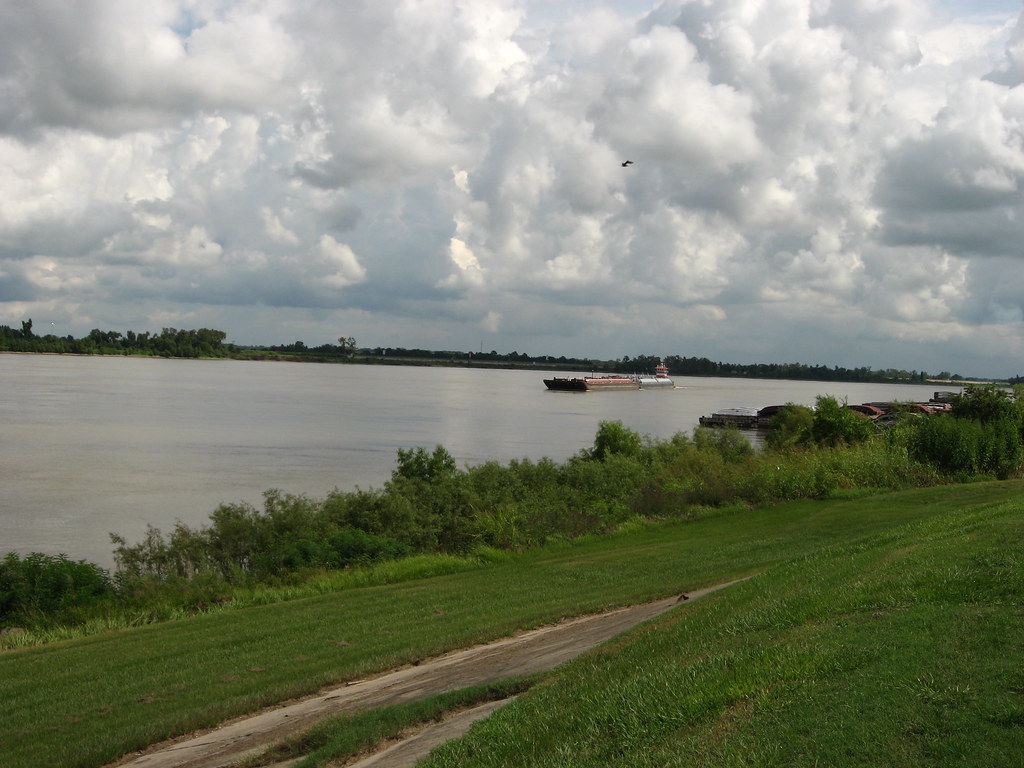
Mississippi River
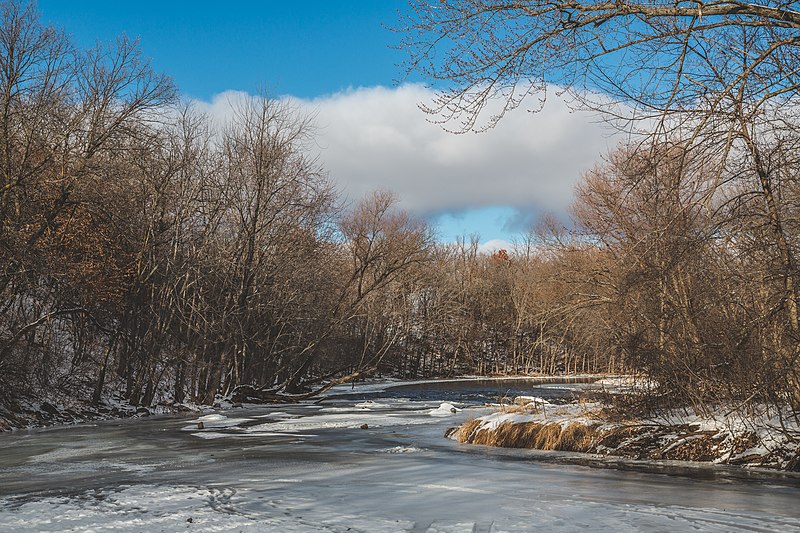
Sauk River
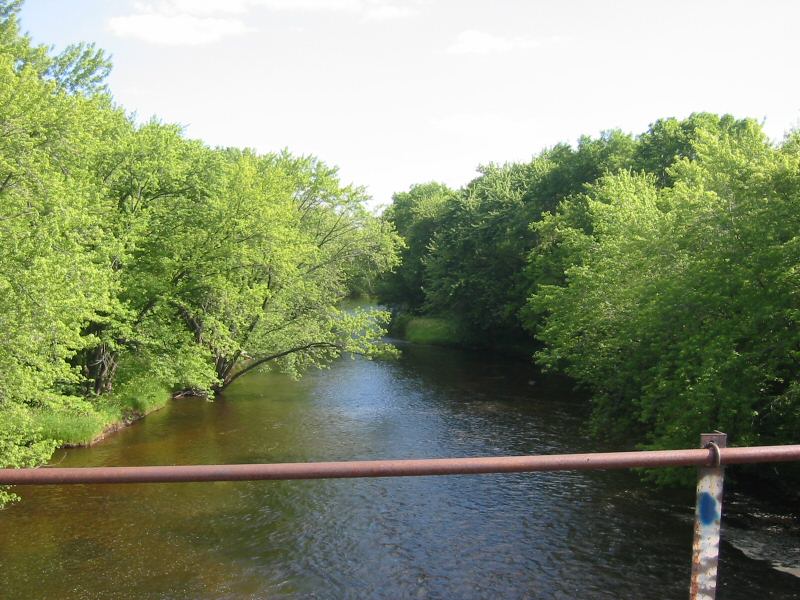
Rum River
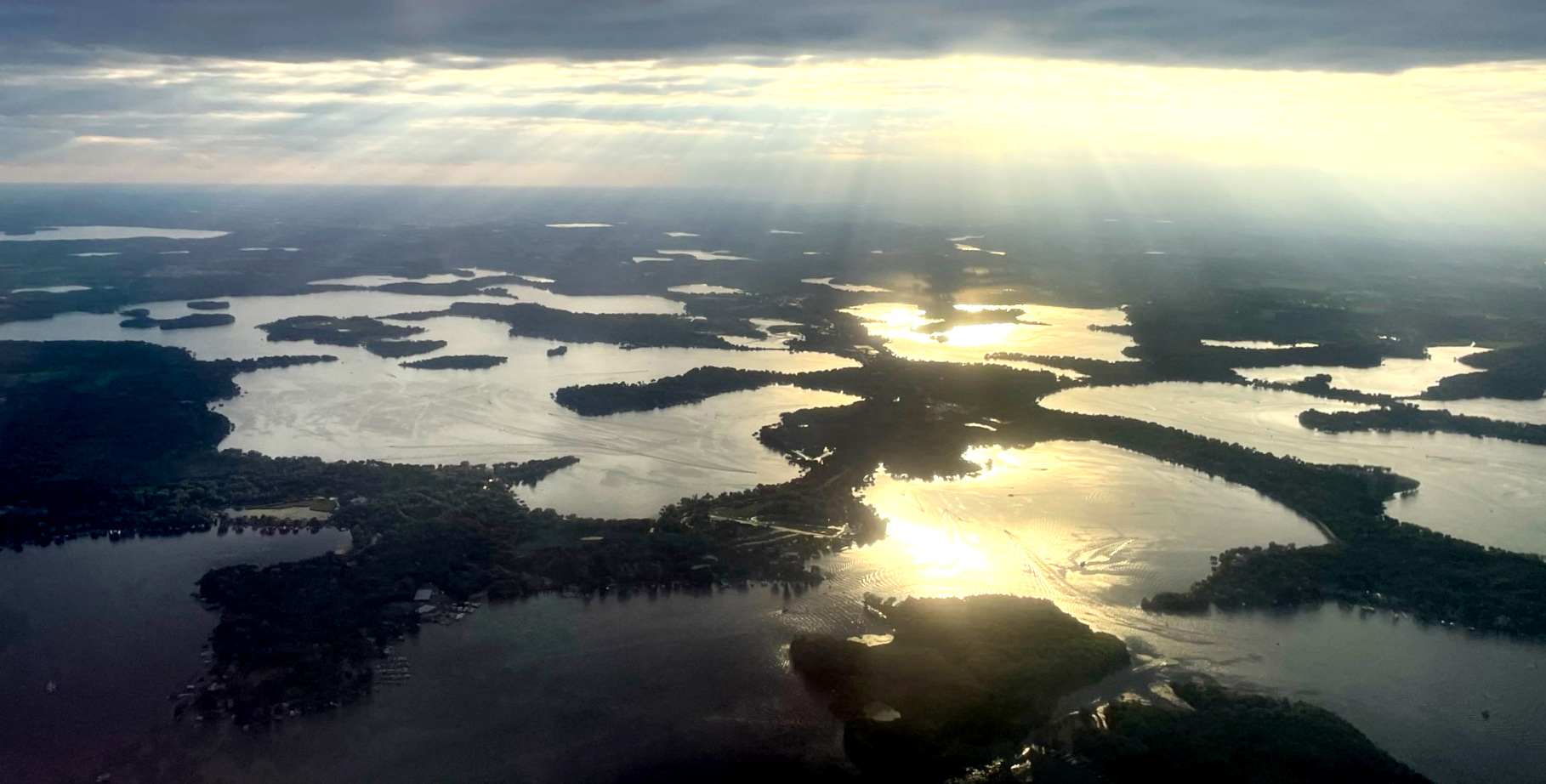
Lake Minnetonka
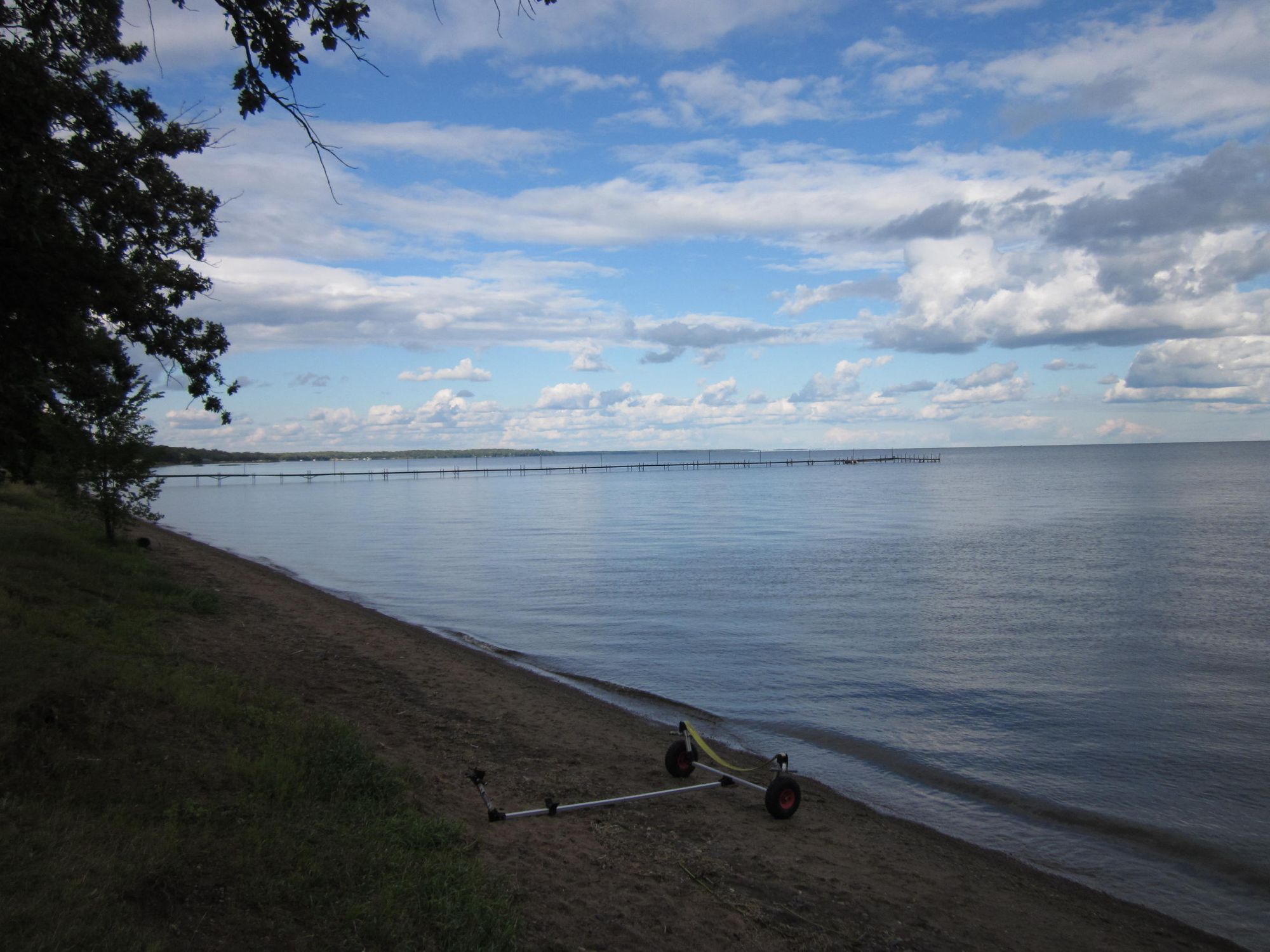
Mille Lacs Lake
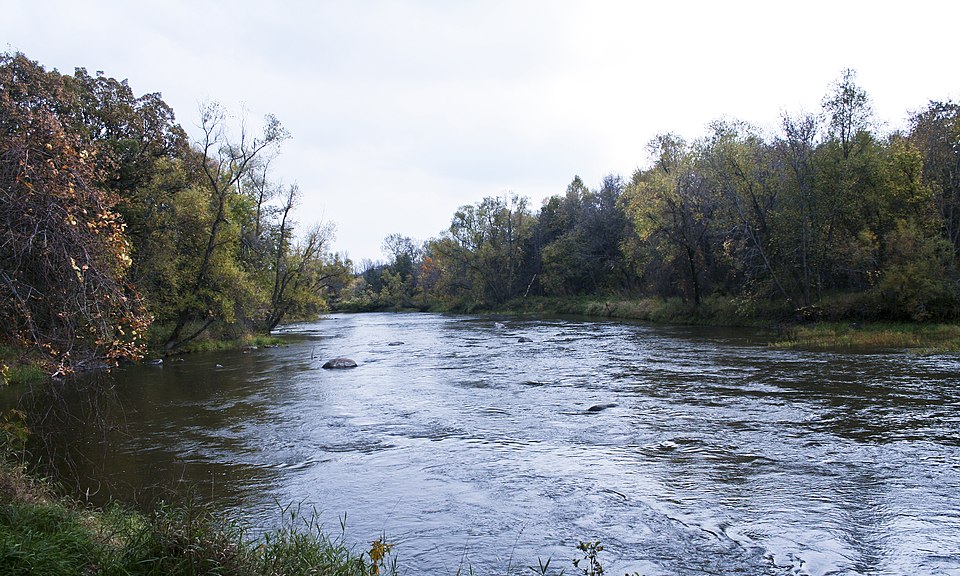
Crow River
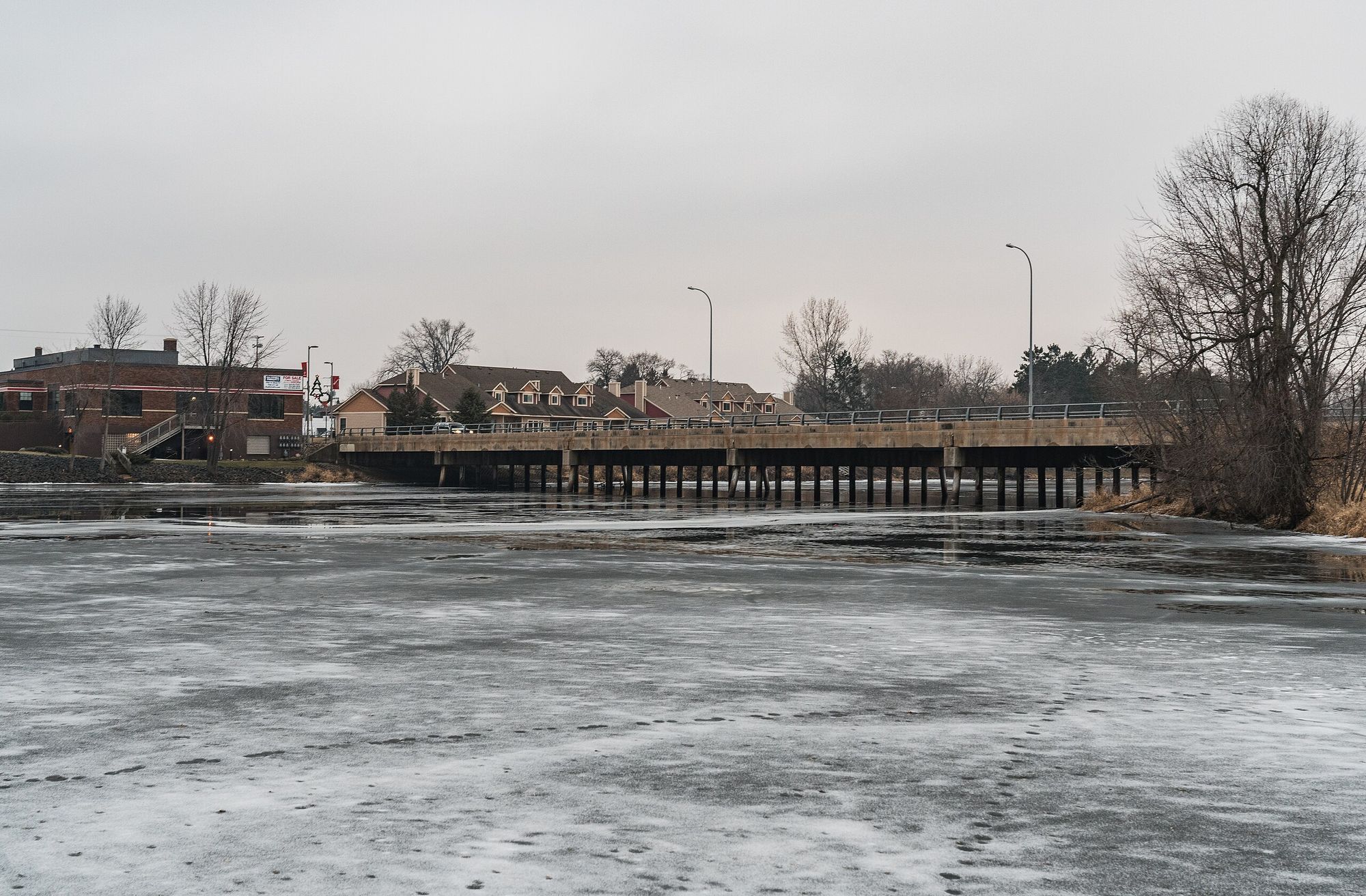
Snake River
Little Rock Lake
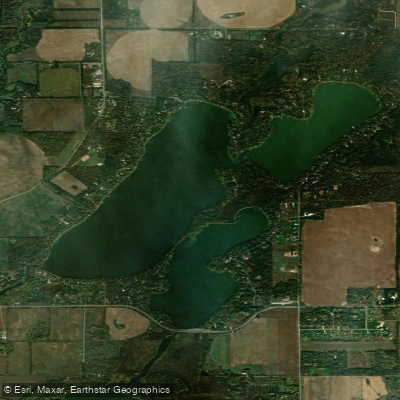
Julia Lake
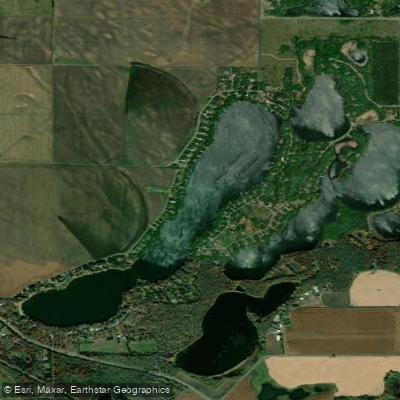
Long Lake
What to know
Habitat Distribution
- Distributed throughout all major drainage basins in the state.
- They prefer clear, rocky streams and small to medium rivers with sandy or gravel bottoms, though they also inhabit lakes, ponds, and beaver impoundments.
Key Locations
- Red River, Rainy River, Upper Mississippi River, Superior, St.
- Croix, Minnesota River, Missouri River, and Lower Mississippi River systems.
- Productive locations include vegetated shorelines and areas with moderate current in Minnesota's tributary streams to major rivers.
Specific Spots
- Fish close to shore in shallow waters near shoreline vegetation and structure, especially around submergent vegetation beds where they commonly feed and school.
- In streams and small rivers, focus on downstream ends of riffles, pools, and beaver ponds where they congregate.
- Vegetated areas and vegetation edges.
Blunt Nose Minnow FAQ
Answers from onWater's species guide.
What are the best lures and bait for Blunt Nose Minnow in Minnesota?
Small red worms and bloodworms, small jigs (1/16 oz or lighter) tipped with red worms.
When is the best time to fish for Blunt Nose Minnow in Minnesota?
Spring through fall when water temperatures are favorable. Most productive in late spring through early fall. In winter, they can be caught through the ice. Avoid fishing during their spawning period (late May through early August) to protect reproductive populations.
How do you catch Blunt Nose Minnow in Minnesota?
Light bobber rigs set 18-25 inches deep, set bobbers at shallow depths since these fish prefer the upper water column near cover, small jigs actively jigged near bottom structure or vegetation edges.
What do Blunt Nose Minnow eat?
Opportunistic omnivores, feeding on aquatic insects and larvae (especially midge larvae and pupae), algae, diatoms, small crustaceans called entomostracans, and occasionally fish e.g.gs or small fish.
Where do Blunt Nose Minnow live in Minnesota?
Distributed throughout all major drainage basins in the state. They prefer clear, rocky streams and small to medium rivers with sandy or gravel bottoms, though they also inhabit lakes, ponds, and beaver impoundments.
Fish smarter with real-time insights
Whether you're en route and conditions shift or you're looking for the best spot based on current flows, we enable you to make informed decisions on the fly.







See it in the app
Most maps show you water.
onWater shows you Blunt Nose Minnow.



- 01 · Species map filter
Map every Blunt Nose Minnow water
Pick Blunt Nose Minnow and the map zeroes in on the waters they call home. No more guessing which lake holds them.
- 02 · Waterbody species
Tap any water. See what lives there.
Species, behavior and seasonal patterns for every lake, river and pond, before you leave the driveway.
- 03 · Angler Intelligence
Ask how to catch Blunt Nose Minnow
Tactics, gear and timing from onWater's AI fishing guide, tuned to the species and the water you're on.
Stop guessing where Blunt Nose Minnow are.
Open the map, filter by Blunt Nose Minnow, and head to water that holds them. Download onWater and plan your next trip in minutes.
- Species map filter
- Angler Intelligence
- Fishing journal
Explore other species
Trout, bass, salmon, panfish and everything in between. Each guide unpacks the behavior, seasons, and tactics that put fish in the net.

Find which waters have the species you want to catch

Largemouth Bass
Micropterus salmoides

Smallmouth Bass
Micropterus dolomieui

Rainbow Trout
Oncorhynchus mykiss

Brown Trout
Salmo trutta

Brook Trout
Salvelinus fontinalis

Northern Pike
Esox lucius

Muskellunge
Esox masquinongy

Walleye
Sander vitreus

Black Crappie
Pomoxis nigromaculatus

American Eel
Anguilla rostrata

Atlantic Salmon

Bighead Carp
Hypophthalmichthys nobilis

Bigmouth Buffalo
Ictiobus cyprinellus

Black Buffalo
Ictiobus niger

Black Bullhead
Ameiurus melas

Blacknose Dace
Rhinichthys atratulus

Blue Sucker
Cycleptus elongatus

Bowfin
Amia calva

Brown Bullhead
Ameiurus nebulosus

Burbot
Lota lota

Channel Catfish
Ictalurus punctatus

Chinook Salmon
Oncorhynchus tshawytscha

Cisco
Coregonus artedi

Coho Salmon

Common Carp
Cyprinus carpio

Creek Chub
Semotilus atromaculatus

Flathead Catfish

Freshwater Drum
Aplodinotus grunniens

Gizzard Shad
Dorosoma cepedianum

Golden Redhorse
Moxostoma erythrurum

Green Sunfish
Lepomis cyanellus

Lake Sturgeon
Acipenser fulvescens

Lake Trout
Salvelinus namaycush
Lake Whitefish
Coregonus clupeaformis

Longear Sunfish
Lepomis megalotis peltastes

Longnose Gar
Lepisosteus osseus

Longnose Sucker
Catostomus catostomus

Northern Hogsucker
Hypentelium nigricans
Orangespotted Sunfish

Pink Salmon
Oncorhynchus gorbuscha
Minnesota licenses and regulations

Minnesota Boating Regulations
When using any type of watercraft to access a body of water, it is important to follow all federal, state, and local rules and regulations. These rules and regulations include boat permitting and licensing, invasive species inspections and stamps, life jacket and PFD rules, motor size and horsepower restrictions, noise limitations, restrictions on personal watercraft, and many more. Visit the web link below for the most current rules and regulations for this body of water.

Minnesota Fishing License
You need to buy a Minnesota fishing license if you're 16 or older. Annual licenses allow you to fish from March 1 to the last day of February the following year. Lower-cost licenses are available for shorter time periods. There is an added cost to fish for trout, salmon or sturgeon. All non-residents, regardless of age, must buy a fishing license.

Minnesota Fishing Regulations
This river has a variety of species and regulations, including potential floating and/or watercraft restrictions. Because this river is specially managed for species, seasons, angling methods, and watercraft, it is strongly encouraged you check all federal, state, and local regulations before fishing. Visit any of the links below, inquire locally, or contact a local fly shop to learn current regulations and restrictions.

Minnesota Stream Access Laws
A Minnesota waterway is navigable if it’s capable of travel, recreational or commercial. The state owns navigable streambeds, which are open to public recreation. All surface waters and groundwater, except for surface waters not confined, are waters of the state.
Explore nearby waters
Explore Minnesota waters
Top fishing waters
Popular Cities
Loading popular cities...
Smarter Fishing Starts in the App.
onWater Fish gives you everything you need to plan smarter, fish better, and own every trip from first cast to last.