White Bullhead

White Bullhead (Ameiurus catus) in Arkansas is an introduced species that was originally native to coastal river systems of the eastern United States.
According to the Arkansas Game and Fish Commission, white bullheads were introduced into Arkansas lakes and ponds but apparently have no established reproducing populations in the state.
Scientific Name: Ameiurus catus
- Distinguished from other bullhead species by their white chin barbels, moderately forked caudal fin, and 22-24 anal fin rays.
Fishing in Arkansas
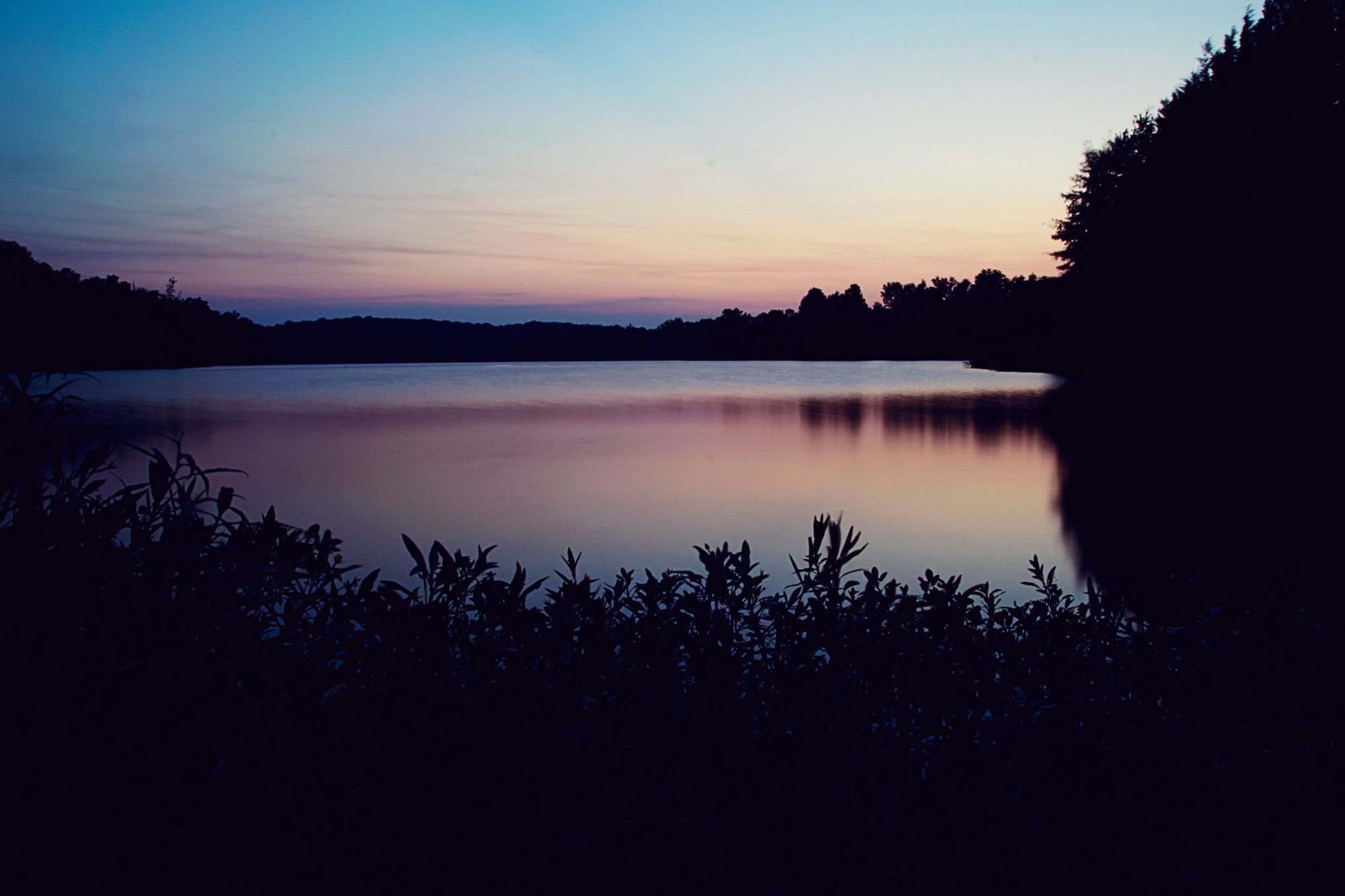
Lake Conway
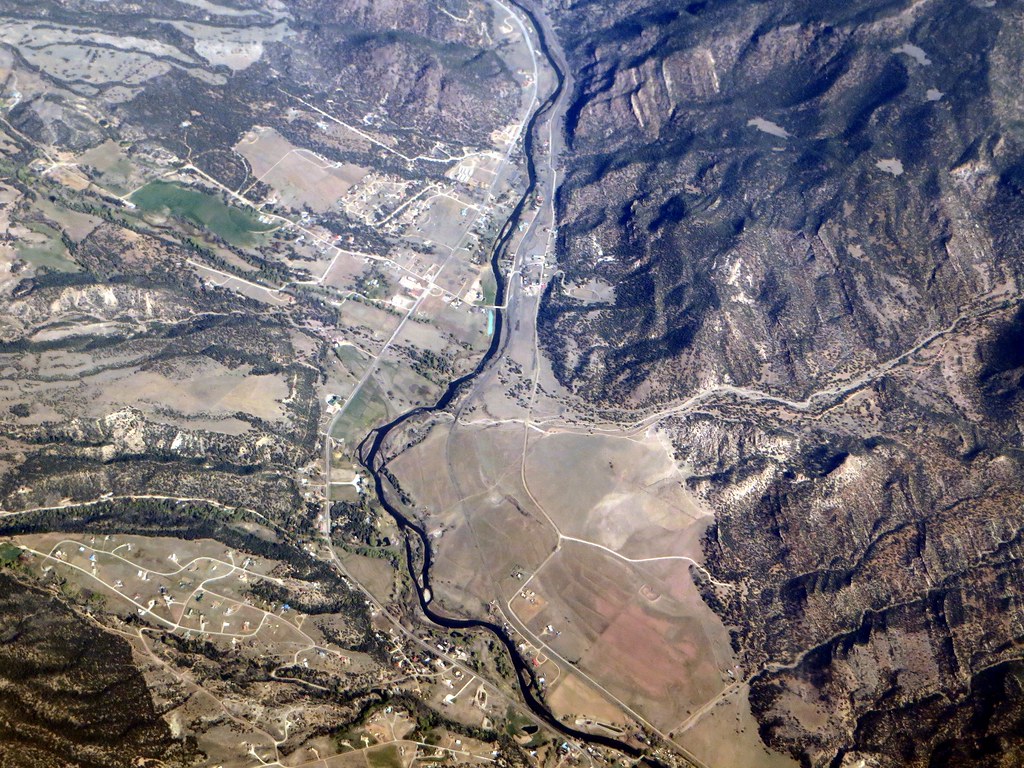
Arkansas River
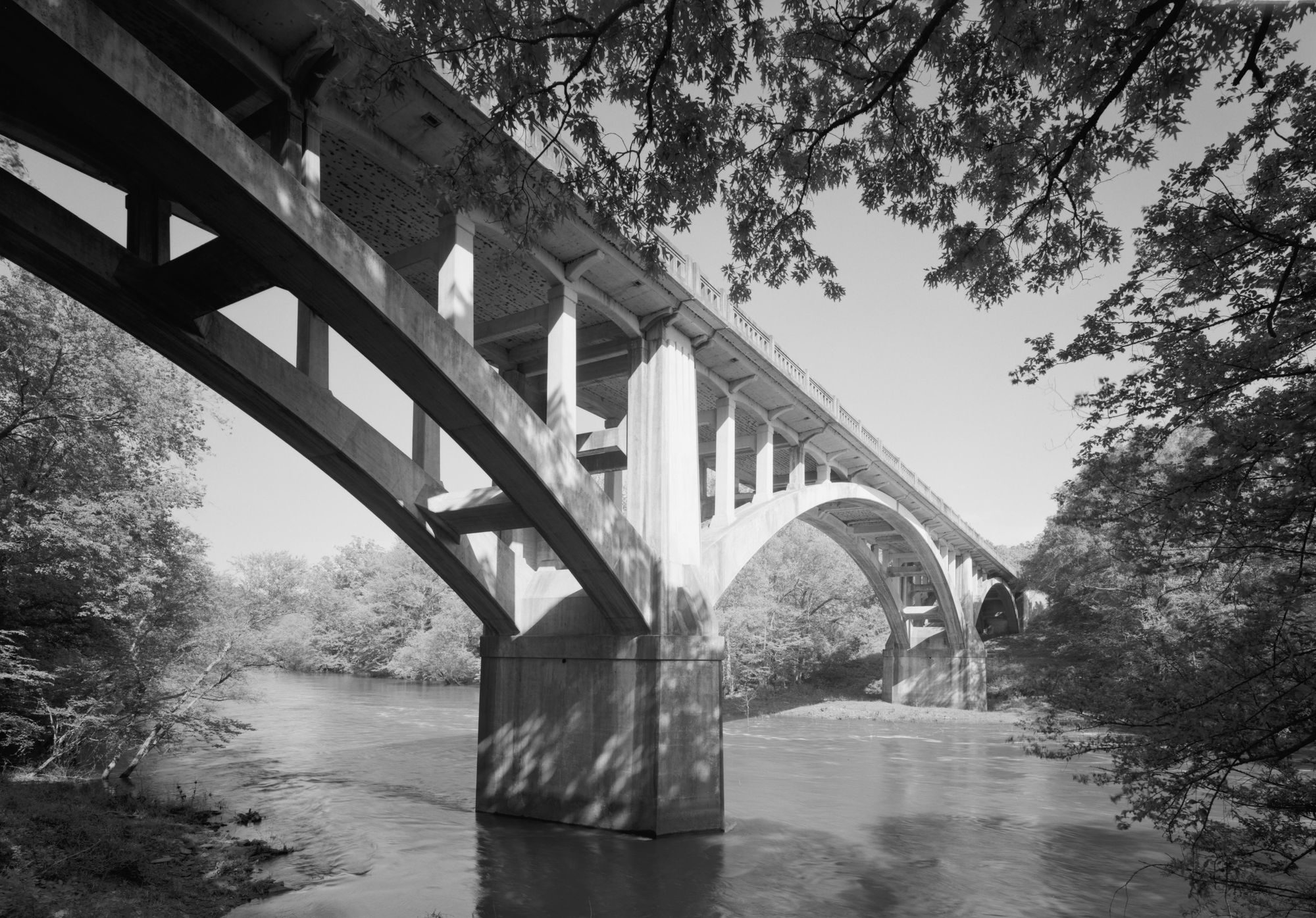
Fourche LaFave River
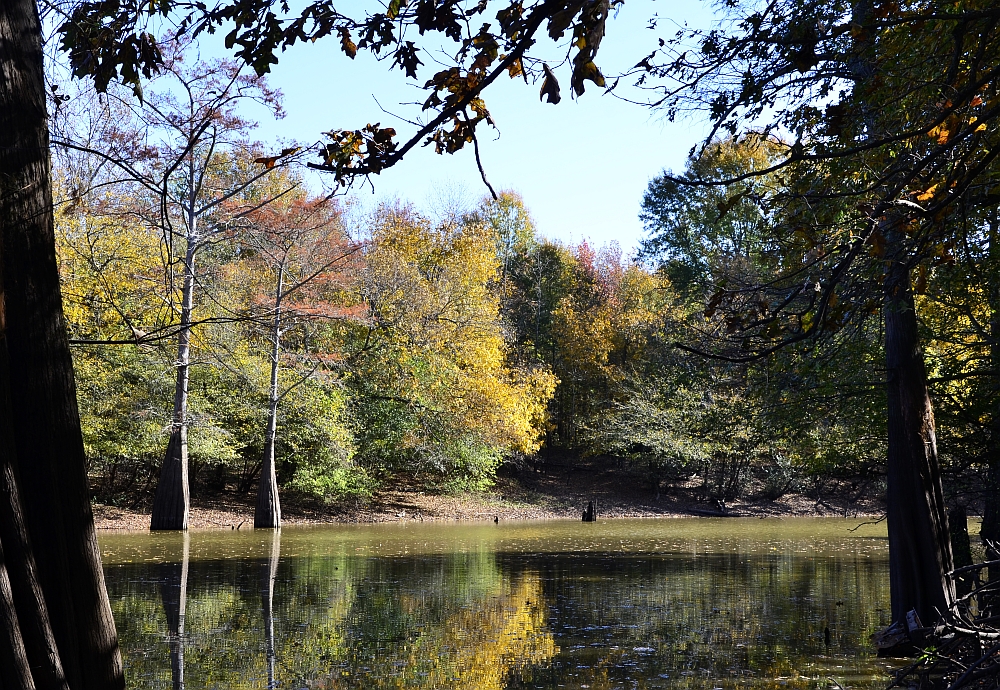
Bayou Meto
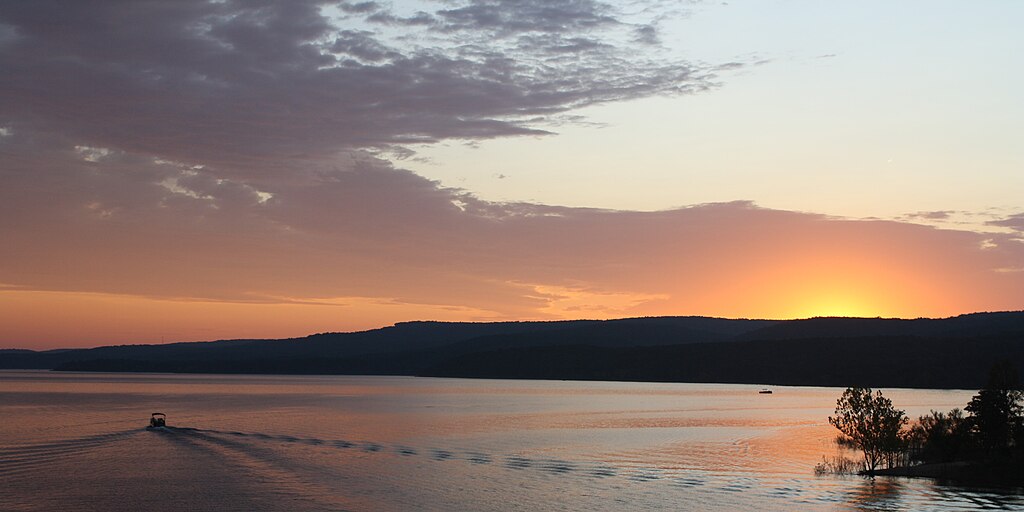
Greers Ferry Lake
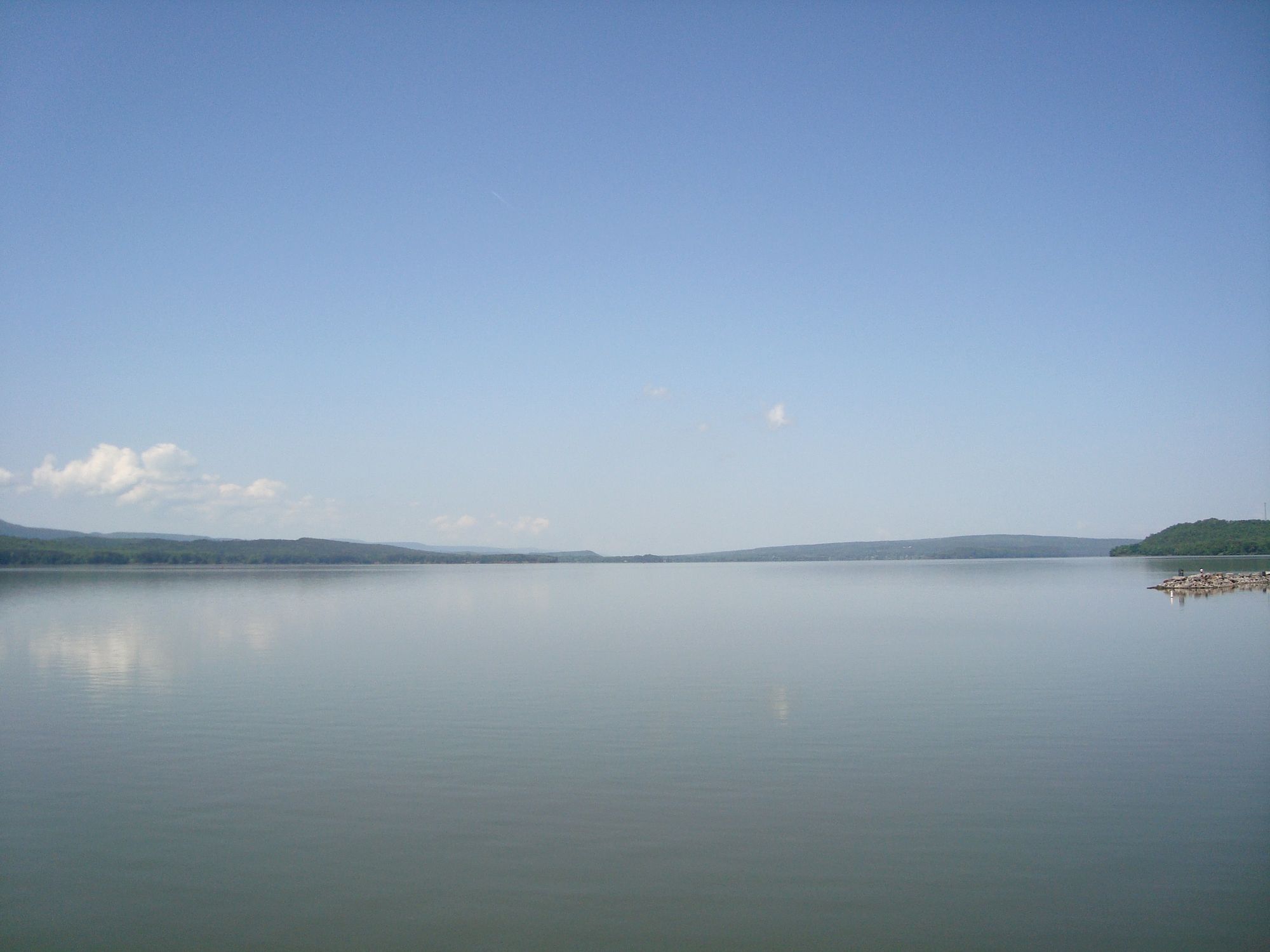
Lake Dardanelle
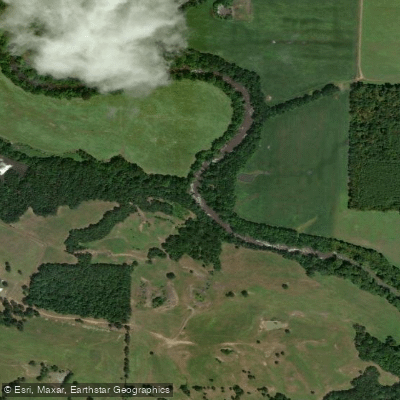
Petit Jean River
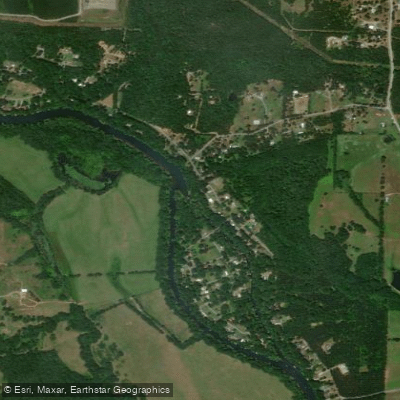
Little Red River
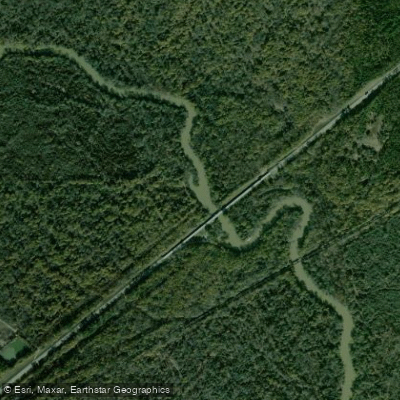
Saline River
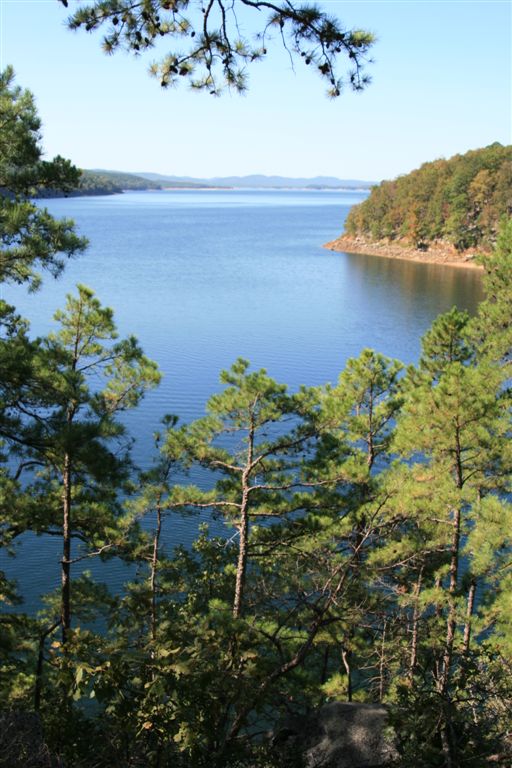
Lake Ouachita
What to know
Habitat Distribution
- Prefer silty water with soft muddy bottoms and avoid cold, clear water with strong currents, often inhabiting farm ponds, sluggish streams, and backwaters.
Key Locations
- Bodcau Bayou, the Illinois River, Lake Conway/Point Remove area, Lower Ouachita River at Smackover (Union County), Lower White River at Bayou Des Arc, and Upper Saline River.
- Focus on farm ponds, sluggish backwaters, and the muddy, silty areas of lakes and rivers, particularly around Lake Conway, the Lower White River system, and tributaries of the Ouachita and Saline rivers.
Specific Spots
- Target areas with soft substrates, fallen timber, undercut banks, and vegetation where they feel secure during daylight hours.
White Bullhead FAQ
Answers from onWater's species guide.
What are the best lures and bait for White Bullhead in Arkansas?
Nightcrawlers, redworms, chicken liver, cut bait, corn, crickets, and small minnows - the stronger the scent, the better, as these fish rely heavily on smell and taste rather than sight.
When is the best time to fish for White Bullhead in Arkansas?
Best targeted during late spring through early fall, with prime fishing from May through September when water temperatures are consistently warm. Avoid fishing during their April-July spawning period to protect nesting fish.
How do you catch White Bullhead in Arkansas?
Use bottom-fishing techniques with circle hooks and sinkers to keep baits on or near the muddy bottom.
What do White Bullhead eat?
As omnivorous bottom feeders, they consume insects, worms, crustaceans, small fish, and aquatic plants, feeding primarily at night using their sensitive barbels to locate food in murky conditions.
Where do White Bullhead live in Arkansas?
Prefer silty water with soft muddy bottoms and avoid cold, clear water with strong currents, often inhabiting farm ponds, sluggish streams, and backwaters.
Fish smarter with real-time insights
Whether you're en route and conditions shift or you're looking for the best spot based on current flows, we enable you to make informed decisions on the fly.







See it in the app
Most maps show you water.
onWater shows you White Bullhead.



- 01 · Species map filter
Map every White Bullhead water
Pick White Bullhead and the map zeroes in on the waters they call home. No more guessing which lake holds them.
- 02 · Waterbody species
Tap any water. See what lives there.
Species, behavior and seasonal patterns for every lake, river and pond, before you leave the driveway.
- 03 · Angler Intelligence
Ask how to catch White Bullhead
Tactics, gear and timing from onWater's AI fishing guide, tuned to the species and the water you're on.
Stop guessing where White Bullhead are.
Open the map, filter by White Bullhead, and head to water that holds them. Download onWater and plan your next trip in minutes.
- Species map filter
- Angler Intelligence
- Fishing journal
Explore other species
Trout, bass, salmon, panfish and everything in between. Each guide unpacks the behavior, seasons, and tactics that put fish in the net.

Find which waters have the species you want to catch

Largemouth Bass
Micropterus salmoides

Smallmouth Bass
Micropterus dolomieu

Rainbow Trout

Brown Trout

Brook Trout

Cutthroat Trout

Northern Pike

Muskellunge

Walleye
Sander vitreus

Black Crappie
Pomoxis nigromaculatus
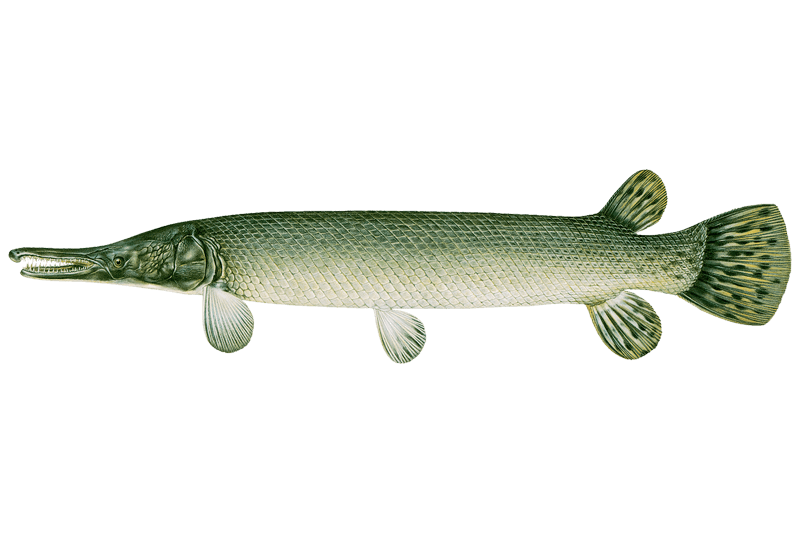
Alligator Gar
Atractosteus spatula

American Eel
Anguilla rostrata

American Shad
Alosa sapidissima

Bighead Carp
Hypophthalmichthys nobilis

Bigmouth Buffalo
Ictiobus cyprinellus

Black Buffalo
Ictiobus niger

Black Bullhead
Ameiurus melas

Blue Catfish
Ictalurus furcatus

Bowfin
Amia calva

Brown Bullhead
Ameiurus nebulosus

Chain Pickerel
Esox niger

Channel Catfish
Ictalurus punctatus

Common Carp
Cyprinus carpio

Creek Chub
Semotilus atromaculatus

Flathead Catfish
Pylodictis olivaris

Flier
Centrarchus macropterus

Freshwater Drum
Aplodinotus grunniens

Gizzard Shad
Dorosoma cepedianum

Grass Carp
Ctenopharyngodon idella

Green Sunfish
Lepomis cyanellus

Lake Sturgeon
Acipenser fulvescens

Lake Trout
Salvelinus namaycush

Longear Sunfish
Lepomis megalotis

Longnose Gar
Lepisosteus osseus

Northern Hogsucker
Hypentelium nigricans
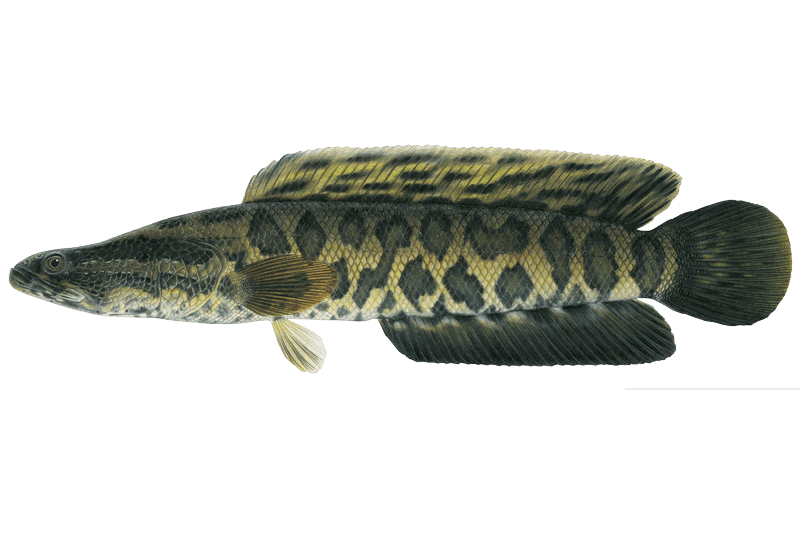
Northern Snakehead
Channa argus
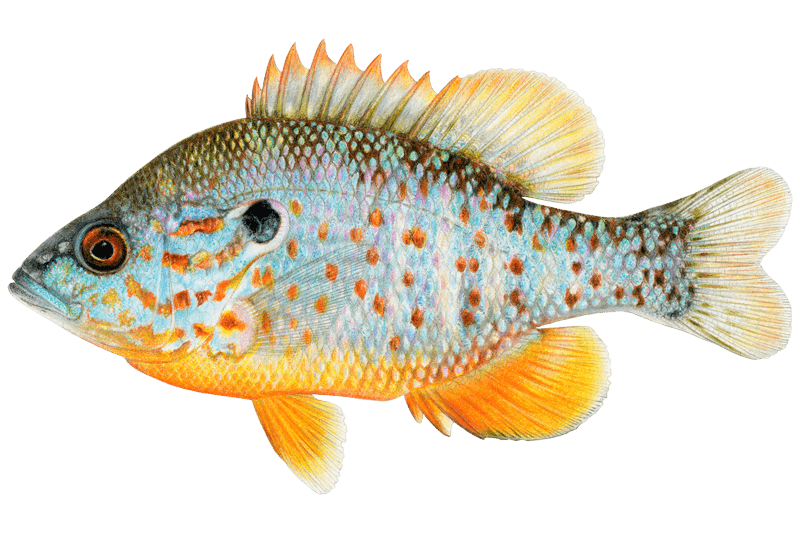
Orangespotted Sunfish
Lepomis humilis

Pumpkinseed
Lepomis gibbosus
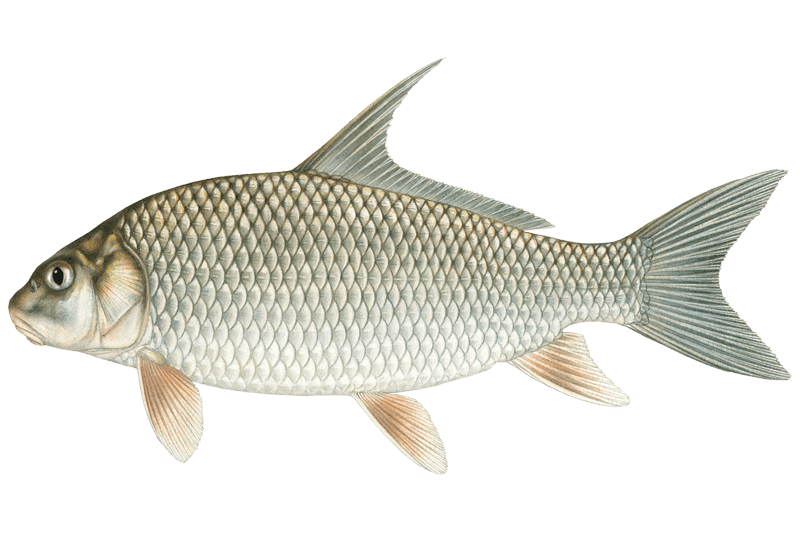
Quillback
Carpiodes cyprinus
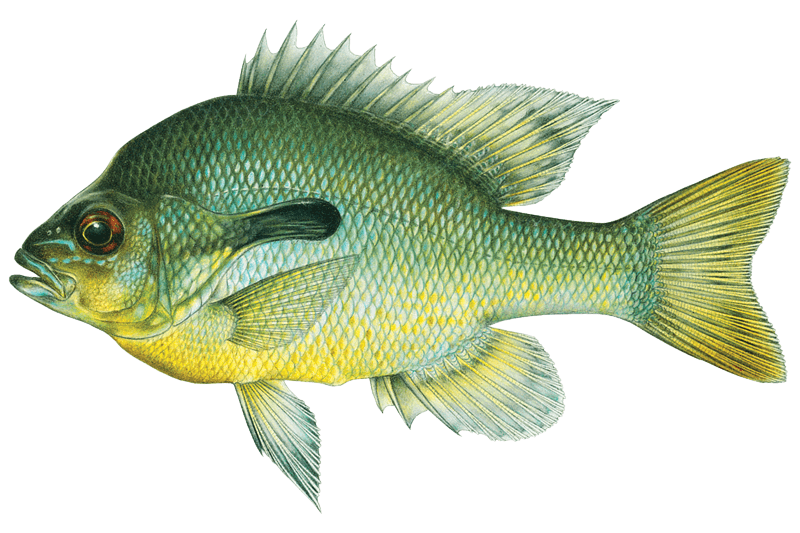
Redbreast Sunfish
Lepomis auritus
Arkansas licenses and regulations

Arkansas Boating Regulations
When using any type of watercraft to access a body of water, it is important to follow all federal, state, and local rules and regulations. These rules and regulations include boat permitting and licensing, invasive species inspections and stamps, life jacket and PFD rules, motor size and horsepower restrictions, noise limitations, restrictions on personal watercraft, and many more. Visit the web link below for the most current rules and regulations for this body of water.

Arkansas Fishing License
If you are 16 or older, you must carry a valid fishing license to take or attempt to take aquatic wildlife in Arkansas, unless you are fishing in a licensed “put-and-take” pay lake. A trout permit is required to fish for trout in certain waters (tailwaters below Beaver Lake, Bull Shoals Lake, Norfork Lake, Greers Ferry Lake, Lake Greeson or east of Highway 59 on Spavinaw Creek) or to keep trout from any Arkansas waters.

Arkansas Fishing Regulations
This river has a variety of species and regulations, including potential floating and/or watercraft restrictions. Because this river is specially managed for species, seasons, angling methods, and watercraft, it is strongly encouraged you check all federal, state, and local regulations before fishing. Visit any of the links below, inquire locally, or contact a local fly shop to learn current regulations and restrictions.

Arkansas Stream Access Laws
If a waterway can carry a small boat for six months out of the year, it is considered navigable and available for public use. This includes streambed access up to the high water mark. However, access to the waterway through private land is not guaranteed.
Explore nearby waters
Explore Arkansas waters
Top fishing waters
Popular Cities
Loading popular cities...

Smarter Fishing Starts in the App.
onWater Fish gives you everything you need to plan smarter, fish better, and own every trip from first cast to last.