Alligator Gar
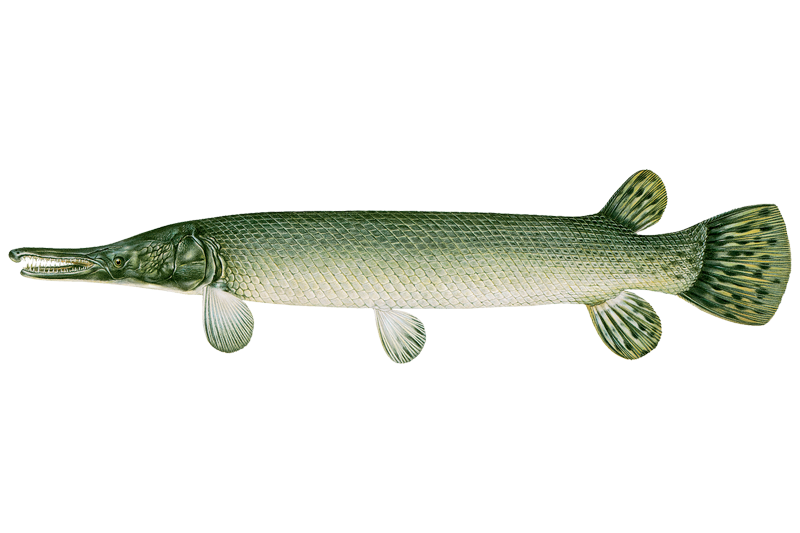
Arkansas's largest gar species and the second-largest freshwater fish in North America. These ancient 'living fossils' have existed for over 100 million years.
The species was historically more widespread but populations declined significantly due to habitat loss and overfishing, leading to their classification as endangered in Arkansas.
However, the Arkansas Game and Fish Commission has been actively managing and restocking populations since the 1970s, with current populations considered stable in key river systems.
Scientific Name: Atractosteus spatula
- Capable of reaching 10 feet and weighing up to 350 pounds.
- Distinguished by their broad, alligator-like snout with two rows of large, sharp teeth on the upper jaw, torpedo-shaped body, and nearly impenetrable diamond-shaped ganoid scales.
Fishing in Arkansas
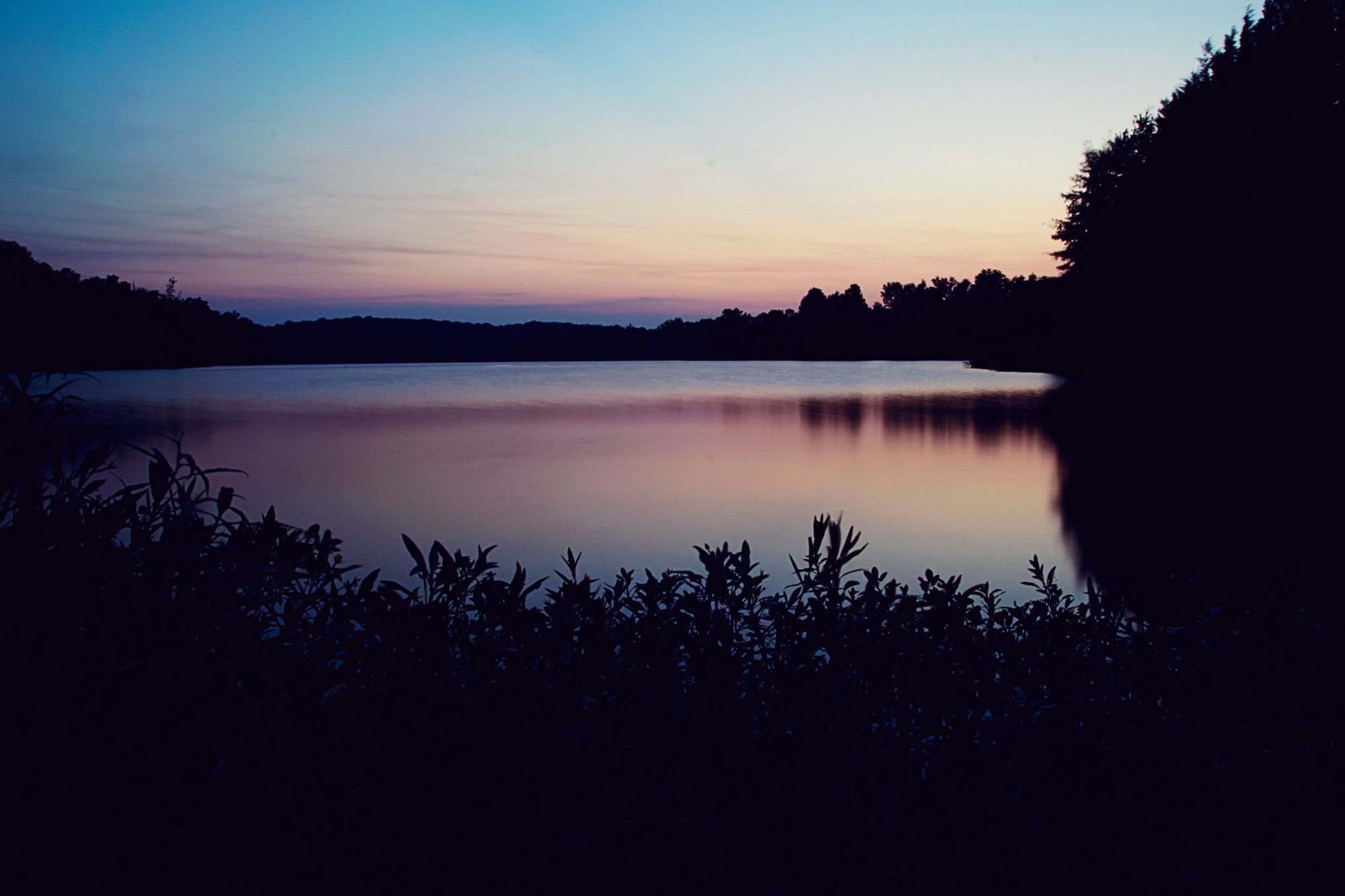
Lake Conway
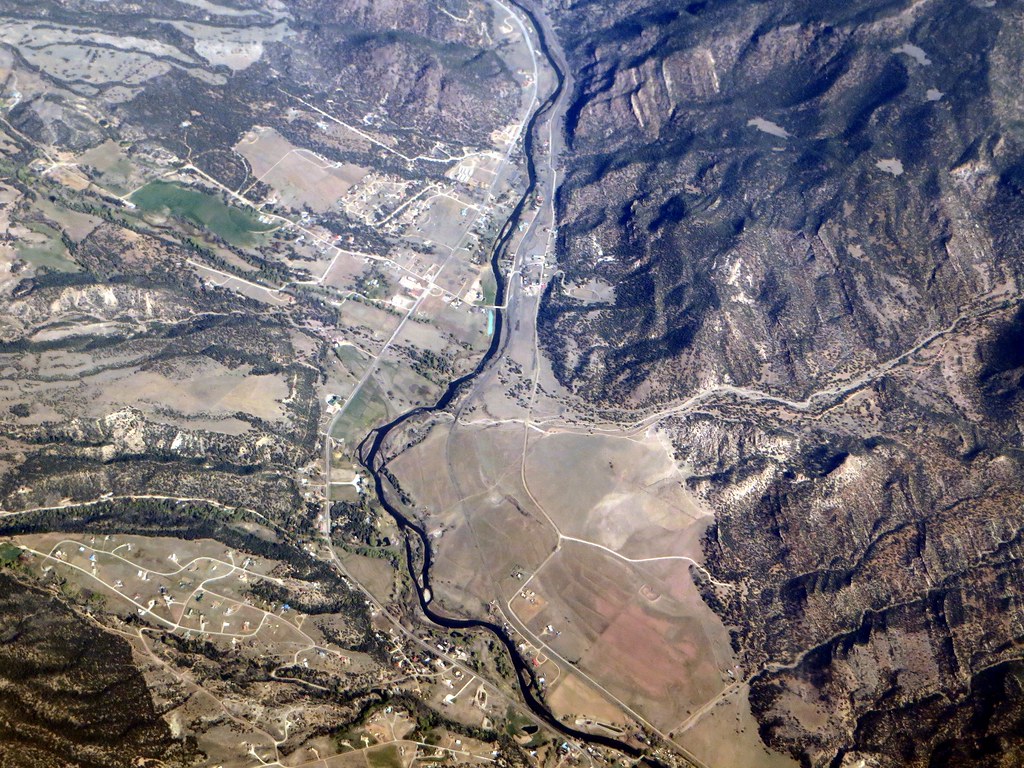
Arkansas River
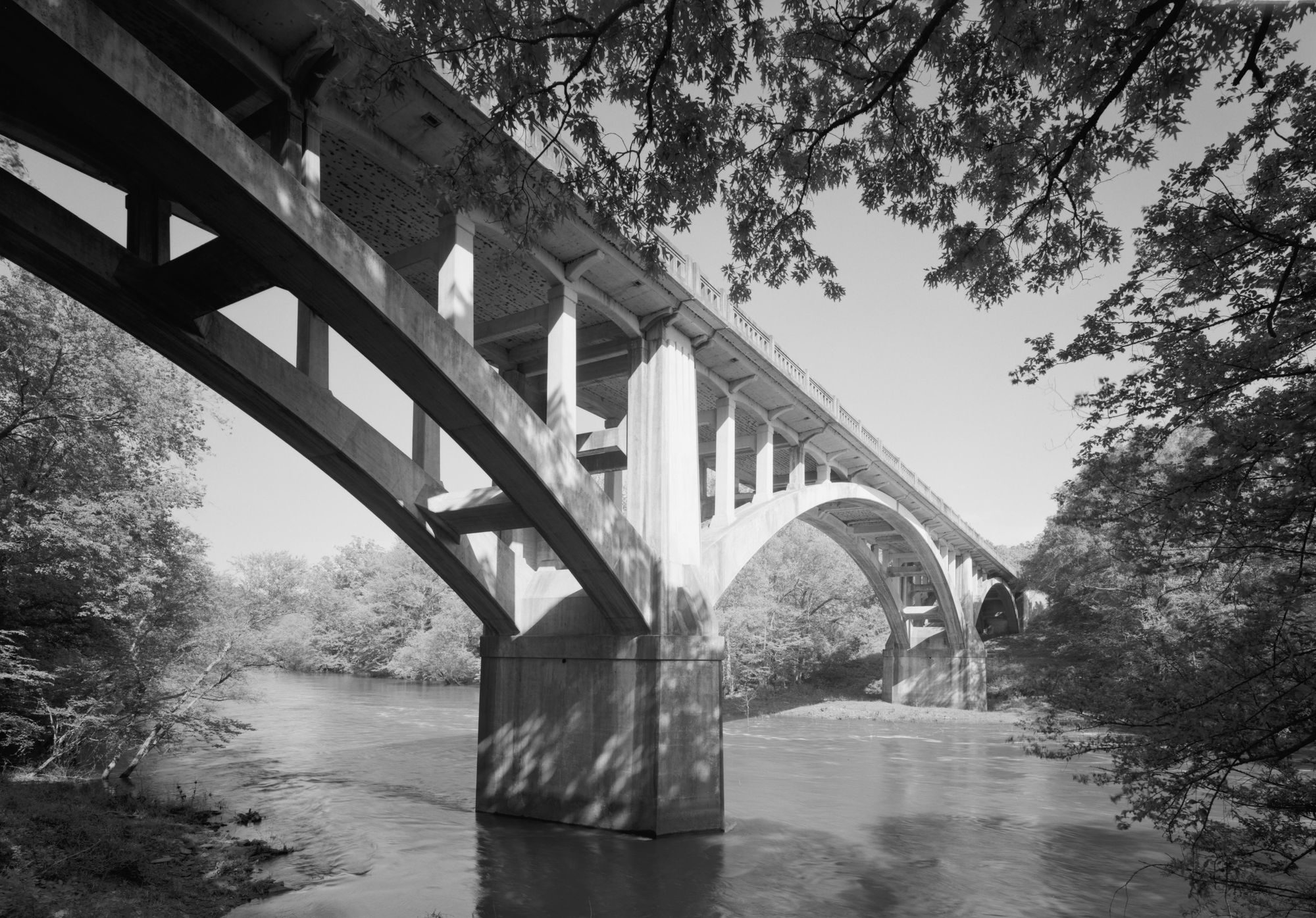
Fourche LaFave River
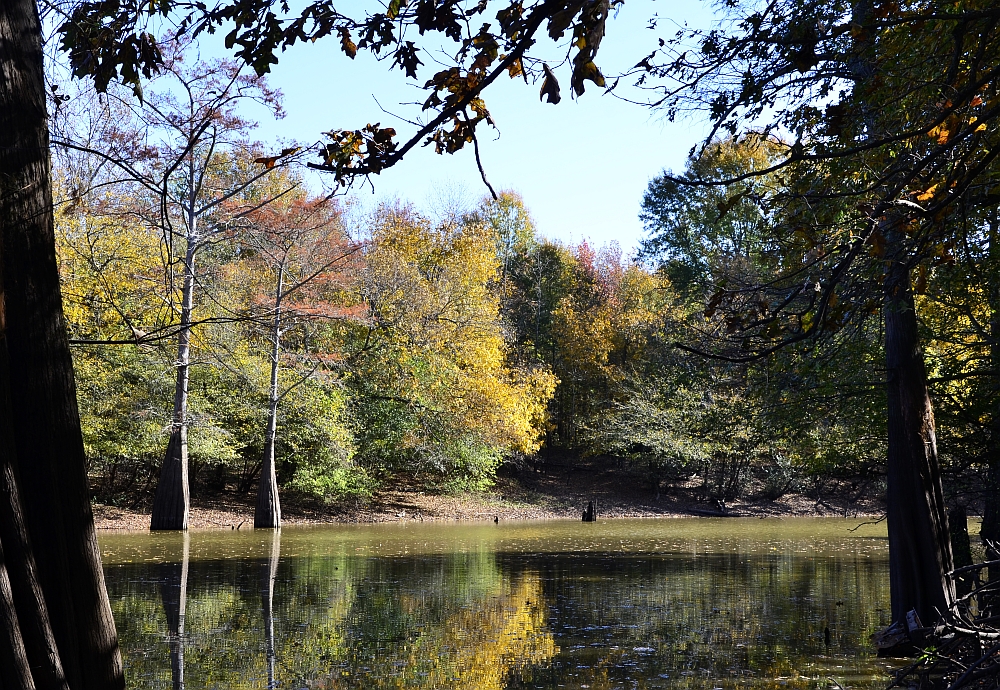
Bayou Meto
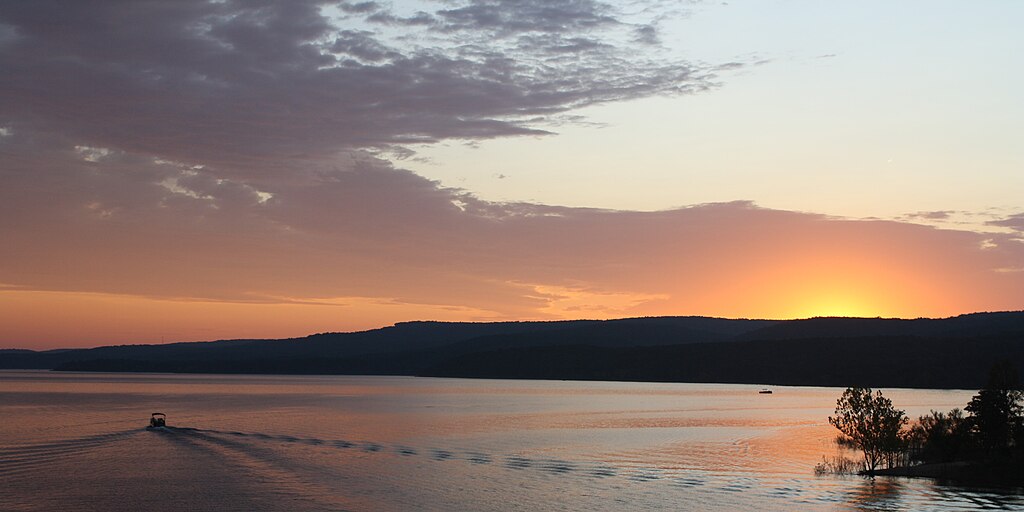
Greers Ferry Lake
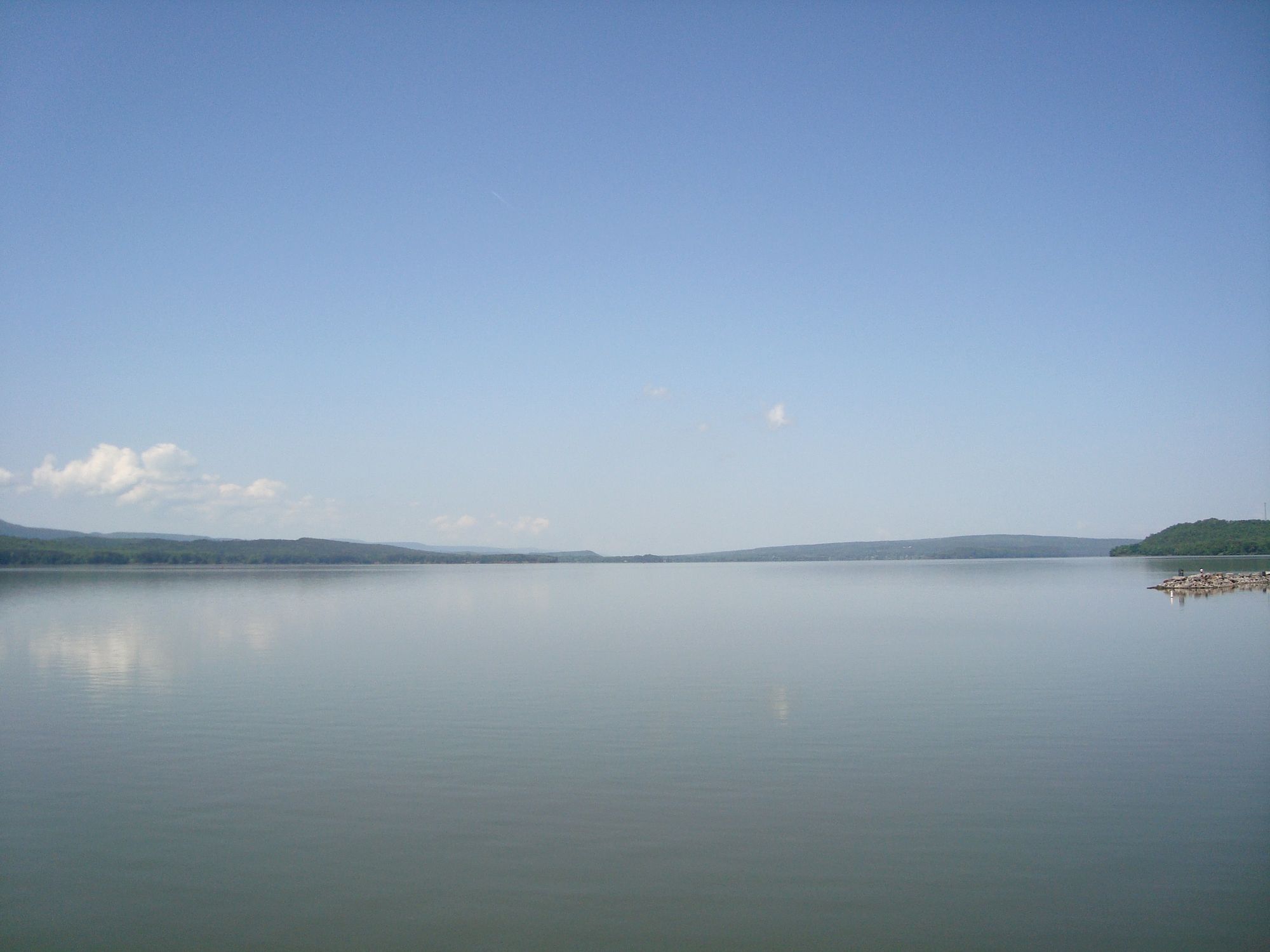
Lake Dardanelle
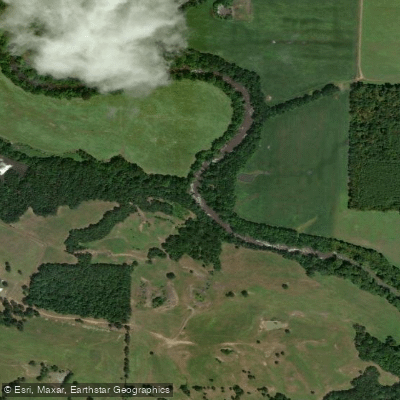
Petit Jean River
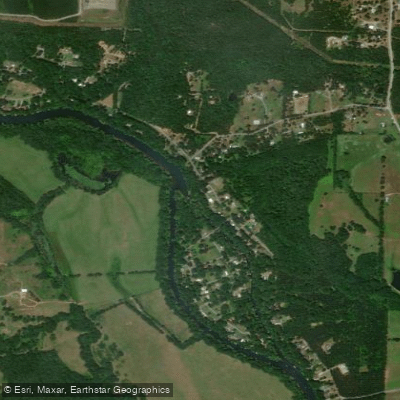
Little Red River
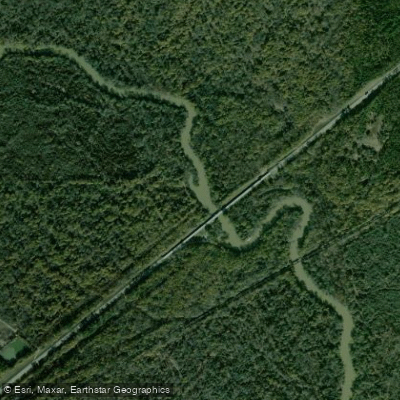
Saline River
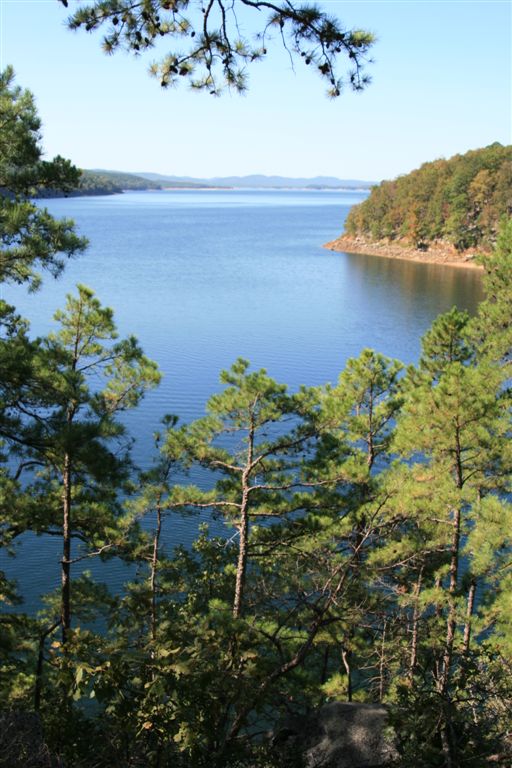
Lake Ouachita
What to know
Habitat Distribution
- In Arkansas, they inhabit the state's largest rivers including the Arkansas, Ouachita, Red, and White rivers.
- Alligator Gar are euryhaline, tolerating both fresh and brackish water.
Key Locations
- Arkansas, Ouachita, Red, and White rivers.
Specific Spots
- Focus on slower-moving sections, backwaters, oxbow lakes, and areas with submerged structure or vegetation.
- Around weedy bends, below dams, and in areas with floating debris or logs where they ambush prey.
Alligator Gar FAQ
Answers from onWater's species guide.
What are the best lures and bait for Alligator Gar in Arkansas?
Live or cut gizzard shad, carp, mullet, or buffalo fish - the most effective approach. Artificial lures can work, including large swimbaits, spoons, crankbaits, and topwater lures.
When is the best time to fish for Alligator Gar in Arkansas?
The best time to target Alligator Gar in Arkansas is from July through early fall and again in winter through early spring, avoiding the closed season from noon May 1 to noon July 1.
How do you catch Alligator Gar in Arkansas?
When using artificials, focus on areas where gar are visibly rolling or surfacing. Large swimbaits, spoons, crankbaits, and topwater lures retrieved slowly near structure.
What do Alligator Gar eat?
These apex predators are primarily piscivorous, feeding on gizzard shad, carp, buffalo fish, and other large fish, but also consume blue crabs, turtles, waterfowl, birds, and small mammals.
Where do Alligator Gar live in Arkansas?
In Arkansas, they inhabit the state's largest rivers including the Arkansas, Ouachita, Red, and White rivers. Alligator Gar are euryhaline, tolerating both fresh and brackish water.
Fish smarter with real-time insights
Whether you're en route and conditions shift or you're looking for the best spot based on current flows, we enable you to make informed decisions on the fly.




See it in the app
Most maps show you water.
onWater shows you Alligator Gar.



- 01 · Species map filter
Map every Alligator Gar water
Pick Alligator Gar and the map zeroes in on the waters they call home. No more guessing which lake holds them.
- 02 · Waterbody species
Tap any water. See what lives there.
Species, behavior and seasonal patterns for every lake, river and pond, before you leave the driveway.
- 03 · Angler Intelligence
Ask how to catch Alligator Gar
Tactics, gear and timing from onWater's AI fishing guide, tuned to the species and the water you're on.
Stop guessing where Alligator Gar are.
Open the map, filter by Alligator Gar, and head to water that holds them. Download onWater and plan your next trip in minutes.
- Species map filter
- Angler Intelligence
- Fishing journal
Explore other species
Trout, bass, salmon, panfish and everything in between. Each guide unpacks the behavior, seasons, and tactics that put fish in the net.
No species information available.
Arkansas licenses and regulations
Explore nearby waters
Explore Arkansas waters
Top fishing waters
Popular Cities
Loading popular cities...

Smarter Fishing Starts in the App.
onWater Fish gives you everything you need to plan smarter, fish better, and own every trip from first cast to last.