Fishing in Michigan
- Lakes
- 6,528
- Rivers
- 5,923
- Access
- 496
- Boat Ramps
- 1,736
- Shops
- 140
Michigan is really several fishing states stacked on top of each other — a fly-fishing tradition deep enough that Trout Unlimited was founded on the Au Sable in 1959, a Great Lakes charter economy that runs out of every west-coast port, and a smallmouth and muskie scene on Lake St.
Clair that serious bass anglers treat as a continental destination, not a regional one. The water is everywhere, the cultures don't always overlap, and the calendar is busy almost year-round. The Au Sable still anchors the trout side.
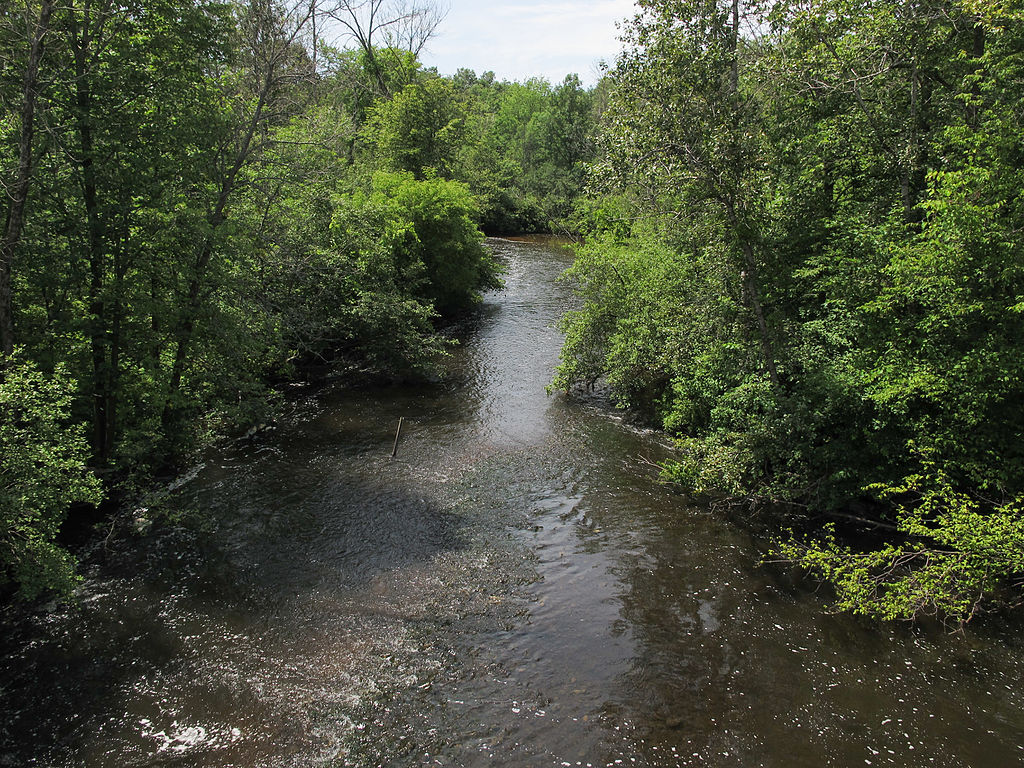
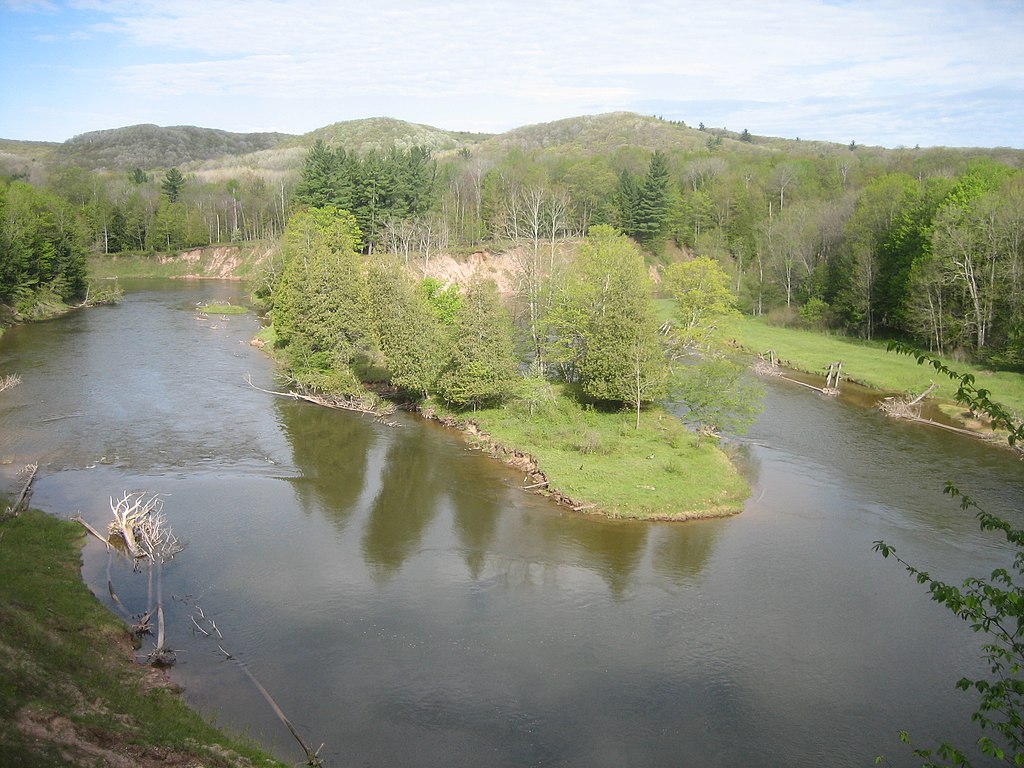
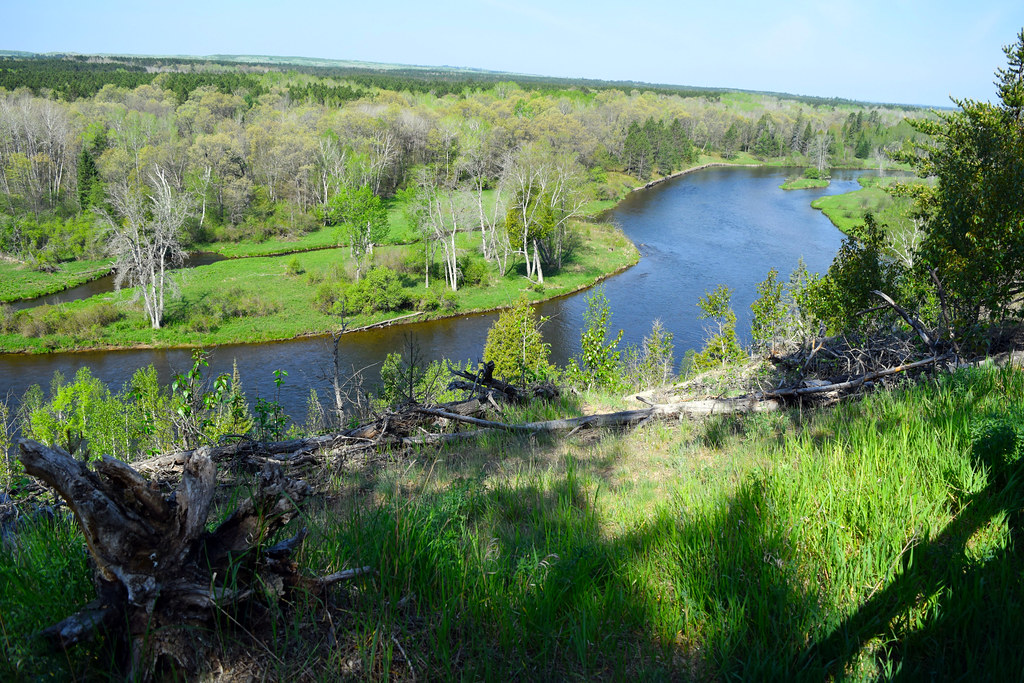
Grayling sits within walking distance of the Holy Water — eight flies-only, catch-and-release miles from Burton's Landing to Wakeley Bridge — and the late-June Hexagenia hatch, which comes off after dark, is the event the season is built around.
Below Mio Dam, the trophy water holds more big browns than the rest of the state's rivers combined.
The town's name comes from the Arctic grayling that used to fill the river and don't anymore, which is the kind of detail that tends to keep Michigan anglers conservation-minded.
West of there, the Pere Marquette is the only river in the Great Lakes basin without a dam on it and was where the first brown trout in the country were stocked, in 1884.
The flies-only quality water from M-37 to Gleason's Landing requires a Forest Service watercraft permit between Memorial Day and Labor Day, with daily launch caps.
The Muskegon and Big Manistee fish differently — cold tailwater discharges keep spring steelhead pushing into May and stack kings up in September and October, with the last week of October historically the peak on the Manistee.
Betts and a handful of other long-running guide operations work all three rivers out of jet sleds.
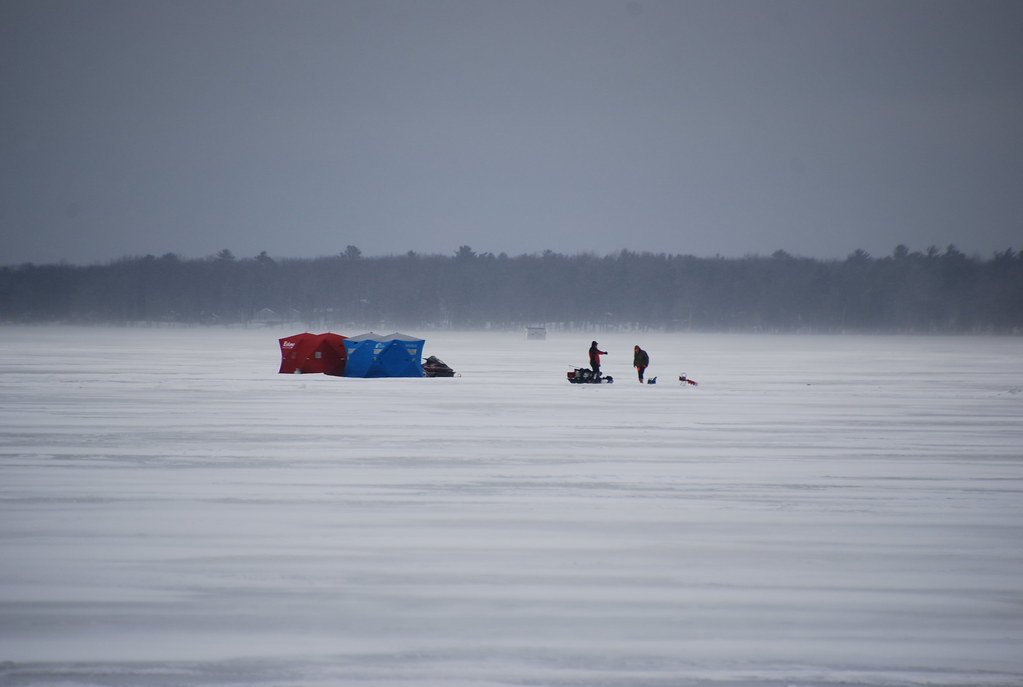
Saginaw Bay is the walleye center of gravity — spring run April through June out of Bay City, Caseville, and Au Gres, perch in the fall, shanties on the ice in winter. Lake St.
Clair's smallmouth average three to four pounds and the muskie population keeps growing.
The Two Hearted and the brook trout streams of the UP are a different trip entirely: more remote, smaller water, the occasional coaster in Lake Superior tributaries (20-inch minimum, one fish, and catch-and-release only inside the Isle Royale boundary).
Worth knowing before you go: Michigan's stream access runs on an 1853 navigability test, so you can wade and fish a navigable river within its banks regardless of who owns the shoreline. Sturgeon and muskie harvest must be registered within 24 hours.
And the Black Lake sturgeon spearing season — six fish, pre-registration, sometimes over inside an hour — is the kind of thing you read about and then realize is real.
Species & education
Learn what type of fish are in Michigan and what's needed to catch them.

Find which waters have the species you want to catch

Largemouth Bass
Micropterus salmoides

Smallmouth Bass
Micropterus dolomieu

Rainbow Trout

Brown Trout
Salmo trutta

Brook Trout

Northern Pike
Esox lucius

Muskellunge
Esox masquinongy

Walleye
Sander vitreus

Black Crappie
Pomoxis nigromaculatus

Alewife
Alosa pseudoharengus

American Eel
Anguilla rostrata
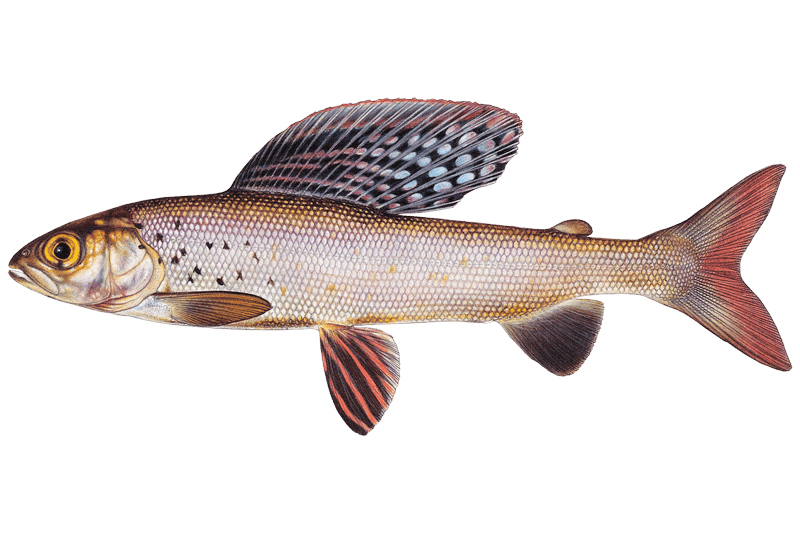
Arctic Grayling
Thymallus arcticus

Atlantic Salmon
Salmo salar

Black Bullhead
Ameiurus melas

Blacknose Dace
Rhinichthys atratulus

Bloater
Coregonus hoyi

Bowfin
Amia calva

Brown Bullhead
Ameiurus nebulosus

Burbot
Lota lota

Chain Pickerel
Esox niger

Channel Catfish
Ictalurus punctatus

Chinook Salmon

Cisco
Coregonus artedi

Coho Salmon

Common Carp
Cyprinus carpio

Creek Chub
Semotilus atromaculatus

Flathead Catfish
Pylodictis olivaris

Freshwater Drum
Aplodinotus grunniens

Gizzard Shad
Dorosoma cepedianum

Golden Redhorse
Moxostoma erythrurum

Green Sunfish
Lepomis cyanellus

Lake Sturgeon
Acipenser fulvescens

Lake Trout
Salvelinus namaycush
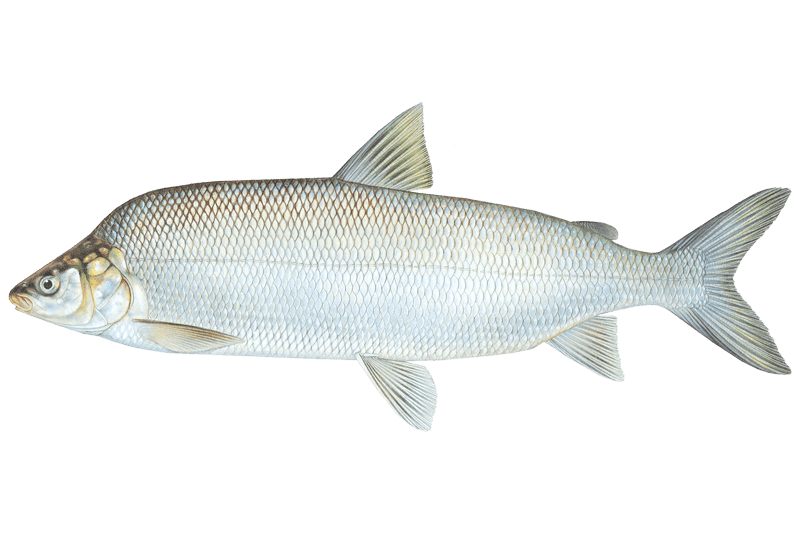
Lake Whitefish
Coregonus clupeaformis

Longear Sunfish
Lepomis megalotis (traditional), Lepomis peltastes (Northern)

Longnose Gar
Lepisosteus osseus

Longnose Sucker
Catostomus catostomus

Northern Hogsucker
Hypentelium nigricans

Pink Salmon
Oncorhynchus gorbuscha

Pumpkinseed
Lepomis gibbosus
Fishing guides in Michigan
Book a trip with a local fishing guide through Guidesly.

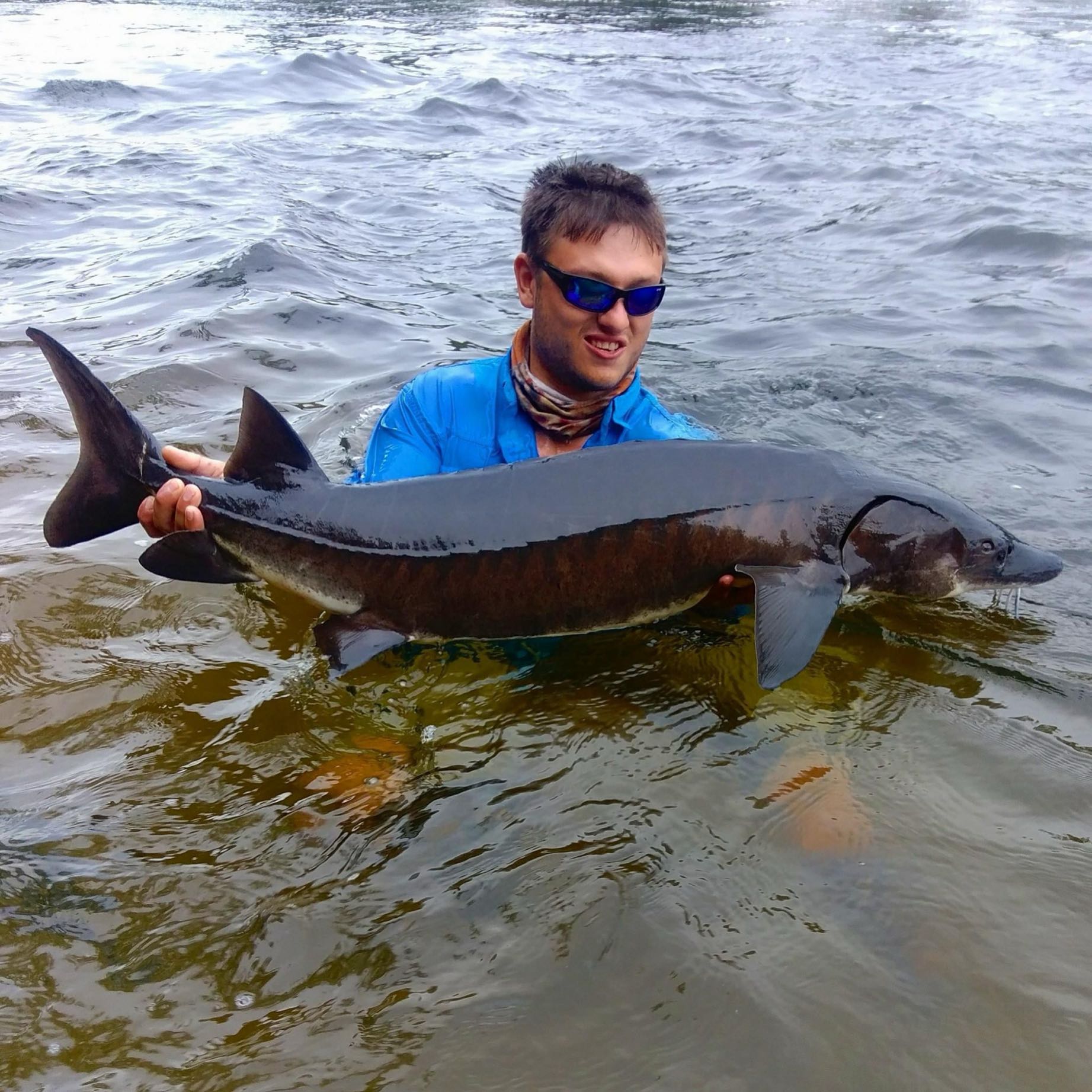
Matt Brejcha
On Target Fishing Guide Service
4.6 (16 reviews)
Full Time Professional Fishing Guide
Book on Guidesly, opens in new tab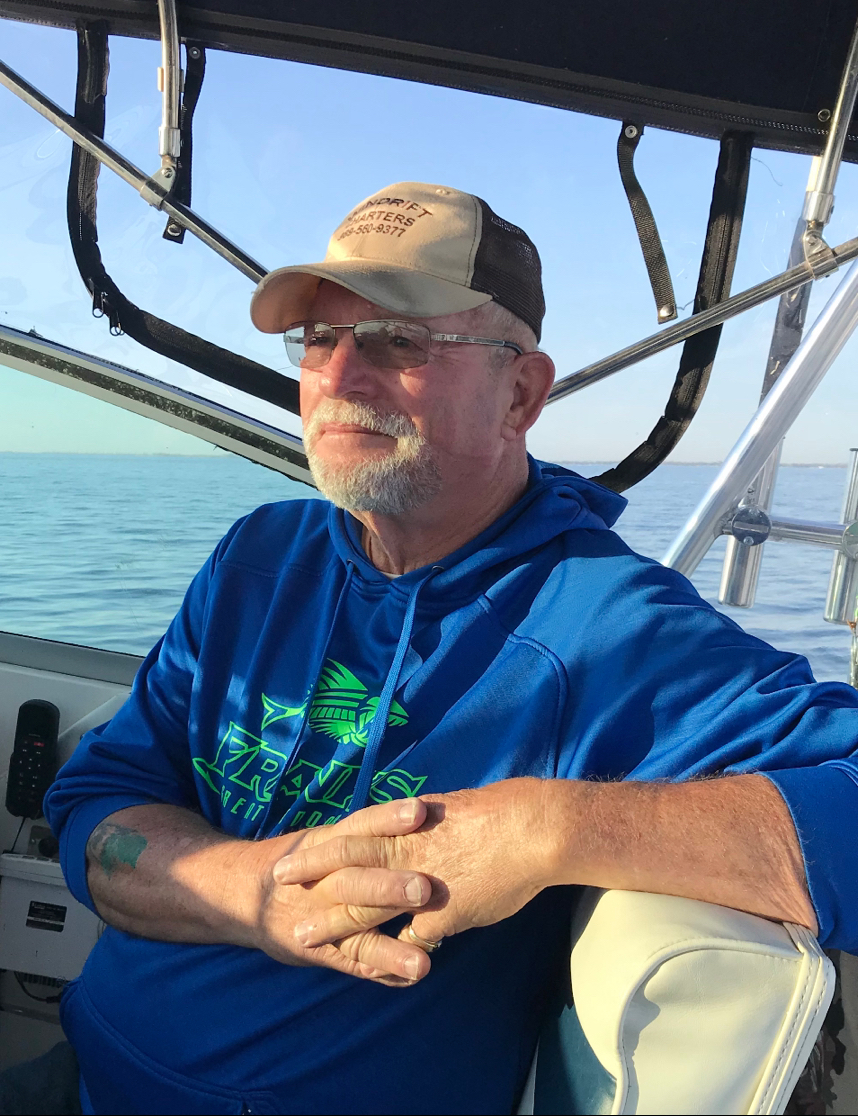
Doug McQueen
Windrift Sport Fishing
5.0 (8 reviews)
Experience Quality Linwood Fishing - Book Now!
Book on Guidesly, opens in new tab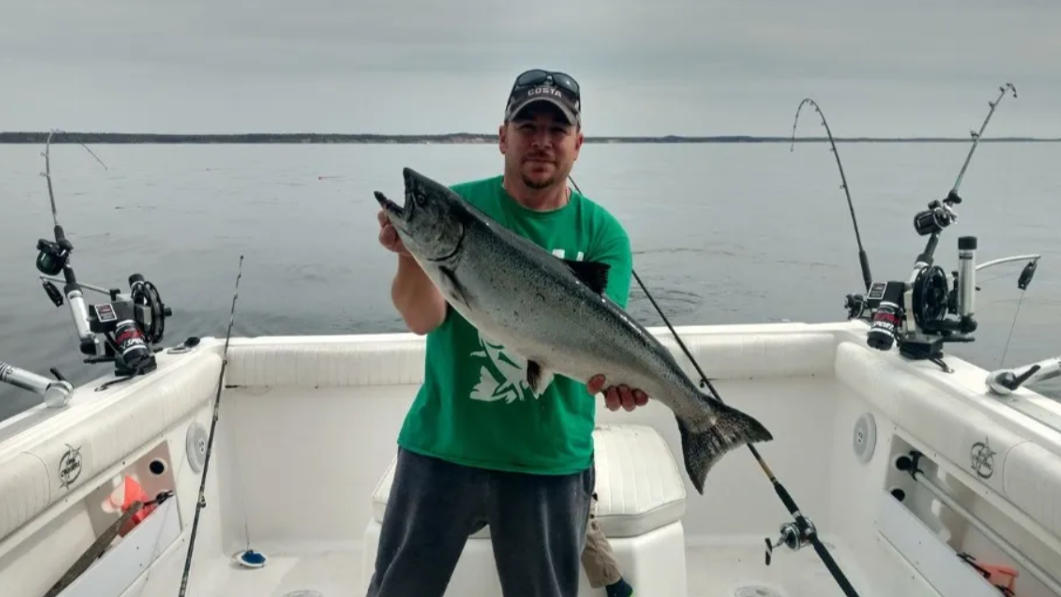
Lenny Vaughan
Slipknot Steelhead Charters
5.0 (8 reviews)
Steelhead, Trout, Salmon Fishing In Manistee, MI
Book on Guidesly, opens in new tab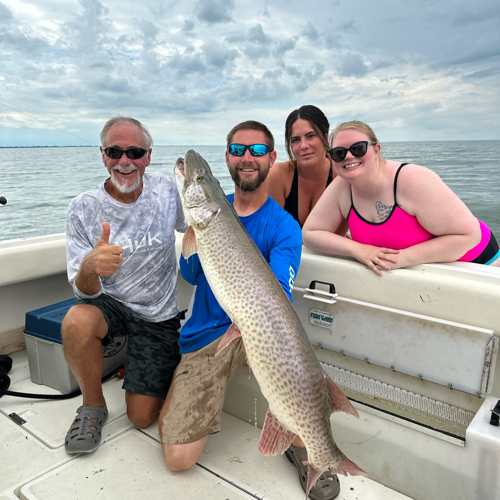
Mark Nowicki
Reel Therapy Sportfishing LLC
5.0 (7 reviews)
Top-rated Fishing Charters in St. Clair Shores, MI
Book on Guidesly, opens in new tab
Jeremy Meyer
Jerryriggin Sportfishing Charters
5.0 (5 reviews)
Discover Top Charter Fishing Lake Michigan Today!
Book on Guidesly, opens in new tab
Ryan Art
Feed-N-Time Charters
5.0 (4 reviews)
Feed-n-Time Charters
Book on Guidesly, opens in new tab
Fish smarter with real-time insights
Whether you're en route and conditions shift or you're looking for the best spot based on current flows, we enable you to make informed decisions on the fly.







Michigan licenses and regulations

Michigan Boating Regulations
When using any type of watercraft to access a body of water, it is important to follow all federal, state, and local rules and regulations. These rules and regulations include boat permitting and licensing, invasive species inspections and stamps, life jacket and PFD rules, motor size and horsepower restrictions, noise limitations, restrictions on personal watercraft, and many more. Visit the web link below for the most current rules and regulations for this body of water.

Michigan Fishing License
You must purchase a fishing license if you are 17 years of age or older to fish. If you are under 17, you may fish without a license, but you are required to observe all fishing rules and regulations. Any adult actively assisting a minor who does not have a license must have a fishing license. Please note, a license is required when targeting fish, amphibians, crustaceans and reptiles. Michigan's annual fishing license is valid from March 1 of a given year through March 31 of the following year.

Michigan Fishing Regulations
This river has a variety of species and regulations, including potential floating and/or watercraft restrictions. Because this river is specially managed for species, seasons, angling methods, and watercraft, it is strongly encouraged you check all federal, state, and local regulations before fishing. Visit any of the links below, inquire locally, or contact a local fly shop to learn current regulations and restrictions.

Michigan Stream Access Laws
The public has a right to use a waterway for pleasure, travel, or commercial navigation. The right extends to wading on the streambed or traveling on ice. While constant movement is not required, neither can a vessel be permanently moored or use the waterway as a parking spot. The riparian owner (the owner of the land along the water) owns the streambed, but that right is subordinate to the right of navigation. On non-navigable waters the riparian owner has the right to fish and can exclude the public from fishing on such waters. But on navigable waters, the rights of the private owners are inferior to the public trust right to fish the waters.
National parks in Michigan
Explore Michigan waters
Smarter Fishing Starts in the App.
onWater Fish gives you everything you need to plan smarter, fish better, and own every trip from first cast to last.