Muskellunge

Muskellunge are the largest members of the pike family and Michigan's second-largest fish. These apex predators are opportunistic feeders and are often called the 'fish of 10,000 casts' due to their selective feeding behavior and low population density.
Scientific Name: Esox masquinongy
- Reaching lengths over 50 inches and weights exceeding 50 pounds.
- Michigan recognizes Great Lakes strain and Northern strain muskellunge, with different subspecies including spotted, barred, and clear varieties.
Fishing in Michigan
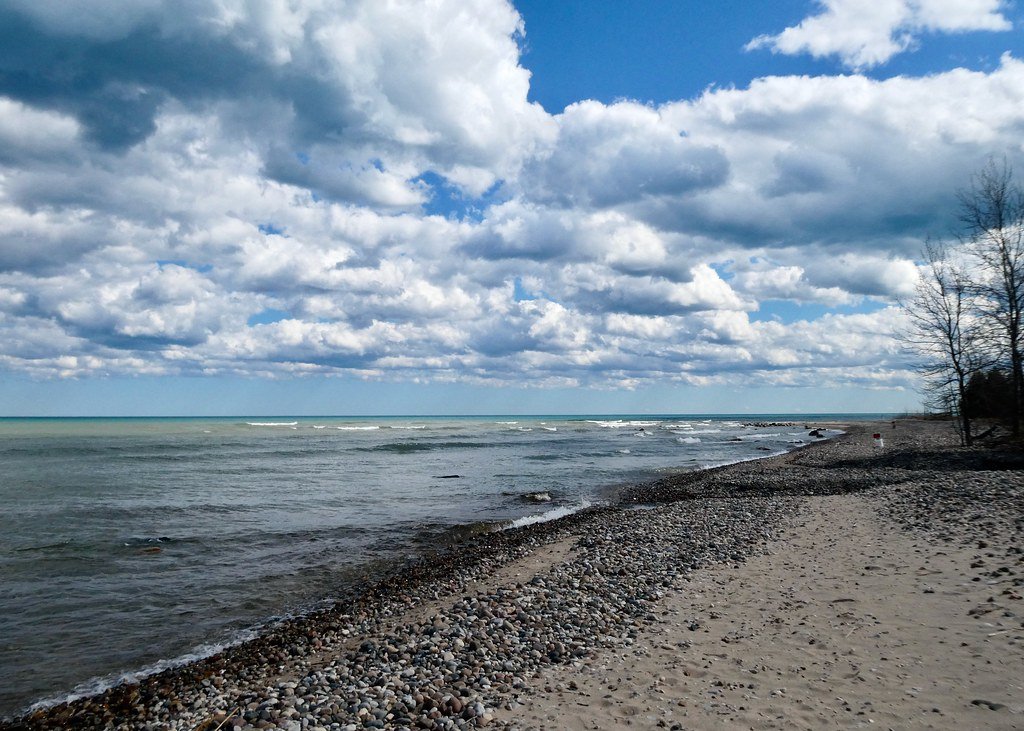
Lake Huron
Flat River
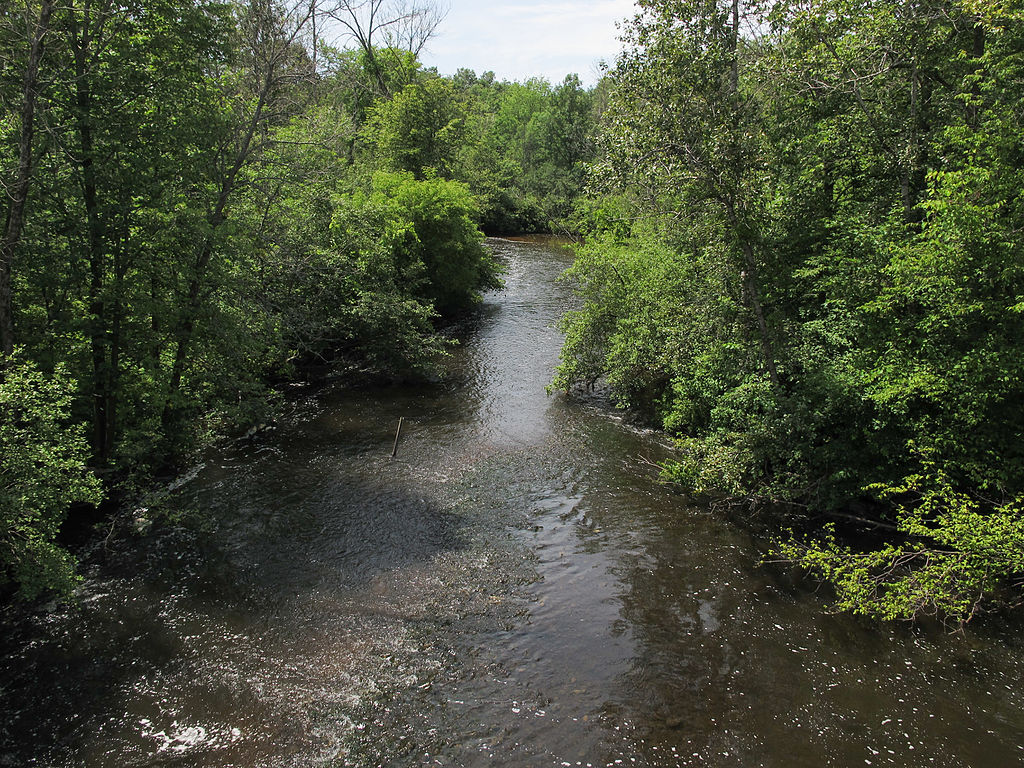
Muskegon River
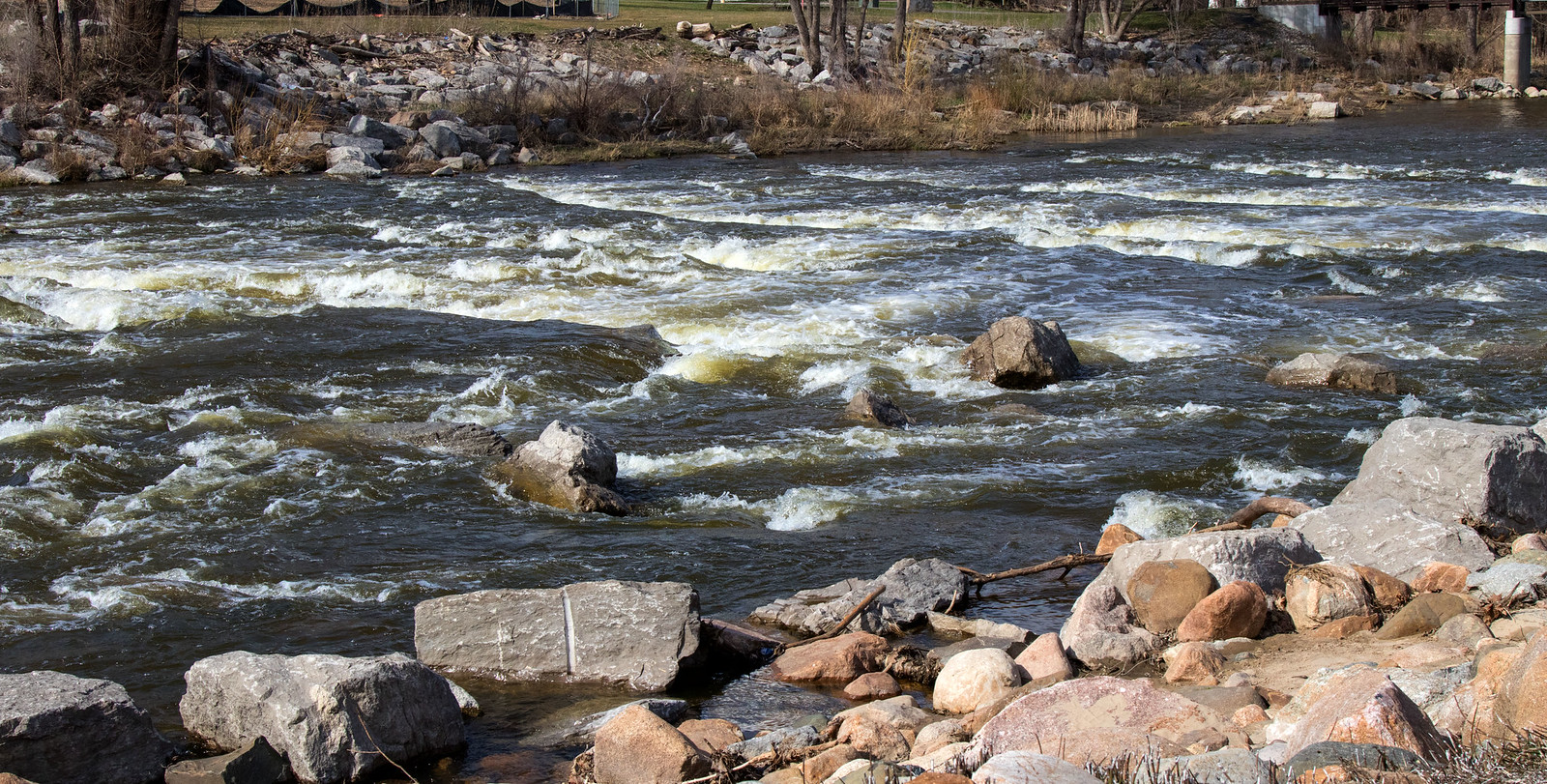
Shiawassee River
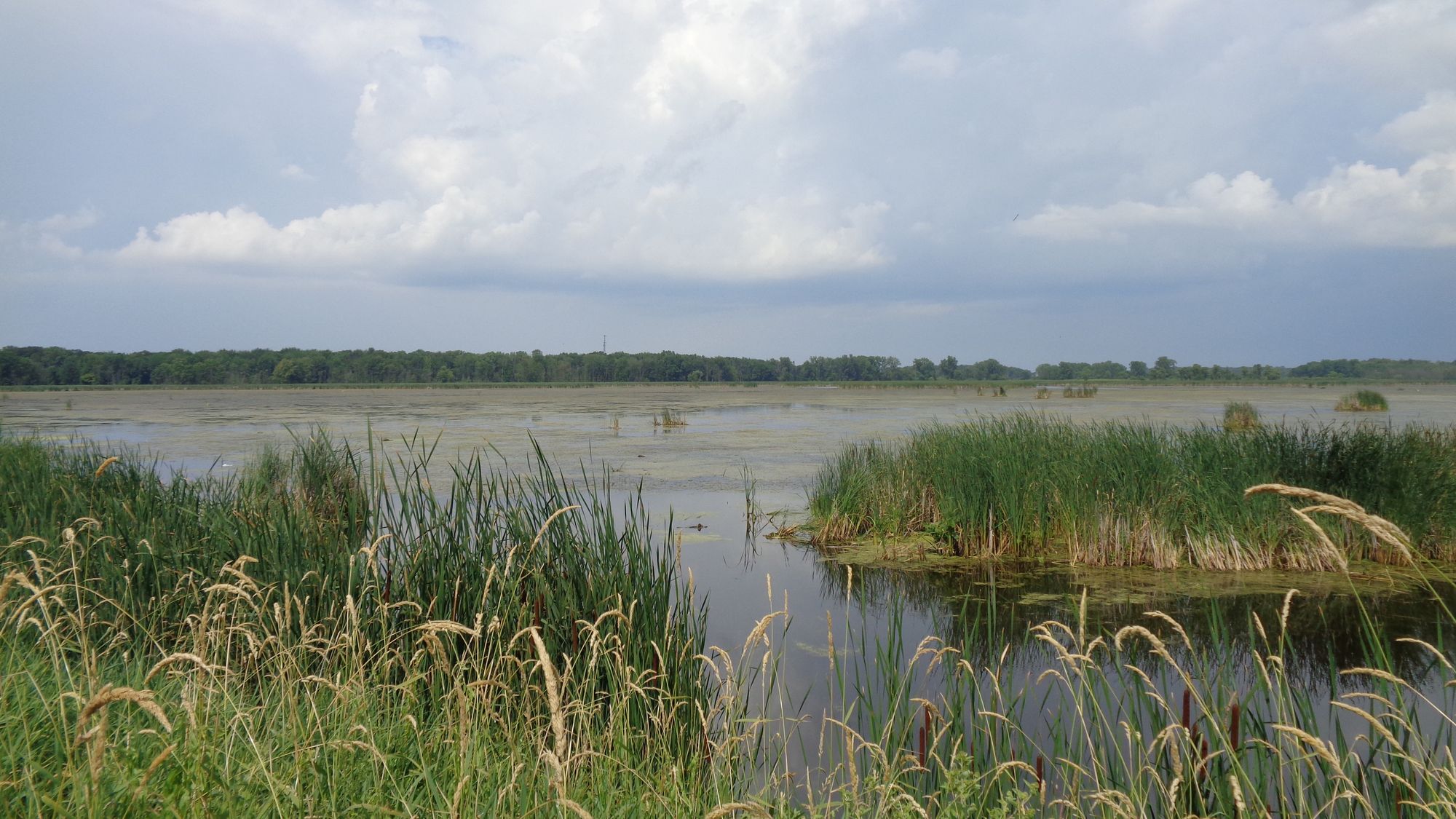
Maple River
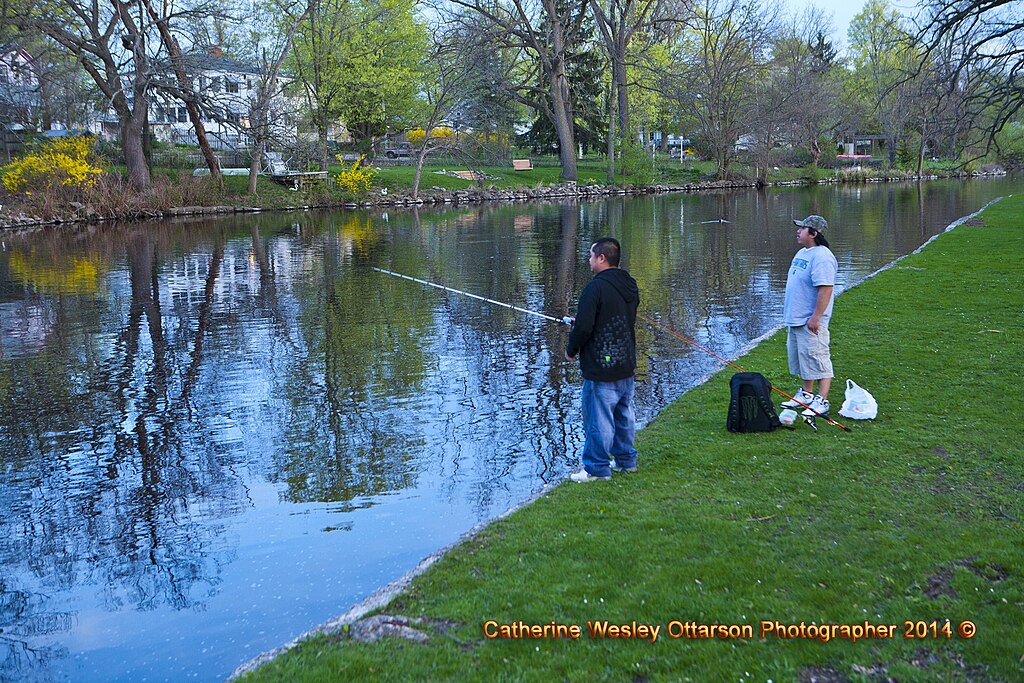
Grand River
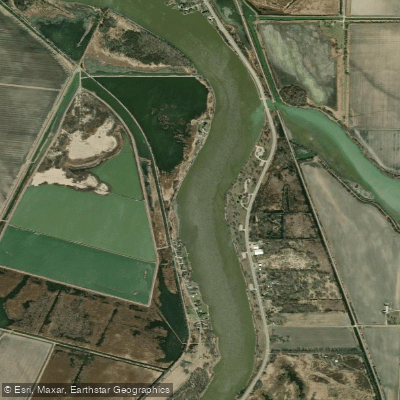
Saginaw River
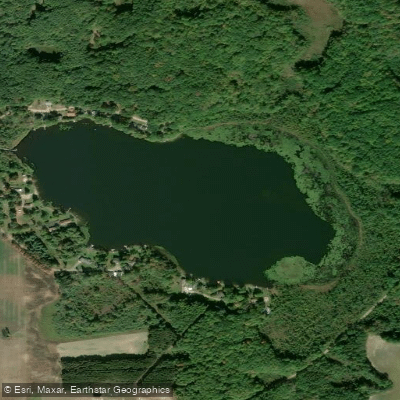
Halls Lake
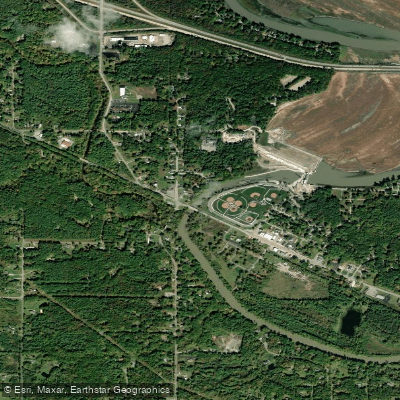
Tittabawassee River
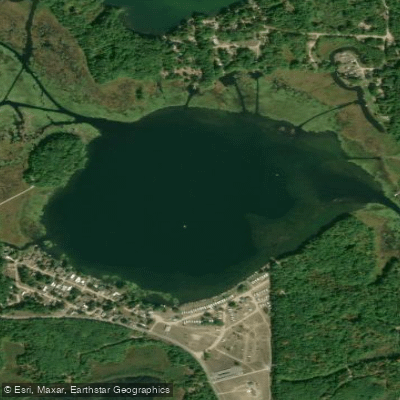
Tubbs Lake
What to know
Habitat Distribution
- In Michigan, muskies are found in both Great Lakes waters and inland systems, with native populations originally present in the Great Lakes and several Upper Peninsula lakes.
- The state now has over 100 muskie waters.
Key Locations
- Lake St.
- Clair (considered the 'Muskie Mecca of the Great Lakes'), Torch Lake, Grand Traverse Bay, Thornapple Lake, Burt Lake, Houghton Lake, and various UP waters like the Cisco Chain and Lake Gogebic.
- Lake St.
- Clair's weedy western areas and rocky eastern sections are particularly productive.
Specific Spots
- Target structure including weed edges, drop-offs, rocky areas, submerged logs, and tributary mouths.
- Adult muskies prefer vegetated areas in 3-8 feet of water during summer, moving to deeper waters as temperatures cool.
- On inland lakes, focus on vegetation beds and thermoclines.
Muskellunge FAQ
Answers from onWater's species guide.
What are the best lures and bait for Muskellunge in Michigan?
Essential lures include large bucktails (Mepps Musky Killer, hand-tied patterns), jerkbaits (Bobby Bait, Suick), glide baits (Phantom, Hellhound), topwater plugs (Poe's Jackpot, Bucher Topraider), crankbaits (Bucher Depthraider), and rubber swimbaits (Bulldawg, Medussa).
When is the best time to fish for Muskellunge in Michigan?
Prime muskie fishing in Michigan occurs from June through October, with late fall (September-October) being exceptional as fish feed aggressively before winter. Water temperatures in the 40°F range trigger peak fall feeding. Spring fishing picks up after the post-spawn recovery period in late May-June.
How do you catch Muskellunge in Michigan?
Retrieve speeds should vary from slow methodical presentations in cold water to faster retrieves during active periods. Live bait fishing with large suckers on quick-strike rigs is effective, especially in fall.
What do Muskellunge eat?
These apex predators are opportunistic feeders consuming fish up to one-third their body length, preferring soft-rayed species like suckers, perch, and cisco over spiny panfish. Their diet includes yellow perch, white bass, smallmouth bass, northern pike, crayfish, frogs, and occasionally waterfowl.
Where do Muskellunge live in Michigan?
In Michigan, muskies are found in both Great Lakes waters and inland systems, with native populations originally present in the Great Lakes and several Upper Peninsula lakes. The state now has over 100 muskie waters.
Fish smarter with real-time insights
Whether you're en route and conditions shift or you're looking for the best spot based on current flows, we enable you to make informed decisions on the fly.




See it in the app
Most maps show you water.
onWater shows you Muskellunge.



- 01 · Species map filter
Map every Muskellunge water
Pick Muskellunge and the map zeroes in on the waters they call home. No more guessing which lake holds them.
- 02 · Waterbody species
Tap any water. See what lives there.
Species, behavior and seasonal patterns for every lake, river and pond, before you leave the driveway.
- 03 · Angler Intelligence
Ask how to catch Muskellunge
Tactics, gear and timing from onWater's AI fishing guide, tuned to the species and the water you're on.
Stop guessing where Muskellunge are.
Open the map, filter by Muskellunge, and head to water that holds them. Download onWater and plan your next trip in minutes.
- Species map filter
- Angler Intelligence
- Fishing journal
Explore other species
Trout, bass, salmon, panfish and everything in between. Each guide unpacks the behavior, seasons, and tactics that put fish in the net.
No species information available.
Michigan licenses and regulations
Explore nearby waters
Explore Michigan waters
Top fishing waters
Popular Cities
Loading popular cities...

Smarter Fishing Starts in the App.
onWater Fish gives you everything you need to plan smarter, fish better, and own every trip from first cast to last.