Northern Hogsucker
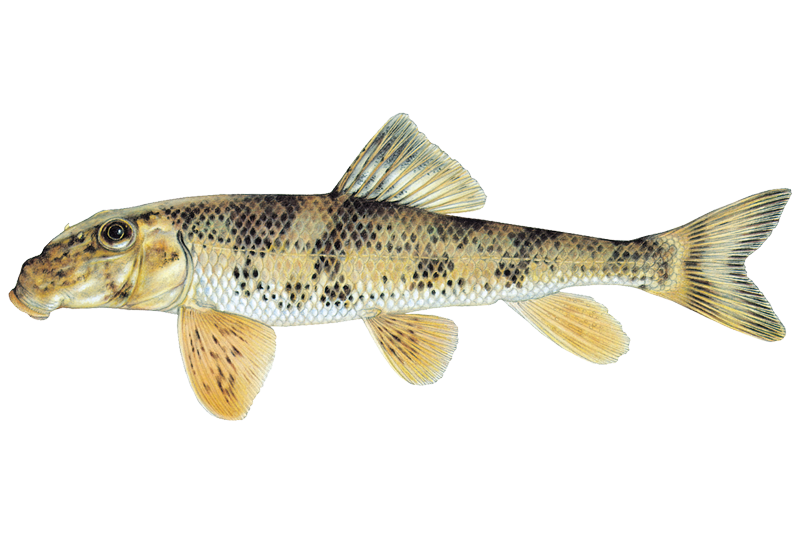
The Northern Hogsucker is a distinctive freshwater fish found in Michigan's Great Lakes tributaries and rivers. This species is very sensitive to pollution and siltation, making their presence an indicator of good water quality.
Scientific Name: Hypentelium nigricans
- Easily recognizable by its large, concave-shaped head, prominent lips covered with small bumps (papillae), and large pectoral fins.
- Adults typically range from 6-14 inches, with females generally growing larger and specimens up to 24 inches possible.
- Displays a unique pigmentation pattern of five dark bands or saddles along the back with dark speckles across the body, and their flattened ventral surface helps them navigate fast-flowing waters.
Fishing in Michigan
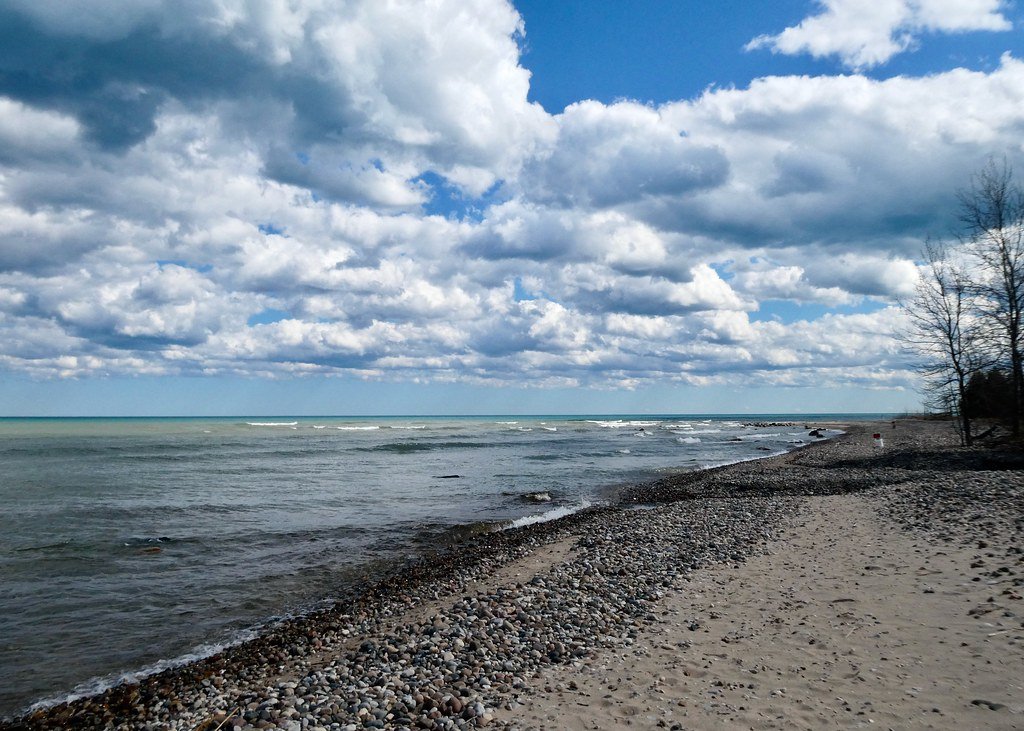
Lake Huron
Flat River
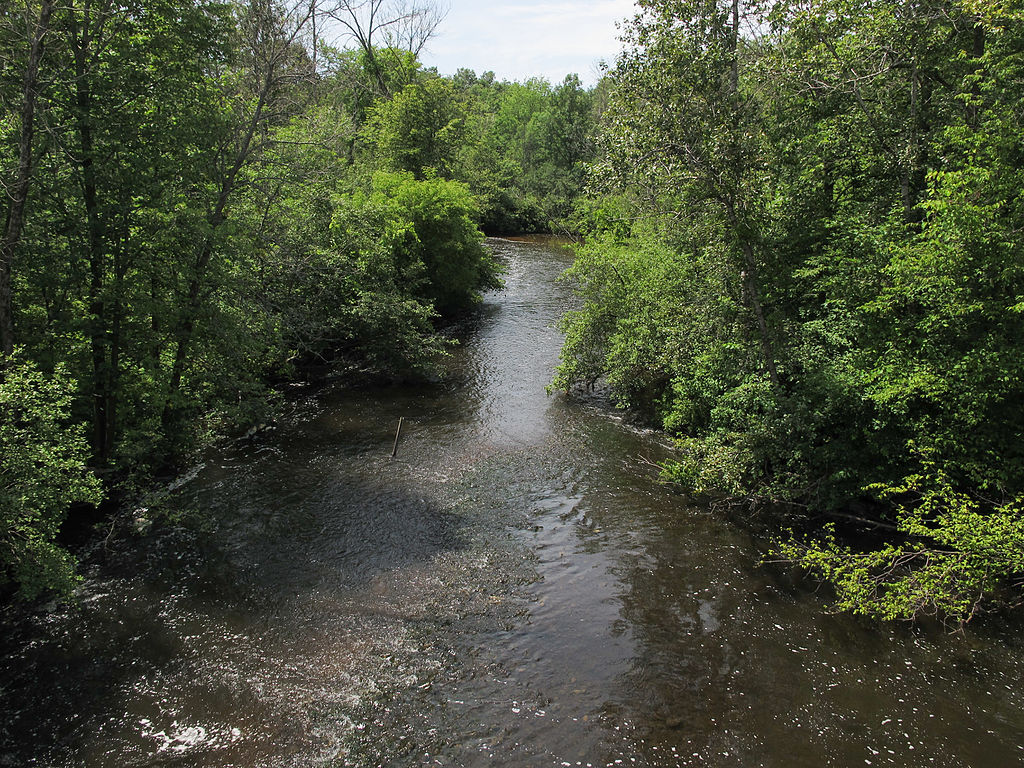
Muskegon River
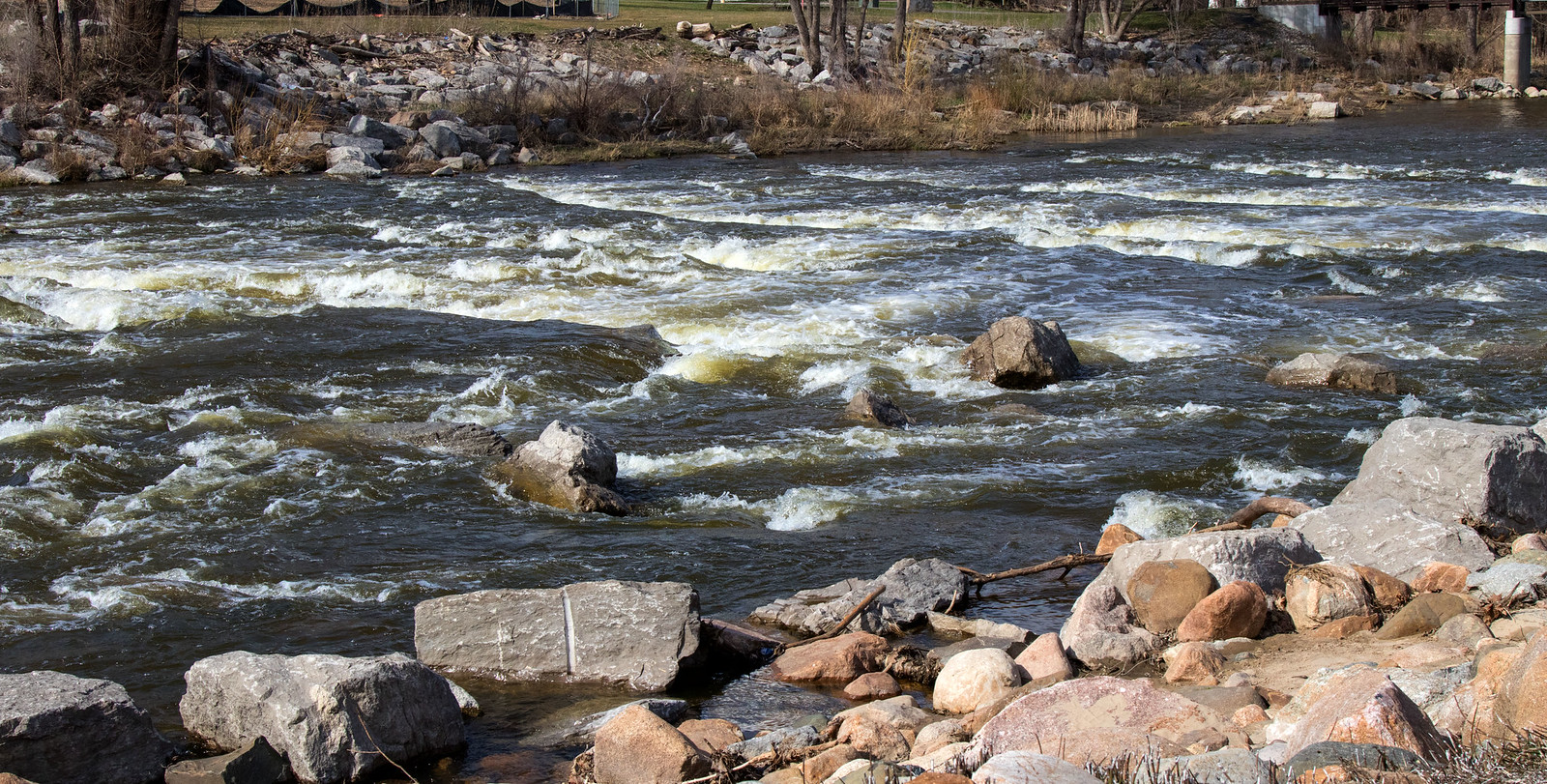
Shiawassee River
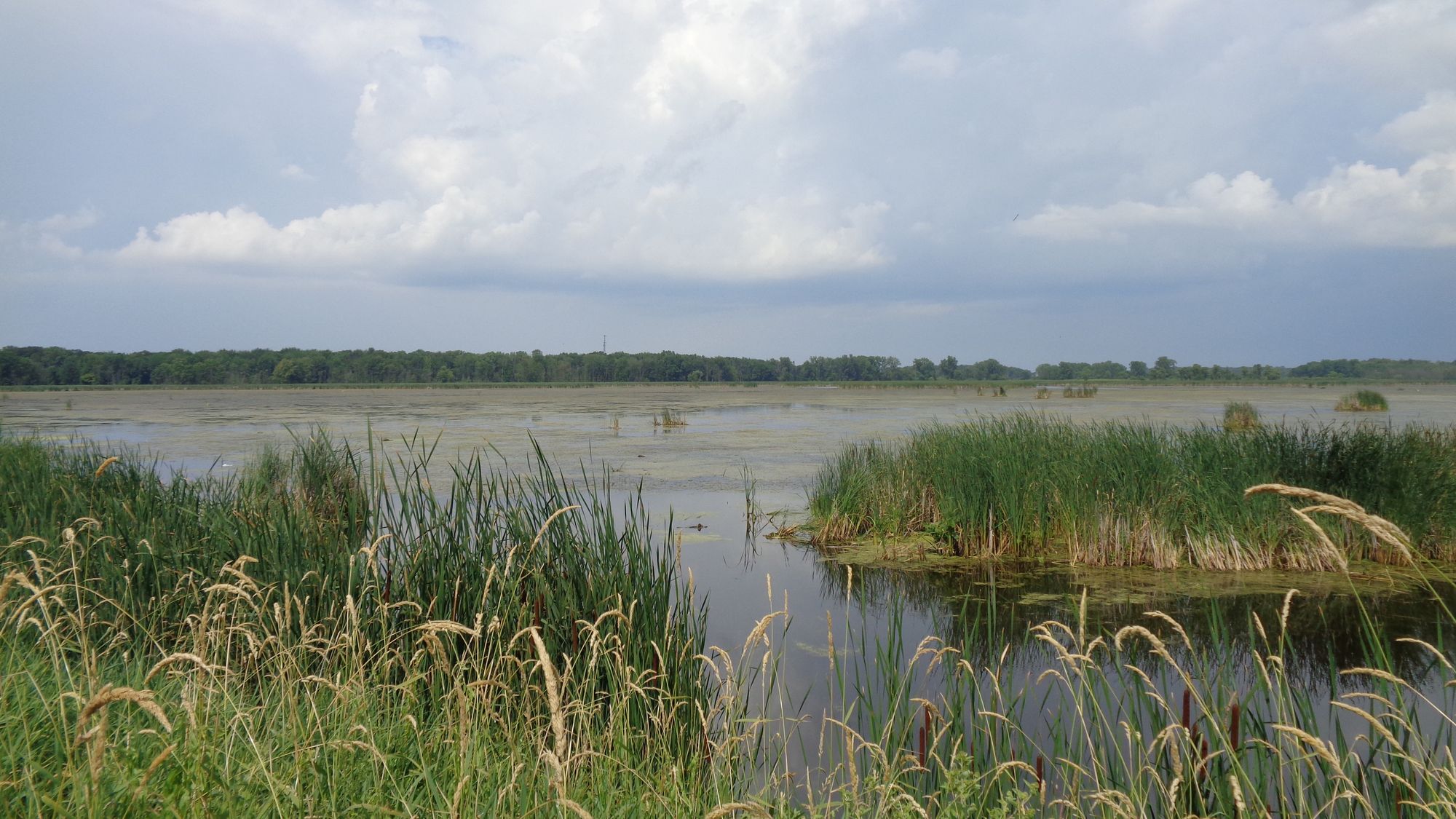
Maple River
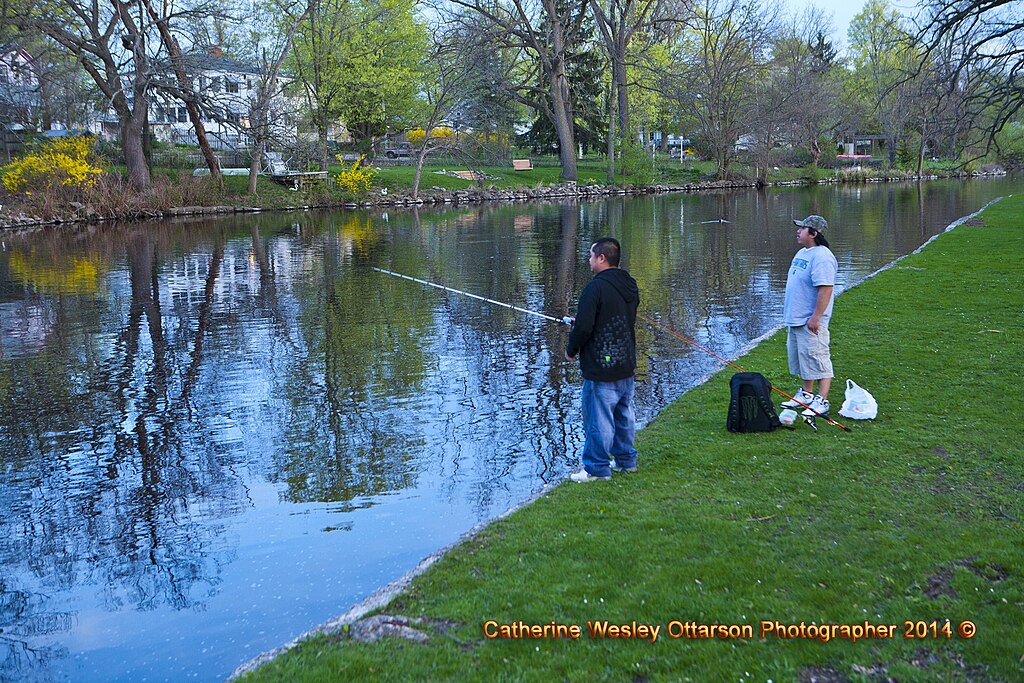
Grand River
Saginaw River
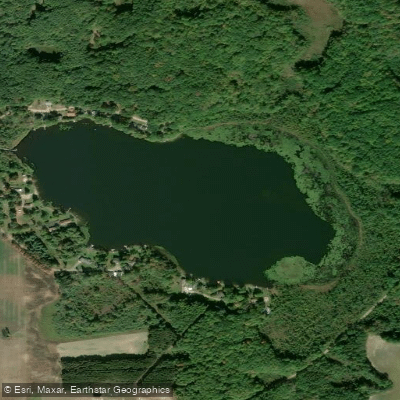
Halls Lake
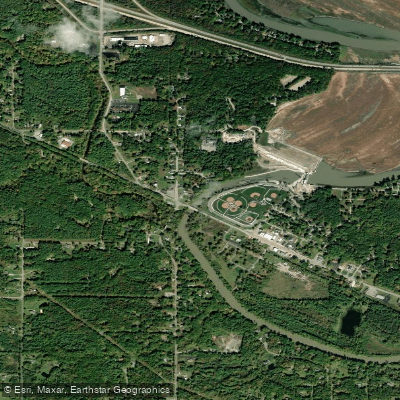
Tittabawassee River
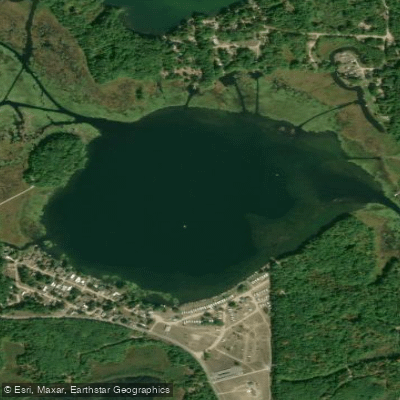
Tubbs Lake
What to know
Habitat Distribution
- Found in Michigan's Great Lakes tributaries and rivers.
- Prefer clear, fast-flowing streams and rivers with gravel or cobble substrates, particularly riffle areas in medium-sized creeks and small rivers.
Key Locations
- Lake Huron, Lake St.
- Clair, Lake Erie, and western Lake Ontario tributaries.
- Saint Joseph River in Berrien County (where Michigan's state record was caught).
- Clinton River watershed.
Specific Spots
- Riffle areas with gravel or cobble bottoms.
- Target directly in front of or under the fish on the bottom substrate.
Northern Hogsucker FAQ
Answers from onWater's species guide.
What are the best lures and bait for Northern Hogsucker in Michigan?
Red worms, nightcrawlers, Mini Trout Magnet soft plastics, Rapala Countdown lures in Hot Mustard Muddler and Perch colors, small jigs with worm pieces for ice fishing.
What flies work for Northern Hogsucker in Michigan?
Hare's ear nymphs, streamers that imitate hogsuckers (Brown Sculpin, Black Marabou Sculpin, Grizzly Sculpin, and Cranford's Pandora's Box in Olive & Black).
When is the best time to fish for Northern Hogsucker in Michigan?
Can be caught year-round in Michigan. Avoid the spawning period from April through May when water temperatures reach 59-68°F. Ice fishing is possible in winter months.
How do you catch Northern Hogsucker in Michigan?
Cast upstream and allow the bait to drift naturally or anchor it lightly on the bottom directly in front of or under the fish. Small artificial lures require precise placement. Ice fishing using small jigs and worm pieces.
What do Northern Hogsucker eat?
Feed by scraping algae and detritus from rocks, turning over small pebbles, and sucking up loosened material containing insect larvae, crustaceans, mollusks, diatoms, and vegetation.
Fish smarter with real-time insights
Whether you're en route and conditions shift or you're looking for the best spot based on current flows, we enable you to make informed decisions on the fly.




See it in the app
Most maps show you water.
onWater shows you Northern Hogsucker.



- 01 · Species map filter
Map every Northern Hogsucker water
Pick Northern Hogsucker and the map zeroes in on the waters they call home. No more guessing which lake holds them.
- 02 · Waterbody species
Tap any water. See what lives there.
Species, behavior and seasonal patterns for every lake, river and pond, before you leave the driveway.
- 03 · Angler Intelligence
Ask how to catch Northern Hogsucker
Tactics, gear and timing from onWater's AI fishing guide, tuned to the species and the water you're on.
Stop guessing where Northern Hogsucker are.
Open the map, filter by Northern Hogsucker, and head to water that holds them. Download onWater and plan your next trip in minutes.
- Species map filter
- Angler Intelligence
- Fishing journal
Explore other species
Trout, bass, salmon, panfish and everything in between. Each guide unpacks the behavior, seasons, and tactics that put fish in the net.
No species information available.
Michigan licenses and regulations
Explore nearby waters
Explore Michigan waters
Top fishing waters
Popular Cities
Loading popular cities...

Smarter Fishing Starts in the App.
onWater Fish gives you everything you need to plan smarter, fish better, and own every trip from first cast to last.