Channel Catfish

Channel Catfish are native to Michigan's waters and represent one of the largest members of the catfish family in the state. These impressive fish can grow up to 40 inches long and weigh over 40 pounds.
Scientific Name: Ictalurus punctatus
- These impressive fish can grow up to 40 inches long and weigh over 40 pounds.
Fishing in Michigan
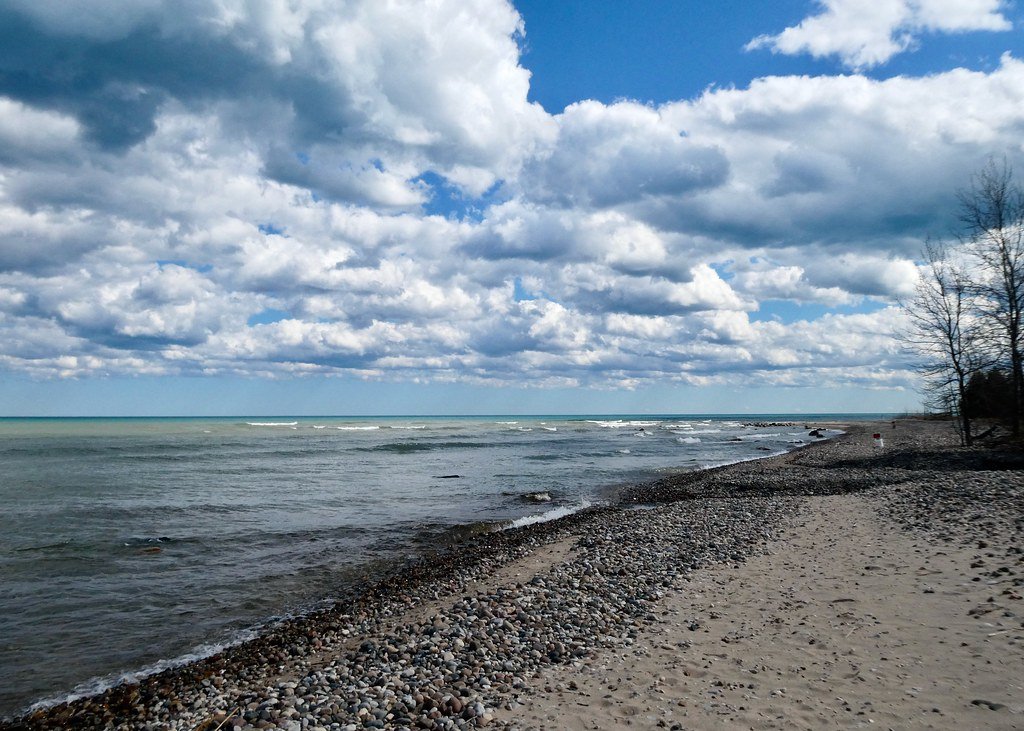
Lake Huron
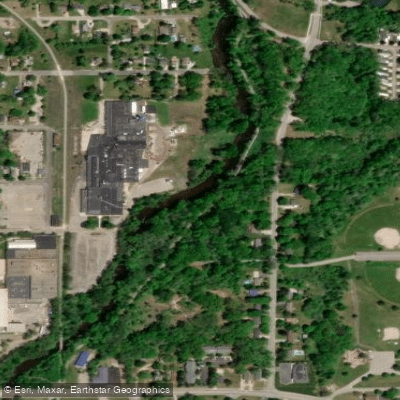
Flat River
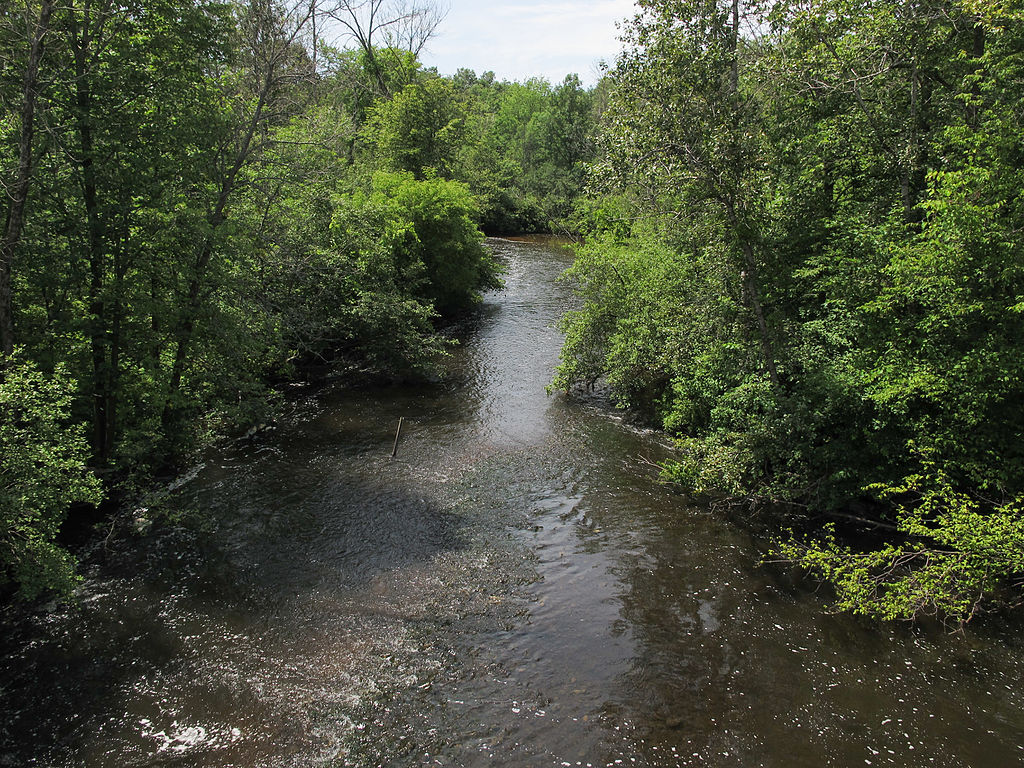
Muskegon River
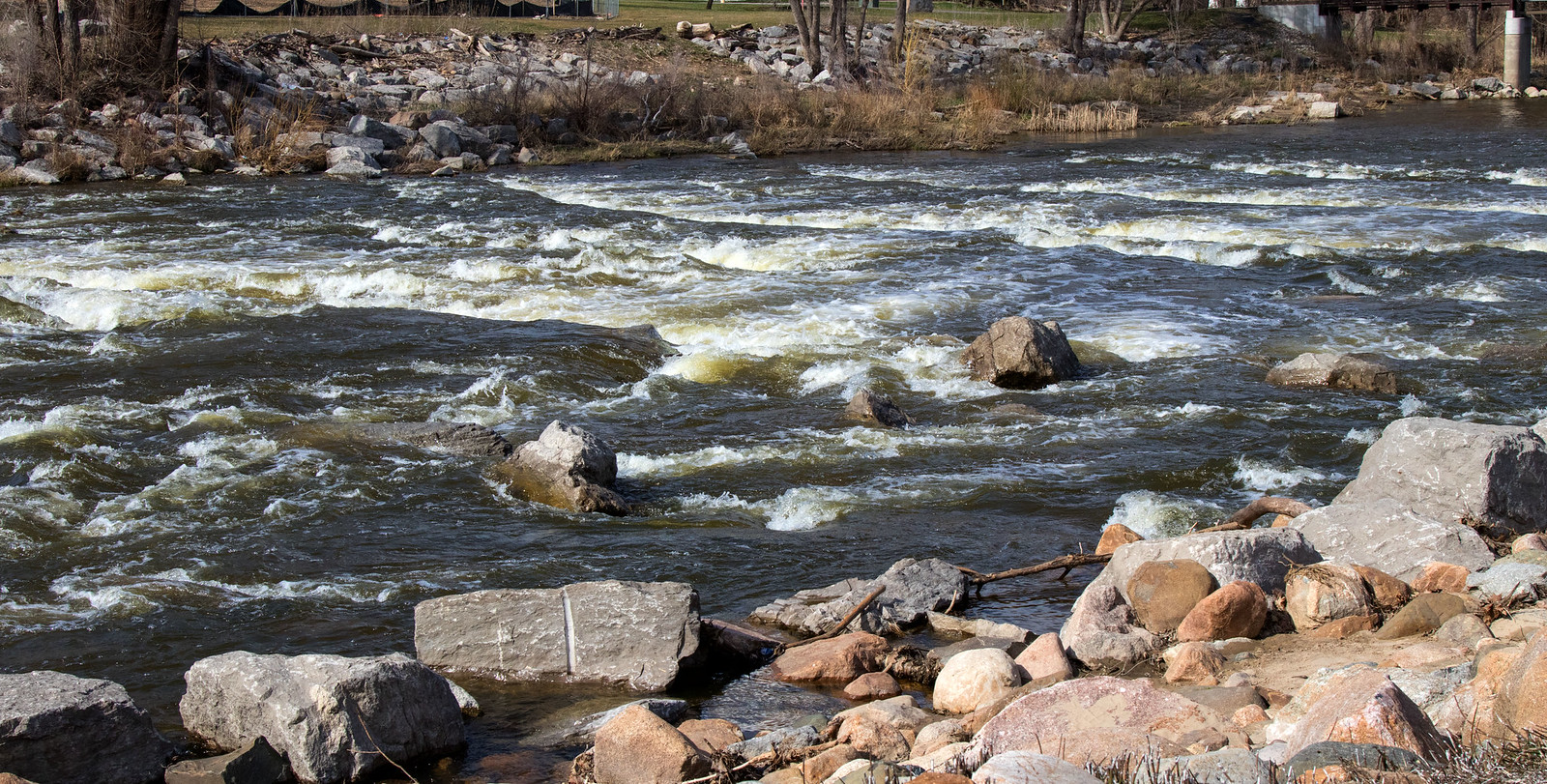
Shiawassee River
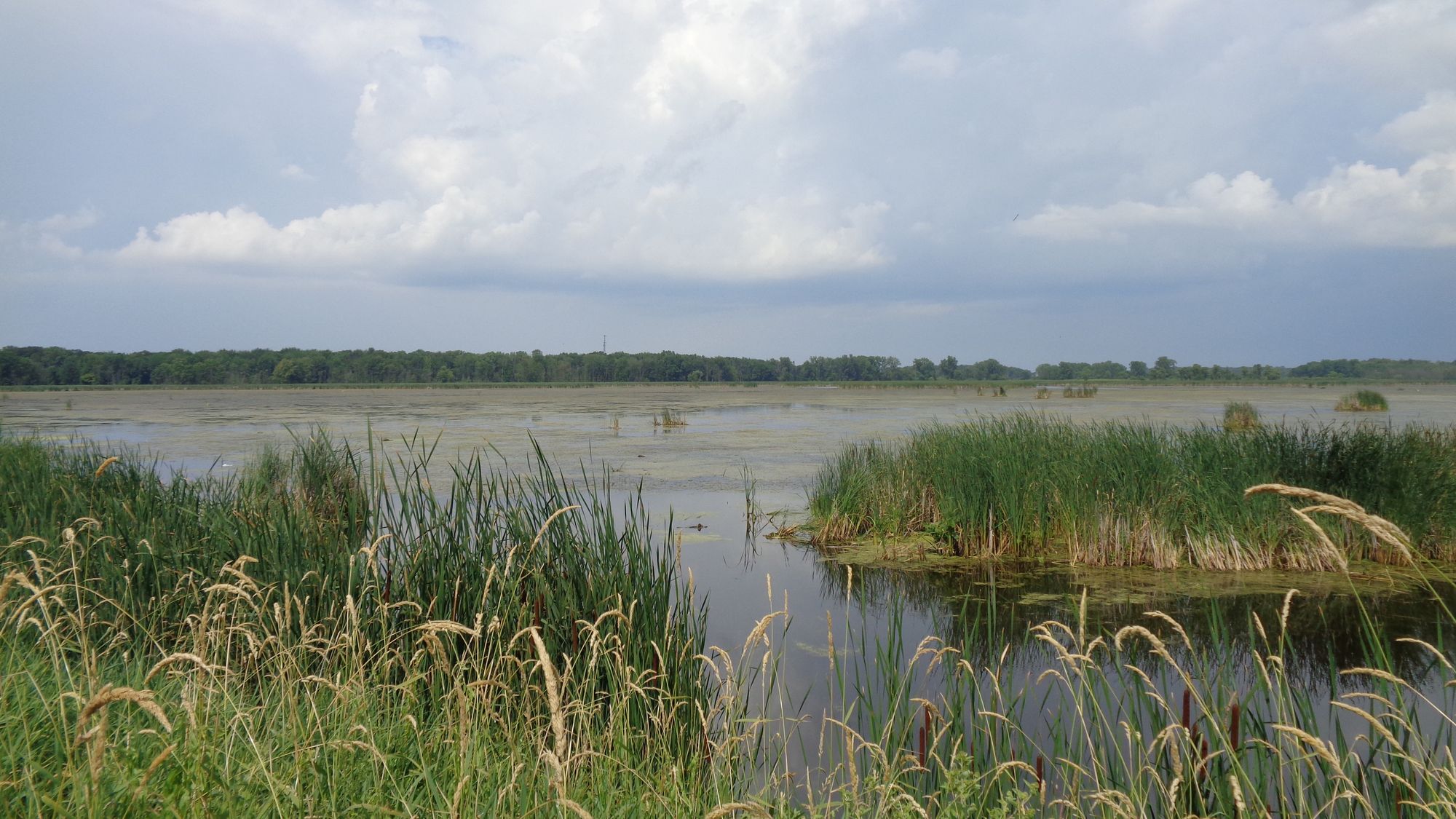
Maple River
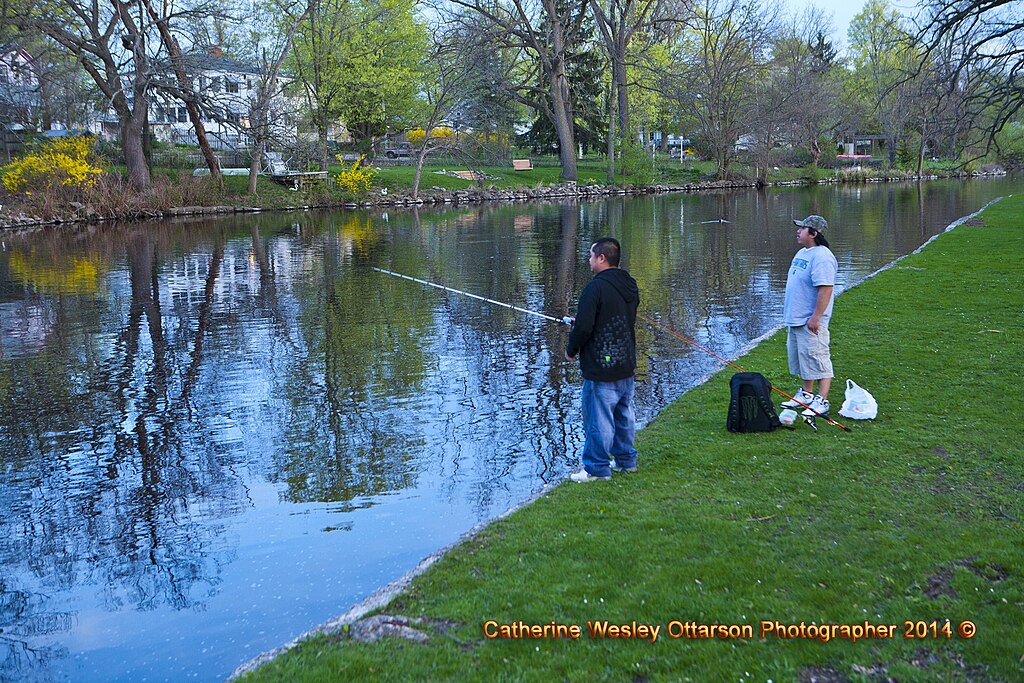
Grand River
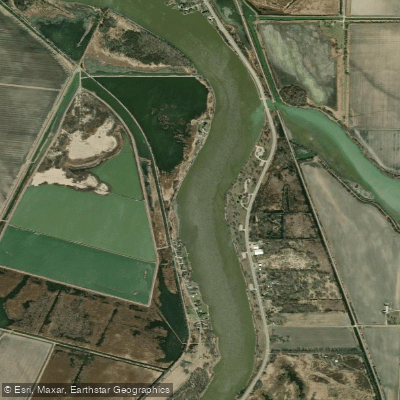
Saginaw River
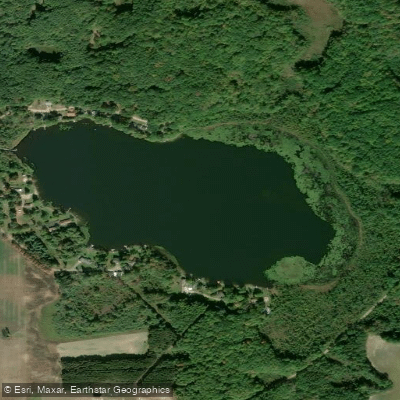
Halls Lake
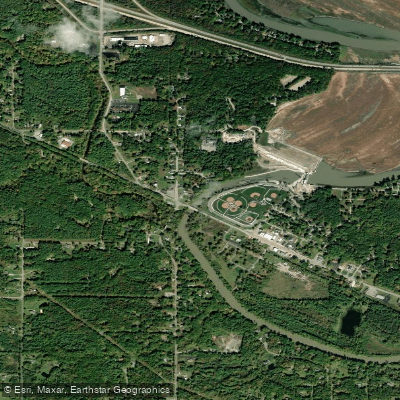
Tittabawassee River
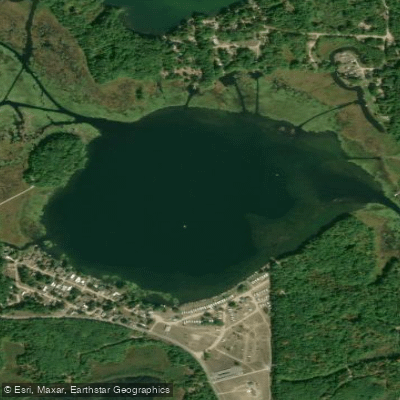
Tubbs Lake
What to know
Habitat Distribution
- Channel catfish are found in all Great Lakes except Lake Superior, with strong populations in Lakes Michigan, Huron, Erie, Ontario, and St.
- Clair.
- Within Michigan, they're most abundant in the Lower Peninsula, with limited presence in the Upper Peninsula due to colder water temperatures.
- They inhabit rivers, lakes, reservoirs, and are commonly found in areas below dams.
Key Locations
- Houghton Lake (Roscommon County), Detroit area waters like Belleville Lake, Ford Lake, Geddes Lake, Newburgh Lake, Pontiac Lake, and Stony Creek Impoundment.
Specific Spots
- Target areas with protective cover such as submerged logs, boulder piles, deep pools, undercut banks, and dam tailwaters.
- Fish close to structure during daylight hours, as catfish use these areas for cover, then move to adjacent shallow feeding areas after dark.
- In rivers, focus on current breaks, eddies, and deeper holes.
- Great Lakes fishing is productive along shorelines, particularly near tributary mouths.
Channel Catfish FAQ
Answers from onWater's species guide.
What are the best lures and bait for Channel Catfish in Michigan?
Prepared 'punch baits' or 'stink baits' fished on #6 treble hooks, which have proven most productive for numbers of fish. Natural baits like crawfish, worms, cut bait, and live minnows also work well.
When is the best time to fish for Channel Catfish in Michigan?
Late spring through early fall, with peak action occurring when water temperatures are between 68-80°F. Mid-June through early July offers excellent opportunities in Michigan's Great Lakes region.
How do you catch Channel Catfish in Michigan?
Focus on bottom fishing techniques using slip sinker rigs with minimal weight to reduce resistance, as channel cats will often drop the bait when they feel too much pressure.
What do Channel Catfish eat?
Channel catfish are opportunistic omnivores. They feed on snails, clams, crawfish, aquatic insects, small fish, frogs, aquatic plants, seeds, and occasionally small birds and mammals. Young catfish primarily eat aquatic insects and bottom-dwelling arthropods, becoming more omnivorous at 4-5 inches.
Where do Channel Catfish live in Michigan?
Channel catfish are found in all Great Lakes except Lake Superior, with strong populations in Lakes Michigan, Huron, Erie, Ontario, and St. Clair. Within Michigan, they're most abundant in the Lower Peninsula, with limited presence in the Upper Peninsula due to colder water temperatures.
Fish smarter with real-time insights
Whether you're en route and conditions shift or you're looking for the best spot based on current flows, we enable you to make informed decisions on the fly.




See it in the app
Most maps show you water.
onWater shows you Channel Catfish.



- 01 · Species map filter
Map every Channel Catfish water
Pick Channel Catfish and the map zeroes in on the waters they call home. No more guessing which lake holds them.
- 02 · Waterbody species
Tap any water. See what lives there.
Species, behavior and seasonal patterns for every lake, river and pond, before you leave the driveway.
- 03 · Angler Intelligence
Ask how to catch Channel Catfish
Tactics, gear and timing from onWater's AI fishing guide, tuned to the species and the water you're on.
Stop guessing where Channel Catfish are.
Open the map, filter by Channel Catfish, and head to water that holds them. Download onWater and plan your next trip in minutes.
- Species map filter
- Angler Intelligence
- Fishing journal
Explore other species
Trout, bass, salmon, panfish and everything in between. Each guide unpacks the behavior, seasons, and tactics that put fish in the net.
No species information available.
Michigan licenses and regulations
Explore nearby waters
Explore Michigan waters
Top fishing waters
Popular Cities
Loading popular cities...

Smarter Fishing Starts in the App.
onWater Fish gives you everything you need to plan smarter, fish better, and own every trip from first cast to last.