Fishing in Western Cape
- Lakes
- 434
- Rivers
- 583
- Access
- 21
- Boat Ramps
- 66
- Shops
- 0
The Western Cape occupies the southwestern corner of South Africa, where the cold Benguela current meets the warmer Agulhas along one of the continent's most productive coastlines.
Behind that coast, mountain ranges fold into river valleys and dams that hold a completely different kind of fishing. The result is a province where a saltwater angler and a trout fly fisher can be an hour apart and feel like they're in different countries.
On the coast, the action shifts with the seasons.
Summer — September through April — brings calmer seas and the species that follow warm water: yellowfin tuna running 50 to 65 kilometres offshore, kob working the surf, and yellowtail showing up in numbers around the Cape Peninsula and False Bay.
Kalk Bay and Gordon's Bay are well-known shore and boat access points for False Bay's reef and pelagic fishing. Winter swings the focus to galjoen, musselcracker, and snoek, with rougher northwest swells pushing anglers toward sheltered spots.
Walker Bay around Hermanus fishes well through winter fronts for galjoen and musselcracker along kelp lines, with reef species accessible by boat.
Up the West Coast, Saldanha Bay — the largest natural bay in South Africa — produces kob, white stumpnose, galjoen, and garrick from rocky outcrops and harbour walls, with sharks and rays showing in summer.
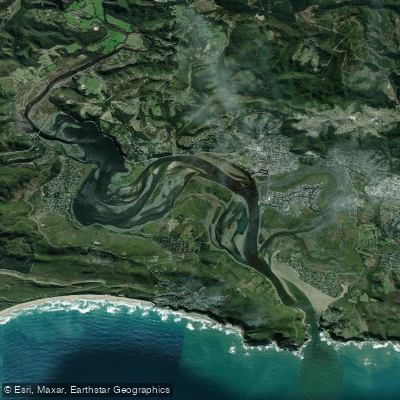
Knysna Lagoon, toward the eastern end of the province, is a different proposition entirely: tidal channels, prawn banks, and the narrow Heads produce grunter, leervis, and kob.
Drifting bait through the channels near Thesen Island or working surface lures along drop-offs are the standard approaches here. Inland, the Breede River — the longest river in the province — covers a lot of ground and a lot of fishing styles.
The upper reaches and the mountain streams feeding it hold rainbow trout, with brown trout dominating the upper Witte River. The middle Breede is bass country. Down at the Malgas estuary, kob are the target.
The Berg River follows a similar pattern: rainbow trout above Franschhoek, bass and carp further downstream. Theewaterskloof Dam holds largemouth bass, carp, and catfish and is one of the more accessible stillwater options near Cape Town.
Freshwater anglers over six years old need an angling licence for public waters — rivers and state-owned dams — issued by CapeNature. Saltwater fishing requires a recreational fishing permit, available through the DFFE's e-Fishing platform.
Neither is complicated to get, but check both bodies for current rules on bag limits and closed seasons before you go; they update regularly.
One thing worth knowing before you fish the rivers: smallmouth bass have done serious damage to indigenous species in Western Cape streams. Many conservationists encourage anglers to remove bass rather than release them.
The Clanwilliam yellowfish and Berg-Breede whitefish are indigenous species that deserve the consideration. The province rewards anglers who pay attention to season and conditions rather than just showing up.
Get the timing right and the fishing here is as varied and productive as anywhere in southern Africa.
Species & education
Learn what type of fish are in Western Cape and what's needed to catch them.
Find which waters have the species you want to catch

Largemouth Bass
Micropterus salmoides

Smallmouth Bass
Micropterus dolomieu

Rainbow Trout
Oncorhynchus mykiss

Brown Trout
Salmo trutta

African Longfin Eel
Anguilla mossambica

African Shortfin Eel
Anguilla bicolor

Albacore
Thunnus alalunga

Baardman
Umbrina robinsoni

Banded Tilapia
Tilapia sparrmanii

Black Marlin
Istiompax indica

Black Musselcracker
Cymatoceps nasutus

Blacktail
Diplodus capensis

Blacktip Shark
Carcharhinus limbatus
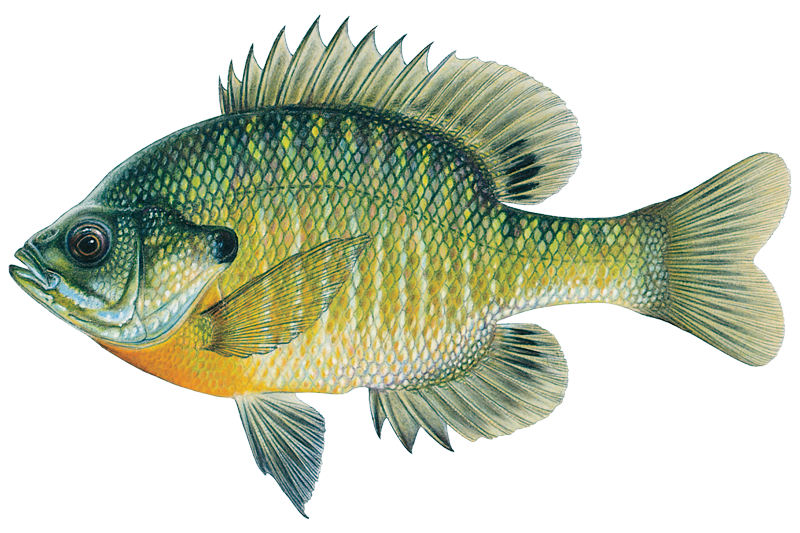
Bluegill Sunfish
Lepomis macrochirus

Blue Tilapia
Oreochromis aureus

Brindle Bass
Epinephelus lanceolatus

Bronze Bream
Pachymetopon grande

Bronze Whaler Shark
Carcharhinus brachyurus

Bushveld Smallscale Yellowfish
Labeobarbus polylepis

Cape Stumpnose
Rhabdosargus holubi

Clanwilliam Sandfish
Labeo seeberi

Clanwilliam Yellowfish
Labeobarbus seeberi

Cobia
Rachycentron canadum

Common Carp
Cyprinus carpio

Dageraad
Chrysoblephus cristiceps

Diamond Ray
Gymnura natalensis

Dusky Kob
Argyrosomus japonicus

Dusky Shark
Carcharhinus obscurus

Eastern Little Tuna
Euthynnus affinis

Englishman
Chrysoblephus anglicus

Flathead Grey Mullet
Mugil cephalus

Flathead Mullet
Mugil cephalus

Galjoen
Dichistius capensis

Geelbek
Atractoscion aequidens

Giant Kingfish
Caranx ignobilis

Honeycomb Stingray
Himantura uarnak

Hottentot
Pachymetopon blochii

Incomati Chiselmouth
Labeobarbus nelspruitensis

Indian Mottled Eel
Anguilla bengalensis

Indo-Pacific Sailfish
Istiophorus platypterus
Fish smarter with real-time insights
Whether you're en route and conditions shift or you're looking for the best spot based on current flows, we enable you to make informed decisions on the fly.




Western Cape licenses and regulations
Explore Western Cape waters
Top fishing waters
Popular Cities
Loading popular cities...

Smarter Fishing Starts in the App.
onWater Fish gives you everything you need to plan smarter, fish better, and own every trip from first cast to last.