Brown Trout
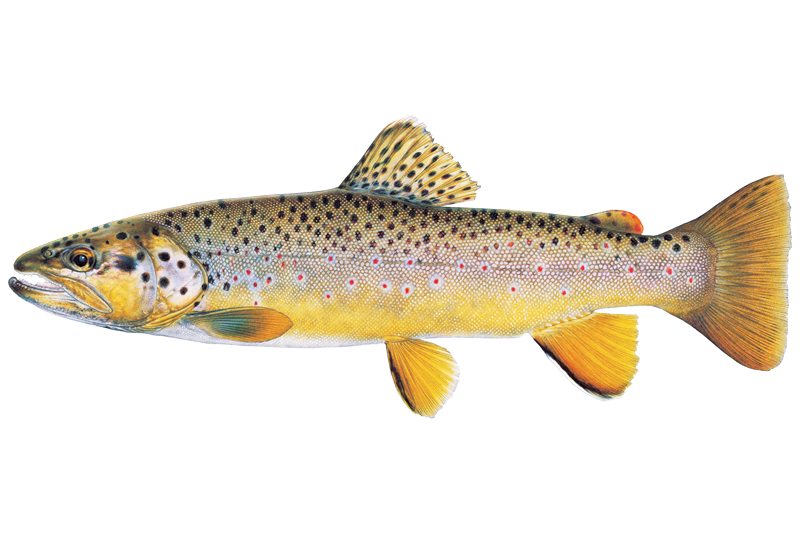
Brown trout were introduced to South African waters in the late 1800s and have established self-sustaining wild populations in the mountain streams and highland dams of KwaZulu-Natal, the Western Cape, Eastern Cape, Mpumalanga, and the Free State.
Less common than rainbow trout here, they're the fish that draws dedicated fly anglers into remote gorges and Drakensberg valleys — harder to find, harder to fool, and deeply satisfying because of both.
Scientific Name: Salmo trutta
Also known as Bruinforel
- Golden-brown to olive flanks covered in black, brown, and red spots — wild-spawned fish from Drakensberg streams often show vivid colouration.
- Pale, creamy belly; reddish-brown fins; body more robust and less silvery than rainbow trout.
- Large males develop a pronounced hooked lower jaw (kype) during spawning season — a reliable ID feature.
- Typical river fish run 20–35 cm; well-fed dam fish can reach considerably larger sizes in productive highland impoundments.
What to know
Habitat Distribution
- Introduced from Europe; not native to Africa. Wild, self-sustaining populations now exist in cold mountain streams and highland dams across five provinces.
- Found in KwaZulu-Natal rivers including the Mooi, Bushmans, Loteni, Mkomaas, and Umngeni, and in Drakensberg catchments.
- Present in Western Cape mountain streams, Eastern Cape highlands around Rhodes, Mpumalanga highveld around Dullstroom, and Free State mountain areas.
- Restricted to higher altitudes — as water warms downstream it crosses a thermal barrier the fish can't tolerate, so trout are essentially altitude-bound in South Africa.
Key Locations
- Dullstroom, Mpumalanga — the most developed trout-fishing destination in South Africa, with highland dams and streams drawing Johannesburg anglers year-round.
- Rhodes, Eastern Cape — a remote highland hamlet at the centre of a large sport-fishing area with quality brown trout water.
- KwaZulu-Natal rivers — the Mooi, Bushmans, Loteni, Mkomaas, and Umngeni are established brown trout streams in the Drakensberg foothills.
- Western Cape mountain streams — technical, clear-water rivers that require hiking access and reward precise dry fly presentation; some hold wild, self-sustaining brown trout populations.
Specific Spots
- Brown trout avoid the obvious holding water. In a pool or run, look where you'd least expect a fish — undercut banks, root tangles, deep shadows under overhanging vegetation.
- Unlike rainbows, browns tuck into awkward, marginal lies: tight against boulders, in the crease where fast water meets a back-eddy, or in very shallow water near cover.
- In still-water dams, focus on drop-offs and weed edges, especially early morning and late evening when fish move shallow to feed.
- Gravel runs and riffles become key during spawning, when fish move upstream from deeper holding water.
Brown Trout FAQ
Answers from onWater's species guide.
What flies work for Brown Trout?
Dry flies: Adams and Elk Hair Caddis cover most hatch situations; small foam beetles and ant patterns work well when terrestrials are on the water in summer.
When is the best time to fish for Brown Trout?
Autumn and winter (April–August), cooler water temperatures improve fish activity and feeding; spawning runs occur during this window. Spring (September–October), water levels rise after winter rains, fish are active, and nymphing and streamer techniques produce well before summer heat sets in.
How do you catch Brown Trout?
Most South African brown trout fishing is done on foot, wading mountain streams or walking dam banks. Fly fishing is the dominant method, dry fly and nymph on rivers, streamers and wet flies on dams. Remote Western Cape streams require multi-day hiking expeditions to access the best water.
What do Brown Trout eat?
Aquatic insects form the backbone of the diet, mayflies, caddisflies, midges, and damselflies. Match the hatch with dry flies like Elk Hair Caddis (imitates adult caddis) or Adams (a general mayfly imitation), or fish nymphs like a Pheasant Tail (imitates mayfly nymphs) or Hare's Ear (imitates a range of nymphs)...
Where do Brown Trout live?
Introduced from Europe; not native to Africa. Wild, self-sustaining populations now exist in cold mountain streams and highland dams across five provinces. Found in KwaZulu-Natal rivers including the Mooi, Bushmans, Loteni, Mkomaas, and Umngeni, and in Drakensberg catchments.
See it in the app
Most maps show you water.
onWater shows you Brown Trout.



- 01 · Species map filter
Map every Brown Trout water
Pick Brown Trout and the map zeroes in on the waters they call home. No more guessing which lake holds them.
- 02 · Waterbody species
Tap any water. See what lives there.
Species, behavior and seasonal patterns for every lake, river and pond, before you leave the driveway.
- 03 · Angler Intelligence
Ask how to catch Brown Trout
Tactics, gear and timing from onWater's AI fishing guide, tuned to the species and the water you're on.
Stop guessing where Brown Trout are.
Open the map, filter by Brown Trout, and head to water that holds them. Download onWater and plan your next trip in minutes.
- Species map filter
- Angler Intelligence
- Fishing journal
Explore other species
Trout, bass, salmon, panfish and everything in between. Each guide unpacks the behavior, seasons, and tactics that put fish in the net.
No species information available.
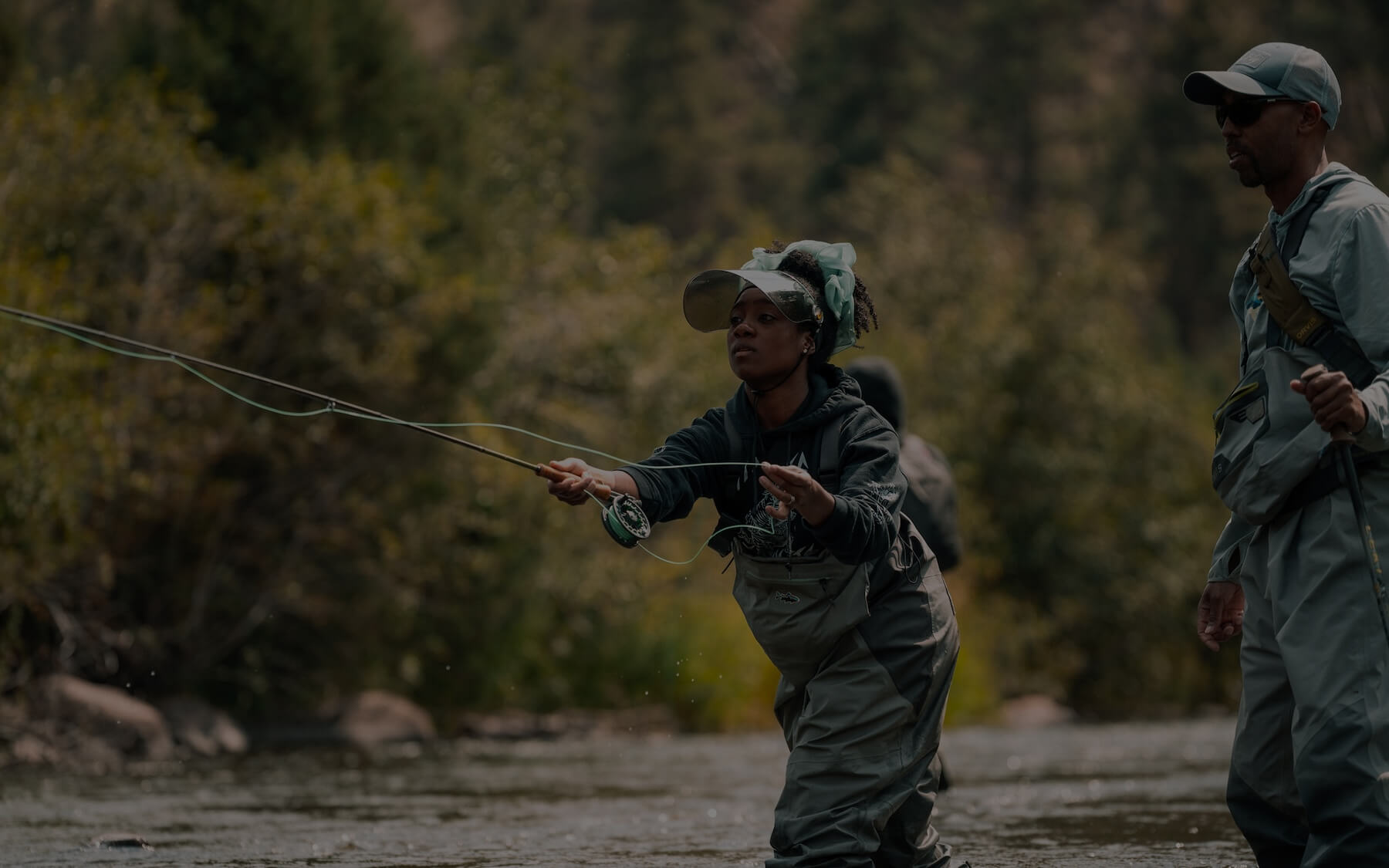
Smarter Fishing Starts in the App.
onWater Fish gives you everything you need to plan smarter, fish better, and own every trip from first cast to last.