Incomati Chiselmouth

The Incomati Chiselmouth is a small, native cyprinid found in a handful of river systems in the Mpumalanga and KwaZulu-Natal lowveld.
It's the only chiselmouth species in South Africa, and while it rarely tops a kilogram, it draws dedicated fly anglers who enjoy the challenge of fooling a bottom-feeding fish in fast, rocky water — tactics borrowed directly from yellowfish nymphing.
Scientific Name: Labeobarbus nelspruitensis
Also known as Inkomati Chiselmouth, Inkomati Beitelbeck
- Olive-green on the back fading to lighter olive and creamy white on the belly — similar colouring to smallmouth yellowfish at a glance.
- The defining feature is the wide, nearly straight mouth with a hardened, chisel-shaped lower lip used to scrape algae and invertebrates off rocks.
- A small fish by most measures: typical adults reach around 20–30 cm, with a maximum of roughly 35 cm and weights just over 1 kg.
What to know
Habitat Distribution
- Endemic to the Incomati and Pongola (Phongolo) river systems — its entire South African range sits within Mpumalanga and northern KwaZulu-Natal.
- A native species, not introduced; it is not found anywhere else in the country.
- Favours cool, fast-flowing streams and rivers with hard rocky substrate — cobbles, boulders and bedrock on escarpment drainages.
- May also occur in Lake Jozini and the tributary streams feeding the Pongola system.
Key Locations
- Pongola (Phongolo) River system, KwaZulu-Natal/Mpumalanga — the core of the species' South African range, including tributary streams off the main river.
- Incomati River system, Mpumalanga — the other main catchment where the species is confirmed; escarpment tributaries hold the best fish habitat.
- Lake Jozini, KwaZulu-Natal — a possible occurrence worth investigating given its connection to the Pongola system.
Specific Spots
- Look for fish working the downstream face of boulders and in the broken water below rapids, where current concentrates food on the rock surface.
- Deeper pools between boulder clusters hold fish during the heat of the day — the head and tail of these pools are the most productive entry points.
- Rocky runs with clean, algae-covered substrate are prime feeding lanes; the chisel lip is built for scraping, so any flat rock face in moderate current is worth a drift.
Incomati Chiselmouth FAQ
Answers from onWater's species guide.
What are the best lures and bait for Incomati Chiselmouth?
Small spinners (size 0–1) and micro-spoons worked slowly along rocky bottoms are the most practical conventional options for a bottom-grazing fish this size.
What flies work for Incomati Chiselmouth?
Small nymphs fished dead-drift (drifted naturally with the current, without added movement) right along the bottom are the go-to approach, Pheasant Tail Nymphs and Hare's Ear Nymphs in sizes 14–18 imitate the mayfly nymphs and invertebrates the fish scrape from rocks.
When is the best time to fish for Incomati Chiselmouth?
Summer (October–February) brings spawning activity and warmer water; fish are active but may be more focused on breeding than feeding during peak spawn. Autumn and winter (March–August) can produce consistent feeding as fish return to normal bottom-grazing behaviour in cooler, clearer water.
How do you catch Incomati Chiselmouth?
Most anglers encounter chiselmouth while nymphing for yellowfish in the Pongola and Incomati systems, wading rocky runs and drifting small nymphs along the bottom. Targeting them deliberately means focusing on fast, boulder-strewn sections and keeping presentations as close to the substrate as possible.
What do Incomati Chiselmouth eat?
Feeds primarily by scraping algae and biofilm (the thin layer of algae, diatoms and organic matter coating submerged rocks) directly off hard surfaces, supplemented by aquatic invertebrates picked from the same substrate.
See it in the app
Most maps show you water.
onWater shows you Incomati Chiselmouth.



- 01 · Species map filter
Map every Incomati Chiselmouth water
Pick Incomati Chiselmouth and the map zeroes in on the waters they call home. No more guessing which lake holds them.
- 02 · Waterbody species
Tap any water. See what lives there.
Species, behavior and seasonal patterns for every lake, river and pond, before you leave the driveway.
- 03 · Angler Intelligence
Ask how to catch Incomati Chiselmouth
Tactics, gear and timing from onWater's AI fishing guide, tuned to the species and the water you're on.
Stop guessing where Incomati Chiselmouth are.
Open the map, filter by Incomati Chiselmouth, and head to water that holds them. Download onWater and plan your next trip in minutes.
- Species map filter
- Angler Intelligence
- Fishing journal
Explore other species
Trout, bass, salmon, panfish and everything in between. Each guide unpacks the behavior, seasons, and tactics that put fish in the net.
No species information available.
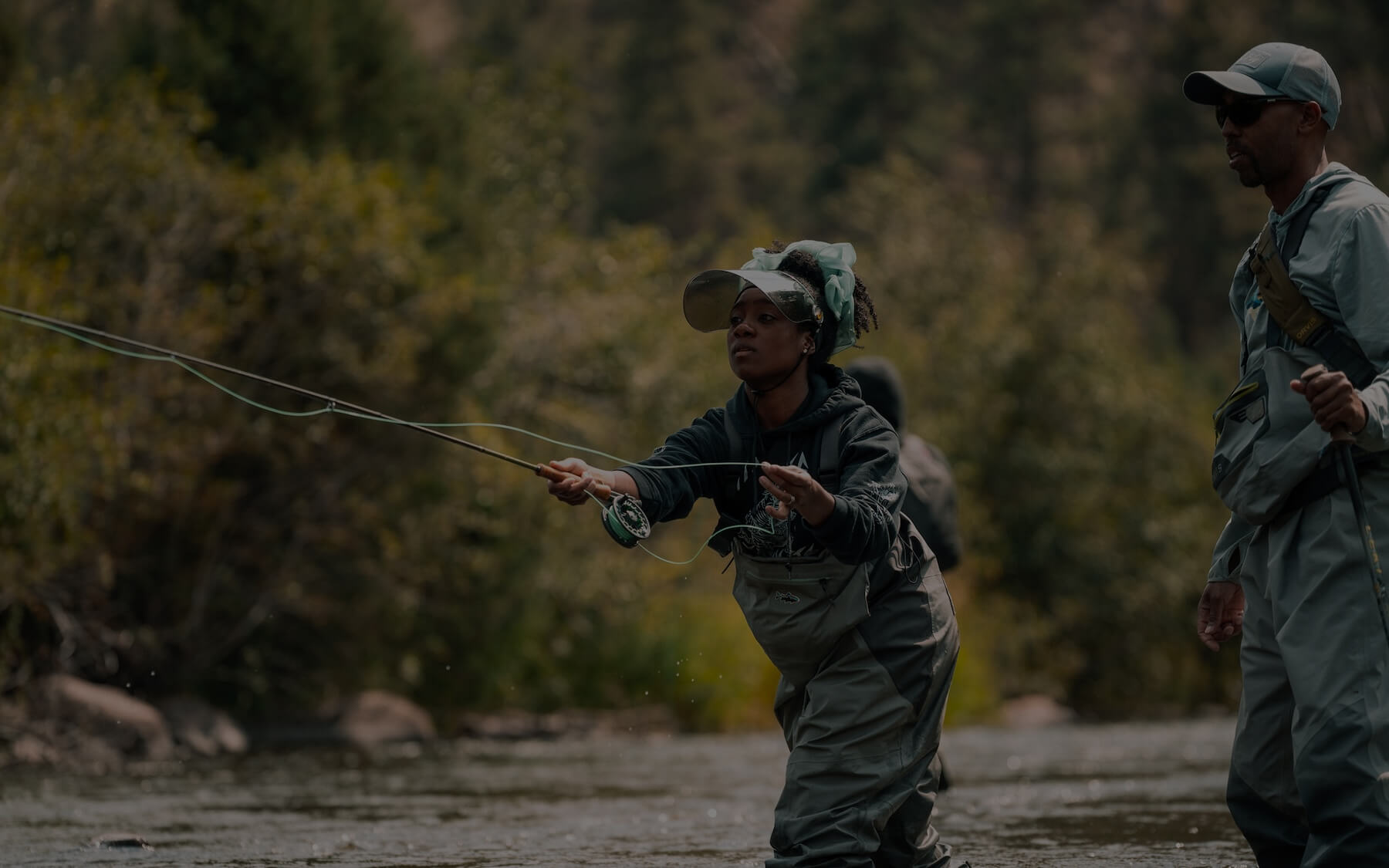
Smarter Fishing Starts in the App.
onWater Fish gives you everything you need to plan smarter, fish better, and own every trip from first cast to last.