Mountain Sucker

Mountain Sucker is a small native Utah fish species and important forage species for trout, making them a key component of Utah's coldwater ecosystems.
Scientific Name: Catostomus platyrhynchus
- Typically measuring 6-8 inches in length, though they can reach up to 10 inches.
- They're benthic (bottom-dwelling) fish with subterminal mouths featuring characteristic fleshy papillae on their lips and a cartilaginous plate used for scraping food from rocks.
Fishing in Utah
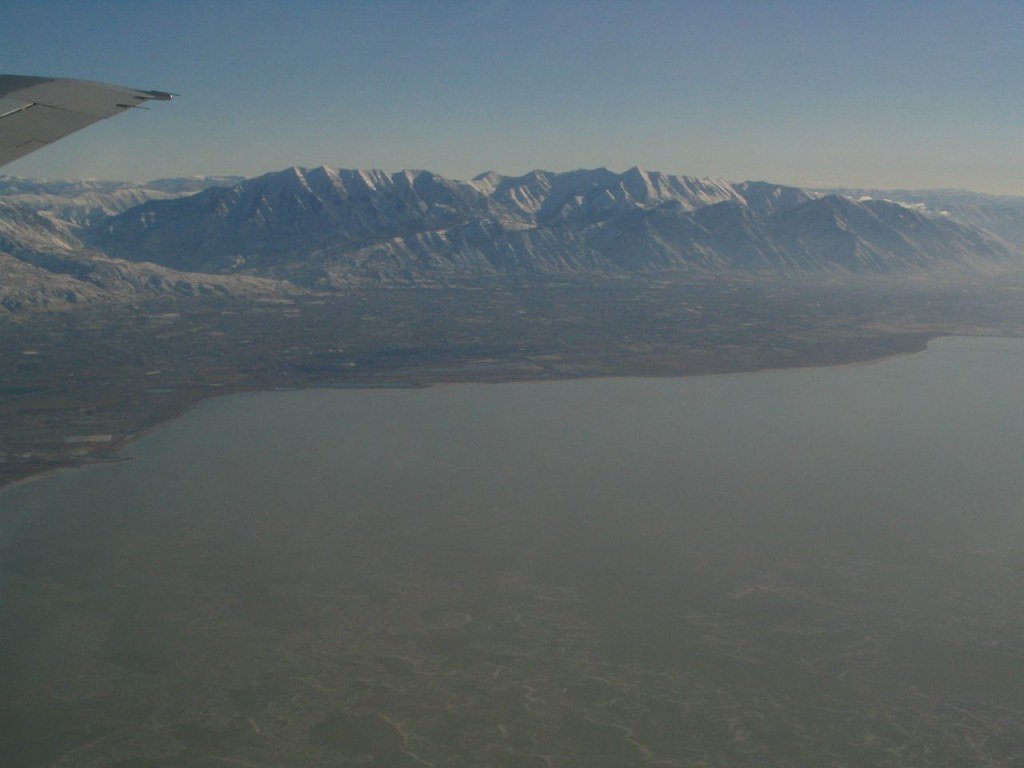
Utah Lake
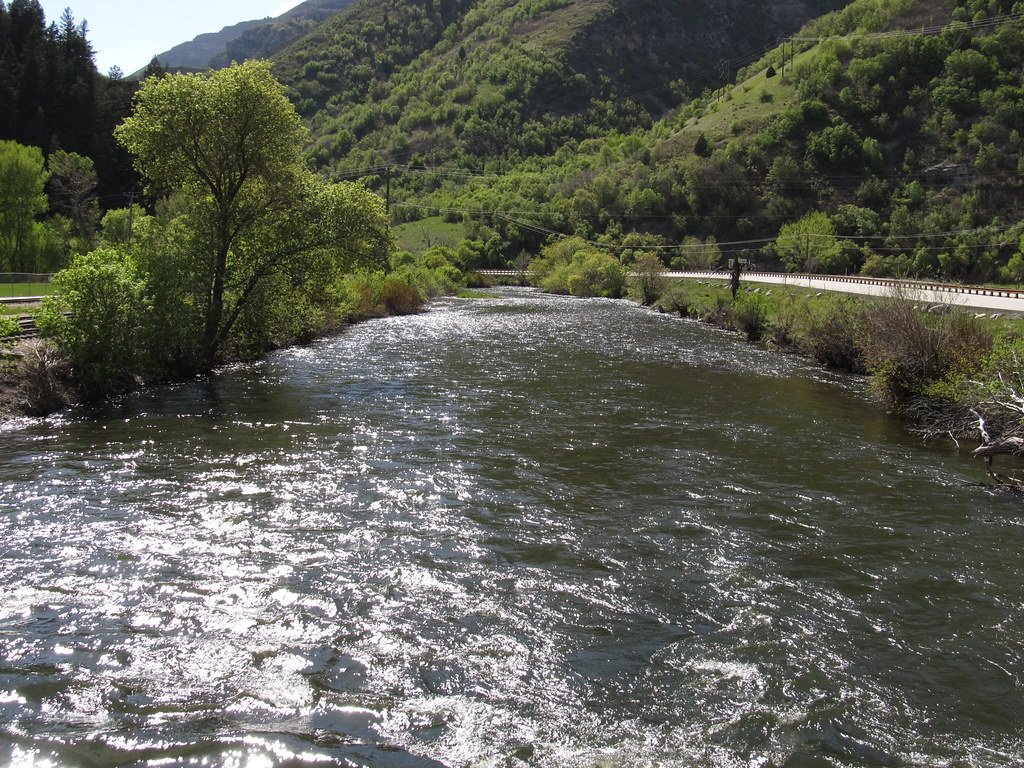
Provo River
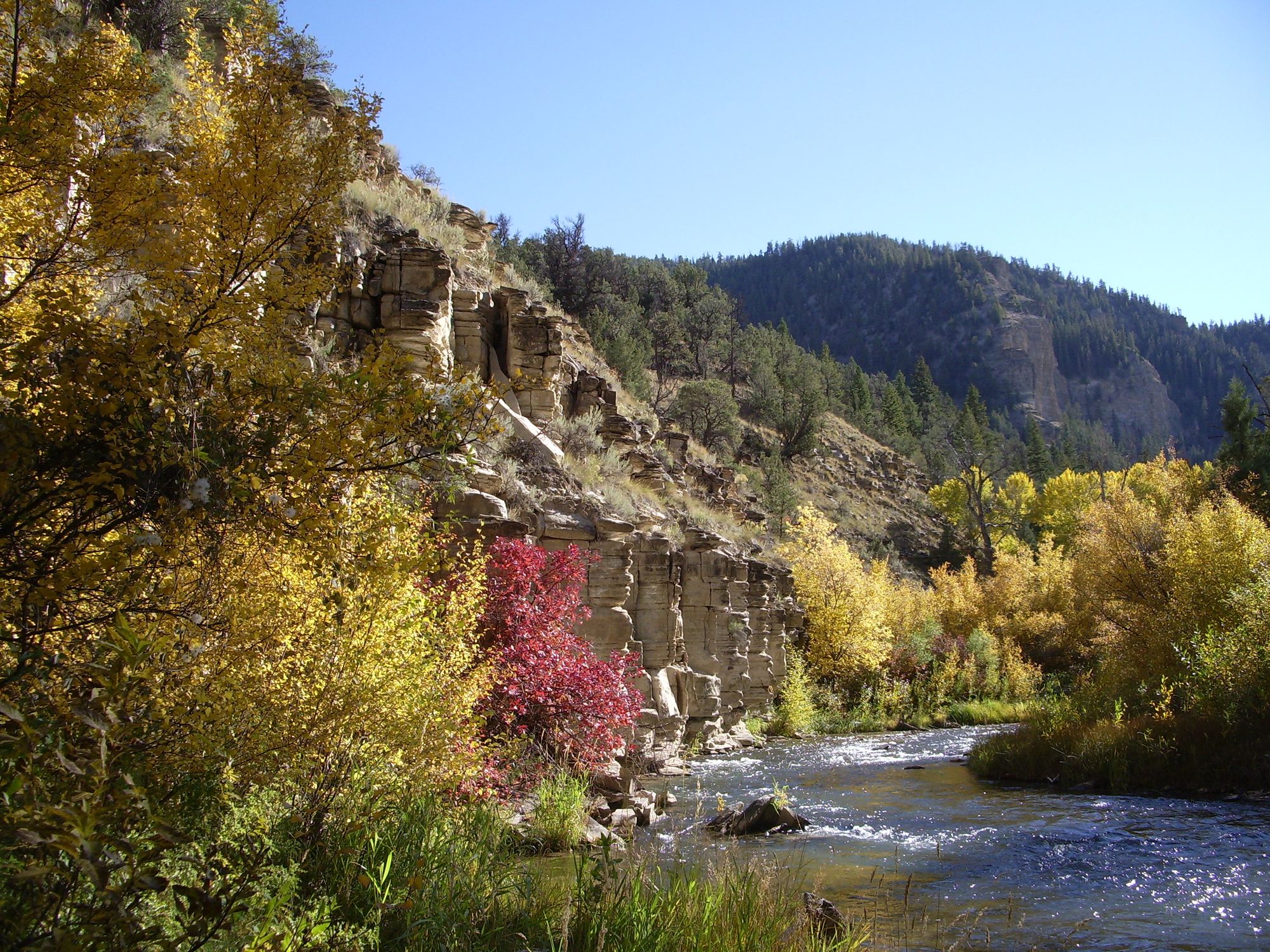
Strawberry River
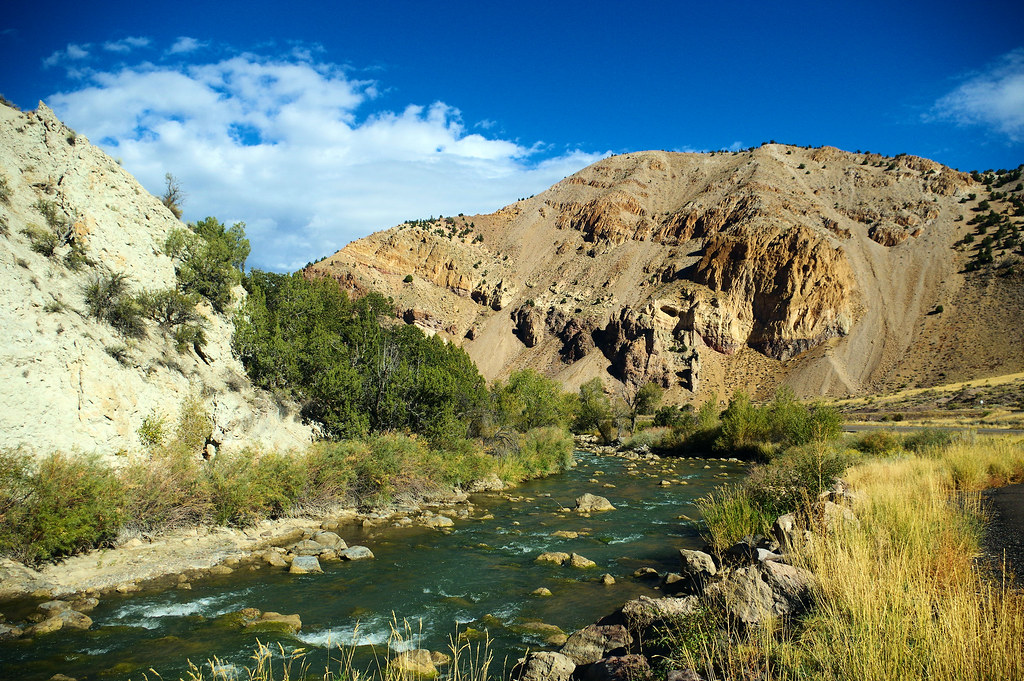
Sevier River
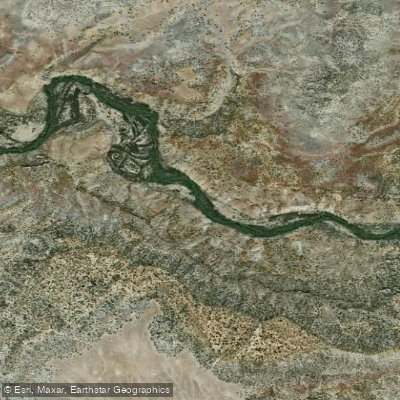
Price River
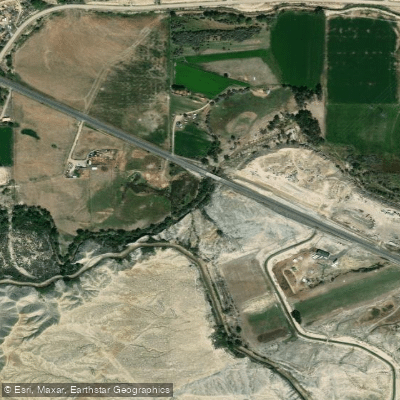
Huntington Creek
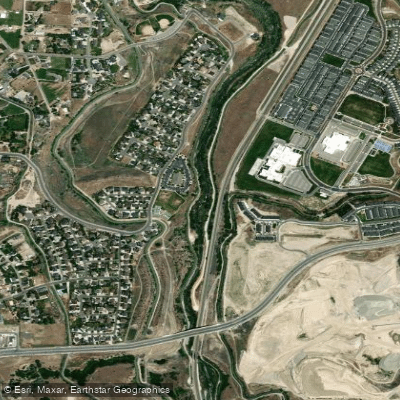
Jordan River
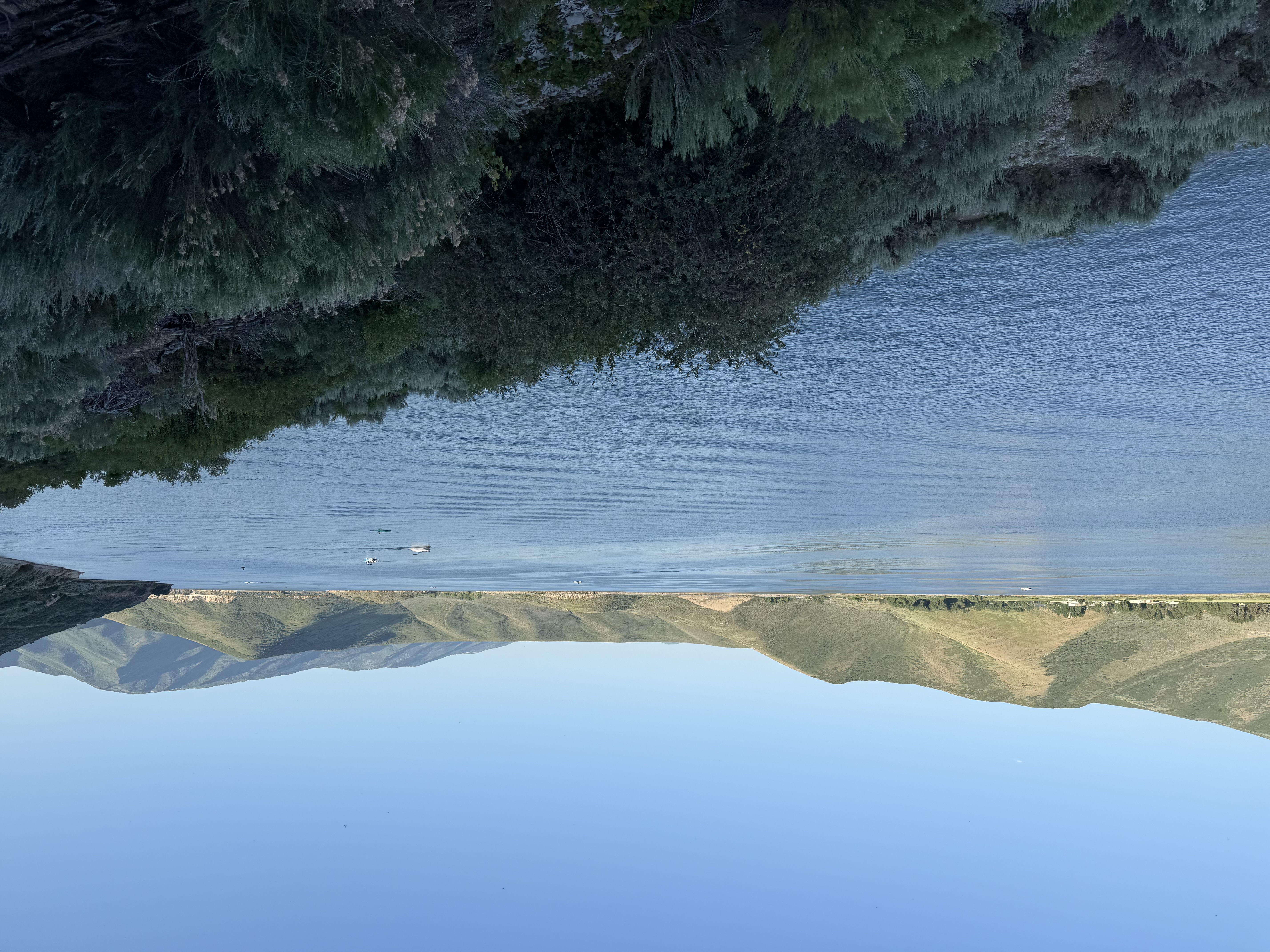
Deer Creek Reservoir
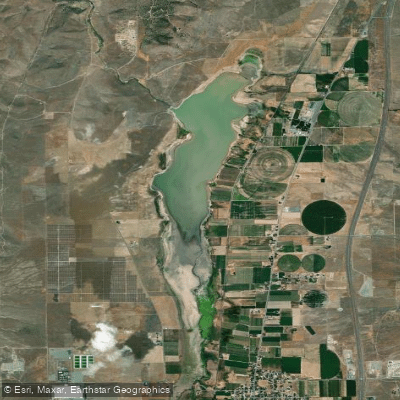
Mona Reservoir
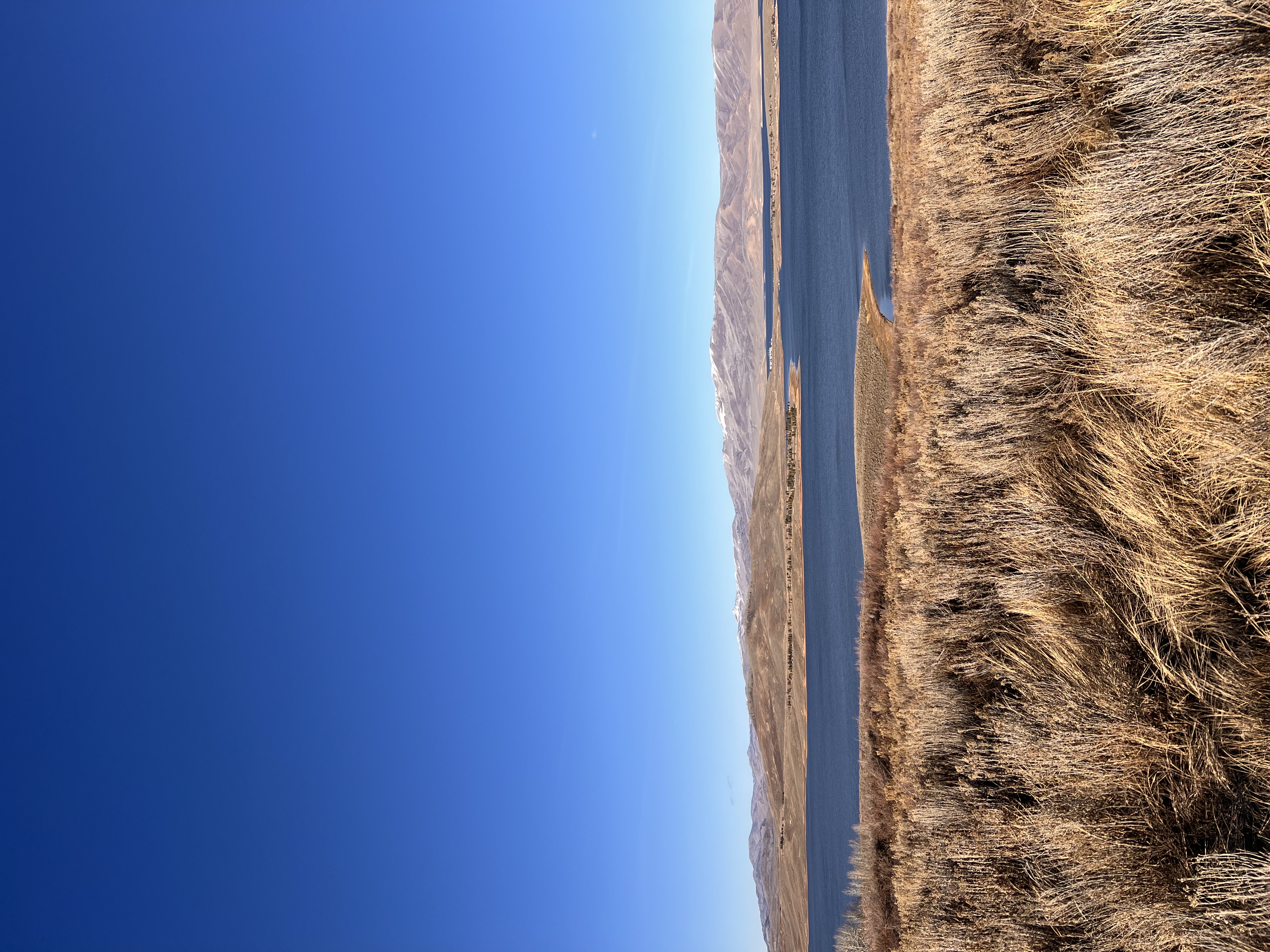
Strawberry Reservoir
What to know
Habitat Distribution
- Preferring clear, cold streams with gravel substrates.
Key Locations
- In Utah, Mountain Suckers are found in the Bonneville Basin and Colorado River system.
- They inhabit the Duchesne River (where they're common), Price River, Lost Creek, and various tributaries throughout northern and eastern Utah.
- Focus on clear, cold streams with gravel substrates in northern and eastern Utah, particularly the Duchesne River system where they're most common.
Specific Spots
- Target pool areas and moderate current zones with gravel bottoms, particularly areas with some cover like undercut banks or root wads.
- They prefer pool-like habitats in some areas but favor faster water in others, typically in streams with moderate current and gravel to cobble substrates.
Mountain Sucker FAQ
Answers from onWater's species guide.
What flies work for Mountain Sucker in Utah?
Use small nymphs and wet flies that imitate their natural food sources - patterns that mimic small aquatic invertebrates, midge larvae, and algae-feeding insects work best. Small woolly buggers, scud patterns, and midge pupae in sizes #16-20 can be effective.
When is the best time to fish for Mountain Sucker in Utah?
Fish during spring (March-May) and fall (September-November) when they're most active, avoiding the spawning period from late May through June.
How do you catch Mountain Sucker in Utah?
Use techniques like dead-drift nymphing with strike indicators. Since Mountain Suckers are bottom feeders, presentations should be close to or on the substrate. Standard trout nymphing techniques in their preferred habitat will occasionally result in hookups.
What do Mountain Sucker eat?
These fish feed primarily on algae and diatoms scraped from rocks, supplemented by aquatic invertebrates, particularly for juveniles.
Fish smarter with real-time insights
Whether you're en route and conditions shift or you're looking for the best spot based on current flows, we enable you to make informed decisions on the fly.







See it in the app
Most maps show you water.
onWater shows you Mountain Sucker.



- 01 · Species map filter
Map every Mountain Sucker water
Pick Mountain Sucker and the map zeroes in on the waters they call home. No more guessing which lake holds them.
- 02 · Waterbody species
Tap any water. See what lives there.
Species, behavior and seasonal patterns for every lake, river and pond, before you leave the driveway.
- 03 · Angler Intelligence
Ask how to catch Mountain Sucker
Tactics, gear and timing from onWater's AI fishing guide, tuned to the species and the water you're on.
Stop guessing where Mountain Sucker are.
Open the map, filter by Mountain Sucker, and head to water that holds them. Download onWater and plan your next trip in minutes.
- Species map filter
- Angler Intelligence
- Fishing journal
Explore other species
Trout, bass, salmon, panfish and everything in between. Each guide unpacks the behavior, seasons, and tactics that put fish in the net.

Find which waters have the species you want to catch

Largemouth Bass
Micropterus salmoides

Smallmouth Bass
Micropterus dolomieu

Rainbow Trout

Brown Trout
Salmo trutta

Brook Trout
Salvelinus fontinalis

Cutthroat Trout

Northern Pike

Walleye
Sander vitreus

Black Crappie
Pomoxis nigromaculatus
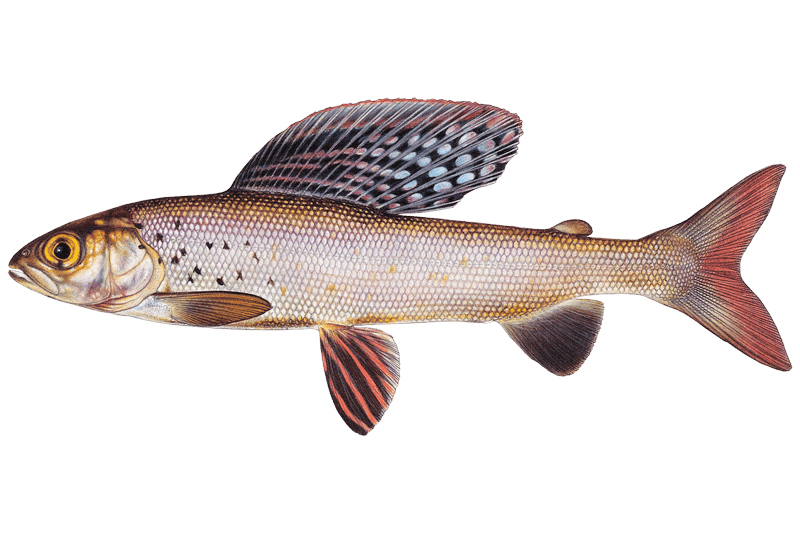
Arctic Grayling
Thymallus arcticus

Black Bullhead
Ameiurus melas

Brown Bullhead
Ameiurus nebulosus

Burbot
Lota lota

Channel Catfish
Ictalurus punctatus

Common Carp
Cyprinus carpio

Creek Chub
Semotilus atromaculatus

Gizzard Shad
Dorosoma cepedianum
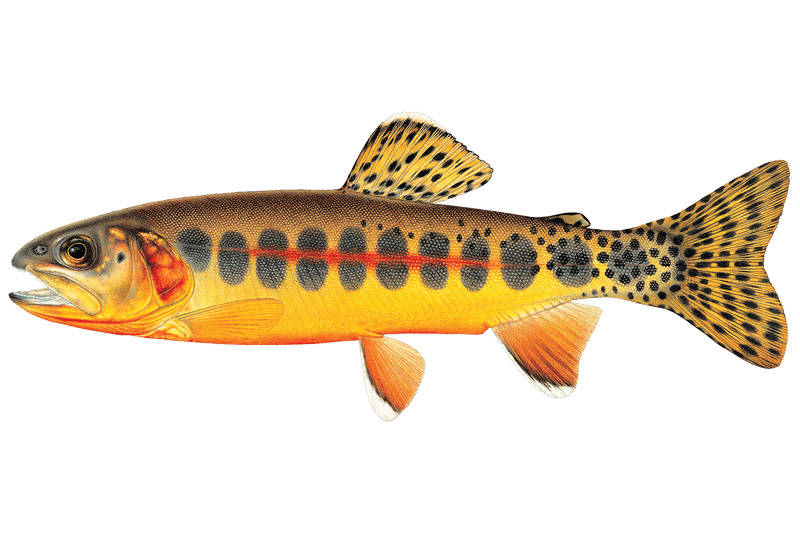
Golden Trout
Oncorhynchus mykiss aguabonita

Grass Carp
Ctenopharyngodon idella

Green Sunfish
Lepomis cyanellus
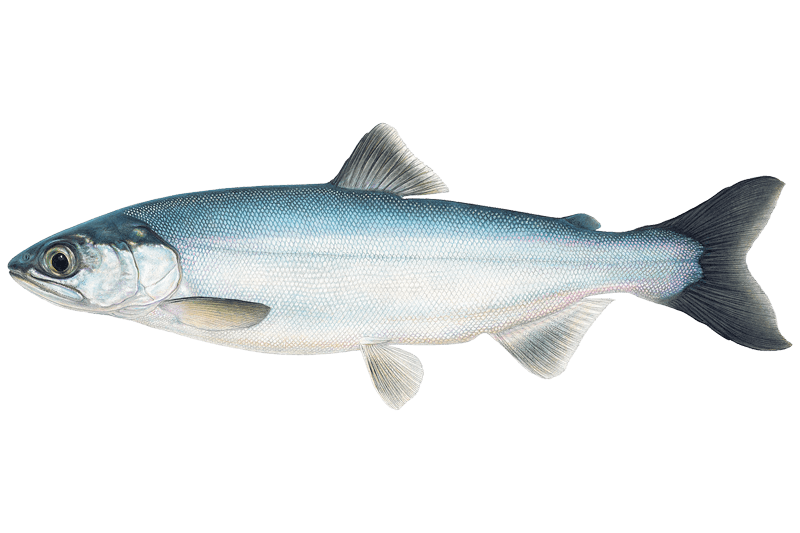
Kokanee Salmon
Oncorhynchus nerka

Lake Trout
Salvelinus namaycush

Longnose Sucker
Catostomus catostomus
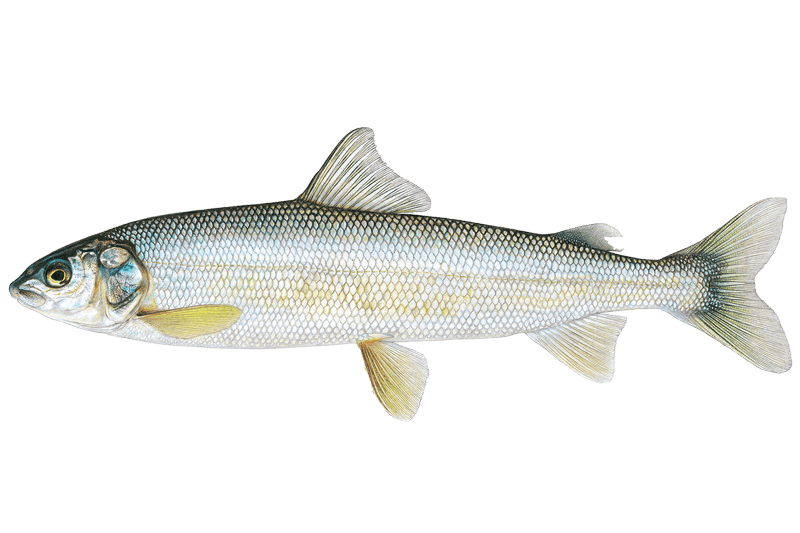
Mountain Whitefish
Prosopium williamsoni

Sockeye Salmon
Oncorhynchus nerka
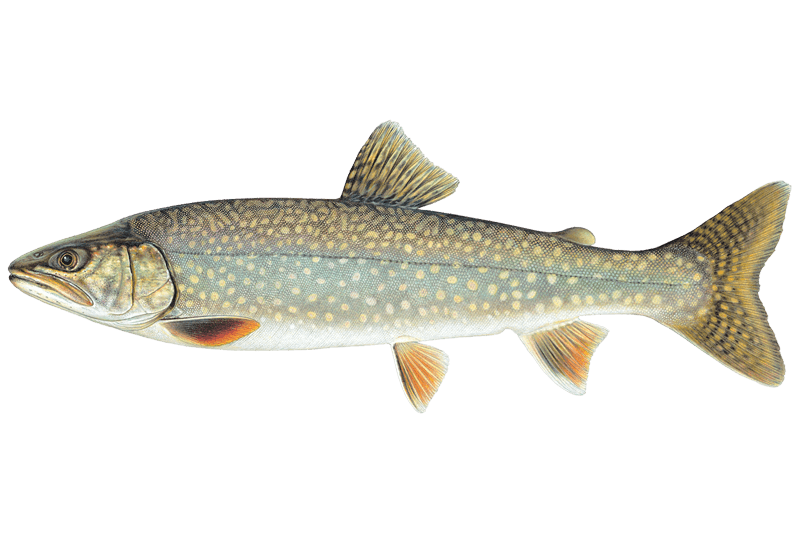
Splake
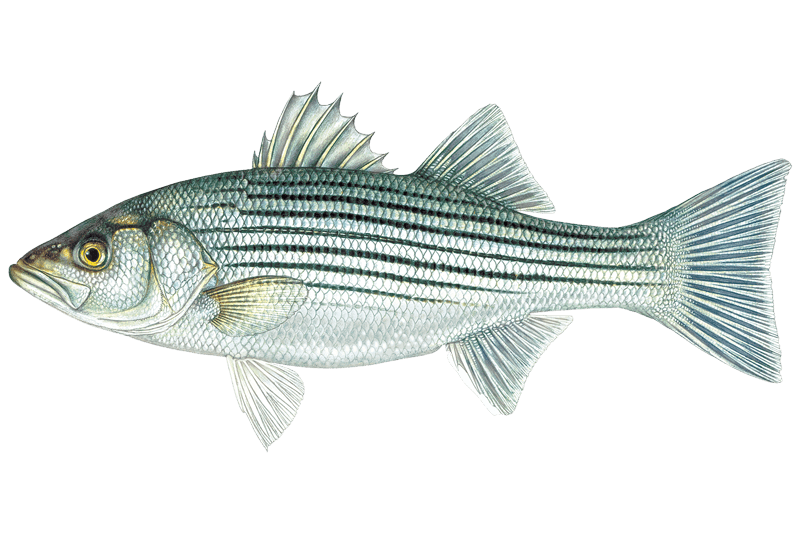
Striped Bass
Morone saxatilis
Tiger Trout
White Bass
Morone chrysops
White Crappie
Pomoxis annularis
White Sucker
Catostomus commersonii
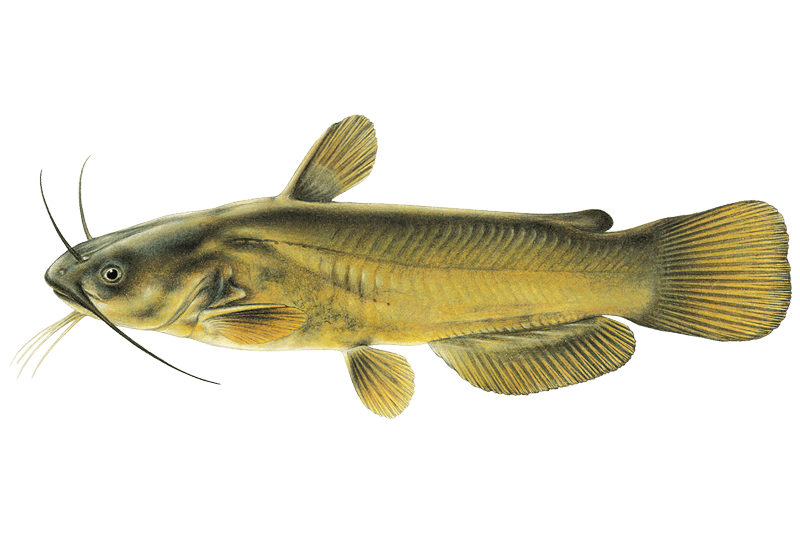
Yellow Bullhead
Ameiurus natalis
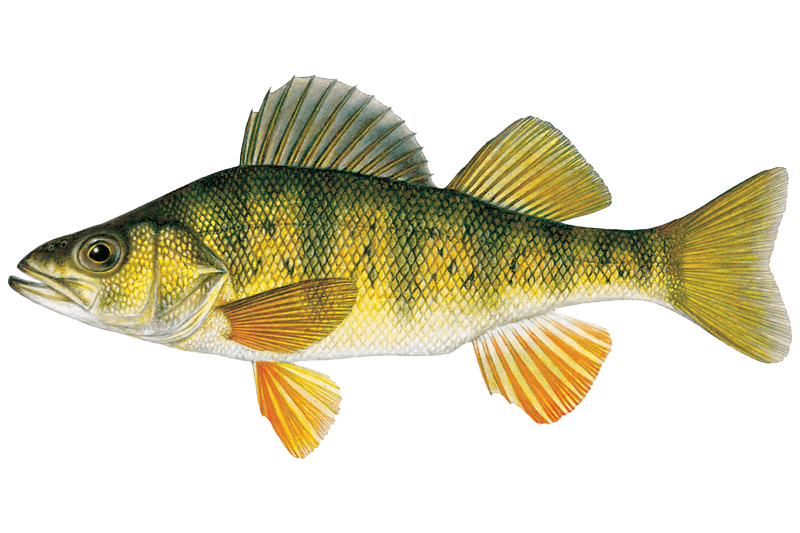
Yellow Perch
Perca flavescens
Utah licenses and regulations
Utah Boating Regulations
When using any type of watercraft to access a body of water, it is important to follow all federal, state, and local rules and regulations. These rules and regulations include boat permitting and licensing, invasive species inspections and stamps, life jacket and PFD rules, motor size and horsepower restrictions, noise limitations, restrictions on personal watercraft, and many more. Visit the web link below for the most current rules and regulations for this body of water.
Utah Fishing License
If you’re 12 years of age or older, you must purchase a fishing license or a combination license to fish in Utah.

Utah Fishing Regulations
This river has a variety of species and regulations, including potential floating and/or watercraft restrictions. Because this river is specially managed for species, seasons, angling methods, and watercraft, it is strongly encouraged you check all federal, state, and local regulations before fishing. Visit any of the links below, inquire locally, or contact a local fly shop to learn current regulations and restrictions.
Utah Stream Access Laws
The law does not allow recreational water users (including anglers, kayakers, tubers, hunters and others) to walk on the private bed of a public waterbody. This means that if you are fishing or recreating in public water that flows over private property closed to trespass, you may not walk on the land beneath the water without obtaining landowner permission.
Explore nearby waters
Explore Utah waters
Top fishing waters
Popular Cities
Loading popular cities...
Smarter Fishing Starts in the App.
onWater Fish gives you everything you need to plan smarter, fish better, and own every trip from first cast to last.