Common Carp
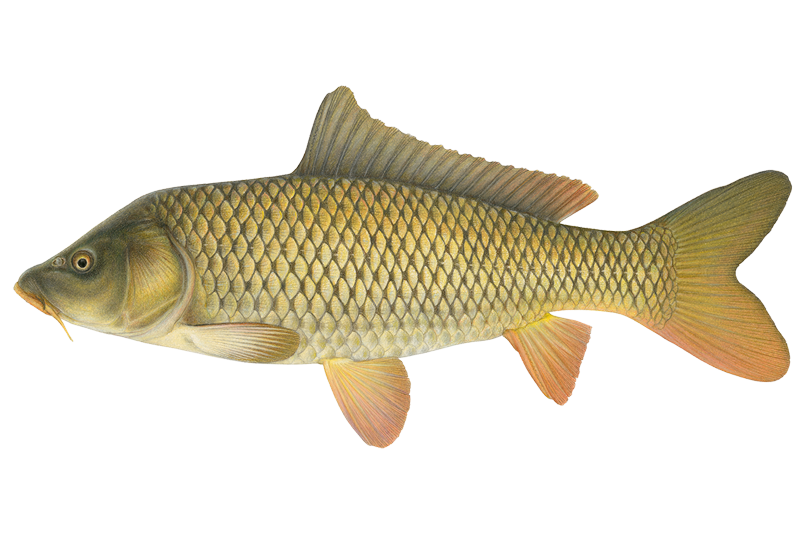
Common Carp are a non-native species in Utah, introduced in the late 1800s as a food fish. Originally from Europe and Asia, they've become widespread throughout Utah's waters since first being stocked around 1881.
These robust, golden-bronze fish are omnivorous opportunistic feeders. They're extremely tolerant of various conditions including turbidity, low oxygen levels, and temperature fluctuations.
Scientific Name: Cyprinus carpio
- Robust, golden-bronze fish can grow quite large - up to 35 pounds in Utah waters - with conspicuous scales, downward-turned mouths, and two pairs of barbels.
Fishing in Utah
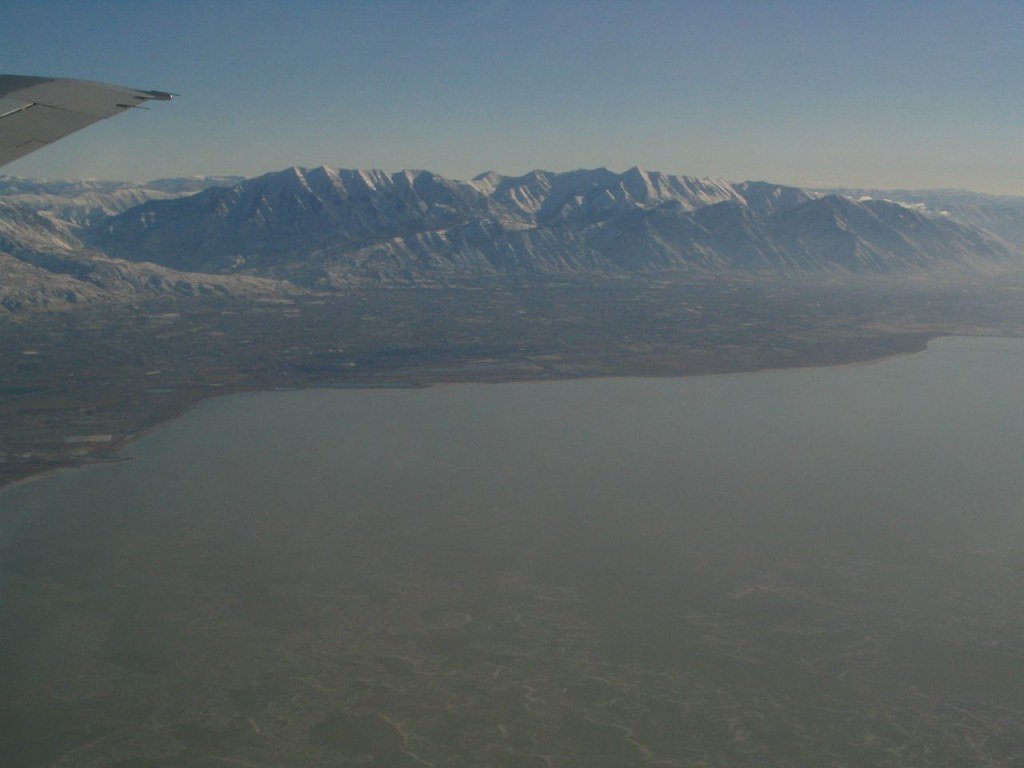
Utah Lake
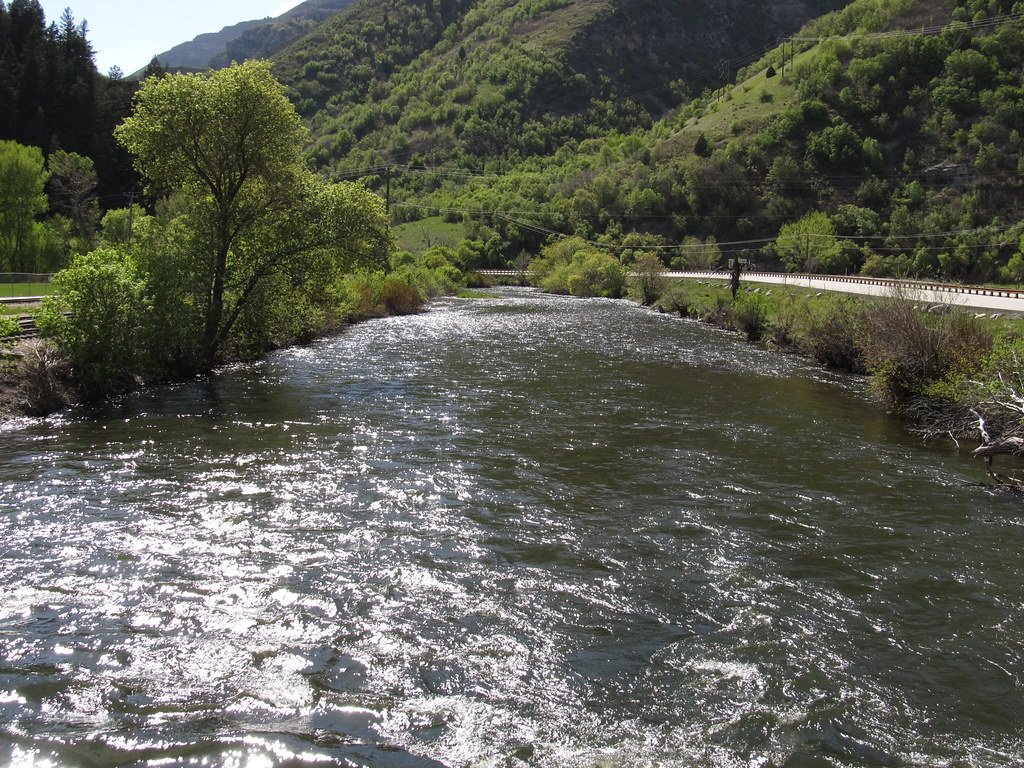
Provo River
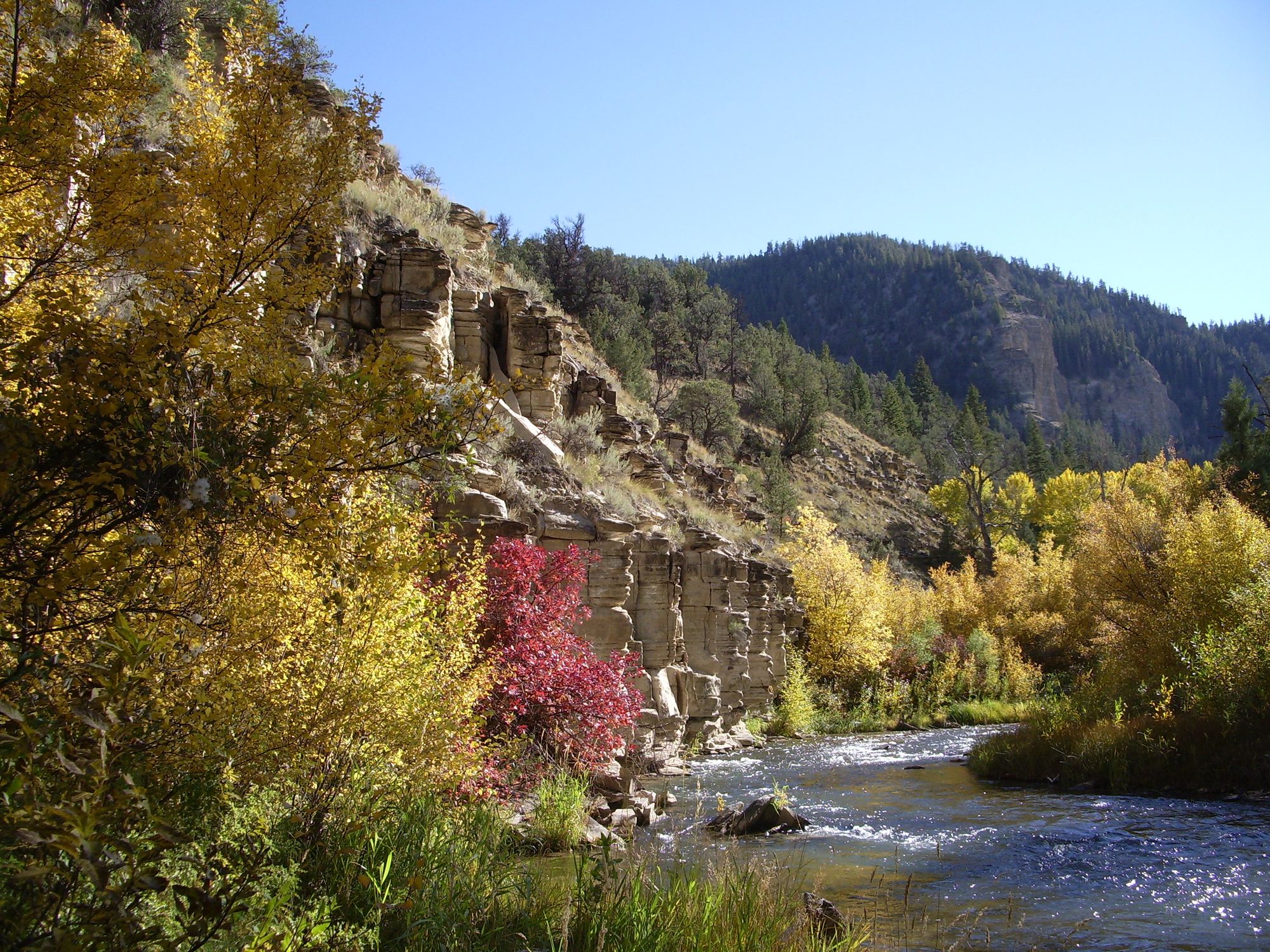
Strawberry River
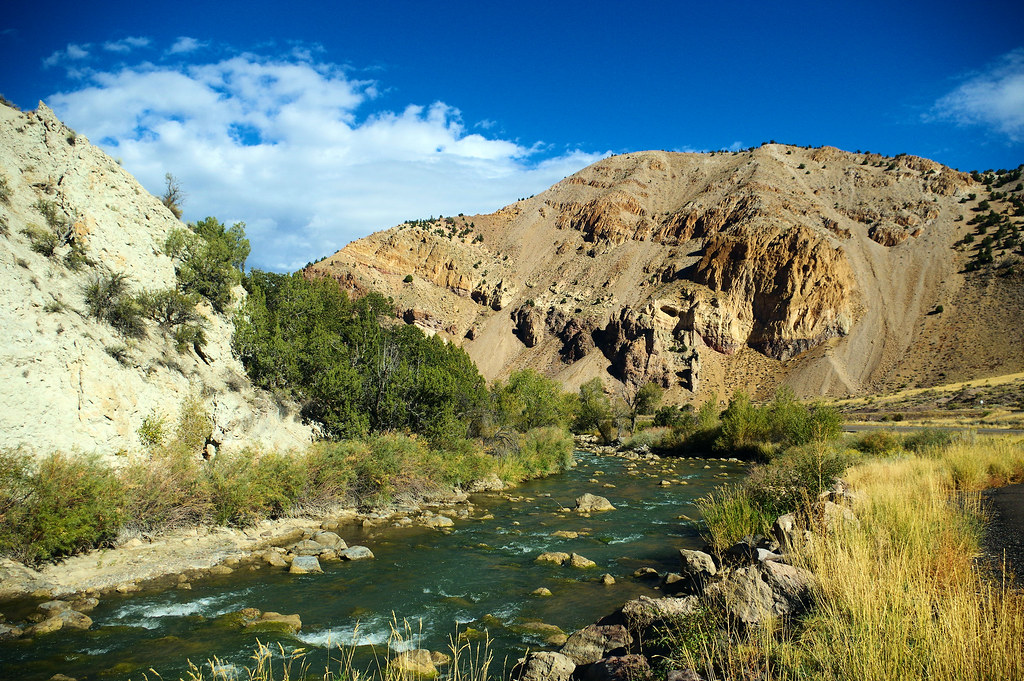
Sevier River
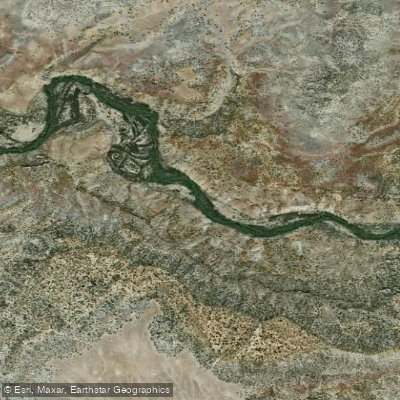
Price River
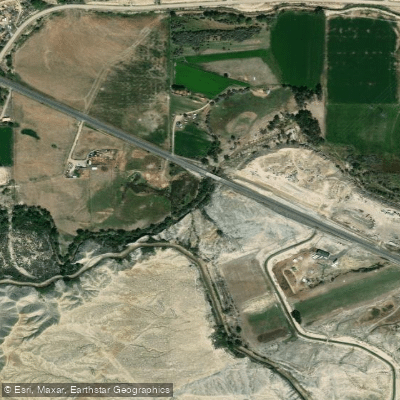
Huntington Creek
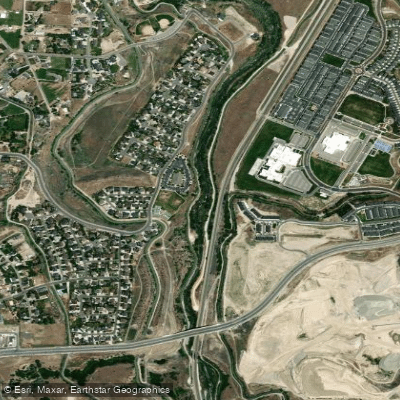
Jordan River
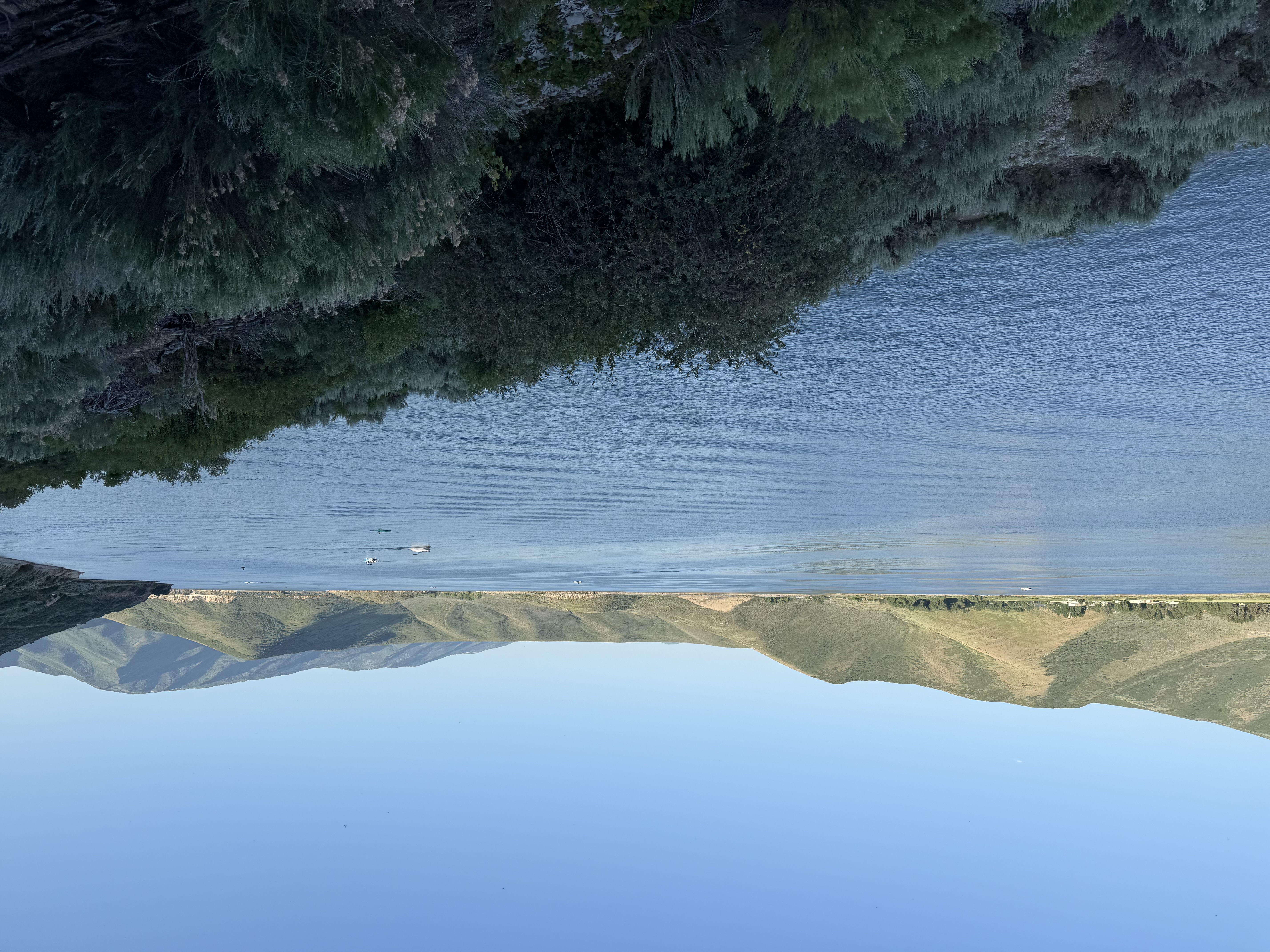
Deer Creek Reservoir
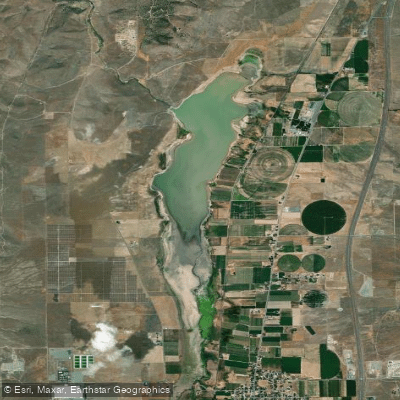
Mona Reservoir
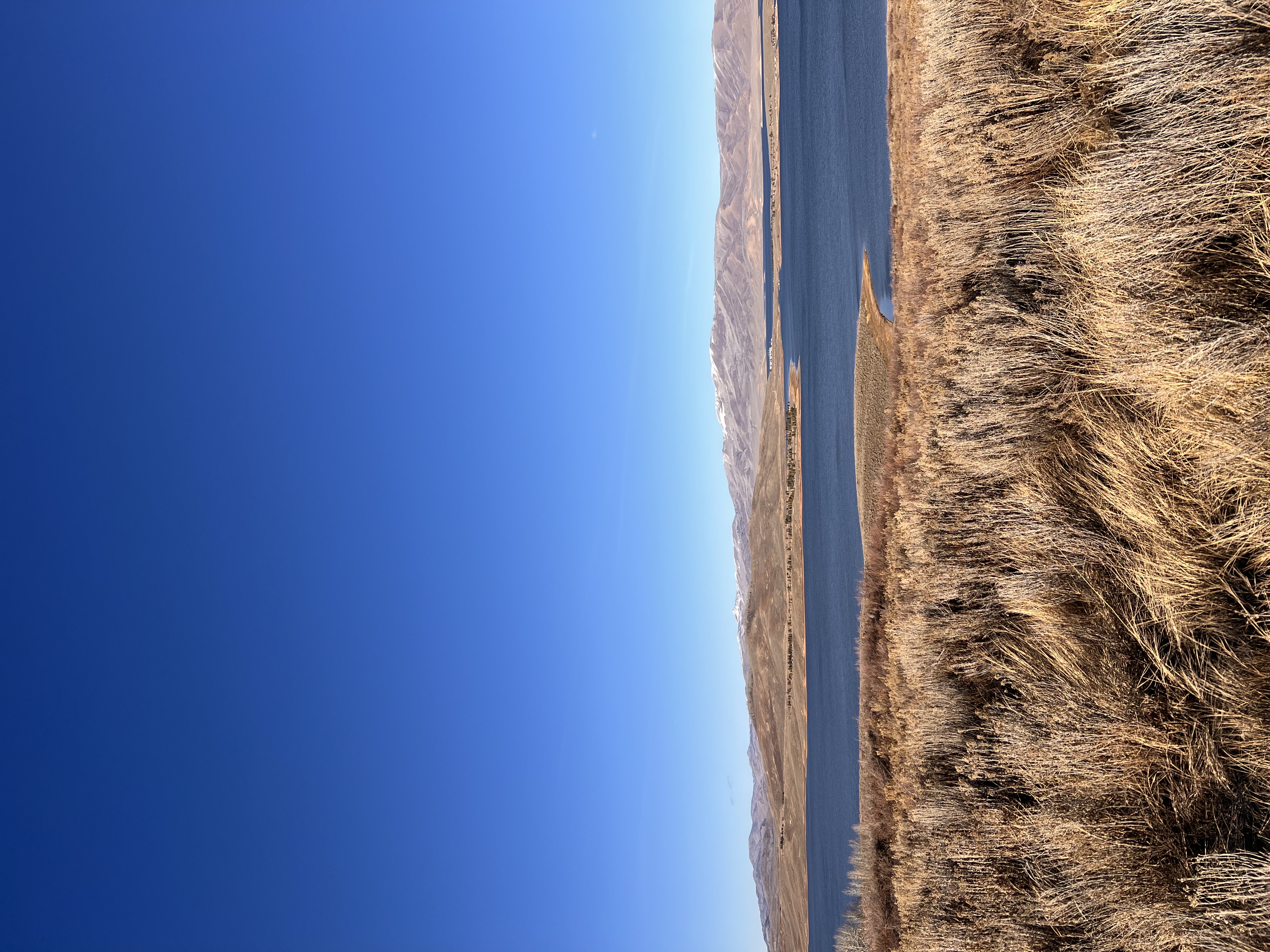
Strawberry Reservoir
What to know
Habitat Distribution
- Found in lakes, reservoirs, rivers, and ponds throughout the state.
- Prefer shallow, warm, sluggish waters with soft sediments and abundant vegetation.
Key Locations
- Utah Lake, Lake Powell, Jordan River, Bear River marshes, Deer Creek Reservoir, Flaming Gorge, and Starvation Reservoir.
- Productive locations include Utah Lake's shallow bays, Jordan River urban sections, Great Salt Lake duck club ponds (with permission), and reservoir shallows.
Specific Spots
- Target shallow vegetated areas, weed beds, and muddy bottoms where they root for food.
- Spawning occurs in shallow areas with vegetation.
- Winter fishing requires targeting deeper areas.
Common Carp FAQ
Answers from onWater's species guide.
What flies work for Common Carp in Utah?
Hybrid carp flies, curly-tailed grubs with jig heads, Backstabber patterns, McTage's Trouser Worm, PC Goby patterns, various nymph patterns, small bright patterns for winter, terrestrial patterns for summer dry fly fishing.
When is the best time to fish for Common Carp in Utah?
Spring: excellent pre-spawn fishing as hungry carp move into shallows. Summer: great sight-fishing opportunities with surface feeding, allows for dry fly fishing with terrestrial patterns. Fall: aggressive feeding behavior as fish prepare for winter. Winter: requires targeting deeper areas.
How do you catch Common Carp in Utah?
For fly fishing: 'the claw' (modified dapping), drag-drop-and-lay presentations, suspended dap, and using 'the drop' as a trigger. Use polarized glasses for sight fishing, and consider using small indicators to track flies in murky water.
What do Common Carp eat?
Omnivorous opportunistic feeders, consuming insects, crustaceans (including zooplankton and crawfish), mollusks, benthic worms, fish e.g.gs, aquatic plants, plant tubers, seeds, and detritus.
Where do Common Carp live in Utah?
Found in lakes, reservoirs, rivers, and ponds throughout the state. Prefer shallow, warm, sluggish waters with soft sediments and abundant vegetation.
Fish smarter with real-time insights
Whether you're en route and conditions shift or you're looking for the best spot based on current flows, we enable you to make informed decisions on the fly.







See it in the app
Most maps show you water.
onWater shows you Common Carp.



- 01 · Species map filter
Map every Common Carp water
Pick Common Carp and the map zeroes in on the waters they call home. No more guessing which lake holds them.
- 02 · Waterbody species
Tap any water. See what lives there.
Species, behavior and seasonal patterns for every lake, river and pond, before you leave the driveway.
- 03 · Angler Intelligence
Ask how to catch Common Carp
Tactics, gear and timing from onWater's AI fishing guide, tuned to the species and the water you're on.
Stop guessing where Common Carp are.
Open the map, filter by Common Carp, and head to water that holds them. Download onWater and plan your next trip in minutes.
- Species map filter
- Angler Intelligence
- Fishing journal
Explore other species
Trout, bass, salmon, panfish and everything in between. Each guide unpacks the behavior, seasons, and tactics that put fish in the net.

Find which waters have the species you want to catch

Largemouth Bass
Micropterus salmoides

Smallmouth Bass
Micropterus dolomieu

Rainbow Trout

Brown Trout
Salmo trutta

Brook Trout
Salvelinus fontinalis

Cutthroat Trout

Northern Pike

Walleye
Sander vitreus

Black Crappie
Pomoxis nigromaculatus
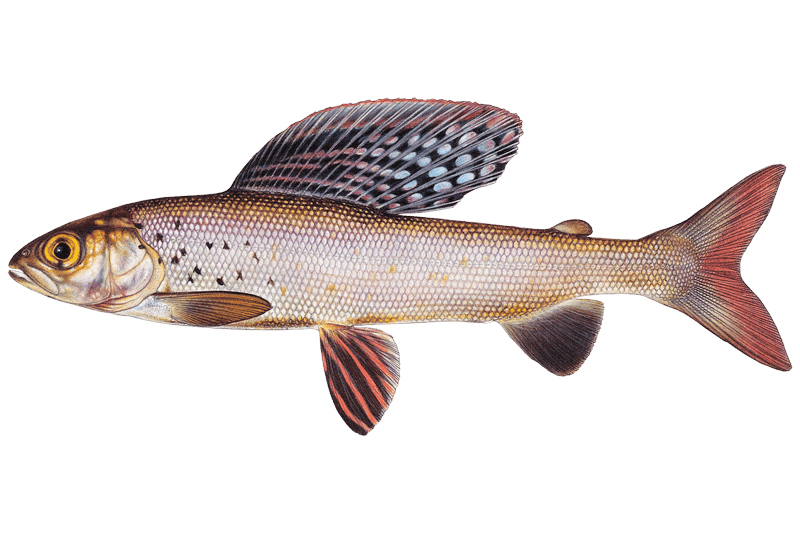
Arctic Grayling
Thymallus arcticus

Black Bullhead
Ameiurus melas

Brown Bullhead
Ameiurus nebulosus

Burbot
Lota lota

Channel Catfish
Ictalurus punctatus

Creek Chub
Semotilus atromaculatus

Gizzard Shad
Dorosoma cepedianum

Golden Trout
Oncorhynchus mykiss aguabonita

Grass Carp
Ctenopharyngodon idella

Green Sunfish
Lepomis cyanellus
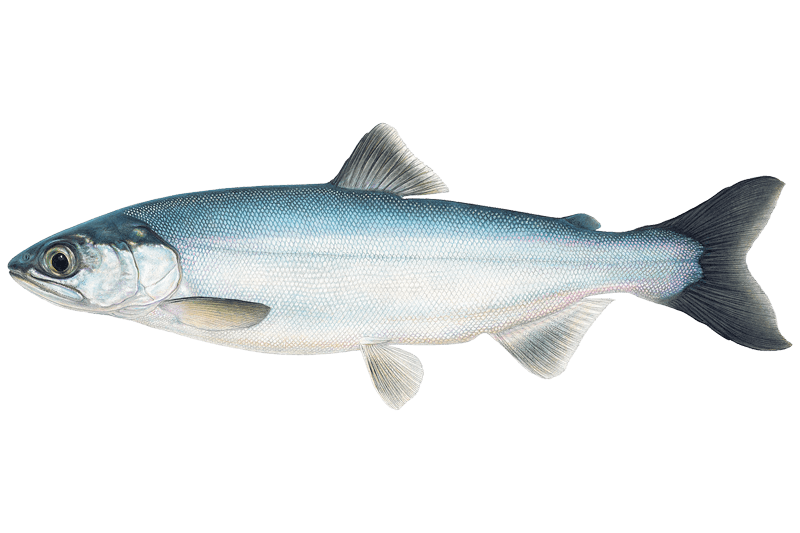
Kokanee Salmon
Oncorhynchus nerka

Lake Trout
Salvelinus namaycush

Longnose Sucker
Catostomus catostomus
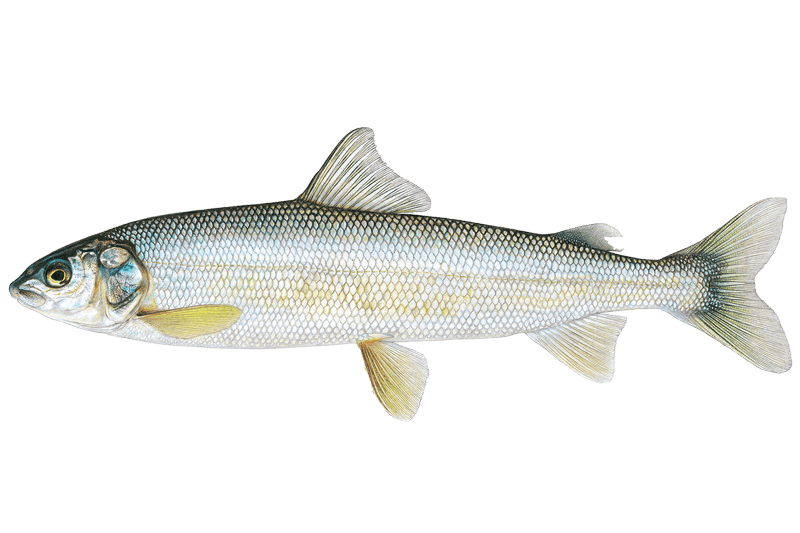
Mountain Whitefish
Prosopium williamsoni

Sockeye Salmon
Oncorhynchus nerka
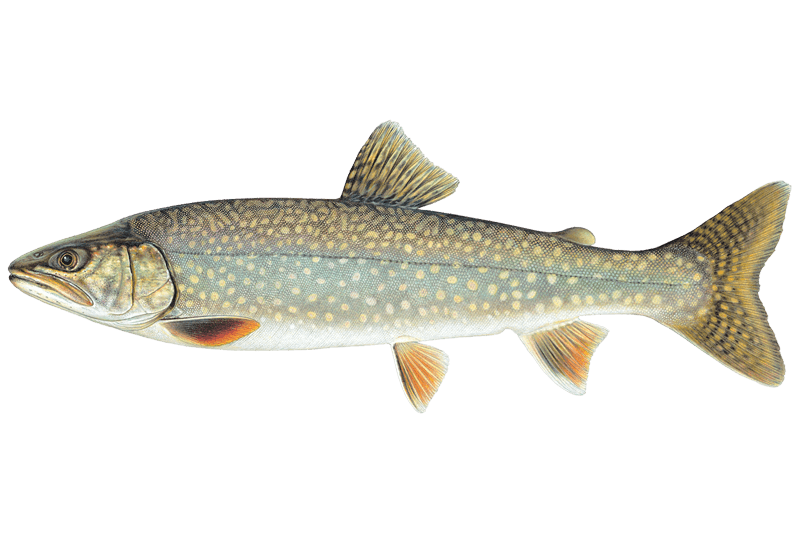
Splake
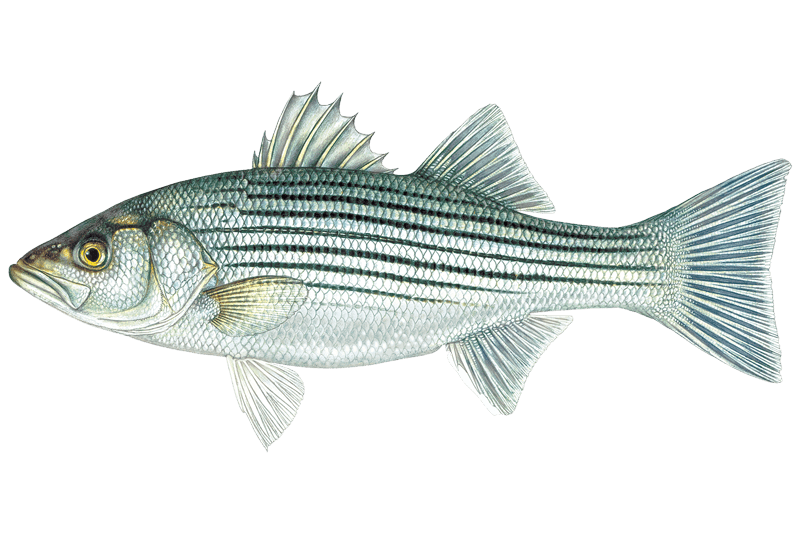
Striped Bass
Morone saxatilis
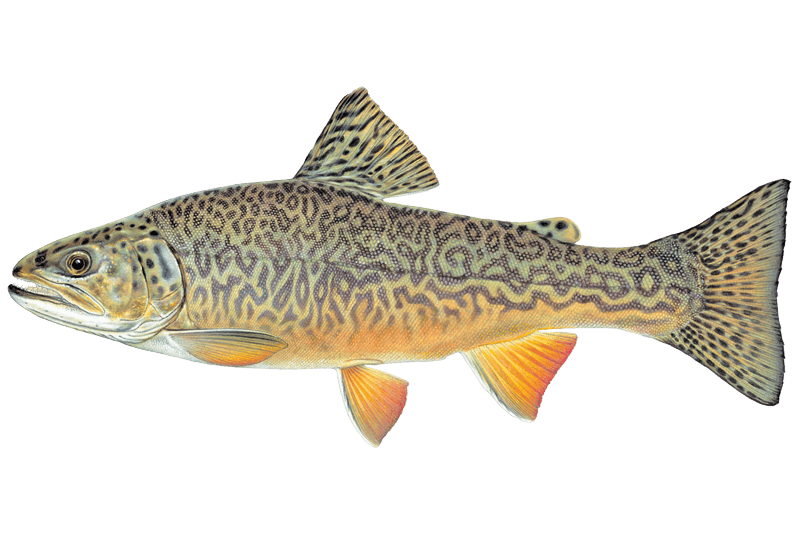
Tiger Trout
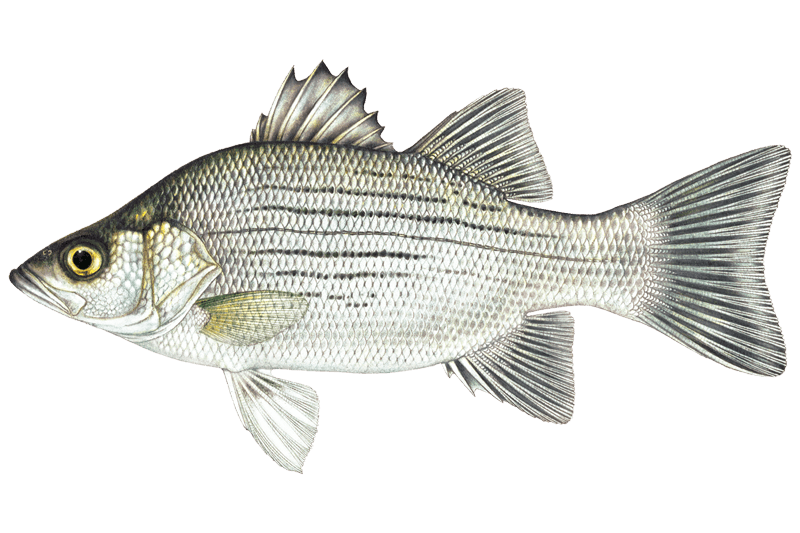
White Bass
Morone chrysops
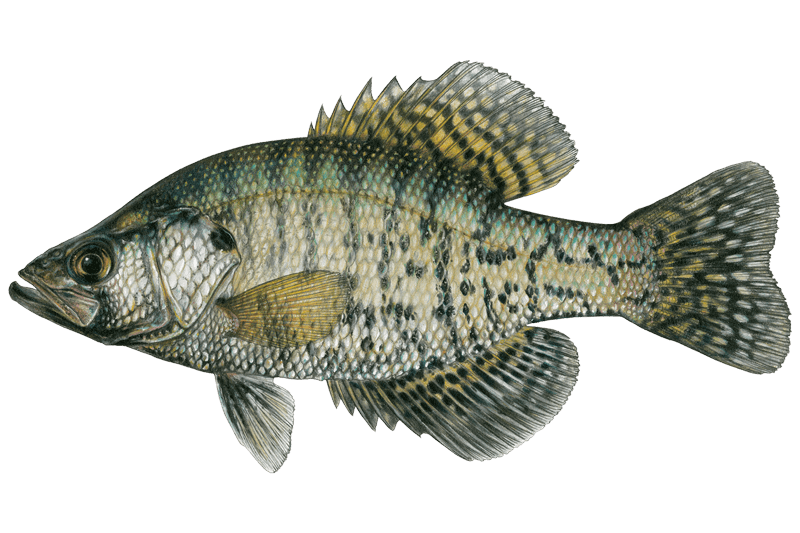
White Crappie
Pomoxis annularis
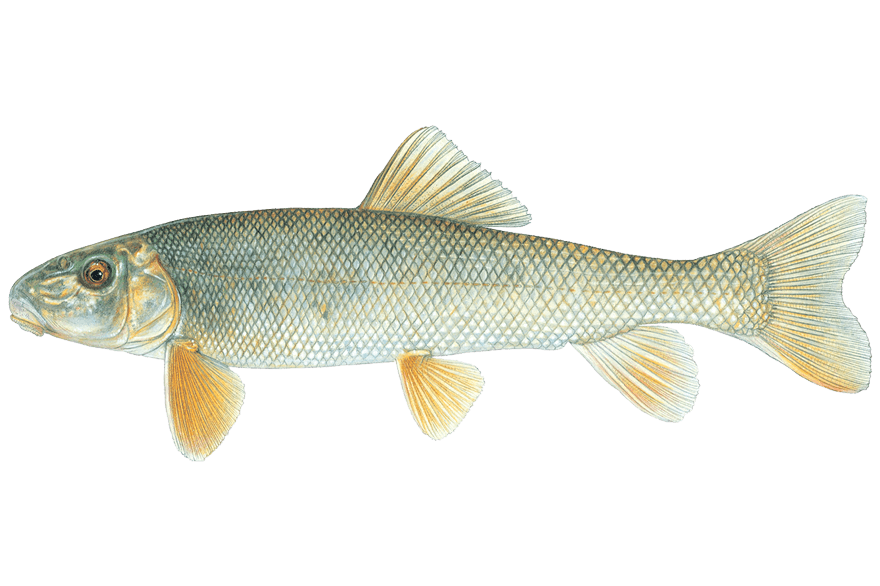
White Sucker
Catostomus commersonii
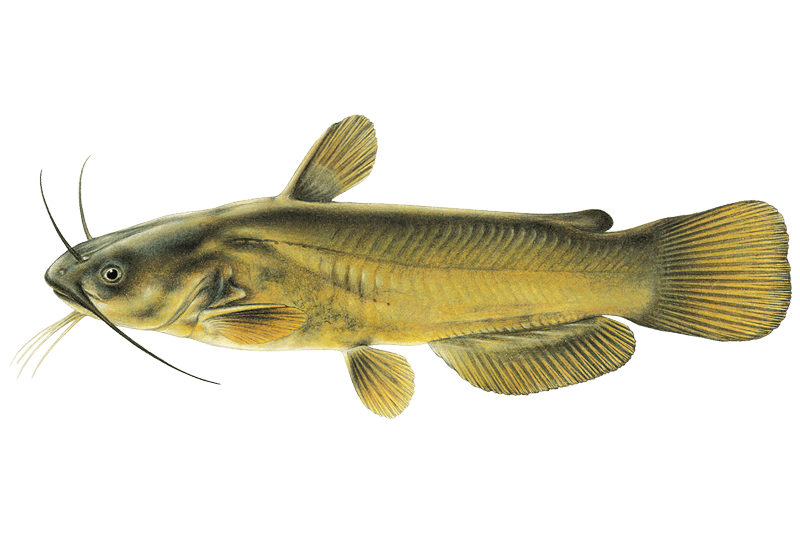
Yellow Bullhead
Ameiurus natalis
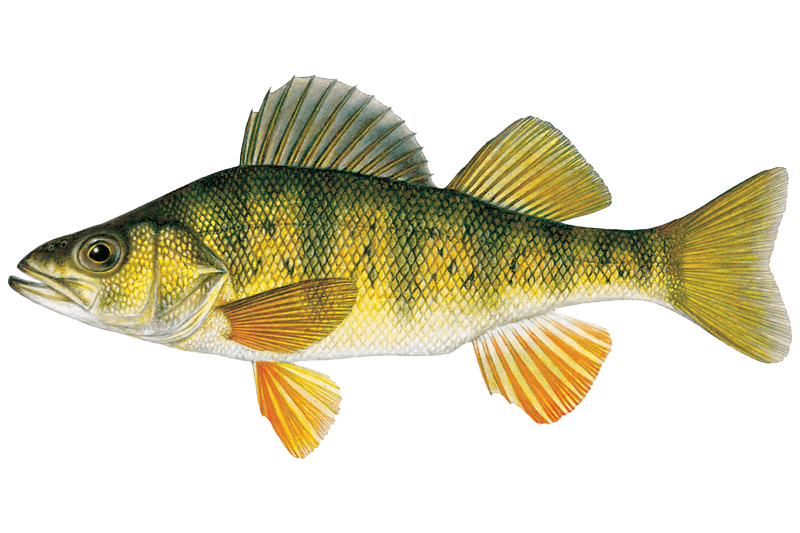
Yellow Perch
Perca flavescens
Utah licenses and regulations

Utah Boating Regulations
When using any type of watercraft to access a body of water, it is important to follow all federal, state, and local rules and regulations. These rules and regulations include boat permitting and licensing, invasive species inspections and stamps, life jacket and PFD rules, motor size and horsepower restrictions, noise limitations, restrictions on personal watercraft, and many more. Visit the web link below for the most current rules and regulations for this body of water.

Utah Fishing License
If you’re 12 years of age or older, you must purchase a fishing license or a combination license to fish in Utah.

Utah Fishing Regulations
This river has a variety of species and regulations, including potential floating and/or watercraft restrictions. Because this river is specially managed for species, seasons, angling methods, and watercraft, it is strongly encouraged you check all federal, state, and local regulations before fishing. Visit any of the links below, inquire locally, or contact a local fly shop to learn current regulations and restrictions.

Utah Stream Access Laws
The law does not allow recreational water users (including anglers, kayakers, tubers, hunters and others) to walk on the private bed of a public waterbody. This means that if you are fishing or recreating in public water that flows over private property closed to trespass, you may not walk on the land beneath the water without obtaining landowner permission.
Explore nearby waters
Explore Utah waters
Top fishing waters
Popular Cities
Loading popular cities...
Smarter Fishing Starts in the App.
onWater Fish gives you everything you need to plan smarter, fish better, and own every trip from first cast to last.