Cutthroat Trout
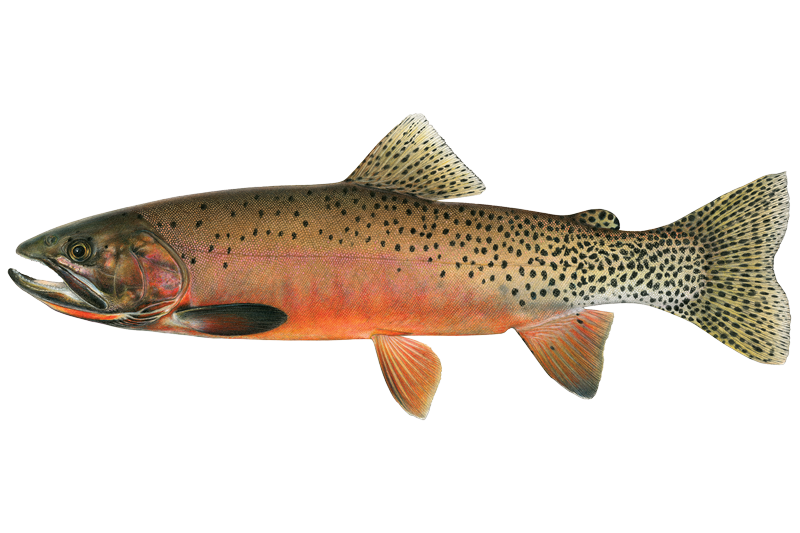
Cutthroat Trout are the only native trout species in Utah, with four distinct subspecies inhabiting different watersheds: Bonneville Cutthroat (Utah's state fish, native to the ancient Lake Bonneville Basin), Bear River Cutthroat (native to Bear River drainage and Bear Lake), Colorado River Cutthroat (native to Colorado River drainage in eastern Utah), and Yellowstone Cutthroat (found in remote Raft River Mountains).
These subspecies have evolved separately due to geographic isolation and historic stream captures.
- Adults typically mature between ages 2-5, with resident stream fish growing slower than lake populations.
Fishing in Utah
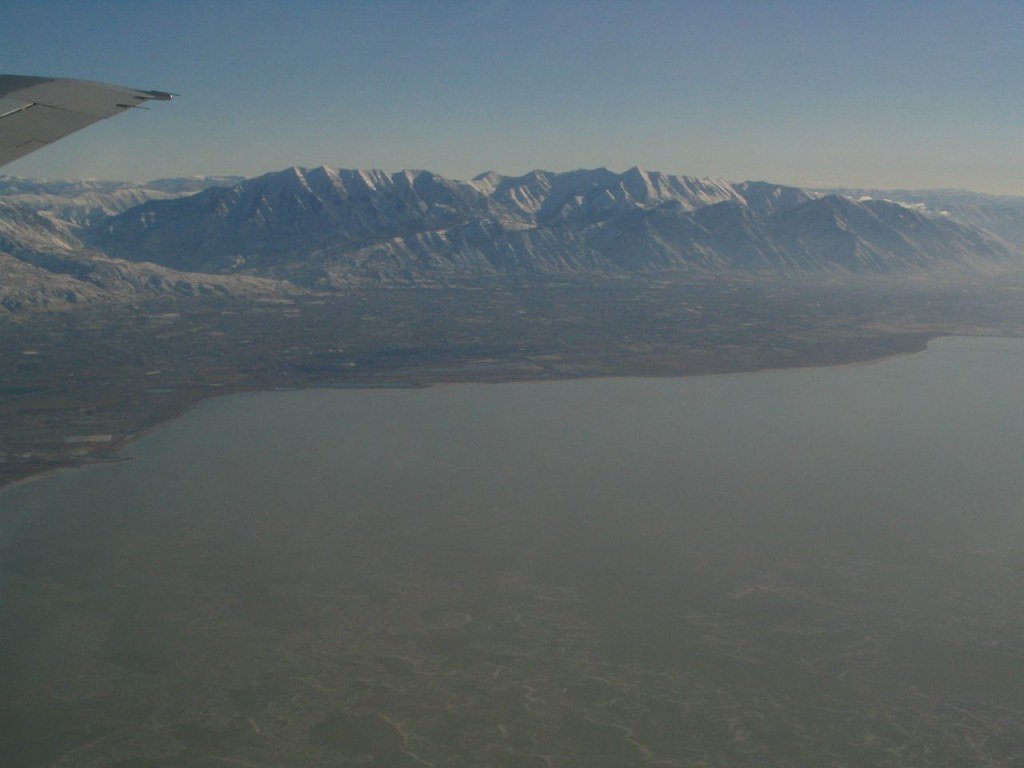
Utah Lake
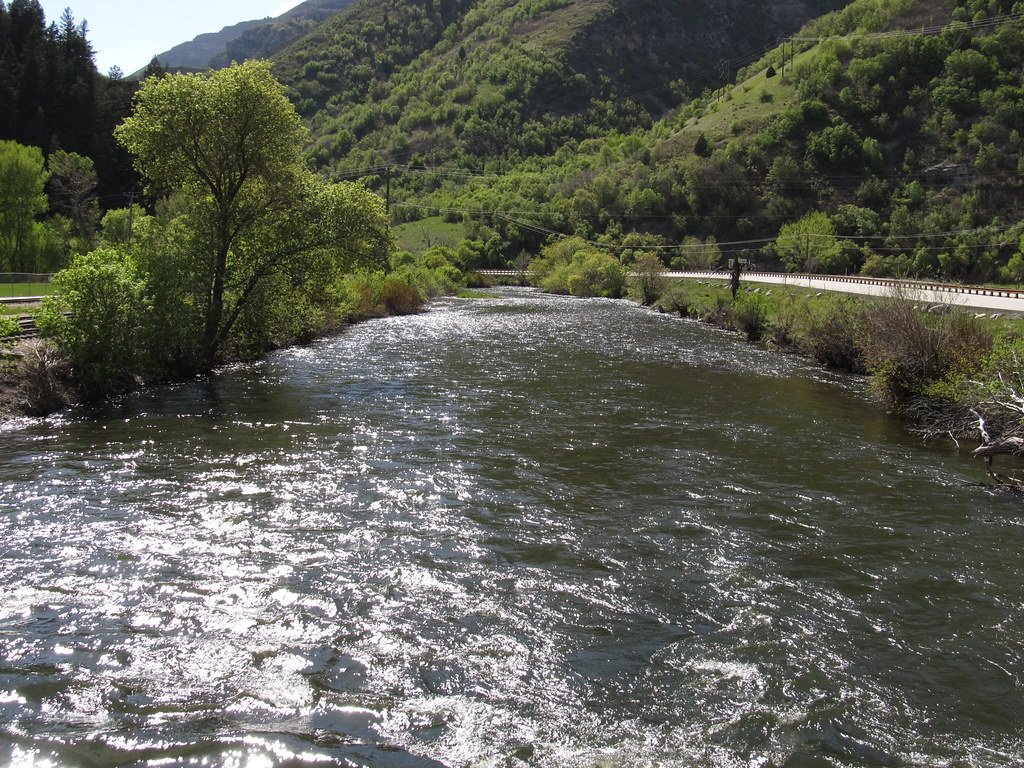
Provo River
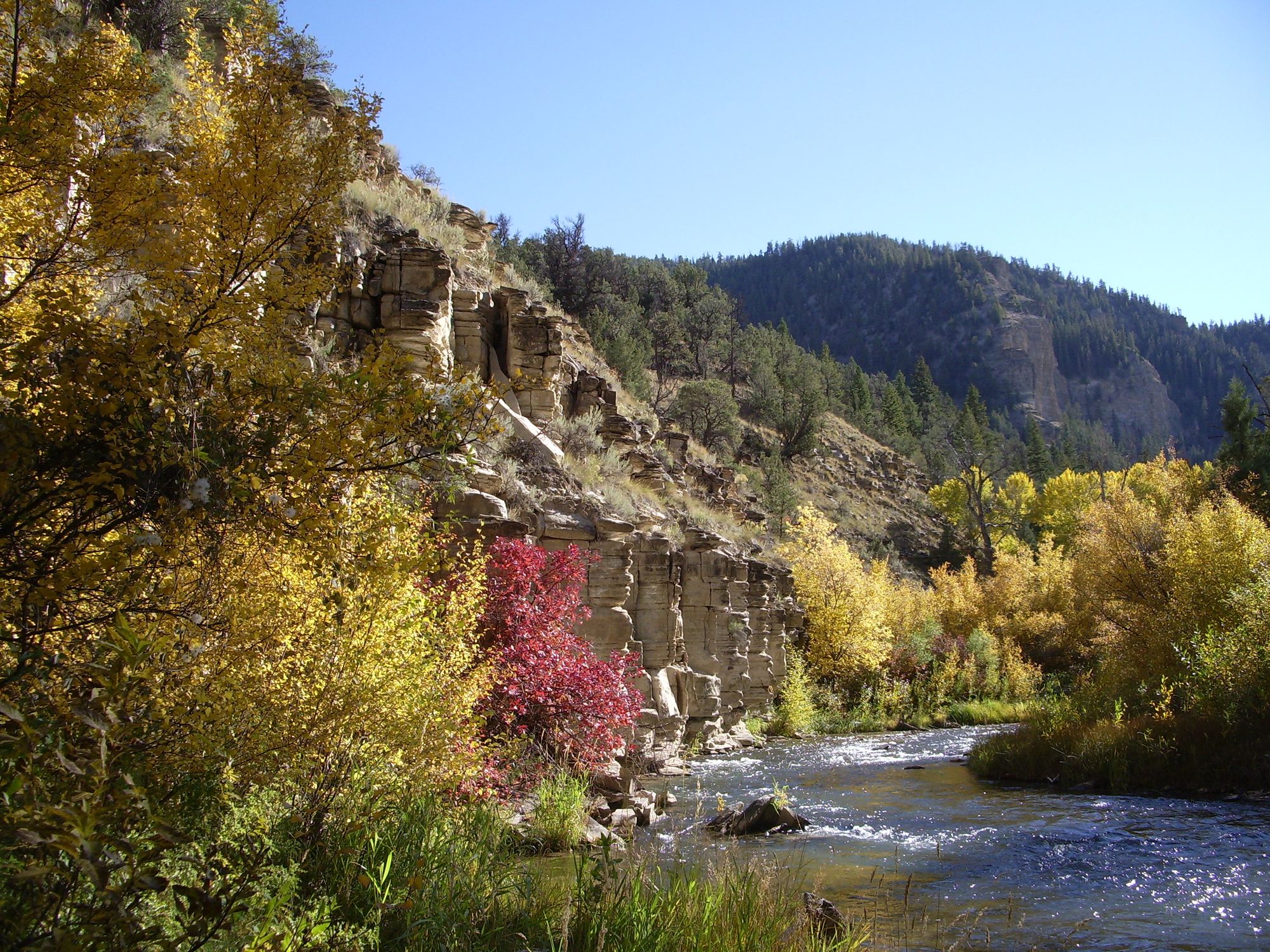
Strawberry River
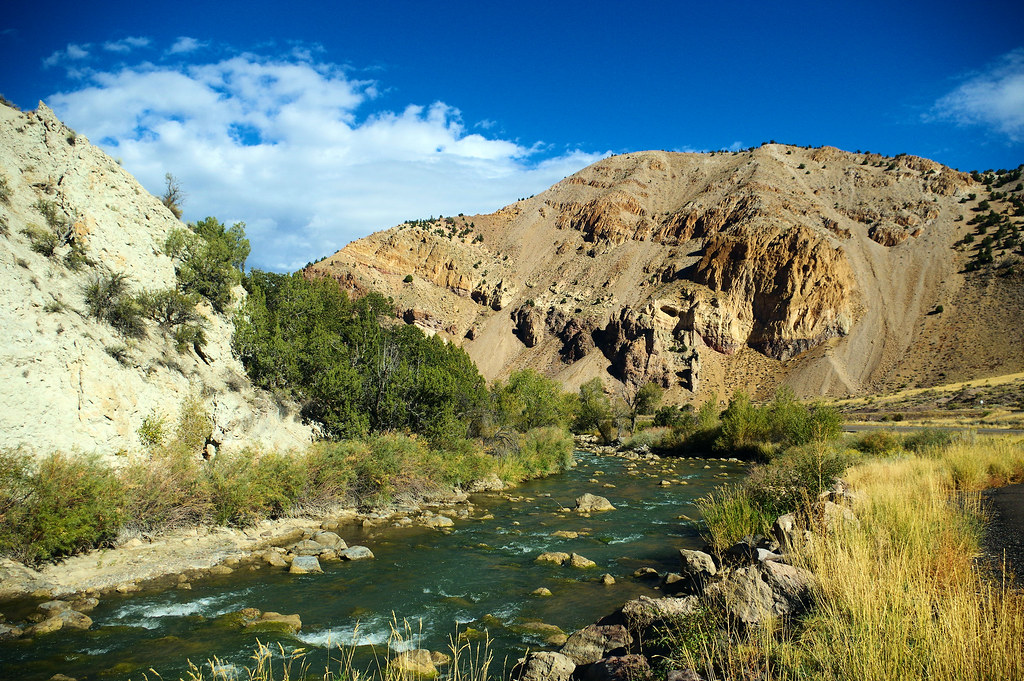
Sevier River
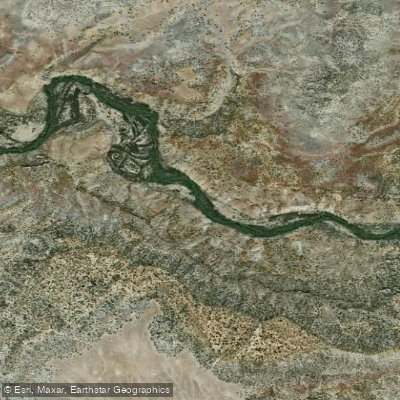
Price River
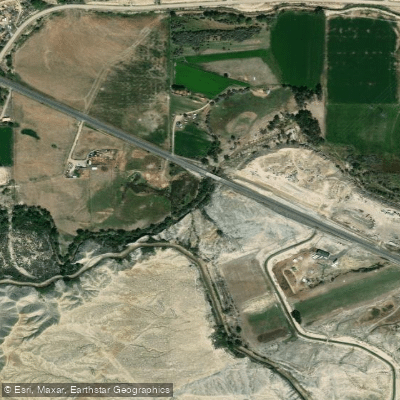
Huntington Creek
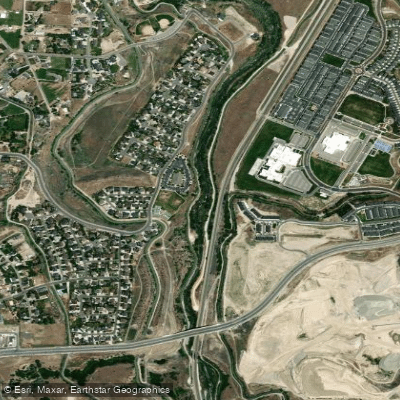
Jordan River
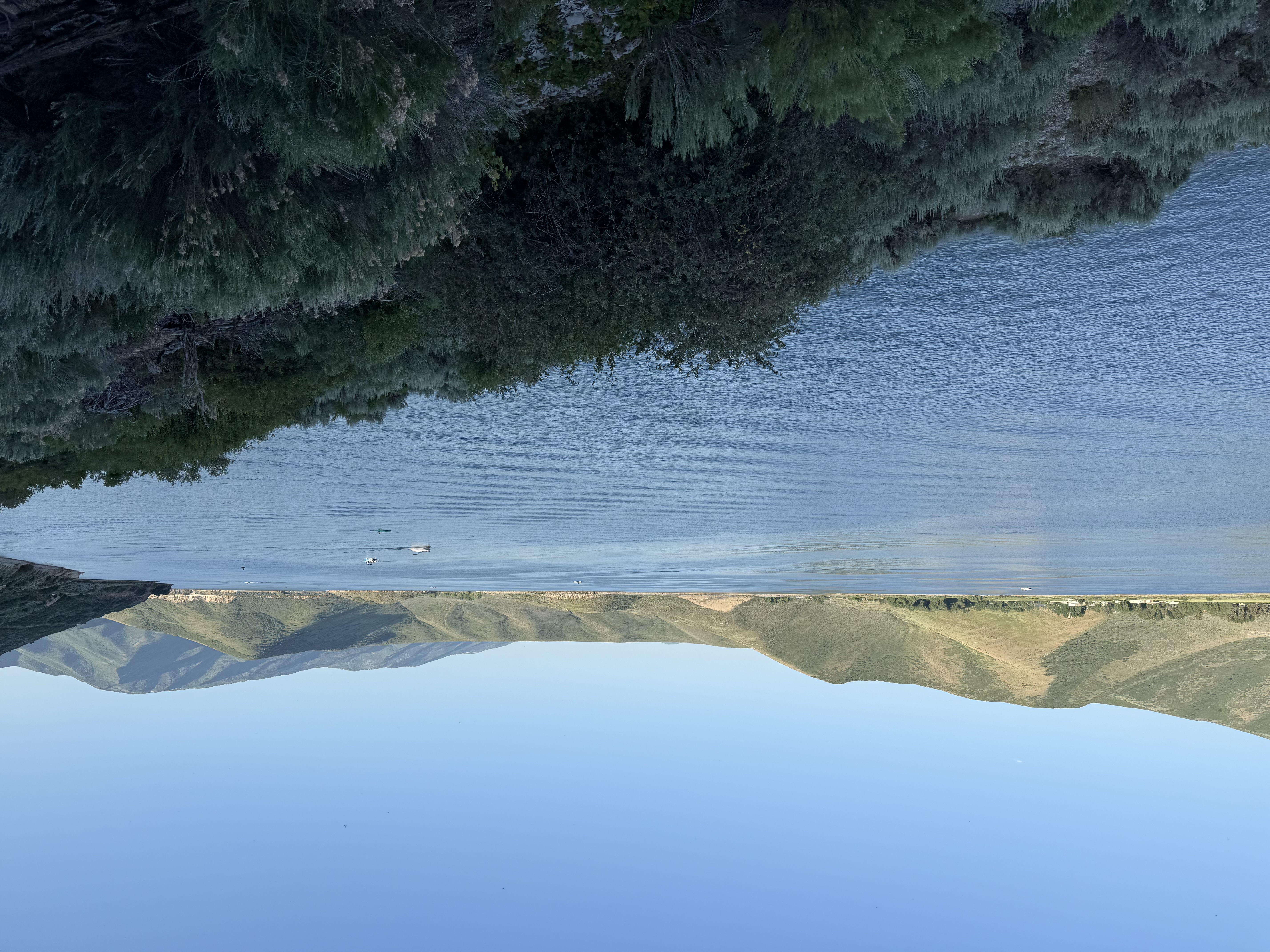
Deer Creek Reservoir
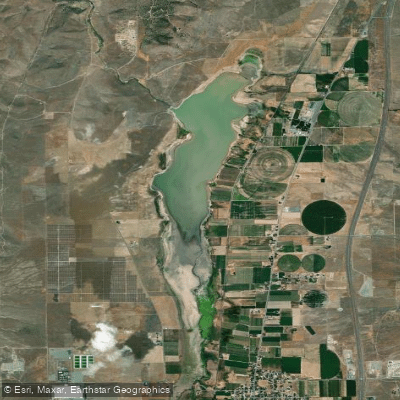
Mona Reservoir
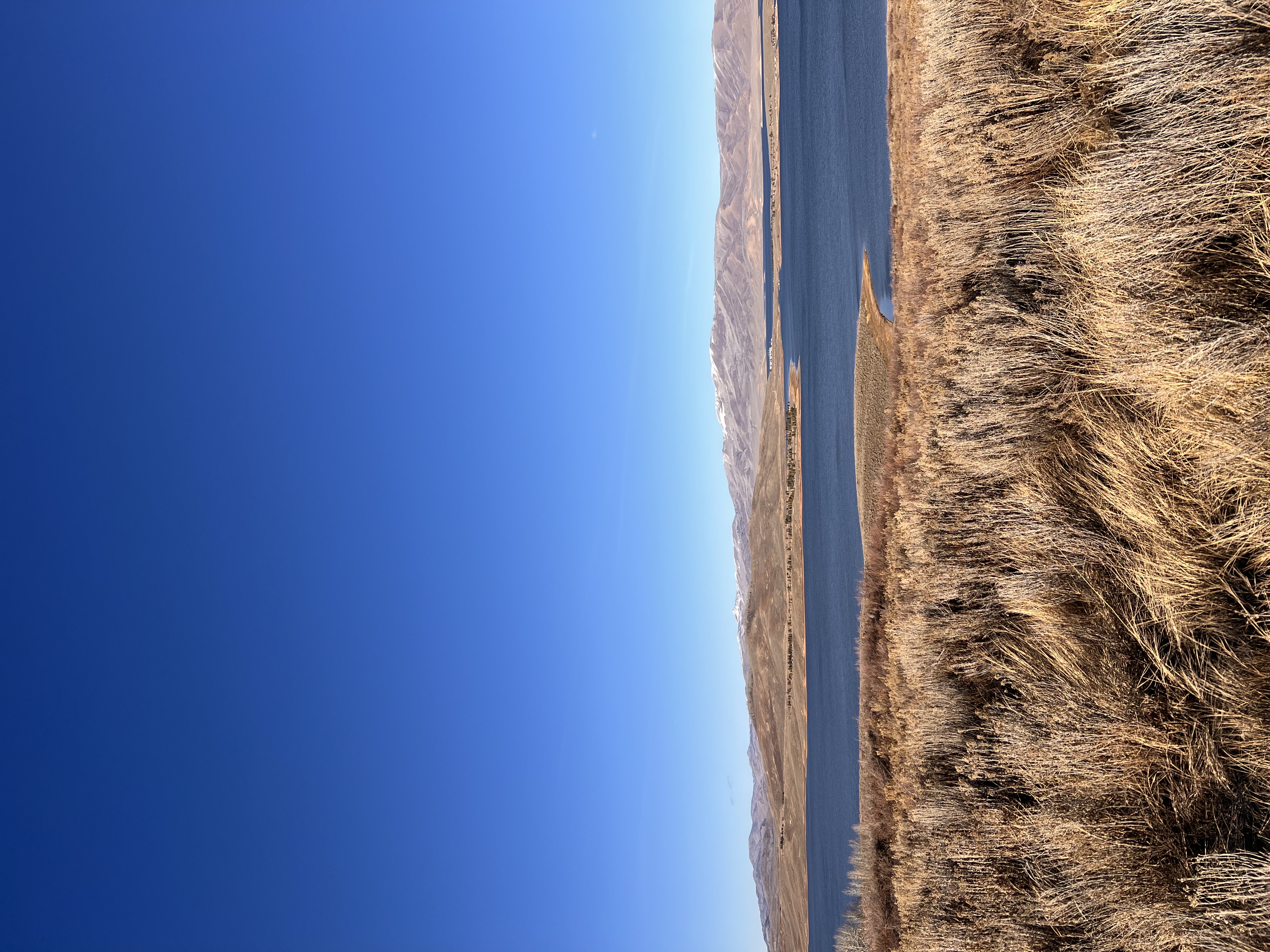
Strawberry Reservoir
What to know
Habitat Distribution
- They inhabit cold, clear waters with rocky substrates and dense riparian vegetation, thriving in temperatures below 65°F.
Key Locations
- Productive waters include Bear Lake for trophy fish, Logan River and tributaries, Weber River system, Mill Creek near Salt Lake City, upper Provo River drainage, Strawberry Reservoir, and high mountain lakes in the Wasatch Front and Uinta Mountains.
Specific Spots
- Focus on undercut banks, beaver ponds, and areas with cover.
- Many cutthroat waters require hiking access and present challenging conditions with narrow, brushy streams.
Cutthroat Trout FAQ
Answers from onWater's species guide.
What flies work for Cutthroat Trout in Utah?
Key fly patterns include: dry flies like Elk Hair Caddis (#16-18), Pale Morning Dun (#14), Royal Wulff (#10), and Chubby Chernobyl for summer terrestrials; nymphs such as Pheasant Tail (#18), Prince Nymph (#14), and Zebra Midge (#20); streamers including Woolly Bugger (#6) and Muddler Minnow (#6).
When is the best time to fish for Cutthroat Trout in Utah?
The best fishing seasons for Utah cutthroat vary by location: northern waters fish best April through October, while southern waters are productive October through April.
How do you catch Cutthroat Trout in Utah?
Effective techniques include dead-drifting nymphs through pools and riffles, presenting dry flies during hatches, and bow-and-arrow casting in tight brushy creeks like those in the Raft River Mountains.
What do Cutthroat Trout eat?
Cutthroats are opportunistic feeders with diets varying by size and season - smaller fish consume zooplankton and invertebrates, while larger specimens become increasingly piscivorous, feeding on sculpins, chubs, and other fish.
Where do Cutthroat Trout live in Utah?
They inhabit cold, clear waters with rocky substrates and dense riparian vegetation, thriving in temperatures below 65°F.
Fish smarter with real-time insights
Whether you're en route and conditions shift or you're looking for the best spot based on current flows, we enable you to make informed decisions on the fly.




See it in the app
Most maps show you water.
onWater shows you Cutthroat Trout.



- 01 · Species map filter
Map every Cutthroat Trout water
Pick Cutthroat Trout and the map zeroes in on the waters they call home. No more guessing which lake holds them.
- 02 · Waterbody species
Tap any water. See what lives there.
Species, behavior and seasonal patterns for every lake, river and pond, before you leave the driveway.
- 03 · Angler Intelligence
Ask how to catch Cutthroat Trout
Tactics, gear and timing from onWater's AI fishing guide, tuned to the species and the water you're on.
Stop guessing where Cutthroat Trout are.
Open the map, filter by Cutthroat Trout, and head to water that holds them. Download onWater and plan your next trip in minutes.
- Species map filter
- Angler Intelligence
- Fishing journal
Explore other species
Trout, bass, salmon, panfish and everything in between. Each guide unpacks the behavior, seasons, and tactics that put fish in the net.
No species information available.
Utah licenses and regulations
Explore nearby waters
Explore Utah waters
Top fishing waters
Popular Cities
Loading popular cities...

Smarter Fishing Starts in the App.
onWater Fish gives you everything you need to plan smarter, fish better, and own every trip from first cast to last.