Gizzard Shad

Gizzard Shad (Dorosoma cepedianum) are non-native forage fish in Utah that have become established in select waters through both accidental introduction and intentional stocking programs.
Scientific Name: Dorosoma cepedianum
These silvery, deep-bodied fish are characterized by their inferior mouth (positioned underneath their head), gizzard-like muscular stomach, and can grow quite large - reaching 18 inches and several pounds.
Fishing in Utah
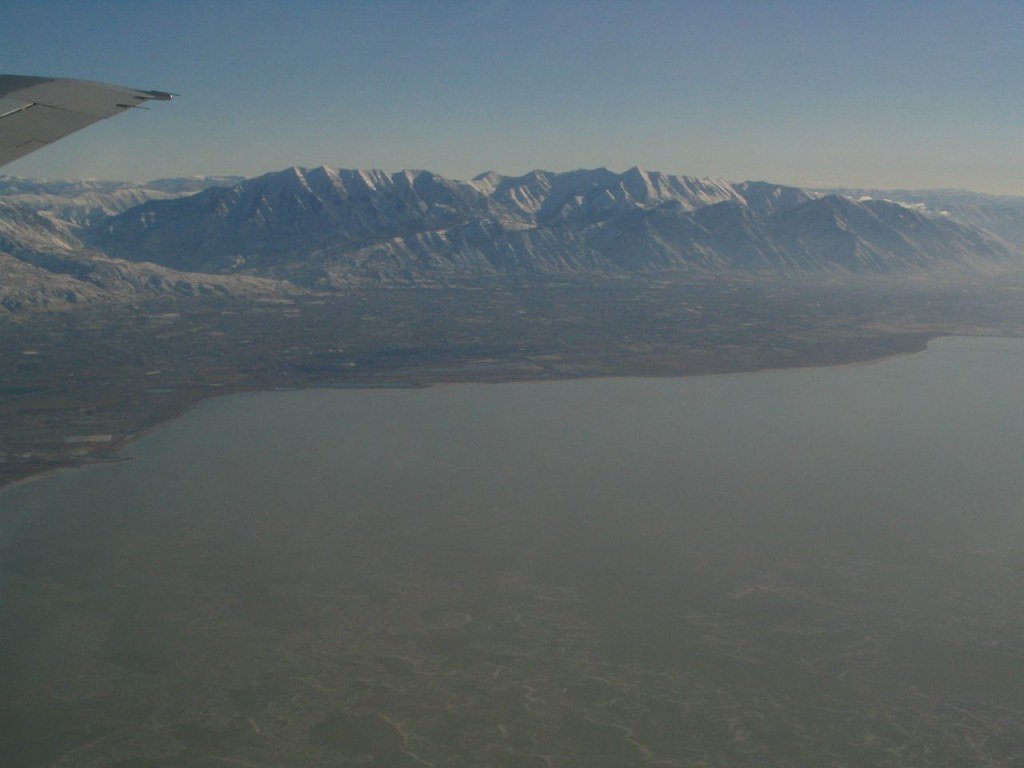
Utah Lake
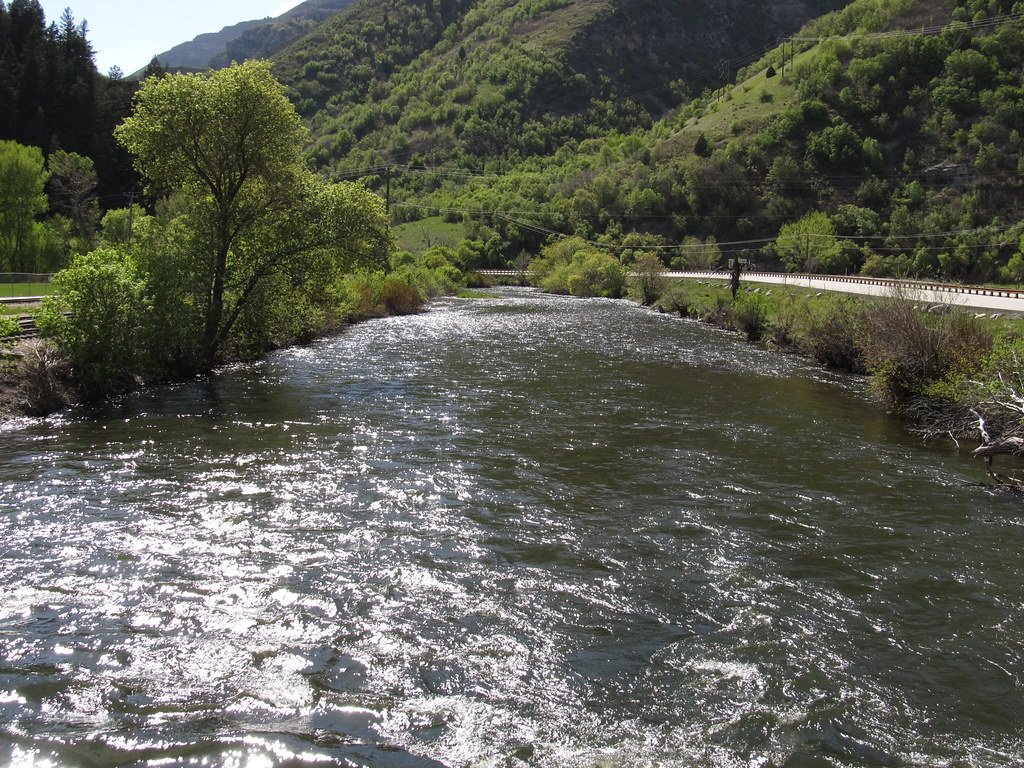
Provo River
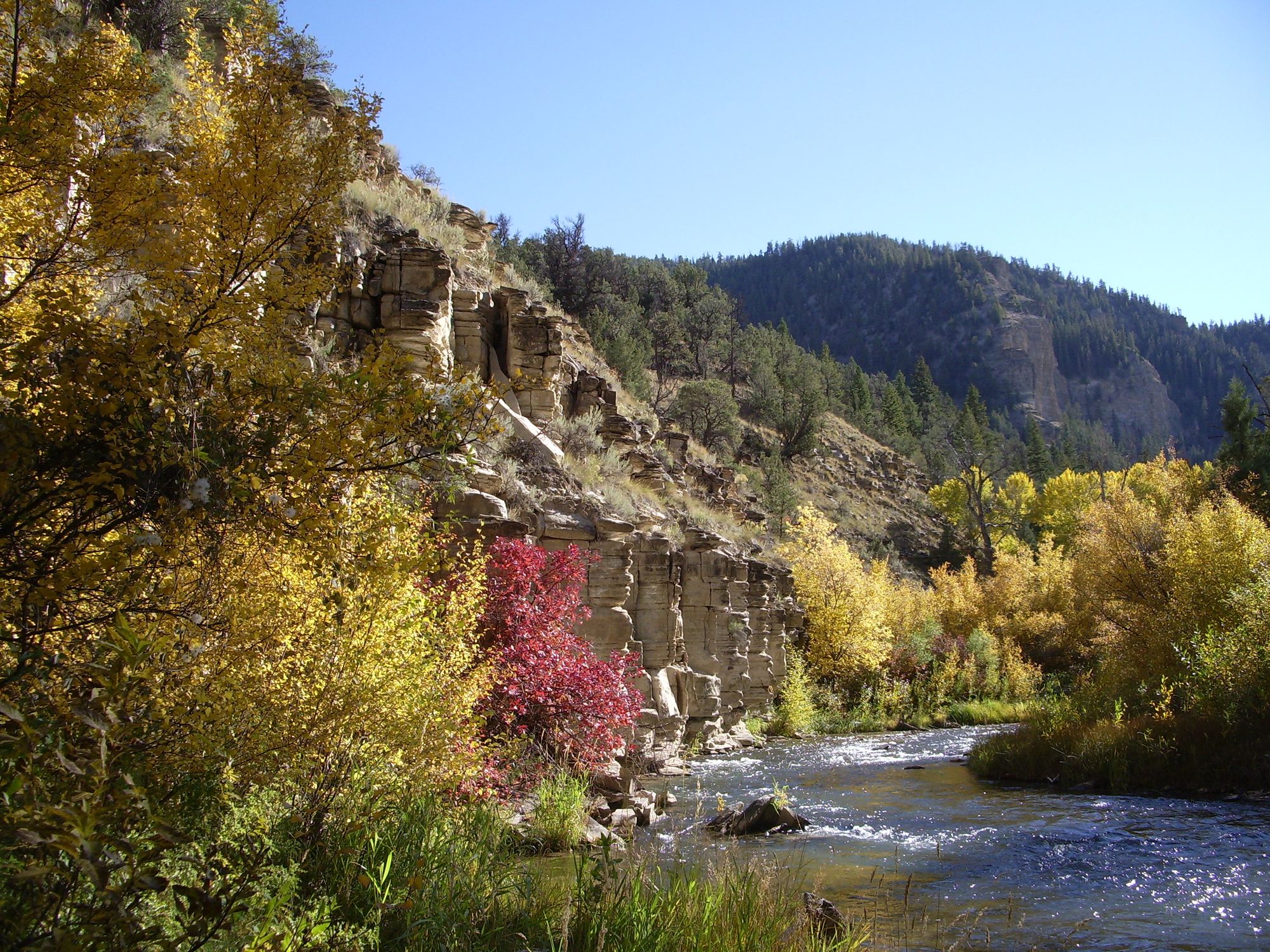
Strawberry River
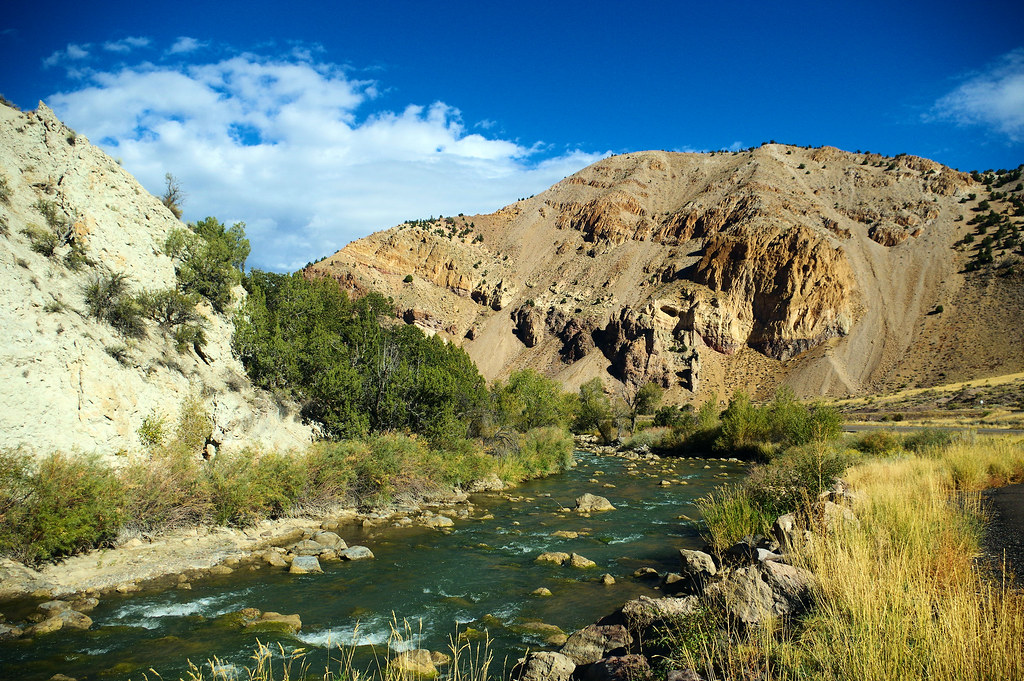
Sevier River
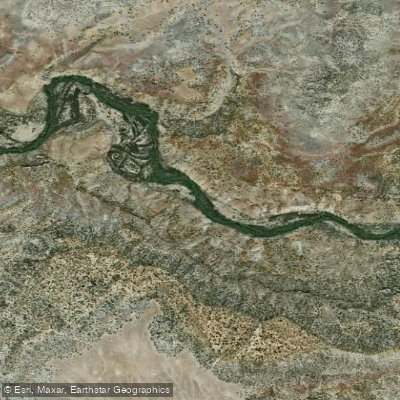
Price River
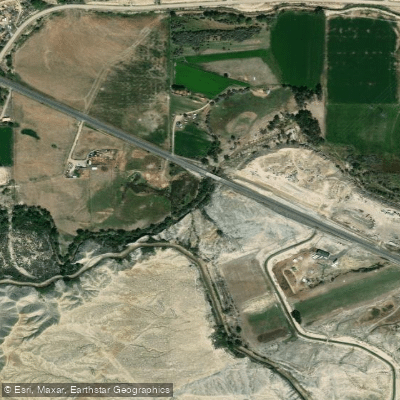
Huntington Creek
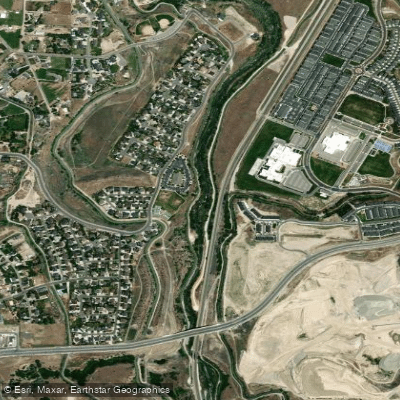
Jordan River
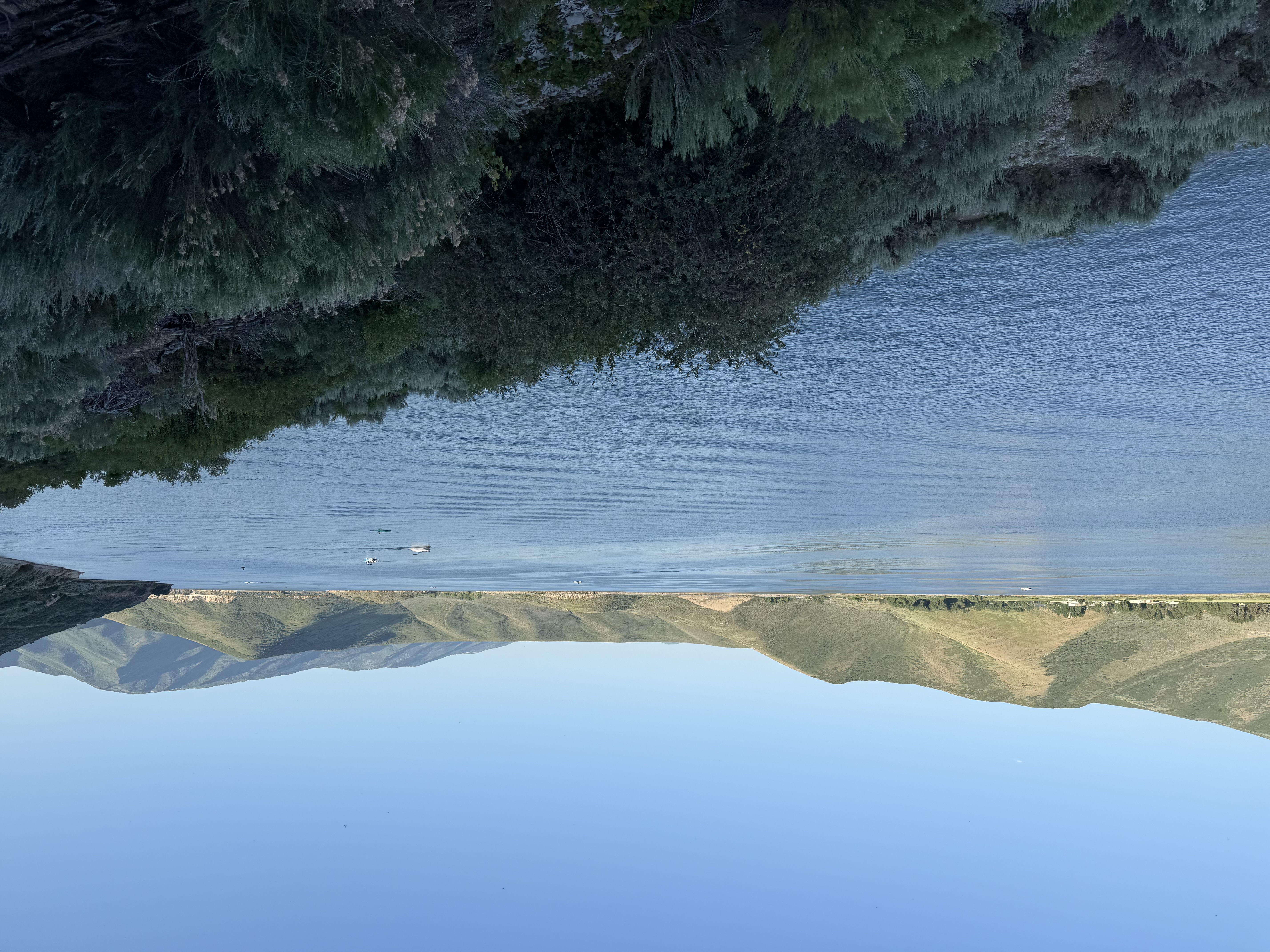
Deer Creek Reservoir
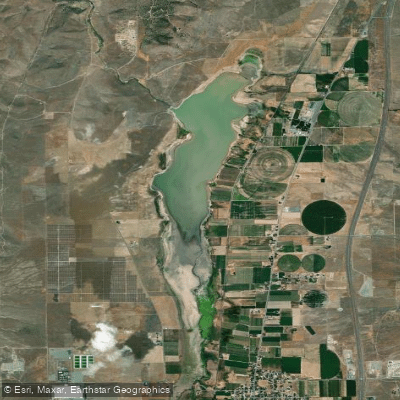
Mona Reservoir
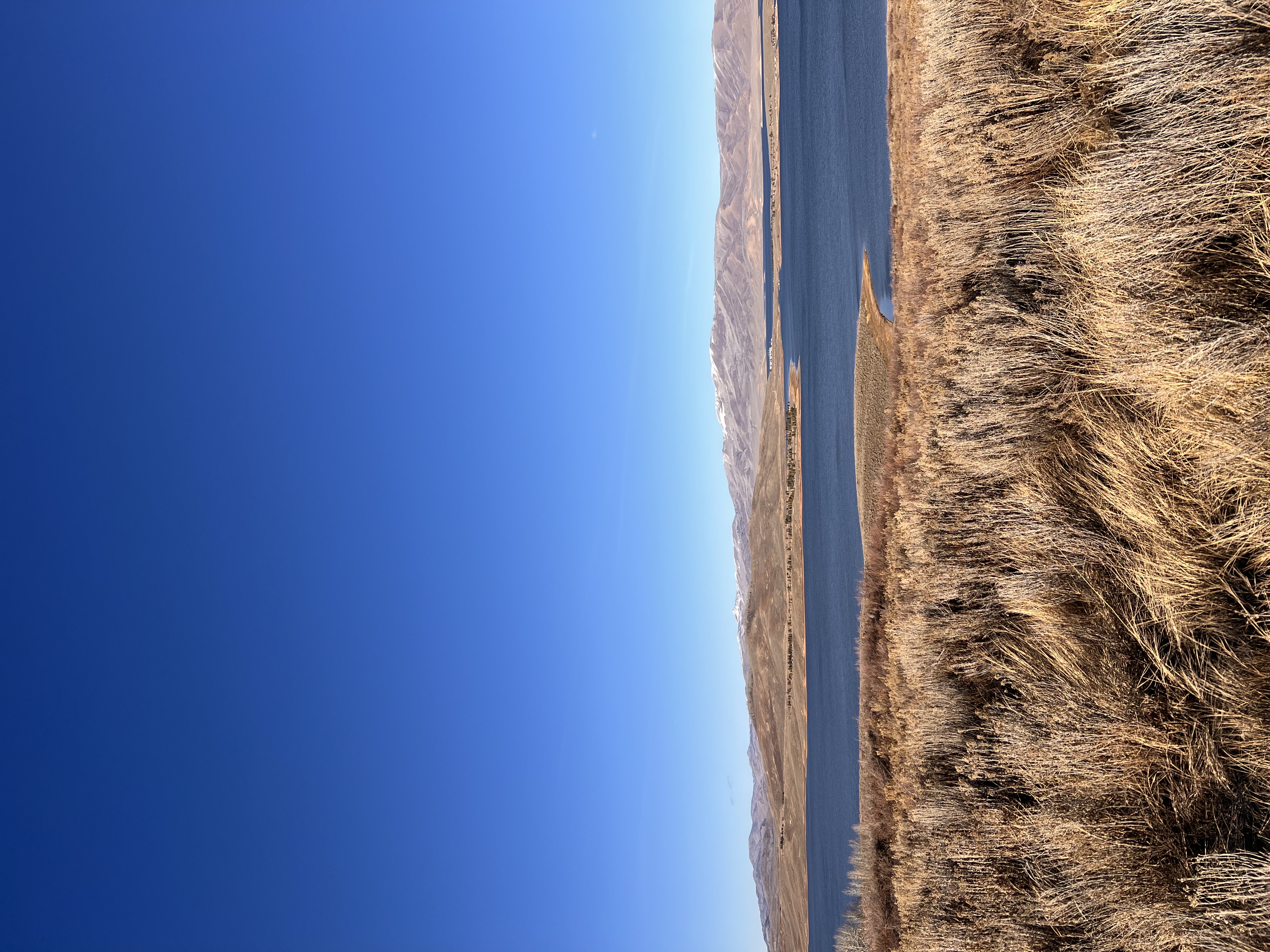
Strawberry Reservoir
What to know
Habitat Distribution
They prefer medium to large rivers, reservoirs, lakes, and quiet open waters with muddy substratesKey Locations
Willard Bay Reservoir where 1,800 adults were successfully stocked from Nebraska, and in the Colorado River system including Lake Powell and the San Juan River where they were first documented in 2000Specific Spots
In Utah waters like Willard Bay, focus on shallow areas with muddy bottoms, backwaters, coves, and areas near boat docks or marinas where they feed along the bottom. In the Colorado River system and Lake Powell, they may be found in shallow backwaters and tributary mouths. Look for surface activity, diving birds, or schools of baitfish as indicators of their presence.Gizzard Shad FAQ
Answers from onWater's species guide.
When is the best time to fish for Gizzard Shad in Utah?
Late spring through fall when they're most active, particularly in the warmer months when water temperatures are stable or rising
How do you catch Gizzard Shad in Utah?
Small jigs tipped with wax worms or pieces of nightcrawler fished near the bottom occasionally produce results, though success rates are generally low with traditional hook-and-line methods.
What do Gizzard Shad eat?
Young gizzard shad feed on phytoplankton and zooplankton in open water, but as adults they become bottom feeders, using their vacuum-cleaner mouths to consume detritus, algae, decaying organic matter, sand, and benthic organisms from muddy lake bottoms.
Where do Gizzard Shad live in Utah?
They prefer medium to large rivers, reservoirs, lakes, and quiet open waters with muddy substrates
Fish smarter with real-time insights
Whether you're en route and conditions shift or you're looking for the best spot based on current flows, we enable you to make informed decisions on the fly.




See it in the app
Most maps show you water.
onWater shows you Gizzard Shad.



- 01 · Species map filter
Map every Gizzard Shad water
Pick Gizzard Shad and the map zeroes in on the waters they call home. No more guessing which lake holds them.
- 02 · Waterbody species
Tap any water. See what lives there.
Species, behavior and seasonal patterns for every lake, river and pond, before you leave the driveway.
- 03 · Angler Intelligence
Ask how to catch Gizzard Shad
Tactics, gear and timing from onWater's AI fishing guide, tuned to the species and the water you're on.
Stop guessing where Gizzard Shad are.
Open the map, filter by Gizzard Shad, and head to water that holds them. Download onWater and plan your next trip in minutes.
- Species map filter
- Angler Intelligence
- Fishing journal
Explore other species
Trout, bass, salmon, panfish and everything in between. Each guide unpacks the behavior, seasons, and tactics that put fish in the net.
No species information available.
Utah licenses and regulations
Explore nearby waters
Explore Utah waters
Top fishing waters
Popular Cities
Loading popular cities...

Smarter Fishing Starts in the App.
onWater Fish gives you everything you need to plan smarter, fish better, and own every trip from first cast to last.