Flannelmouth Sucker

The Flannelmouth Sucker is a large-bodied native fish species found throughout Utah's Colorado River Basin. This hefty sucker can grow up to 28 inches in length and weigh up to 8 pounds, with a lifespan reaching 30 years.
The species is classified as sensitive in Utah due to declining populations from habitat loss, water development, dam construction, and competition with non-native species like white suckers, with which they hybridize.
Scientific Name: Catostomus latipinnis
- Distinguished by its fleshy, enlarged lower lip and thick body that tapers posteriorly, it displays coloring ranging from dark brown to greenish that fades to orange or yellow on the sides.
- During spawning season, males develop vibrant orange coloration and tubercles from anal to caudal fin.
Fishing in Utah
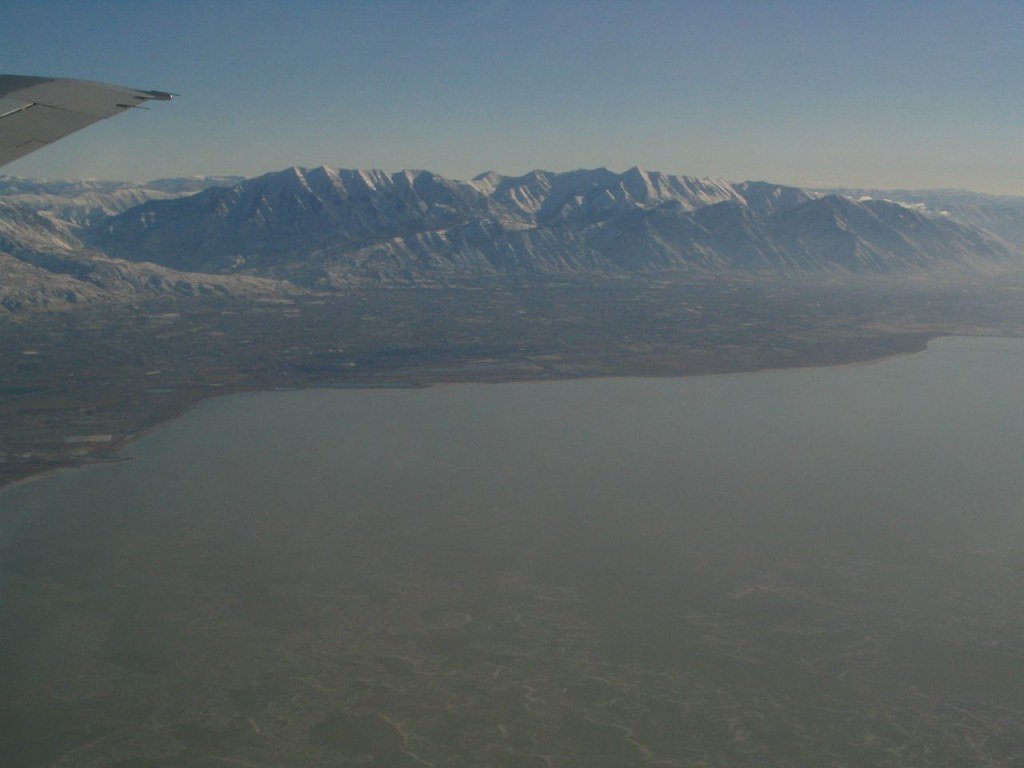
Utah Lake
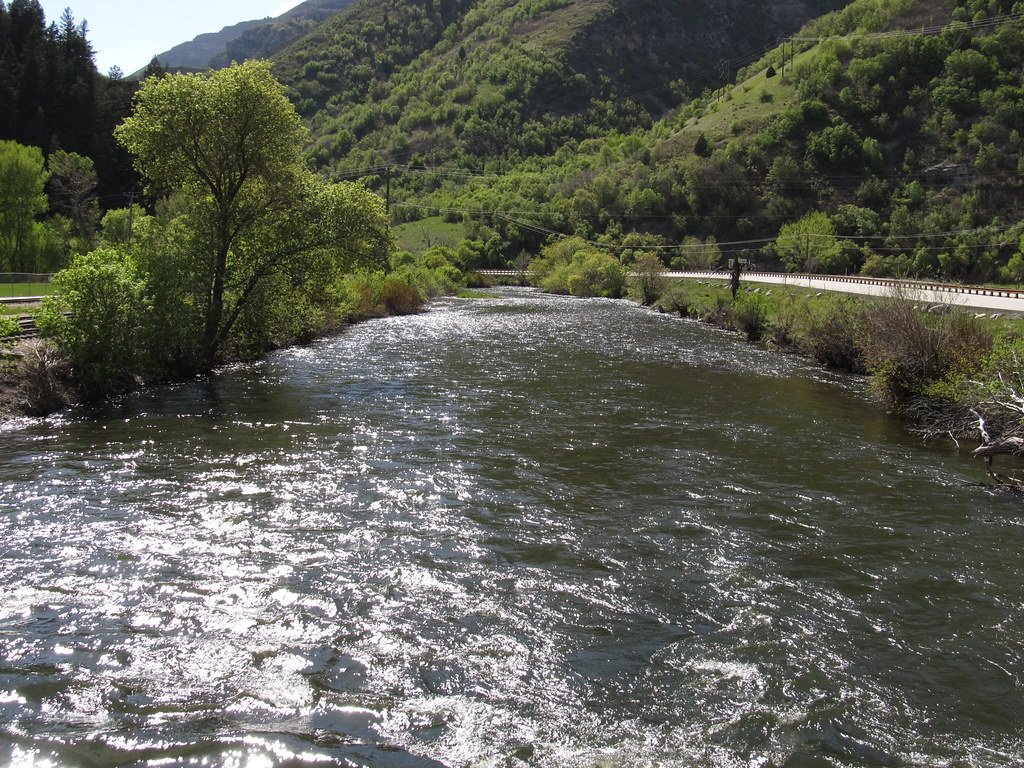
Provo River
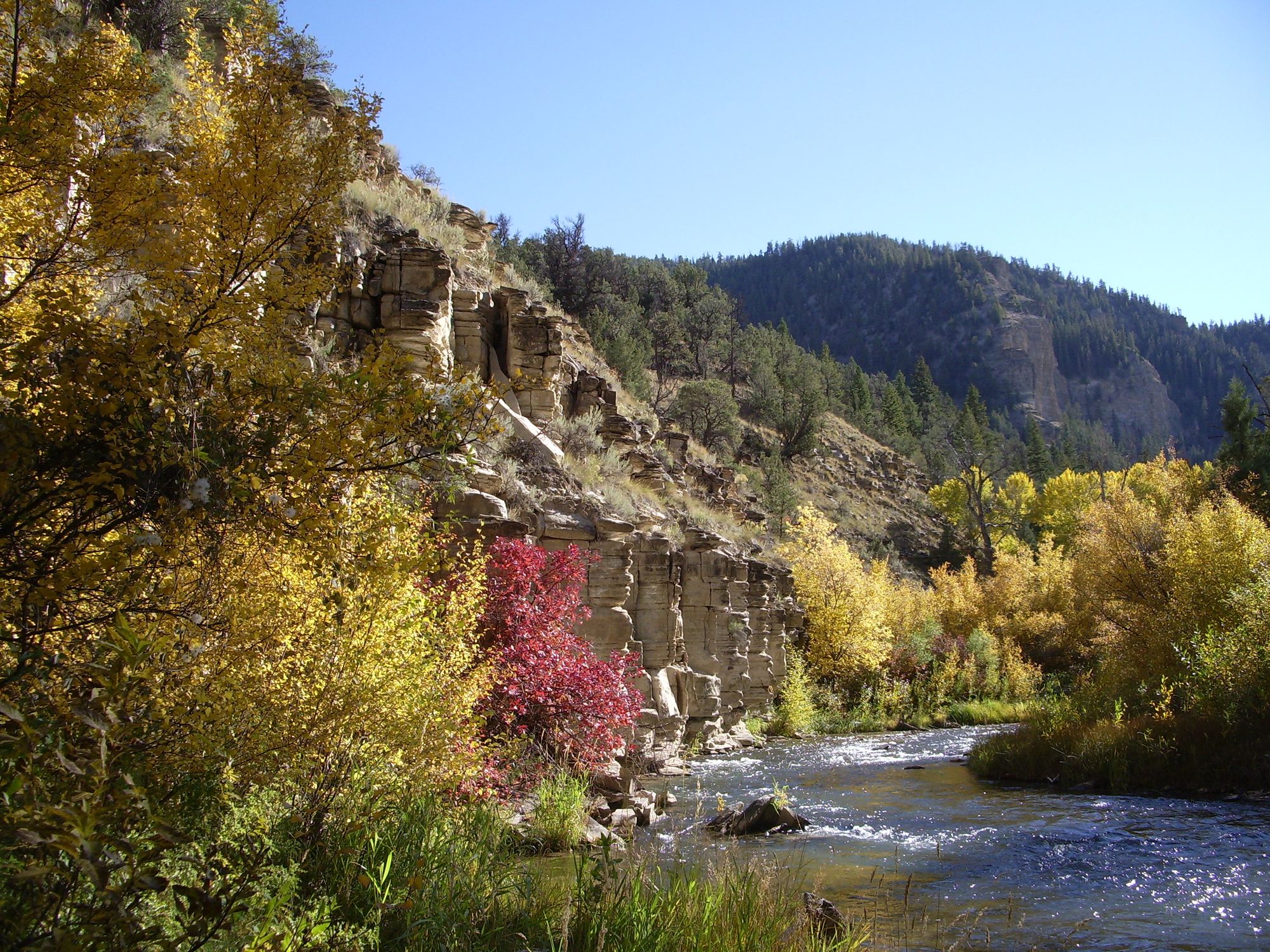
Strawberry River
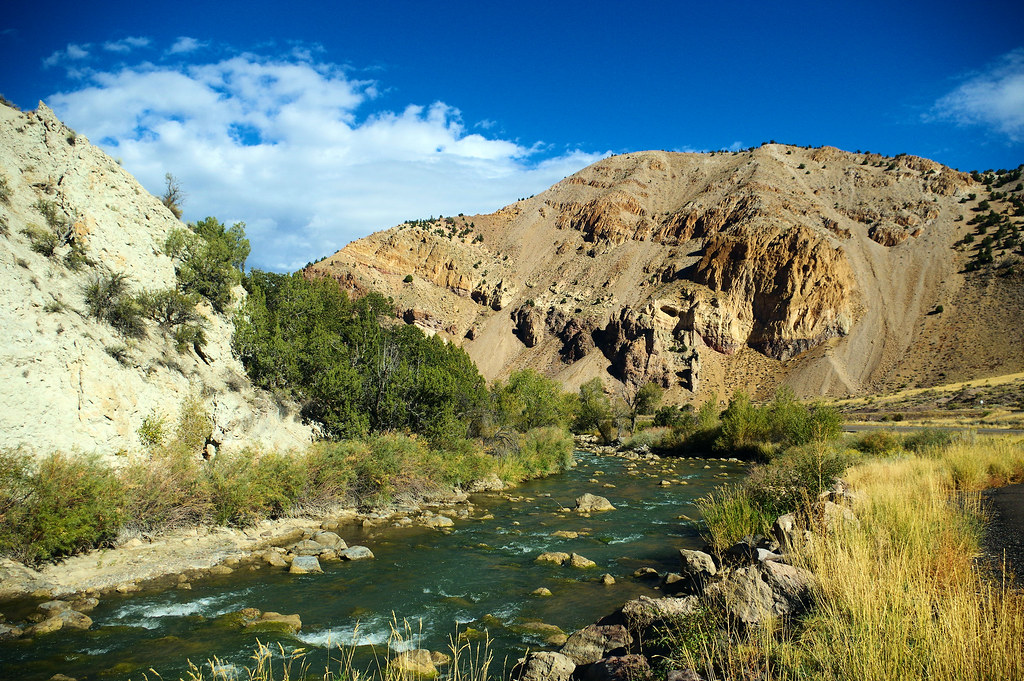
Sevier River
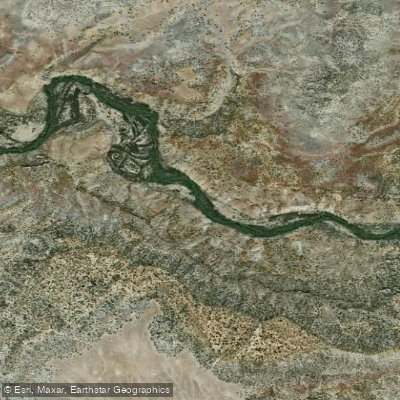
Price River
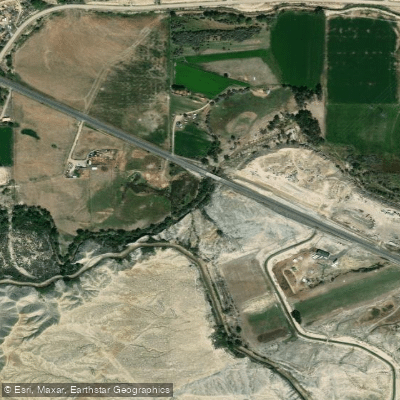
Huntington Creek
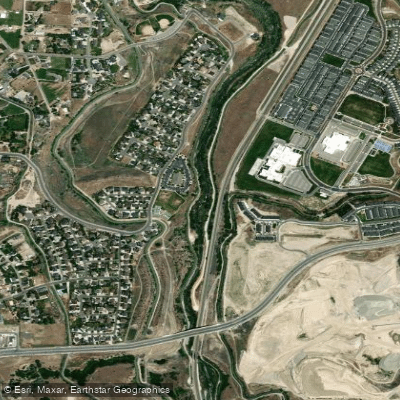
Jordan River
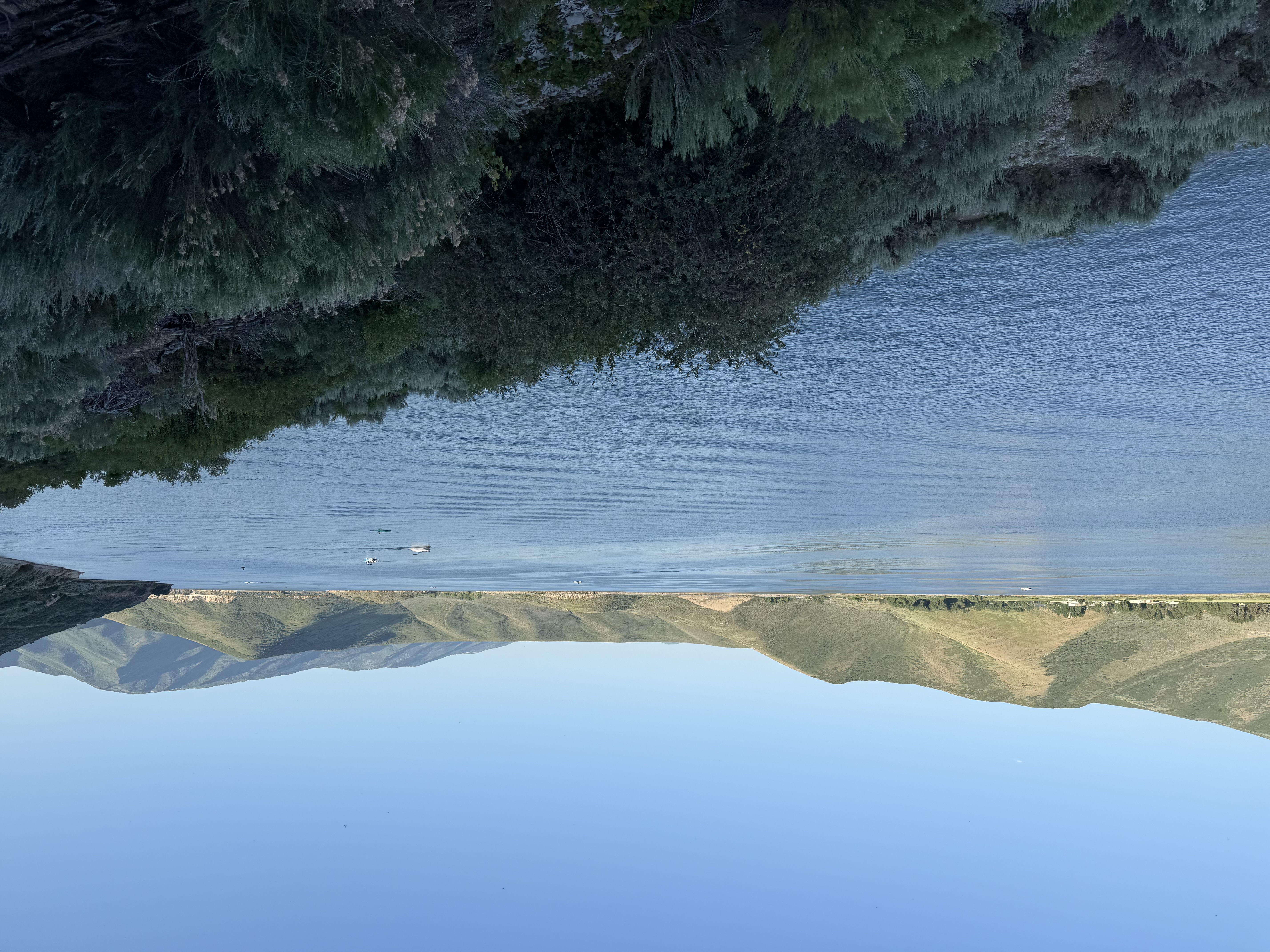
Deer Creek Reservoir
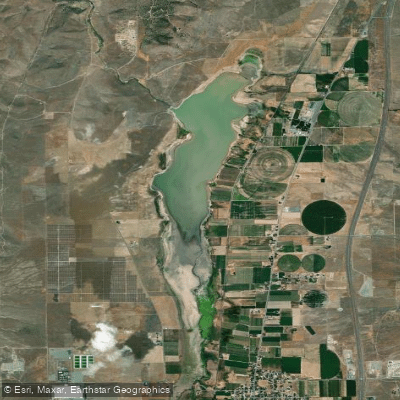
Mona Reservoir
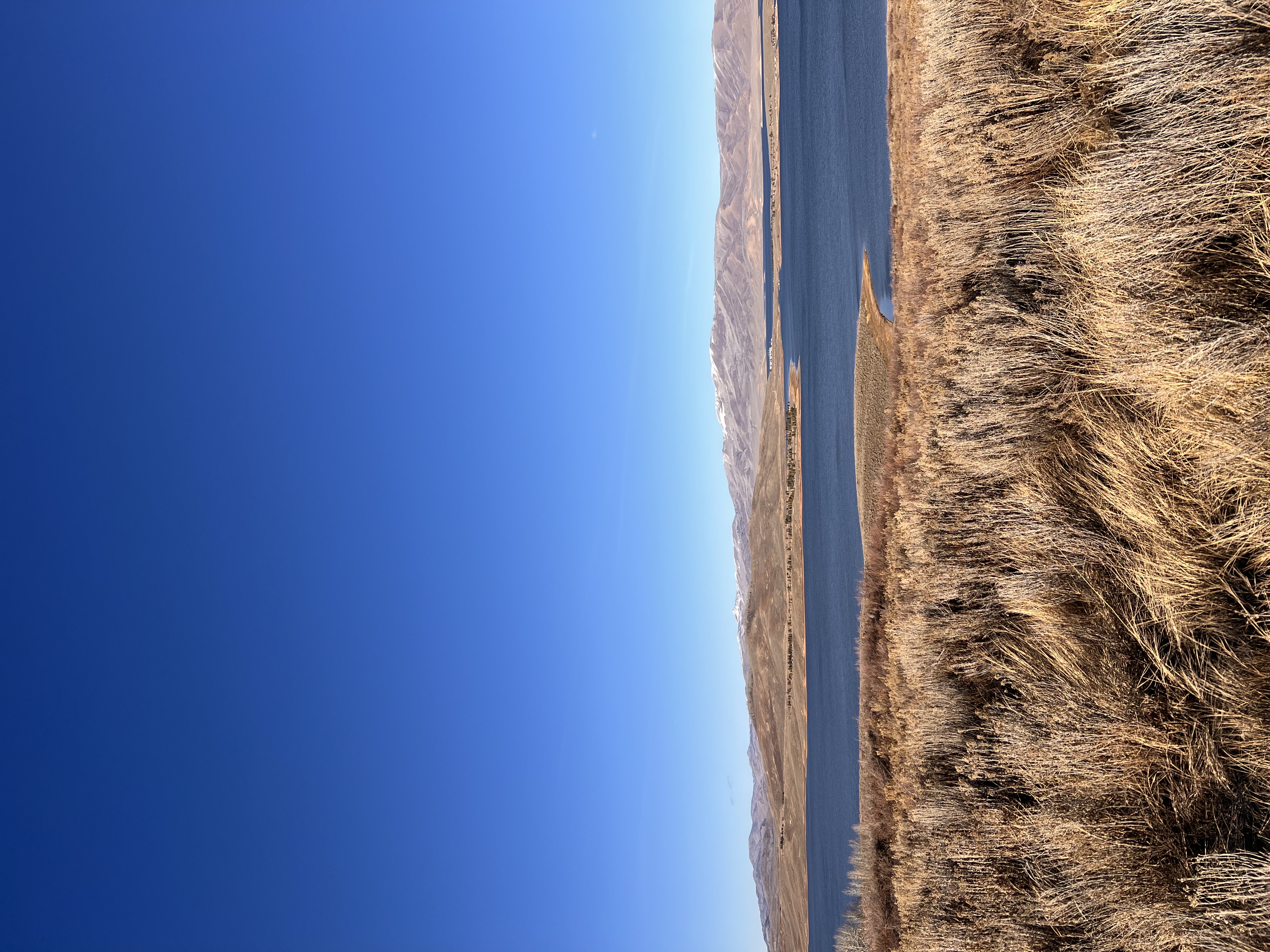
Strawberry Reservoir
What to know
Habitat Distribution
- Found throughout Utah's Colorado River Basin.
- They prefer large rivers with deep pools, runs, and riffles, often inhabiting depths of 1-6 feet in slow-moving, low-gradient reaches with rocky or gravel substrates.
Key Locations
- Mainstem Colorado River, Green River, San Juan River, Virgin River, Escalante River, Fremont River, San Rafael River, Price River, Duchesne River, and White River.
- Focus on larger rivers like the Green, San Juan, Colorado, Virgin, and other Colorado River Basin waters throughout Utah.
Specific Spots
- Focus on deeper pools, runs, and areas with cover such as overhanging branches or root systems.
- Adult fish prefer depths of 1-6 feet with rocky, gravel, or mud bottoms.
- Adults typically occupy deeper waters with cover like roots and overhanging branches, while juveniles favor shallow marginal waters and backwater areas.
Flannelmouth Sucker FAQ
Answers from onWater's species guide.
What flies work for Flannelmouth Sucker in Utah?
Wet nymph patterns, scud patterns, and flies resembling fish e.g.gs or worms, particularly weighted streamers in sizes 4-8 with conehead or beadhead designs in black and brown colors.
When is the best time to fish for Flannelmouth Sucker in Utah?
Best fishing occurs outside spawning periods (avoid April-June when they move upstream to spawn). During spawning season (April through June when water temperatures reach 50°F), males develop vibrant orange coloration and tubercles from anal to caudal fin.
How do you catch Flannelmouth Sucker in Utah?
Sight-fishing is most effective - cast flies a few inches in front of observed fish, anticipating their forward movement, and watch for mouth extension as they suck up the fly before setting the hook immediately.
What do Flannelmouth Sucker eat?
As benthic omnivores, Flannelmouth Suckers are opportunistic feeders consuming algae, detritus, plant debris, aquatic invertebrates, diatoms, seeds, and planktonic organisms, with their diet shifting seasonally and by size.
Where do Flannelmouth Sucker live in Utah?
Found throughout Utah's Colorado River Basin. They prefer large rivers with deep pools, runs, and riffles, often inhabiting depths of 1-6 feet in slow-moving, low-gradient reaches with rocky or gravel substrates.
Fish smarter with real-time insights
Whether you're en route and conditions shift or you're looking for the best spot based on current flows, we enable you to make informed decisions on the fly.







See it in the app
Most maps show you water.
onWater shows you Flannelmouth Sucker.



- 01 · Species map filter
Map every Flannelmouth Sucker water
Pick Flannelmouth Sucker and the map zeroes in on the waters they call home. No more guessing which lake holds them.
- 02 · Waterbody species
Tap any water. See what lives there.
Species, behavior and seasonal patterns for every lake, river and pond, before you leave the driveway.
- 03 · Angler Intelligence
Ask how to catch Flannelmouth Sucker
Tactics, gear and timing from onWater's AI fishing guide, tuned to the species and the water you're on.
Stop guessing where Flannelmouth Sucker are.
Open the map, filter by Flannelmouth Sucker, and head to water that holds them. Download onWater and plan your next trip in minutes.
- Species map filter
- Angler Intelligence
- Fishing journal
Explore other species
Trout, bass, salmon, panfish and everything in between. Each guide unpacks the behavior, seasons, and tactics that put fish in the net.

Find which waters have the species you want to catch

Largemouth Bass
Micropterus salmoides

Smallmouth Bass
Micropterus dolomieu

Rainbow Trout

Brown Trout
Salmo trutta

Brook Trout
Salvelinus fontinalis

Cutthroat Trout

Northern Pike

Walleye
Sander vitreus

Black Crappie
Pomoxis nigromaculatus
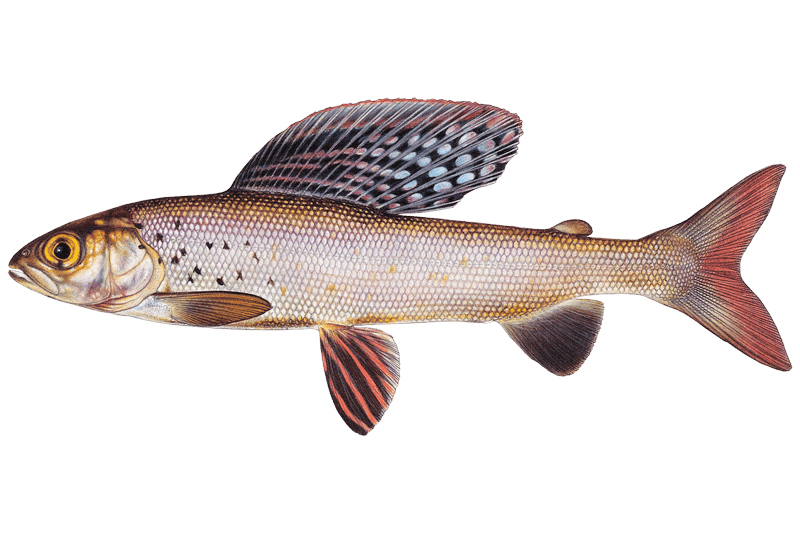
Arctic Grayling
Thymallus arcticus

Black Bullhead
Ameiurus melas

Brown Bullhead
Ameiurus nebulosus

Burbot
Lota lota

Channel Catfish
Ictalurus punctatus

Common Carp
Cyprinus carpio

Creek Chub
Semotilus atromaculatus

Gizzard Shad
Dorosoma cepedianum

Golden Trout
Oncorhynchus mykiss aguabonita

Grass Carp
Ctenopharyngodon idella

Green Sunfish
Lepomis cyanellus
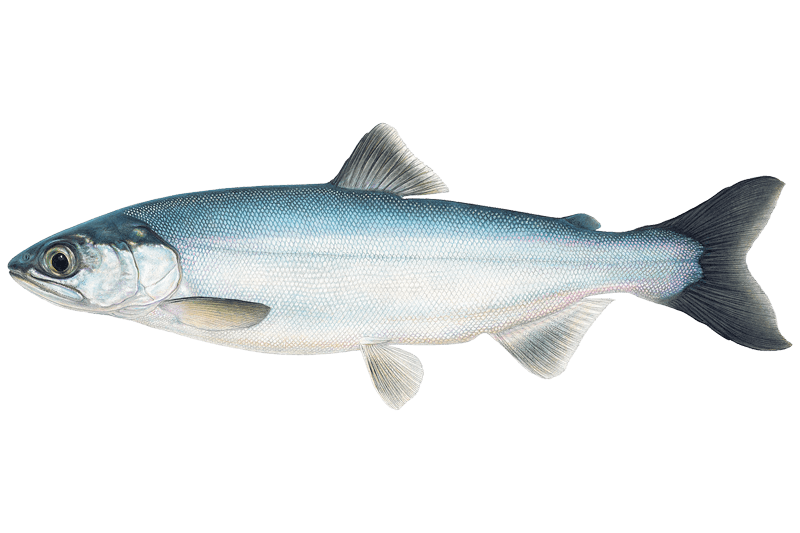
Kokanee Salmon
Oncorhynchus nerka

Lake Trout
Salvelinus namaycush

Longnose Sucker
Catostomus catostomus
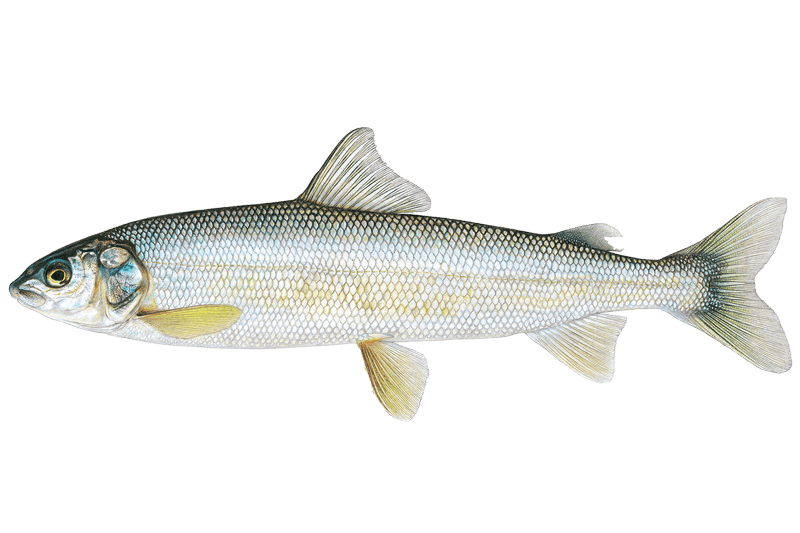
Mountain Whitefish
Prosopium williamsoni

Sockeye Salmon
Oncorhynchus nerka
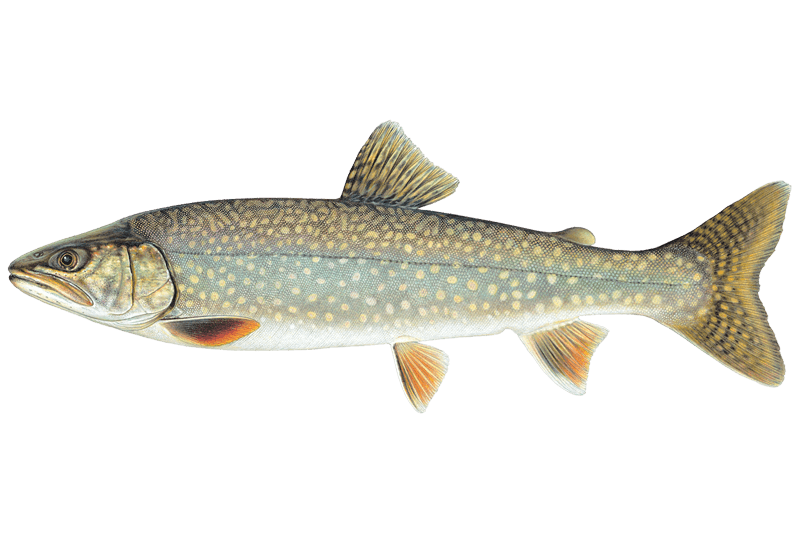
Splake
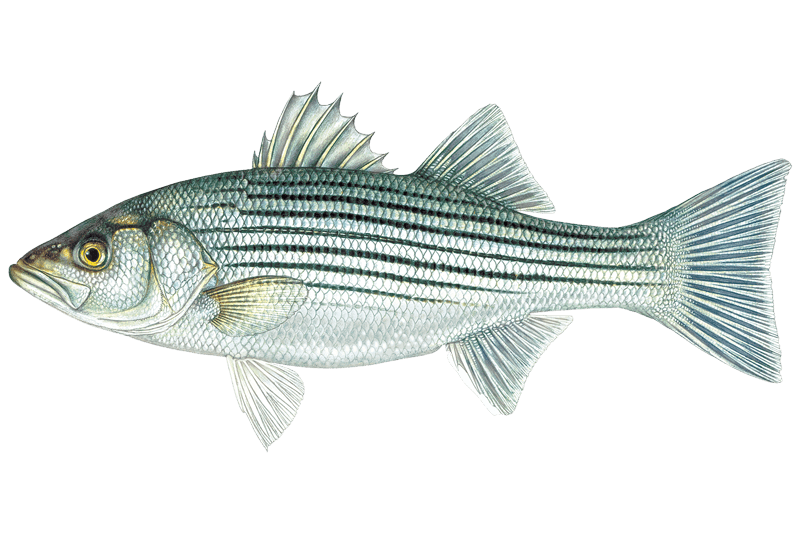
Striped Bass
Morone saxatilis
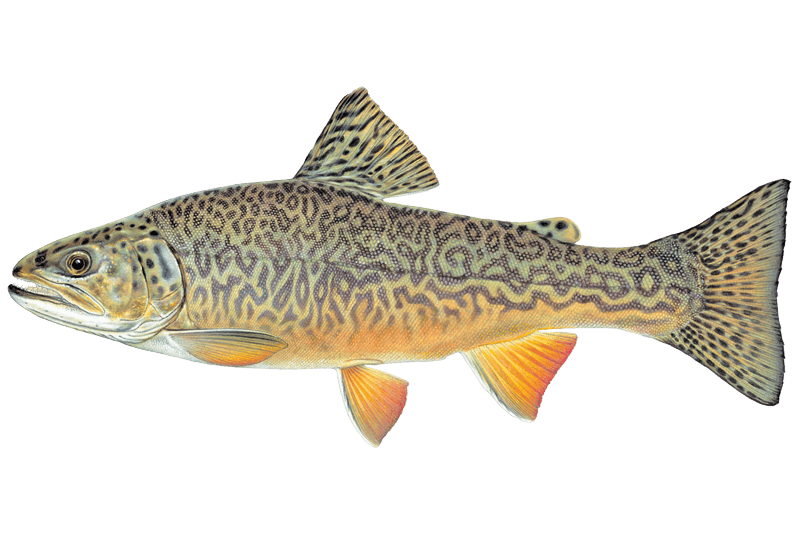
Tiger Trout
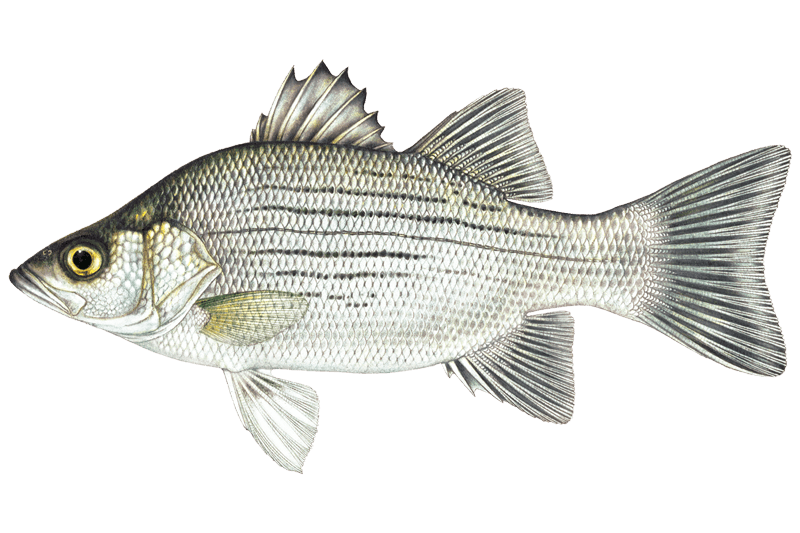
White Bass
Morone chrysops
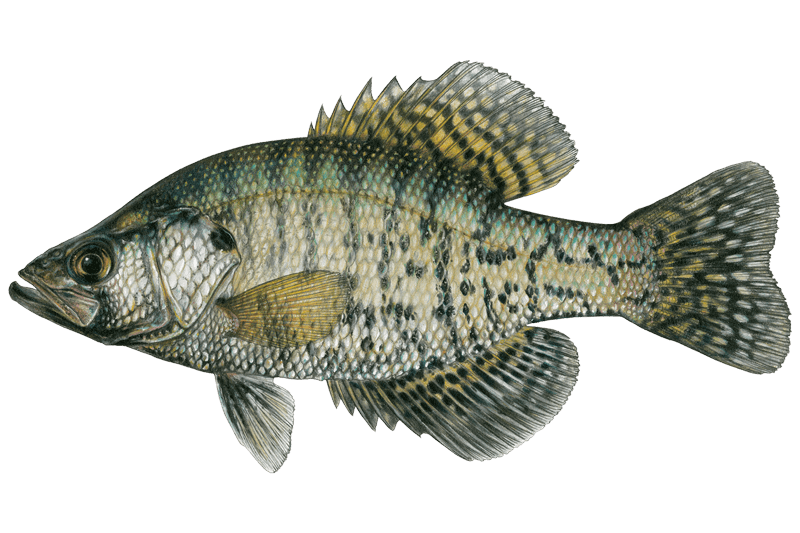
White Crappie
Pomoxis annularis
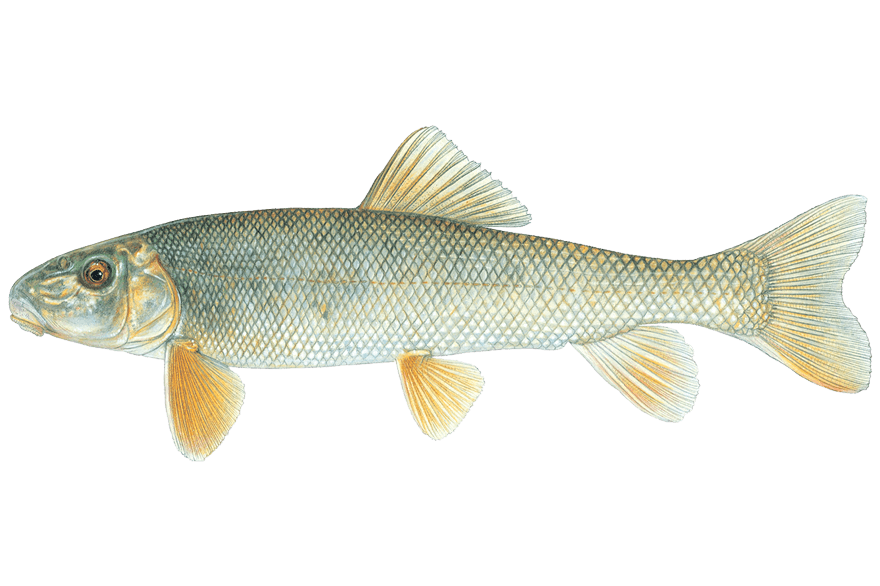
White Sucker
Catostomus commersonii
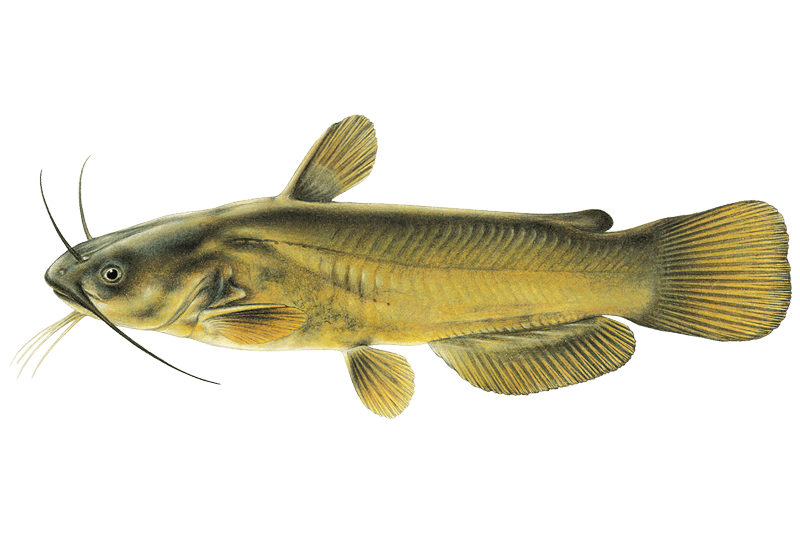
Yellow Bullhead
Ameiurus natalis
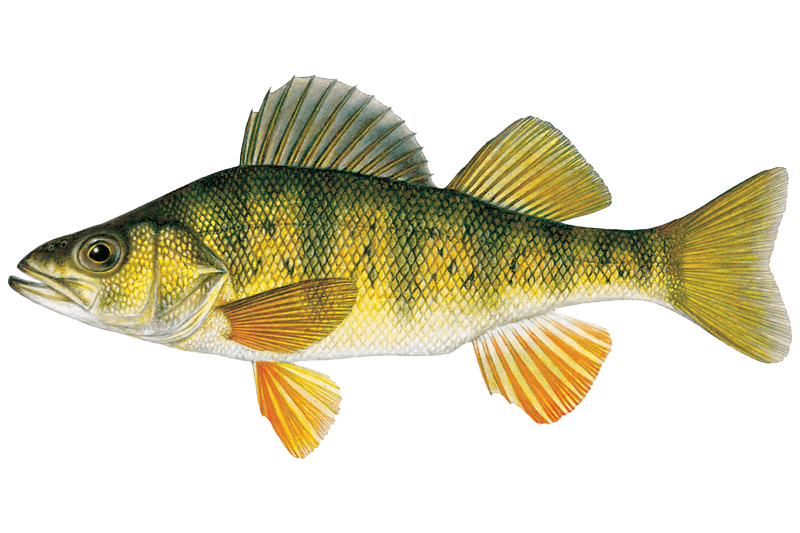
Yellow Perch
Perca flavescens
Utah licenses and regulations

Utah Boating Regulations
When using any type of watercraft to access a body of water, it is important to follow all federal, state, and local rules and regulations. These rules and regulations include boat permitting and licensing, invasive species inspections and stamps, life jacket and PFD rules, motor size and horsepower restrictions, noise limitations, restrictions on personal watercraft, and many more. Visit the web link below for the most current rules and regulations for this body of water.

Utah Fishing License
If you’re 12 years of age or older, you must purchase a fishing license or a combination license to fish in Utah.

Utah Fishing Regulations
This river has a variety of species and regulations, including potential floating and/or watercraft restrictions. Because this river is specially managed for species, seasons, angling methods, and watercraft, it is strongly encouraged you check all federal, state, and local regulations before fishing. Visit any of the links below, inquire locally, or contact a local fly shop to learn current regulations and restrictions.

Utah Stream Access Laws
The law does not allow recreational water users (including anglers, kayakers, tubers, hunters and others) to walk on the private bed of a public waterbody. This means that if you are fishing or recreating in public water that flows over private property closed to trespass, you may not walk on the land beneath the water without obtaining landowner permission.
Explore nearby waters
Explore Utah waters
Top fishing waters
Popular Cities
Loading popular cities...
Smarter Fishing Starts in the App.
onWater Fish gives you everything you need to plan smarter, fish better, and own every trip from first cast to last.