Goldfish

Goldfish (Carassius auratus) are an exotic, non-native species in South Dakota that have been established in state waters since at least 1984 according to state fish management records.
These invasive cyprinids are prohibited as bait in South Dakota under state law.
Their presence in South Dakota waters represents part of a broader invasion across virtually every state, where they've established through aquarium releases and escapes from ornamental ponds.
Scientific Name: Carassius auratus
- Wild goldfish populations in South Dakota vary significantly in coloration from the familiar bright gold to olive green, bronze, or even creamy white - quite different from their aquarium counterparts.
- They possess elongated, stocky bodies with long dorsal fins containing 15-21 rays and distinctive serrated spines at the origin of both dorsal and anal fins.
- Goldfish can live 6-30 years and typically grow 120-220mm in length, though they can reach up to 410mm.
Fishing in South Dakota
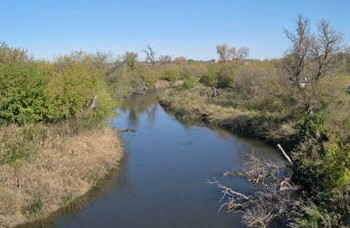
James River
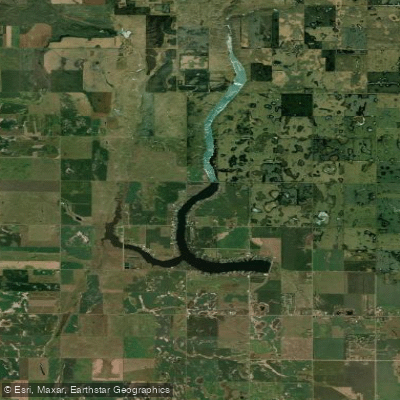
Richmond Lake
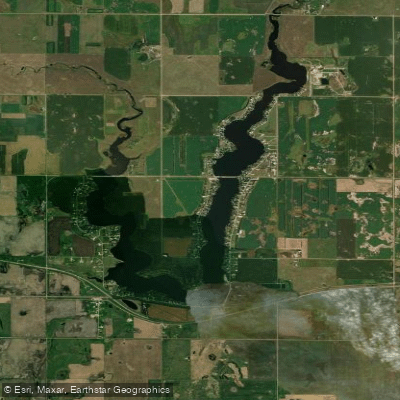
Lake Parmley
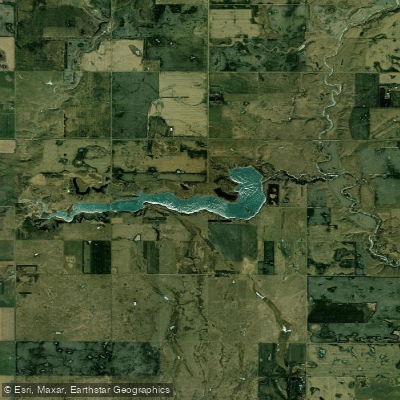
Willow Creek Lake
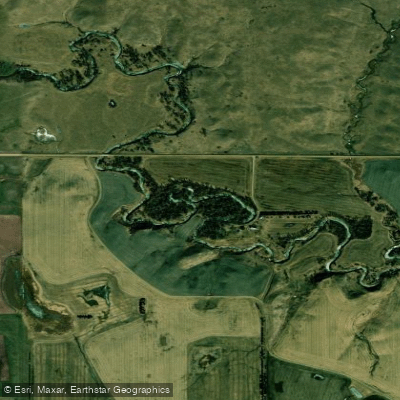
Elm River
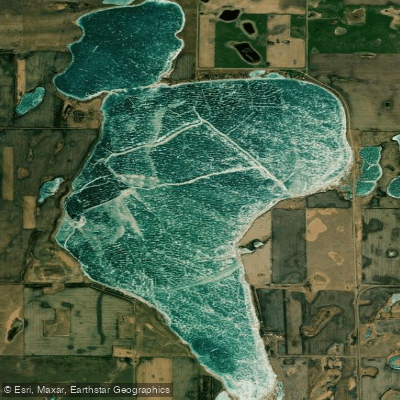
North Scatterwood Lake
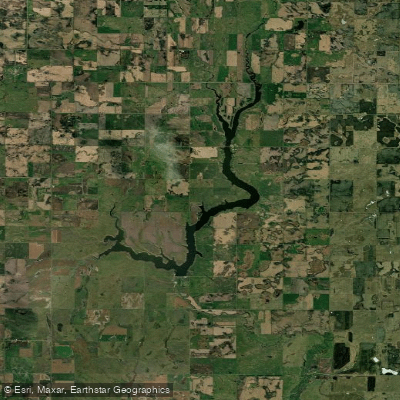
Elm Lake
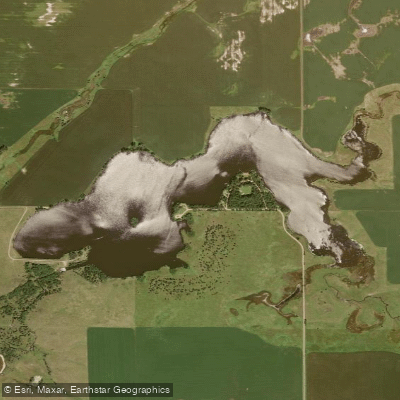
Amsden Lake
Columbia Road Reservoir
South Scatterwood Lake
What to know
Habitat Distribution
- Quiet backwaters of streams, pools with submerged vegetation, and shallow areas of lakes and reservoirs.
- Prefer shallow, vegetated areas of lakes, ponds, and quiet backwater areas of streams.
Specific Spots
- Shallow, vegetated areas.
Goldfish FAQ
Answers from onWater's species guide.
What are the best lures and bait for Goldfish in South Dakota?
Small jigs, spinners, worms, small minnows, corn kernels, small spoons, and soft plastics.
When is the best time to fish for Goldfish in South Dakota?
Spring through fall provides the best opportunities when water temperatures are favorable and fish are more active.
How do you catch Goldfish in South Dakota?
Standard panfish techniques, live bait presentations under bobbers - similar techniques effective for bluegill and other sunfish species.
What do Goldfish eat?
Omnivorous feeders with varied diets including planktonic crustaceans, phytoplankton, insect larvae, fish e.g.gs and fry, benthic invertebrates, and aquatic vegetation.
Where do Goldfish live in South Dakota?
Quiet backwaters of streams, pools with submerged vegetation, and shallow areas of lakes and reservoirs. Prefer shallow, vegetated areas of lakes, ponds, and quiet backwater areas of streams.
Fish smarter with real-time insights
Whether you're en route and conditions shift or you're looking for the best spot based on current flows, we enable you to make informed decisions on the fly.







See it in the app
Most maps show you water.
onWater shows you Goldfish.



- 01 · Species map filter
Map every Goldfish water
Pick Goldfish and the map zeroes in on the waters they call home. No more guessing which lake holds them.
- 02 · Waterbody species
Tap any water. See what lives there.
Species, behavior and seasonal patterns for every lake, river and pond, before you leave the driveway.
- 03 · Angler Intelligence
Ask how to catch Goldfish
Tactics, gear and timing from onWater's AI fishing guide, tuned to the species and the water you're on.
Stop guessing where Goldfish are.
Open the map, filter by Goldfish, and head to water that holds them. Download onWater and plan your next trip in minutes.
- Species map filter
- Angler Intelligence
- Fishing journal
Explore other species
Trout, bass, salmon, panfish and everything in between. Each guide unpacks the behavior, seasons, and tactics that put fish in the net.

Find which waters have the species you want to catch

Largemouth Bass

Smallmouth Bass

Rainbow Trout

Brown Trout

Brook Trout

Cutthroat Trout

Northern Pike

Muskellunge

Walleye

Black Crappie
Pomoxis nigromaculatus

Bighead Carp
Hypophthalmichthys nobilis

Bigmouth Buffalo
Ictiobus cyprinellus

Black Bullhead
Ameiurus melas

Blue Catfish
Ictalurus furcatus
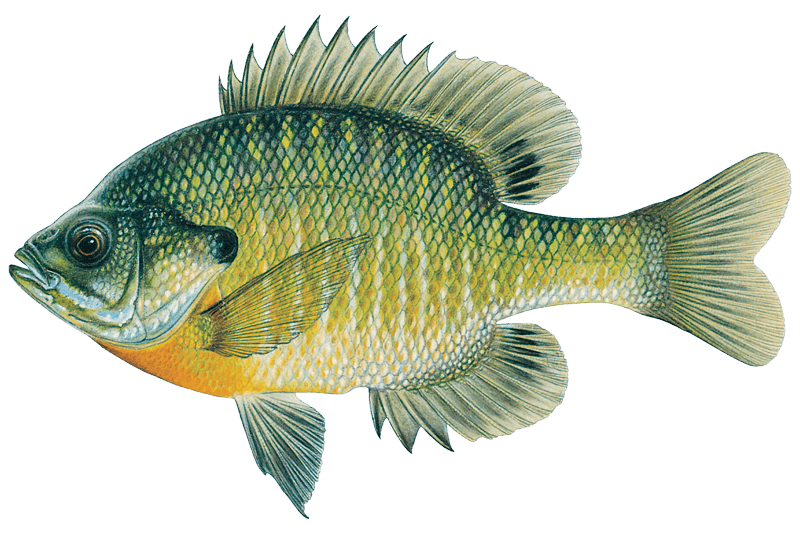
Bluegill Sunfish

Blue Sucker
Cycleptus elongatus

Brown Bullhead
Ameiurus nebulosus

Burbot
Lota lota

Channel Catfish

Chinook Salmon
Oncorhynchus tshawytscha

Coho Salmon
Oncorhynchus kisutch

Common Carp

Creek Chub
Semotilus atromaculatus

Flathead Catfish

Flathead Chub
Platygobio gracilis

Freshwater Drum
Aplodinotus grunniens

Gizzard Shad
Dorosoma cepedianum

Goldeye
Hiodon alosoides

Grass Carp
Ctenopharyngodon idella

Green Sunfish
Lepomis cyanellus

Lake Sturgeon
Acipenser fulvescens

Lake Trout

Longnose Gar
Lepisosteus osseus

Longnose Sucker
Catostomus catostomus
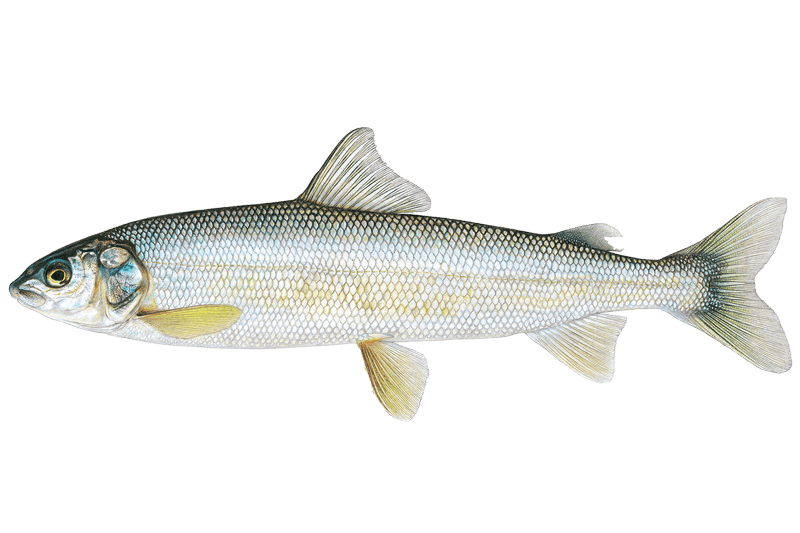
Mountain Whitefish
Prosopium williamsoni

Northern Hogsucker
Hypentelium nigricans
Orangespotted Sunfish
Lepomis humilis

Pumpkinseed
Lepomis gibbosus
Quillback
Carpiodes cyprinus

Rock Bass
Ambloplites rupestris
South Dakota licenses and regulations

South Dakota Boating Regulations
When using any type of watercraft to access a body of water, it is important to follow all federal, state, and local rules and regulations. These rules and regulations include boat permitting and licensing, invasive species inspections and stamps, life jacket and PFD rules, motor size and horsepower restrictions, noise limitations, restrictions on personal watercraft, and many more. Visit the web link below for the most current rules and regulations for this body of water.

South Dakota Fishing License
Residents and Nonresidents 18 years old and older are required to have a fishing license

South Dakota Fishing Regulations
This state has a variety of species and regulations, including potential floating and/or watercraft restrictions. Because this state is specially managed for species, seasons, angling methods, and watercraft, it is strongly encouraged you check all federal, state, and local regulations before fishing. Visit any of the links below, inquire locally, or contact a local fly shop to learn current regulations and restrictions.

South Dakota Stream Access Laws
If a river or stream is capable of being floated, it can be used for any lawful recreational activity, such as boating or fishing. Any public use above the ordinary high water mark, i.e., outside of the stream bank, without the landowner's permission, would be considered trespassing.
Explore nearby waters
Explore South Dakota waters
Top fishing waters
Popular Cities
Loading popular cities...
Smarter Fishing Starts in the App.
onWater Fish gives you everything you need to plan smarter, fish better, and own every trip from first cast to last.