Blue Catfish

Blue Catfish are native to South Dakota, found primarily in the Missouri River system below Gavins Point Dam, with some populations extending into the lower James and Big Sioux rivers. They represent the largest catfish species in North America.
Scientific Name: Ictalurus furcatus
- Capable of reaching 165 cm in length and weights exceeding 100 pounds.
- Distinguished from channel catfish by their straight-edged anal fin (versus curved), lack of dark spots, and bluish-silver coloration with white bellies.
- Have taste receptors on their barbels and throughout their bodies.
Fishing in South Dakota
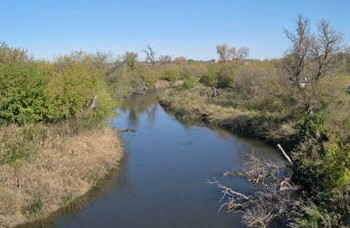
James River
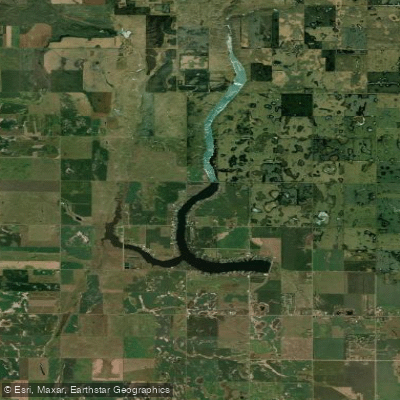
Richmond Lake
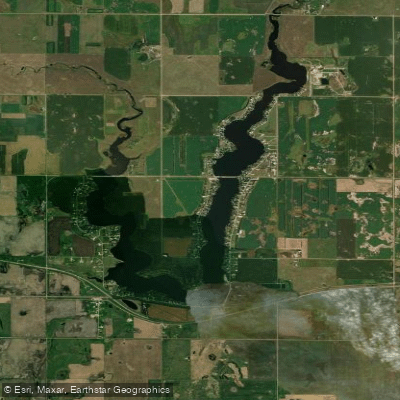
Lake Parmley
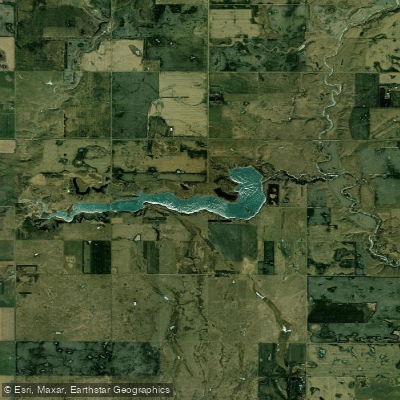
Willow Creek Lake
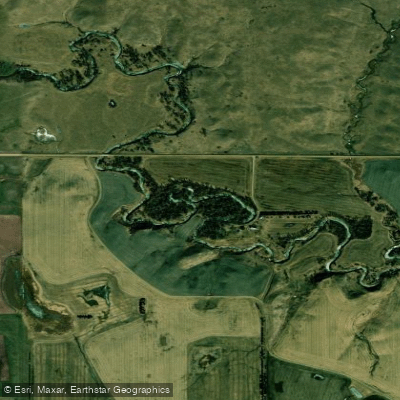
Elm River
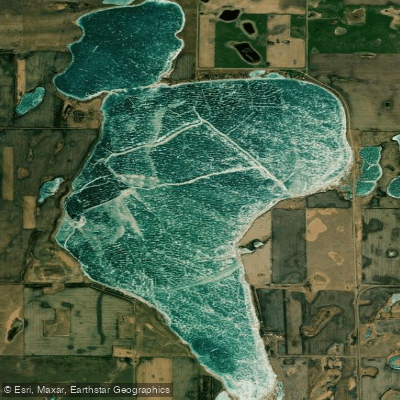
North Scatterwood Lake
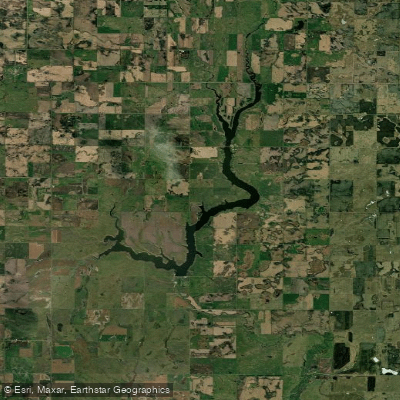
Elm Lake
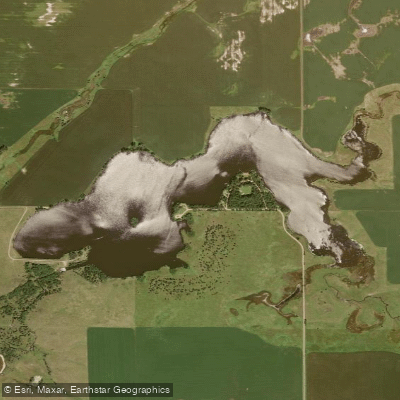
Amsden Lake
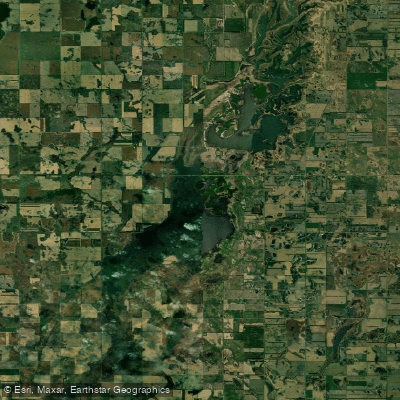
Columbia Road Reservoir
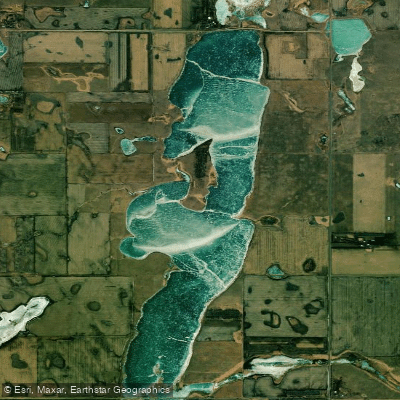
South Scatterwood Lake
What to know
Habitat Distribution
- Found primarily in the Missouri River system below Gavins Point Dam, with some populations extending into the lower James and Big Sioux rivers.
Key Locations
- Missouri River system, particularly areas near Yankton, and the lower reaches of the James and Big Sioux rivers.
Specific Spots
- Main river channels 20-30 feet deep during winter months.
- Deep holes 30-45 feet deep along outside river bends with mud bottoms.
- Rocky channel banks and creek mouths in spring at 15-30 feet deep.
Blue Catfish FAQ
Answers from onWater's species guide.
What are the best lures and bait for Blue Catfish in South Dakota?
Fresh cut bait is most effective - skipjack herring, shad, or other oily fish cut into 1-inch chunks work best. Scented plastics like Berkley Dr.ip Minnows or Gulp!. Minnows on 3/8 to 1/2 ounce jig heads.
When is the best time to fish for Blue Catfish in South Dakota?
Winter (December-March) offers the best trophy blue catfish opportunities when fish concentrate in deep holes. Spring (March-May) provides excellent action as water warms to 45-50°F, with fish moving to 15-30 feet deep. Summer offers good fishing except during spawning periods (May-July when water reaches 70-84°F).
How do you catch Blue Catfish in South Dakota?
Bottom-fishing with Carolina rigs. Jig and minnow presentations using scented plastics on 3/8 to 1/2 ounce jig heads work well in winter when fish are suspended near baitfish schools.
What do Blue Catfish eat?
Opportunistic predators with diets changing as they mature - juveniles feed on zooplankton and aquatic insects, while adults consume fish (including shad and other baitfish), freshwater mussels, crayfish, crabs, and invertebrates. Use taste receptors to locate food.
Where do Blue Catfish live in South Dakota?
Found primarily in the Missouri River system below Gavins Point Dam, with some populations extending into the lower James and Big Sioux rivers.
Fish smarter with real-time insights
Whether you're en route and conditions shift or you're looking for the best spot based on current flows, we enable you to make informed decisions on the fly.




See it in the app
Most maps show you water.
onWater shows you Blue Catfish.



- 01 · Species map filter
Map every Blue Catfish water
Pick Blue Catfish and the map zeroes in on the waters they call home. No more guessing which lake holds them.
- 02 · Waterbody species
Tap any water. See what lives there.
Species, behavior and seasonal patterns for every lake, river and pond, before you leave the driveway.
- 03 · Angler Intelligence
Ask how to catch Blue Catfish
Tactics, gear and timing from onWater's AI fishing guide, tuned to the species and the water you're on.
Stop guessing where Blue Catfish are.
Open the map, filter by Blue Catfish, and head to water that holds them. Download onWater and plan your next trip in minutes.
- Species map filter
- Angler Intelligence
- Fishing journal
Explore other species
Trout, bass, salmon, panfish and everything in between. Each guide unpacks the behavior, seasons, and tactics that put fish in the net.
No species information available.
South Dakota licenses and regulations
Explore nearby waters
Explore South Dakota waters
Top fishing waters
Popular Cities
Loading popular cities...

Smarter Fishing Starts in the App.
onWater Fish gives you everything you need to plan smarter, fish better, and own every trip from first cast to last.