Fishing in South Dakota
- Lakes
- 736
- Rivers
- 1,613
- Access
- 529
- Boat Ramps
- 892
- Shops
- 52
South Dakota is really three fishing states stacked into one, and the most useful thing you can tell a visitor is which one they're coming for.
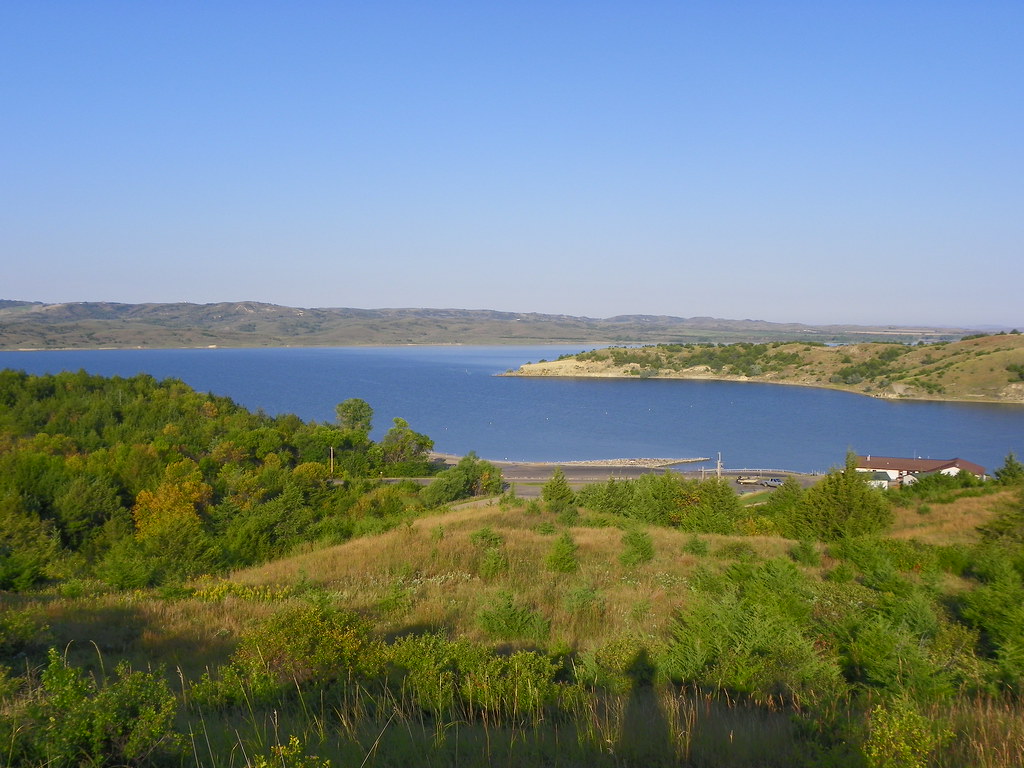
The middle stripe is the Missouri River reservoir chain — Oahe, Sharpe, Francis Case, and Lewis & Clark — and it's walleye country of national consequence.
The state record walleye, 16 pounds and change, came out of Francis Case, and every spring the town of Chamberlain fills up with anglers chasing the post-spawn bite.
The National Walleye Tour rotates through, and the Governor's Cup has been launching out of Spring Creek onto Oahe in July for longer than anyone bothers to remember. Drive northeast into the Glacial Lakes and the scene changes completely.
Rolling prairie, dozens of natural lakes, and a guide culture built around trophy walleye and jumbo yellow perch.
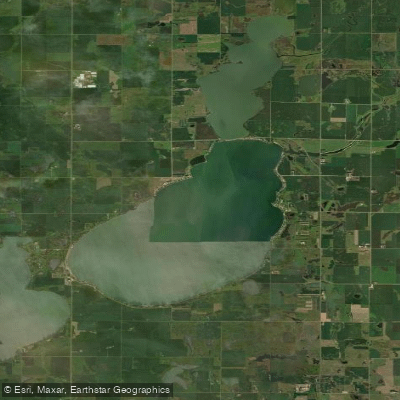
Waubay and Bitter together cover more than 35,000 acres and produce walleye that rival anything on the reservoirs, but the cult fishery is perch on ice — when the lakes lock up in December, towns like Clark genuinely swell, and the bite holds through early March.
South Dakota allows up to four lines through the ice on most inland waters, which tells you something about how seriously the state takes hardwater.
West, in the Black Hills, there's a compact mountain trout scene that has no business being this good on the edge of the Great Plains.
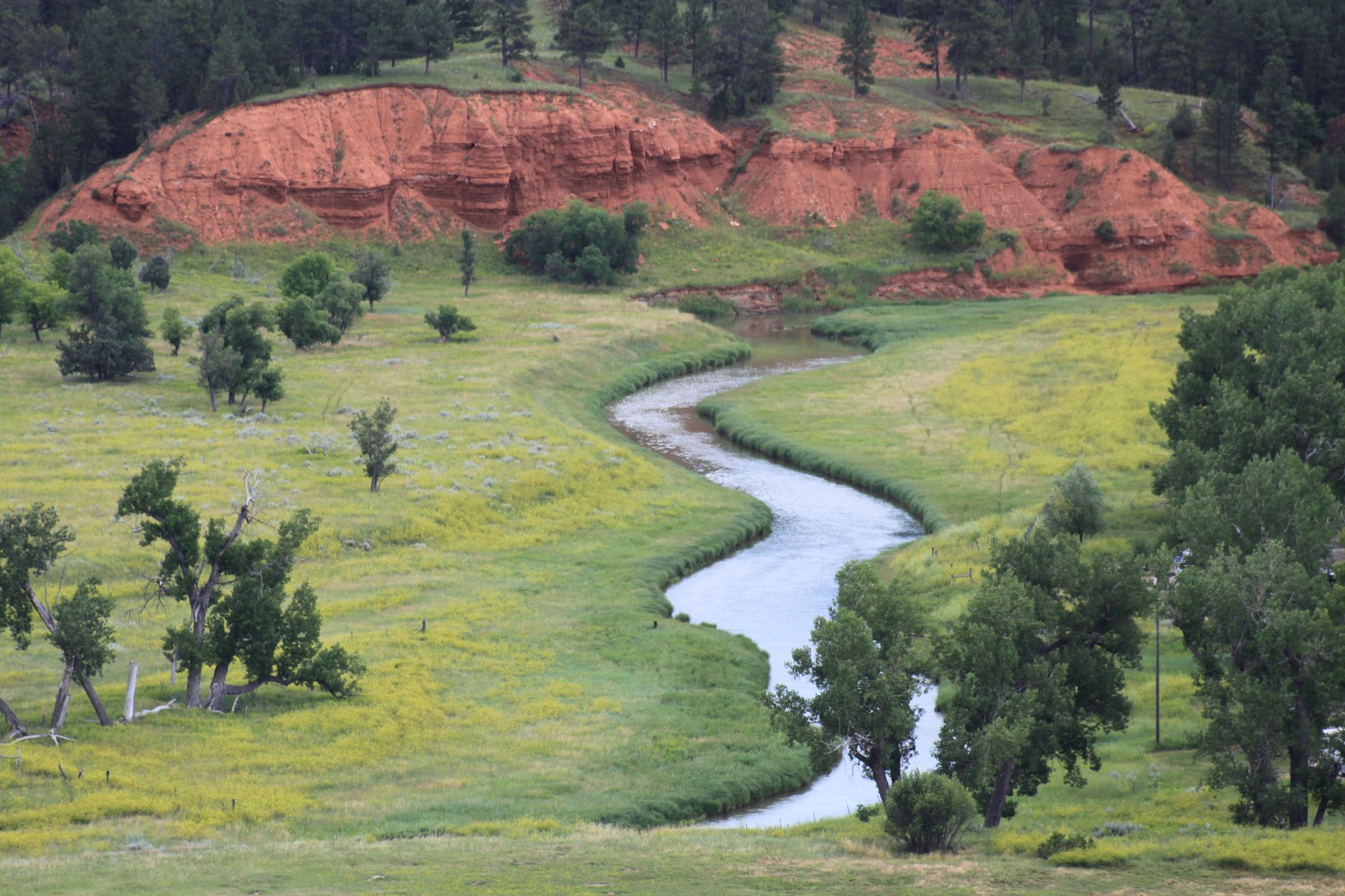
Wild browns hold in Rapid Creek as it runs through downtown Rapid City, and Spearfish Creek threads a limestone canyon north of town.
Tailwater and spring-fed flows keep both fishable year-round, with Baetis, caddis, PMDs, and Little Yellow Stones cycling April through September and hopper-dropper carrying things into October.
The Black Hills Trout Management Area runs a five-fish limit with only one over 14 inches, and felt soles are banned statewide — bring rubber.
Dakota Angler in Rapid City and Tail Finn out of Spearfish are the anchor shops; Dakota TU does the conservation work.
Threading it all together is the paddlefish — a prehistoric filter feeder you can only legally snag, on a lottery permit, in a handful of windows.
May on Francis Case for residents, October below Gavins Point Dam near Yankton for everyone willing to draw a tag. Most fish run 40 to 60 pounds. Slot fish between 35 and 45 inches go back, because those are the breeders.
There's no other fishery quite like it in the country, and it sits about a four-hour drive from a wild brown trout stream and a perch shack on hard water — which is the South Dakota part of the story.
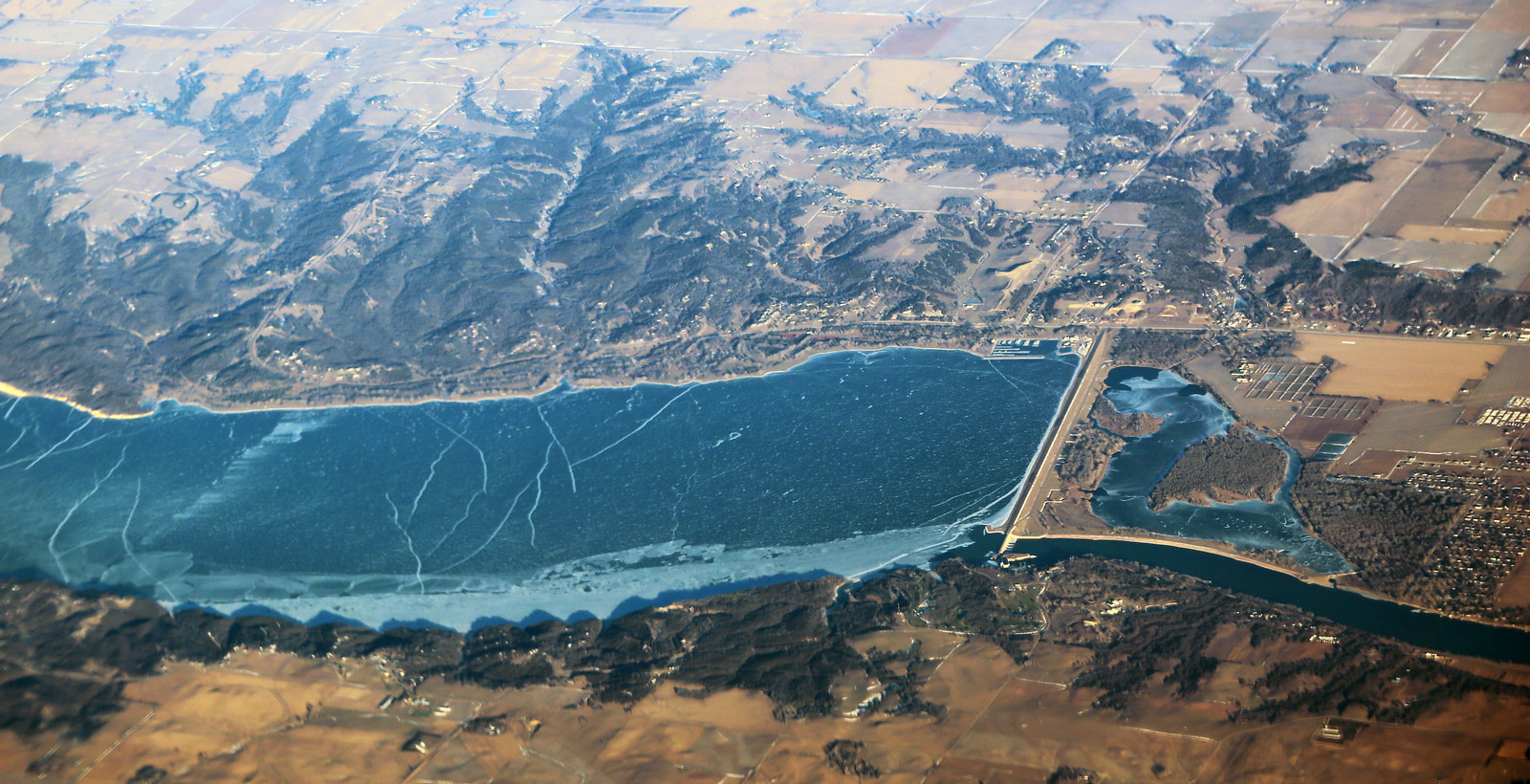
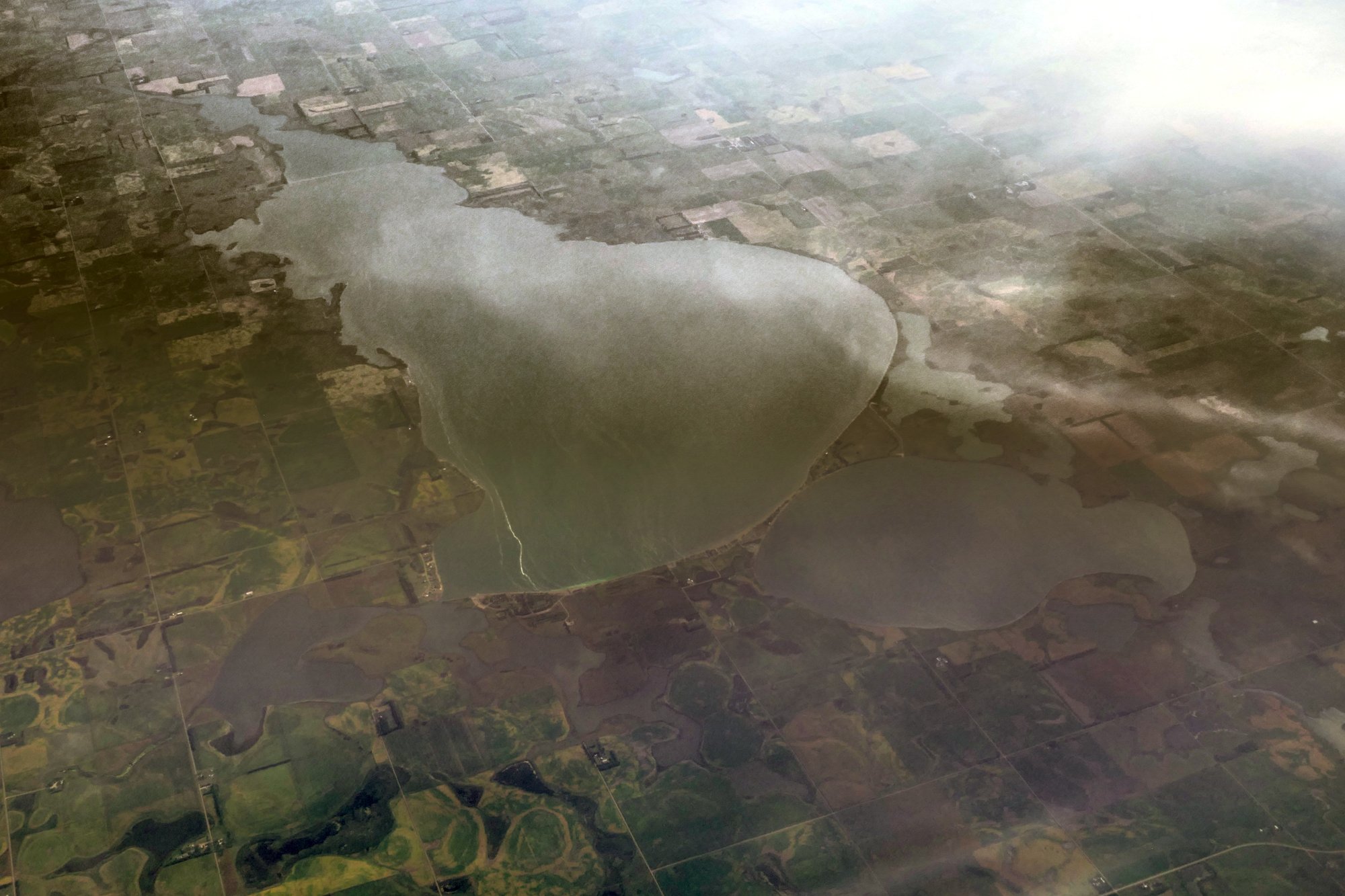
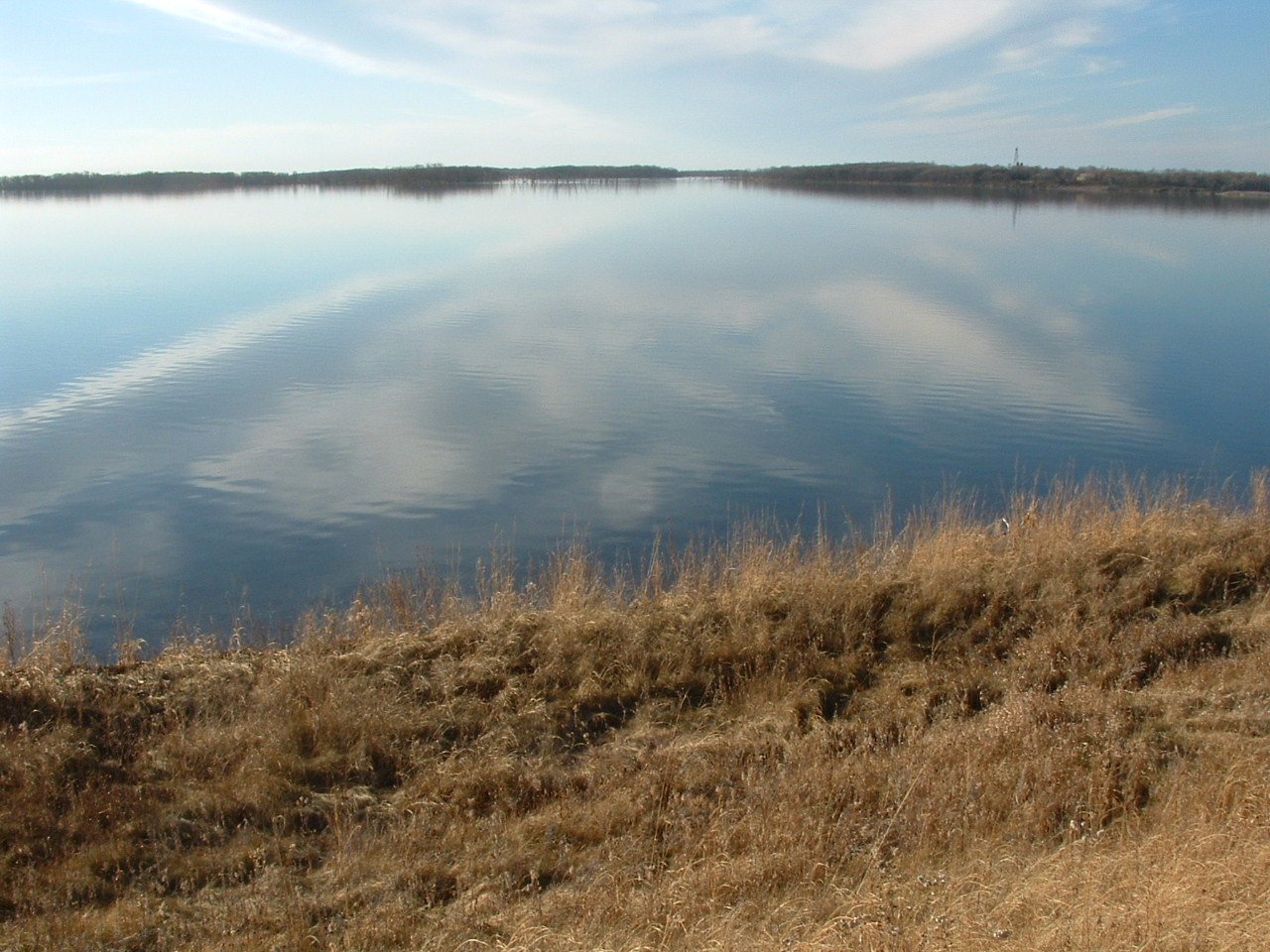
Top waters to fish near South Dakota
Species & education
Learn what type of fish are in South Dakota and what's needed to catch them.

Find which waters have the species you want to catch

Largemouth Bass

Smallmouth Bass

Rainbow Trout

Brown Trout

Brook Trout

Cutthroat Trout

Northern Pike

Muskellunge

Walleye

Black Crappie
Pomoxis nigromaculatus

Bighead Carp
Hypophthalmichthys nobilis

Bigmouth Buffalo
Ictiobus cyprinellus

Black Bullhead
Ameiurus melas

Blue Catfish
Ictalurus furcatus
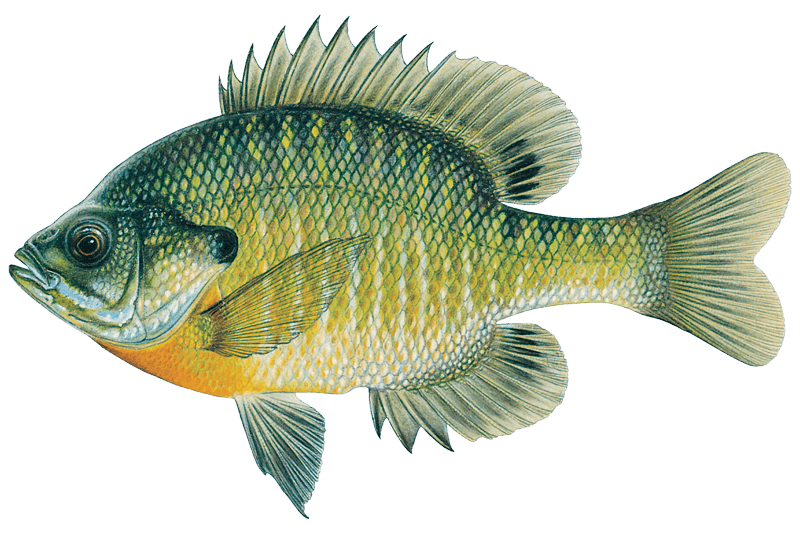
Bluegill Sunfish

Blue Sucker
Cycleptus elongatus

Brown Bullhead
Ameiurus nebulosus

Burbot
Lota lota

Channel Catfish

Chinook Salmon
Oncorhynchus tshawytscha

Coho Salmon
Oncorhynchus kisutch

Common Carp

Creek Chub
Semotilus atromaculatus

Flathead Catfish

Flathead Chub
Platygobio gracilis

Freshwater Drum
Aplodinotus grunniens

Gizzard Shad
Dorosoma cepedianum

Goldeye
Hiodon alosoides

Grass Carp
Ctenopharyngodon idella

Green Sunfish
Lepomis cyanellus

Lake Sturgeon
Acipenser fulvescens

Lake Trout

Longnose Gar
Lepisosteus osseus

Longnose Sucker
Catostomus catostomus
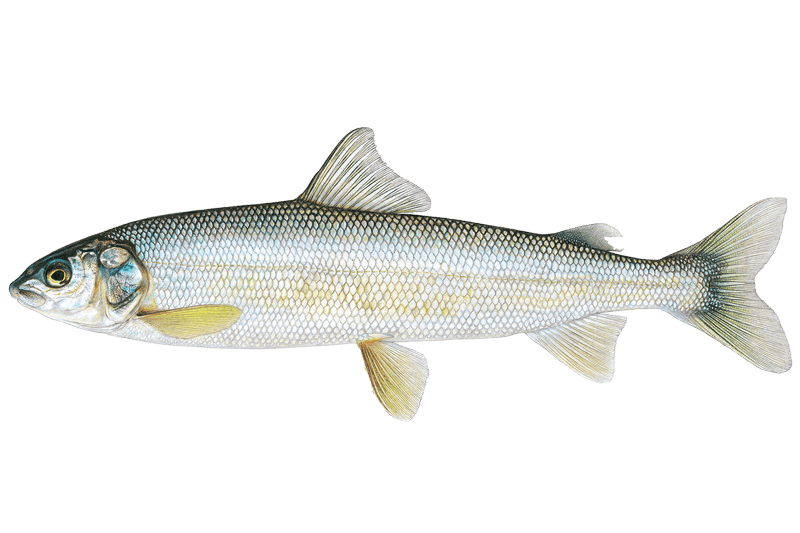
Mountain Whitefish
Prosopium williamsoni

Northern Hogsucker
Hypentelium nigricans
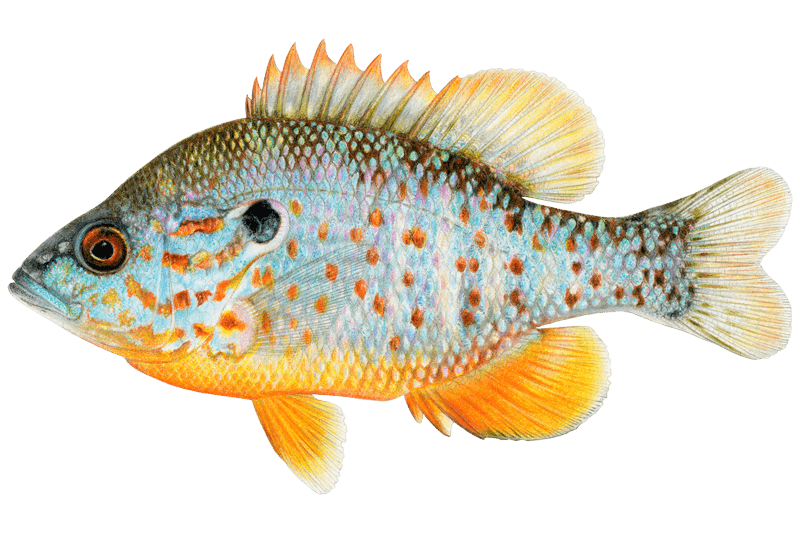
Orangespotted Sunfish
Lepomis humilis

Pumpkinseed
Lepomis gibbosus
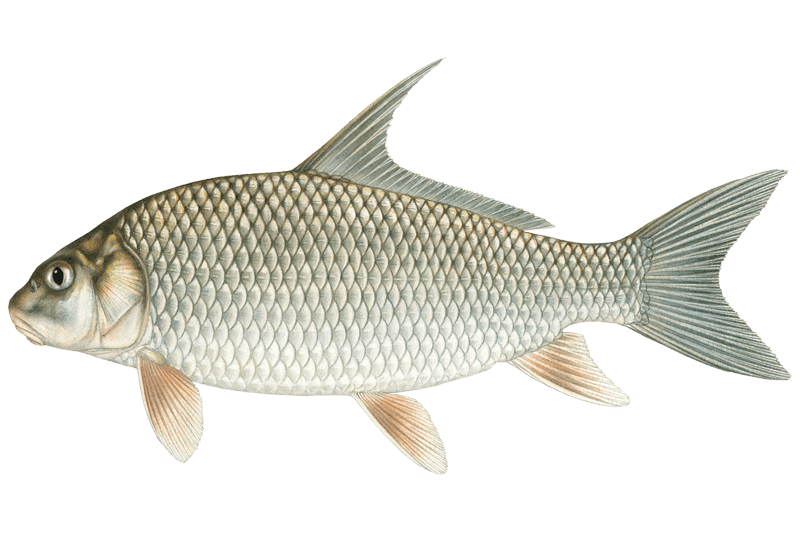
Quillback
Carpiodes cyprinus

Rock Bass
Ambloplites rupestris
Fishing guides in South Dakota
Book a trip with a local fishing guide through Guidesly.

Erin Riibe
Riibe Outdoors
Seize the day on a fun trip - mighty fish awaits!
Book on Guidesly, opens in new tab
Otto Qualm
Qualm Guide Service
Book The Top South Dakota Fishing Guides Now!
Book on Guidesly, opens in new tab
Jarrod Fredericks
South Dakota Guided Fishing
Fish South Dakota With the Pros!
Book on Guidesly, opens in new tab
Joel Vasek
Missouri Valley Guide Service
Guided Hunting & Fishing in South Dakota
Book on Guidesly, opens in new tab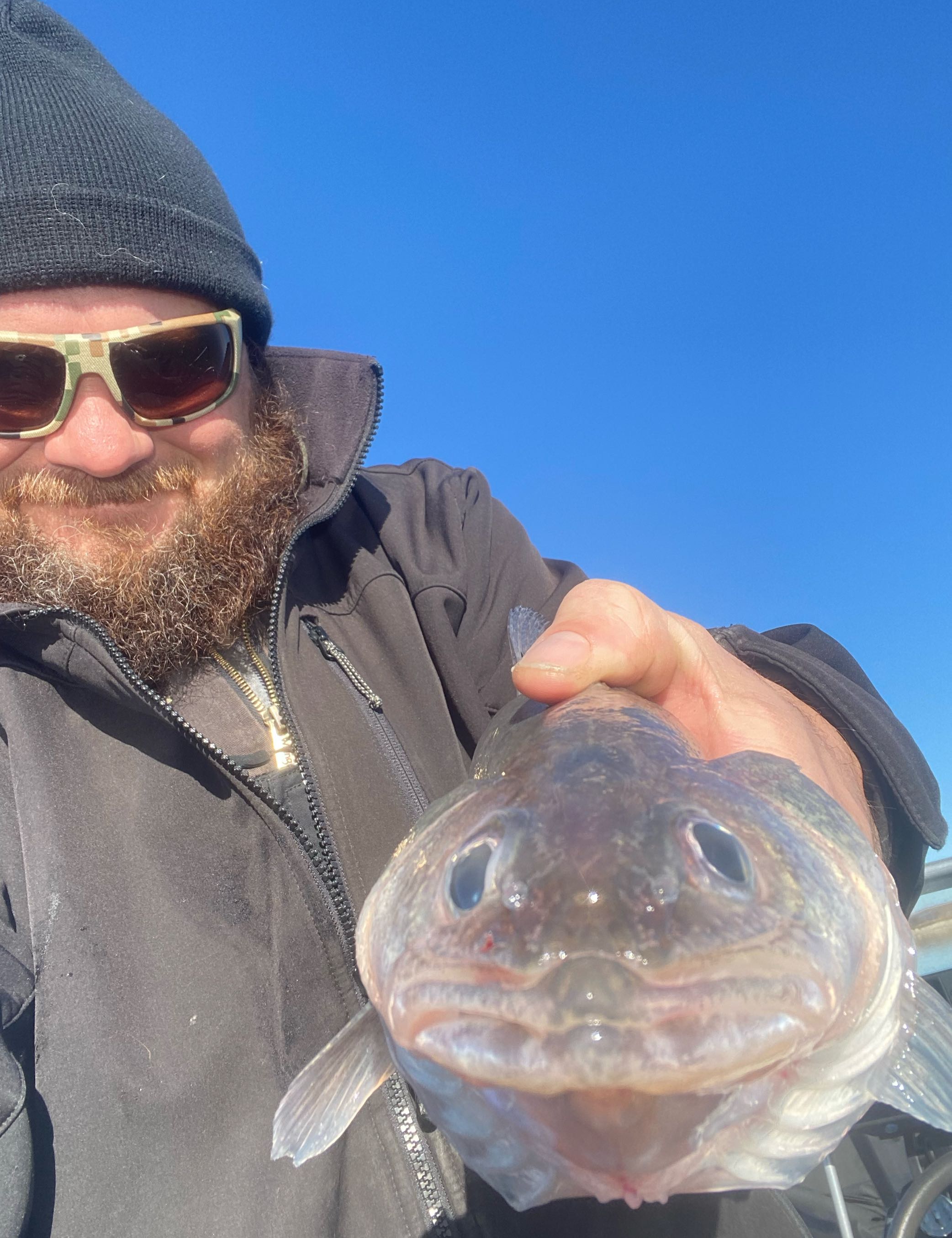
Kevin Vaughn
Wild Walleye Outfitters
Year-Round Guided Walleye Adventures
Book on Guidesly, opens in new tab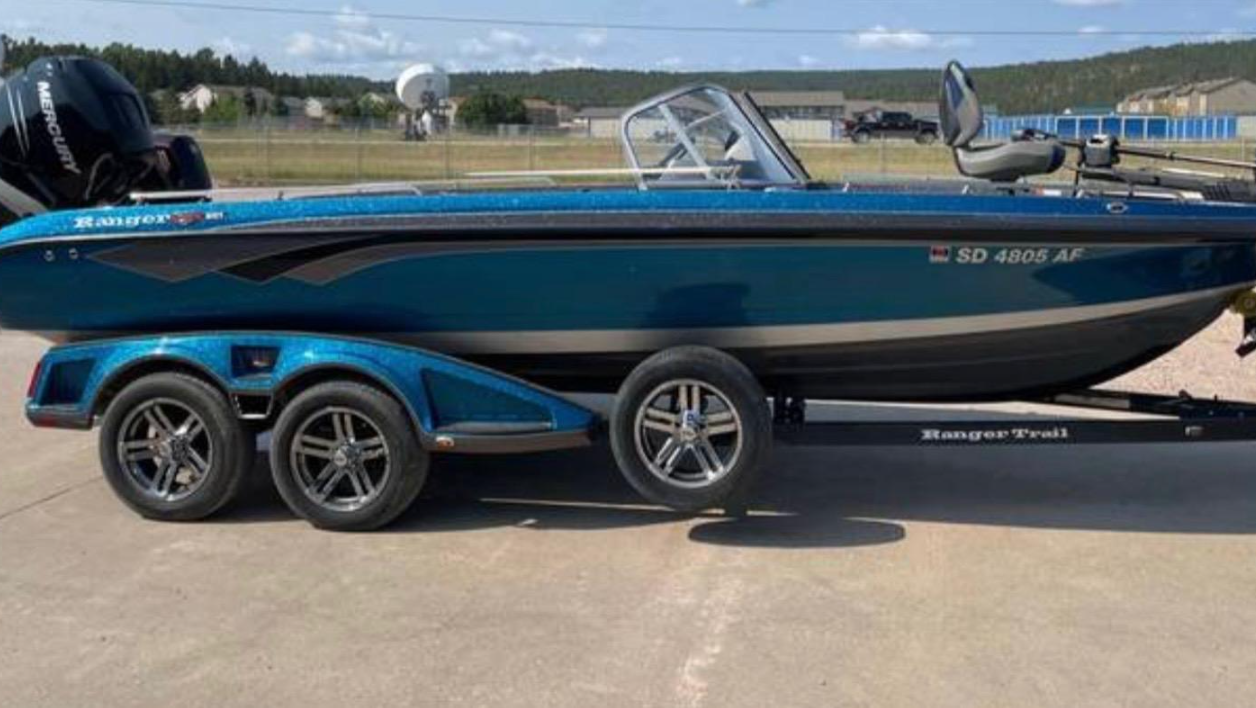
William Schied
Gunnin Dakota Guide Service
Family Fishing Trips Pierre SD
Book on Guidesly, opens in new tab
Fish smarter with real-time insights
Whether you're en route and conditions shift or you're looking for the best spot based on current flows, we enable you to make informed decisions on the fly.







South Dakota licenses and regulations

South Dakota Boating Regulations
When using any type of watercraft to access a body of water, it is important to follow all federal, state, and local rules and regulations. These rules and regulations include boat permitting and licensing, invasive species inspections and stamps, life jacket and PFD rules, motor size and horsepower restrictions, noise limitations, restrictions on personal watercraft, and many more. Visit the web link below for the most current rules and regulations for this body of water.

South Dakota Fishing License
Residents and Nonresidents 18 years old and older are required to have a fishing license

South Dakota Fishing Regulations
This state has a variety of species and regulations, including potential floating and/or watercraft restrictions. Because this state is specially managed for species, seasons, angling methods, and watercraft, it is strongly encouraged you check all federal, state, and local regulations before fishing. Visit any of the links below, inquire locally, or contact a local fly shop to learn current regulations and restrictions.

South Dakota Stream Access Laws
If a river or stream is capable of being floated, it can be used for any lawful recreational activity, such as boating or fishing. Any public use above the ordinary high water mark, i.e., outside of the stream bank, without the landowner's permission, would be considered trespassing.
National parks in South Dakota
Explore South Dakota waters
Smarter Fishing Starts in the App.
onWater Fish gives you everything you need to plan smarter, fish better, and own every trip from first cast to last.