Blue Sucker

The Blue Sucker is a large, long-lived member of the sucker family found in South Dakota's major river systems.
These distinctive fish have elongated, tubular bodies with downward-facing inferior mouths designed for bottom feeding, and can reach impressive sizes.
They're native bottom feeders that are considered a Species of Greatest Conservation Need in South Dakota, with populations showing signs of stress from habitat fragmentation caused by dams and channelization.
Scientific Name: Cycleptus elongatus
- Elongated, tubular bodies with downward-facing inferior mouths designed for bottom feeding.
- Characterized by large, shiny deciduous scales, long falcate dorsal fins, and variable coloration ranging from light steel-gray to almost jet black, especially during spring.
- The state record is 12 pounds 7 ounces.
Fishing in South Dakota
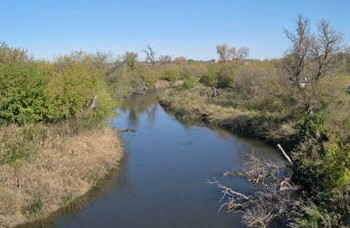
James River
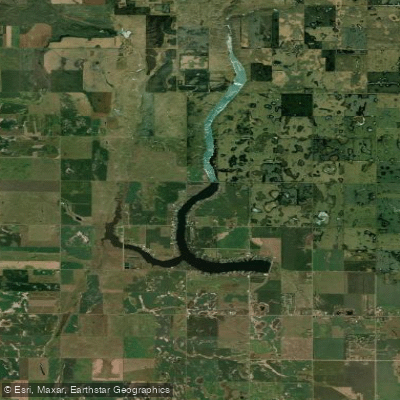
Richmond Lake
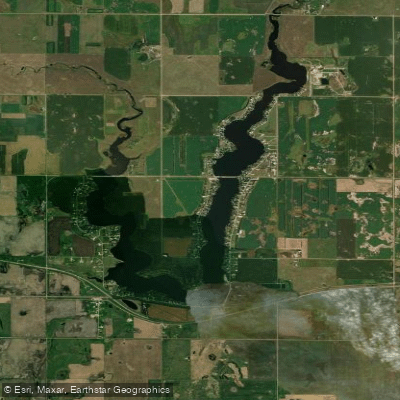
Lake Parmley
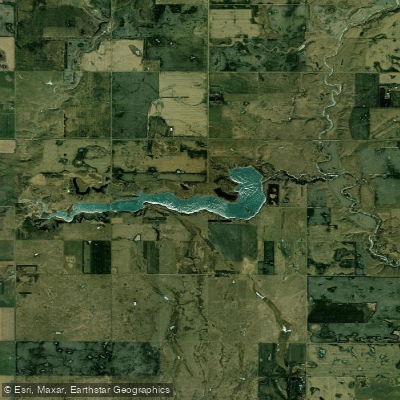
Willow Creek Lake
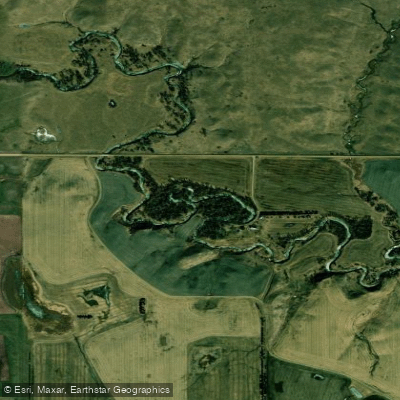
Elm River
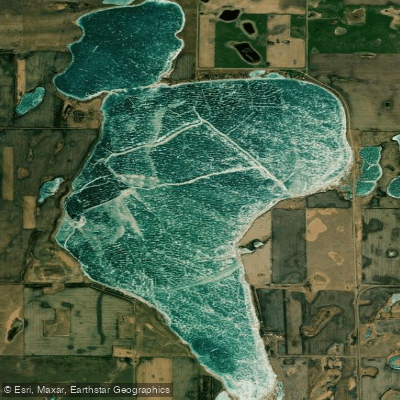
North Scatterwood Lake
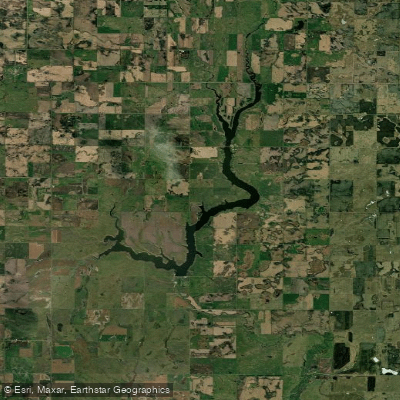
Elm Lake
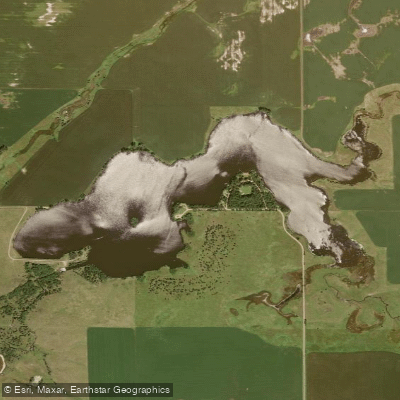
Amsden Lake
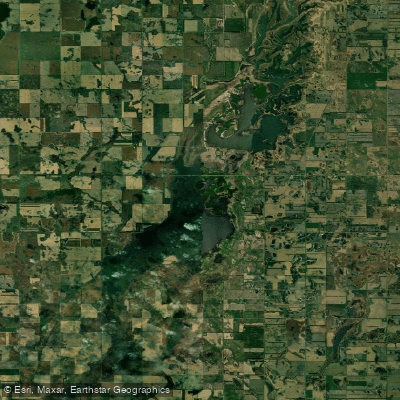
Columbia Road Reservoir
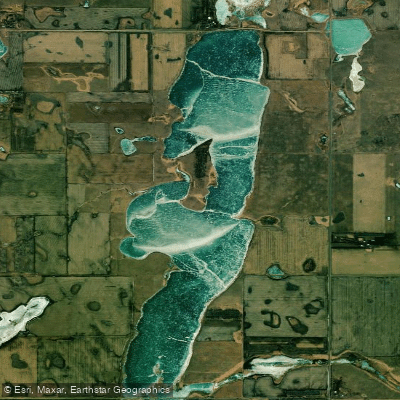
South Scatterwood Lake
What to know
Habitat Distribution
- Found in South Dakota's major river systems.
- They prefer deep, swift channels of large rivers over sand, gravel, or rock substrates, and are tolerant of high turbidity if sufficient current prevents silt deposits.
Key Locations
- Missouri River and its tributaries like the James, Big Sioux, Vermillion, White, and Cheyenne rivers.
- Target the Missouri River system, particularly around Lake Oahe, Lake Sharpe, and the tailwater areas below Gavins Point Dam, Fort Randall Dam, and Oahe Dam.
- Fort Randall Tailrace (state record location).
- Most commonly found in the Missouri River system, Lake Oahe, Lake Sharpe, and the tailwaters below major dams.
Specific Spots
- Look for wing dikes, revetted banks, bridge abutments, stilling basins, and other man-made structures that create the tough, swift-water habitat they prefer.
- Blue Suckers are typically found hugging the bottom in main channel areas.
- In reservoirs like Lake Oahe and Lake Sharpe, they may be found in deeper waters.
Blue Sucker FAQ
Answers from onWater's species guide.
What are the best lures and bait for Blue Sucker in South Dakota?
Cut bait, nightcrawlers, or other natural baits that mimic their preferred diet of aquatic invertebrates.
When is the best time to fish for Blue Sucker in South Dakota?
Best fishing occurs from late fall through early spring (October through March) when they're in their feeding mode, avoiding the April-June spawning period. Winter fishing can be effective as they remain active in cold water.
How do you catch Blue Sucker in South Dakota?
Bottom-fishing techniques work best. These areas are often difficult to sample with conventional methods due to strong currents.
What do Blue Sucker eat?
Primarily consume aquatic insect larvae, crustaceans, plant materials, and algae, using their specialized sucker mouths to feed off river bottoms.
Where do Blue Sucker live in South Dakota?
Found in South Dakota's major river systems. They prefer deep, swift channels of large rivers over sand, gravel, or rock substrates, and are tolerant of high turbidity if sufficient current prevents silt deposits.
Fish smarter with real-time insights
Whether you're en route and conditions shift or you're looking for the best spot based on current flows, we enable you to make informed decisions on the fly.




See it in the app
Most maps show you water.
onWater shows you Blue Sucker.



- 01 · Species map filter
Map every Blue Sucker water
Pick Blue Sucker and the map zeroes in on the waters they call home. No more guessing which lake holds them.
- 02 · Waterbody species
Tap any water. See what lives there.
Species, behavior and seasonal patterns for every lake, river and pond, before you leave the driveway.
- 03 · Angler Intelligence
Ask how to catch Blue Sucker
Tactics, gear and timing from onWater's AI fishing guide, tuned to the species and the water you're on.
Stop guessing where Blue Sucker are.
Open the map, filter by Blue Sucker, and head to water that holds them. Download onWater and plan your next trip in minutes.
- Species map filter
- Angler Intelligence
- Fishing journal
Explore other species
Trout, bass, salmon, panfish and everything in between. Each guide unpacks the behavior, seasons, and tactics that put fish in the net.
No species information available.
South Dakota licenses and regulations
Explore nearby waters
Explore South Dakota waters
Top fishing waters
Popular Cities
Loading popular cities...

Smarter Fishing Starts in the App.
onWater Fish gives you everything you need to plan smarter, fish better, and own every trip from first cast to last.