Threespine Stickleback

The Threespine Stickleback is a small native fish species found throughout Oregon's freshwater systems.
Scientific Name: Gasterosteus aculeatus
Torpedo-shaped fish typically measure 3-8 cm (1-3 inches) in length, with the distinctive three sharp spines on their backs forward of the dorsal fin.
Oregon populations display cryptic coloration with mottled brown-green barring on top and white, silvery, or yellow undersides. During breeding season, males develop vivid blue-green coloration with intense red-orange breast regions and blue or green eyes.
Fishing in Oregon
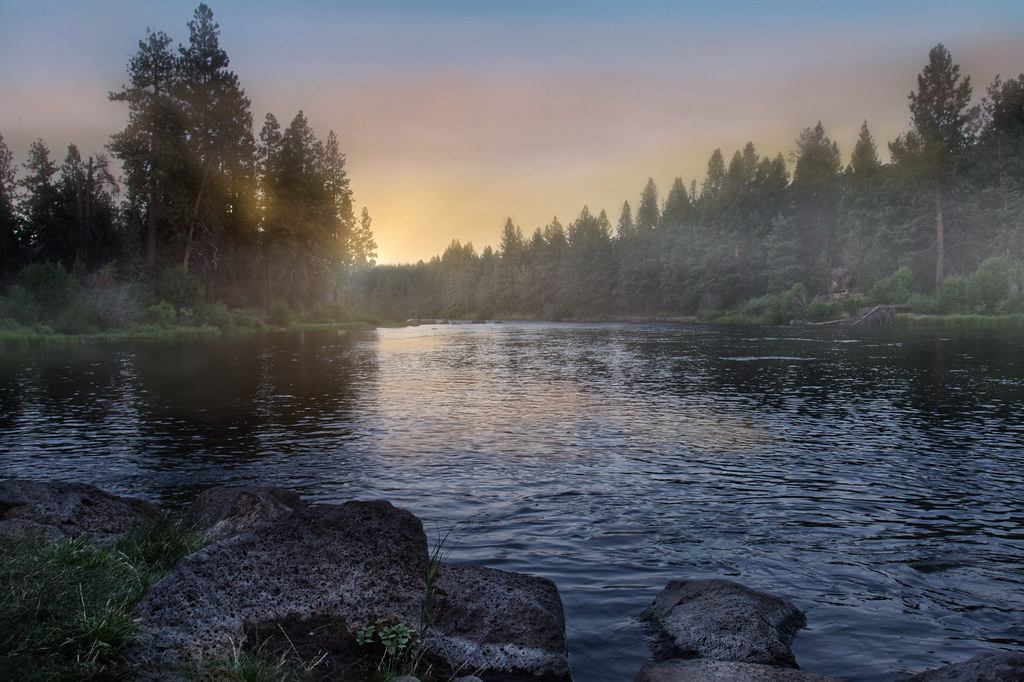
Deschutes River
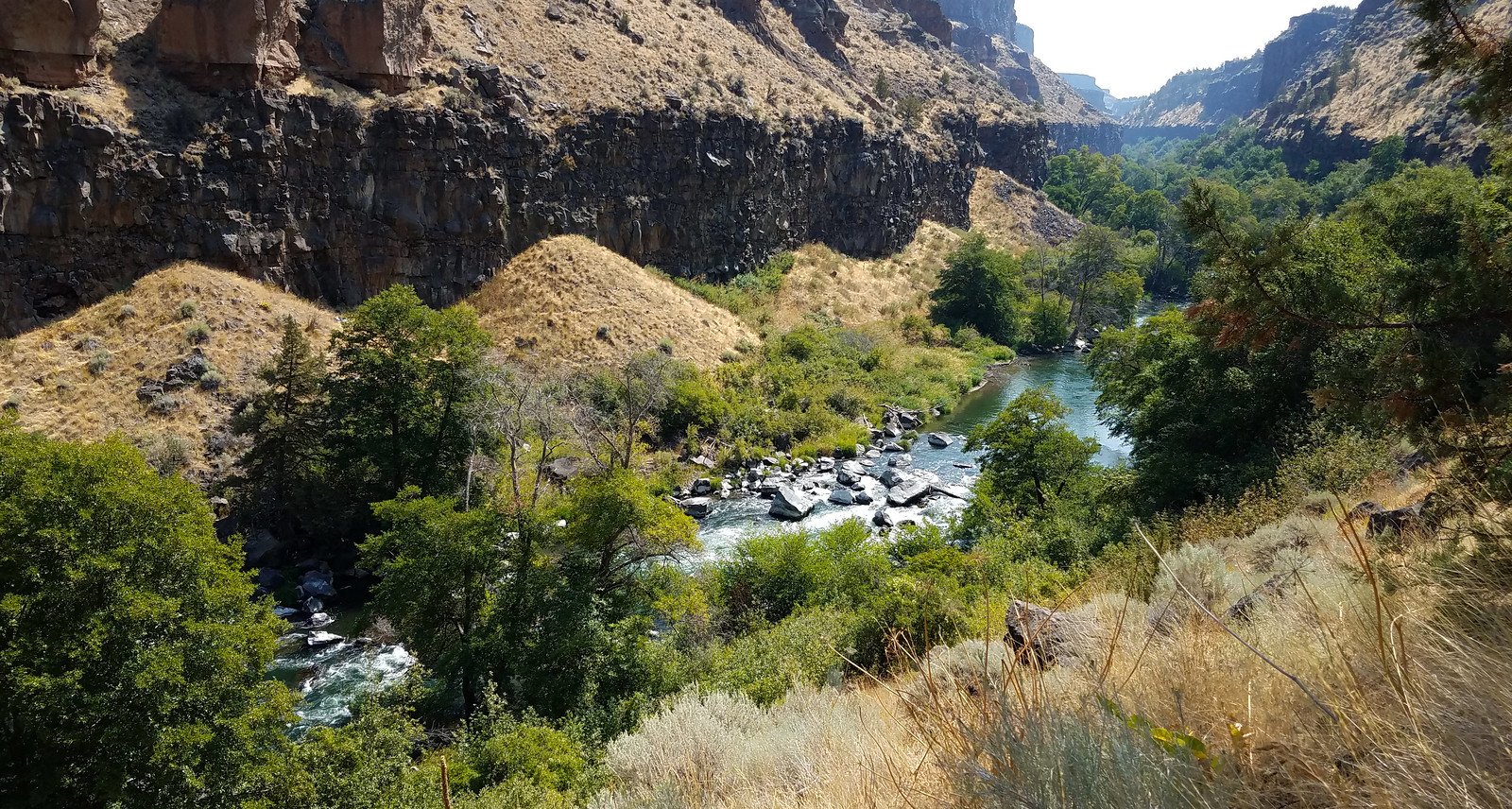
Crooked River
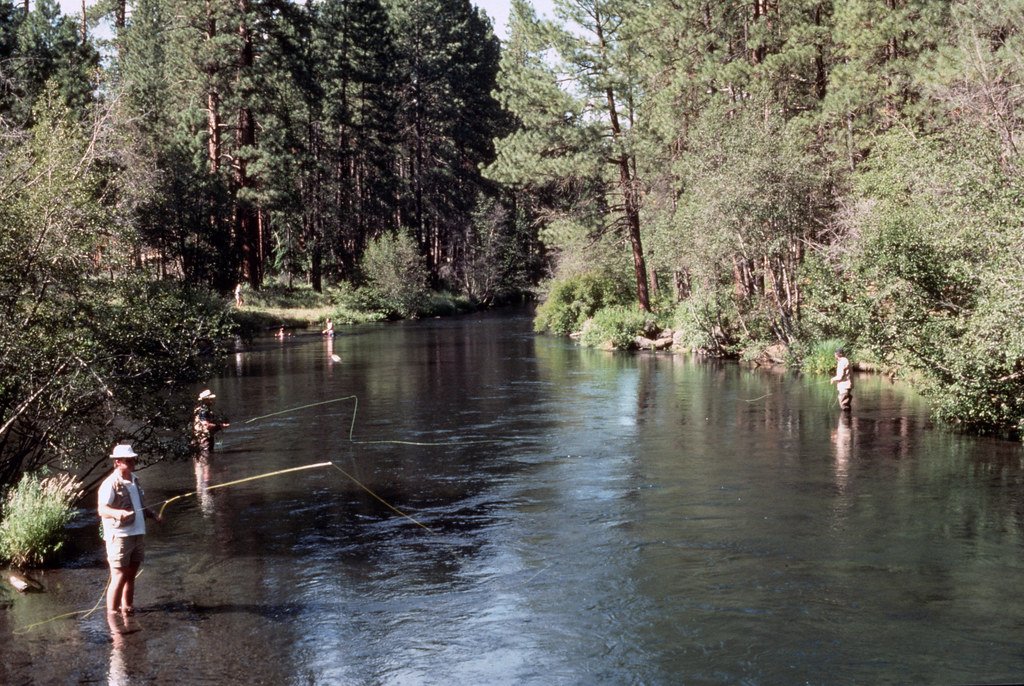
Metolius River
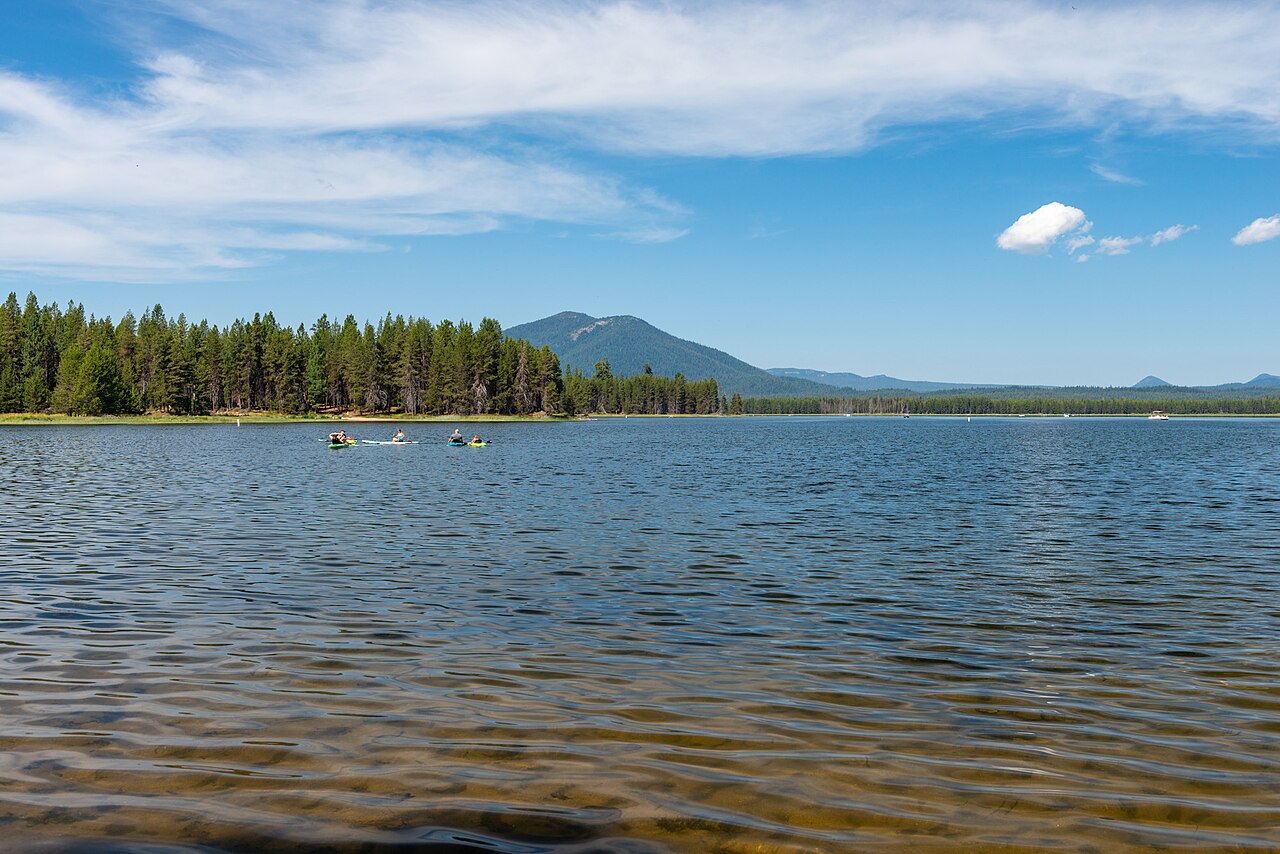
Crane Prairie Reservoir
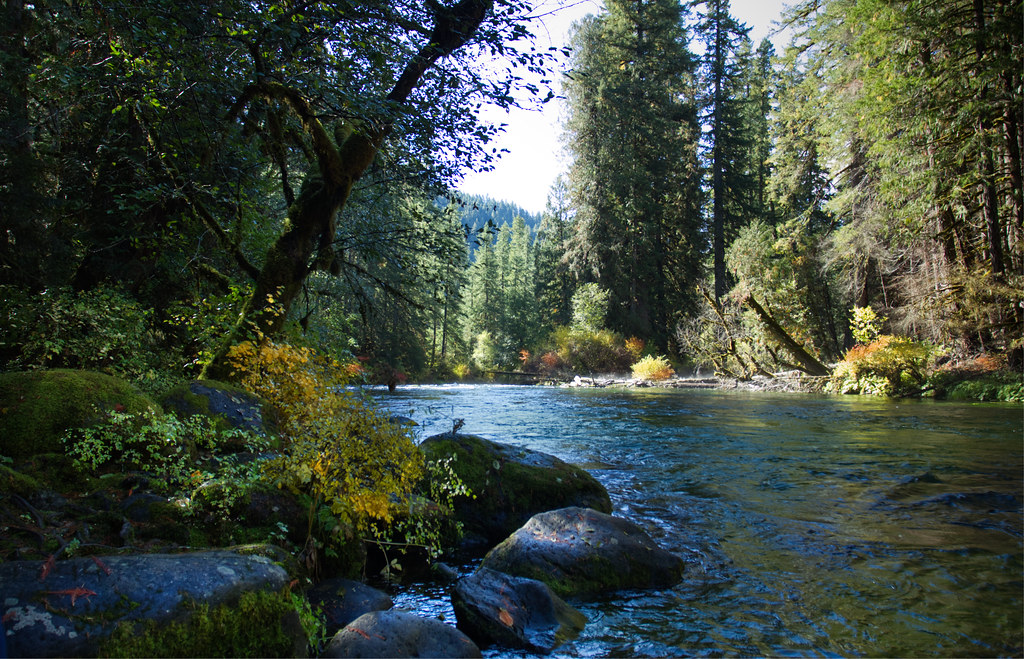
McKenzie River
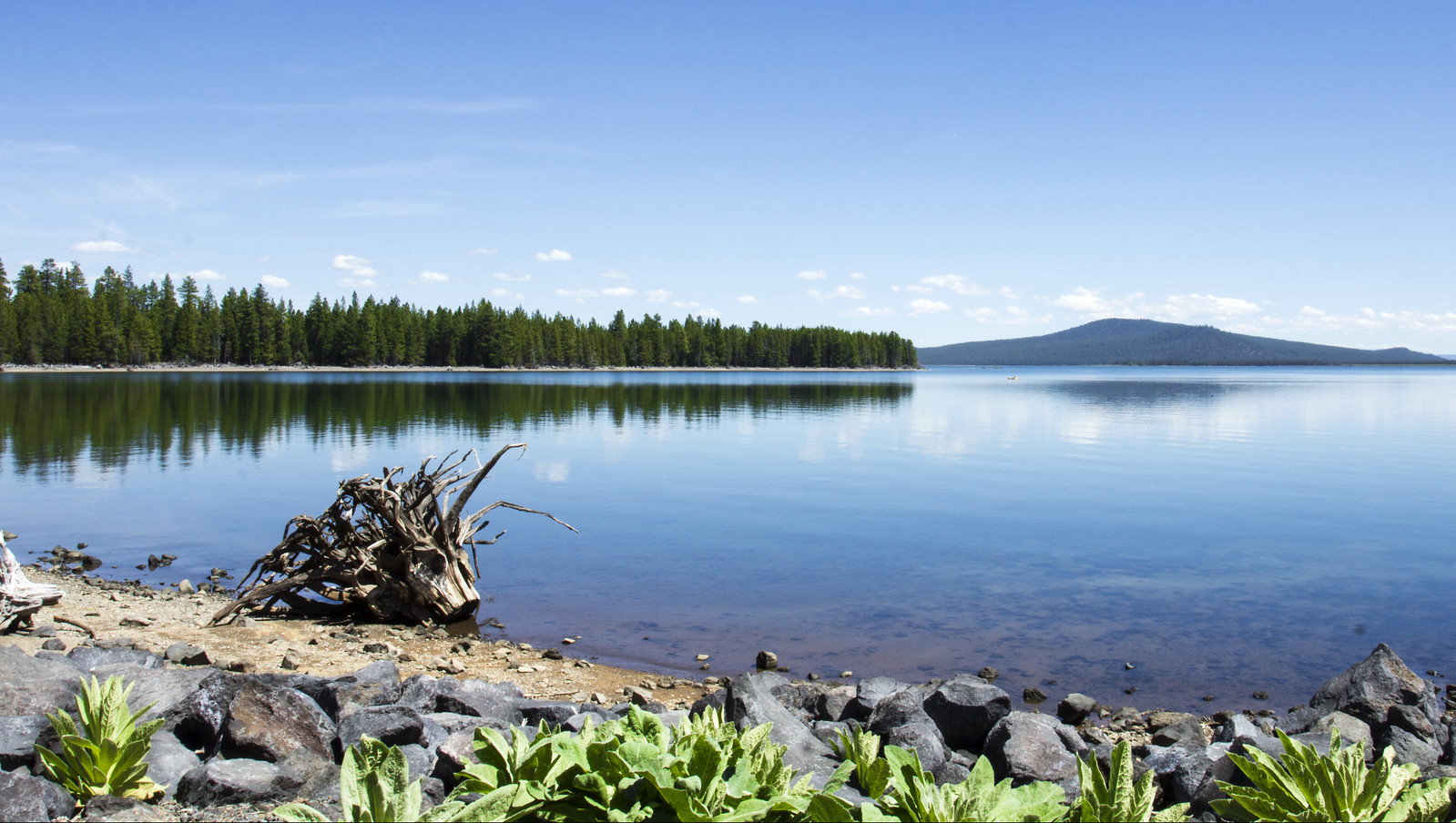
Wickiup Reservoir
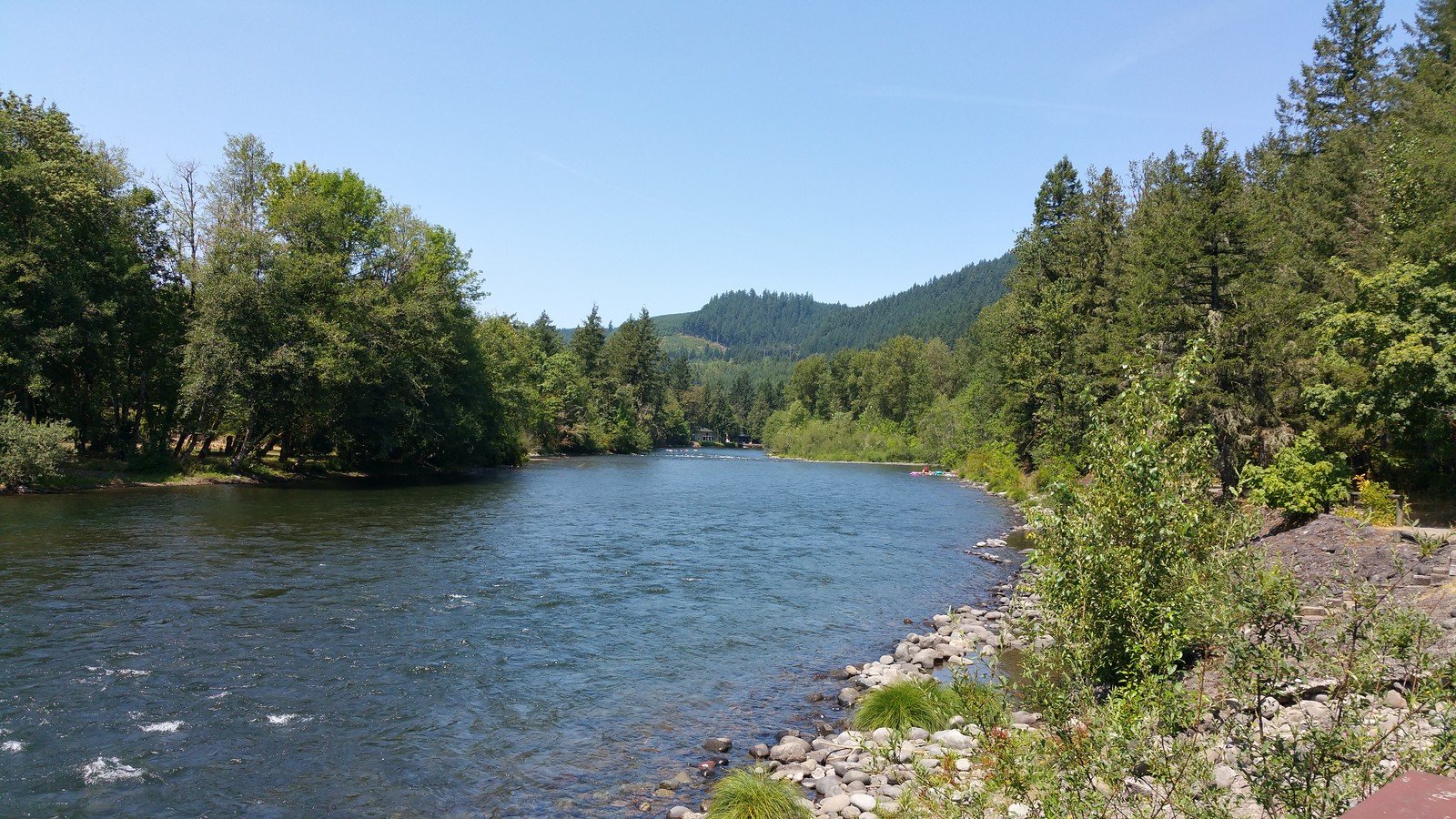
North Santiam River
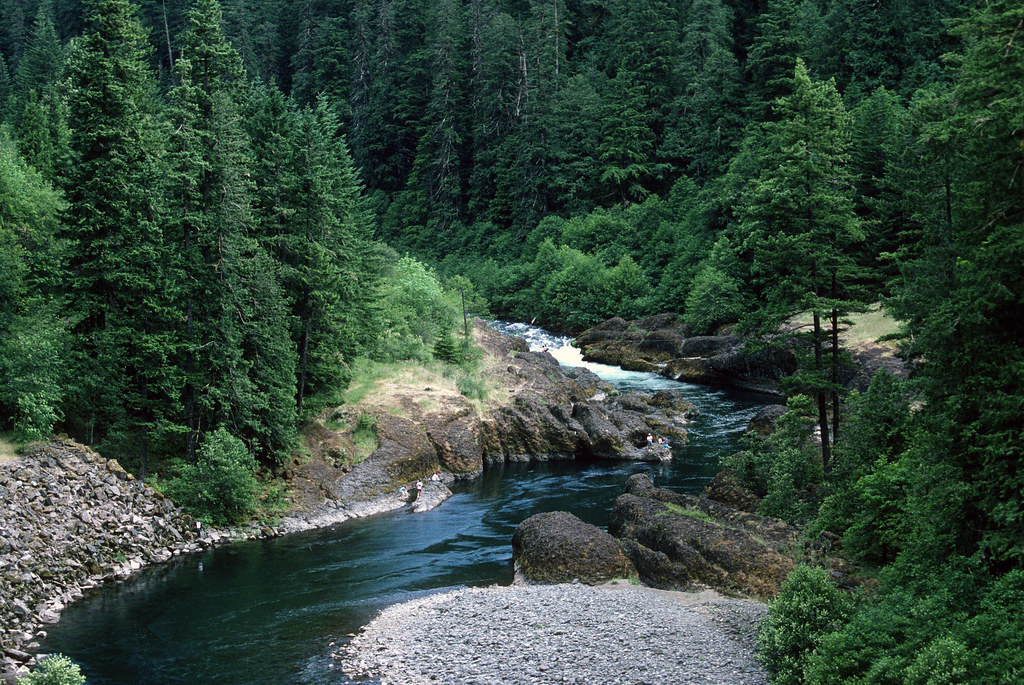
Clackamas River
Fall River
Lake Billy Chinook
What to know
Habitat Distribution
Found throughout Oregon's freshwater systems in slow-moving reaches and quiet-water microhabitats with adequate aquatic vegetation like watercress and filamentous algaeKey Locations
Crane Prairie Reservoir in the Upper Deschutes Basin, the Alsea River, coastal streams and rivers, slower sections of the Deschutes River system, Crane Prairie Reservoir area, coastal streams, and spring-fed pondsSpecific Spots
Fish near areas with dense bulrushes, cattails, and submerged vegetation in shallow water areas. Target quiet backwaters, vegetated pond margins, and slow-moving stream sections with sandy or muddy bottoms. Typically found in depths up to 3 feet. Waters with sand and mud bottoms, dense vegetation cover.Threespine Stickleback FAQ
Answers from onWater's species guide.
What are the best lures and bait for Threespine Stickleback in Oregon?
Tiny jigs, small spinners, or live bait such as small worms presented near aquatic vegetation
What flies work for Threespine Stickleback in Oregon?
Size 18-20 midge patterns, small nymphs, and tiny streamers that mimic their preferred prey of copepods and chironomid larvae. Small olive Woolly Buggers with barred marabou tails, olive Muddler Minnows, and Rolled Muddlers
When is the best time to fish for Threespine Stickleback in Oregon?
Best fishing occurs during winter months when they feed opportunistically and in late summer through fall. Avoid peak breeding season from April through June.
How do you catch Threespine Stickleback in Oregon?
Micro-fishing techniques using extremely small flies and lures. Present baits or flies with minimal disturbance near cover. Sight-fish to individual specimens in clear, shallow water.
What do Threespine Stickleback eat?
Diet consists primarily of benthic insects, small crustaceans, snails, and to a lesser degree flatworms, nematodes, and terrestrial insects.
Fish smarter with real-time insights
Whether you're en route and conditions shift or you're looking for the best spot based on current flows, we enable you to make informed decisions on the fly.







See it in the app
Most maps show you water.
onWater shows you Threespine Stickleback.



- 01 · Species map filter
Map every Threespine Stickleback water
Pick Threespine Stickleback and the map zeroes in on the waters they call home. No more guessing which lake holds them.
- 02 · Waterbody species
Tap any water. See what lives there.
Species, behavior and seasonal patterns for every lake, river and pond, before you leave the driveway.
- 03 · Angler Intelligence
Ask how to catch Threespine Stickleback
Tactics, gear and timing from onWater's AI fishing guide, tuned to the species and the water you're on.
Stop guessing where Threespine Stickleback are.
Open the map, filter by Threespine Stickleback, and head to water that holds them. Download onWater and plan your next trip in minutes.
- Species map filter
- Angler Intelligence
- Fishing journal
Explore other species
Trout, bass, salmon, panfish and everything in between. Each guide unpacks the behavior, seasons, and tactics that put fish in the net.

Find which waters have the species you want to catch

Largemouth Bass

Smallmouth Bass

Rainbow Trout
Oncorhynchus mykiss

Brown Trout

Brook Trout

Cutthroat Trout

Northern Pike
Esox lucius

Walleye

Black Crappie
Pomoxis nigromaculatus

American Shad
Arctic Grayling
Thymallus arcticus

Black Bullhead
Bluegill Sunfish
Lepomis macrochirus

Bridgelip Sucker
Catostomus columbianus

Brown Bullhead
Ameiurus nebulosus
Bull Trout

Burbot
Lota lota

Channel Catfish

Chinook Salmon
Oncorhynchus tshawytscha
Chum Salmon

Coho Salmon
Oncorhynchus kisutch

Common Carp

Flathead Catfish
Pylodictis olivaris

Gizzard Shad
Dorosoma cepedianum
Golden Trout
Oncorhynchus mykiss aguabonita

Green Sunfish
Lepomis cyanellus
Kokanee Salmon

Lahontan Cutthroat Trout

Lake Trout

Largescale Sucker
Catostomus macrocheilus

Longear Sunfish
Centrarchidae

Longnose Sucker
Catostomus catostomus
Mountain Whitefish
Prosopium williamsoni clarkii
Northern Pikeminnow
Ptychocheilus oregonensis

Pink Salmon

Prickly Sculpin
Cottus asper

Pumpkinseed
Redear Sunfish
Lepomis microlophus

Redside Shiner
Richardsonius balteatus

Rock Bass
Ambloplites rupestris
Oregon licenses and regulations

Oregon Boating Regulations
When using any type of watercraft to access a body of water, it is important to follow all federal, state, and local rules and regulations. These rules and regulations include boat permitting and licensing, invasive species inspections and stamps, life jacket and PFD rules, motor size and horsepower restrictions, noise limitations, restrictions on personal watercraft, and many more. Visit the web link below for the most current rules and regulations for this body of water.
Oregon Fishing License
An Oregon fishing license is required for residents and non-residents, age 12 and over. You must carry your fishing license at all times while fishing in the State. Make sure you have the correct tags, catch cards and endorsements for the water bodies and species you are targeting.
Oregon Fishing Regulations
This river has a variety of species and regulations, including potential floating and/or watercraft restrictions. Because this river is specially managed for species, seasons, angling methods, and watercraft, it is strongly encouraged you check all federal, state, and local regulations before fishing. This river is prone to emergency regulations. Stay up to date on specific river regulation changes. Visit any of the links below, inquire locally, or contact a local fly shop to learn current regulations and restrictions.

Oregon Stream Access Laws
The people of Oregon are the owners of the submerged and submersible land (“beds and banks”) underlying all navigable and tidally influenced waterways. In most cases, this ownership extends to the line of ordinary high water or high tide, but ownership can be mixed, even along the same waterway. The Department of State Lands is responsible for management of publicly owned submerged and submersible land. The public has rights to use the beds and banks of navigable waterways for any legal activity, such as boating, fishing and swimming, including pulling your canoe or kayak onto the bank.
Explore nearby waters
Explore Oregon waters
Top fishing waters
Popular Cities
Loading popular cities...
Smarter Fishing Starts in the App.
onWater Fish gives you everything you need to plan smarter, fish better, and own every trip from first cast to last.