Redside Shiner

The Redside Shiner is a small cyprinid native to Oregon's Pacific Slope drainages, including the Columbia River system, Rogue, and Klamath river drainages.
These fish are abundant throughout Oregon's coastal streams, the Willamette Valley, and many tributary systems including Greasy Creek near Corvallis, where they're one of the most common native species alongside cutthroat trout and sculpins.
Scientific Name: Richardsonius balteatus
These fish typically measure 2.2-3.1 inches (55-80mm) in length, with a distinctive deep, laterally compressed body featuring a thick black stripe and smaller red/gold stripe along the lateral line.
During spring spawning season (May through early summer), males develop bright red coloration along their lower sides, making them particularly striking.
Fishing in Oregon
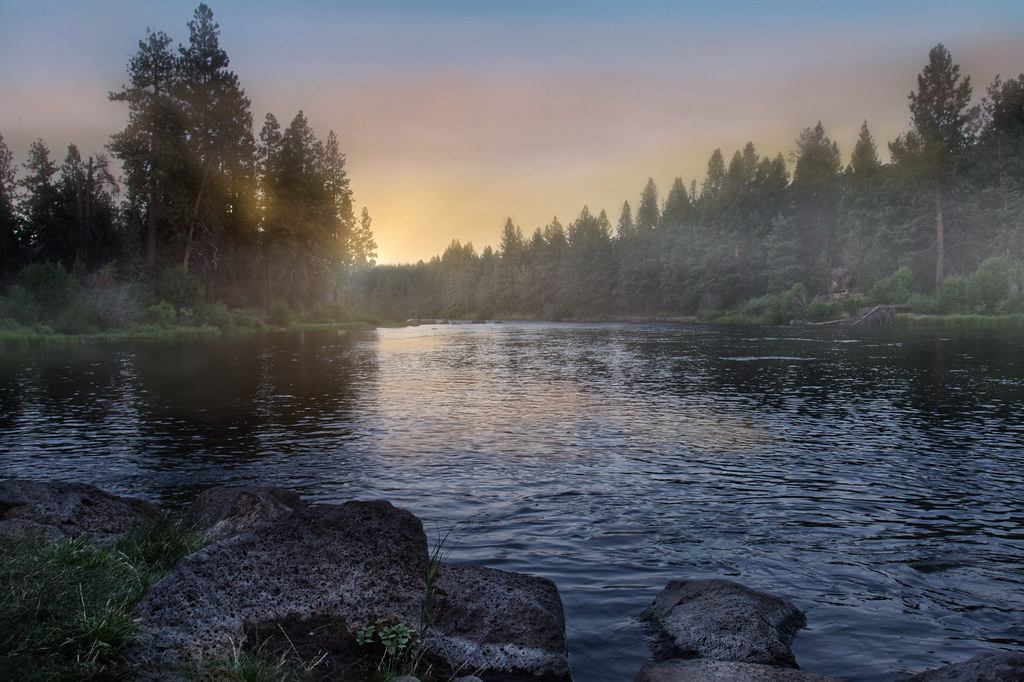
Deschutes River
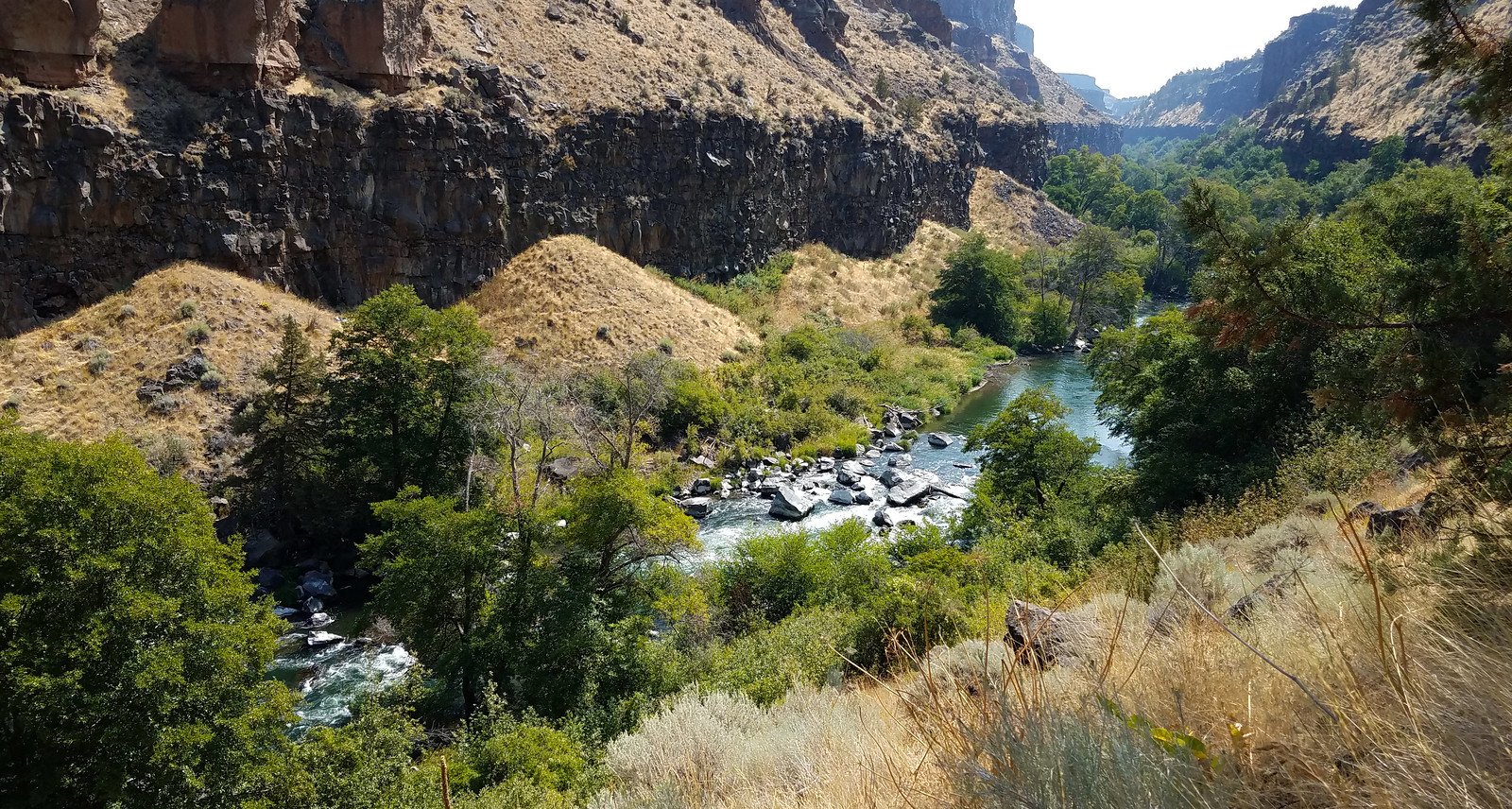
Crooked River
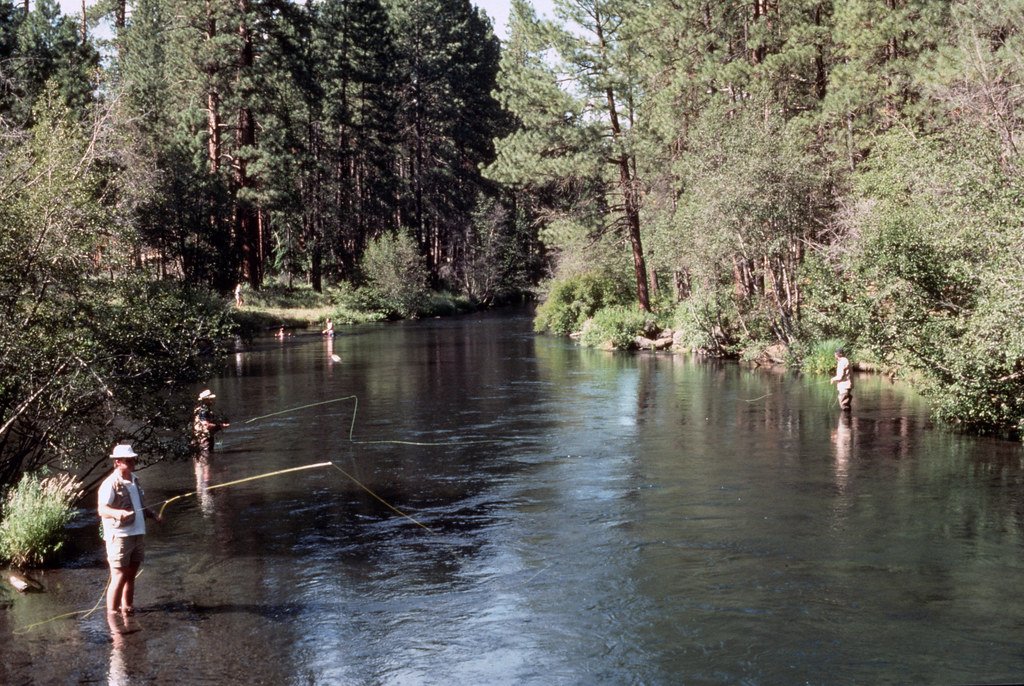
Metolius River
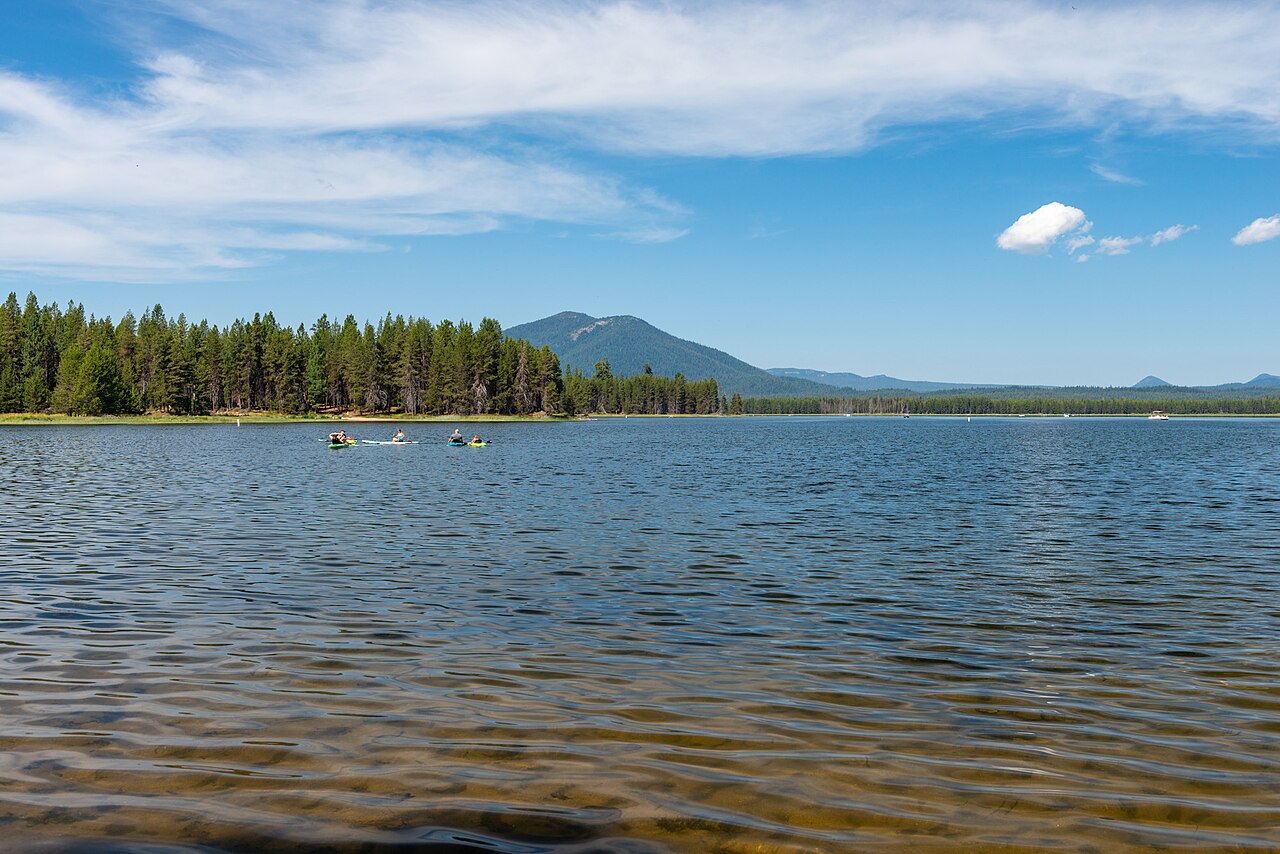
Crane Prairie Reservoir
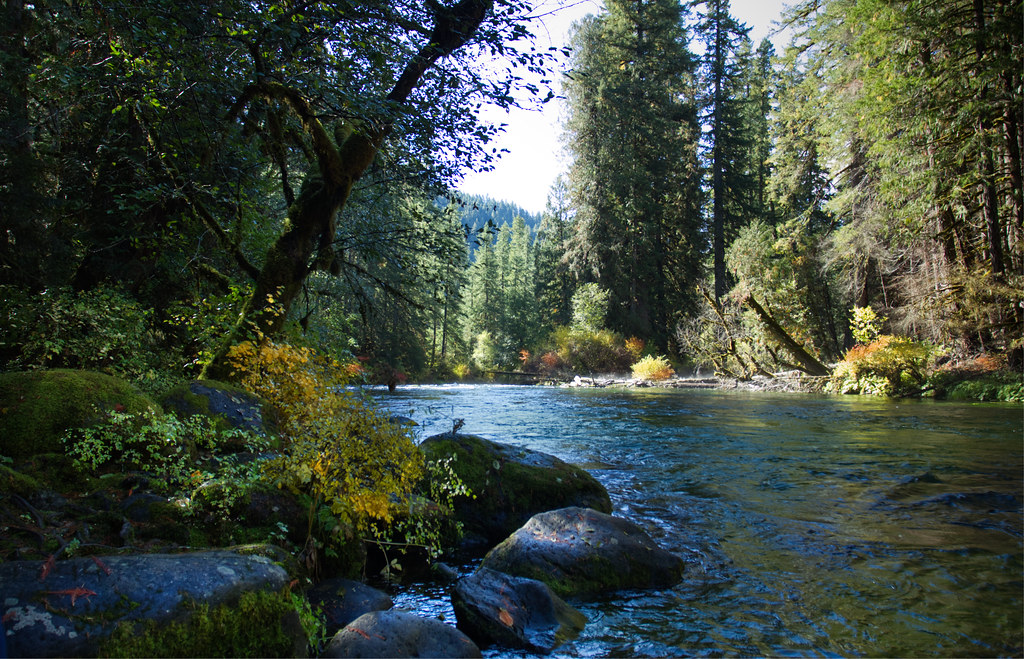
McKenzie River
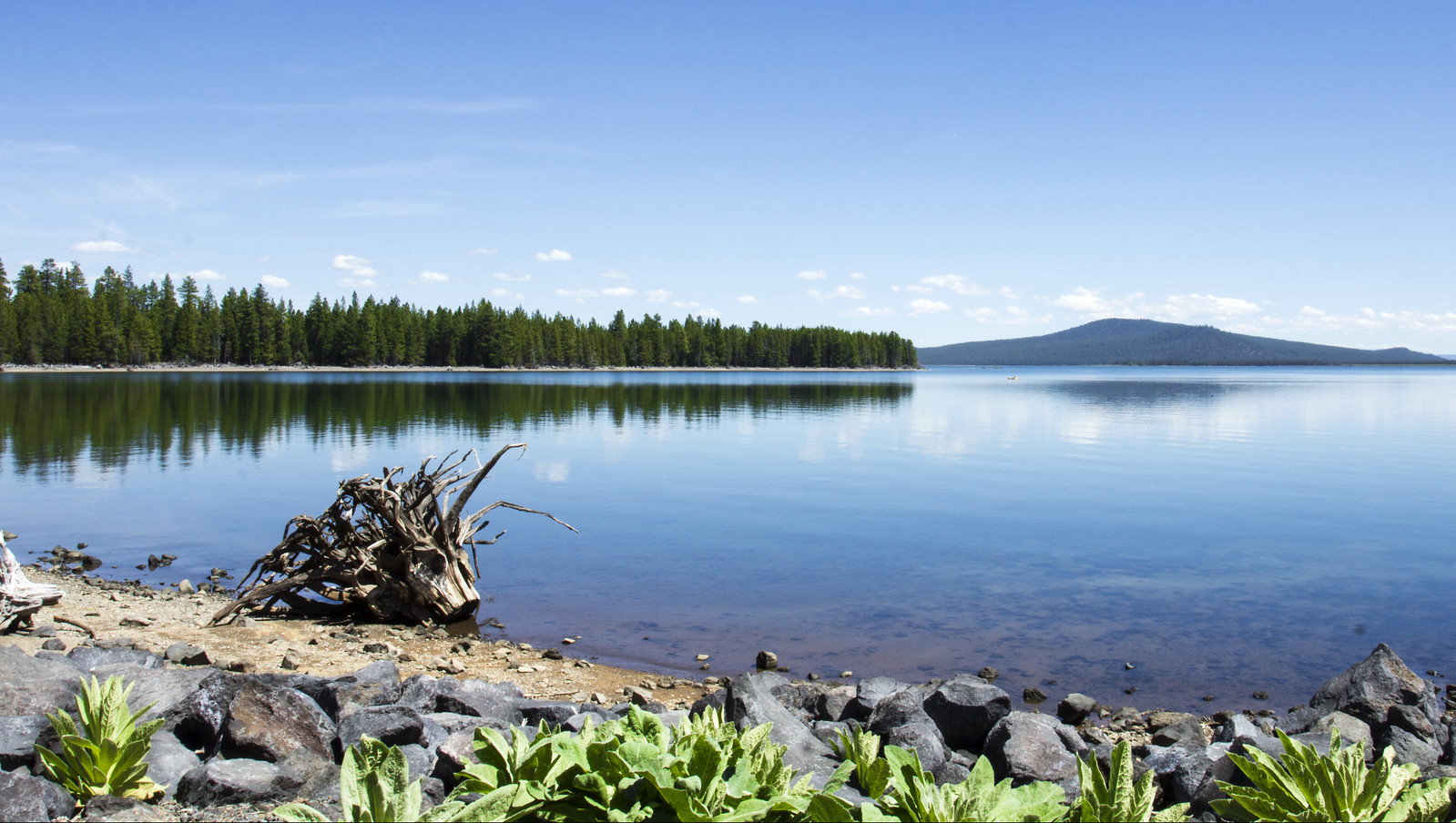
Wickiup Reservoir
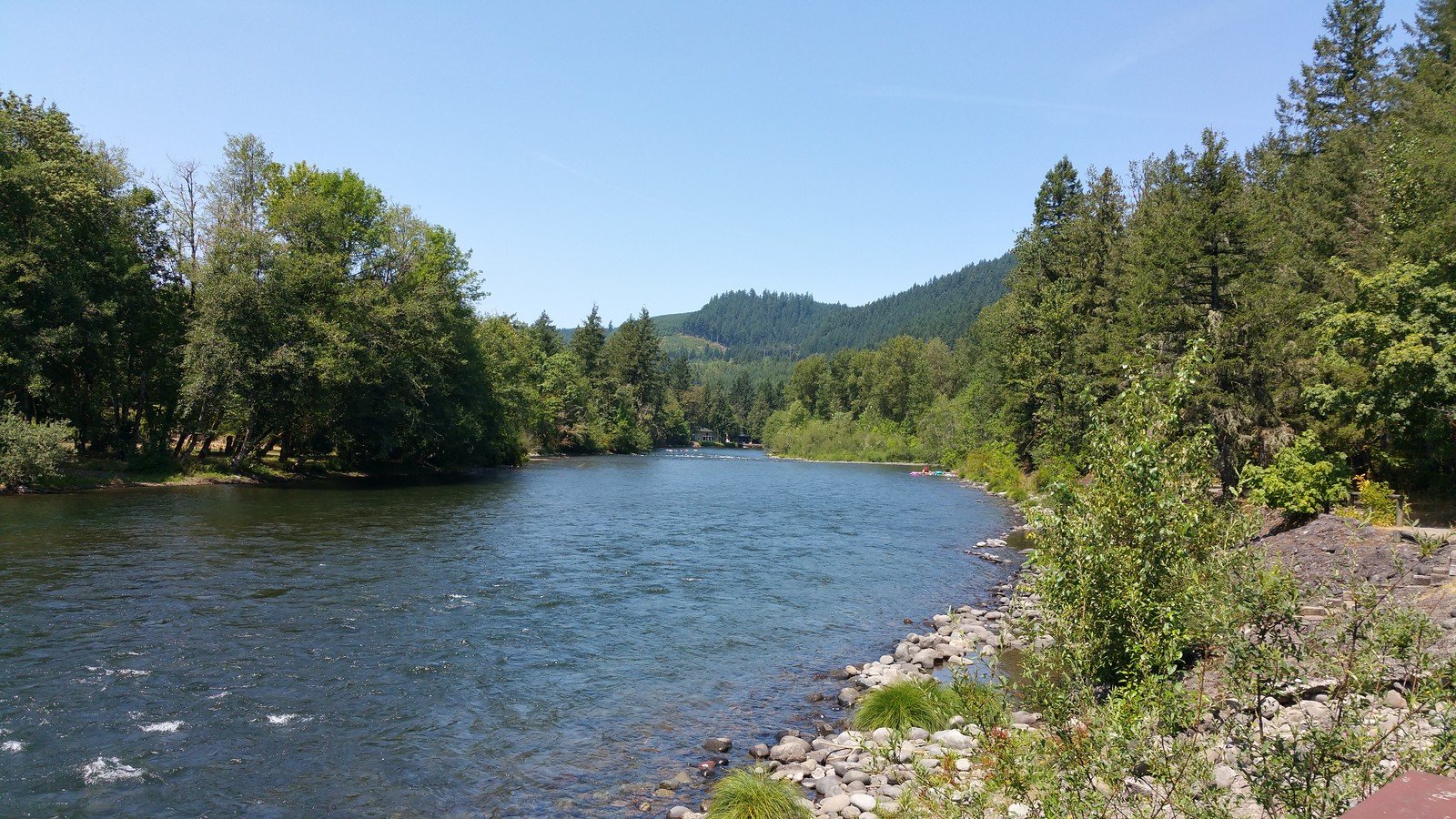
North Santiam River
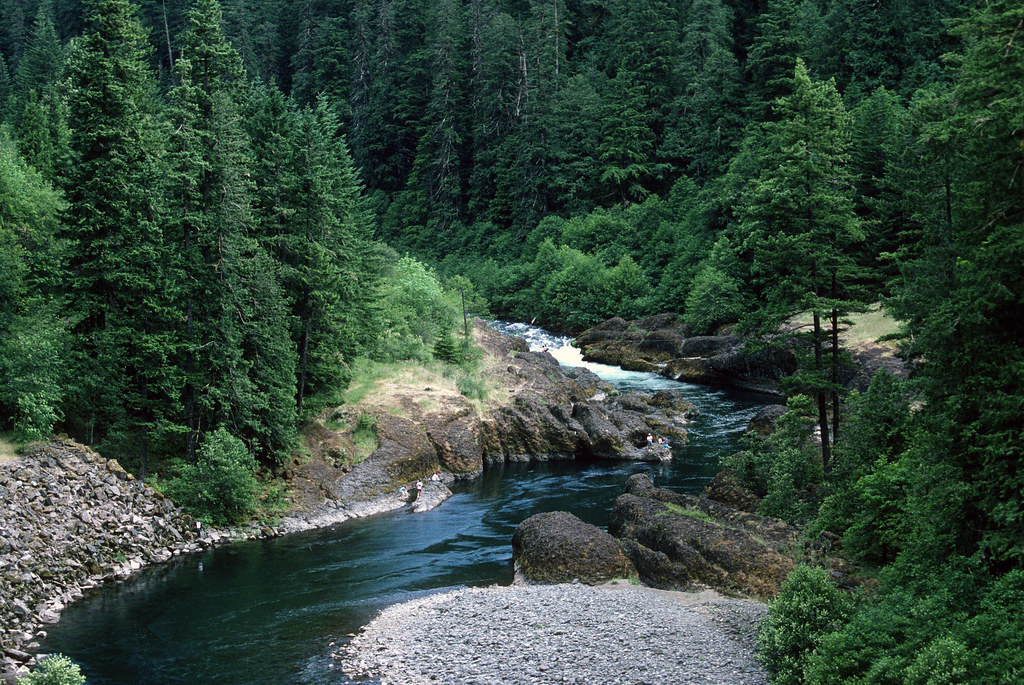
Clackamas River
Fall River
Lake Billy Chinook
What to know
Habitat Distribution
Native to Oregon's Pacific Slope drainages, including the Columbia River system, Rogue, and Klamath river drainages. These fish inhabit diverse waters from small streams and seasonal watercourses to larger rivers, lakes, and ponds.Key Locations
Oregon's coastal streams, the Willamette Valley, Greasy Creek near Corvallis, Oregon's Willamette Valley streams like Baker Creek, Luckiamute River, Mill Creek, and coastal Oregon streams where populations are well-established.Specific Spots
Focus on areas with slower currents, vegetated margins, shallow edges of lakes and ponds, and protected backwaters. Look for them in areas closest to permanent water sources. Target areas with vegetation, soft substrates, and gentle currents. In winter, they seek shelter in undercut banks, root wads, backwaters, and areas with cover from current.Redside Shiner FAQ
Answers from onWater's species guide.
What flies work for Redside Shiner in Oregon?
Small terrestrial imitations, midge patterns, and aquatic insect nymphs in sizes 12-16. The Red Sided Shiner pattern specifically designed for these fish features a 3XL or 4XL streamer hook (size 4), pearl tubing body, white/red/olive marabou wing with red flashabou, red krystal mirror flash topping, black thread...
When is the best time to fish for Redside Shiner in Oregon?
Best fishing occurs late spring through early fall. Avoid spawning season from May through early summer. In winter, they become less accessible as they retreat to deeper cover, making spring through fall the prime seasons.
How do you catch Redside Shiner in Oregon?
Present flies with subtle movement to mimic struggling insects. Fish the margins and protected areas.
What do Redside Shiner eat?
They are opportunistic feeders, consuming aquatic and terrestrial insects, mollusks, zooplankton, fish eggs (including their own), and small fishes. Young shiners primarily eat diatoms, copepods, and small crustaceans.
Where do Redside Shiner live in Oregon?
Native to Oregon's Pacific Slope drainages, including the Columbia River system, Rogue, and Klamath river drainages. These fish inhabit diverse waters from small streams and seasonal watercourses to larger rivers, lakes, and ponds.
Fish smarter with real-time insights
Whether you're en route and conditions shift or you're looking for the best spot based on current flows, we enable you to make informed decisions on the fly.







See it in the app
Most maps show you water.
onWater shows you Redside Shiner.



- 01 · Species map filter
Map every Redside Shiner water
Pick Redside Shiner and the map zeroes in on the waters they call home. No more guessing which lake holds them.
- 02 · Waterbody species
Tap any water. See what lives there.
Species, behavior and seasonal patterns for every lake, river and pond, before you leave the driveway.
- 03 · Angler Intelligence
Ask how to catch Redside Shiner
Tactics, gear and timing from onWater's AI fishing guide, tuned to the species and the water you're on.
Stop guessing where Redside Shiner are.
Open the map, filter by Redside Shiner, and head to water that holds them. Download onWater and plan your next trip in minutes.
- Species map filter
- Angler Intelligence
- Fishing journal
Explore other species
Trout, bass, salmon, panfish and everything in between. Each guide unpacks the behavior, seasons, and tactics that put fish in the net.

Find which waters have the species you want to catch

Largemouth Bass

Smallmouth Bass

Rainbow Trout
Oncorhynchus mykiss

Brown Trout

Brook Trout

Cutthroat Trout

Northern Pike
Esox lucius

Walleye

Black Crappie
Pomoxis nigromaculatus

American Shad
Arctic Grayling
Thymallus arcticus

Black Bullhead
Bluegill Sunfish
Lepomis macrochirus

Bridgelip Sucker
Catostomus columbianus

Brown Bullhead
Ameiurus nebulosus
Bull Trout

Burbot
Lota lota

Channel Catfish

Chinook Salmon
Oncorhynchus tshawytscha
Chum Salmon

Coho Salmon
Oncorhynchus kisutch

Common Carp

Flathead Catfish
Pylodictis olivaris

Gizzard Shad
Dorosoma cepedianum

Golden Trout
Oncorhynchus mykiss aguabonita

Green Sunfish
Lepomis cyanellus
Kokanee Salmon

Lahontan Cutthroat Trout

Lake Trout

Largescale Sucker
Catostomus macrocheilus

Longear Sunfish
Centrarchidae

Longnose Sucker
Catostomus catostomus
Mountain Whitefish
Prosopium williamsoni clarkii
Northern Pikeminnow
Ptychocheilus oregonensis

Pink Salmon

Prickly Sculpin
Cottus asper

Pumpkinseed

Redear Sunfish
Lepomis microlophus

Rock Bass
Ambloplites rupestris

Sockeye Salmon
Oncorhynchus nerka
Oregon licenses and regulations

Oregon Boating Regulations
When using any type of watercraft to access a body of water, it is important to follow all federal, state, and local rules and regulations. These rules and regulations include boat permitting and licensing, invasive species inspections and stamps, life jacket and PFD rules, motor size and horsepower restrictions, noise limitations, restrictions on personal watercraft, and many more. Visit the web link below for the most current rules and regulations for this body of water.

Oregon Fishing License
An Oregon fishing license is required for residents and non-residents, age 12 and over. You must carry your fishing license at all times while fishing in the State. Make sure you have the correct tags, catch cards and endorsements for the water bodies and species you are targeting.

Oregon Fishing Regulations
This river has a variety of species and regulations, including potential floating and/or watercraft restrictions. Because this river is specially managed for species, seasons, angling methods, and watercraft, it is strongly encouraged you check all federal, state, and local regulations before fishing. This river is prone to emergency regulations. Stay up to date on specific river regulation changes. Visit any of the links below, inquire locally, or contact a local fly shop to learn current regulations and restrictions.

Oregon Stream Access Laws
The people of Oregon are the owners of the submerged and submersible land (“beds and banks”) underlying all navigable and tidally influenced waterways. In most cases, this ownership extends to the line of ordinary high water or high tide, but ownership can be mixed, even along the same waterway. The Department of State Lands is responsible for management of publicly owned submerged and submersible land. The public has rights to use the beds and banks of navigable waterways for any legal activity, such as boating, fishing and swimming, including pulling your canoe or kayak onto the bank.
Explore nearby waters
Explore Oregon waters
Top fishing waters
Popular Cities
Loading popular cities...

Smarter Fishing Starts in the App.
onWater Fish gives you everything you need to plan smarter, fish better, and own every trip from first cast to last.