Rock Bass

Rock Bass (Ambloplites rupestris) are not native to Oregon and have extremely limited presence in the state.
These freshwater sunfish belong to the Centrarchidae family and are characterized by their moderately deep, laterally compressed bodies with 5-7 spines in the anal fin.
Scientific Name: Ambloplites rupestris
- Known for their distinctive red eyes and bronze coloration.
- Rock Bass typically measure 6-10 inches and rarely exceed one pound, with a maximum recorded size of 17 inches and 3 pounds.
Fishing in Oregon
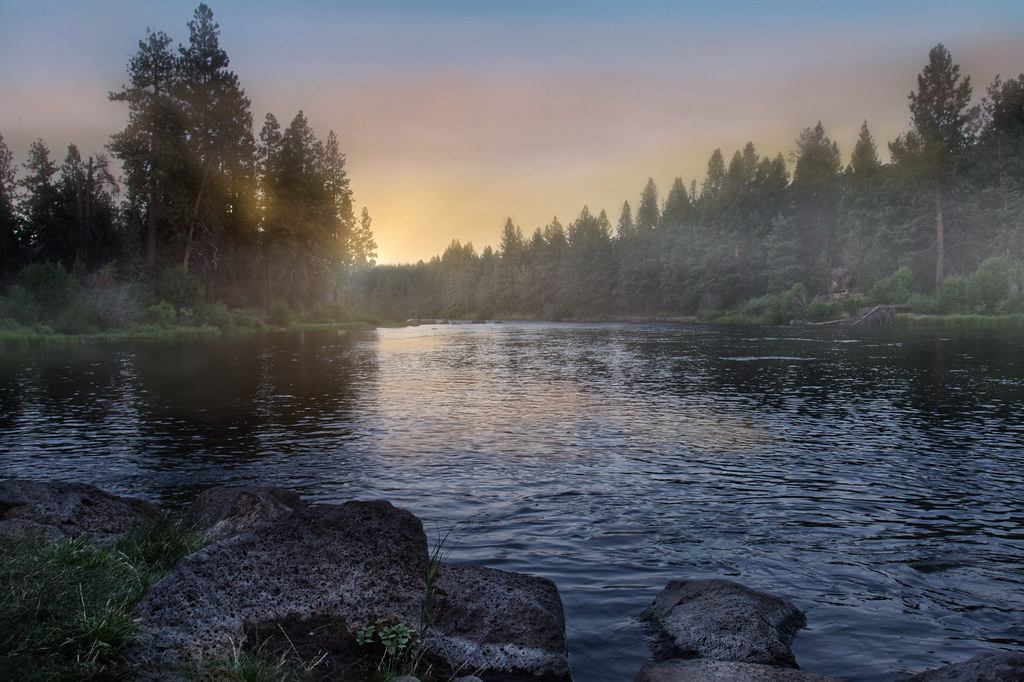
Deschutes River
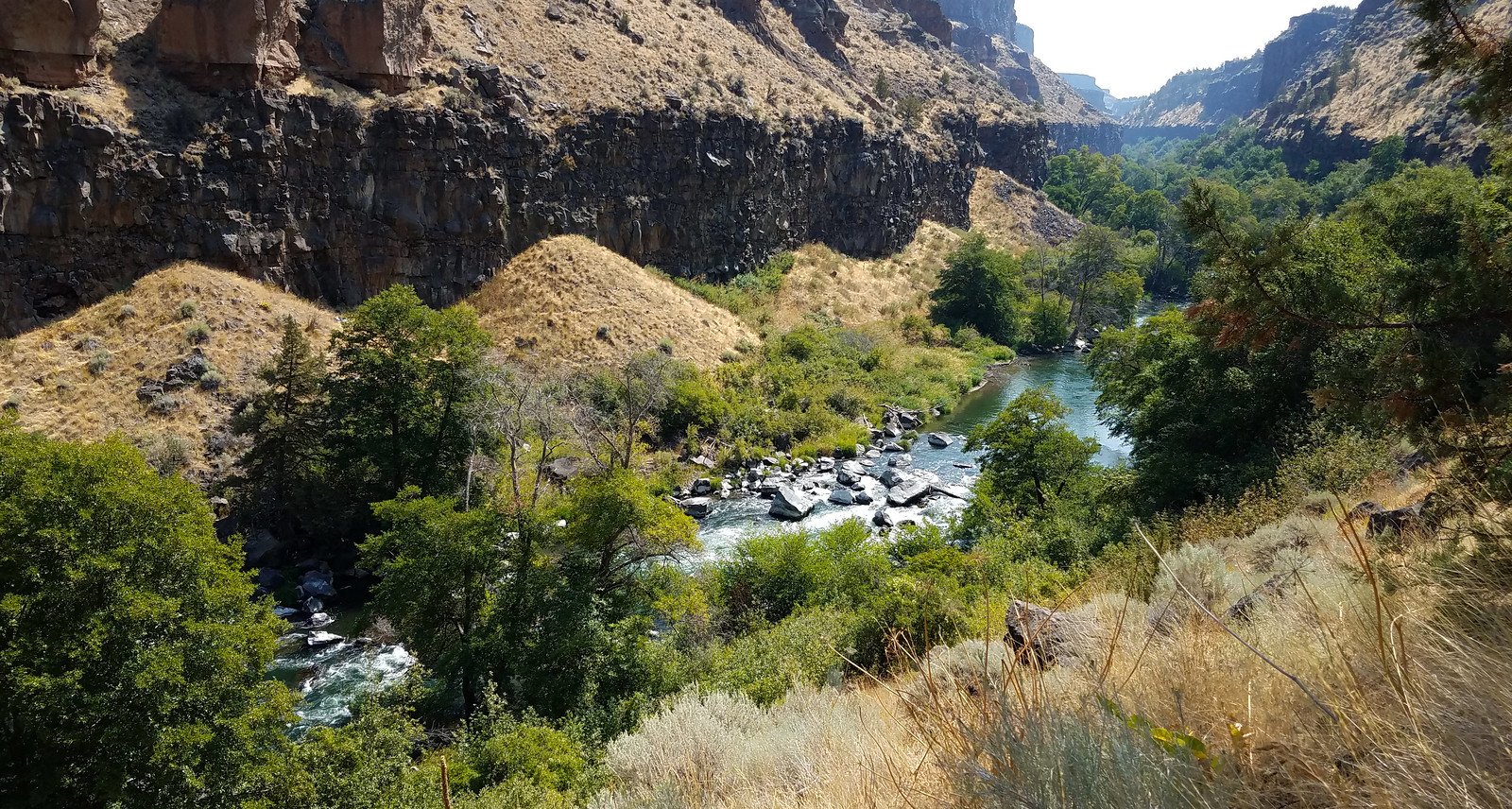
Crooked River
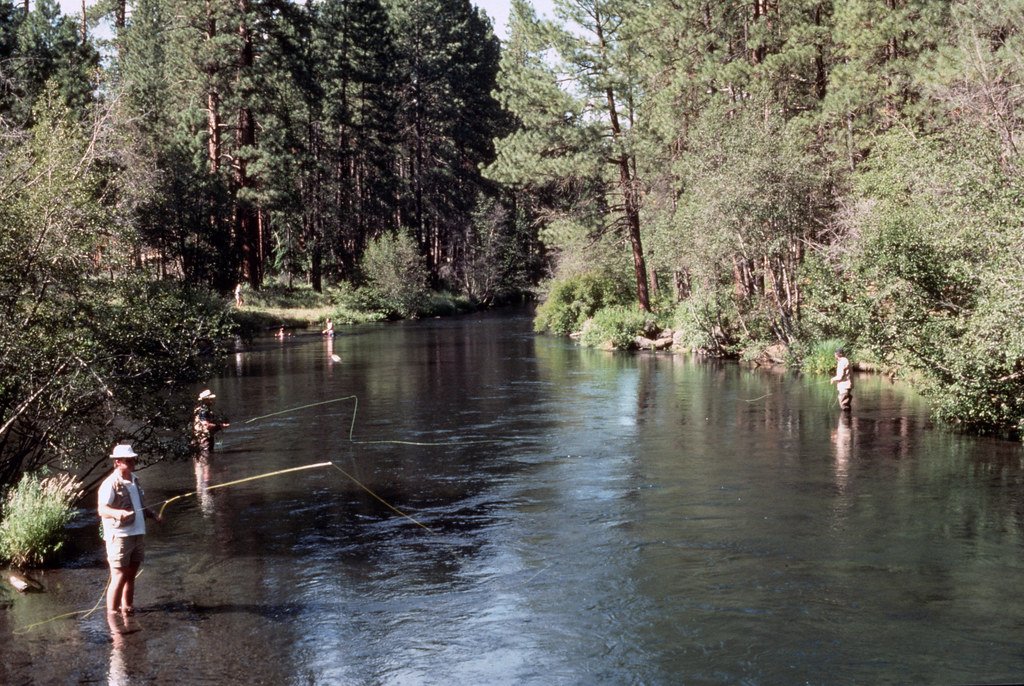
Metolius River
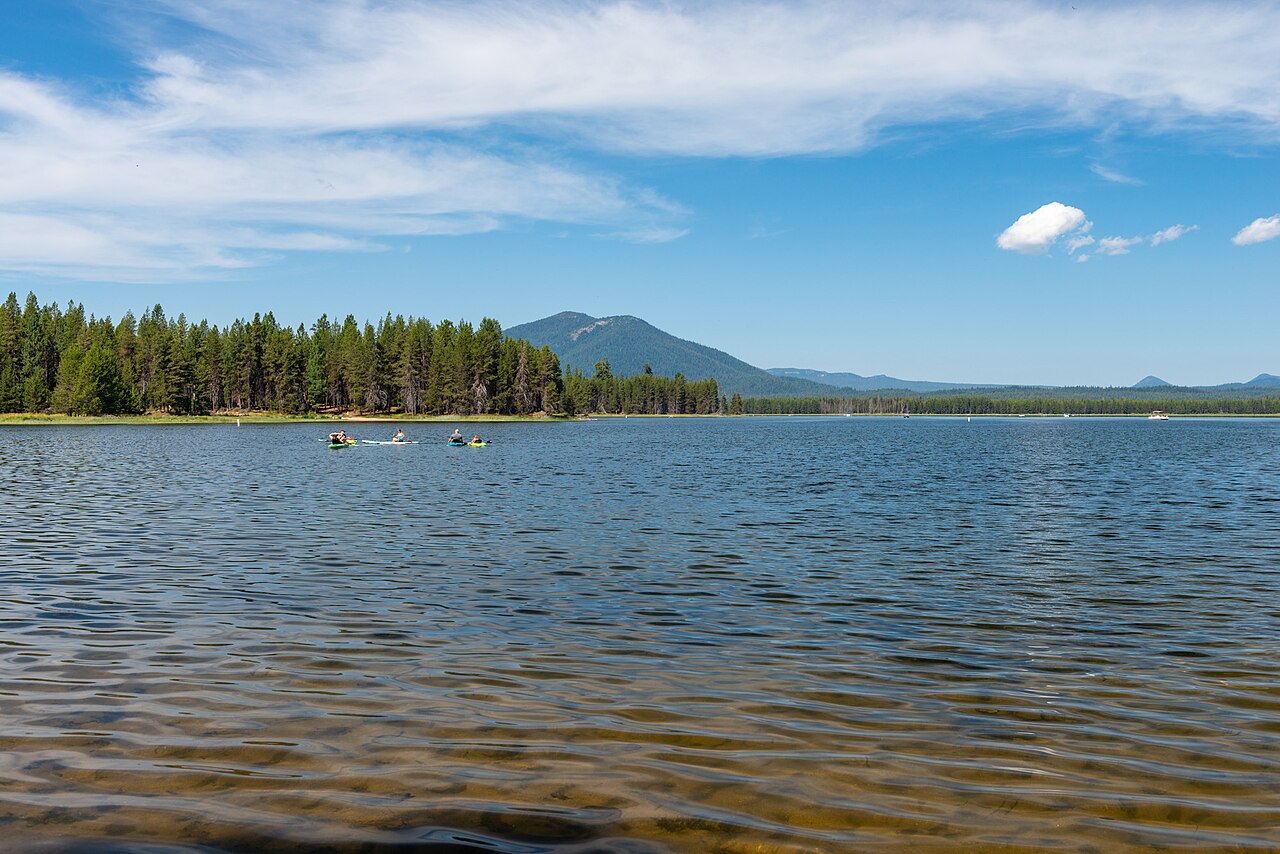
Crane Prairie Reservoir
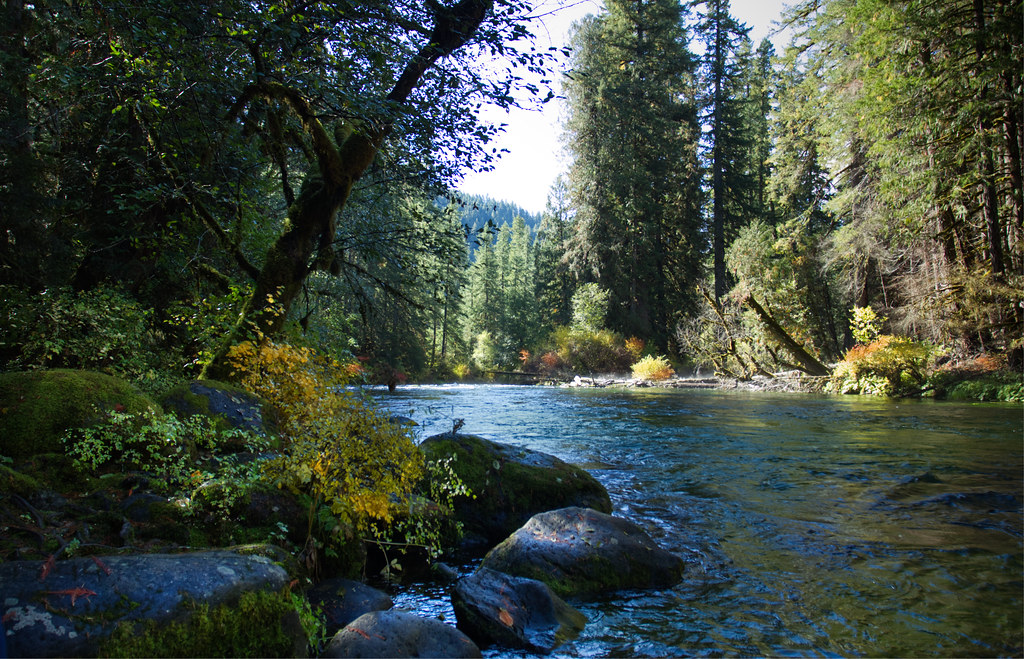
McKenzie River
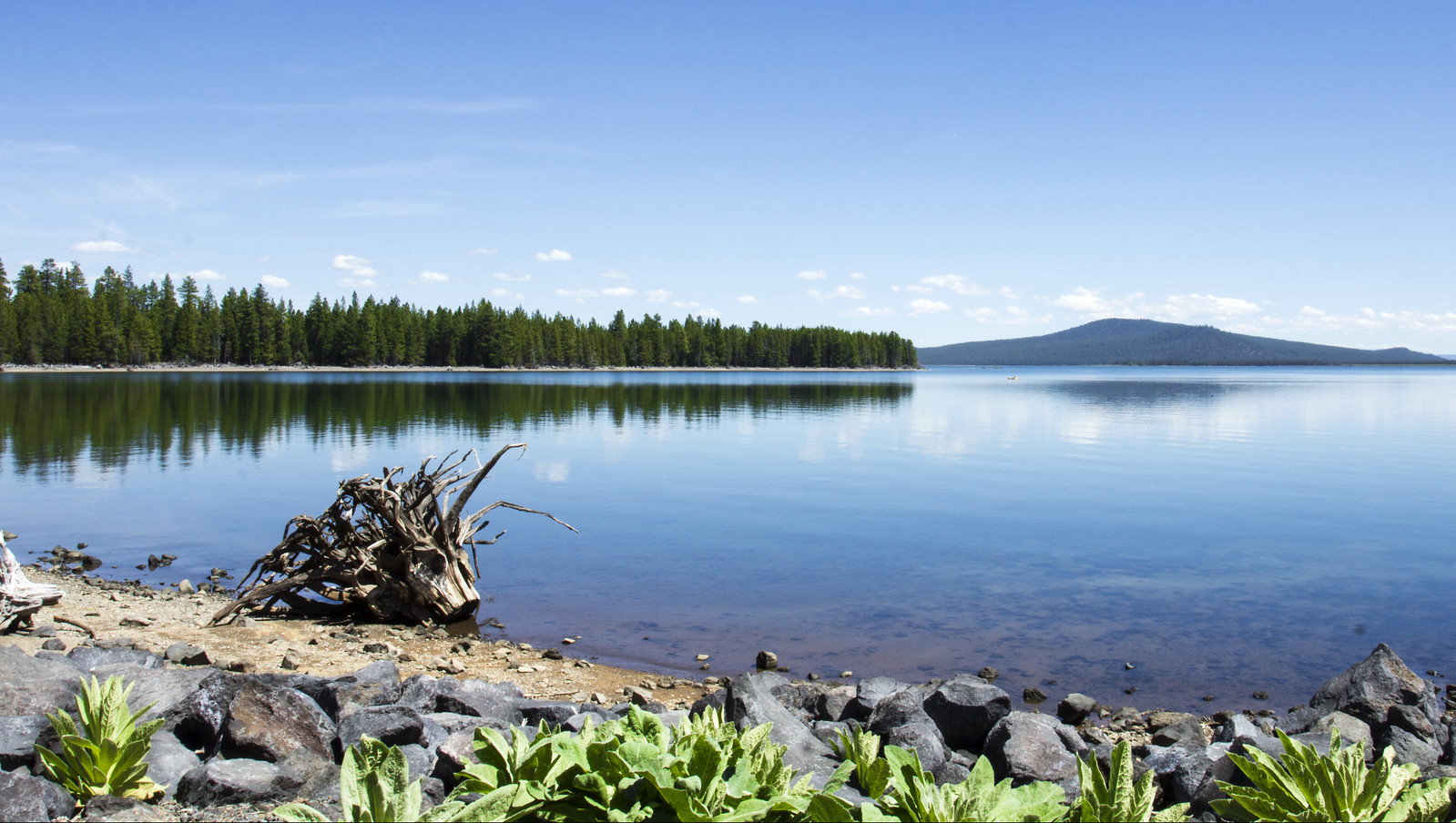
Wickiup Reservoir
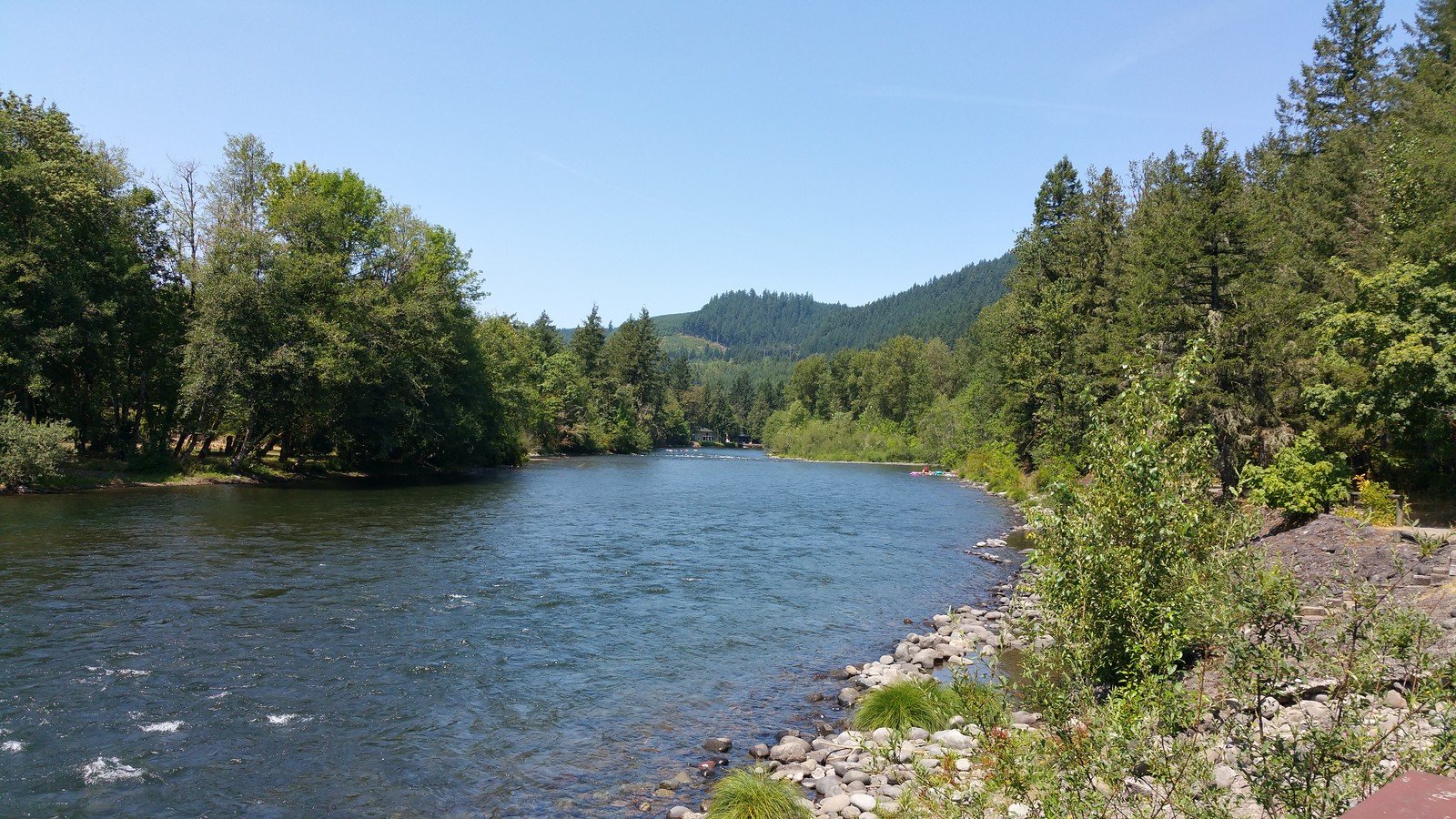
North Santiam River
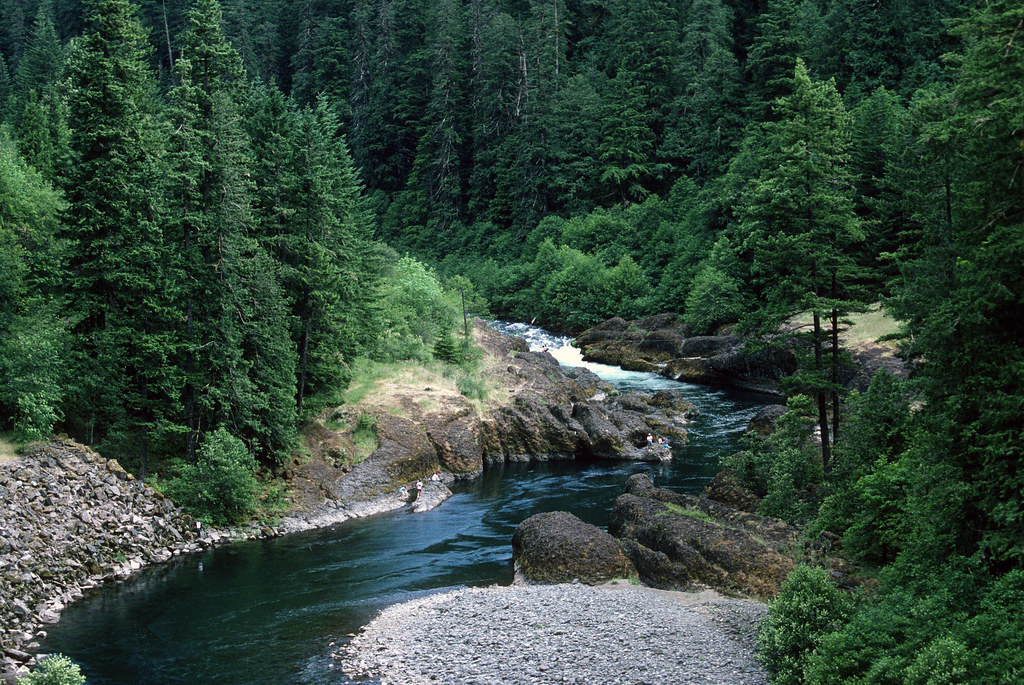
Clackamas River
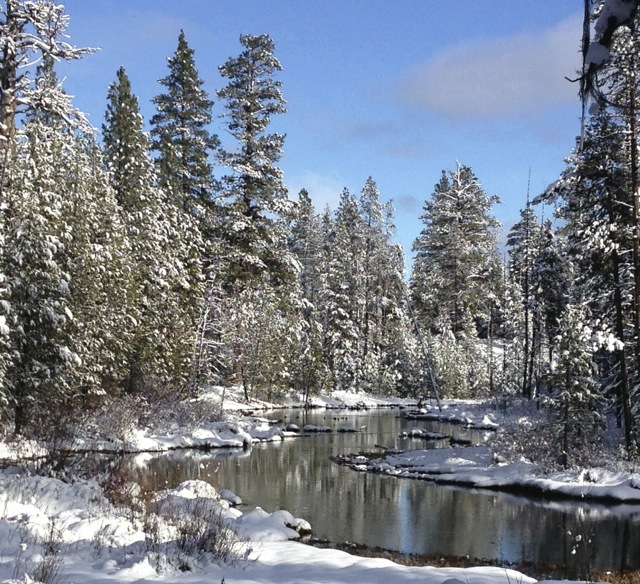
Fall River
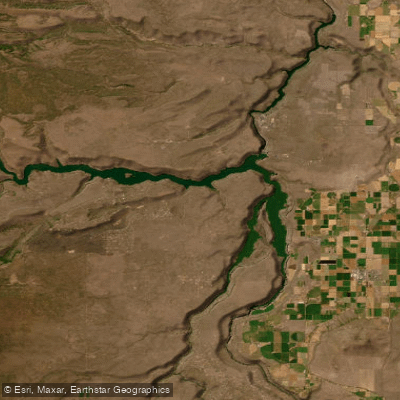
Lake Billy Chinook
What to know
Habitat Distribution
- They prefer clear, vegetated waters with rocky or sandy bottoms in cool to warm temperatures, often found near stone-armored shorelines.
- In Oregon's context, they would likely be found in warmwater environments similar to other introduced bass species.
Specific Spots
- Target rocky points, boulders, ledges, and drop-offs, particularly where these features provide ambush opportunities.
- Focus on areas with docks, fallen trees, and rocky shorelines.
Rock Bass FAQ
Answers from onWater's species guide.
What are the best lures and bait for Rock Bass in Oregon?
The most effective bait is earthworms. Rock Bass will also take small crayfish, small minnows like fathead minnows and golden shiners, and various insects including dragonfly larvae. For lures, try small spinners, crankbaits, spoons, and soft plastics.
When is the best time to fish for Rock Bass in Oregon?
The best fishing occurs during spring pre-spawn (April-May) when water temperatures approach 60°F, as fish school in shallow waters and feed aggressively. Summer fishing is productive in deeper, cooler waters during early morning and late evening when sun is off the water.
How do you catch Rock Bass in Oregon?
Fish slowly along the bottom or suspended in the water column. Use weedless presentations in areas with snag risk. Target transitions between different bottom substrates (gravel to rock, rock to sand) as bass use these as feeding lanes.
What do Rock Bass eat?
Rock Bass are omnivorous, feeding heavily on crayfish, insects (particularly dragonflies), small fish including minnows and their own young, crustaceans, and aquatic vegetation.
Where do Rock Bass live in Oregon?
They prefer clear, vegetated waters with rocky or sandy bottoms in cool to warm temperatures, often found near stone-armored shorelines. In Oregon's context, they would likely be found in warmwater environments similar to other introduced bass species.
Fish smarter with real-time insights
Whether you're en route and conditions shift or you're looking for the best spot based on current flows, we enable you to make informed decisions on the fly.




See it in the app
Most maps show you water.
onWater shows you Rock Bass.
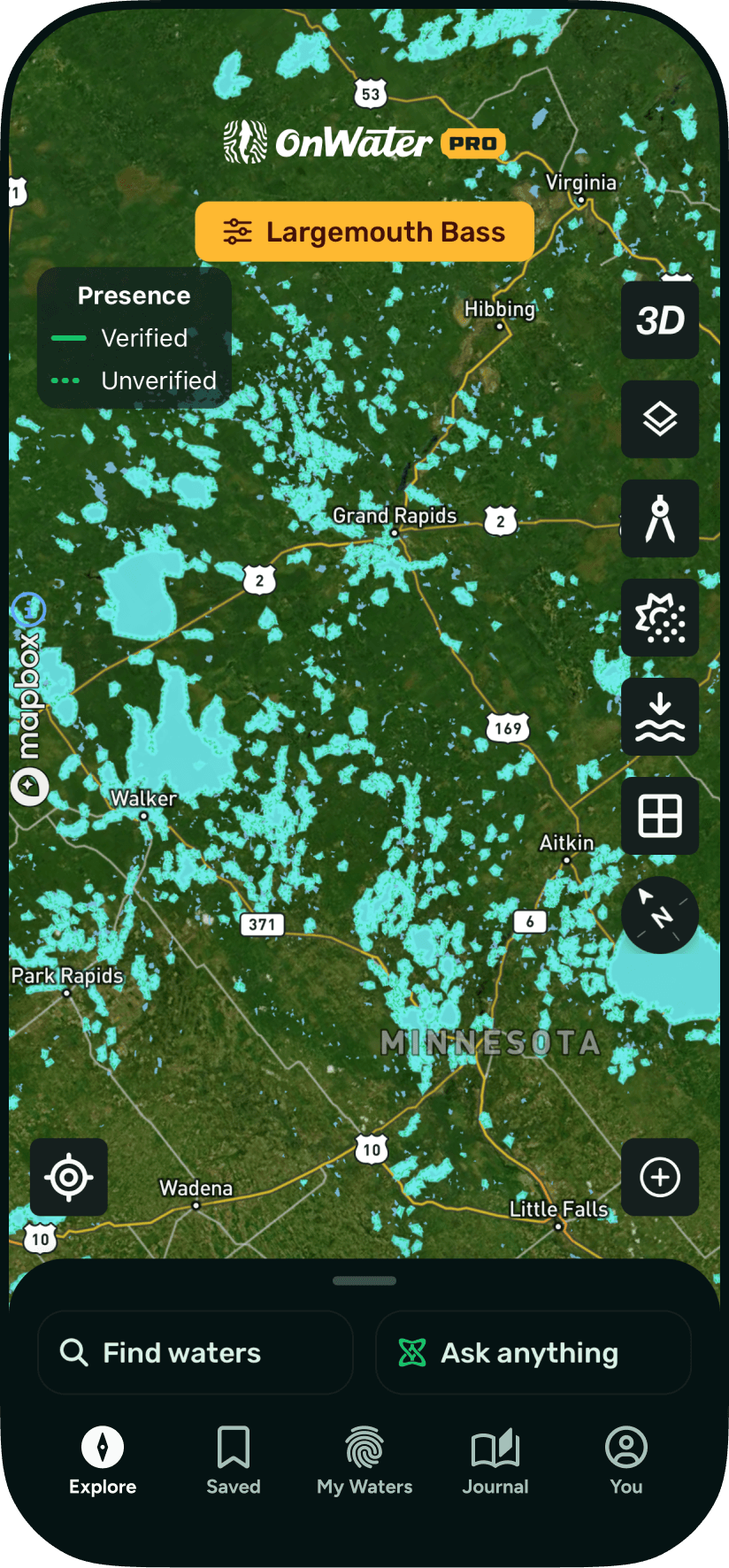
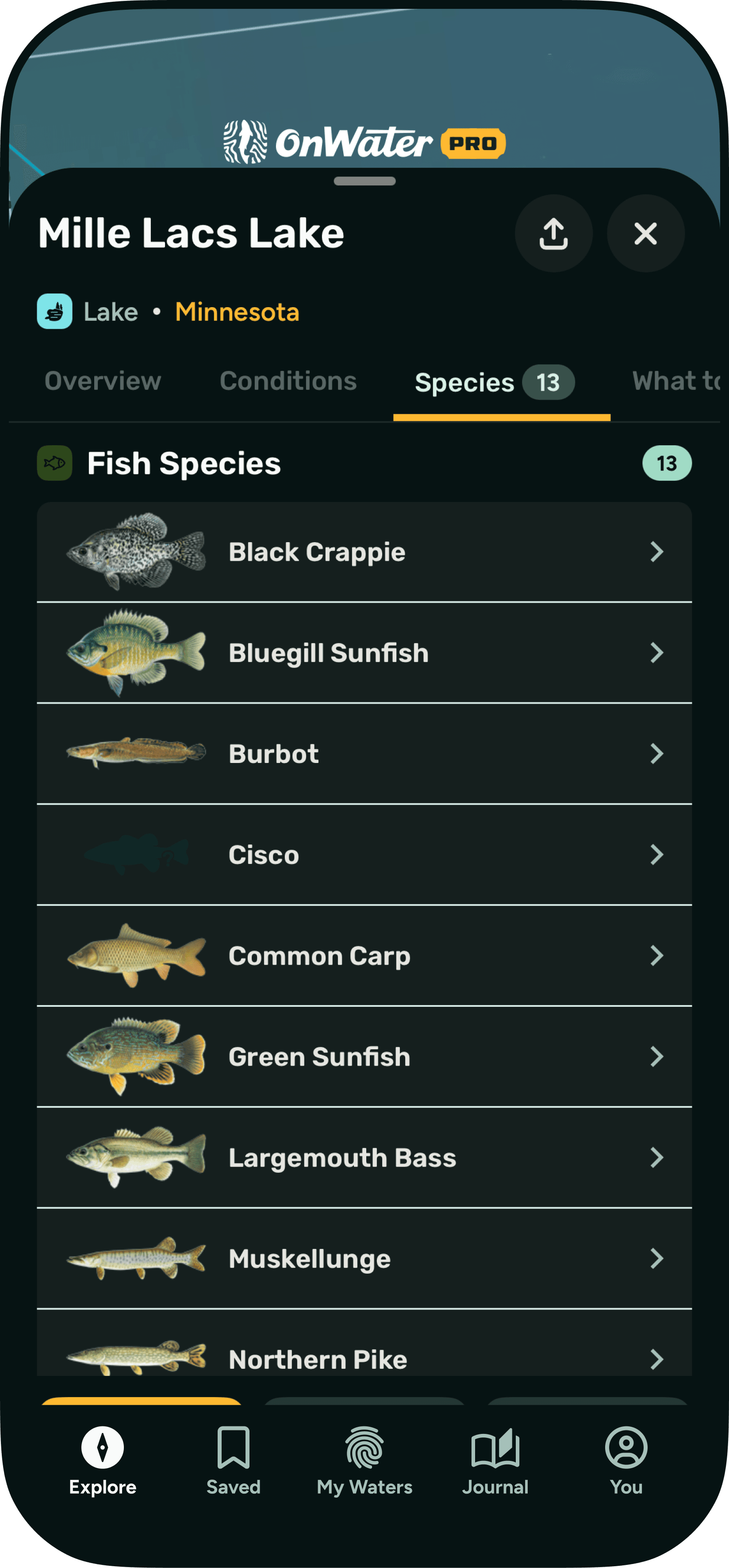
- 01 · Species map filter
Map every Rock Bass water
Pick Rock Bass and the map zeroes in on the waters they call home. No more guessing which lake holds them.
- 02 · Waterbody species
Tap any water. See what lives there.
Species, behavior and seasonal patterns for every lake, river and pond, before you leave the driveway.
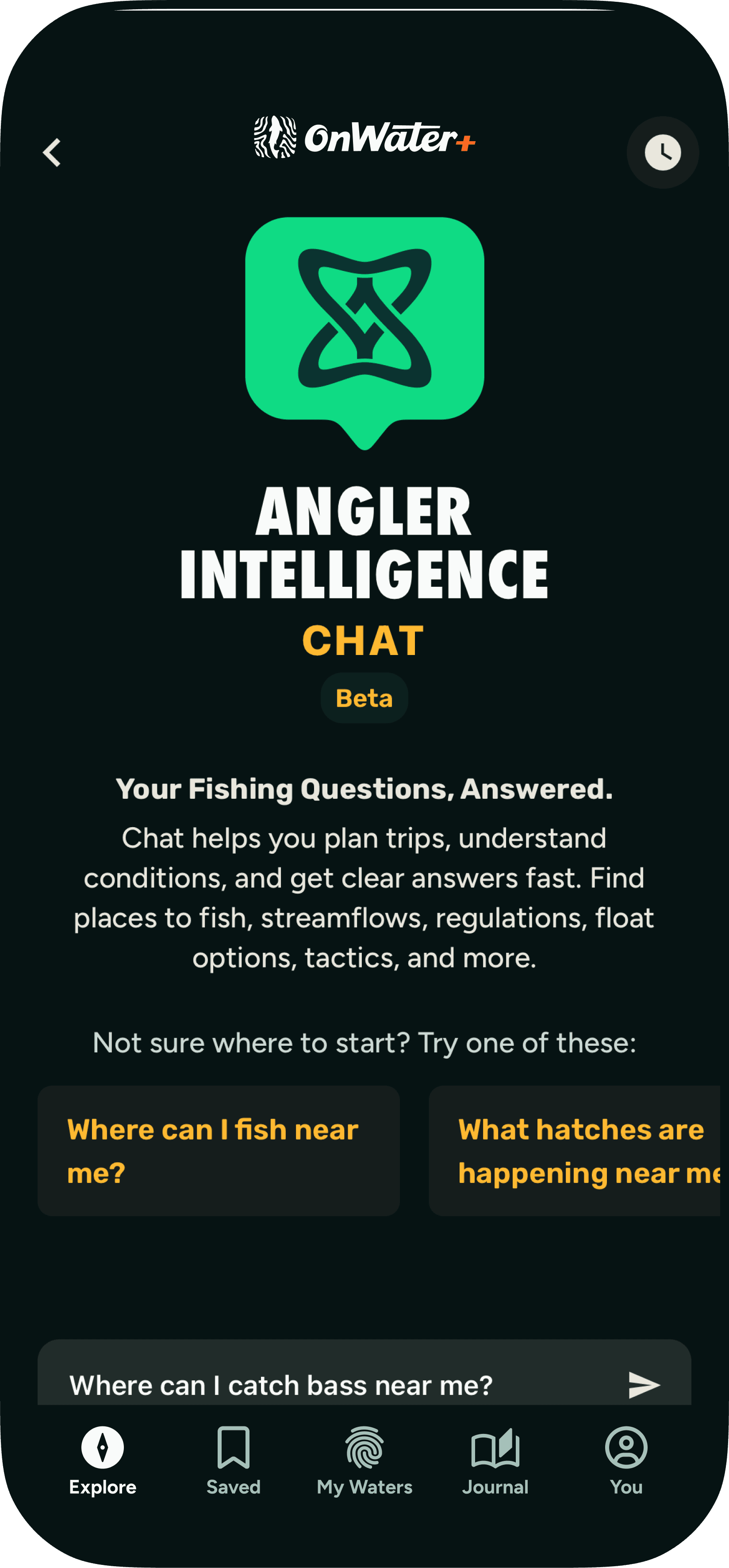
- 03 · Angler Intelligence
Ask how to catch Rock Bass
Tactics, gear and timing from onWater's AI fishing guide, tuned to the species and the water you're on.
Stop guessing where Rock Bass are.
Open the map, filter by Rock Bass, and head to water that holds them. Download onWater and plan your next trip in minutes.
- Species map filter
- Angler Intelligence
- Fishing journal
Explore other species
Trout, bass, salmon, panfish and everything in between. Each guide unpacks the behavior, seasons, and tactics that put fish in the net.
Find which waters have the species you want to catch
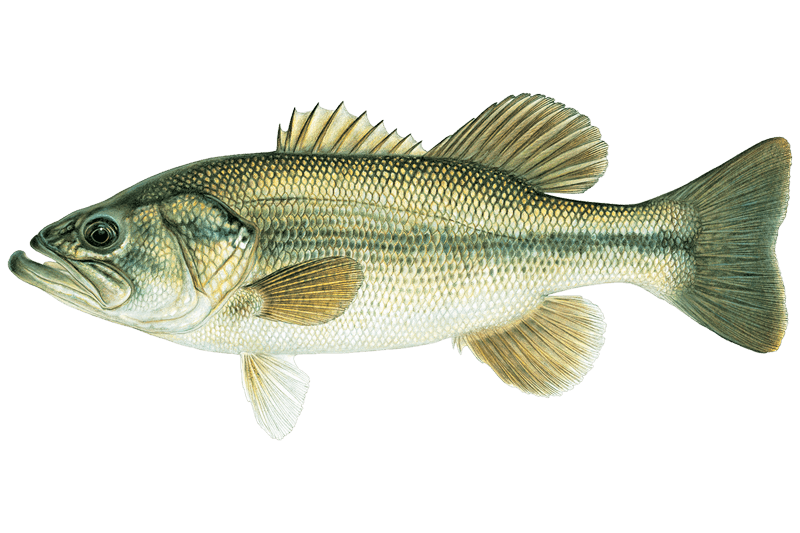
Largemouth Bass
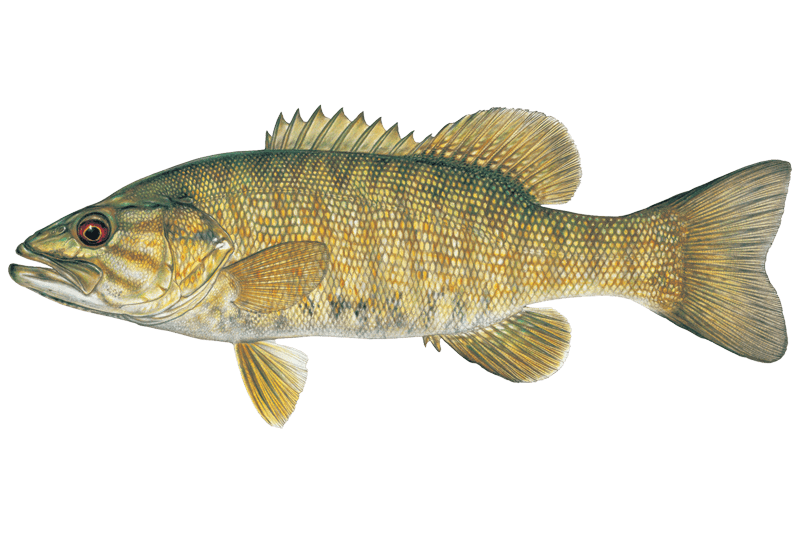
Smallmouth Bass
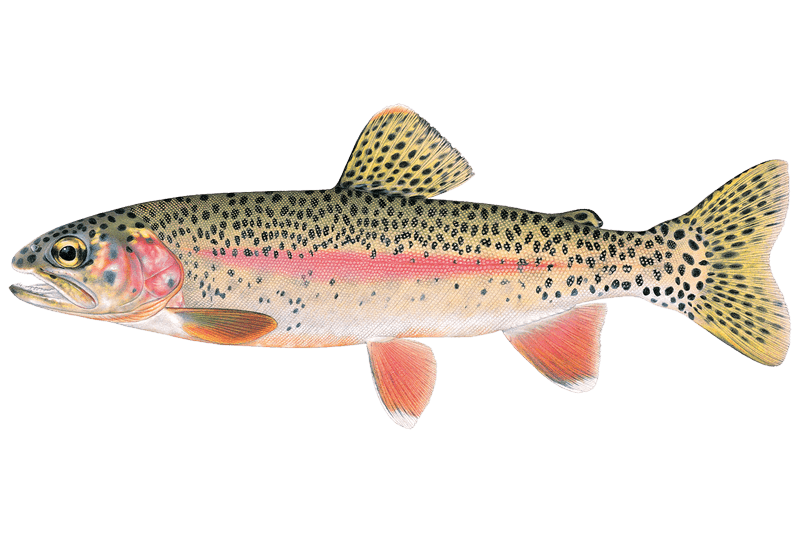
Rainbow Trout
Oncorhynchus mykiss
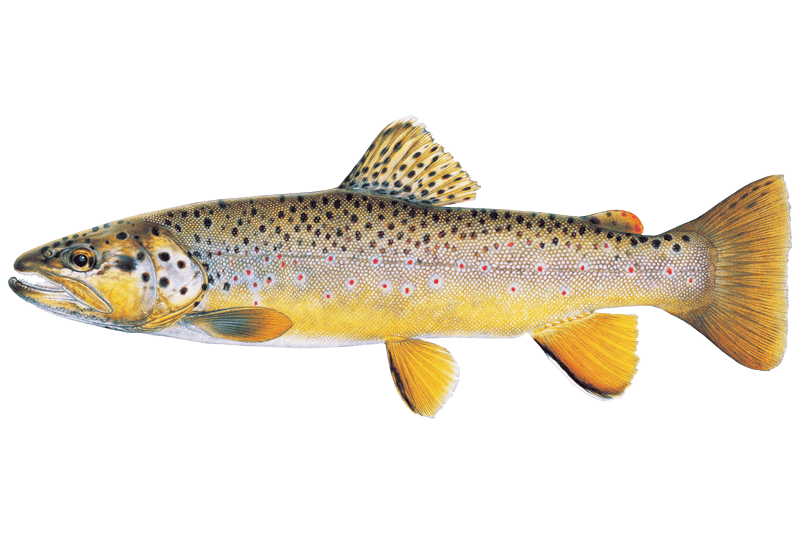
Brown Trout
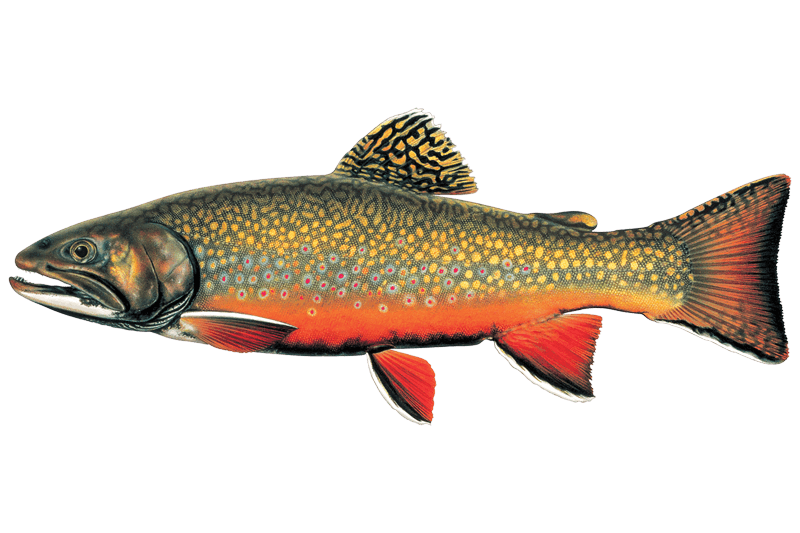
Brook Trout
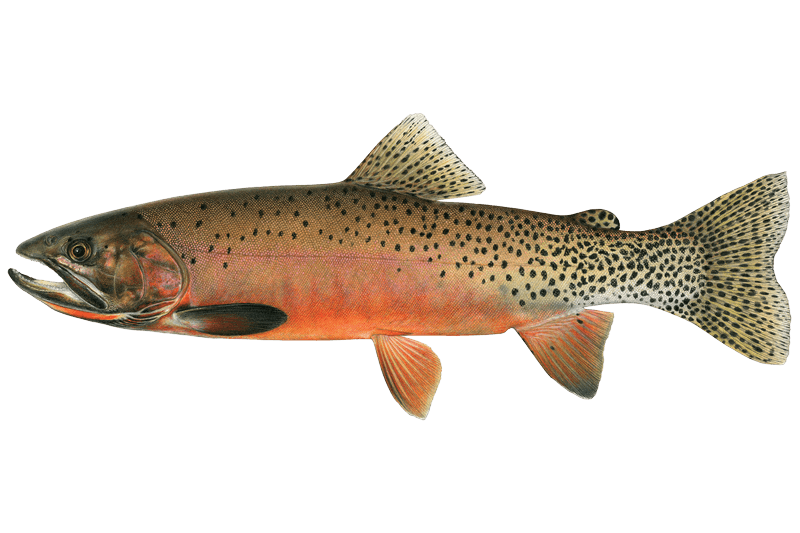
Cutthroat Trout
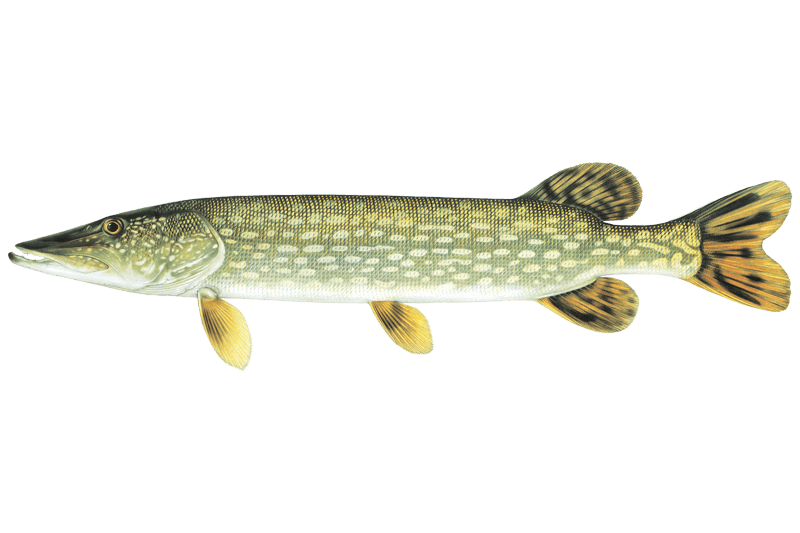
Northern Pike
Esox lucius
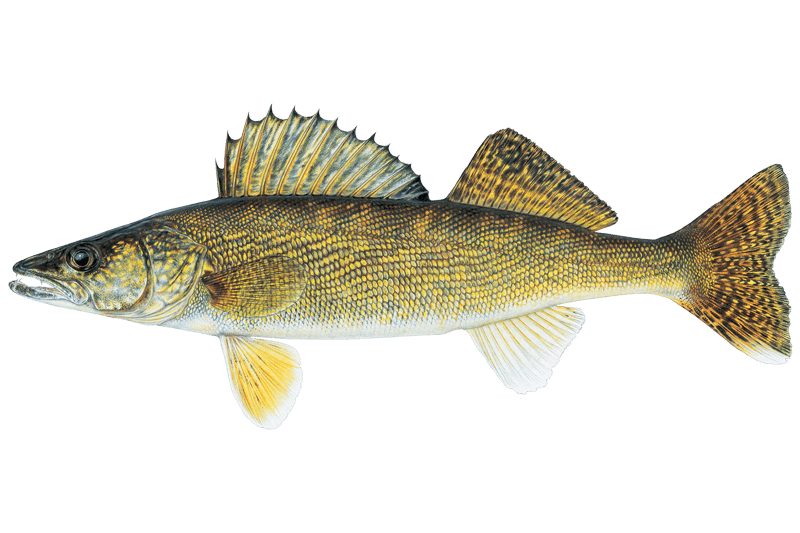
Walleye
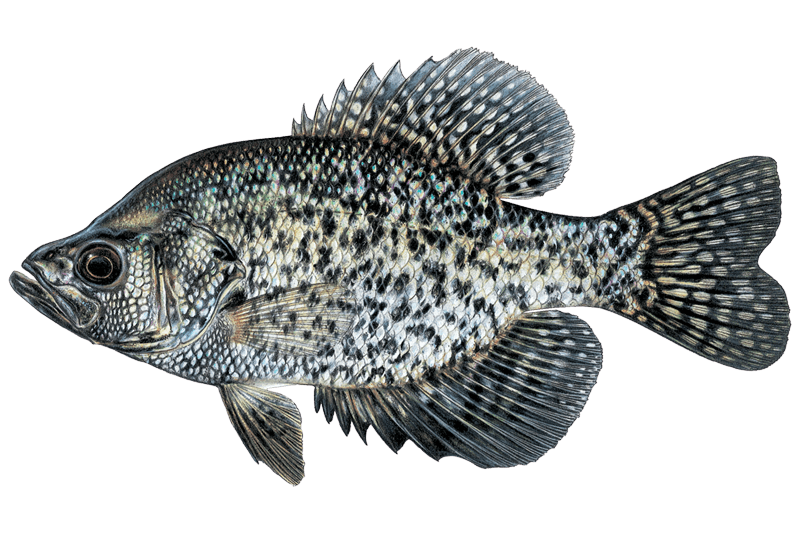
Black Crappie
Pomoxis nigromaculatus
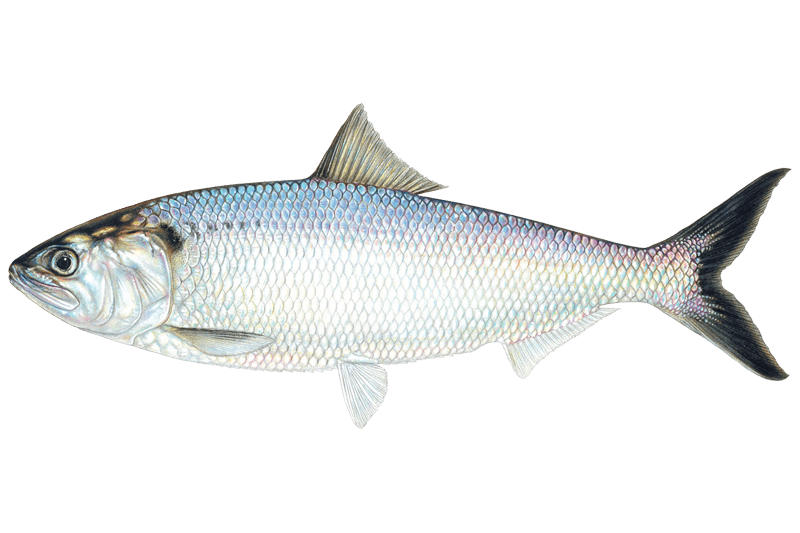
American Shad
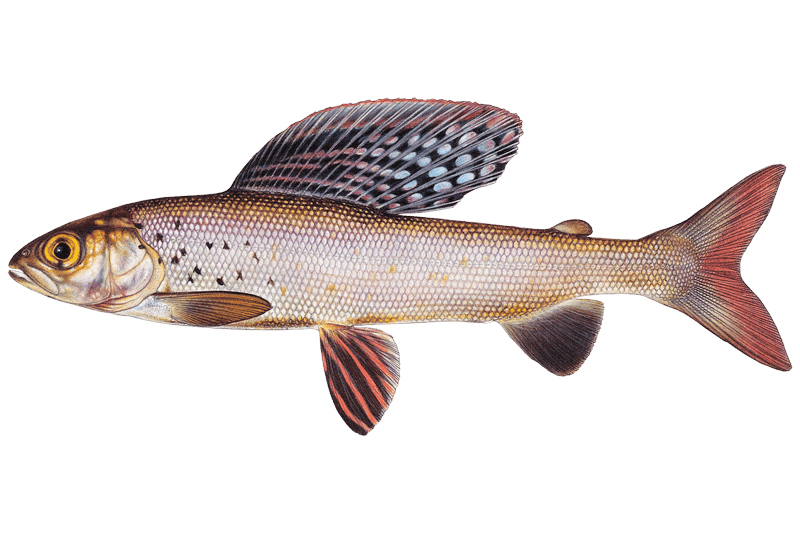
Arctic Grayling
Thymallus arcticus

Black Bullhead
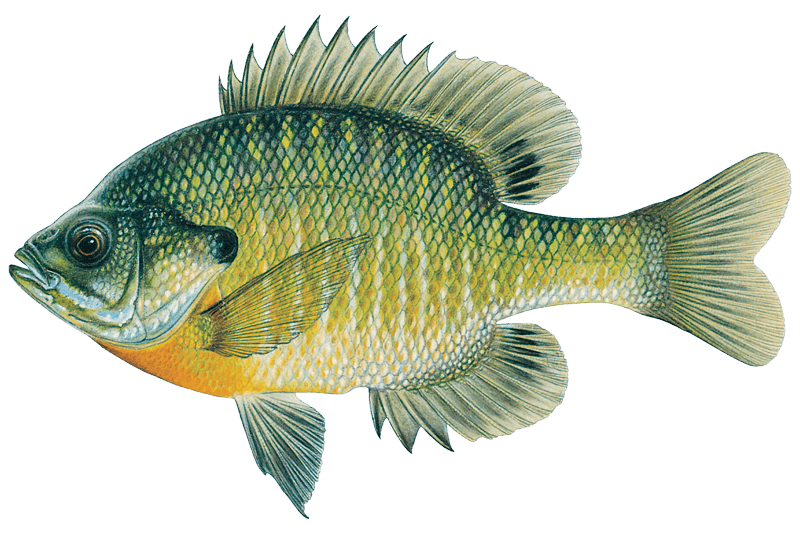
Bluegill Sunfish
Lepomis macrochirus

Bridgelip Sucker
Catostomus columbianus
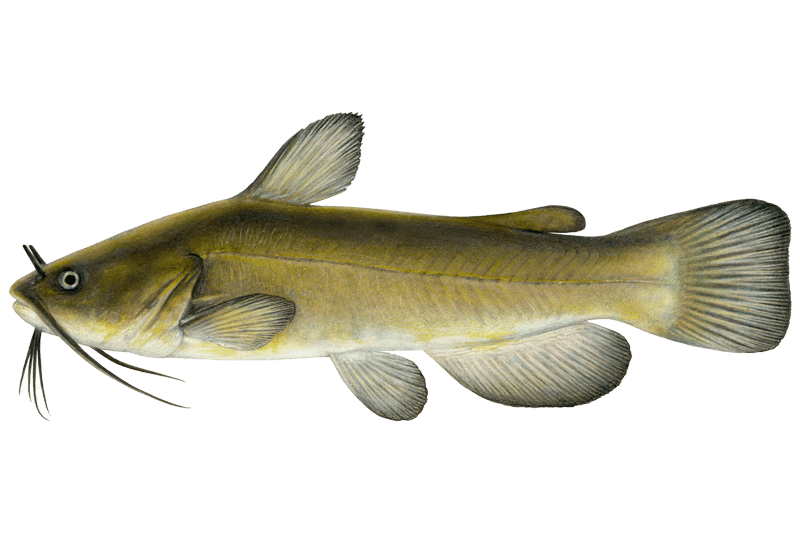
Brown Bullhead
Ameiurus nebulosus
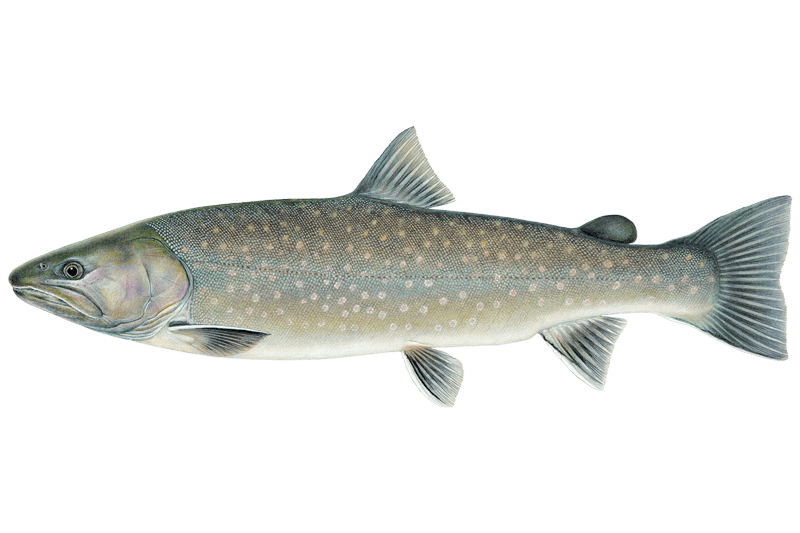
Bull Trout
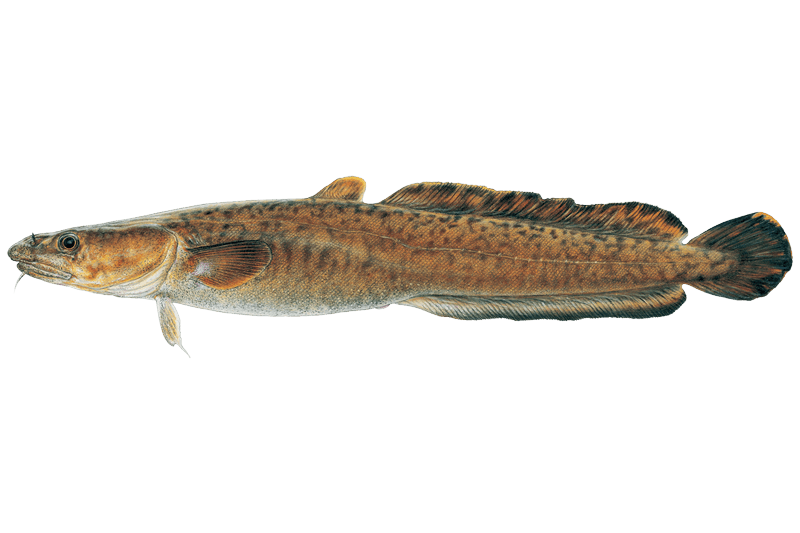
Burbot
Lota lota
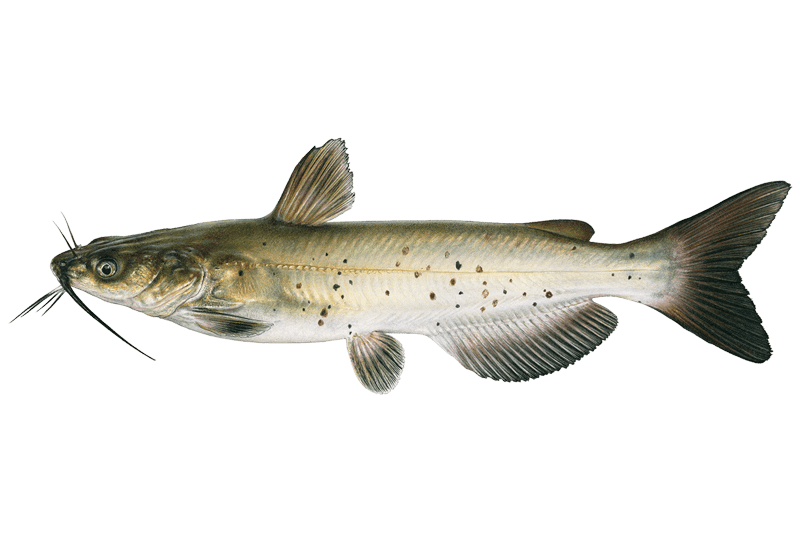
Channel Catfish
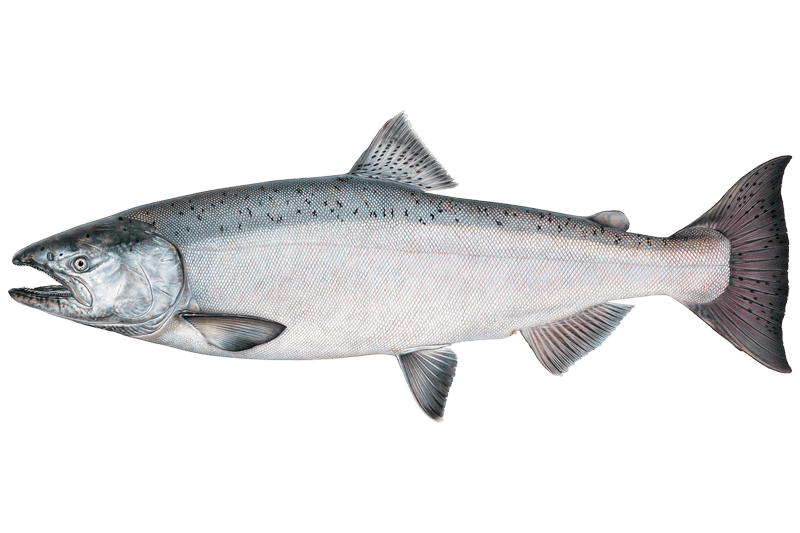
Chinook Salmon
Oncorhynchus tshawytscha
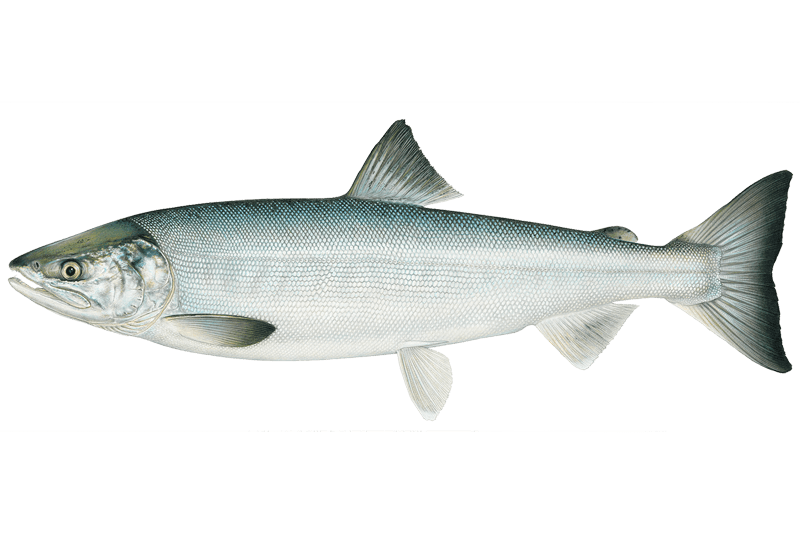
Chum Salmon
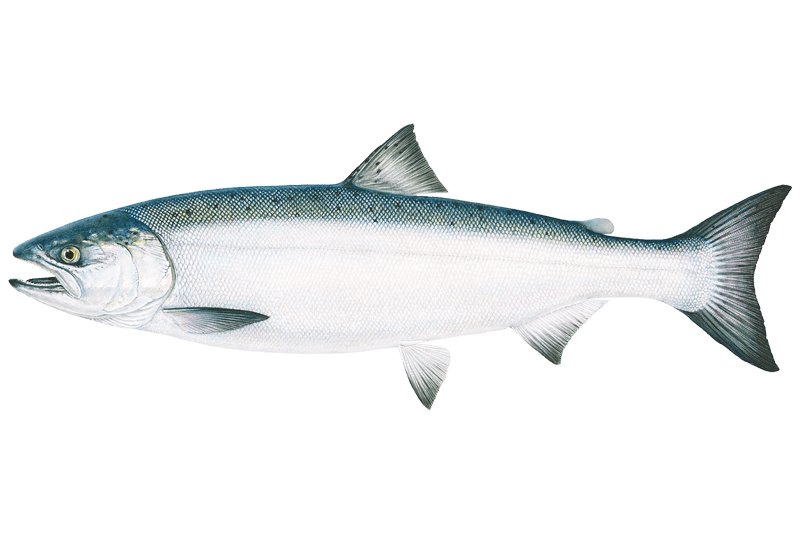
Coho Salmon
Oncorhynchus kisutch
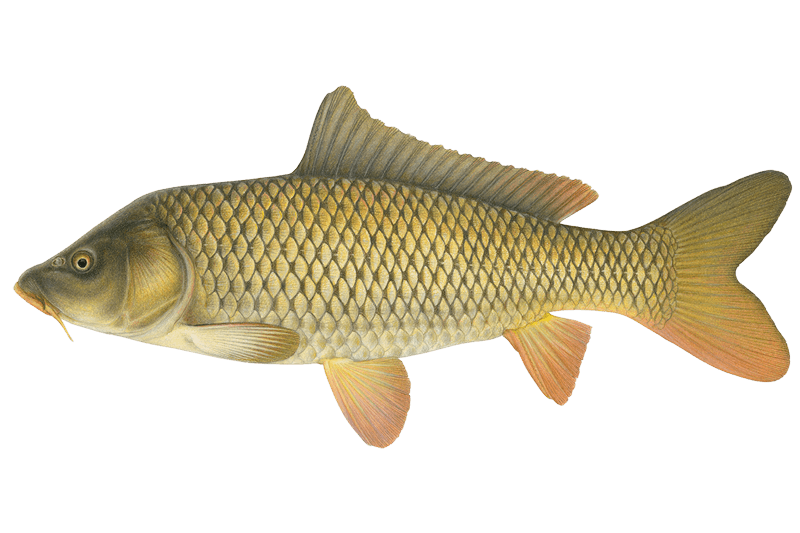
Common Carp
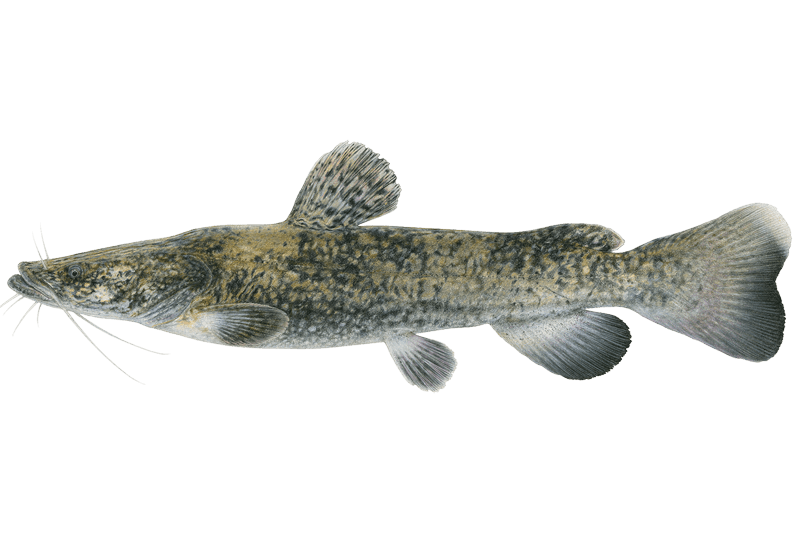
Flathead Catfish
Pylodictis olivaris

Gizzard Shad
Dorosoma cepedianum
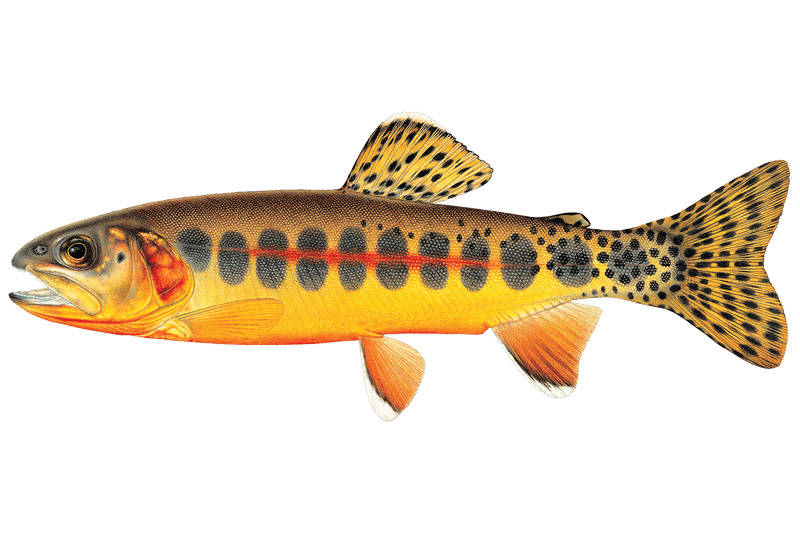
Golden Trout
Oncorhynchus mykiss aguabonita
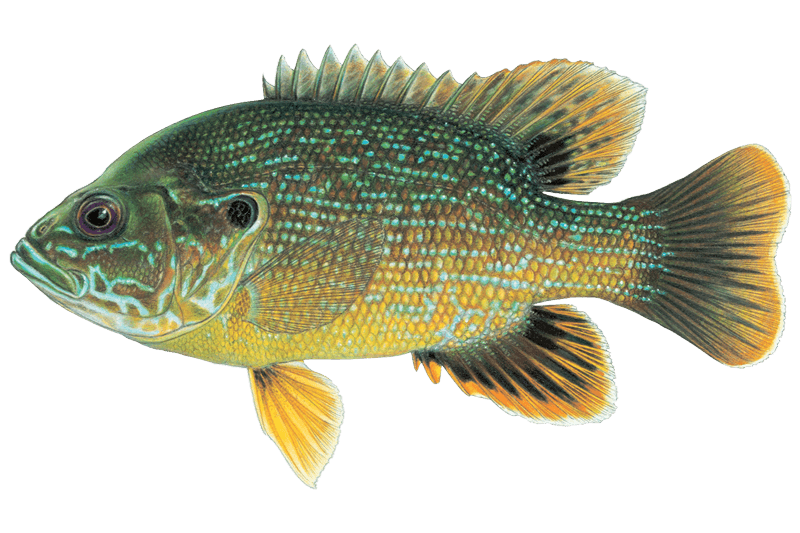
Green Sunfish
Lepomis cyanellus
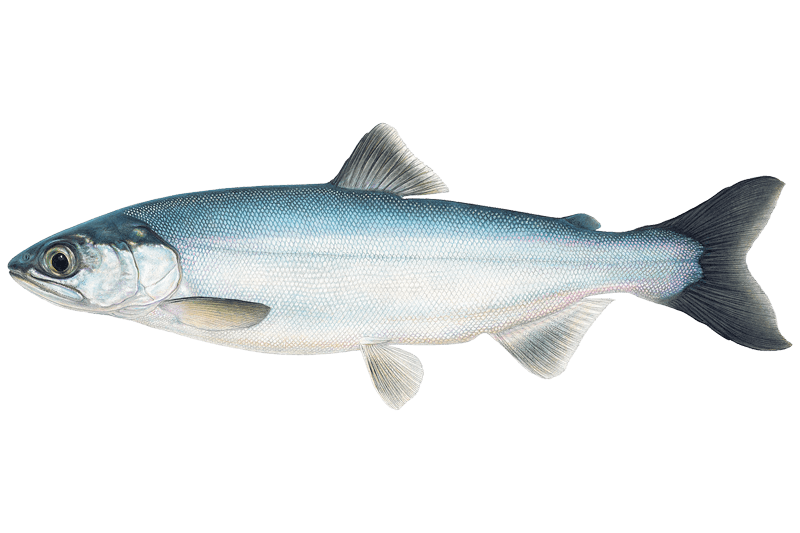
Kokanee Salmon

Lahontan Cutthroat Trout
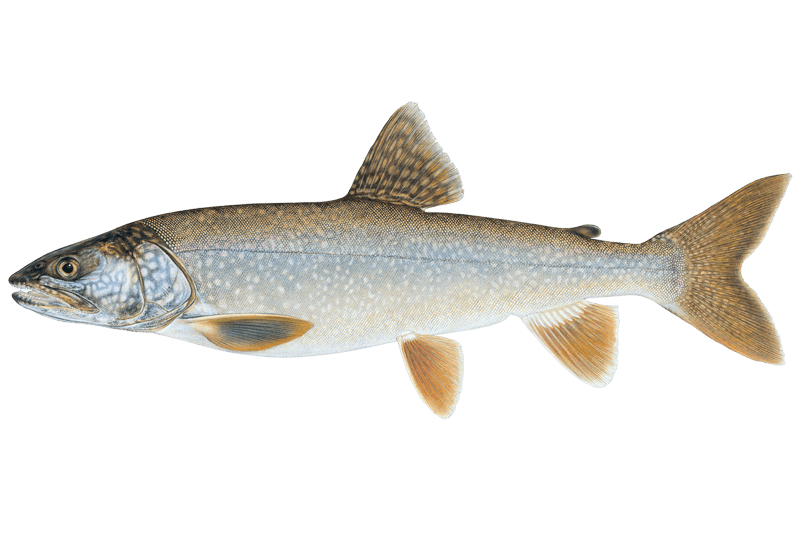
Lake Trout

Largescale Sucker
Catostomus macrocheilus
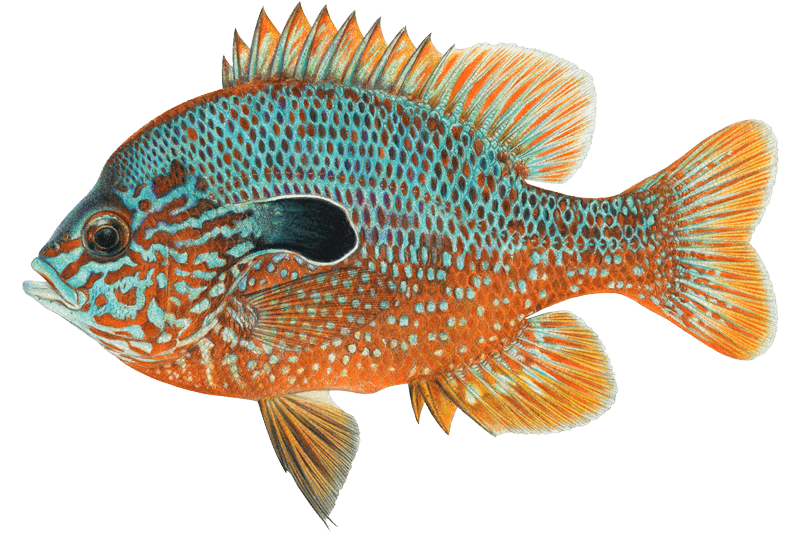
Longear Sunfish
Centrarchidae

Longnose Sucker
Catostomus catostomus
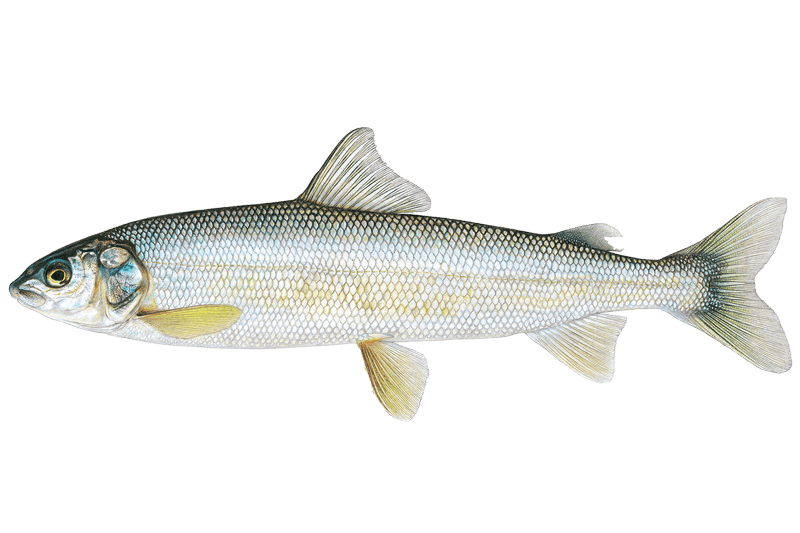
Mountain Whitefish
Prosopium williamsoni clarkii
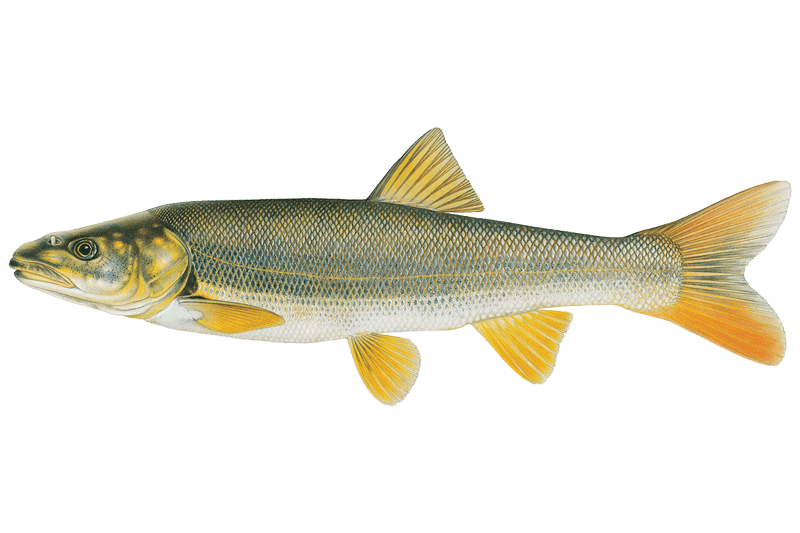
Northern Pikeminnow
Ptychocheilus oregonensis

Pink Salmon

Prickly Sculpin
Cottus asper
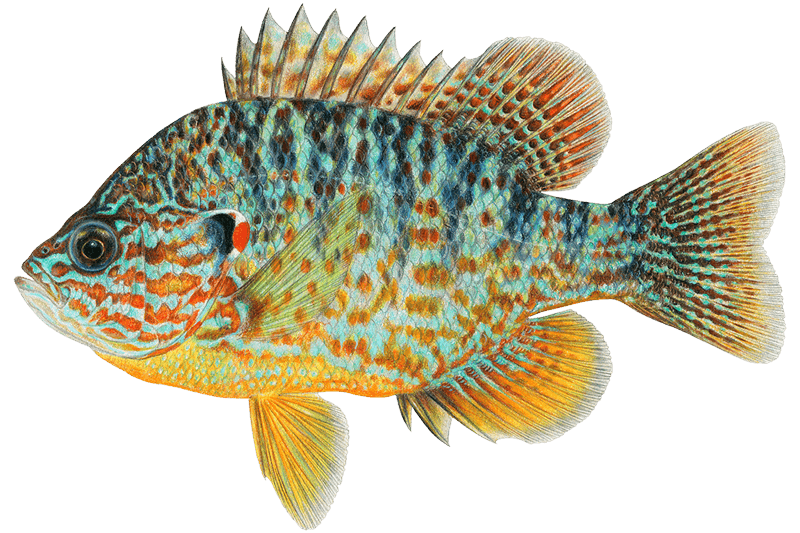
Pumpkinseed
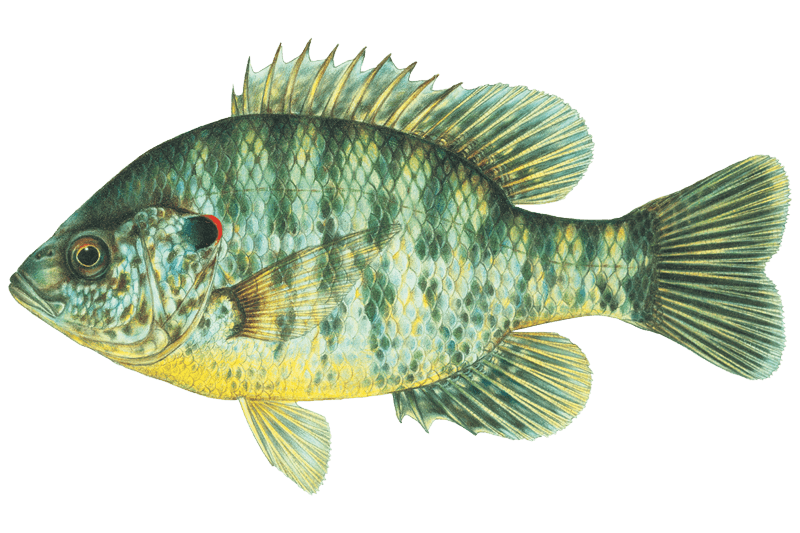
Redear Sunfish
Lepomis microlophus

Redside Shiner
Richardsonius balteatus

Sockeye Salmon
Oncorhynchus nerka
Oregon licenses and regulations

Oregon Boating Regulations
When using any type of watercraft to access a body of water, it is important to follow all federal, state, and local rules and regulations. These rules and regulations include boat permitting and licensing, invasive species inspections and stamps, life jacket and PFD rules, motor size and horsepower restrictions, noise limitations, restrictions on personal watercraft, and many more. Visit the web link below for the most current rules and regulations for this body of water.
Oregon Fishing License
An Oregon fishing license is required for residents and non-residents, age 12 and over. You must carry your fishing license at all times while fishing in the State. Make sure you have the correct tags, catch cards and endorsements for the water bodies and species you are targeting.
Oregon Fishing Regulations
This river has a variety of species and regulations, including potential floating and/or watercraft restrictions. Because this river is specially managed for species, seasons, angling methods, and watercraft, it is strongly encouraged you check all federal, state, and local regulations before fishing. This river is prone to emergency regulations. Stay up to date on specific river regulation changes. Visit any of the links below, inquire locally, or contact a local fly shop to learn current regulations and restrictions.

Oregon Stream Access Laws
The people of Oregon are the owners of the submerged and submersible land (“beds and banks”) underlying all navigable and tidally influenced waterways. In most cases, this ownership extends to the line of ordinary high water or high tide, but ownership can be mixed, even along the same waterway. The Department of State Lands is responsible for management of publicly owned submerged and submersible land. The public has rights to use the beds and banks of navigable waterways for any legal activity, such as boating, fishing and swimming, including pulling your canoe or kayak onto the bank.
Explore nearby waters
Explore Oregon waters
Top fishing waters
Popular Cities
Loading popular cities...
Smarter Fishing Starts in the App.
onWater Fish gives you everything you need to plan smarter, fish better, and own every trip from first cast to last.