Fishing in Oregon
- Lakes
- 5,079
- Rivers
- 12,659
- Access
- 638
- Boat Ramps
- 931
- Shops
- 101
Oregon is a state where fishing is organized around migration. The same angler who drifts a salmonfly imitation to a wild Redside in May is likely trolling springers on the Columbia in April and swinging for summer steelhead by August.
The runs reorganize the calendar, and the calendar reorganizes the angler. The lower Deschutes is the spine of it.
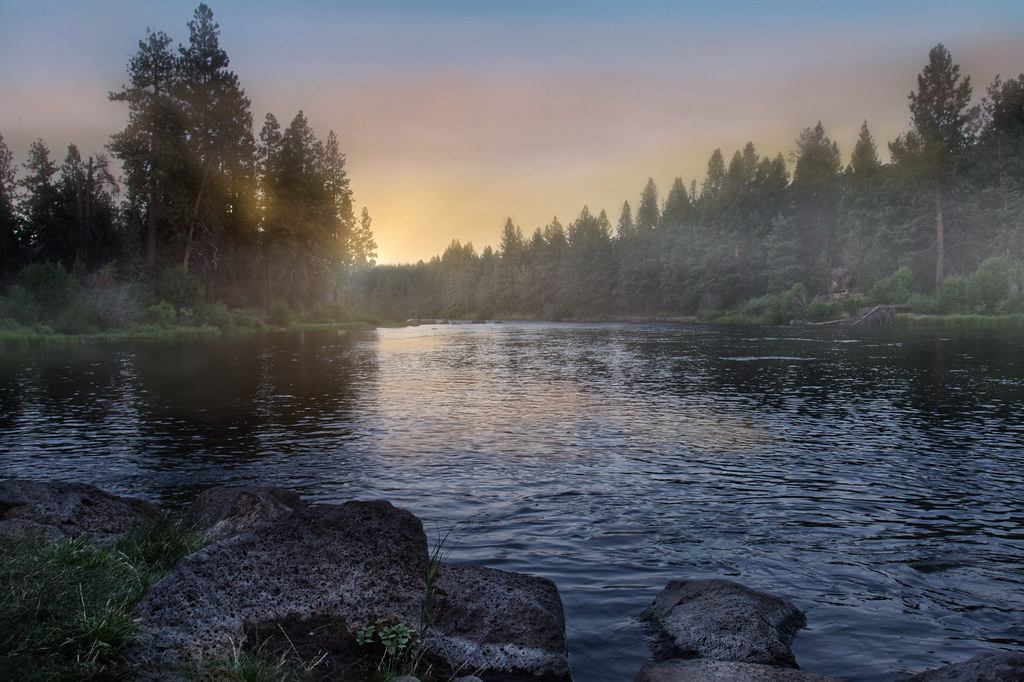
A hundred miles of tailwater canyon between Warm Springs and the mouth, basalt walls and high desert, with a wild Redside rainbow that gets a reputation for being selective because it is. No hatchery trout are stocked here.
The salmonfly and golden stone hatch starts mid-May down low and walks upstream over two or three weeks; once it ends, summer caddis and the October caddis carry the dry-fly water through fall, and bright summer steelhead come into the river in July and stay catchable on floating lines into November.
Maupin — a few hundred people, BLM campgrounds along the canyon, John Hazel's Deschutes Angler at the heart of town — is as close as Oregon gets to a purpose-built fishing town.
Fly-only and barbless rules govern much of the Metolius nearby; bait water on the Deschutes is limited to a short stretch below Sherars Falls. The coast is its own world.
Five rivers feed Tillamook Bay — Wilson, Trask, Nestucca, Siletz — and once the first rains push in around December, winter steelhead are in them through April. Fall Chinook in the bay still run to forty pounds in a good year.
Up at the Columbia mouth, Buoy 10 opens August 1 and turns Astoria into a salmon spectacle for a month or so, with coho often holding on into September.
Anyone fishing salmon, steelhead, or sturgeon in the Columbia basin needs the basin endorsement on top of a license, and seasons can shift mid-run.
Southwest Oregon carries the Rogue, where Zane Grey wrote summer steelhead into American fishing literature in the 1920s and the July run still draws people for the same reasons. The North Umpqua summer fish are there from May, fly-only on the upper water.
East of the Cascades, the John Day cuts smallmouth water through deep canyon pools and holds wild summer steelhead and spring Chinook largely free of hatchery influence — a rare thing. Stewardship runs through all of it.
The Deschutes Redbands TU chapter, the Salmon SuperHwy work in the Tillamook basins, the hand crews building beaver dams in the John Day headwaters. And in October 2024, after the Klamath dams came down, Chinook were documented above the old J.C.
Boyle site for the first time since 1912. People here noticed.
Species & education
Learn what type of fish are in Oregon and what's needed to catch them.

Find which waters have the species you want to catch

Largemouth Bass

Smallmouth Bass

Rainbow Trout
Oncorhynchus mykiss

Brown Trout

Brook Trout

Cutthroat Trout

Northern Pike
Esox lucius

Walleye

Black Crappie
Pomoxis nigromaculatus

American Shad
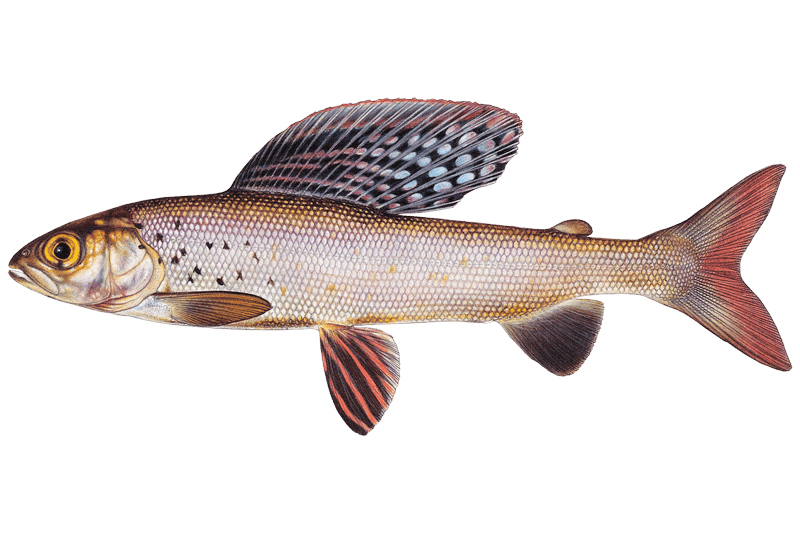
Arctic Grayling
Thymallus arcticus

Black Bullhead
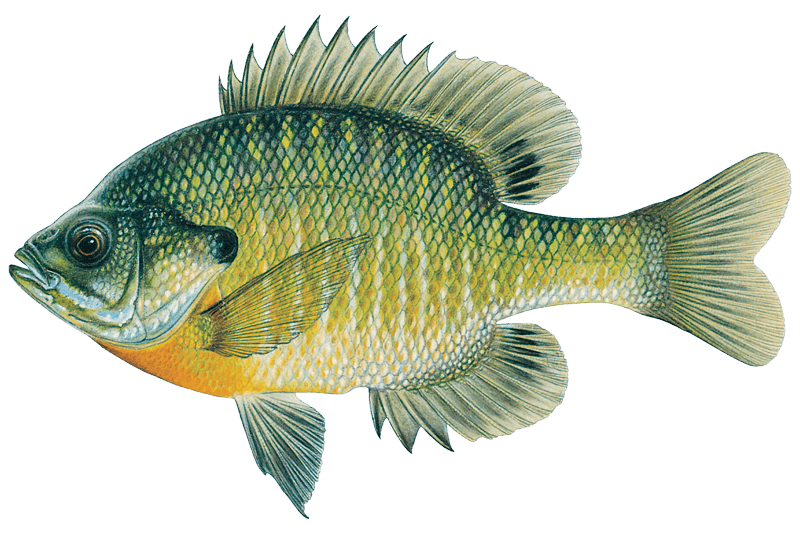
Bluegill Sunfish
Lepomis macrochirus

Bridgelip Sucker
Catostomus columbianus

Brown Bullhead
Ameiurus nebulosus
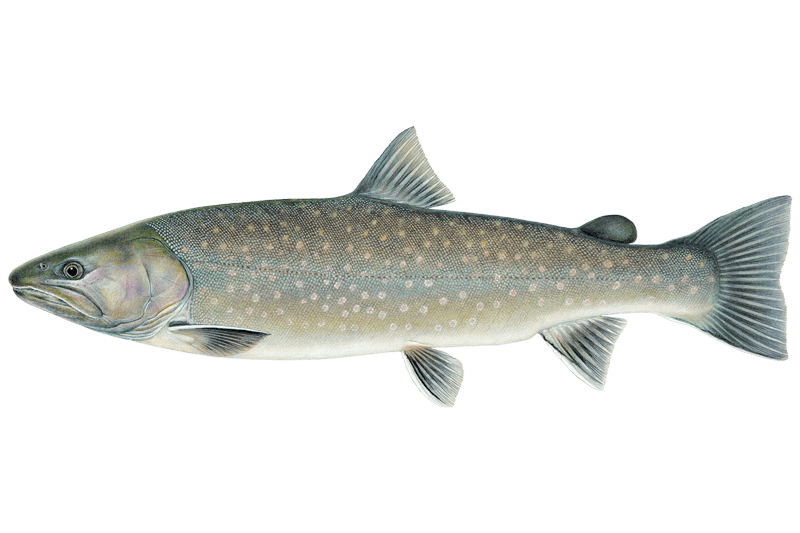
Bull Trout

Burbot
Lota lota

Channel Catfish

Chinook Salmon
Oncorhynchus tshawytscha
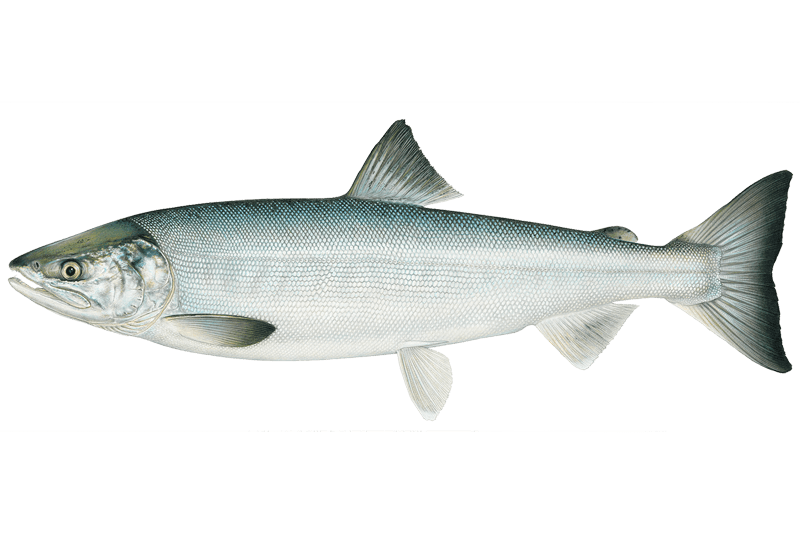
Chum Salmon

Coho Salmon
Oncorhynchus kisutch

Common Carp

Flathead Catfish
Pylodictis olivaris

Gizzard Shad
Dorosoma cepedianum

Golden Trout
Oncorhynchus mykiss aguabonita

Green Sunfish
Lepomis cyanellus
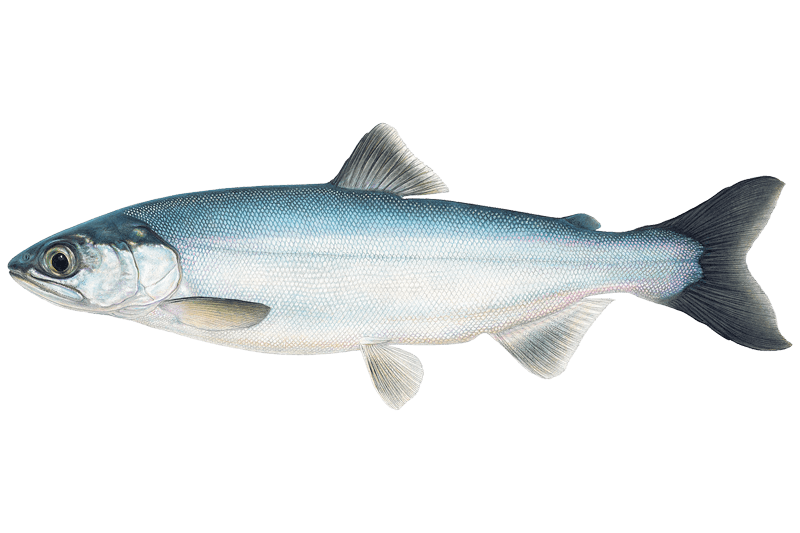
Kokanee Salmon

Lahontan Cutthroat Trout

Lake Trout

Largescale Sucker
Catostomus macrocheilus

Longear Sunfish
Centrarchidae

Longnose Sucker
Catostomus catostomus
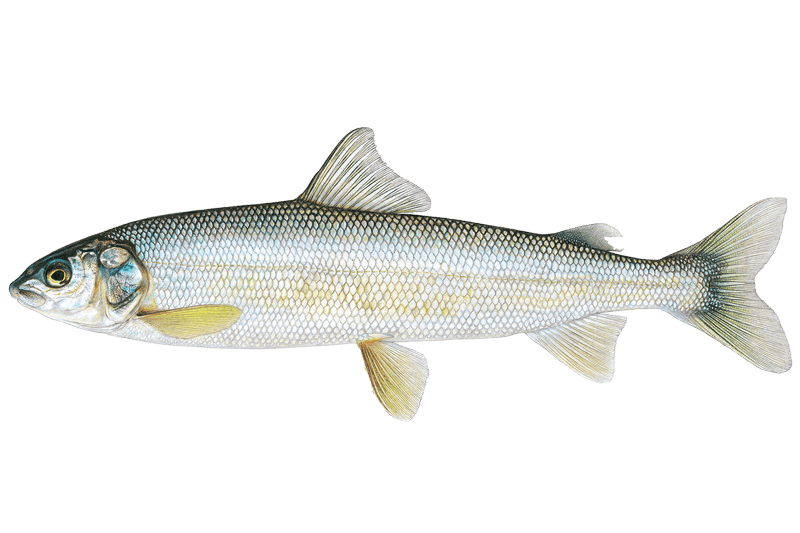
Mountain Whitefish
Prosopium williamsoni clarkii
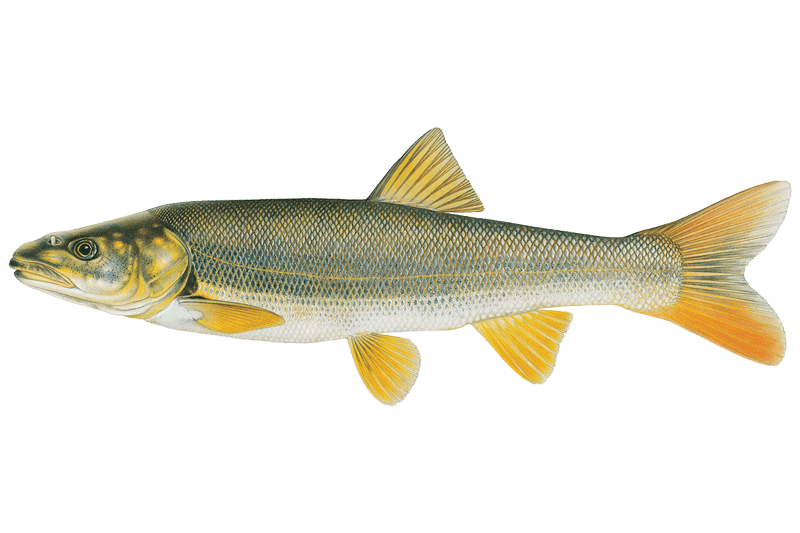
Northern Pikeminnow
Ptychocheilus oregonensis

Pink Salmon

Prickly Sculpin
Cottus asper

Pumpkinseed

Redear Sunfish
Lepomis microlophus

Redside Shiner
Richardsonius balteatus

Rock Bass
Ambloplites rupestris
Fishing guides in Oregon
Book a trip with a local fishing guide through Guidesly.

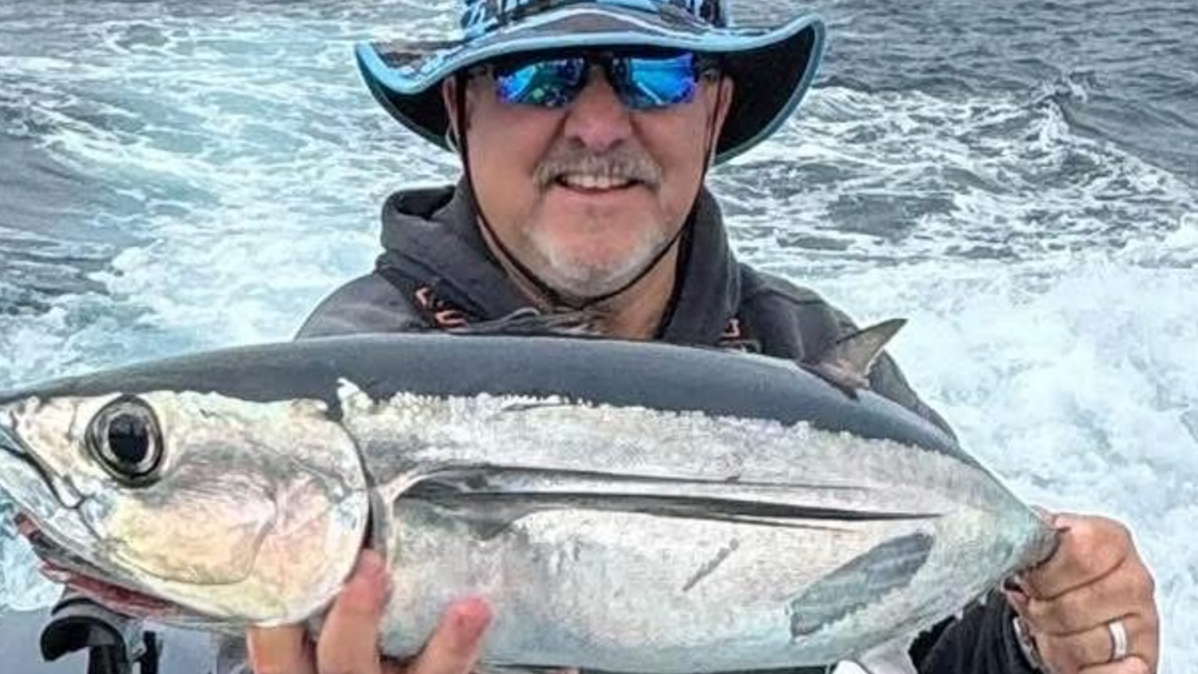
Travis Marsh
SOA Charters
4.8 (26 reviews)
Top Rated Fishing Guide out of Winchester Bay, OR
Book on Guidesly, opens in new tab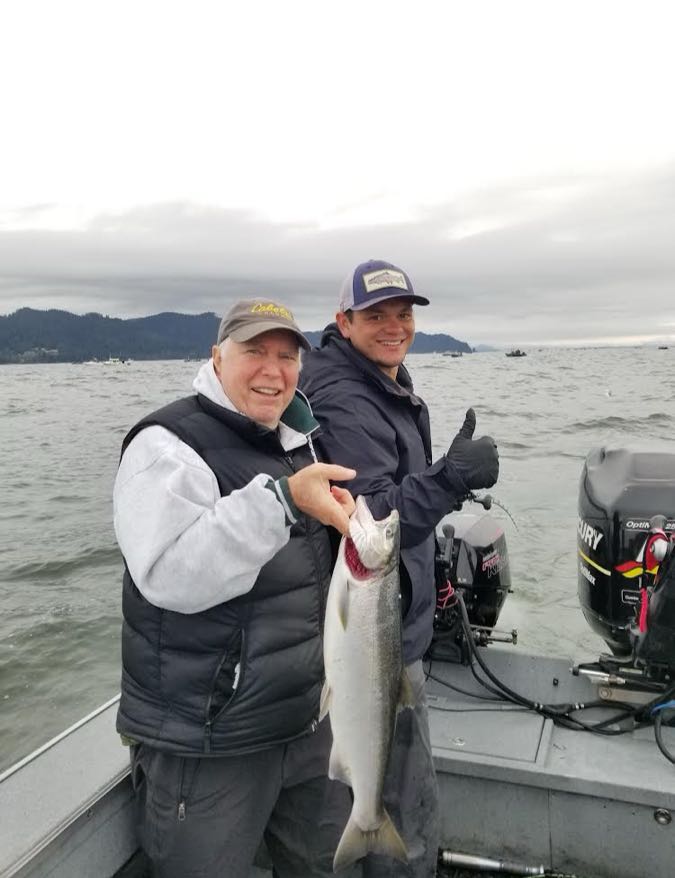
Brock Johnson
Brock Johnson’s Guide Service
5.0 (6 reviews)
Fishing the Columbia River Majestic Waters
Book on Guidesly, opens in new tab
Mark LaDuke
Mark LaDuke Guide Service
5.0 (5 reviews)
Charter fishing & crabbing – Winchester Bay, OR
Book on Guidesly, opens in new tab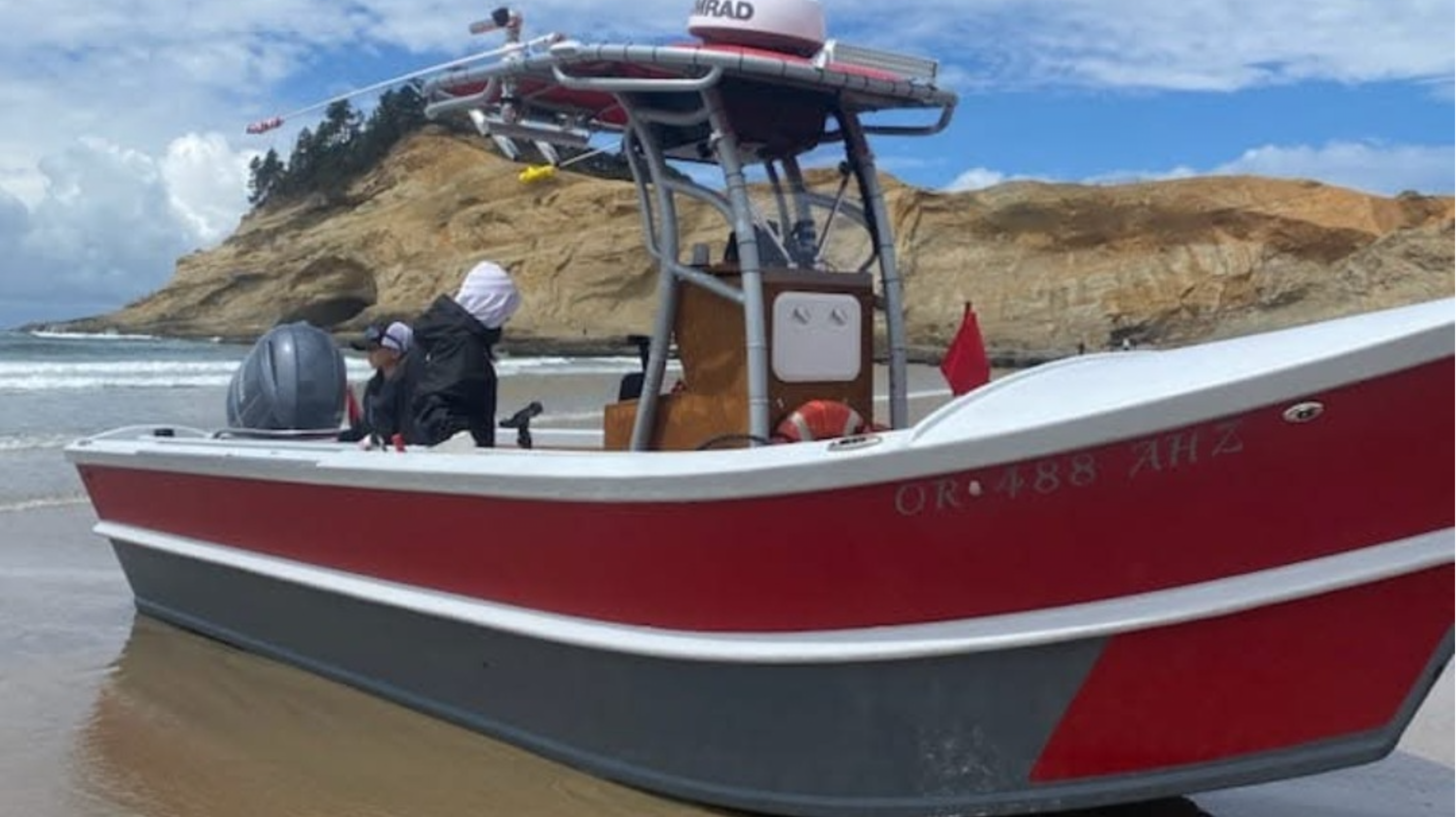
Eugene Gruhlke
Pacific Odyssey Dory Charters
5.0 (4 reviews)
Experience The Top Fishing Charters Oregon Coast!
Book on Guidesly, opens in new tab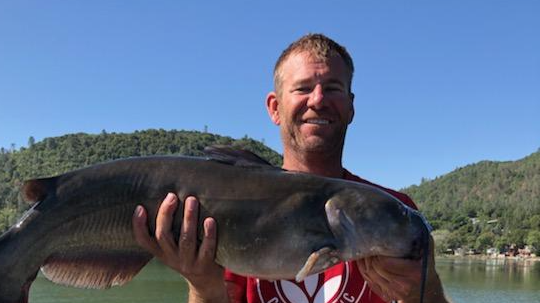
Nick Young
Nick Young Outdoors
4.0 (4 reviews)
Salmon Fishing in Gold Beach Oregon Charters
Book on Guidesly, opens in new tab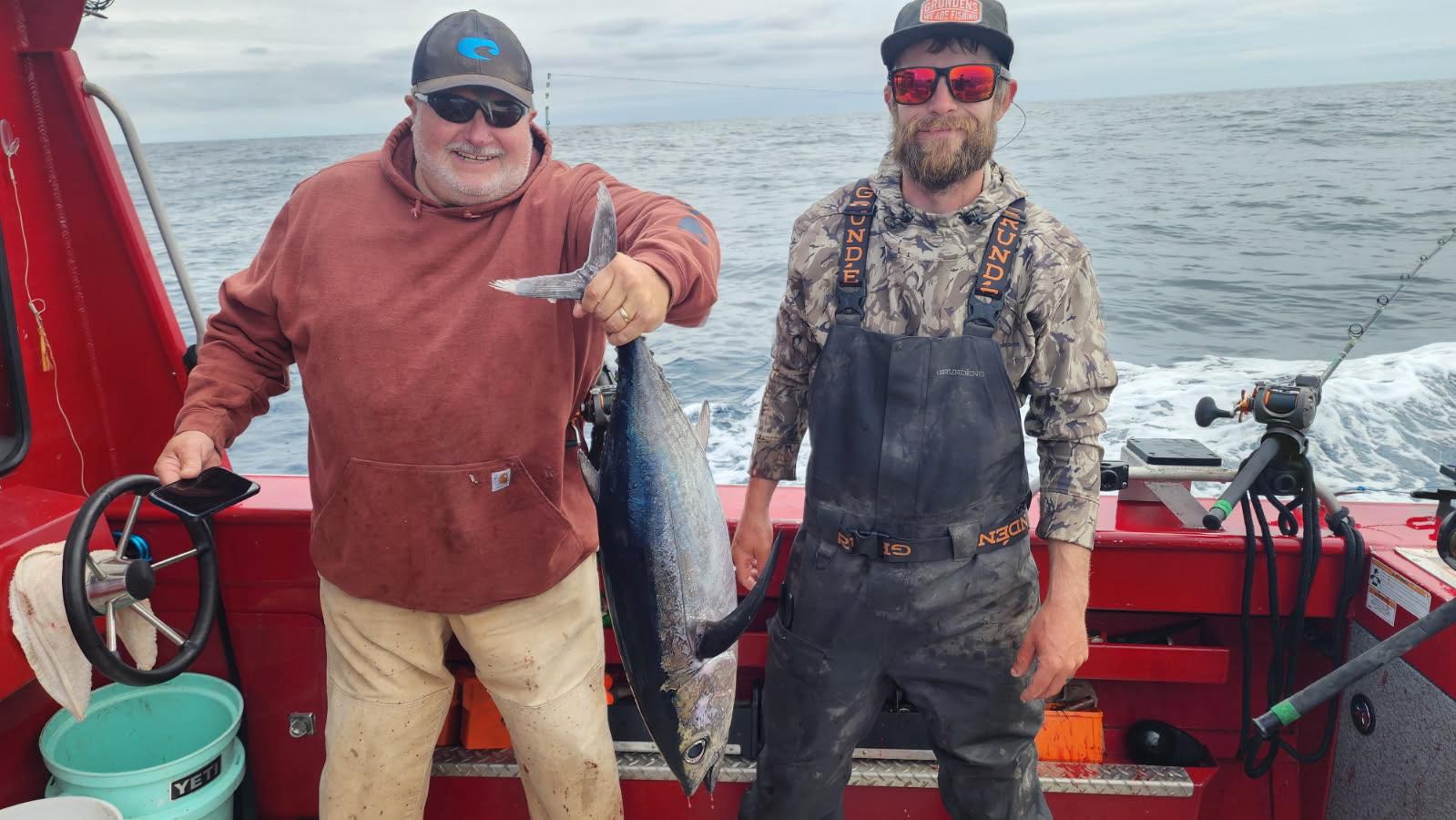
Joshua Sutch
Josh Sutch Guide Service
5.0 (3 reviews)
Exciting Adventures in Winchester Bay
Book on Guidesly, opens in new tab
Fish smarter with real-time insights
Whether you're en route and conditions shift or you're looking for the best spot based on current flows, we enable you to make informed decisions on the fly.







Oregon licenses and regulations

Oregon Boating Regulations
When using any type of watercraft to access a body of water, it is important to follow all federal, state, and local rules and regulations. These rules and regulations include boat permitting and licensing, invasive species inspections and stamps, life jacket and PFD rules, motor size and horsepower restrictions, noise limitations, restrictions on personal watercraft, and many more. Visit the web link below for the most current rules and regulations for this body of water.

Oregon Fishing License
An Oregon fishing license is required for residents and non-residents, age 12 and over. You must carry your fishing license at all times while fishing in the State. Make sure you have the correct tags, catch cards and endorsements for the water bodies and species you are targeting.

Oregon Fishing Regulations
This river has a variety of species and regulations, including potential floating and/or watercraft restrictions. Because this river is specially managed for species, seasons, angling methods, and watercraft, it is strongly encouraged you check all federal, state, and local regulations before fishing. This river is prone to emergency regulations. Stay up to date on specific river regulation changes. Visit any of the links below, inquire locally, or contact a local fly shop to learn current regulations and restrictions.

Oregon Stream Access Laws
The people of Oregon are the owners of the submerged and submersible land (“beds and banks”) underlying all navigable and tidally influenced waterways. In most cases, this ownership extends to the line of ordinary high water or high tide, but ownership can be mixed, even along the same waterway. The Department of State Lands is responsible for management of publicly owned submerged and submersible land. The public has rights to use the beds and banks of navigable waterways for any legal activity, such as boating, fishing and swimming, including pulling your canoe or kayak onto the bank.
National parks in Oregon
Smarter Fishing Starts in the App.
onWater Fish gives you everything you need to plan smarter, fish better, and own every trip from first cast to last.