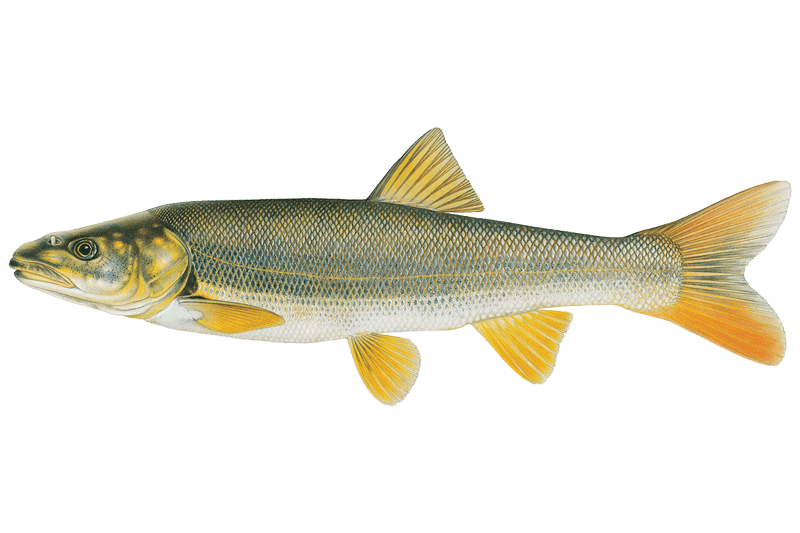
Sacramento Sucker

Sacramento Sucker in Oregon is primarily found in the Goose Lake sub-basin in Lake County, south-central Oregon, where it occurs as an isolated subspecies called the Goose Lake sucker.
These bottom-dwelling fish are native to the region and occupy an intermediate zone between coldwater trout zones and warm-water fish zones.
Scientific Name: Catostomus occidentalis
Also known as Goose Lake sucker
Bottom-dwelling fish. Adults can live up to 30 years.
Fishing in Oregon
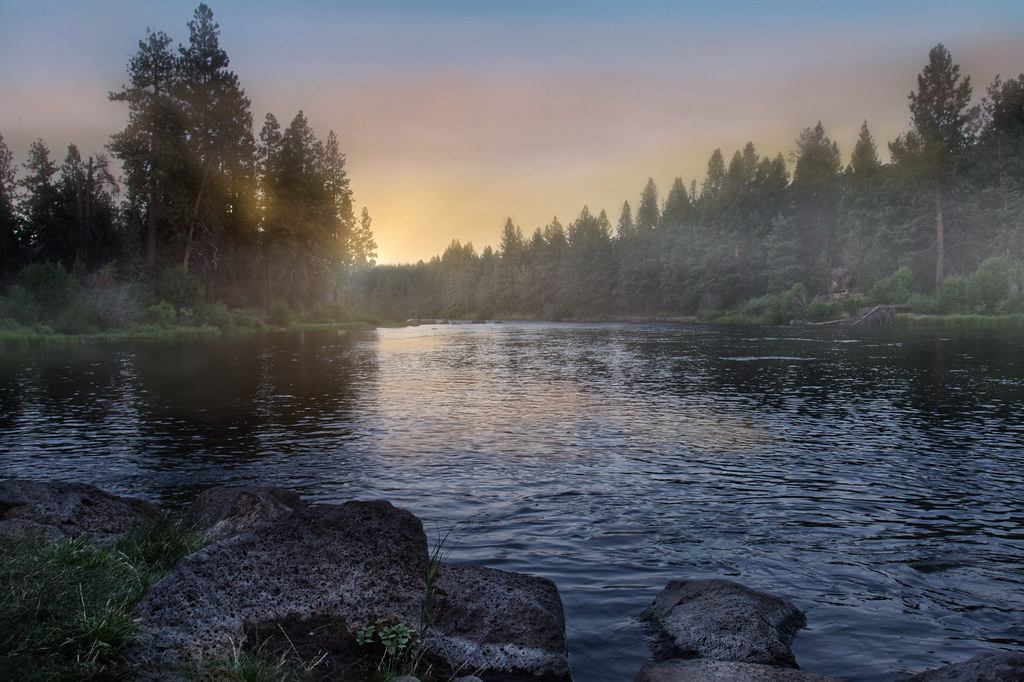
Deschutes River
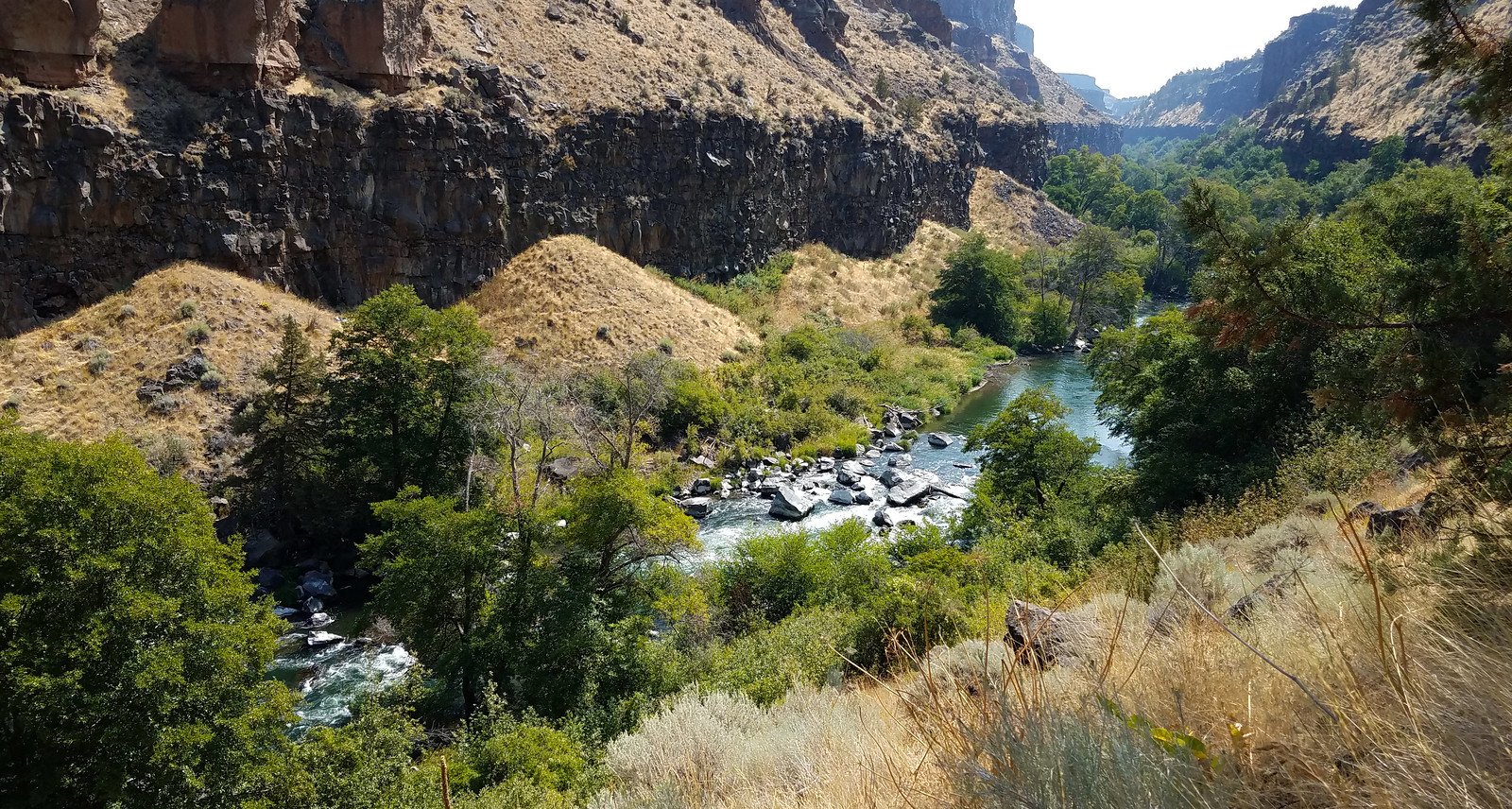
Crooked River
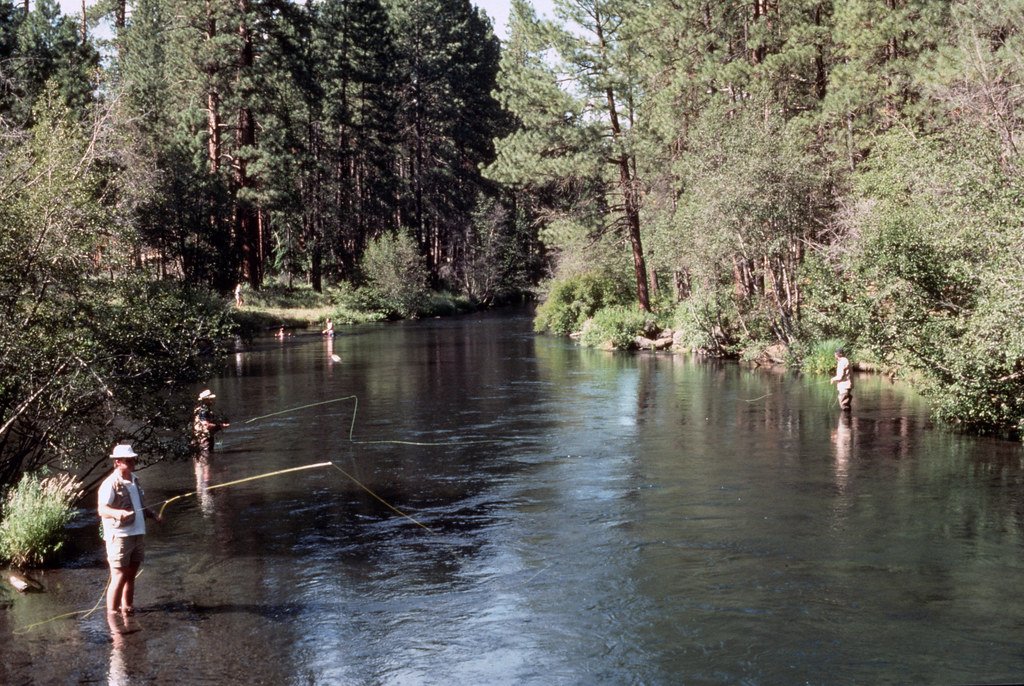
Metolius River
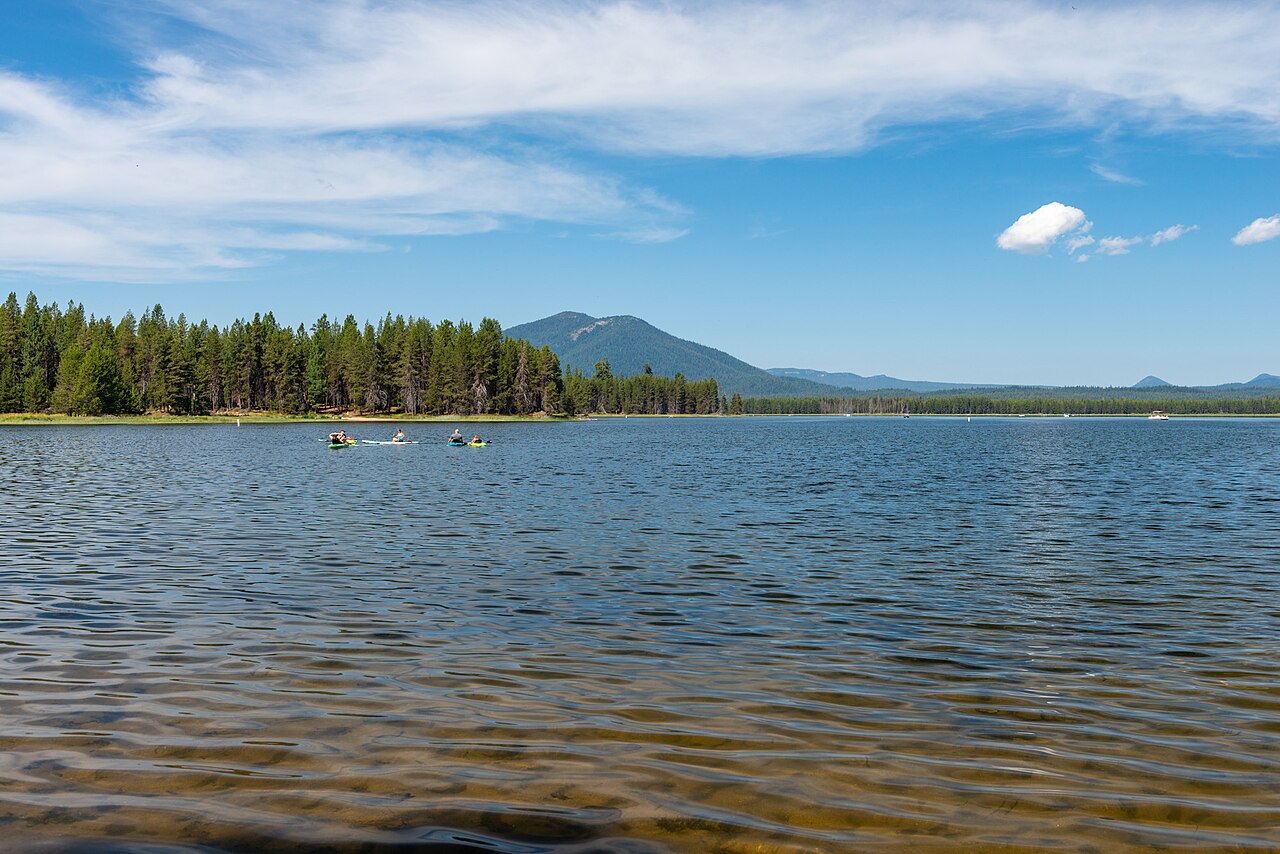
Crane Prairie Reservoir
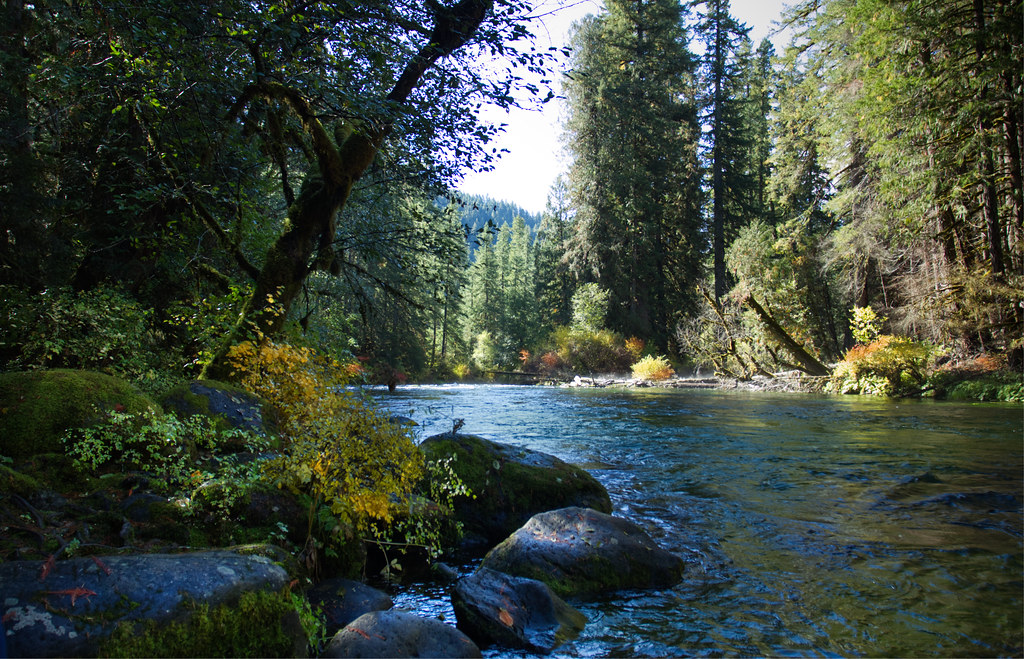
McKenzie River
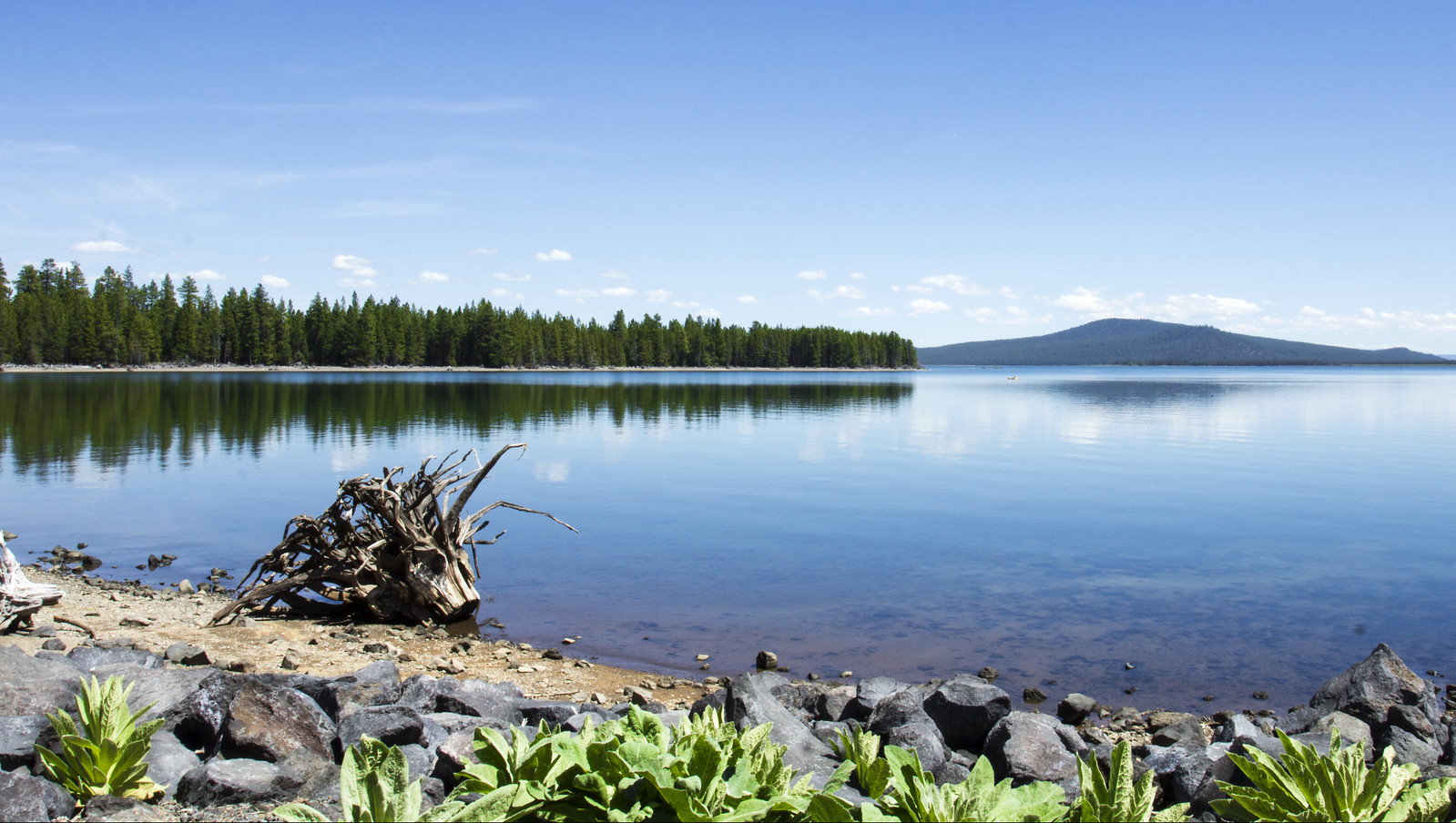
Wickiup Reservoir
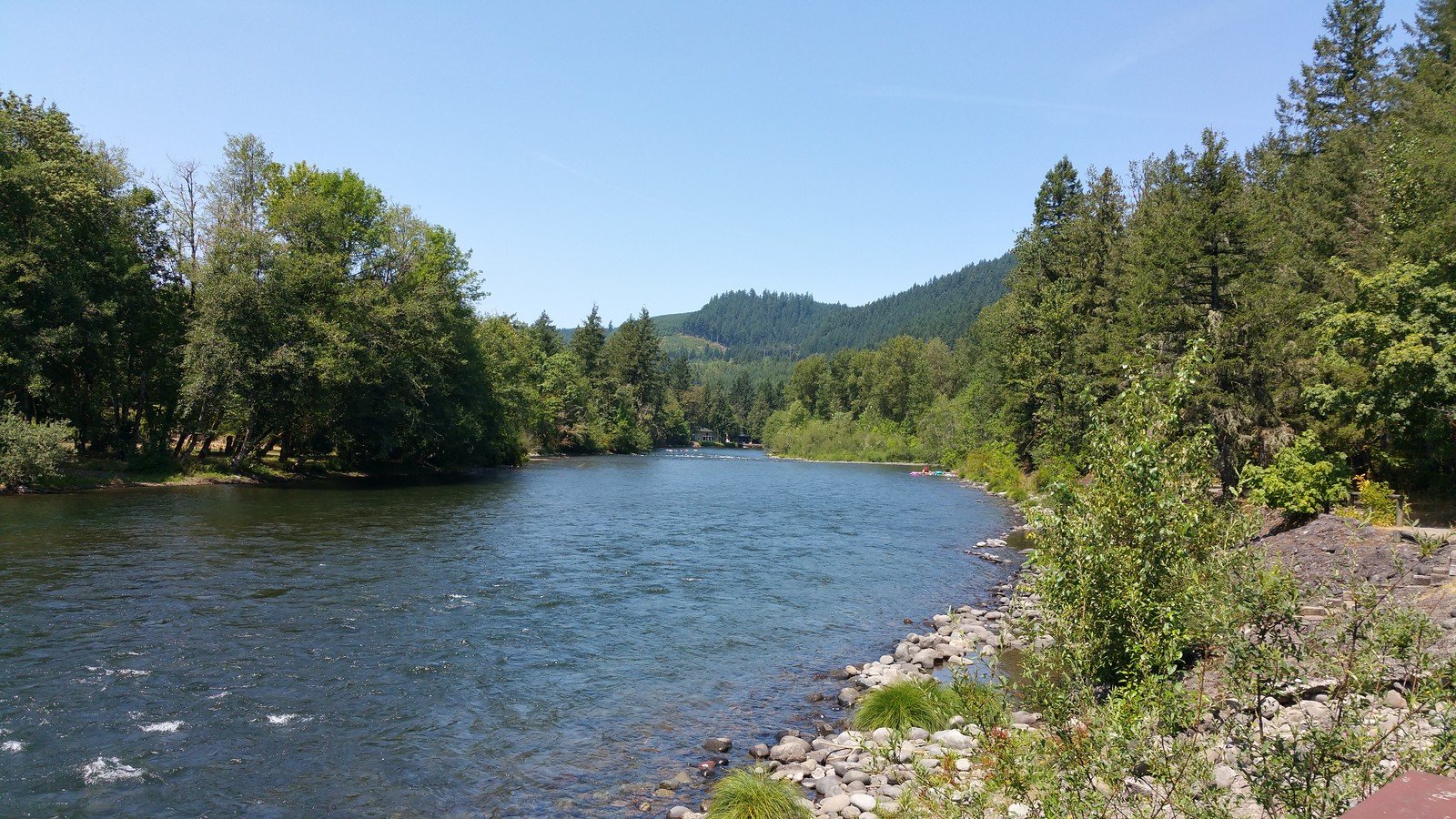
North Santiam River
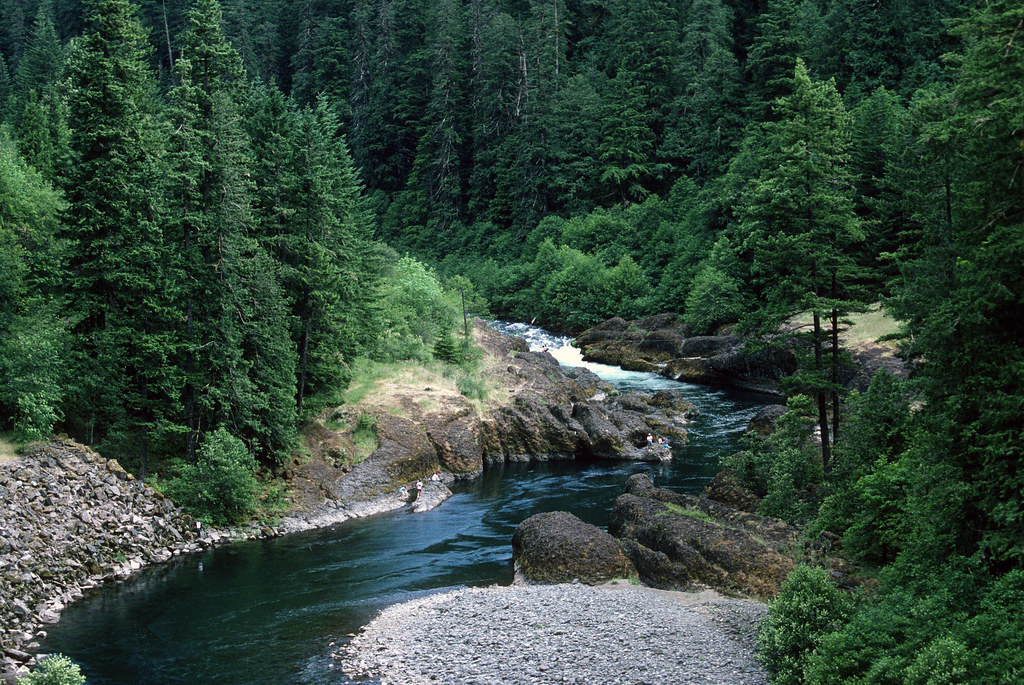
Clackamas River
Fall River
Lake Billy Chinook
What to know
Habitat Distribution
Small to moderate-sized streams with moderate gradients and low summer flows in south-central OregonKey Locations
Goose Lake sub-basin in Lake County, south-central Oregon. In Oregon's Goose Lake drainage, focus on Thomas Creek and its tributaries where populations persist.Specific Spots
Target deeper pools, areas with slower current behind rock piles, and structures that provide cover. They typically inhabit pools deeper than one foot, especially those with fine sediments to small cobble bottoms, substantial detritus, and abundant cover from overhanging banks, rocks, woody debris, and aquatic vegetation. Look for areas with fine to small cobble substrates and adequate cover.Sacramento Sucker FAQ
Answers from onWater's species guide.
What are the best lures and bait for Sacramento Sucker in Oregon?
Effective baits include worms, dough balls, small pieces of cut bait, and anything that mimics their natural diet of invertebrates and organic matter.
When is the best time to fish for Sacramento Sucker in Oregon?
Best targeted outside their February-June spawning period to avoid disturbing reproduction. The species spawns from February through June when water temperatures reach 5.6°C to 10.6°C (spawning areas should be avoided during this period).
How do you catch Sacramento Sucker in Oregon?
Sacramento suckers in Oregon are best targeted outside their February-June spawning period to avoid disturbing reproduction. These fish respond well to simple bottom-fishing techniques using natural baits. Fish during daylight hours in pool habitats, though they're most active at night when they move into riffles.
What do Sacramento Sucker eat?
Sacramento suckers are omnivorous, feeding primarily on algae, diatoms, and invertebrates including aquatic insect larvae, with invertebrates becoming increasingly important as they grow larger. They forage most actively at night, moving into riffles to feed.
Where do Sacramento Sucker live in Oregon?
Small to moderate-sized streams with moderate gradients and low summer flows in south-central Oregon
Fish smarter with real-time insights
Whether you're en route and conditions shift or you're looking for the best spot based on current flows, we enable you to make informed decisions on the fly.







See it in the app
Most maps show you water.
onWater shows you Sacramento Sucker.



- 01 · Species map filter
Map every Sacramento Sucker water
Pick Sacramento Sucker and the map zeroes in on the waters they call home. No more guessing which lake holds them.
- 02 · Waterbody species
Tap any water. See what lives there.
Species, behavior and seasonal patterns for every lake, river and pond, before you leave the driveway.
- 03 · Angler Intelligence
Ask how to catch Sacramento Sucker
Tactics, gear and timing from onWater's AI fishing guide, tuned to the species and the water you're on.
Stop guessing where Sacramento Sucker are.
Open the map, filter by Sacramento Sucker, and head to water that holds them. Download onWater and plan your next trip in minutes.
- Species map filter
- Angler Intelligence
- Fishing journal
Explore other species
Trout, bass, salmon, panfish and everything in between. Each guide unpacks the behavior, seasons, and tactics that put fish in the net.

Find which waters have the species you want to catch

Largemouth Bass

Smallmouth Bass

Rainbow Trout
Oncorhynchus mykiss

Brown Trout

Brook Trout

Cutthroat Trout

Northern Pike
Esox lucius

Walleye

Black Crappie
Pomoxis nigromaculatus

American Shad
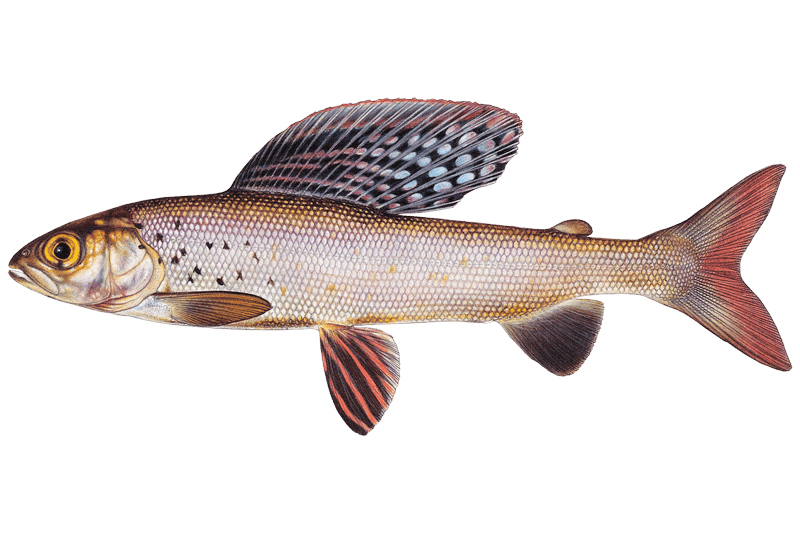
Arctic Grayling
Thymallus arcticus

Black Bullhead
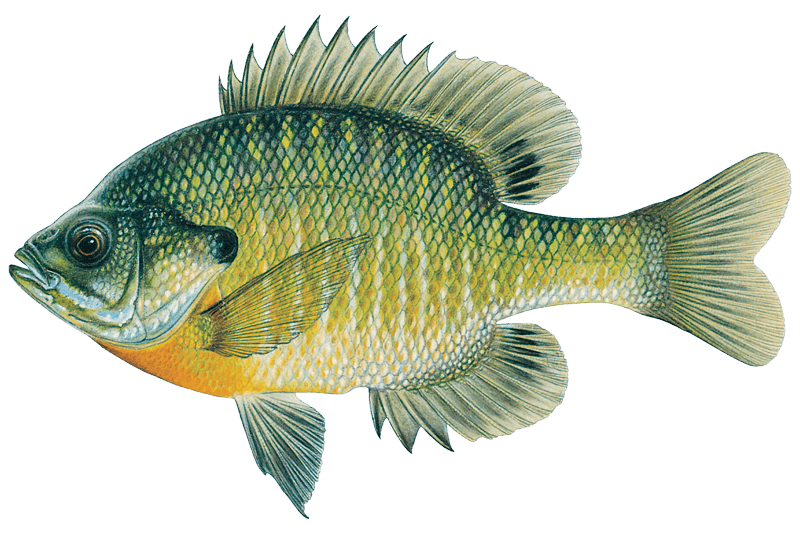
Bluegill Sunfish
Lepomis macrochirus

Bridgelip Sucker
Catostomus columbianus

Brown Bullhead
Ameiurus nebulosus
Bull Trout

Burbot
Lota lota

Channel Catfish

Chinook Salmon
Oncorhynchus tshawytscha
Chum Salmon

Coho Salmon
Oncorhynchus kisutch

Common Carp

Flathead Catfish
Pylodictis olivaris

Gizzard Shad
Dorosoma cepedianum

Golden Trout
Oncorhynchus mykiss aguabonita

Green Sunfish
Lepomis cyanellus
Kokanee Salmon

Lahontan Cutthroat Trout

Lake Trout

Largescale Sucker
Catostomus macrocheilus

Longear Sunfish
Centrarchidae

Longnose Sucker
Catostomus catostomus
Mountain Whitefish
Prosopium williamsoni clarkii
Northern Pikeminnow
Ptychocheilus oregonensis

Pink Salmon

Prickly Sculpin
Cottus asper

Pumpkinseed

Redear Sunfish
Lepomis microlophus

Redside Shiner
Richardsonius balteatus

Rock Bass
Ambloplites rupestris
Oregon licenses and regulations

Oregon Boating Regulations
When using any type of watercraft to access a body of water, it is important to follow all federal, state, and local rules and regulations. These rules and regulations include boat permitting and licensing, invasive species inspections and stamps, life jacket and PFD rules, motor size and horsepower restrictions, noise limitations, restrictions on personal watercraft, and many more. Visit the web link below for the most current rules and regulations for this body of water.

Oregon Fishing License
An Oregon fishing license is required for residents and non-residents, age 12 and over. You must carry your fishing license at all times while fishing in the State. Make sure you have the correct tags, catch cards and endorsements for the water bodies and species you are targeting.

Oregon Fishing Regulations
This river has a variety of species and regulations, including potential floating and/or watercraft restrictions. Because this river is specially managed for species, seasons, angling methods, and watercraft, it is strongly encouraged you check all federal, state, and local regulations before fishing. This river is prone to emergency regulations. Stay up to date on specific river regulation changes. Visit any of the links below, inquire locally, or contact a local fly shop to learn current regulations and restrictions.

Oregon Stream Access Laws
The people of Oregon are the owners of the submerged and submersible land (“beds and banks”) underlying all navigable and tidally influenced waterways. In most cases, this ownership extends to the line of ordinary high water or high tide, but ownership can be mixed, even along the same waterway. The Department of State Lands is responsible for management of publicly owned submerged and submersible land. The public has rights to use the beds and banks of navigable waterways for any legal activity, such as boating, fishing and swimming, including pulling your canoe or kayak onto the bank.
Explore nearby waters
Explore Oregon waters
Top fishing waters
Popular Cities
Loading popular cities...
Smarter Fishing Starts in the App.
onWater Fish gives you everything you need to plan smarter, fish better, and own every trip from first cast to last.